Covid finally caught up with me. I had not received the most recent booster (I’d been advised to wait), but I suppose it was inevitable, and at least I have a measure more immunity. The virus was a different bitch each of the five days I was on my back: uncontrollable 101.5-102.5 fever, deep hacking (including ugly music exploding from me without warning) to the point I could barely put a cough lozenge back there, 160 BPM heart rate (plus some A-Fib, which I’ve already had a procedure to prevent) for nearly 12 hours, an inability to sleep for more than an hour at a time (two night actually), and some rounds of deep lethargy, a state I despise with every fiber of my being. BUT: such a state enabled me to listen to the entirety of Allen Lowe’s Louis Armstrong’s America (see below–four consistently interesting discs of varied and original jazz compositions played by instrumentalists of unique voice many of you have not heard of–and in Lowe’s own liner notes) and the entire three-volume, seven-disc oeuvre of the mysterious international improvisatory jazz unit called [ahmed]–they’re like The Necks with something to be angry about. And such a state is just what fascinating music exists to sweep away. Fittingly, I came around just in time to see AACM stalwart Kahil El’Zabar’s Ritual Trio (featuring a fragile but still musically fetching Ari Brown on saxophone) energetically open the 66th year (!!!) of St. Louis’ New Circle Jazz Series, and, in spite of a surprisingly rough recovery week, caught alto saxophonist Vincent Herring’s “Something Else!” jazz band here in Columbia, which featured Nicole’s and my favorite saxophonist, the (sometimes too) ebullient master of the reeds James Carter.
I did get to listen to and evaluate some new stuff. All things below are listed alphabetically, but I’ve bolded the ones that are really fine. I’m still limiting myself to single-sentence reviews because I am busy with other things. And soon to come will be my update–for what it could possibly be worth to you–of my 10 or 15 or 20 favorite albums of this entire scary year.
New
BASIC: This is Basic (No Quarter)—A pleasing labor of love, in tribute to a widely-felt too-basic ’80s album featuring the corruscating guitarist Robert Quine.
Coco & Clair Clair: Girl (Nice Girl World)–Throbbing bass, cute tunes ‘n’ talk-singing…and the wrong girls to eff with.
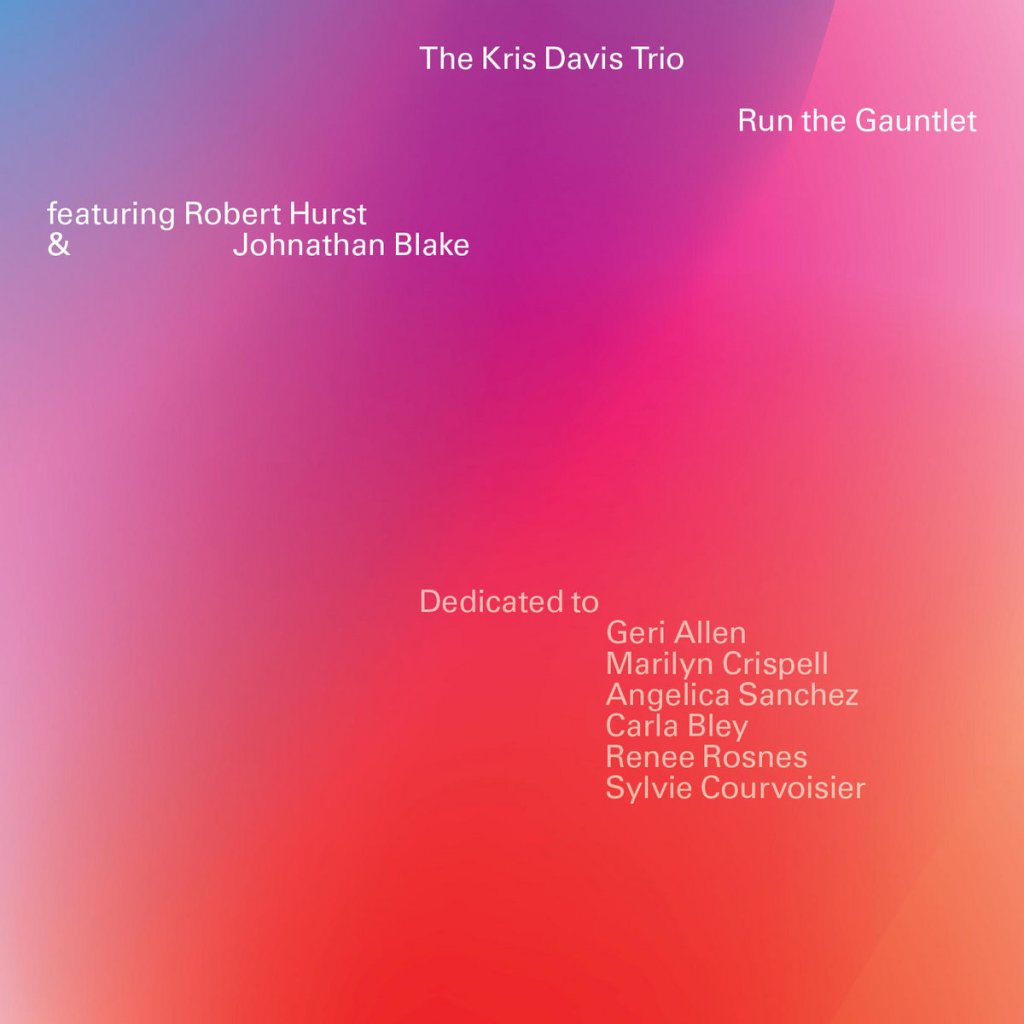
Kris Davis: Run the Gauntlet (Pyroclastic)–The pre-eminent pianist in Stateside improvisatory jazz waxes her first trio record in awhile, which is also showcase for master drummer Johnathan Blake.
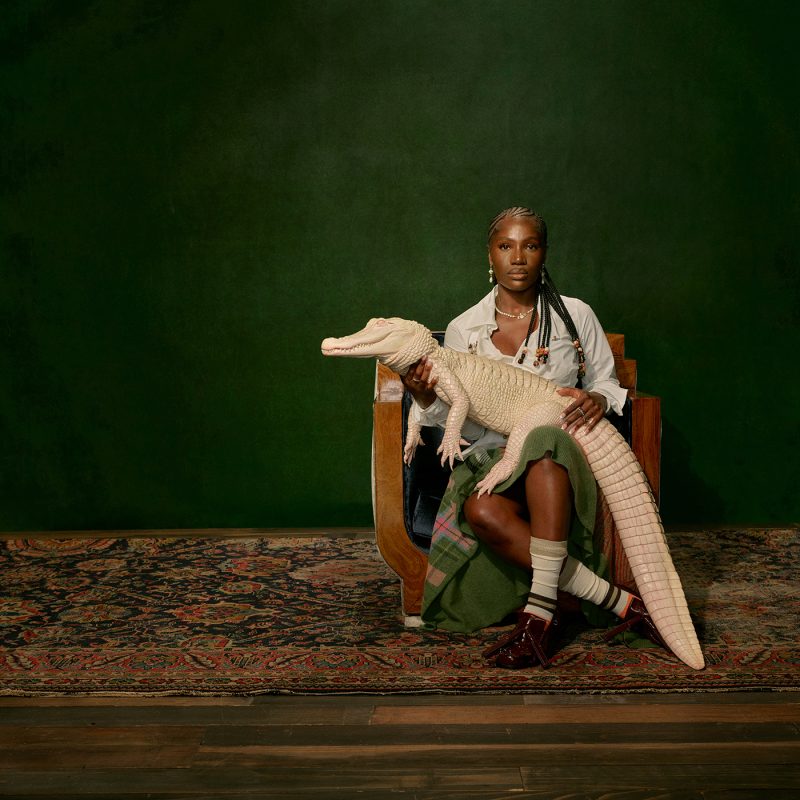
Doechii: Alligator Bites Never Hea l (Top Dawg Entertainment / Capitol)–I’m no one to play women against each other–that’s a chump’s game–but rap’s a battle-art no matter who’s spittin’, so maybe team Doechii up with Coco & Clair on an EP and turn ’em loose on some victimizers or some fakes.
El Khat: Mute (Glitterbeat)—At a local record party, a friend played me this Berlin-based Yemeni band’s previous record and I was immediately hooked by its hypnotic clanking and addictive Middle Eastern rhythms; I’ve since acquired their entire catalog–solid!–and this new one might be their best.
Etran de L’Air: 100% Sahara Guitar (Sahel Sounds)–This Agadez wedding band keeps getting better–my esteemed music-enraptured colleague behind the superb Substack newsletter RiotRiot prefers them to Mdou Moctar–and the title speaks for itself.
Fastbacks: For WHAT Reason? (No Threes)–Rock and roll lives, though if you listen through the bright, fast guitar-propelled music, it hasn’t been easy.
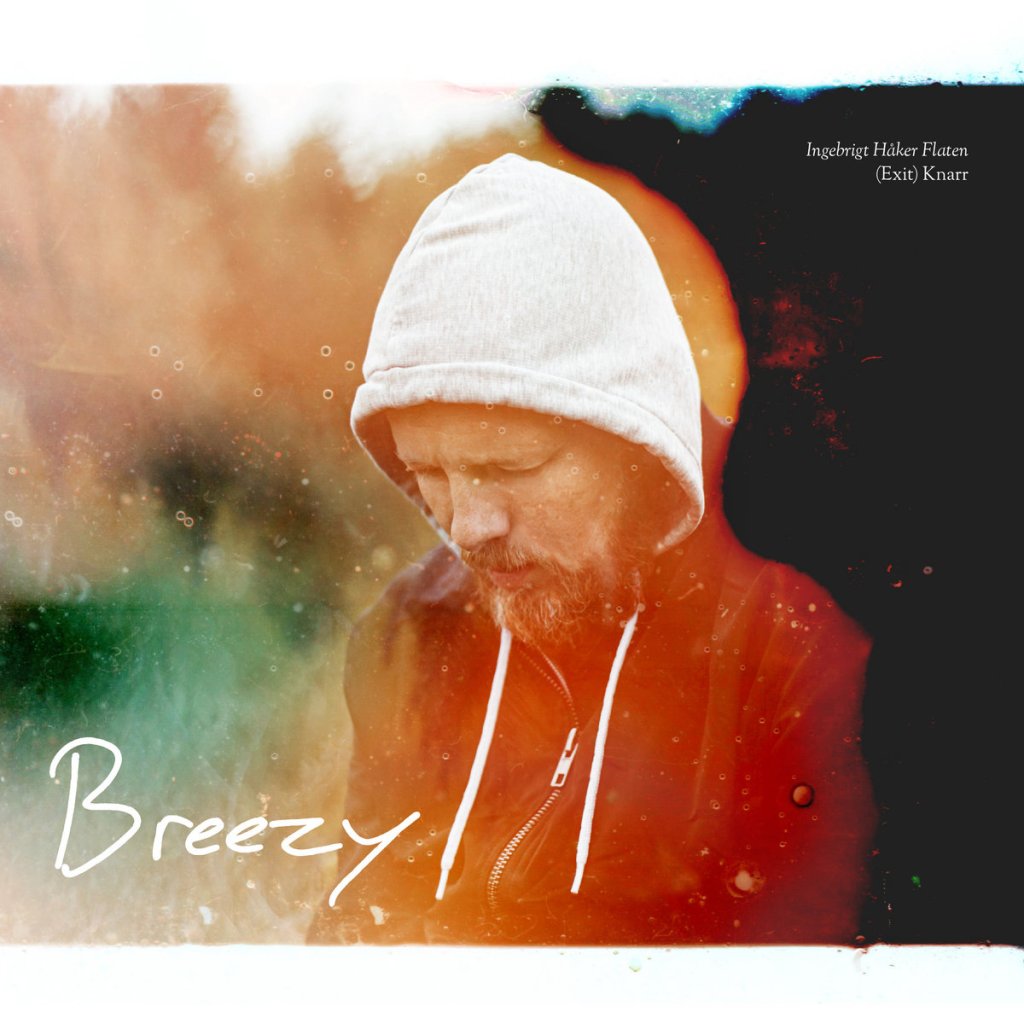
Ingebrigt Haker Flaten & (Exit) Knarr: Breezy (Sonic Transmissions)—Flaten and his excellent band (Exit Knarr) follow up the stunning compositions and free playing of their debut by upping the ante with continued inventive writing and the well-timed skronks of guitarist Jonathan Horne.
Floating Points: Cascade (Ninja Tune)–The Pharoah Sanders record didn’t end up knocking my socks off, so, in sampling this as an obligation, I was pleased to find the beats delighted and brightened me.
GALVEZTON: Some Kind of Love (A Tribute to the Velvet Underground) (La Izquierda)–The Feelies did this last year, on a record of pretty much the same title, and the vocals killed it for me, which they DO NOT here…plus I’m fascinated by why these Texans even waxed it.
Darius Jones: Legend of e’Boi (The Hypervigilant Eye)(AUM Fidelity)–Jones’ saxophone playing on this soon-come release is emotionally powerful but carefully controlled, and it’s the strongest of what will be eventually nine installments of his “Man’ish Boy” epic (according to the notes) as well as my favorite saxophone record of the year.
Allen Lowe & The Constant Sorrow Orchestra: Louis Armstrong’s America (Constant Sorrow)–No important music chronicler has ever composed and played this well, though I am tempted to boil the four discs down to a master cut and see if it strikes me more deeply.
Satoko Fujii Quartet: Dog Days of Summer (Libra)–Fujii can play piano and compose in any configuration, including fusion, which this kinda is, and though the bassist occasionally exerts too much enthusiasm, I continue to marvel at her flexibility and dream of witnessing her live.
Brandon Seabrook: Object of Unknown Function (Pyroclastic)–Roll over, Bill Orcutt, and tell Bob Quine’s dust the news.
Patrick Shiroishi: Glass House (Otherly Love)—I kid you not, this lovely sax-and-soundscape record is on par (for me) with In a Silent Way, Another Green World, Private Parts, and Ocean of Remembrance as magically calming records to meditate or get to sleep to if you’re troubled
Snotty Nose Rez Kids: Red Future (Savage Mob)—I await anyone’s answer why this trio of First Nations smart-allecks and advancers of tradition aren’t more lauded in the hip hop world…other than that they’re First Nations rappers (they’re a trip love, too).
Thalin, Cravinhos & VCR Slim: Maria Esmeralda (Sujoground)–Brazilian rap of the first order…though I don’t really know enough to know that for sure, I just stayed locked in.
Various Artists: BACaRDi Fest EP (New Money Gang)–Almost 50 minutes of rolling South African beat-flow, if you wanna call that an EP.
Dustin Wong & Gregory Uhlmann: Water Map (Otherly Love)–An engrossing tour of, as one listener puts it, “A river, a cavern, for the mind’s ear.”
New-Old
Unholy Modal Rounders: Unholier Than Thou 7/7/77 (Don Giovanni)—An absolutely essential, impossibly lively, lovably louche–and highly educational–pair of performances led by the mad vocals and scratch-that-itch fiddle of the legendary Peter Stampfel.
Raphael Roginski: Plays John Coltrane and Langston Hughes(Unsound)–Lots of guitar this month, but so be it, and Roginski’s 2015 album–guitar-only but for a few guest vocals–does justice to the title, which I was certain it would not and could not.
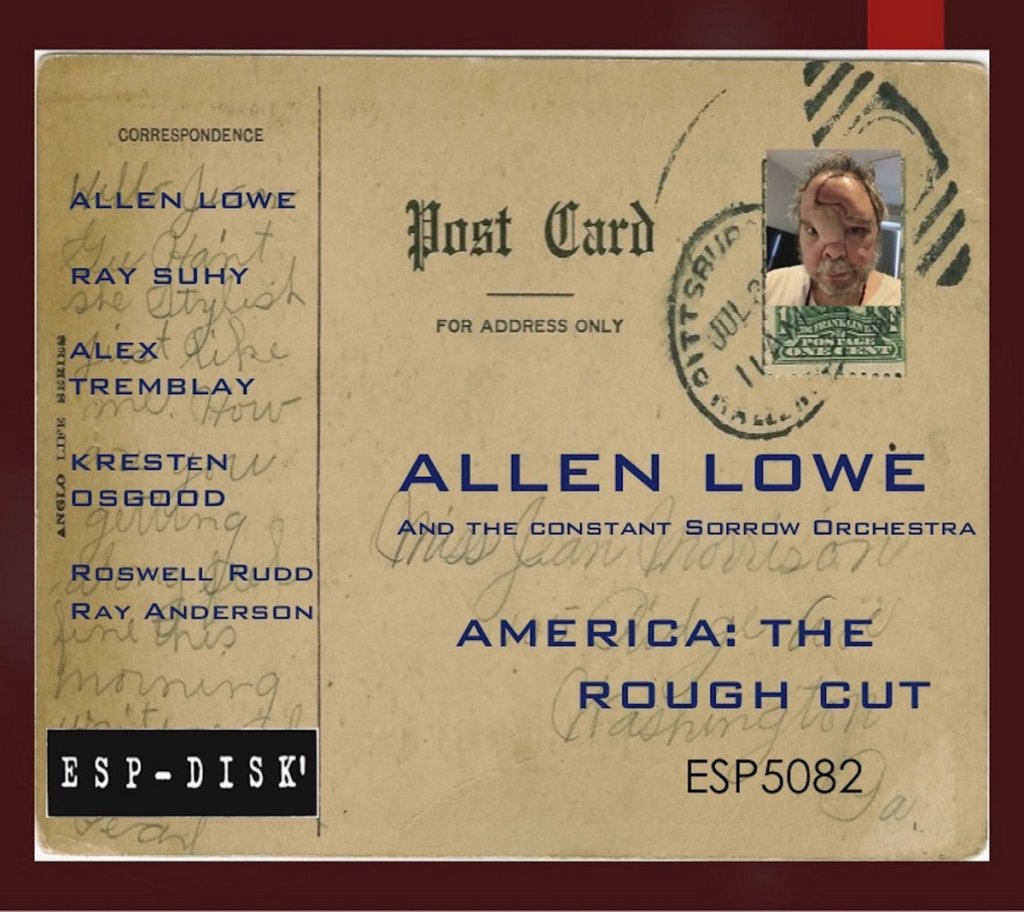
Allen Lowe is certainly one of the most prolific, deep-digging, and insightful scholars of American music ever. His groundbreaking book (and accompanying nine-CD set) American Pop: From Minstrel to Mojoon Record 1893-1956 set the standard for traveling the crooked path of songs that led to the rock and roll revolution, and the works that followed, among them Really The Blues: A Horizontal Chronicle of the Vertical Blues, 1893-1959, That Devilin’ Tune: A Jazz History 1900-1950, God Didn’t Like It: Electric Hillbillies, Singing Preachers, and the Beginning of Rock and Roll, 1950-1970, and “Turn Me Loose White Man”Or: Appropriating Culture: How to Listen to American Music 1900-1960, demonstrated that one journey up the path was not enough to get one’s head around our music (a few of those books reinforcing that belief with 36-CD sets). However, many of those who’ve read or at least heard of the those books are dimly aware, if at all, that Lowe has also been a composer and player of considerable power for nearly 35 years, often playing with some of the most forward-thinking instrumentalists in jazz and regularly navigating in notes and harmonic collaboration the same territory his books did in words. His song titles often “speak” to his scholarship; his compositions often serve as commentary on contemporary (and original) jazz. A struggle with cancer sidelined Lowe for much of the last few years, but recently he exploded back onto the scene with a three-disc set, In the Dark, Volume 1, which seems to lovingly survey, in swinging, grimily funky, and woozily emotional style delivered with a crack band, a range of large-ish group approaches to jazz composition; a single-disc set, America: The Rough Cut, on which Lowe is backed by a smaller group (plus one beauty of a piece from 2014 featuring the late trombonist Roswell Rudd) and which earns its title partly due to the unpredictable, explosive, and inventive guitar of Ray Suhy, as well as Lowe’s most fiery playing (he also plucks guitar plangently on two cuts, including his second wrestling match with Blind Willie Johnson’s “Dark Was the Night, Cold Was the Ground). As the title of one of the album’s songs implies, Lowe’s response to staring mortality in the eyes, at least by virtue of the quality of this new work, is “Eh, Death.” Lowe’s albums are available via his website and Bandcamp, and, unsurprisingly, he’s also just published a collection of his critical observations, Letter To Esperanza: Or: The Goyim Will Not Replace Me – Looking for Tenure in all the Wrong Places.
This interview was conducted through a series of emails. I have edited Mr. Lowe’s answers to my follow-up questions into the original transcript in the most logical possible fashion.
Phil Overeem: The health travails you have been battling have taken you to the wall (and fortunately not through it), and you’ve documented many of them on social media. In the notes to one of your two new releases, you mention that, somehow, those struggles have resulted in music that’s on another level from anything you’ve composed and played before. Having followed your work for quite a few years, I can hear what you’re talking about. Why, and how, do you think that happened?
Allen Lowe: Tough question – desperation, focus, fear, and the help of a lot of incredible musicians who just came to my rescue. It’s hard to know what leads to that kind of inspiration, and material reasons tend to just sound like a rationale for something you cannot explain. But even when I was unable to play I was always playing and composing, in my head. And also, I gotta admit, I was and am motivated by general frustration with the poor state of jazz composition, which led me to write these things as essentially an answer to the industry, about what I think the music can and should be.
PO: Another social media-related question: I think it’s fair to say that you regularly engage in battle on Facebook with other music aficionados about theories of the development of American popular music. Is this something that’s helped you as a theorist yourself, do you wish you’d never gotten sucked in, or is your experience somewhere in between. I have to say, some of the conversations are as interesting as your books, and those set a high bar. In fact, it seems the job of any writer who is looking at the development of our music should be seeking to complicate rather than simplify the narrative, yet even current young writers seemingly committed to revealing the truth in fiery terms seem to steer clear of or dismiss complication.
AL: I enjoy the give and take, and I take inspiration from the high-level intellectual goals and battles of the old New York intellectuals of the 1930s on: Harold Rosenberg, Irving Howe, Richard Gilman, Theodore Solatoroff, Stanley Kauffmann, Isaac Rosenfeld, Susan Sontag, Diana Trilling, Delmore Schwartz – largely, but not solely, a group of dedicated and intellectually-heightened Jewish intellectuals whose work was probably nurtured by the in-grown alienation of American Jews in general, who were perpetually kept at arm’s length by much of the official world. I have suffered that same kind of otherness, twenty years of complete isolation in Maine, where I was treated like a freak and an outsider. As for public debate, I enjoy the give and take, though I am aware that when one opposes certain kinds of received wisdom it pisses people off, and they regularly take it personally because it questions some of their more sacredly-held opinions and beliefs. I try to avoid the personal stuff, and on my own Facebook timeline I think it stays pretty civilized. And I have to say I have met some of the smartest people I have ever known through social media interactions.
And yes, there are times I get sucked in obsessively to arguments, feel like I have to answer that Midnight comment; and there is one particular guy on Facebook who likes to remind me that I am an old white guy who everybody of color should ignore and avoid, and he does so offensively and with nasty intent. Though the great thing is that he thinks he is a person of color but, as I pointed out to him, his ethnicity is Aryan, which makes him as white as me. Sometimes Google is a good thing.
PO: Something that fascinates me, as someone who reads and listens to your work, is how your compositions (and wry song titles) speak to or from your arguments about American music. Sometimes I think I hear it clearly; sometimes I can’t find it; often, I realize I shouldn’t be expecting your compositions to do that. Are your compositions ever extensions or articulations of your viewpoint, and if so, how often? Not to make this seem like an essay question, but could you talk about a composition of yours you feel most successfully achieves that?
AL: Oh, pretty much everything I write is a form of debate and argument with somebody (sometimes myself). There is a polemical aspect to what I do musically, though at the end of the day it isn’t worth shi* if the music isn’t good, if my playing isn’t good, if it is not well recorded and smartly presented. Too much of the contemporary artistic world of all genres, in my opinion, is better at writing rationales for the work they do than at actually producing the work. Look what wins grants – all sorts of high-falutin’ intellectual presentations on worthy social goals followed by crappy work in every discipline. As I pointed out recently, by these granting standards Samuel Beckett, Charlie Parker, Bud Powell, Jean Genet and maybe even Shakespeare would not have received foundation funding for lack of the kind of social linkage that gets money. And don’t get me started on diversity – the more diverse we get, the more everyone looks and sounds alike, forced as they are to fit into acceptable socially-woke categories. Republicans love this shit, it plays into all the myths about Progressive shortcuts and stereotypes. And then there is age discrimination, which is a constant. For recent compositions: “Elvis Don’t You Weep,” “Castles in the Sand,” “Ralphie’s Theme” – all make my point about the integration of historical knowledge, historical necessity and aesthetics, about the need to face all of old American music head on. Honestly, just about everything on both projects is a point of formal and musical advocacy. Just to add, my compositions are all about triadic harmony, which I feel is the soul of jazz but is really not well understood in the context of jazz history and American standard song form. Almost no one writes anymore with a real understanding of old-line song form except, I say immodestly, for me and a few others. And I think the free-jazz world has gotten lazy and sloppy, painting itself into a musical corner. I admire the concept of open improvising and we use it a lot on those recordings, but we use it structurally and in complicated ways. I am proud of the compliment that the late jazz historian Larry Gushee paid me when hearing some of my prior recordings: “You have re-invented free jazz.”
PO: Just for clarification’s sake, I’m not too familiar with the grant-writing process for arts projects, so could you elaborate on that? And I think I’m following you on the “diversity in the arts” paradox, but could you clarify that, too?
AL: I won’t name names, but they know who they are. But seriously, anyone who has ever written a piece on Climate Change or Minstrelsy (there was one obscenely awful project on minstrelsy that got a grant a few years back, or on diversity (today’s favorite fake buzz word) ought to be removed from the practice of music. We need a Hippocratic oath for music; don’t do any harm, Every socially-linked piece and grant supporting it does irreparable harm to the music, so you can see we are in big trouble. Want an example? Try the recent thing written by the pianist Chris Smythe called Smoke Gets in Your Eyes which is about….you guessed it – wild fires and the damage they do. Now that is very controversial – I know a lot of people support wild fires, like to set ’em, like to run through them, like to dance in circles around them as their homes burn down.
Ok, the whole diversity bullshit – I favor affirmative action, I favor reparations for African Americans. What I don’t favor is the racialist ideal which, instead of looking for balance and redress of racial grievances by seeking out quality, simply considers every artist of color to be a great artist without critical discernment. Some is good, some is crap, but they are all accepted if they meet gender standards or satisfy a desire to have everyone look different than they used to look, though ironically now they all look all the same. The arts people who most specifically call for diversity don’t really want diversity – they want to be looking into a mirror, where every artist looks like them, and any art or art form that does not conform to their expectations is excluded, often, as well, by age. I have worked too long and too hard to bow to this kind of trendiness, which tends to support forgettable creations and mediocre expression. This is not diversity, it is uniformity and conformity. It is an excuse for artistic inaction, as though by “making a statement” we have already done our job.
PO:Your saxophone playing on America: The Rough Cut and In the Dark is the most eloquent, allusive, and powerful I’ve ever heard from you. Its controlled intensity is very consistent across all four discs. This relates back to my first question in some ways, but what physical frustrations related to your condition did you have to overcome as a horn player, and in any way did the time off give you the time to make mental adjustments to your attack?
AL: Well, it took me a while to get those recorded takes right, and I confess I did some overdubbing to re-do certain solos because in some of the earlier sessions my embouchure sort of fell apart (which goes back to the 2019 high-intensity radiation which destroyed my jaw muscles and embouchure, which I had to rebuild). I am ok, thanks to a good mouthpiece and a mouthpiece maker who did a lot of amazing work on it. But it is not just that – when I retired in 2016 it was really the first time in a 40-year career I was able to focus on my playing without a difficult day job and raising kids. Things were going extremely well until I first got sick in 2019, which knocked me out of the box for about a year, but then I just said to hell with it, I am going to do this again even if it kills me. But yes, there is an emotional element of desperation in my current playing due to a fear of imminent death, though this is no longer a likelihood (I am cancer free now). But I remember Pee Wee Russell’s admonition to “play every solo like it’s your last,” and that is my working technique. Plus, learning and re-learning harmony, which is at the basis of almost everything I do, and I should mention the constant inspiration of Bud Powell, who occupies a permanent space in my head. I am not a great technician but I think I play with feeling. Add to all this that I am old and regularly a bit dizzy (see below; a post-Chemo effect). But I wrote two books and mastered 30 CDs while I was sick, and I just push on; there is nothing that makes me feel better than composing and playing. And when I play I feel like it is a great flow of consciousness. There is no better reason to do something; it has a purity and sound that cannot be matched by anything else in my life.
PO: Ray Suhy, the primary guitarist on Rough Cut, and Lewis Porter, the keyboard player on In the Dark, have long been major contributors to your music, yet remain very underrated in jazz conversation (as far as I’ve been involved in it). Both musicians are at their best on the two albums, and Porter especially does some amazing things on synthesizer (evoking Augie Meyers’ work with Doug Sahm was not something I was expecting, but should have been)—if you’re the mind and soul of the music, he seems the heart. Could you talk a bit about how they are particularly suited to your musical vision?
AL: I love those guys, personally and musically. They are also the absolute best in the world on their instruments, in my opinion (one thing I have realized while working with these musicians is that the best players now are NOT the ones who regularly appear in clubs, in polls, and in reviews). Yeah, nothing of my work would be half as good without them – but please let us also mention Rob Landis, Aaron Johnson, Brian Simontacchi, Ken Peplowski, Alex Tremblay, Lisa Parrott.
Back to the original question: both Ray and Lewis (and all I mentioned above) understand my method of composing and playing, which is a type of extended harmonic exploration in tandem with a lot of personal freedom to create improvisations at will. I don’t tell them what to play, I just give general guidance, and everything they do works better than anything I would suggest, anyway. They always surprise and delight me – Lewis does some synth things on In the Dark, which are astoundingly inventive, and Ray is a post-blues and rock and roll delight on America: the Rough Cut. I am the luckiest guy in the world to have run into all of these musicians; they saved my life in more ways than one. (And by the way I think Aaron Johnson is the greatest saxophonist alive).
PO: When you described how you ask your fellow musicians to play your compositions with you, that sounded A LOT like Mingus’ method. How could he not be an influence, but I must ask to see to what extent.
AL: Oh, I am sure, yes, Mingus, materially and subliminally. I tend to think I am too dumb musically to competently copy anyone else but myself. Duke Ellington has a way of writing – like it’s one long sentence – which I love, and he is a combination of conventional and quirky, and his voicings are just beyond profound; Monk of course, and Bud Powell is one of the greatest jazz composers, and when I play or compose I hear him in my head. As a composer I am torn between classic triads and extended form, integrating various kinds of improvisation into the form. My biggest difficulty is that I so rarely work, which makes it harder to get a band to perform in an organized way, but these players are so brilliant that they make it sound like that.
PO: I recently read an anthology of Stanley Crouch’s uncollected work—I am among the few music junkies I know who liked the first (and sadly the last) volume of his Parker biography, and I do not admire his vitriol (it dishonors his mind) and forcefully reject his seeming condemnation of what I’ll call “free innovation”—and frequently found parallels in his best moments with contentions I’ve heard you make. You may have addressed this in one of your books I haven’t gotten to yet—and possibly in one of your social media scrums—but where do you stand on Crouch, Murray, and Ellison (not that I mean to conflate their viewpoints into one)?
AL: I admire all of them intellectually (well, I gotta say I don’t find Murray to be that great, which is a very unpopular opinion), and I particularly love Ellison, the one novel and his essays, but really all of them fail when it comes to the entire concept, philosophy, and range of “modernism.” I define modernism, per Richard Gilman and Alain Robbe Grillet, as the need to constantly renew art forms, to reject old gestures and forms in favor of either new gestures and forms; or to alter those gestures and forms into fresh and radically new approaches. Their kind of cultural conservatism – and Murray is the most conservative, followed closely by Crouch and then Ellison – is death to music and jazz in particular. Now some people today think I am too culturally conservative because of my disagreements with the latter-day school of Free Jazz, but I am not. I am just bored, bored with Free Jazz’s self-referential postures, its repeat of the same-old-same-old ways of improvising, the laziness of just getting up and faking it – it is just too damned easy to play that way. I was able to do it when I was a teenager, but I moved away from it because I knew it was too easy (and there is an interview with the great saxophonist Archie Shepp in which he talks about his health problems and how at one point he was playing poorly but people could not tell the difference “because this is Free Jazz.” Yes, he really said that). I am in favor of complete artistic freedom, but that does not mean we can’t make personal artistic judgements. But Albert Murray thought the 1950s Basie band was too radical, and he put down Genet and all of modern expression in a really dumbass way (in his book The Omni Americans) and, honestly, I am tired of his views on The Blues. I love the blues, have written a book on it, but it has become a One-Size-Fits-All aesthetic crutch to describe or criticize too broad a range of music.
And I have to admit I still look to the first and second generation of post-bop modernists – Sonny Rollins, John Coltrane, Paul Bley, Ornette Coleman, Shipp, Eric Dolphy, Sonny Simmons, Gil Evans, Johnny Carisi – for inspiration. I feel like we have not adequately explored the implications and possibilities of their music but at least I have tried, unlike most of my contemporaries – because, really, it takes too much time for most jazz musicians, who just want to play and who lose perspective on the art form itself.
PO: I had a feeling your feelings about the current state of free jazz would come up (“painted itself into a corner”) made think of the limitations of the solely impressionistic approach of many current free players). I have listened to quite a bit of it over the years, and I’m probably a bit more tolerant than you, but mostly agree that SOME form—some composition, even if only in fragments that would probably have to be discussed by the musicians beforehand—has to be present for me to really enjoy it. I haven’t heard too many performances that have “become” compositions as they were played, though I know, just for example, that Ellington and Strayhorn were adept at hearing phrases played by Ellington’s soloists in one composition and later turning them into a wholly different one. Are there other players you know of and listen to today–excluding yourself, because I agree with that wonderful compliment you were given–that ARE composing satisfactorily (to your ears) while allowing a considerable amount of freedom?
AL: Probably: is Anthony Davis still active? Threadgill is great, Roscoe Mitchell when he really writes it out. But I have to admit I tend to turn to the oldies – Speckled Red, Cow Cow Davenport, Clarence Lofton. Their ways of playing inspire me compositionally. The way old insane gospel tunes are performed as in a state of delirium – that inspires me as a composer. I love that kind of anarchy – and I love the way Albert Ayler composed and performed.
PO: Thinking back to that Archie Shepp anecdote, as much as you’ve covered most of the history of American music in your books, you must know of some stories (whether about individual players, bands, periods, etc.) that need to be told in book form. Are there any you hope to write, or hope someone else will write?
AL: I have to say that I am basically done – with this last book, being tired (and retired) in general. I am feeling much better, but I don’t think I will ever really be back to where I was before the cancer. Books take too much energy, and Turn Me Loose White Man feels like my intellectual eulogy. As for others – I don’t know. I find most music books to drone on and on. I still turn back to the old favorites – Francis Davis, Dan Morgenstern, Max Harrison. And for criticism on other fronts, Richard Gilman (who has effected me more profoundly than anyone else), Stanley Kauffman, and Susan Sontag. From now on, my energies will go into the saxophone,composition, performing, and recording.
PO: Truly, very few music academics of your stature have created even a fraction of the quality music you have—I can barely think of any (Porter, for sure, in his Coltrane book and on-line presence; Crouch—but did he even play enough to prove himself; have you heard Ishmael Reed’s new piano record?) who have played, period. With that in mind, how would you like to be considered, 25-30 years down the line? I don’t mean to bring mortality up at a point where you probably haven’t been thinking about it as much, but there’s nothing like a legacy of writing and recorded music to establish a kind of immortality.
AL: Yeah, I have not heard a lot of academics who impress me musically, though there are probably a lot I haven’t heard at all, and I do think things are improving on that end. I mean, people like Gerald Cleaver are now teaching, and there are more like him. And, of course, Lewis Porter is not only a brilliant historian but my favorite pianist.
I do think about legacy, but in a very concrete way; I honestly tend to think that when I am dead my followers will fold their tents and leave and forget about me. One book described me years ago as having a “cult” following, and I wish this were true, as I would like to experience that kind of slavish and uncritical dedication from people who would wash my feet and serve me grapes if I ask. I actually have more of a following for my book and history projects, I think, which is fine; I actually made a decent amount of cash on Turn Me Loose White Man.
PO: Once in the past, I spoke with you on the phone about the prospects of bringing you to mid-Missouri to speak and/or play as part of a music series here. This is certainly related to a couple of my previous questions, but have you received offers for combined playing and speaking appearances? I would think you’d be irresistible, and you’d be hard to cancel because you’re…complicated. Is that something you’d be interested in doing in the first place?
AL: I would love to do that but have only done it maybe once (a friend of mine hired me); I can print you out a collection of my unanswered emails. Put end to end, they would probably reach from here to the farthest university Jazz Studies program. I may try it again, but I am a bit exhausted these days from constant rejection.
PO: On America: The Rough Cut and In the Dark, I think I am hearing different stylistic allusions from song to song to other horn players. Who are the players who have most influenced your own style? And…whose music in particular helped you through your health struggles? I know you suffered long periods of insomnia; reading about them, I imagined music in the background keeping you company. As well, and if my recollection is right, reading was sometimes complicated if not impossible for you. Were there books that helped you endure?
AL: Oh, that’s a complicated one. Players: Coleman Hawkins, Sonny Rollins, Bird, Dave Schildkraut, Eric Dolphy, Pete Brown, Louis Armstrong, Jabbo Smith, Bud Powell, Bud Powell, Bud Powell –James P. Johnson, Donald Lambert, Aaron Johnson (soloing after he plays is like getting into a barrel to cross Niagara Falls); Wardell Gray, Al Haig – well the list could go on. But truthfully I am a bit of an idiot savant of improvising, I don’t really imitate anyone else because I can’t. I actually did not listen to a lot of music when I was so damned sick, except in my head. I am addicted to 1920s COGIC gospel, which is incredible, insane music; and really early jazz, pre- 1930; those six months I stayed awake I was too delirious to focus, so instead I wandered in circles in the dark and ate a lot of food (gained twenty pounds, which I have since lost). But I heard it, as I said, in my head. I love and am inspired by what are called Songsters, black singers of the old, old days who did not sing the blues but instead sang folk-type ditties, minstrel tunes, and other oddities. That old music is so old it’s new, and the old screaming gospel is where I got a lot of my ideas for America: The Rough Cut; it is blues and pre-blues and parallel to blues, but the damn blues, as I said above, has become a crutch for critics who don’t know anything else. I also love white hillbilly music, like Harmonica Frank and Doc Walsh, the rougher the better. I put a lot of that into Turn Me Loose White Man. But the racially-altering gospel music is the free-est music I know, technically and emotionally, and where I (at least subliminally) developed my ideas on “free” improvisation, which is really a form of emotional liberation put in check by the constant fear – or chill, as Mingus said – of death and hell. Book-wise – I still can only read on my Kindle, as my eyes are still troubled. I like books on the Mafia, but more personal are stories by Bruno Schulz, criticism by Richard Gilman and Stanley Kauffman, poems and prose by Pessoa, Vachel Lindsay. My eyes still hurt, and it’s a struggle. Not much of this was a true comfort, but reading Richard Gilman, who was the smartest guy I ever knew (I studied with him briefly) makes me feel, if only temporarily, that all is right with the world. For a few hours I stop worrying that my cancer will come back and kill me like some kind of stealth-music critic.
PO: I enjoy your sense of humor (in the song titles and in your writing) and feel like I hear it not only in your playing but sometimes in the structure and mode of your compositions. Am I imagining things?
AL: My wife thinks I have the sense of humor of a 12-year-old, though maybe a very mature 12- year-old. You are hearing correctly; I try to take things lightly. What else can I do? When I was certain I was going to die imminently I figured I had better prepare for what seemed like the inevitable, and so I just started to contemplate it all and try to accommodate the certainty of losing consciousness permanently; I got nowhere. I had nothing. I thought nothing, I felt nothing but more fear and uncertainty, so I just gave it up. Better to watch Marx Brothers movies and think of bad-taste things to write. There’s a Mary Lou Williams tune called “Little Joe From Chicago,” so I wrote one called “Little Jew From Connecticut.”
As for humor in my horn, I don’t know. It probably seeps in, though not in any larger-picture sense, at least that I am aware of, but I do like to think that my lack of maturity bleeds through in places.
PO: I cannot imagine you without a project in the offing, though after releasing four discs of music and a kind of memoir, you may be resting. However…are you already working on something new?
AL: Yeah, I got a bunch of stuff in the works. Depends on my health and energy level. I am still feeling post-Chemo effects, and they wear me down. I go through periods like recently when I have little appetite (and I still have that Chemo-metallic taste in my mouth on occasion, and have neuropathic dizziness; don’t believe what they tell you about Chemo leaving your body after 30 days. I am two years on from my last chemo – I had it twice – and it is still in my body and in my head – though it was the radiation that almost killed me, but that’s a whole other story which has led to about 6 surgeries in the last year to reconstruct the damage done to my face).
But back to the question, yes, I have to keep recording. I will not stop until they bury me. I am a bit fed up with jazz’s official complacency, the bad composing, the Free Jazz b.s., and I feel I have to take an aesthetic stand. I feel like I am the only one who does what I do, for better or worse. Right now I want to to do a session that is “about” Bud Powell, another “about” Julius Hemphill. Not tributes, but “inspired by.”
PO: No one has covered the growth of American music, song-by-song, genre-by-genre, decade-by-decade, as you have. What I am very fascinated to learn are the artists who have most moved and intrigued you SINCE, oh, say, 1977, and especially RIGHT NOW. Does your work keep you from getting to more recent developments?
AL: I am hopelessly out of date, but I find the really old music to be more inspired and inspiring than most of the new, in all genres. I prefer the old ways of recording, the old sonic clashes of instruments, the old analog feel of expression (which digital can recapture if you have the will to do it). It is a little bizarre that I cannot name much music after 1970; I almost always go back and further back, to early black music, early white music, jazz of the 1950s, bebop, country and hillbilly music; these are sounds that soothe my soul.
PO: You mentioned raising kids. What are they listening to? Do you talk to them about music, and have you talked them into learning to play? Also, what’s your wife’s taste in music like?
AL: My kids are pop music fans, no jazz really. My wife likes jazz, particularly singers. She tends to think my current work is a little too far out.
PO: This probably qualifies as a nag, since I kind of already asked this in a way, but what’s the most recent record you’ve listened to that you really enjoyed? I remember popping into a social media thread of yours and recommending Ricky Ford’s The Wailing Sounds of Ricky Ford—Paul’s Scene, which I hope you sampled (not that I’m hoping that’s the answer to the question).
AL: I listen to so little current music, except in snippets on bandcamp and youtube. Very little holds my interest; there’s Randy Sandke’s Inside Out, which I love, Jeppe Zeeperg, a Danish pianist who is brilliant. Anything with Lewis Porter and Ray Suhy and Aaron Johnson.
PO: On that note, let’s end on a “historical dig” question—there’s no one better to ask it of. Are you aware of the guitarist, historian and author of a new Merle Travis bio, Deke Dickerson? He wrote some Bear Family liners awhile back. In the new Travis bio, diving into Travis’ influences and touching on Ike Everly and Arnold Schultz, Deke posits one Kennedy Jones as the first thumb-picking guitarist in Muehlenberg County (as opposed to Schultz) and thus an overlooked influence on Travis and many others. Deke mentions that the only known recording Jones made was on King with Texas Ruby and Curly Fox. Thoughts on this?
AL:Is he playing the electric or the acoustic? [PO’s note: According to Dickerson, he’s the one who’s plugged in.] The electric is very interesting, in that kind of playing I always think the lineage is Blind Blake, Ike Everly, Merle Travis and – damn, what’s the name of the other guy? He never made any formal recordings, there’s a bio of him – Mose Rager (there are some clips on youtube, or used to be)! That kind of guitar playing is fascinating to me, it feeds into one side of the rock and roll equation, Elvis and Scotty Moore – as opposed to the more shrill, single line approach of James Burton, Roy Buchanan, etc. A lot of people don’t seem to be able to hear this, especially the Blind Blake origins, but to me it is obvious.
PO: Allen, I know you’ve got projects to attend to, so thank you so much for your time, writing, music, effusiveness, humor—and physical indomitability!
AL: I think I am pretty domitable (as opposed to indomitable). The thing about hitting a certain age, especially when it has been preceded by all the physical problems I have had, is that you have a feeling you are just treading water while your body prepares to self-destruct. I try to imagine the moment at which life finally slips away, and though I’ve got some idea of how it will feel – I’ve been put under 15 times in the last four years – I refuse to believe it is going to happen; sometimes delusional thinking is the best defense -so I carry on, as though there are no lasting consequences to the passage of time.
I’m headed down to Bentonville, Arkansas this weekend, so I’m pushing this out a bit early. Why Bentonville, you ask? Yes, it is a corporate town of Wal-Mart’s devising, but the Crystal Bridges Museum one heir has established is the cat’s ass, currently features a Diego Rivera exhibit, and hosts The Roots and Congolese electronic band Kokoko! Saturday night, so don’t be so snobby! Northwest Arkansas is a GREAT place for all this to be, whatever the machinations behind it. You can tell, I know, that I don’t fully trust it myself, but it’s the only place I’ve ever seen a Black Power Art exhibit and viewed an actual top-flight Basquiat–with my parents, no less. So….
My big news is the return of American pop music scholar, composer, horn man, and occasional guitarist Allen Lowe to the record hop. Lowe’s probably best known for his fascinating book American Pop: From Minstrels to Mojos (other books of his that followed are just as fascinating), but his recorded output is very high quality, and his survival of and recovery from sinus cancer and related health struggles have actually helped propel him to perhaps his best composing and writing ever–four total discs worth. I hope to post today an interview I conducted with him recently in which he speaks of those subjects and many others, but the single-disc America: The Rough Cut is likely to appeal most strongly to those of you who are rockists as well as jazzists: aside from songs that range from raucous to reminiscent to romantic–with the blues always threaded through them–many feature the very underrated electric guitarist Ray Suhy, who’s full of creative and often explosive surprises and has worked with Lowe for years. Marc Ribot fans should proceed directly to this disc. The second set, a three-disker, is called In the Dark, Volume 1, and strikes me as not only a survey of jazz styles Lowe admires but, as Lowe admits in our interview, also a response–or answer, if you will–to what he has heard as a lack of interest and imagination in composing in current jazz circles. That’s not a small claim, but the range of structures Lowe leads the Constant Sorrow Orchestra through (both records feature a unit by that name, but on In the Dark the band’s much larger with mostly different personnel) is stunning. Three disks is a lot to ask of a listener, but they frequently swing–when they don’t, they do very interesting other things–and the playing is fabulous, especially by Lowe, who is truly on. You may have read keyboard master Lewis Porter’s Coltrane bio; he’s Lowe’s frequent collaborator, and on these recordings his playing is regularly eyebrow raising–especially when he imitates Augie Meyers and Jimmy Smith through a synthesizer. So…check ’em out, pronto.
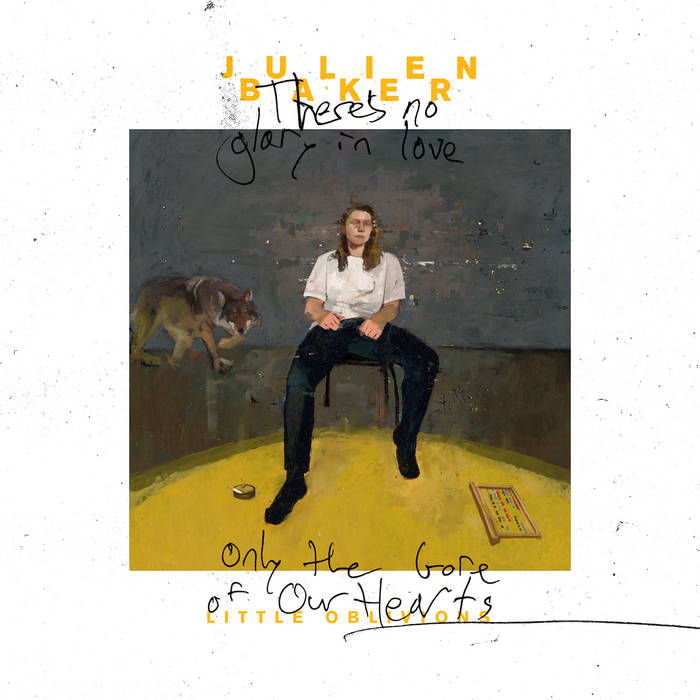
Though I was a very early convert to Julien Baker’s writing (thanks to a songwriting former student), I’ve found it hard to cozy up to boygenius, Baker’s collaborative group featuring her good friends Phoebe Bridgers and Lucy Dacus. I’m not a fan of mope for the most part, and that’s how their early work struck me. the record, their new release, however, has stunned me. The writing is full of razors and barbed wire, which I don’t associate with mope, and I find it hard to think of a better time for women to respond to this world with songs like these. I can’t get enough of them, truly. When that happens, I buy vinyl for my imaginary offspring to enjoy after I die.
Without a doubt, much of the new additions here are of the jazz variety. I’d like to call your close attention to London Brew, a kind of tribute to/interpretation of Miles’ Bitches Brew by players you should know from that locality; National Information Society’s Since Time is Gravity and Fire! Orchestra’s Echoes, both of which evoke Northern Africa is an exciting way; the Ethnic Heritage Ensemble’s tribute to trumpeter Don Cherry, which continues a streak of fairly magical releases by long-time AACM ace Kahil El’Zabar; and that indefatigable font of pianistic ideas, Japanese pianist Satoko Fujii, who hasn’t let hitting her 100th album last year stop her from releasing several more already, including her fantastic soon-come solo album Torrent. She’s got an album at #35 below, Torrent‘s at #43, and her occasional collaborator, vibraphonist Taiko Saito, has Tears of a Cloud at #39. Those rankings may seem unimpressive, but folks, that’s out of a lot of records, and I don’t take the rankings that seriously (other than the Top 10) until November. Satoko is the bomb, as the kids no longer say.
Speaking of “The East,” if you are a fan of dissonant, ambient, and atmospheric noise, check out pretty much anything WV Sorceror Recordings has been putting out. I am definitely a fan of such stuff, and I can play their releases twice a day (especially when I need such stuff, the dissonance of which tends to calm me). Also, if anyone who reads this blog took me up on my strident recommendation of Les Raillizes Denudes’ reissued work on Temporal Drift last (and this) year, check out the reissue of Shikuza’s Heavenly Persona on Black Editions, which features several guitar eruptions by LRD’s Maki Miura.
It is obvious below, but I finally separated reissues and excavations from the brand-new work. Not that anyone had written in to complain, but I think it helps for some of us who are still obsessed with reaching backwards through the years (to complement our love and desire for the new).
New, Reissued, and Excavated Albums I’ve Found Most Delightful, January 1st-April 30th, 2023
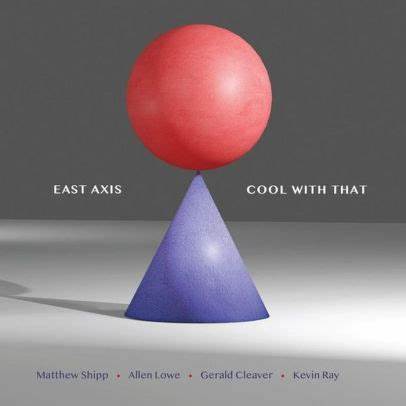
*The great American music scholar, musician, and composer Allen Lowe, in league with his razor-sharp jazz unit East Axis, knocked out one of his best recordings ever, Cool With That, in the fall of 2020. Ill health proceeded to fall upon him, and though he appears to have survived it, more struggles lay ahead. This is the best free jazz disc yet released in ’21–pay Lowe back and check it out.
*Speaking of jazz players, composers, and freedom, William Parker’s career output is a challenge to explore fully, but do not miss his new release, Mayan Space Station, which features the exciting guitarist Ava Mendoza. Parker’s made a wide variety of records, but never one with six-string this cutting.
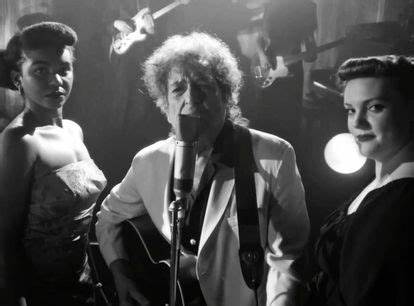
*Inexplicably–well, I have been under a lot of stress for many months, and thus distracted–I dropped the ball on Bob Dylan’s there-and-gone film Shadow Kingdom: The Early Songs of Bob Dylan (early–the old fucker’s still got a hell of a sense of humor). I missed it, flat out. Also, instead of simply admiring the indefatigable energy of my longtime lamplight, I occasionally suspect him of, um, gambits; I’m not sure what exactly that means, but maybe “hustle” is a better word. My own gambit not to get my knickers in a twist over the production, however, proved stupid at least from the aural evidence. This morning I was able to access the commercially unavailable soundtrack (cheating, I list it below), and it kicks mountains of ass. Getting sidelined from constant touring’s cleared out his larynx, but more importantly, via neat new arrangements, subtly altered lyrics, and a lot of vim, he made several of his “old” tunes completely fresh–in fact, “To Be Alone With You” and “The Wicked Messenger” (at least) top the originals, and from his current mortal vantage point, “Forever Young” is forever young. BluRay, please?
*My wife Nicole and I helped crowdfund the Smithsonian’s rap project back in 2014, via Kickstarter. The nine-disc box finally arrived in stores this week; it was also our donors’ gift. Even though the tracks stop at 2014, it’s excellently selected and sequenced, it sounds incredible, the accompanying book and vintage photographs are stunning, and…well…it was about damn time. Among the minor quibbles: no DOOM.
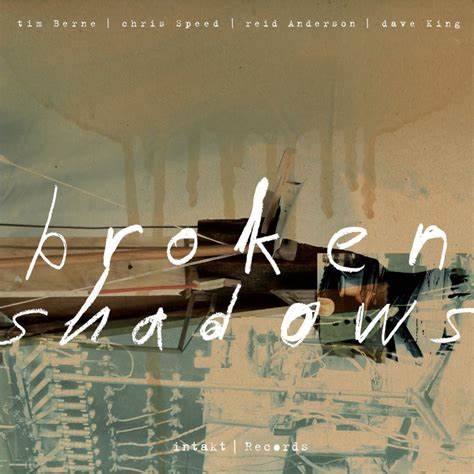
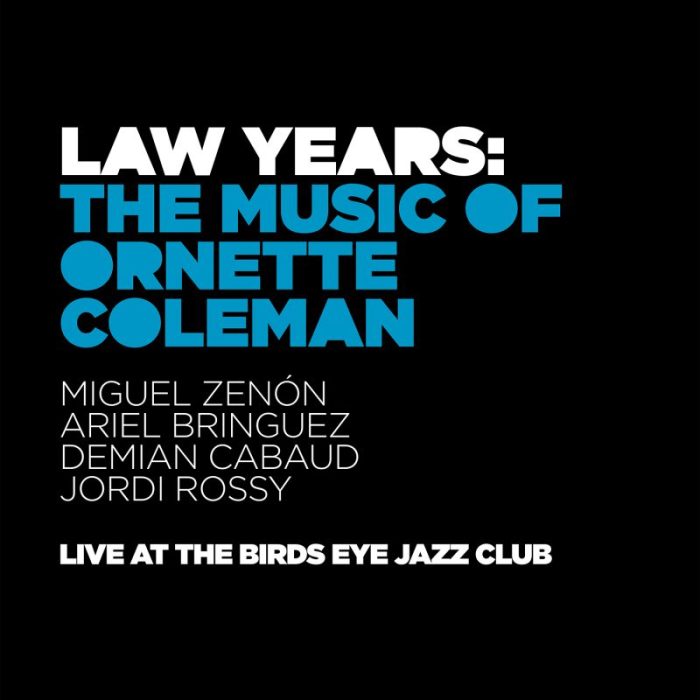
*Alto saxophonist Tim Berne’s intense new tribute to Ornette Coleman’s work is the THIRD of the year to make the list, and they’re all so good it makes you miss Ornette even more deeply. PLEASE sample Miguel Zenon’s and Gimenez Lopez’s as well.
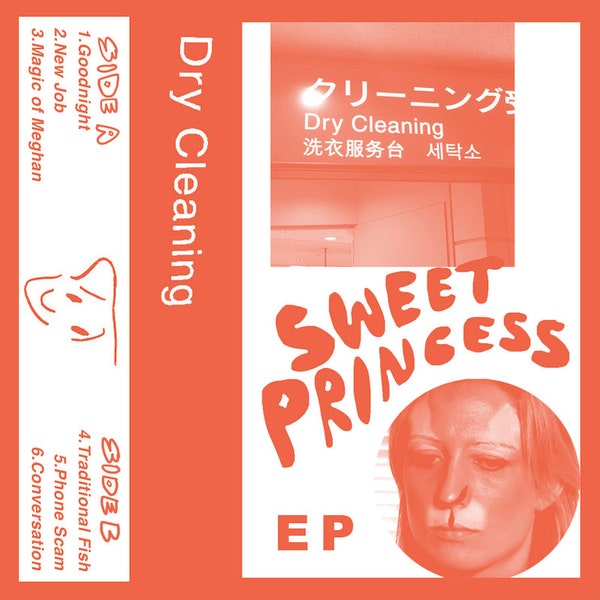
*I don’t know any one in person or in cyberspace who loves the British rapper Dave as much as I do. I suppose hardcore hip hop heads might malign his rhyming and flowing skills, or sniff at his beats, but he is the kind of storyteller we need right now, and from the beginning of his last record to the end of his new one I’ve never been bored. In a way, Florence Shaw of the band Dry Cleaning is his narrative sibling; she mostly talks, but it’s what she talks about, and the settings that surround the stories, that count.
*The Lake of the Ozarks, Missouri–COVID Central once already, and probably heading that way again right now. But HEY–if you’re starving for lounge rockabilly with an edge, slide on over to Sundazed Records and check out their latest excavation: the J Ann C Trio Live at Tan-Tar-A (the site of many Missouri public education retreats and worse). Fans of Wanda Jackson and The Skeletons/Morells should NOT miss it.
*I feel like I may have underrated Low Cut Connie’s “Quarantine Concert” covers comp on this list. They’re a group I admire more than I listen to, BUT…this record can open up your waterworks. Adam Weiner is indeed among the last of our eighty-eight-key rock and rollers, and he puts EVERYTHING into these performances. You can feel it in the choices, in his playing, and particularly in the singing–plus? The tough cookies he was referring to were–are, goddam it, we have to be all over again–us.
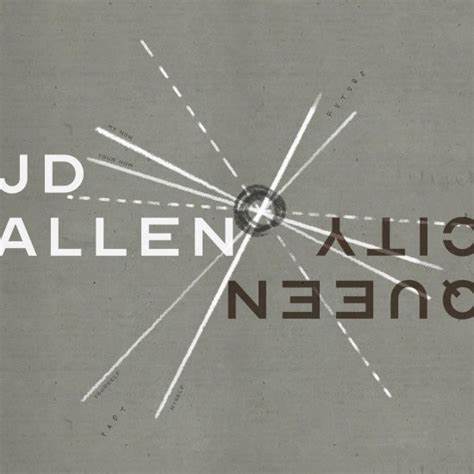
*The pandemic slowed most musicians, but some, like tenor saxophonist extraordinaire JD Allen, took the bull by the horns and just recorded alone. Allen’s record of solo performances is searing.
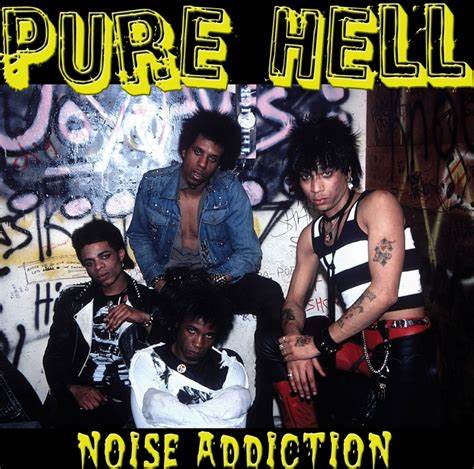
*If you’re reading this, you certainly know Bad Brains. Likely, you know Death (well, we all do, but I’m talking about the band). Probably, you don’t know Pure Hell (at least you don’t know the band by that name). Yep: there were at least THREE punk bands of color in the ’70s.
*I want to thank the longtime record gobbler and music sage Tom Hull for regularly linking me on his absolutely essential blog. He is a giant when it comes to keeping fanatics informed about the best of the wide range of music humans make, and he is quite a sharp political mind and cook as well. I am truly humbled he occasionally checks this spot out, and it’s perhaps out of embarrassment that I’ve started commenting more as well as thinking about and slapping down a damned list. Anyone can do that. (I DO listen to them all, though–just sayin’….LOL….)
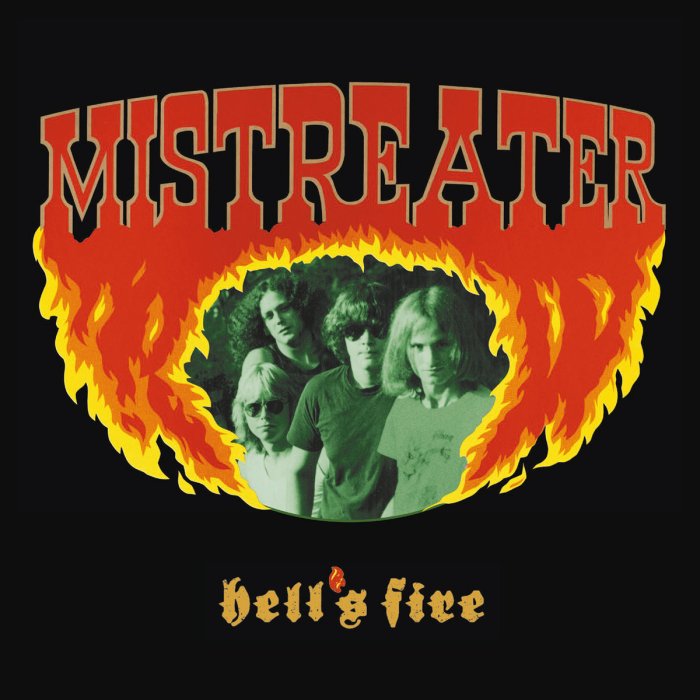
*I totally love what Sweden’s Jobcentre Rejects label has been up to lately: digging up spunky but obscure Rust Belt metal from the early Eighties. Mistreater’s album is on the main list, and Axxe’s killer 45 is down on my teensie singles listing below. Thing is, there was no pomp in these bands; they existed solely to head-bang and lay down the bad-ass sound–the bad-ass non-technophilic sound, I should say.
BOLDED ITEMS are new to the list. #s indicate archival music.
Recently, I began plotting a scheme by which we could get music into the air earlier in the morning. We keep farmer’s hours–up usually at 4:45ish–and come into consciousness by reading the news or whatever books we have going. It’s not the hour for Captain Beefheart or Charles Gayle, and I prefer not to get up, start picking through the crates and shelves, and fuss with the turntable or changer until after about 8–but some music would be nice. My brother’d given me a neat little Bluetooth speaker for Christmas, I’d snagged a cheap 16g mp3 player after an iPod died, so why not load some dawn-appropriate tunes onto the dang thing? I asked Nicole what she might like to hear, and with stunning quickness and specificity she replied, “Blues-oriented stuff, nothin’ past ’45.” Well, OK then!
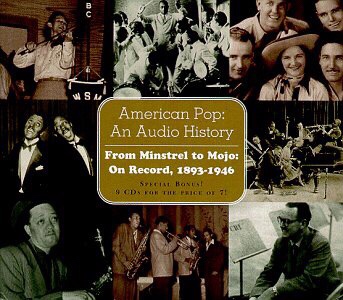
It occurred to me instantly what to do. Do you know Allen Lowe? Besides being a terrific saxophonist, guitarist, and composer, Mr. Lowe is a tireless thinker about American music, a man averse to easy truths about its history and determined to constantly revise his own understanding, which is considerable. His book American Pop: From Minstrels to Mojos (1893-1946) is required (and cantankerous) reading for music buffs, and after its publication, Lowe released an equally essential nine-CD companion volume to the book in 1998. The set begins with 1893’s “Mama’s Black Baby Boy” by the Unique Quartette and closes 214 tracks later with Lennie Tristano’s 1946 take on “What is This Thing Called Love?” It’s a great way to hear our music’s beginnings, with blues, pop, jazz, gospel, country, and their variants and hybrids proceeding chronologically but lying side by side. The juxtapositions can be revelatory.
14 years later, Lowe released another musical companion to one of his publications, the perfectly-titled “Really The Blues? (1893-1959); this time, the set stretched across 36 CDs, with little overlap of the previous set and many inclusions that took even aficionados by surprise. Upon having received this treasure chest in the mail, I played all the 36 discs consecutively, across several days, with consistent delight. I remember Nicole hollering from the living room, “Hey, this stuff is fantastic–I haven’t heard very much of it! What is it?”
Wait, you are saying, did you do what I think you did?
Yeah.
I transferred all 45 discs to the mp3 player, set the fucker on “shuffle”…and that oughtta get us to 2019, doncha think? This morning brought us, oh, Charles Ives, Eddie Cleanhead Vinson, Stan Kenton, Jelly Roll Morton, Mary Ann McCall, Maynard Ferguson (yeah, that’s right!), James P. Johnson, Eddie Jefferson, and Mel Brown. A great start to the day, one must admit. Lowe’s curatorial imagination and dedication deserves a channel into all our homes.
Highlights of my last week’s listenin’, in the truck cab and elsewhere, rated on a spin-the-bottle 10-point scale (w/a special touch). Also, I am deliberately diggin’ out dustbin doozies; please recall the Roger Price maxim, “If everyone doesn’t want it, nobody gets it!”:
ARE YOU FROM DIXIE: GREAT COUNTRY BROTHER TEAMS OF THE 1930S – 15 – Having trouble finding your way into old-timey music, seekers? Do it like I accidentally did 28 years ago, and dig up this can’t-stop-won’t-stop RCA comp. Across a single disc, the choices meet Harry Smith’s ANTHOLOGY even-up: you jake-walk on bad whiskey, chuckle along with your salty dog, get a line and go fer crawdads, stomp away an intoxicated rat, shoulder a nine-pound hammer, try to get your baby out of jail, and cozy up to someone ELSE from Dixie. It’s magic. Also: it needs a reissue. Extra bait: the Monroe Brothers, playing at punk tempos, inventing bluegrass as they go.
Catheters/STATIC DELUSIONS AND STONE-STILL DAYS – 9 – Best Stooges album since RAW POWER, not sure it’s been topped since its ’02 release, probably because these kids weren’t trying. Critically, only Greil Marcus gave a shit, and he was correct.
Julius Hemphill/JULIUS HEMPHILL PLAYS THE MUSIC OF ALLEN LOWE – 8.8 – I have sung the praises of Allen Lowe here multiple times, and if I ain’t convinced you yet, let the long-gone-but-not-forgotten sax master and arranging ace Mr. Hemphill do the honors. The record saunters through more rhythmic moves than has a cat on an easy chair (stole that from Roy Blount, Jr.), and closes up shop with the funky, greasy “Sleepless,” which justifies its title. (Note: there’s no tracks available via YouTube, so enjoy Hemphill’s amazing DOGON A. D. as a teaser. AND: grab the release from Bandcamp here, cheap!)
Mudboy and the Neutrons/NEGRO STREETS AT DAWN – 8.7 – Few but the likes of #JimDickinson (“The Pope of #Memphis Music”) could get away with the title reference/conceit, because he could put together the players. Chuck Berry-nugget opener, Sid Selvidge-crooned Southern stroke, surrender to capitalism loaded with subversive sermon lead off–sometimes I think they coulda topped ZZ Top if they’d cared.
Shaver/TRAMP ON YOUR STREET – 8.5 – Natural-born honky-tonk chronicler with hot-shit guitarist son as sidekick–some might call it schtick, but it’s by-God real. “Old Chunk of Coal,” “The Hottest Thing In Town,” and “Georgia on a Fast Train” are already playing a floor below Leonard Cohen’s in The Tower of Song. And closer to the ground floor is better.
Sun Ra/LANQUIDITY – 9 – Already in possession of 20+ “Sun One” records, I thought I’d heard all I needed. This late ’70s release almost goes disco–almost–without compromising the vision that kept a team of jazz aces together through five decades. Blaxploitation music with a more exalted vision–I dunno: YOU listen and YOU describe it. You will be better for it, whatever the outcome.
This post is dedicated to the very recent work of Allen Lowe, not only one of the most ambitious, prolific, and interesting jazz composers alive but also a talented saxophonist, an essential author for anyone wanting to deeply understand this country’s music, and a musicologist who can compile a 36-disc about the flexibility and mischievousness of the blues that, at this late date, is full of surprises, no matter how well-versed the listener is. Among musicians, only Swamp Dogg, Charles Mingus, and early Bob Dylan are his peers in piquantly and entertainingly writing one’s own liner notes. He toils away in the state of Maine, pursuing the “everlasting beauty of monotony” (Benjamin Britten) and–successfully, I would argue–pushing his work to speak in new ways about who we are. If that sounds complicated, it is, a little, but it doesn’t violate the law of diminishing returns, I assure you. He has recently released five new records that deserve praise; since, according to Roger Price’s Law, “if everyone doesn’t want it, nobody gets it,” the best way to grab ’em is to contact Allen directly at allenlowe5@gmail.com about the ones you’re interested in, or browse to http://www.allenlowe.com/for-sale/ Keep your eyes peeled for his upcoming Mary Lou Williams Suite, portions of which appear herein. Now, to the reviews, w/accompanying unscientific but deeply-felt ratings out of 10…
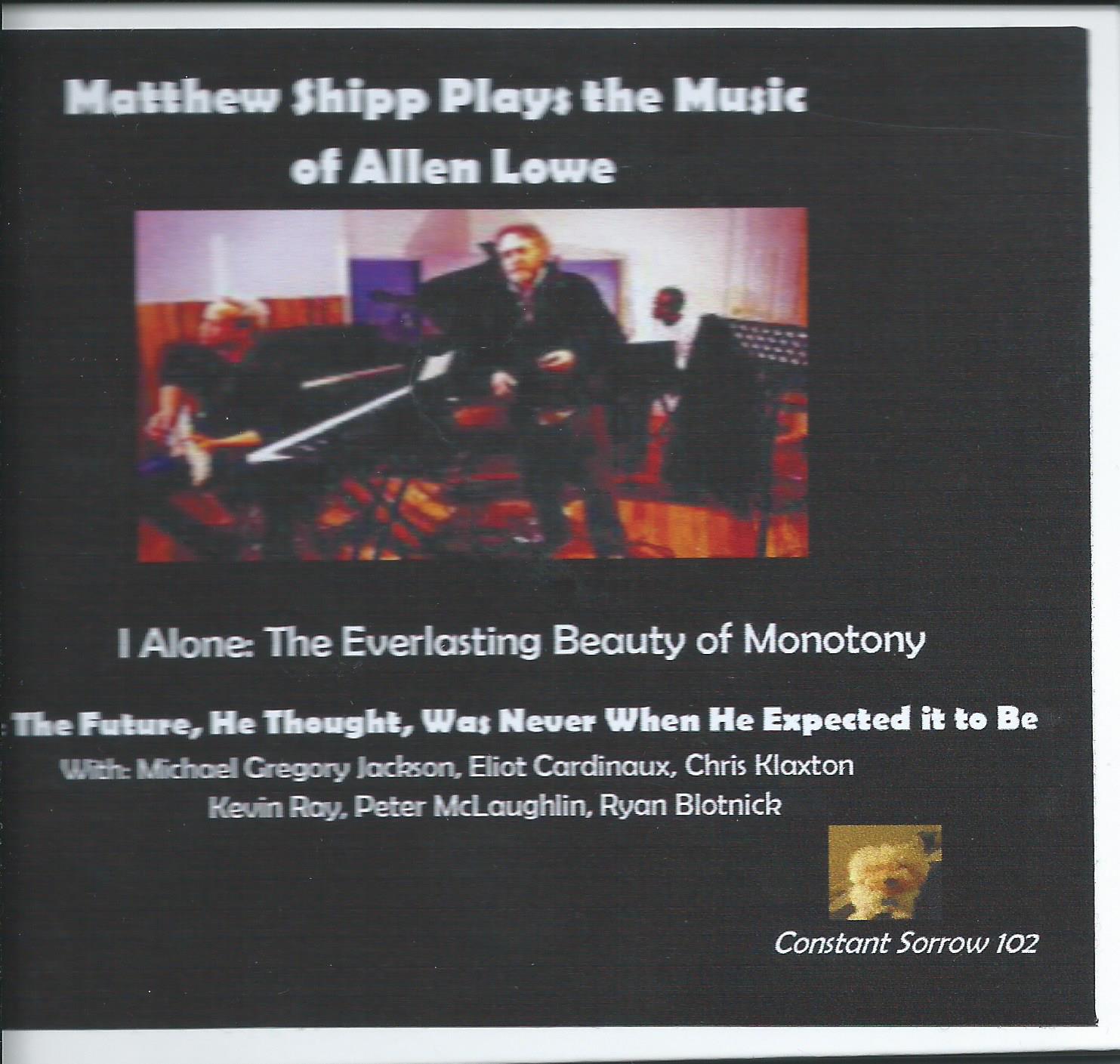
MATTHEW SHIPP PLAYS THE MUSIC OF ALLEN LOWE – 8.8 – Shipp, who’s made his pianistic bones in more abstract settings (notably with David S. Ware), is movingly earthbound here, often striking veins of dark, complicated romanticism that are, I think, at the heart of Lowe’s work. The composer’s alto will remind you of Dolphy’s angularity and Parker’s headlong expressionism–a pleasingly drier-toned version–and bassist Kevin Ray, who plays on most of these recordings, is a wonder: I seemed to learned more about Lowe’s writing following Ray on my third and fourth listen than from focusing on any other musician.
____________________________________________________
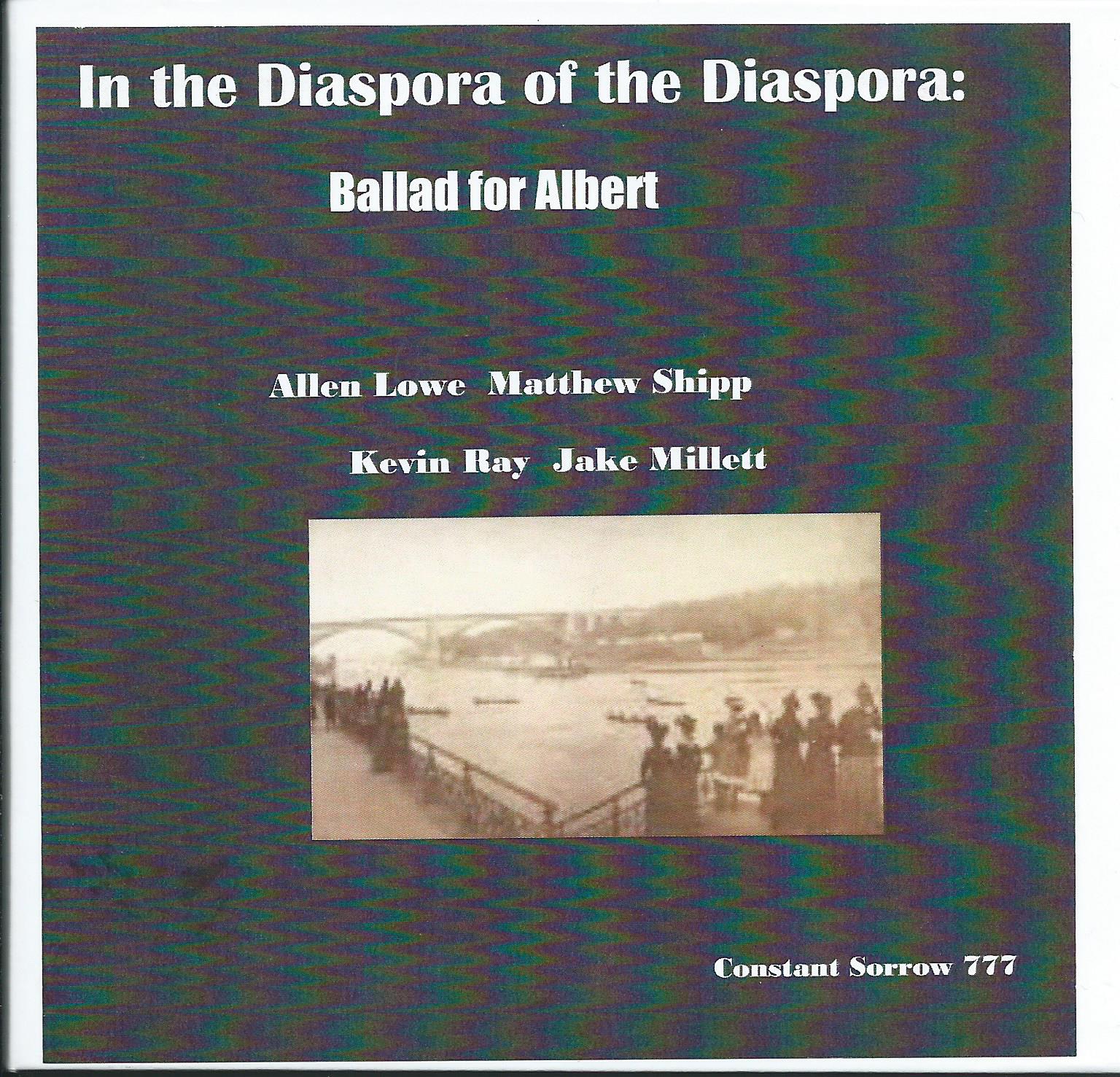
From the IN THE DIASPORA OF THE DIASPORA*series :
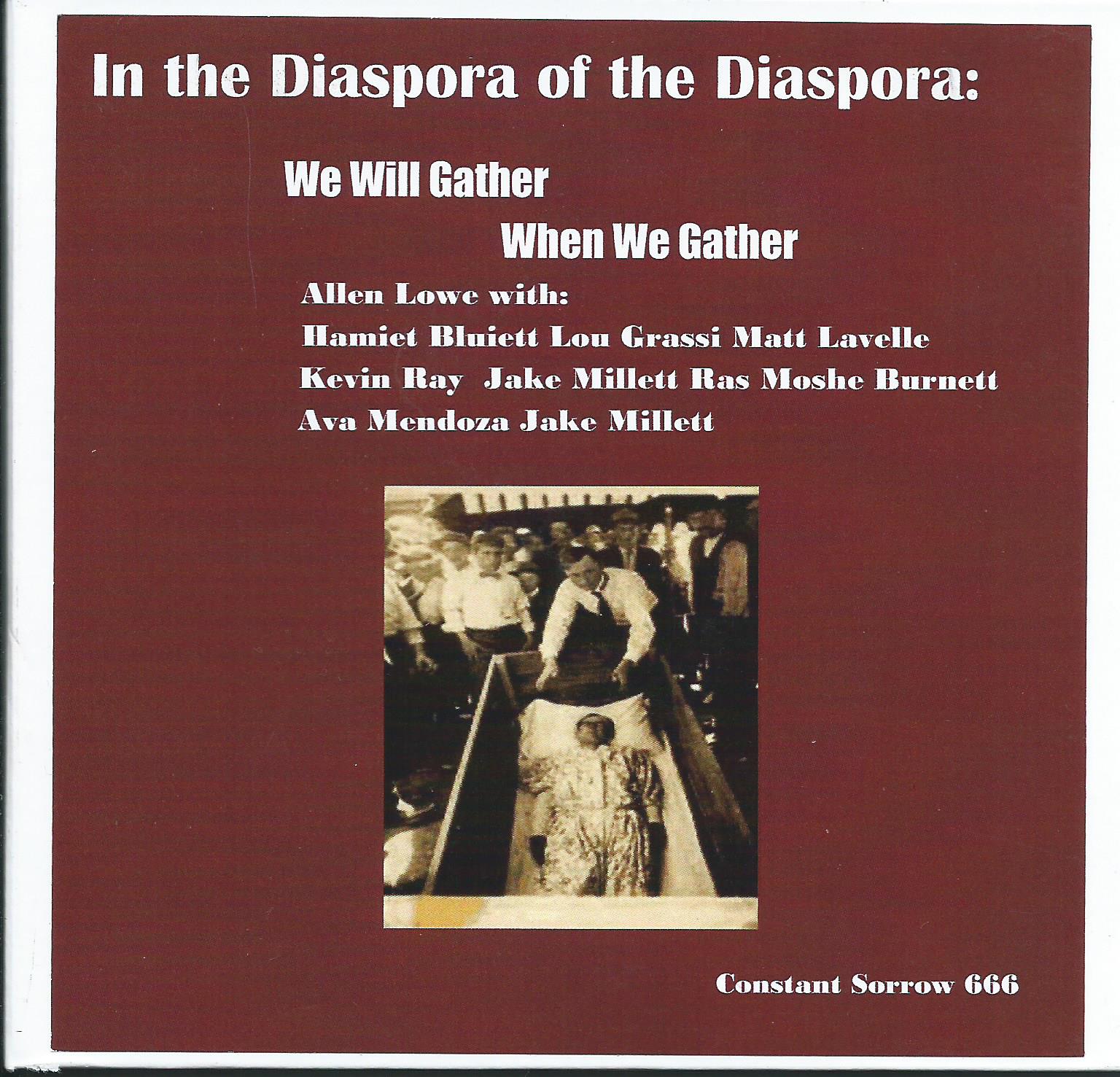
WE WILL GATHER WHEN WE GATHER – 10 – One of the very best jazz albums of the year, with the baritone of Master Hamiet Bluiett shooting worship and subversion through Lowe’s blues- and gospel-colored compositions. Ava Mendoza’s guitar-skronks, Matt Lavelle‘s skittery trumpet (makes me miss Don Cherry even more–and you should mos def try his Monk record!), and Jake Millet’s turntable scrubs and scratches combine with Bluiett’s inventions to do the most justice to Lowe’s vision of any in the series. Pick to click: the first serious composition–to my knowledge–to honor and mourn the murdered Charleston churchgoers, “Theme for the Nine,” maybe my favorite and definitely my most-played track so far. I wish I could share a track with the #CharlestonSyllabus project. There is a way….
MAN WITH THE GUITAR: WHERE’S ROBERT JOHNSON? – 9.3 – Electronics and turntables are frequent voices in Lowe’s work, and here DJ Logic and Millett answer the title question: Johnson’s ghost haunts the spaces in our best music, as it certainly does on this record (though you won’t hear Robert sampled, you’ll be excitingly jolted out of your contemplation by flickers of Charley Patton’s rasp). Lowe plays tenor and operates electronics on this recording along with playing alto, and Gary Bartz sounds more alive than he has in years, testifying on alto on “Slave Rebellion,” “Delta Sunset,” and “Blues Forever After.”
WHEN A CIGARETTE IS SMOKED BY TEN MEN – 9 – A showcase for an exciting young clarinetist, Zoe Christiansen, with a nod to Pee Wee Russell, a wry jab at Howard Hunt, and two joyful tracks with desolate titles.
BALLAD FOR ALBERT – 8.5 – This is essentially a trio record, with Millet’s almost-subliminal murmurings of current providing some disruptive texture. I am not sure which Albert the record’s named for (could be Ayler, but, being a longtime fan, I don’t quite hear it), but I am sure that the ballads are lovely and deep–in fact, Lowe’s ballad playing is a shining thread that runs through all five records. Special shout-out to “Maui Shuffle,” which, like many of Allen’s compositions, can make you think the record’s advanced a track if you leave the room, which I adamantly advise you not to do on these records. Hit the WC ahead of time, grab a drink, get comfortable, and lock in–you will be rewarded.
If you are looking to get more deeply into Lowe’s work, advance directly to his masterpiece, MULATTO RADIO: FIELD RECORDINGS1-4, one of my very favorite records of 2014–so good I couldn’t write about it, if that makes sense. And explore his earlier work, which, unsurprisingly–ranges across the diaspora of the diaspora.
*Allen considers all of his work as fitting under this umbrella, which refers to the diaspora cascading out from the original music of the African diaspora–where, in Lowe’s own words (words, I suspect, that have gotten him in Dutch), “tradition becomes both a means of respectful worship and a matter of subversion…”–but these four records are specifically designated as such.
Not all of the below are 2015 releases–some were released earlier but are just now breaking the cyber-surface. But the thing is, for those who argue good music is dead (ho-fucking-hum), here’s 121 slabs that have given me pleasure this year. Not all are perfect, but I stand behind this statement: it’s all good. Also, if you’ve looked at the list and are thinking, “Where’s x? What about y?” and it’s not Taylor Swift, I probably haven’t listened to it yet–like you, probably, I follow my nose, and it’s attuned to certain, um, scents. Note: These are in alphabetical order, obviously. The grading scheme is borrowed from master critics Bob Christgau and Tom Hull. The asterisks next to each B+ indicate how close that record is to excellent. Fascinating, isn’t it? Note 2: See my official Top 20 in meaningful order, plus a list of great reissues, also in order, here.
Rock and Roll and Such
Laurie Anderson: Heart of a Dog (Nonesuch) A-
Aram Bajakian: There Were Flowers Also in Hell(Dalava) A-
Courtney Barnett: Sometimes I Sit and Think, and Sometimes I Just Sit(Mom & Pop) A
Alex Chilton: Ocean Club ’77(Norton) B+ (***)
The Close Readers: The Lines Are Open(Austin) A-
Coneheads: aka “14 Year Old High School PC–Fascist Hype Lords Rip Off Devo for the Sake of Extorting $$$ from Helpless Impressionable Midwestern Internet Peoplepunks L.P.”(Erste Theke Tontraeger) A-
Continental Drifters: Drifting—In the Beginning and Beyond(Omnivore) B+
Dead Moon: Live at Satyricon (Voodoo Doughnut) A
Dead Weather: Dodge and Burn(Third Man) B+ (*)
Drive-By Truckers: It’s Great to Be Alive! (ATO) A
Bob Dylan: 1965-1966–The Cutting Edge: The Bootleg Series, Volume 12(Sony) B+ (*)
Bob Dylan: Shadows in the Night(Sony) B+ (***)
Robert Forster: Songs to Play(Tapete) B+**
Girlpool: Girlpool(Wichita) A-
Hop Along: Painted Shut(Saddle Creek) A-
The Horribly Wrong: C’Mon and Bleed…with The Horribly Wrong(Shitcan) A-
John Kruth: The Drunken Wind of Life—The Poem/Songs of Tin Ujevic(Smiling Fez) A-
John Kruth: Splitsville(Gern Blandsten) B+ (***)
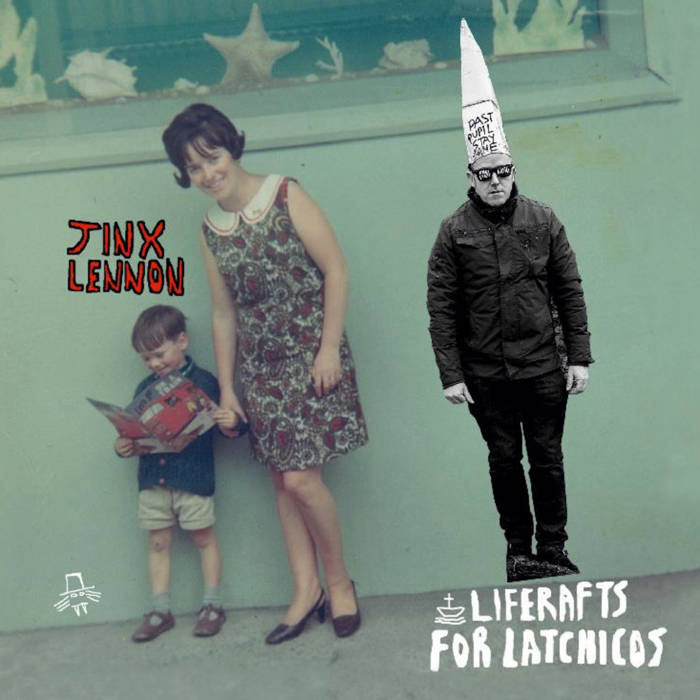
Jinx Lennon: 30 BEACONS OF LIGHT FOR A LAND FULL OF SPITE THUGS DRUG SLUGS AND ENERGY VAMPIRES(Septic Tiger) B+ (**)
Jeffrey Lewis & Los Bolts: Manhattan(Rough Trade) A
Los Lobos: Gates of Gold(429) A-
Low-Cut Connie: Hi Honey (Ardent) B+ (***)
Mountain Goats: Beat the Champ(Merge) B+ (***)
Natural Child: Live at The End—Freakin’ Weekend V(self-released cassette) B+ (**)
Nots: We Are Nots(Goner) A-
Obnox: Boogalou Reed(12XU) B+ (**)
Obnox: Know America(Ever/Never) B+ (***)
Obnox: Wiglet(Ever/Never) A-
The Paranoid Style: Rock and Roll Just Can’t Recall (self-released) B+ (***)
Public Image Limited: What the World Needs Now Is… (PiL Official) B+ (**)
Pussy Riot: Kill the Sexist(self-released) B+ (***)
Reactionaries: 1979(Water Under the Bridge) B+ (*)
Rocket From the Tombs: Black Record(Fire) B+ (**)
Boz Scaggs: I’m a Fool to Care(429) B+ (*)
Ty Segall: Ty Rex(Goner) B+ (***)
Sleater-Kinney: No Cities to Love(Sub Pop) B+ (***)
I am not listing labels, since you can copy and paste the titles into a browser and find ’em in a few seconds. I haven’t written about all of them: for example, Ty Segall’s Manipulator is growing on me day by day–surprisingly, since I thought he and I were through–but I don’t yet know what to say other than he’s gotten all of his predilections embraced securely and has put together a tour de force that might be the best thing he’s ever done. Maybe that’s enough. Anyway, here’s what’s been repeatedly ringing my bell:
Long Players:
1. Wussy: Attica!
2. Allen Lowe: Mulatto Radio–Field Recordings 1-4
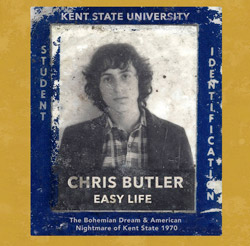
3. Chris Butler: Easy Life
4. Ty Segall: Manipulator
5. Bo Dollis, Jr. and The Wild Magnolias: A New Kind of Funk
6. Obnox: Louder Space
7. Latyryx: The Second Album
8. Ross Johnson and Monsieur Jeffrey Evans: Vanity Sessions
9. Neneh Cherry: The Blank Project
10. Phil and Dave Alvin: Common Ground–The Songs of Big Bill Broonzy
11. Marc Ribot Trio: Live at the Village Vanguard
12. Orlando Julius with The Heliocentrics: Jaiyede Afro
13. Natural Child: Dancin’ with Wolves
14. John Schooley: The Man Who Rode the Mule Around the World
15. Leo Welch: Sabougla Voices
16. Tinariwen: Emmaar
17. Big Freedia: Just Be Free
18. Billy Joe Shaver: Long in the Tooth
19. The Stooges Brass Band: Street Music
20. Mr. and The Mrs.: Radiation Street Blues
Singles:
1. Bobby Rush: Upstairs at United
2. Marc Ribot w/Deerhoof: Who Sleeps, Only Dreams
3. Heavy Lids: “Gravity Reverse” b/w “This Horse”
Old Stuff/Reissues:
1. John Coltrane: Offering—Live at Temple University
2. Various Artists: Haiti Direct!
3. John Schooley One-Man Band: Schooley’s Greatest Hits
4. Bob Wills & The Texas Playboys: Riding Your Way–The Lost Transcriptions for Tiffany Music 1946-7
5. Various Artists: Angola 2
6. Various Artists: The Rough Guide to the Music of Mali, Volume 2
7. D’Angelo: Live at the Jazz Café, London
8. Sid Selvidge: The Cold of the Morning
9. Gories: The Shaw Tapes—Live in Detroit 1988
10. Charlie Burton: Rock & Roll Behavior
11. Various Artists: Dylan’s Gospel—Brothers & Sisters
12. Various Artists: Go, Devil, Go—Raw, Rare, Otherwordly Gospel
Music Docs:
1. AKA Doc Pomus
2. The Case of the Three-Sided Dream


































































 Living To Listen