
Things Are Unhinged, but Members of The Earth, Do Not Bend to The Set-Up (Living to Listen’s Favorite Records, March ’26)

The national dumpster fire is raging so hot that The Delines’ sobering but skillful portraits and tales (hit the link below) sound like Sly and The Family Stone’s Greatest Hits in comparison. I hope you all are getting out in the street or otherwise making your presence felt—if you’re hostile to the notion that there’s something to defeat out there, you’re come to wrong blog. You probably don’t like music anyway, and you’re certainly not likely to cotton to any of these new platters.

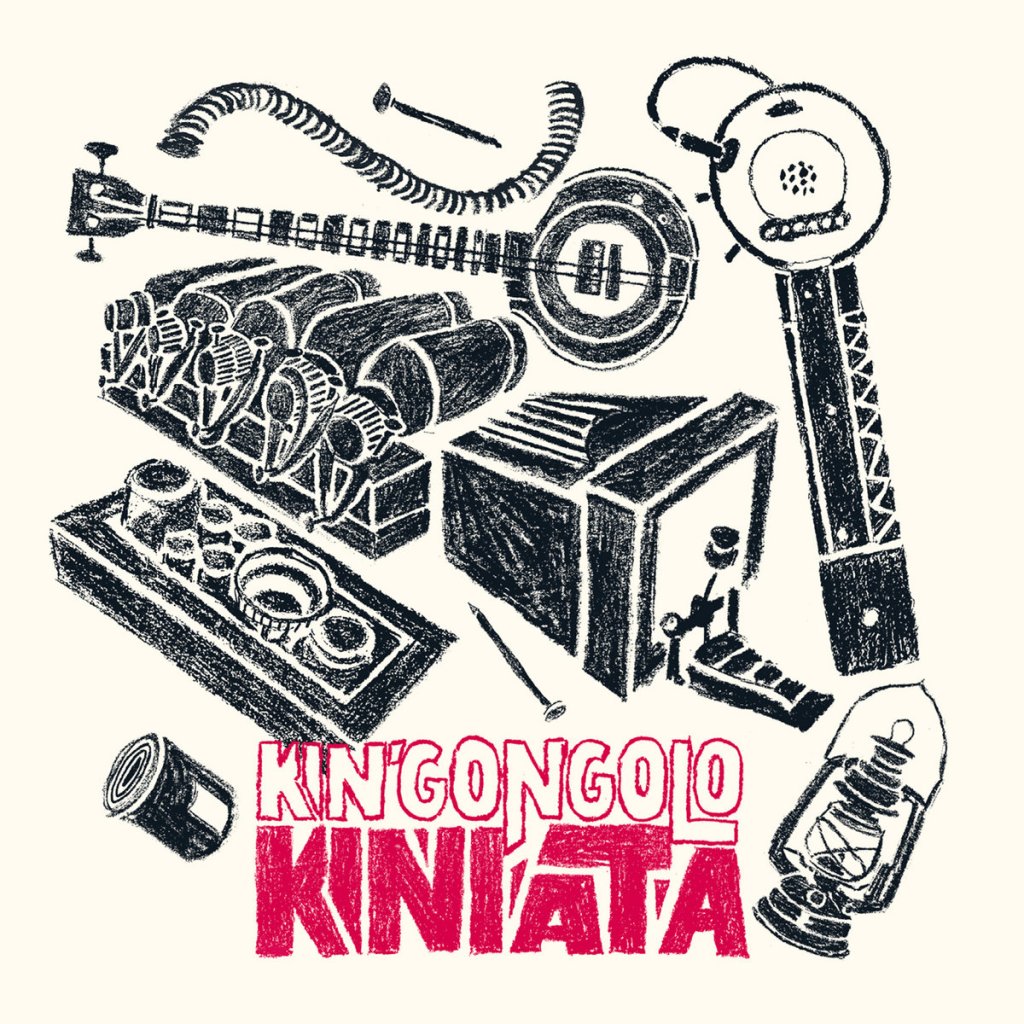
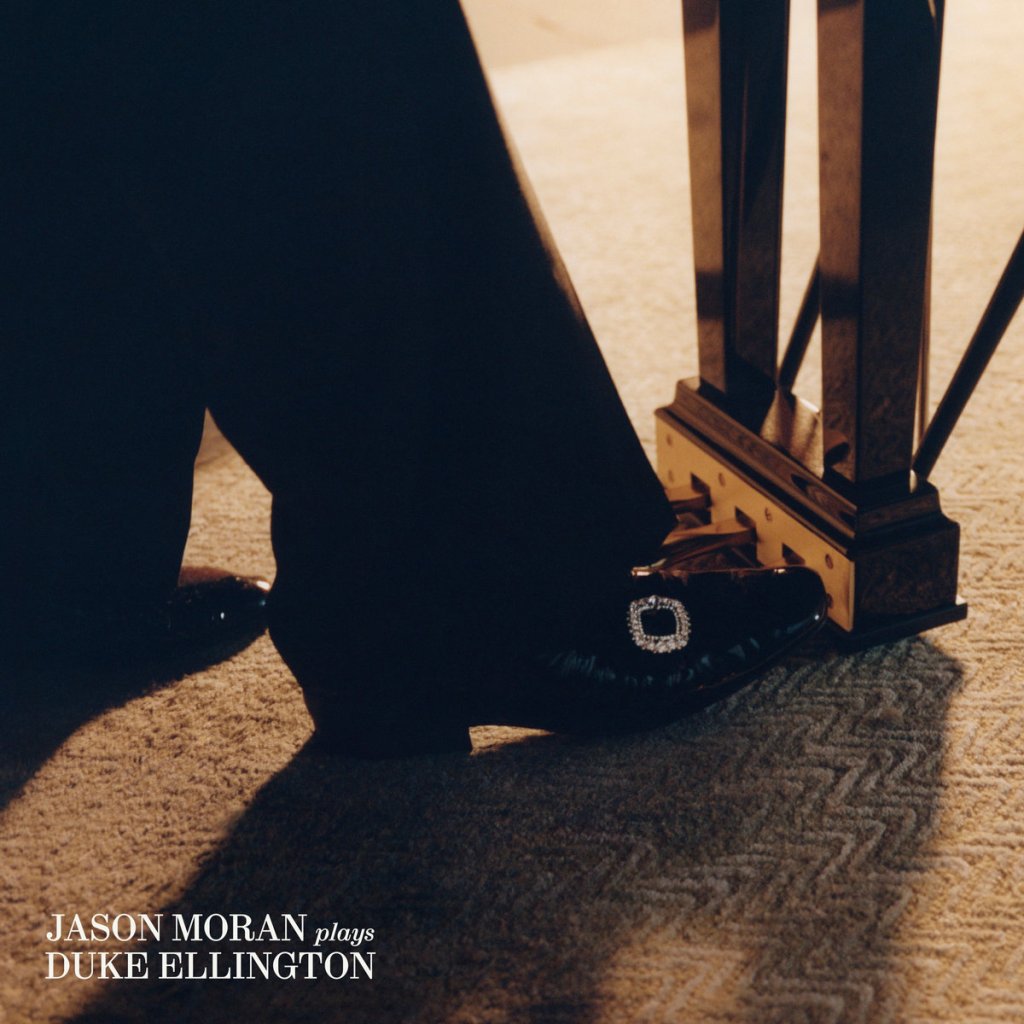
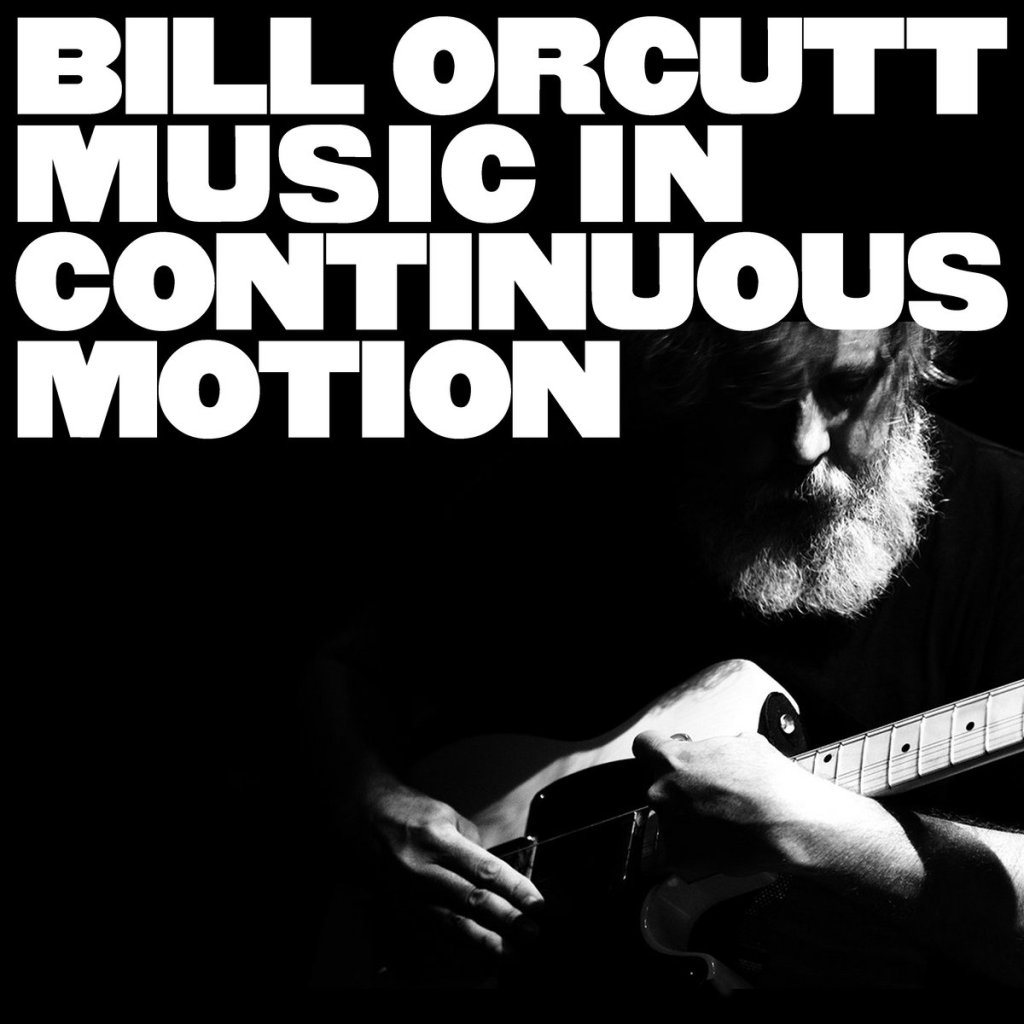
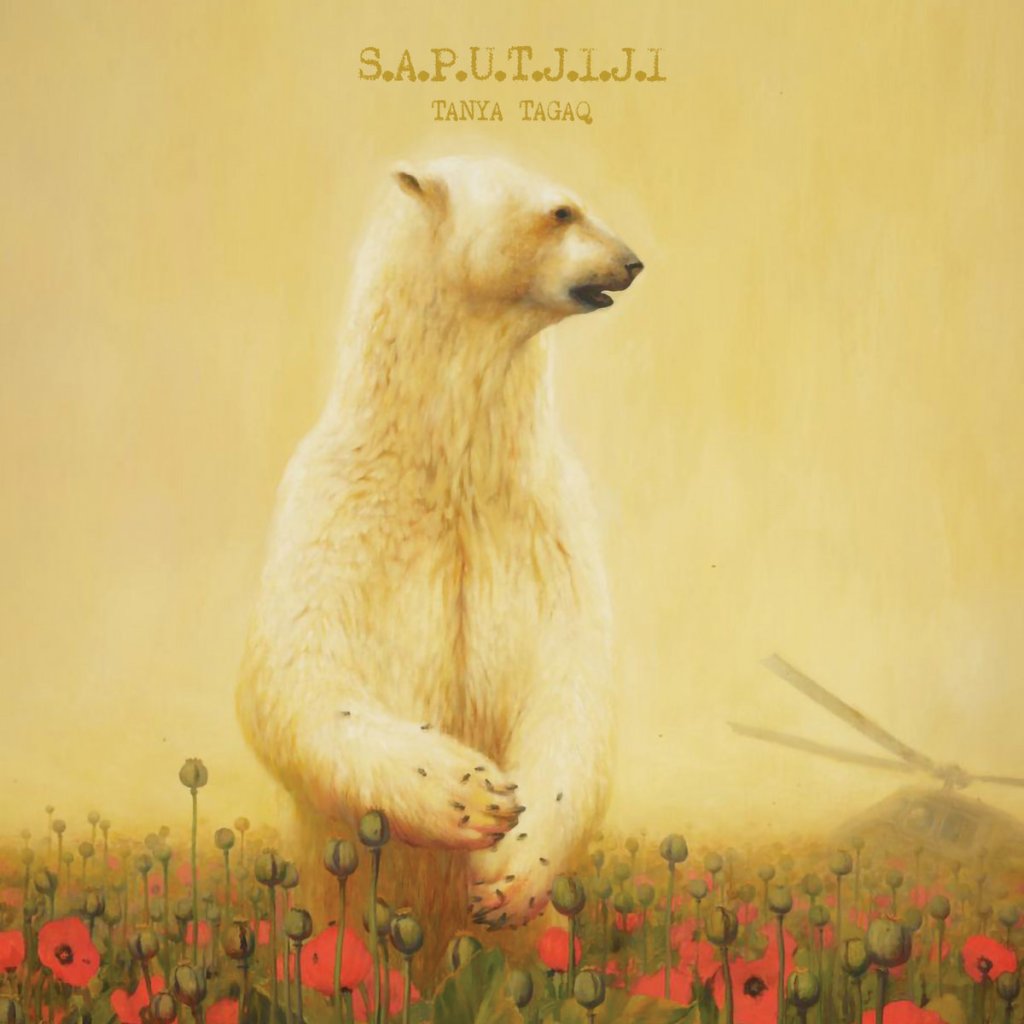
Developments? I’ve zeroed in on a new and very solid candidate for record of the year, at least so far: Tanya Tagaq’s angry and intense new record—she’s good at those, but to my ear this is her best. I once again exalt a splendid recording by one of Argentina’s finest pianists, Rocio Gimenez Lopez, who deserves many more huzzahs and is joined on the 88s by her husband (note album title). It’s an inspired and inspiring recording. If you’d asked me in 2025 if we needed yet another tribute to Duke Ellington, I might have said no, but Jason Moran’s shining and imaginative solo voyage would have made me eat my words. Quandaries: why aren’t more rock-oriented six-string worshippers on the Bill Orcutt train (maybe they are, and I’m just isolated)—a runaway train it is, trailing several creatively skronky recordings over the past few years—and why did Fugazi and Steve Albini agree to abandon the In On the Killtaker the latter “recorded”? If you need some peace, sound-healer Harlan Silverman has some stillness for you. Along with Mr. Moran, the Congolese act Kin’Gongolo Kiniata score a vibrant five asterisks with their debut album, which appears to be associated with a documentary I need to say. KINACT offers up the latest Nyege Nyege dance-racket. Buck 65 keeps passing the test. Finally, Cecil Taylor’s last performance, which includes a spoken scientific trip, has emerged.

Social music notes: a) Nicole and I not only got to witness the 86-year-old jazz groundbreaker Roscoe Mitchell play live, but we experienced him duet with his lab Shuggie, who kept the room in line (the show was arranged by the St. Louis non-profit Dissonant Works, which experimental art fans should keep an eye on); b) We also enjoyed bass player extraordinaire and frequent Bill Evans partner Eddie Gomez, 81 going on 30, lead his expert band through a set of standards and originals as part of Columbia’s annual We Always Swing series; and c) the truly exciting and informative Apple podcast Fela: Fear No Man made two road trips of ours go extremely quickly—check it out, even if you think you know all you need to know about Afrobeat’s Black President. We still have two episodes to go, during which I hope Tony Allen is at least mentioned.

SPOTLIGHT ALBUM OF THE MONTH
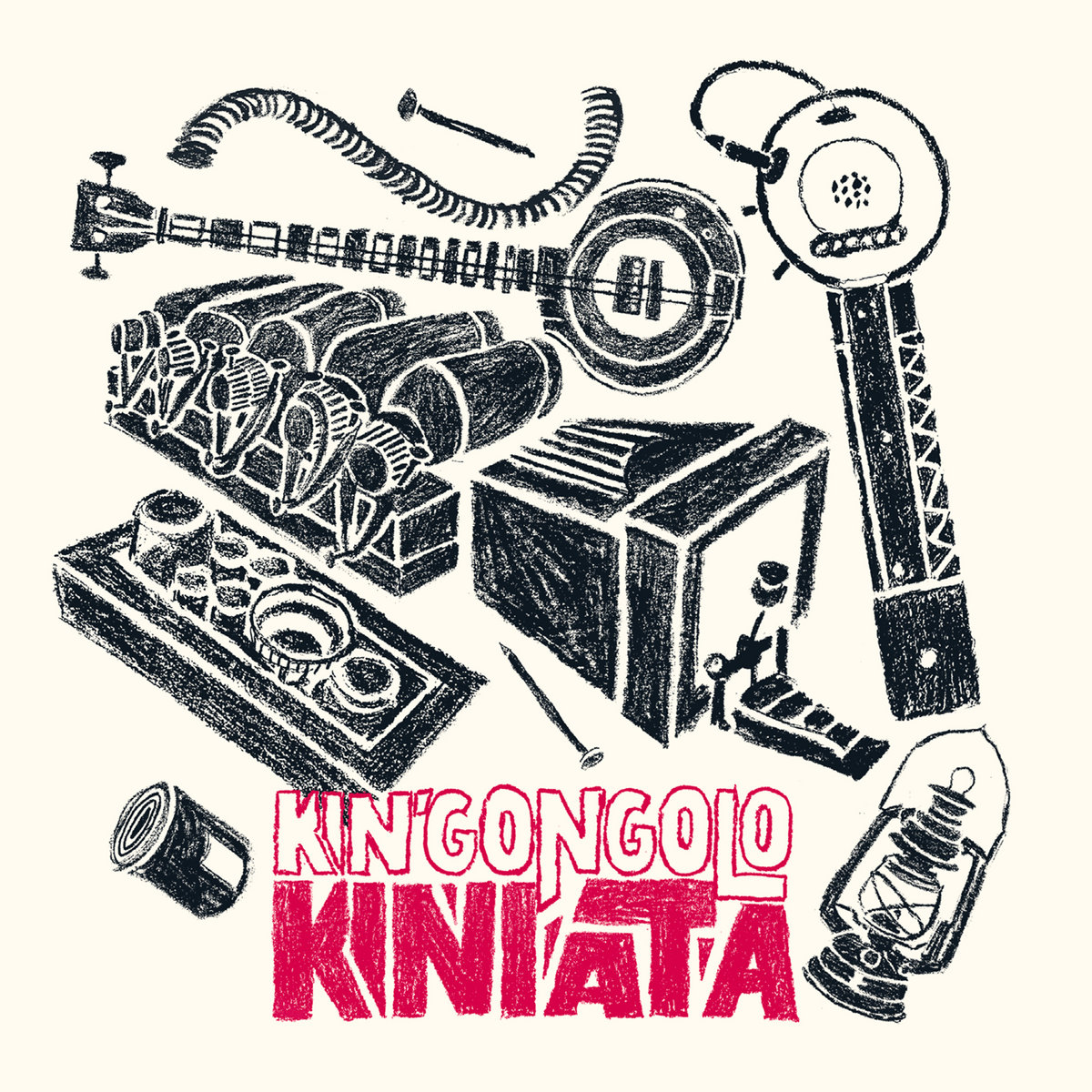
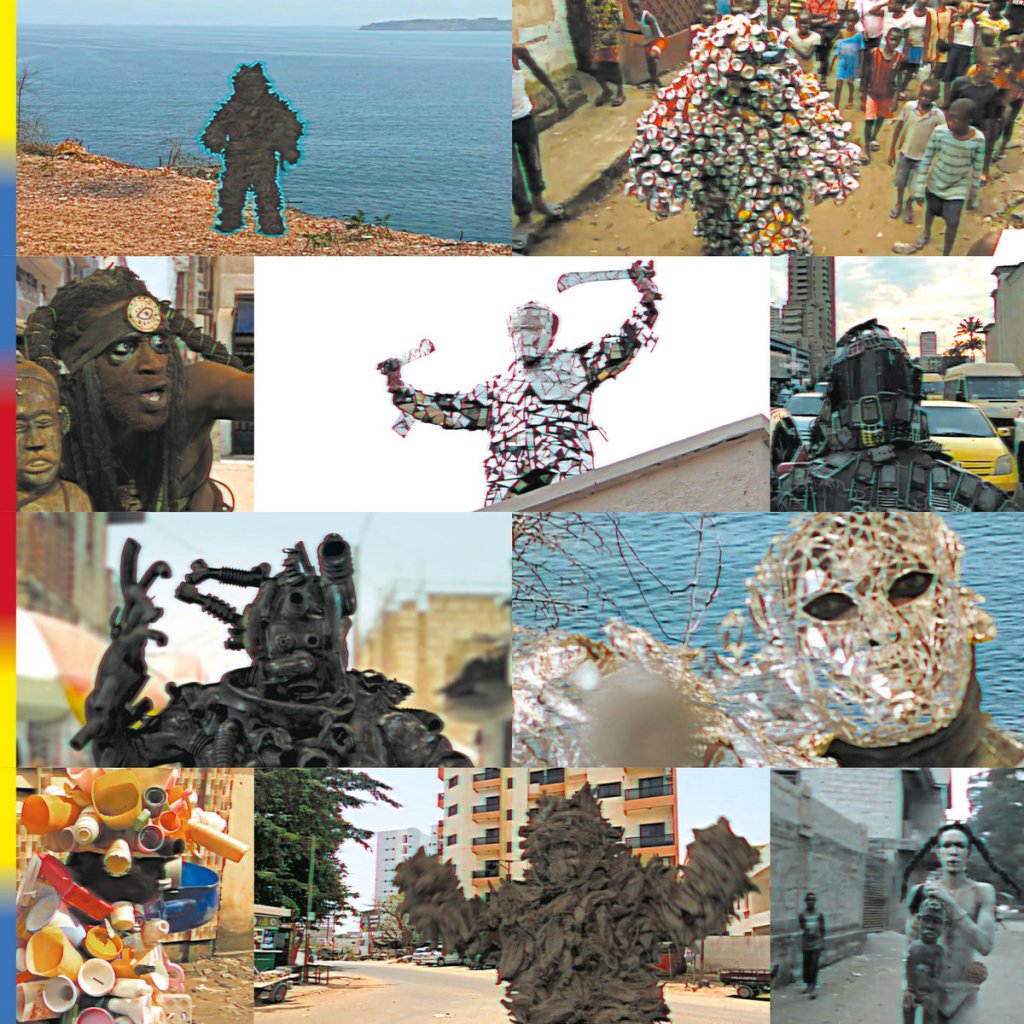
Kin’Gongolo Kiniata: Kiniata (Helico Music)*****

New in March (click this for the Jan-Feb list) No asterisk = good / *** = very good / **** = great / ***** = really great

Buck 65: Do Not Bend (self-released) ****

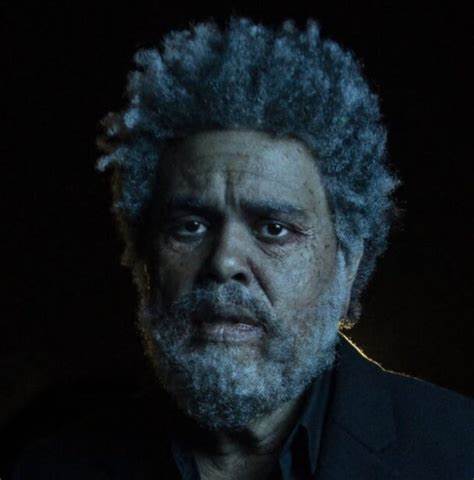
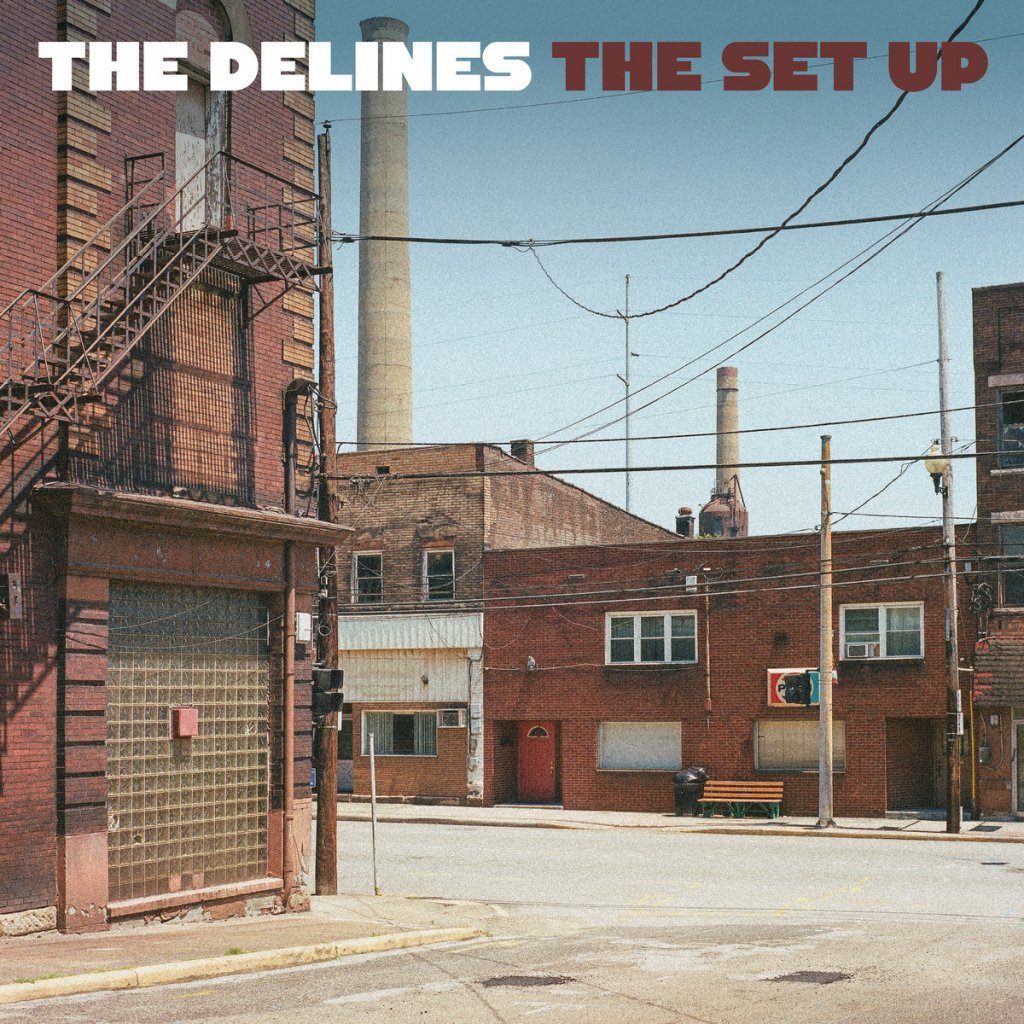
The Delines: The Set-Up (decor) ****

E L U C I D & Sebb Bash: I Guess U Had To Be There (Backwoodz Studioz) ***

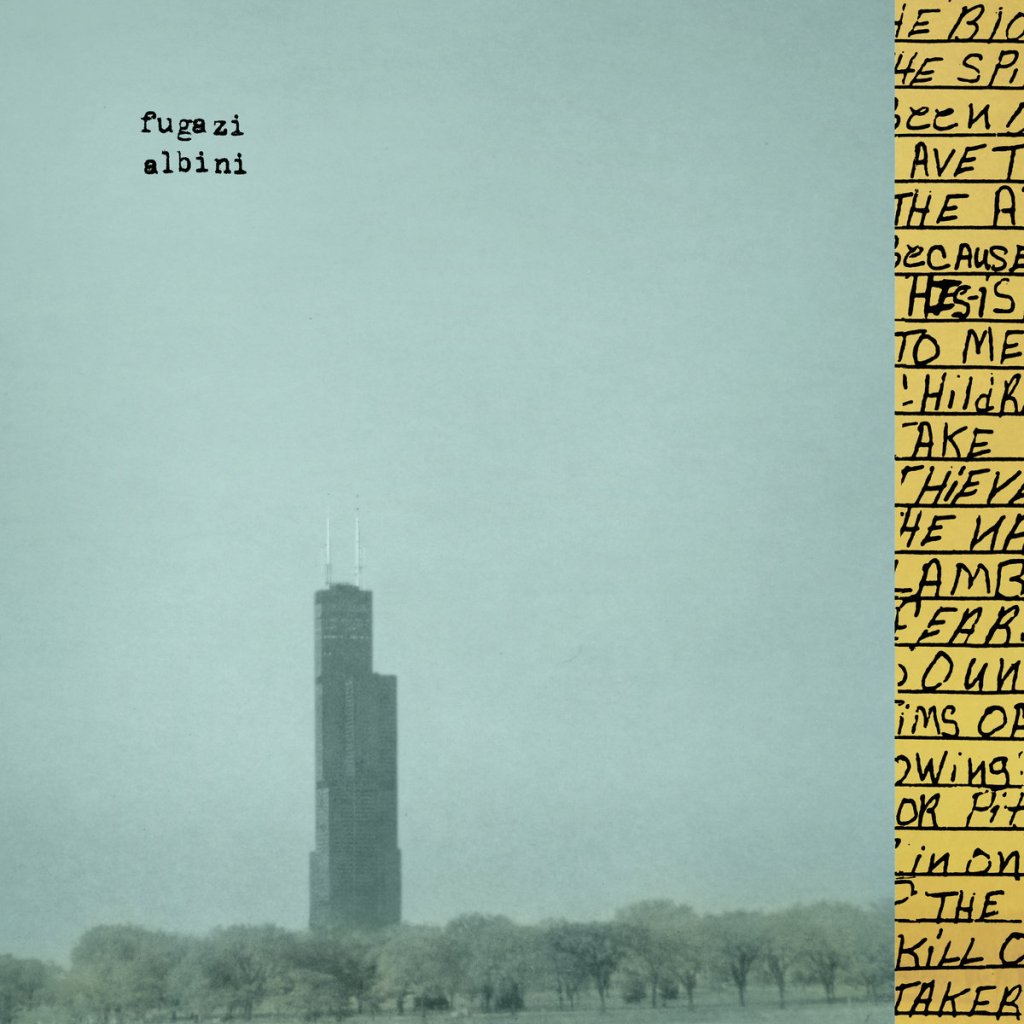
Fugazi: Albini Sessions (Dischord) ****

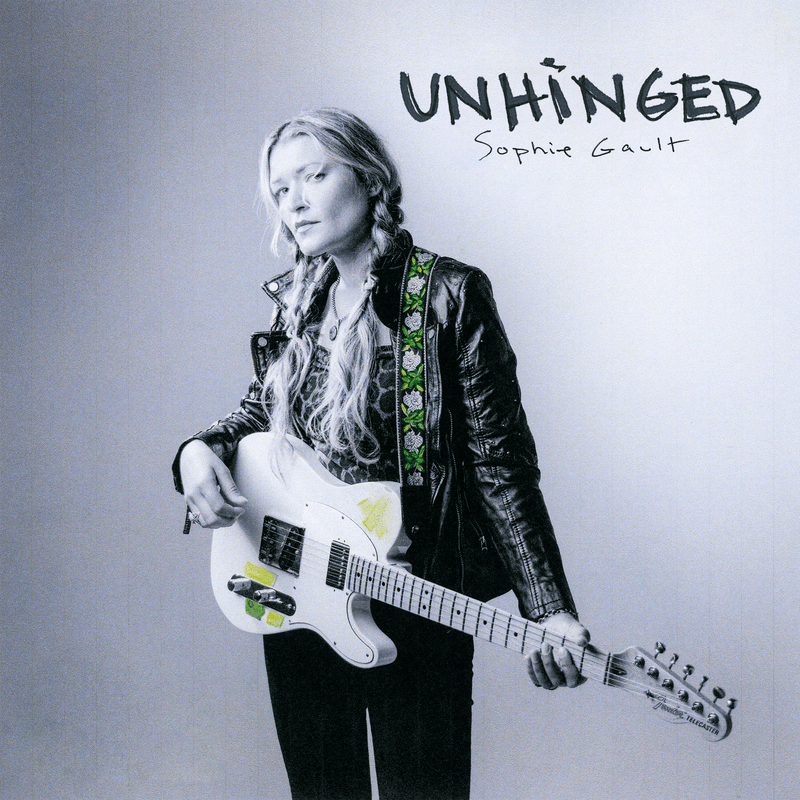
Sophie Gault: Unhinged (Torrez Music Group)

Ernesto Jodos / Rocio Gimenez Lopez: Una casa con dos pianos (Blue Art) ***

KINACT: Kinshasa in Action (Nyege Nyege Tapes)****

Jason Moran: Jason Moran Plays Duke Ellington (Yes Records) *****

Angelika Niescier: Chicago Tapes (Intakt) ****

OHYUNG: IOWA (self-released)

Bill Orcutt: Music in Continuous Motion (Palilalia) *****

Robyn: Sexistential (Konichiwa / Young)

Shabaka: Of the Earth (Shabaka Records) ***

Sideshow: Tigray Funk (10k & UA) ***

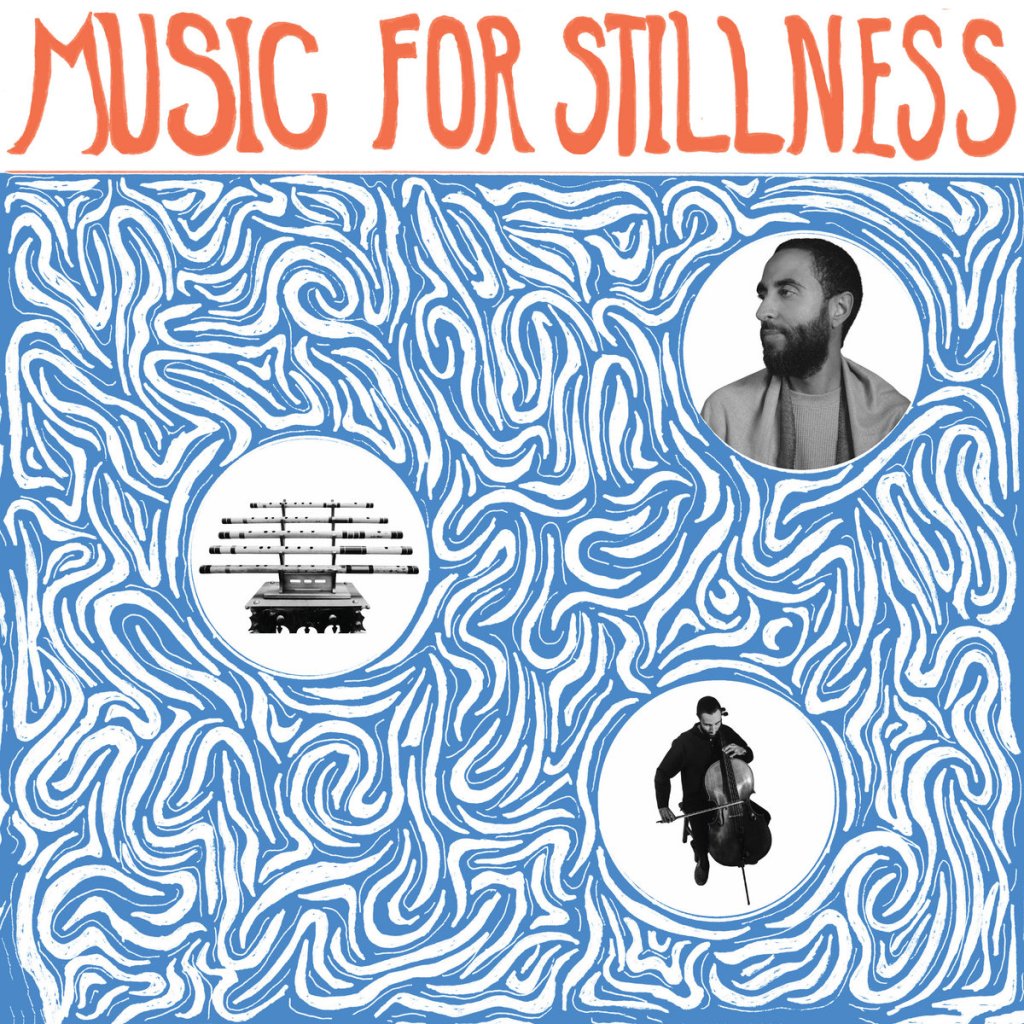
Harlan Silverman: Music for Stillness (Mississippi Records)

Tyshawn Sorey: Members…Don’t! (Pi Recordings) *** (out May 29)

Alister Spence: Always Ever (self-released) ****

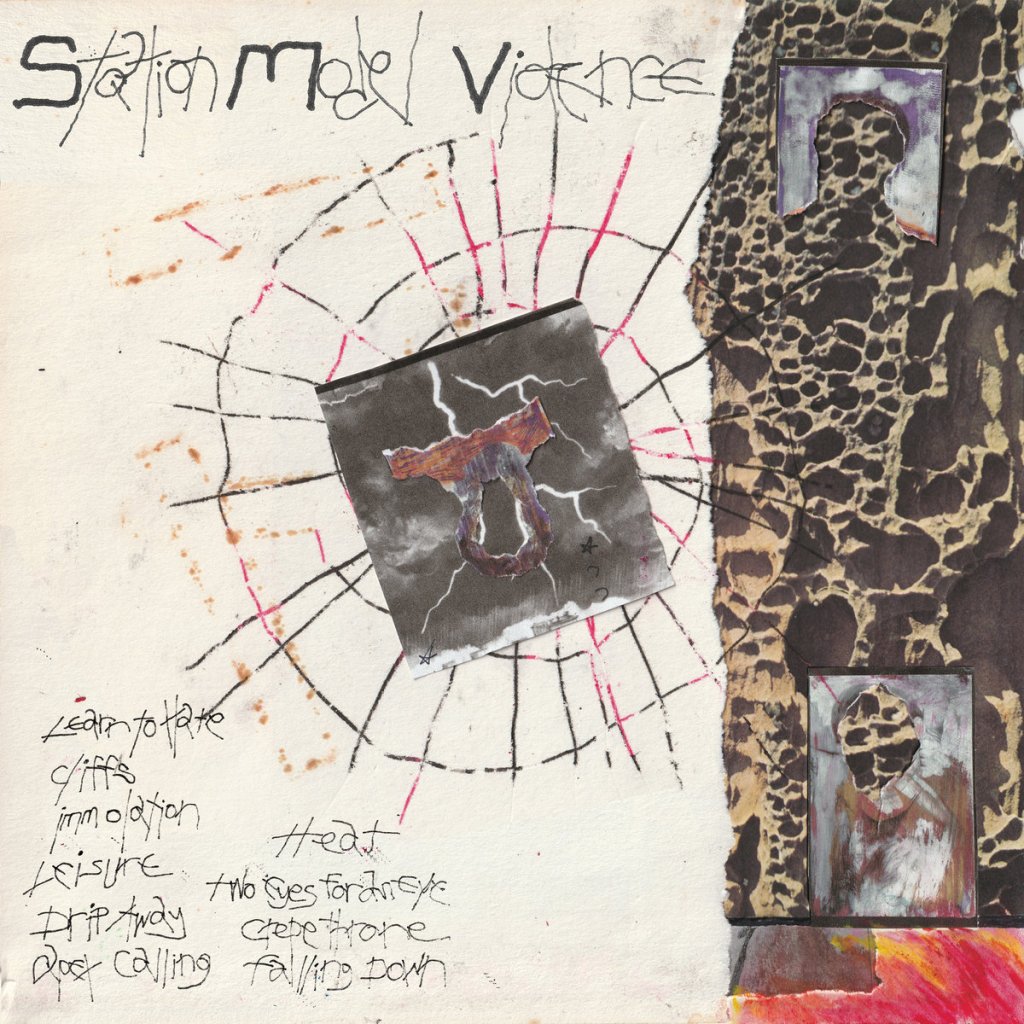
Station Model Violence: Station Model Violence (Anti Fade)

Tanya Tagaq: Saputjii (Six Shooter) *****

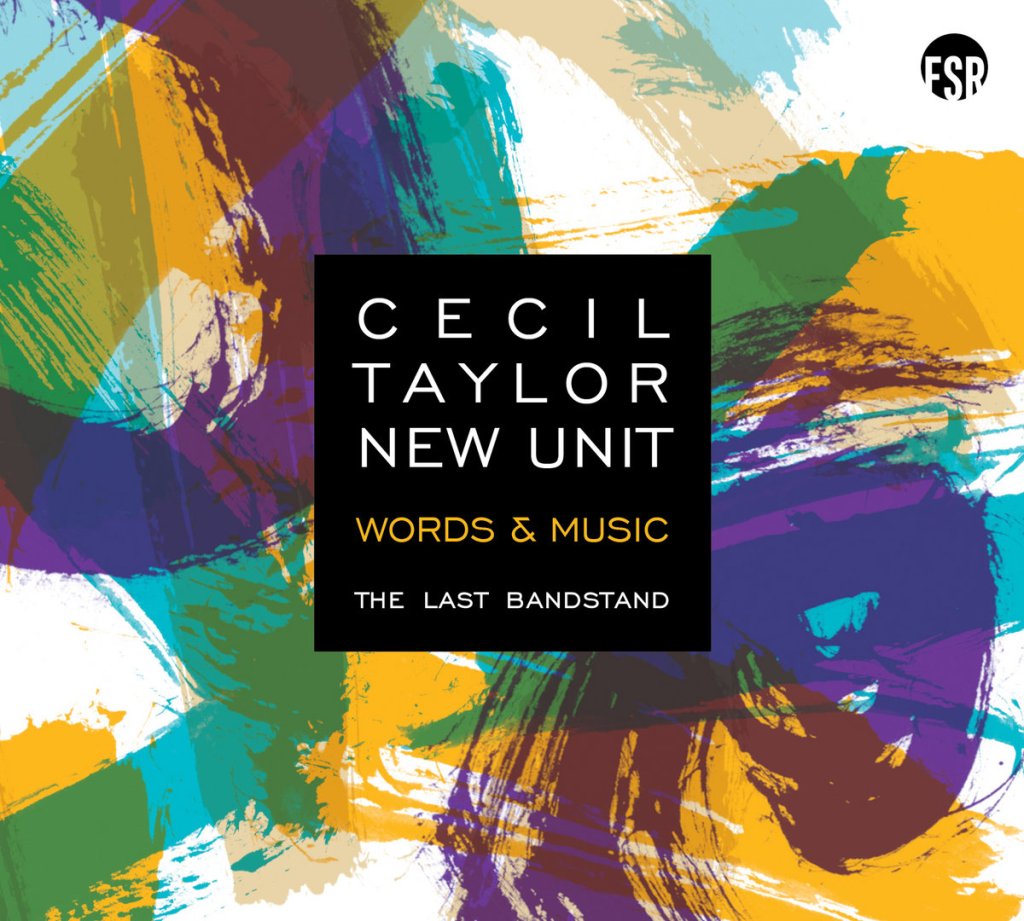
Cecil Taylor New Unit: Words and Music—The Last Bandstand (Fundacja Słuchaj Records)

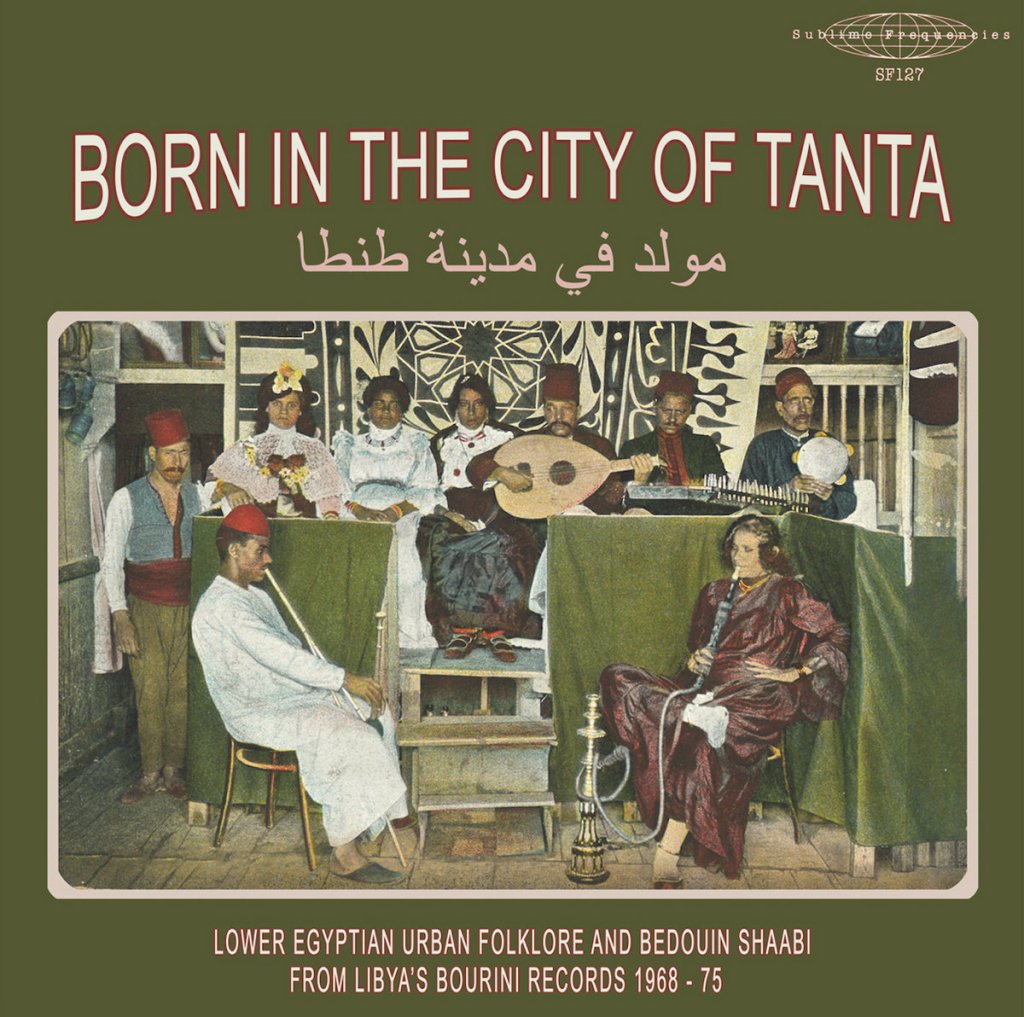
Various Artists: Born in the City of Tanta–Lower Egyptian Urban Folklore and Bedouin

Shaabi from Libya’s Bourini Records 1968-75 (Sublime Frequencies) ***

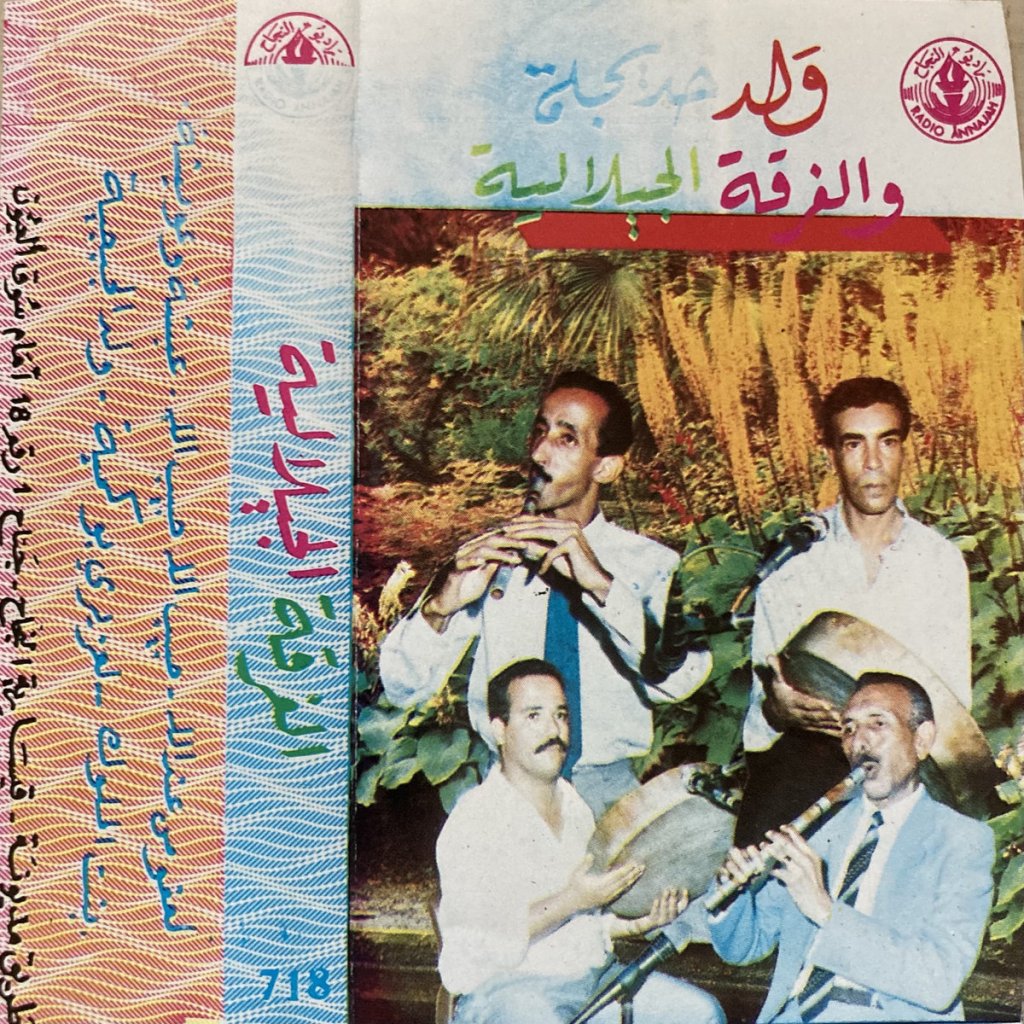
Weld Khadija ou L-Farqa L-Jilaliya:  Walad Haja Radio Annajah 718 راديو النجاح (Hive Mind)

2025: Too Cool for Me To Have Forgotten (or Missed)

Blanco teta: La Debacle de las Divas (Les Disques Bongo Joe)

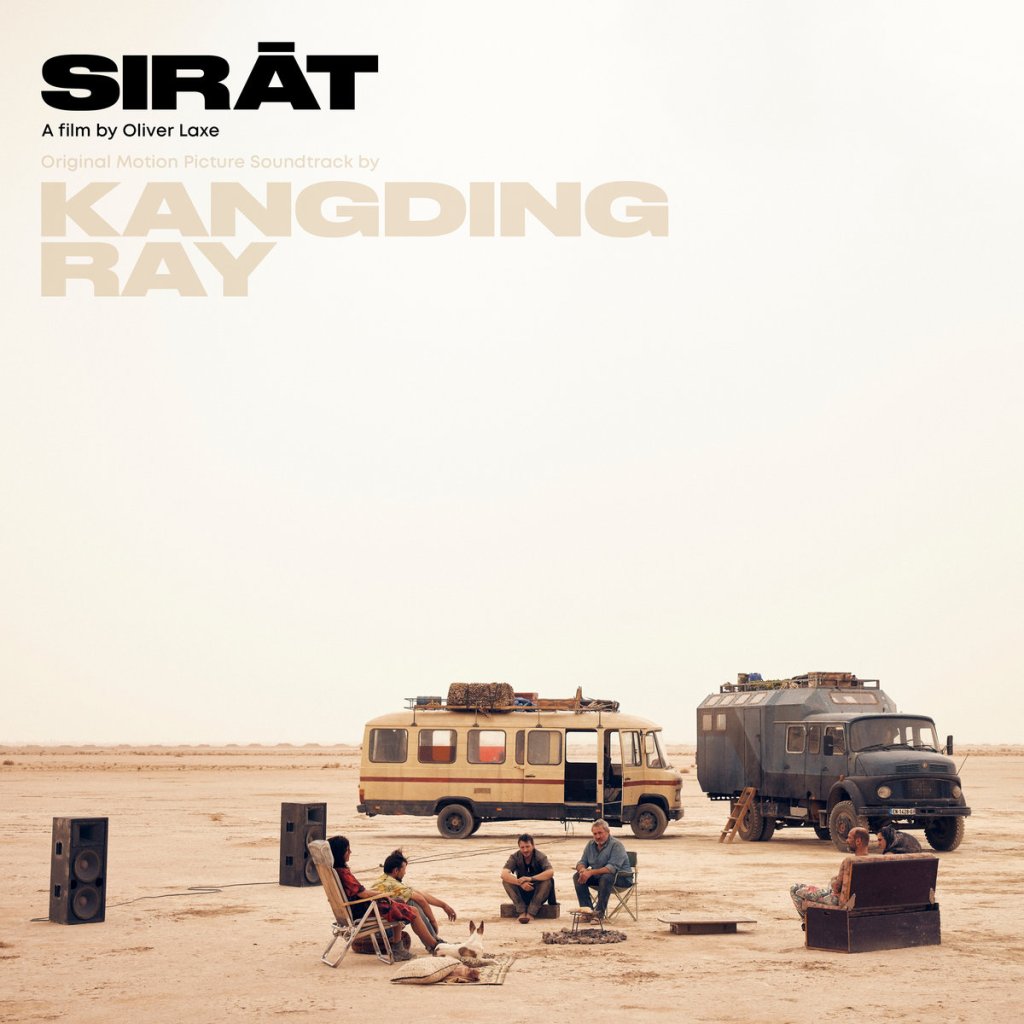
kangding ray: SIRAT—Original Motion Picture Soundtrack (Invada)

Vintage Albums I Deeply Enjoyed This Month

Kauro Abe: Winter 1972

Abdul Al-Hannan: The Third World

Polly Bradfield: Solo Violin Improvisations

Cairo Free Jazz Ensemble: Heliopolis

Arthur Doyle + 4: Alabama Feeling

Gang of Four: Another Day Another Dollar EP

G.L. Unit: Oran Gu Tang!

The Grateful Dead: Rockin’ The Rhein

Wardell Gray: Memorial (Volumes 1 & 2)

L7: Fast and Frightening

Ikue Mori: Painted Desert

Mount Everest Trio: Waves from Albert Ayler

Kasey Musgraves: Same Trailer, Different Park

Kasey Musgraves: Golden Hour

Kasey Musgraves: Deeper Well

Public Image Limited: Second Edition

Jimmy Rushing: Rushing Lullabies

Masahiko Sato Trio: Penetration

The Stanley Brothers: The King Years 1961-1965

Swamp Dogg: Total Destruction to the Mind

Swamp Dogg: Gag a Maggot

Charles Tyler: Eastern Man Alone

John Tchicai and Cadentia Nova Danca: Afrodisiaca

Sonny Boy Williamson: The Essential Sonny Boy Williamson

Bob Wills & The Texas Playboys: The Tiffany Transcriptions, Volume 3—Basin Street Blues

The Frank Wright Quartet: Church Number Nine

Hey! I Read, Too—and So Should You!

Martin Amis: Money

Dan Flores: Coyote America—A Natural and Supernatural History

Laurel Holliday: Children of the Troubles—Our Lives in the Crossfire of Northern Ireland

Yasunari Kawabata: Snow Country

Freya McClements & Joe Duffy: Children of the Troubles

John D. MacDonald: The Deep Blue Good-By

Toni Morrison: Beloved

Edna O’Brien: Lantern Slides—Stories

Elizabeth Strout: Olive Kitteridge

Follow me on Instagram and Substack if you get the notion! Also, more of my education adventures found here.
A 2022 Top Ten Already? All. Ready. I Got 17 + 2.

One thing I do like about striving to root out excellent albums in the first month of a new year is the search forces me out of my comfort zones. True: I’m seldom uncomfortable in any particular musical zone if I can dig deep enough to find the right stuff; I’m hesitant about anything too bourgeois, to be frank, but even such artifacts can provide thrills. I’ve also been aided by having found myself on a few jazz labels’ mailing lists, so some items below aren’t yet out (soon, soon), but I’ve sampled them enough to get a kick out of ’em. Will any of these stick to the list? That’s always the question when it comes to the early months–last January I opened with a couple of classical albums by artists just disruptive enough for me to be attracted to their work, and one made it (big time) and the other faded (though I still like it). But I guarantee those top three will still be riding high.

Odds and ends:

*Tagaq’s album is a companion to her very unique and blazing memoir, Split Tooth. Read that.

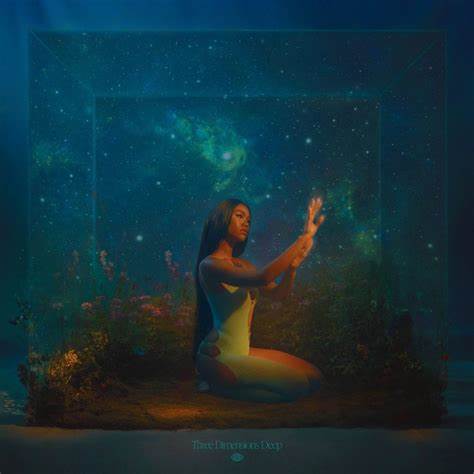
*I was previously unfamiliar with Mark’s work. Pitchfork dug it and the album cover gave me Miguel vibes. I really enjoyed it end to end, and there’s something that tears slightly in her voice at just the right times that engage me in her singing and songs even more deeply.

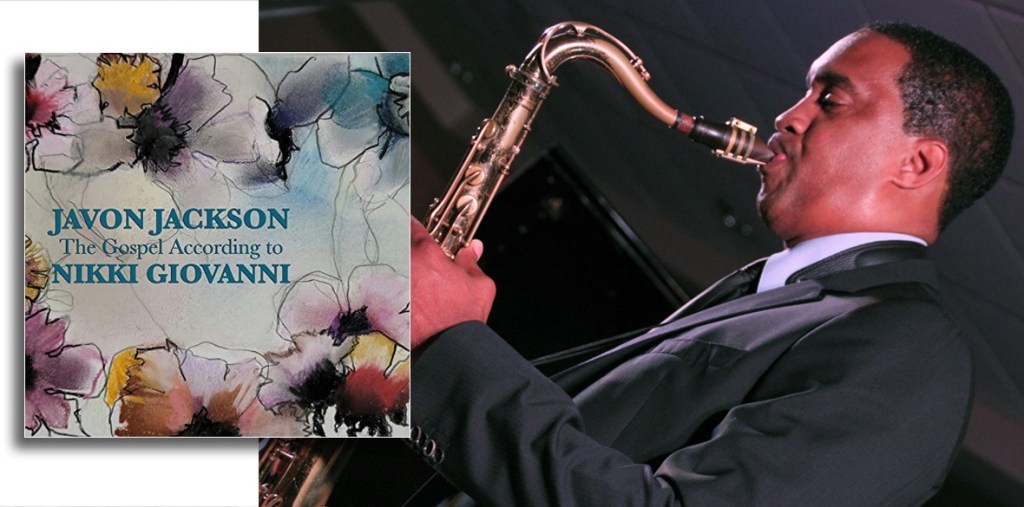
*Since Greg Tate passed, I’ve revisited a bit of his writing, but I’ve also been alerted to pieces I didn’t know about–particularly about master poet Nikki Giovanni’s recordings. Tate’s writing always costs me money because he turns me on to music and books about which I know nothing or little; I am confident, had he lived to hear it, he would have loved saxophonist Jackson’s gospel album with Giovanni. I’m an atheist and I’ve already played it thrive. Coming soon.

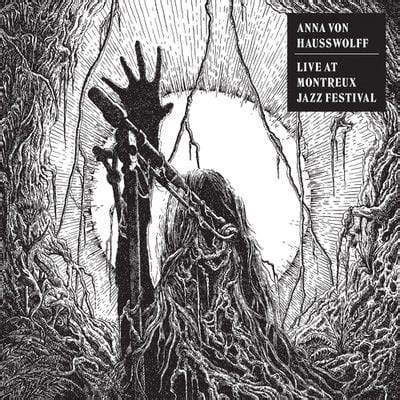
*I ONLY tried to the von Hausswoolff because the album cover looked like Gustave Dore’s work. THEN I find myself unable to turn it off.

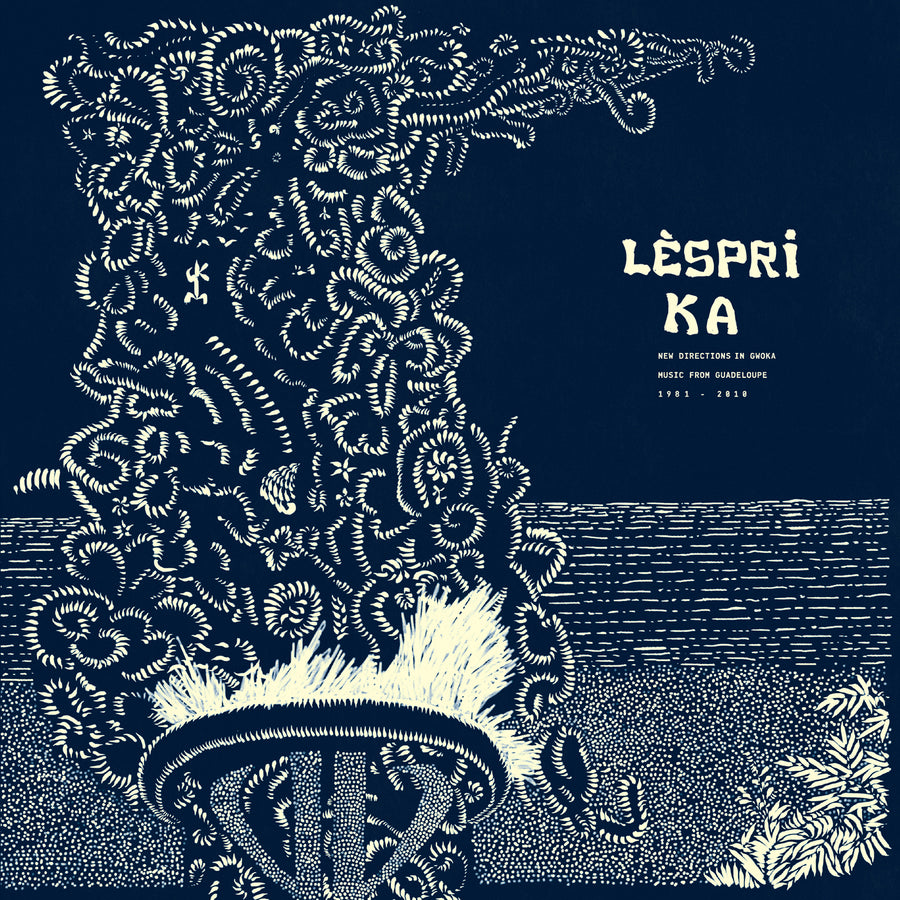
*I was totally uninformed about old directions in music from Guadeloupe. Based on the new directions, I probably better change that condition.

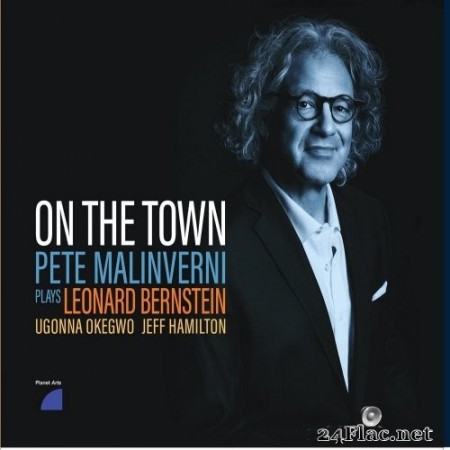
*Pete Malinverni might not seem my (or your) jam, but I’ll be damned if the West Side Story remake didn’t bubble my blood for Bernstein, and Malinverni’s foray below injected itself right into my satisfaction of that desire.

*Valid questions both: Do I really need another live Ayler record? Do I really need another live Neil record? Yes and yes. Ayler’s set was played before a Cleveland audience, and perhaps it inspires him to take several unexpected turns in musical variation, space, and tone–at least to my ear, and I’m an Aylerian. Neil’s acoustic at Carnegie, but it’s the surprise inclusions in the set list as well as stellar performances that have me contemplating a vinyl purchase (if that’s even possible). OK, on with it…

*The 75 Dollar Bill is easily my favorite album of the year. I forgot all about it somehow because I had not added it to my reference folder–probably because I was distracted by playing it over and over. It’s a covers album. Y’know, the usual suspects: Ono, Partch, Oliveros, Neg-Fi, Ron Padgett. Plus some outsiders like Dylan, Toussaint, and the MC5. They do ’em up.

New (and Upcoming) Releases That I’ve Heard And Really Like (Kinda in order, especially the first three):

75 Dollar Bill: Social Music at Troost, Volume 3–Other People’s Music (Black Editions Group) (left off my original post unaccountably!)

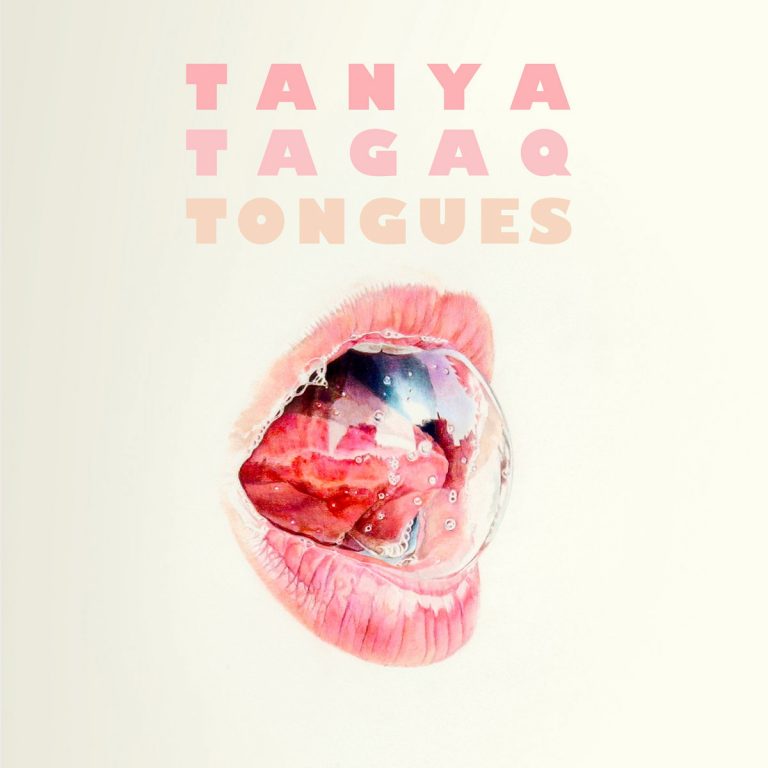
Tanya Tagaq: Tongues (Six Shooter)

Amber Mark: Three Dimensions Deep (PMR / Interscope)

Javon Jackson & Nikki Giovanni: The Gospel According to Nikki Giovanni (Solid Jackson)

Morgan Wade: Reckless (Deluxe) (Ladylike)

Mark Lomax II: Prismatic Refractions, Volume I

Anna von Hausswoolff: Live at Montreaux Jazz Festival (Southern Lord)

Various Artists: Lespri Ka—New Directions in Gwoka Music from Guadeloupe (Time Capsule Sounds)

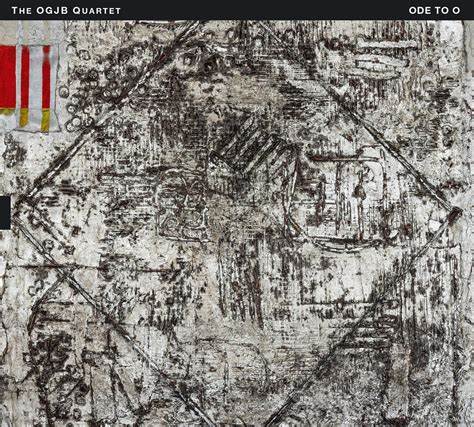
OGJB: Ode to O (TUM) (Note: Band name – O = Oliver Lake, G = Graham Haynes, J = Joe Fonda, B = Barry Altschul / Title – O = Ornette)

The Weeknd: Dawn FM (XO / Republic)

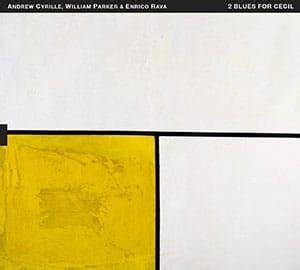
Andrew Cyrille, William Parker, and Enrico Rava: Two Blues for Cecil (TUM)

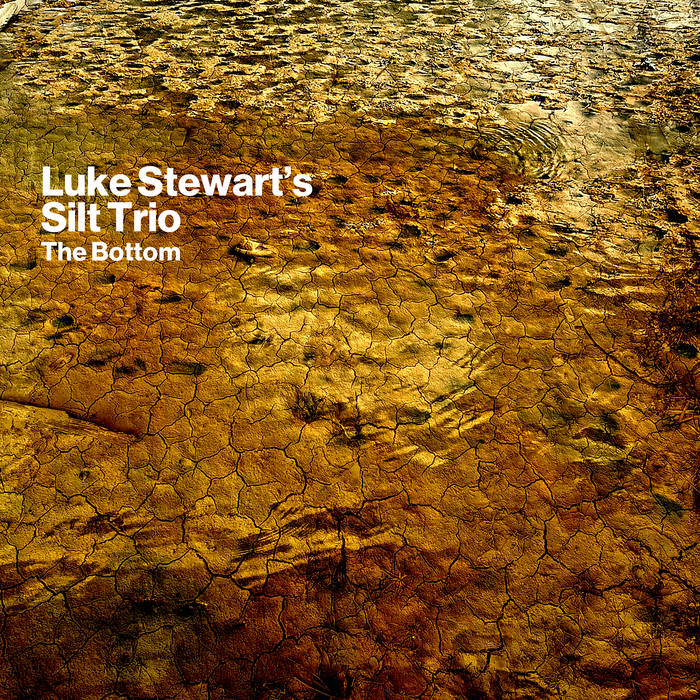
Luke Stewart’s Silt Trio: The Bottom (Cuneiform)

Chief Keef: 4Nem (Glo Gang / RBC)

Immanuel Wilkins: The 7th Hand (Blue Note)

Earl Sweatshirt: Sick! (Tan Cressida / Warner)

Pete Malinverni:  On the Town—Pete Malinverni Plays Leonard Bernstein (Planet Arts)

Martin Wind: Air (Laika)

Archival Digs:

Albert Ayler: La Cave Live 1966 (Ezz-Thetics)

Neil Young: Carnegie Hall 1970 (Reprise)

Productive Distractions (aka Those Damn Pages)

It’s a good bet that, if I haven’t posted for awhile, I’ve been reading more than usual. For me, usual is constantly, and I have been reading more than constantly, whatever the adverb for that is. Much of my reading has concerned music, and I’d recommend pretty much all of it.

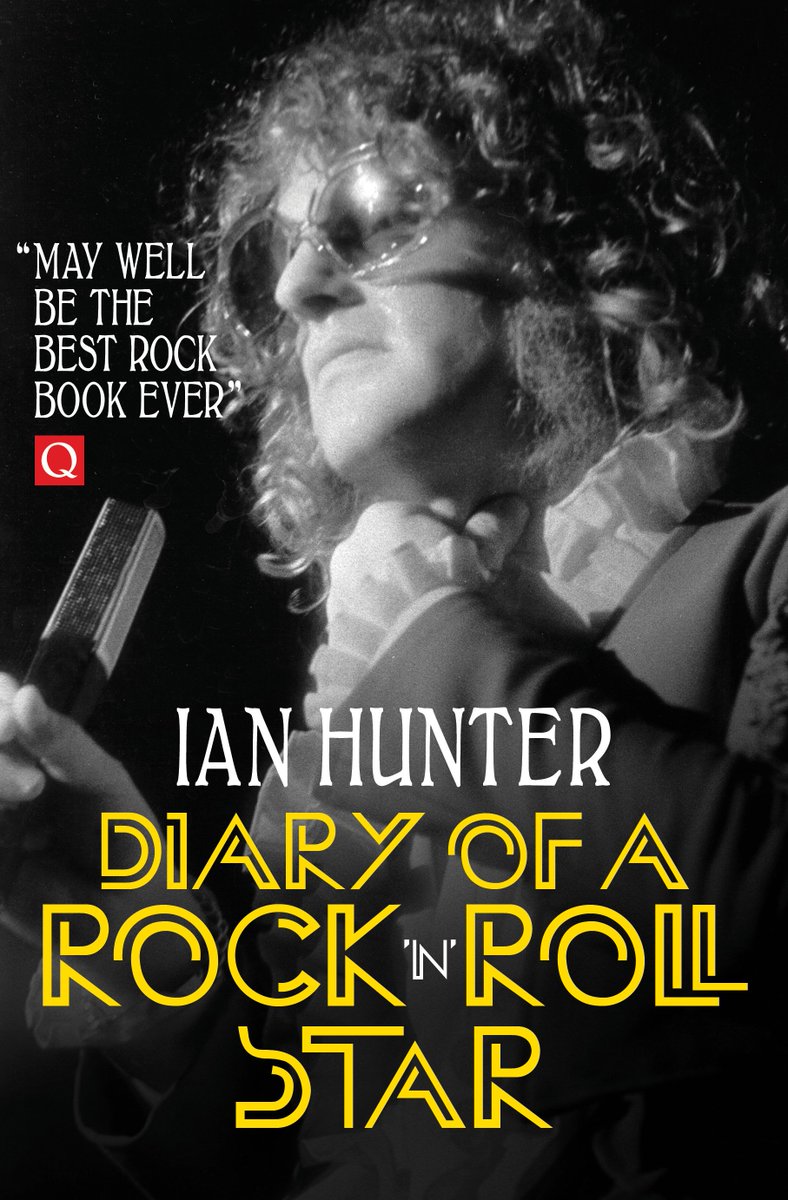
Mott

Ian Hunter’s long-unavailable Diary of a Rock and Roll Star has recently been released by Omnibus in a new edition. I’d long wanted to read it, but either couldn’t find or afford a used copy.  Finally in my grip, it lived up to my sustained high expectations–it even surprised me. Hunter’s frequently very funny: picture the writer and singer of “Sea Diver” sweeping up a minefield of cat-grunt in his flat before he catches his flight to the U.S. He’s very insightful: about the early-Seventies U. S. landscape, about the record biz, about stardom, about band chemistry. He’s got a killer eye: when action slows, his detailed observation of his surroundings can frequently make relative stasis stimulating. And–particularly if you picture him behind glitter, guitar and shades–he’s charmingly mature (his wife was frequently present, so there’s that, but even so he convincingly view groupies as an annoyance and at one point weaponizes them in a prank on the group’s roadies). It’s a real compliment to his talent as a journalist (of sorts) that, despite the fact that he references his bowel movements–travel sucks!–as often as substance indulgence, its pages move the reader forward pretty contagiously.

Most relevant to this blog, it clears my bar for music books: a) it sent me straight back to Mott’s music (I’m still stuck on it even though I finished the book weeks ago), and b) it cost me money–I sprang (rather impulsively, since I duplicated much I already owned) for both the new early-Mott Mental Train six-disc box set and (rather thoughtlessly, since I had digital copies of each, and since…CDs) CD copies of Mott and All the Young Dudes. I’m a hopeless victim of consumerism, but at least I’m celebrating art while in those chains. I could be a bit more stoopid….


abdurraqib_7200_cvr_blurb

It’s really too early for me to write about the above sure-to-be-classic because I am still in its thrall. I love Abdurraqib’s two previous books, one a collection of poetry (The Crown Ain’t Worth Much), the other a collection of essays (They Can’t Kill Us Until They Kill Us), both of which showcase the author’s unique skill at not only absorbing and expressing the very particular fears and pain of being a person of color in these United States right now, but also revealing how his fellow artists do the same. Few current writers explain more viscerally how great music opens out, explains, challenges, and buffers the world its audience lives in–he’s one of the best music writers alive (the terms “reviewer” or “critic” don’t do him justice). This is a stray thought I haven’t wrestled fully enough with, but in some ways he is the literary point person for the relatively new strain of openly emotional, frequently depressive wave of r & b, dance, and rap that I associate with Khalid, The Internet, and Ben LaMar Gay, to name just a few. It’s quite possible this subgenre’s been named and I just haven’t caught up, but its emergence is absolutely unsurprising, given the world as Abdurraqib describes it.

ANYHOW, in Go Ahead in The Rain, which stands strong as a ATCQ primer on its most basic level, Abdurraqib extends the above strengths even further. If you’ve ever cared about how the members of your favorite band cared about each other, how they managed to work together and pool their distinctly different talents to create lasting art, those moments and bands will be conjured as you read. If you’ve ever gravitated to and held on to a band like a life-preserver when you feared your world would swamp you, you’ll be transported back to those crises. If you ever took a band’s dissolution personally–if you ever felt a break-up like a gut-punch, and if you ever knew such a phenomenon meant more than just what it was–you’ll feel much less than a fanboy/girl after this (that is, if you ever did). But don’t get the impression from the nostalgic tint and past tense verbs of that sentence-spew that Go Ahead in The Rain is a lament for the better days (and beats and rhymes) long gone. The presence in the world of Tribe’s last album, We Got It From Here…Thank You 4 Your Service, released with shocking timeliness in November of 2016, will hover in the reader’s mind (if s/he knows it, of course, but if s/he doesn’t–what the fuck???) through the first three-quarters of the book, and when it touches down in Abdurraqib’s pages–well, I had to gather myself a bit before I proceeded. Note: fans of the author will not be surprise that the ghost of Leonard Cohen wafts into these proceedings.

It’s tangentially related, but don’t expect Abdurraqib to condemn so-called “mumble rap.” If you’ve read his past work, it’s hard to imagine you would, but this book’s title might make you wonder. What he does have to say about that subgenre is as eloquent and redemptive as anything I’ve read on the subject. It’s common sense, really, but they say such a thing has taken wing.

Go Ahead in The Rain is a damn good book. A great one. Mine was a library copy–I finished it, returned it, and went and bought a copy to keep and re-read. That’s my review, really.

May2019-OFC

Don’t ask me why I took me until this year for me to subscribe to The Wire because it’s right up my (but possibly not your) alley. I have read shared articles from the London-based magazine for years, most of which I’ve enjoyed, but was never moved to actually do the deep dive. To put it simply, The Wire is very seriously devoted to music that’s experimental or otherwise very much out of the ol’ main stream. Also put simply, it overwhelms me. Some of my few readers may wonder how I stay on top of what I already struggle to stay on top of; this invaluable resources always immediately reminds me that too much exciting music is being made for anyone to stay on top of–ever.

To the point of this entry, though, the current issue features spectacularly informative articles about two acts (for lack of a better word) I already loved but clearly needed to know more about: the First Nations artists Tanya Tagaq (article by Phil England) and A Tribe Called Red (article by Marcus Boon). Each piece provided thrilling revelations: I have Tagaq’s recently-published memoir, Split Tooth, on the way, and I’ve repeat-played the two ATCR albums I didn’t even know about several times this week. In addition, tucked away in the ATCR piece was a reference to the “Cypress Hill-influenced” Native American rap group piquantly named Snotty Nose Rez Kids. Turns out this relatively new crew has two very fucking good records out, with a 2018 single on Apple Music portending a third. Then there’s Jeremy Dutcher, basically an Indian classical musician hollering back at old wax cylinder recordings. If you don’t read The Wire and you’re a seeker, best get on board. It’s pretty cheap if you go digital, but it would be worth the price if you wanted a hard copy.

Sample a playlist of First Nations brilliance.