I am restless. As a teacher, I cannot teach the same lesson twice the same way (nor should anyone, but maybe I’m wrong). Last year, I tried to write more about the albums I loved on this blog but ended up very unsatisfied, plus it was a pain when it came to assembling a complete year-end list. So…I think this year, I’ll go back to my cumulative listing and let y’all follow the links and divine from those whether the records are worthy of your time…unless you just trust me. I wouldn’t. I am going to stick with closing with a Spotify playlist sampler, though I hate Spotify and, since I receive some review copies, songs from those might not yet be available–especially on this one.
New Releases:
Ale Hop & Titi Bakorta: Mapambazuko (Nyege Nyege Tapes)
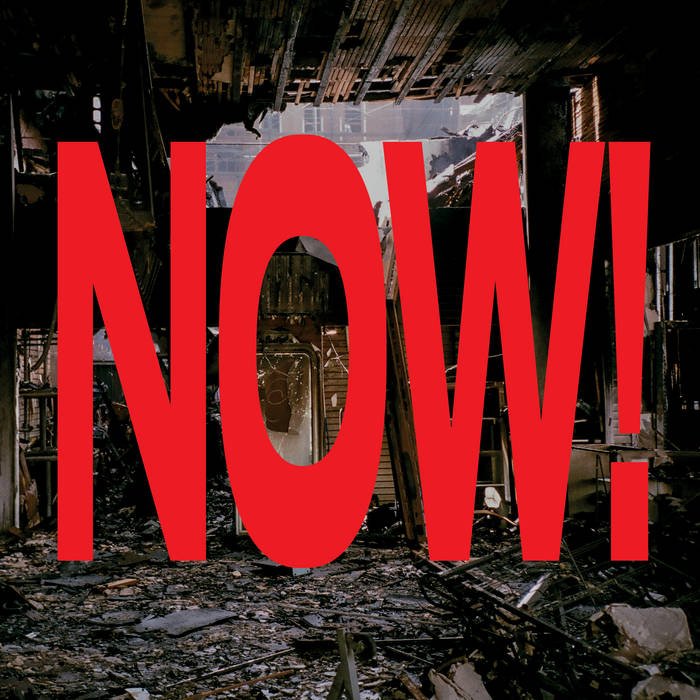
Marek Pospieszalski Octet & Zoh Amba (see below): NOW! (Project financed by a scholarship from the Minister of Culture and National Heritage “Młoda Polska” & Katowice City of Music UNESCO) Note: release date = November 29, 2024
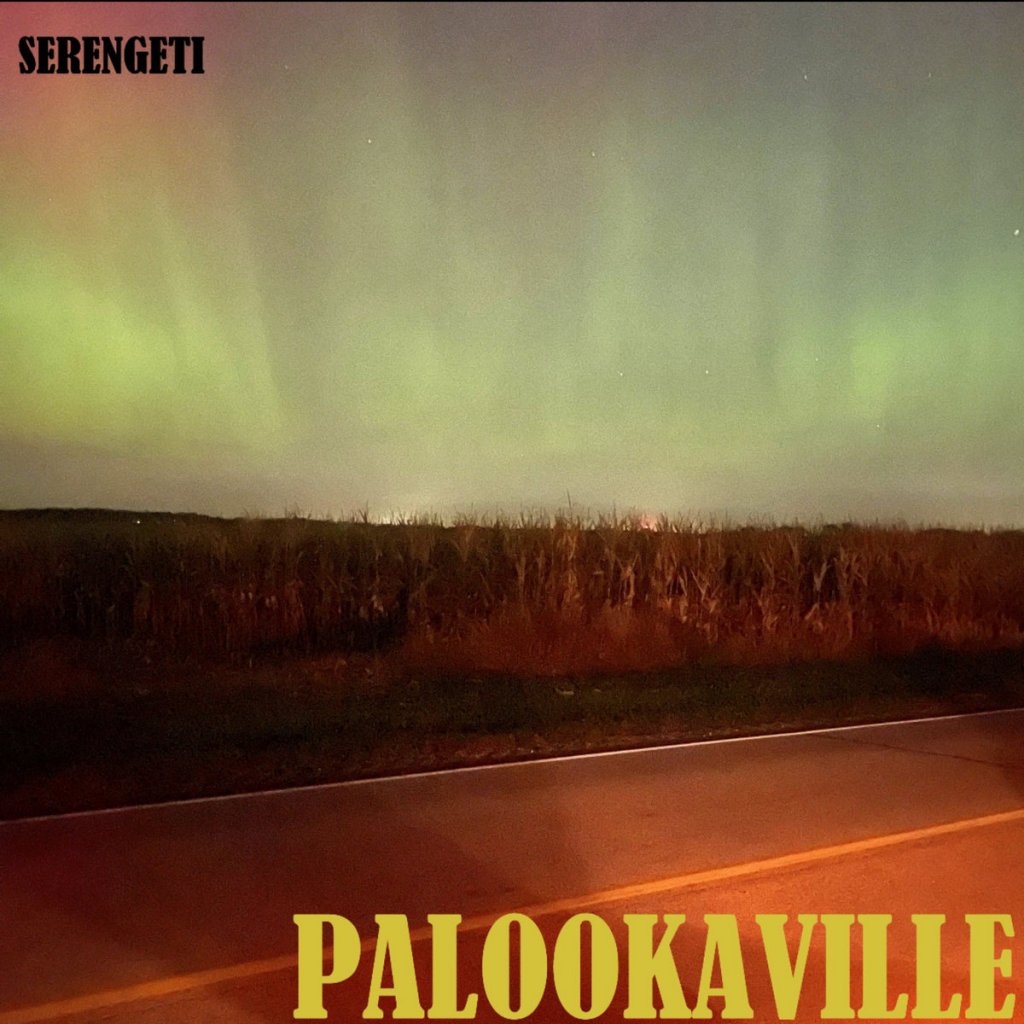
Serengeti: Palookaville(serengetiraps / self-released) Note: release date = December 25, 2024
Zoh Amba: Every album she’s released and appeared on. We saw her play live and it was a chicken-skin experience! Blazing and dynamically moody free jazz plus surprise acoustic guitar versions of new songs that both rended and expanded one’s heart. Check out the way she finishes out Myriam Gendron’s track on the playlist below!
Bob Dylan’s folk stuff: I was subbing the other day shortly after A Complete Unknown was released and I’d seen it—it sent be back to my favorites of his early period, especially the first album (what writer recently said he was electric from the first, because the electricity was in the way he sang those songs?) and “Only a Pawn in Their Game,” which I’ve always loved and repeat played to the point it was worming my ear all day)—and I casually sidled up to a table of 10th grade “advanced placement” dudes. Me: “Hey, have you guys heard of Bob Dylan?” Them (in tandem): “He’s dead, right?” I have some issues with the movie but it was entertaining and has a reason for being.
Culture and Burning Spear in the schools: Sometimes if I’m subbing for an old English-teaching comrade, they’ll let me write my own lesson and teach. A recent job was for a guy who teaches classical ideas and world religions and his students are currently studying Judaism; he asked if I could talk about Rastafarian reggae’s connections with Judaism and play some examples. They didn’t know dick about Rastafarianism or reggae, so it was a good call. We studied The Melodians’ “Rivers of Babylon,” sections of Culture’s Two Sevens Clash and aspects of Burning Spear’s Marcus Garvey. I also pushed Safiya Sinclair’s memoir of wrasslin’ to liberate herself from the clutches of her Rasta dad, How to Say Babylon. I’ve listened to reggae every day since.
Sinead O’Connor: Nicole and I watched the SNL Music special ?Love put together (apparently he was ordered by Lorne to exclude any evidence of The Replacements’ TRANSCENDENT appearance, the petty bastard) and got chills revisiting Sinead’s appearance. Listened to her all of the next day (yesterday, as it were) and kept getting chills, though I found myself wondering how much more she could have accomplished without the after-effects of the backlash (as Al Franken said, “She was kind of right,” though I’d say “She was right.”).
I will again try to comment meaningfully on each of the following alphabetically-ordered new release in single complete sentences. Two introductory notes, though:
Later this year, Phil Freeman’s Cecil Taylor biography In the Brewing Luminous will be published. I’m reading a review copy, and I’m here to tell you it’s outstanding. First of all, this book was badly needed, given Taylor’s singular genius and influence; second of all, in well-documented form it gathers much info that’s out there in one place; third, it’s so comprehensive it’s alerted this passionate fan to recordings he’s never heard of; fourth–no surprise with Mr. Freeman–it advances some critical arguments very convincingly; and fifth, in a continuance from Freeman’s stellar electric Miles investigation, Running the Voodoo Down, the author excels–really excels–at describing a furious, sometimes byzantine music in very distinctive and accurate detail. That’s a trick I really envy; if I could do a fifth as good a job as Freeman, I’d be writing about jazz much more frequently. Check out Phil’s chock-full Burning Ambulance Substack to learn more.
I’m not that much a fan of Light in the Attic’s new Lou Reed tribute The Power of the Heart–at all–but that damn Bobby Rush will be ninety-one in November, and if Sally truly can’t dance, he sure as hell can. He elides a few phrases in Reed’s lyric I bet he wasn’t wholly comfortable with, but he, as per usual for many, many years, sells the song. Hear it in the Spotify Playlist linked at the bottom!
April Top 15 New Platters:
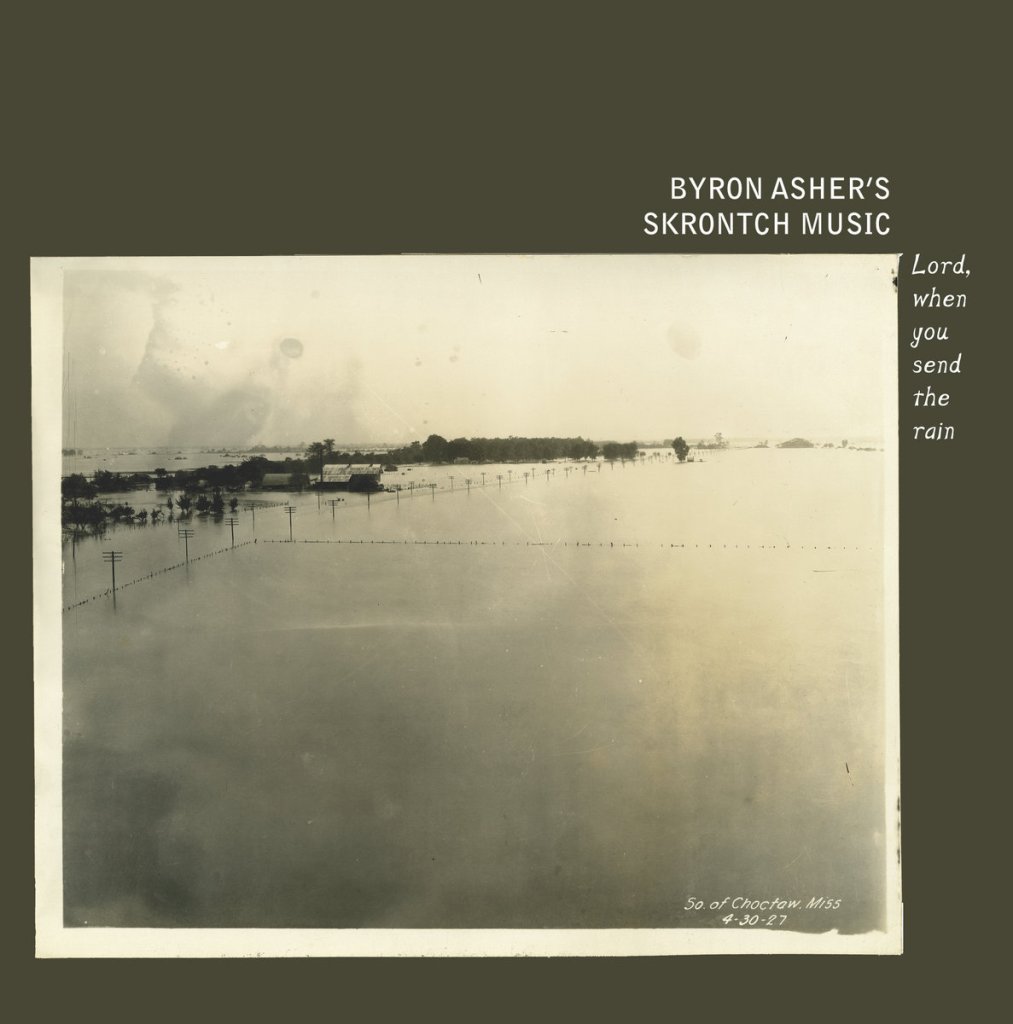
Byron Asher’s Skrontch Music: Lord, when you send the rain (Sinking City)–Like Asher’s previous Skrontch Music album, the problems of New Orleans’ (and other places’) present send him backwards into the future, with spoken clips, traditional instrumentation, and post-modern feints and juxtapositions helping us get why.
Bruno Berle: No Reino Dos Afetos 2 (Psychic Hotline)–The Bandcamp description of this soothing singer’s project (the first volume is excellent, too) informs us that lo-fi, dub step, and other ingredients are utilized to help Berle break away from the Brazilian expected–but I also note that it notes the album’s “sun-soaked” and “sun-drenched” affect, so maybe that’s just historical gravity, not at all a bad thing.
Beyonce: Cowboy Carter (Parkwood Entertainment)–OK, so it’s not all that country (please dig out featured vet Linda Martell’s Color Me Countryif you want that)–it’s just a really good Beyonce album, but, with much less pre-release hype and in-release bombast, I’d argue Mickey Guyton made a stronger statement with Remember Her Name in ’21 without riding a horse or wearing a cowboy hat (plus she turned whiskey into wine).
Buck 65, doseone, Jel: North American Adonis (Handsmade)–Rap earworm line of the year from this on-a-serious-verbal-roll Canadian MC is that he bets his CDs are gonna be “alive in a landfill”–that’s thinking ahead.
Cedric Burnside: Hill Country Love (Mascot / Provogue)–The North Mississippi Hill Country blues practitioners are getting whittled down something considerable, R. L.’s grandson’s has gamely tried keep the style alive with some gently modern tweaks, and he finally nails it here.
James Carter: UN (J.M.I. Recordings)–J.M.I.’s cutting analog jazz vinyl, and, while I have not heard them all (David Murray’s 2023 offerings, solo and with Plumb, were impressive), this is tops for them so far, causing one to wonder why it’s taken JC this long to wax an unaccompanied set…though I’m still waiting for his Earl Bostic tribute album.
Big Freedia & The Louisiana Philharmonic Orchestra: Live at the Orpheum Theater (Queen Diva)–A bounce orchestra’s taking it too far, you might think, but you SHOULDalready know not to sell the Queen Diva short.
Miha Gantar: New York City (Clean Feed)–When I received a digital review copy of this 5-disc collection of new compositions and improvisations by the 26-year-old Slovenian pianist, I rolled my eyes but, as I have sworn to do with these “gifts,” gave it a shot–then found myself so mesmerized not only by the variable moods and configurations (strings, solo, drums only, collab with sax sensation Zoh Amba, etc.), but also by the distinctiveness of the six-count-’em-six pieces that I listened to the whole thing straight through and determined that it’s my favorite jazz release of the year.
Matt Lavelle and the 12 Houses: The Crop Circles Suite, Part 1 (Mahakala Music)–NYC clarinetist, trumpeter, composer and conductor Lavelle, long a very underrated player on the jazz scene, released this, (it looks like the first half of) his “life’s work,” on his 54th birthday: easily one of the genre’s most ambitious, successful and inspiring records of the young year.
Meshell Ndegeocello (and Friends): Red Hot & Ra – The Magic City (Red Hot Org)–You know you cannot resist the pull of the perennially underrated Ndegeocelleo, assisted by jazz compatriots Immanuel Wilkins and Darius Jones, putting a fresh spin on The Sun One–which the Red Hot Org label seems recently dedicated to doing, with a Kronos Quartet set in the offing.
Tomeka Reid Quartet: 3 + 3 (Cuneiform)–More and more predictably, when you put Reid and guitarist Mary Halvorson in the same room, sparks will fly along with those fingers, and aural magic will be the result, as it is here.
Ann Savoy: Another Heart (Smithsonian Folkways)–Surprise of the month: a passionate combo of covers (Springsteen, Sandy Denny, Kinks!) and originals sung and played by acclaimed Cajun historian and member of one of the style’s most acclaimed and hardest working families, a Top-Tenner to my ears (and…heart).
Reyna Tropical: Reyna Tropical (Psychic Hotline)–I swear I’ve run into one of these albums every month for a couple of years: a moody, sexy, lithely swinging, electronic trance-r&b–maybe in this case, yeah, trance–tropical–album that I can’t quit playing and beats monkey gland shots or whatever, which means I might need to dive into the artist’s considerable (for her age) back catalog.
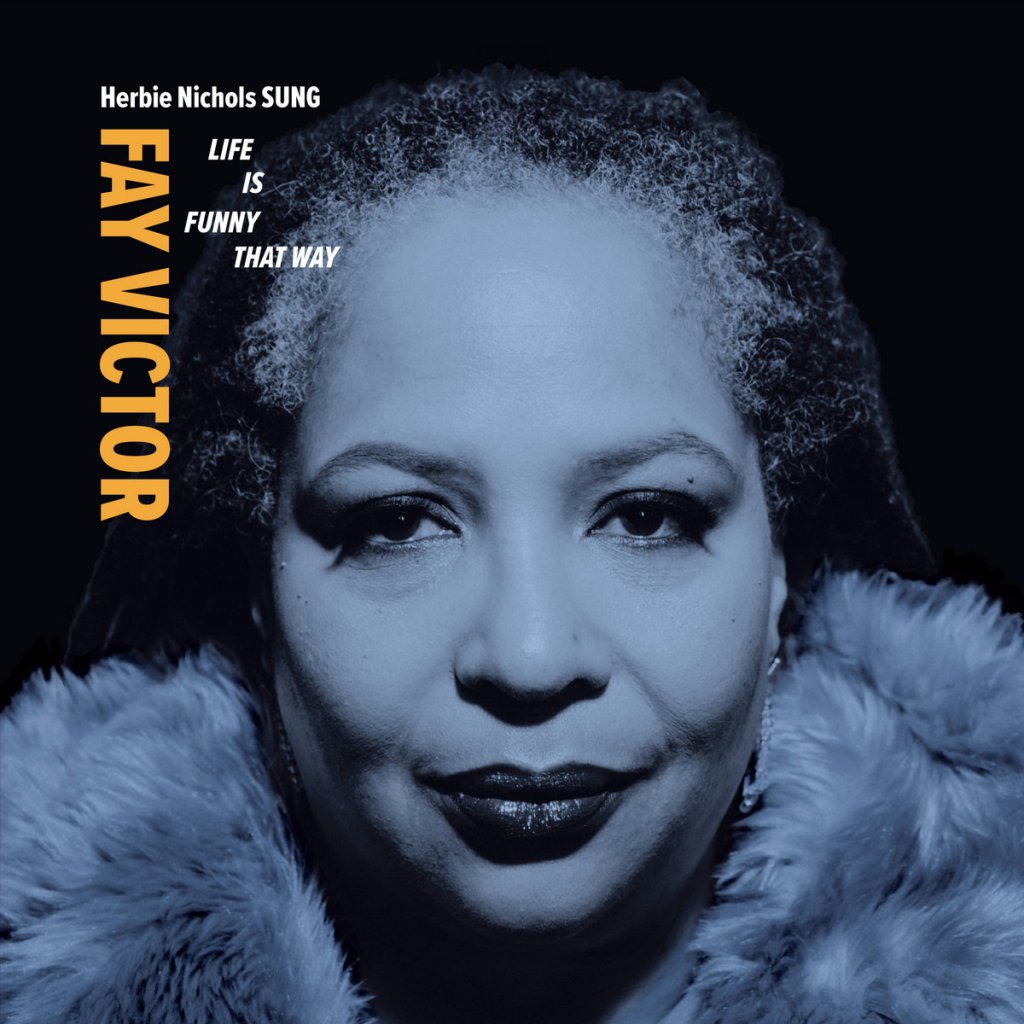
Fay Victor: Life is Funny That Way—Herbie Nichols Sung (TAO Forms)–I’ll admit that, while an earlier 2024 group from Brazil did successfully sing Bill Evans, I thought star-crossed jazz pianist Nichols’ quirky compositions were too high a hurdle, but then I didn’t know diddley about Victor, whose scatting isn’t just experimental but vies with Carter, McRae, Ross, and Vaughan (stylistically, not really Ella, though) at their most daring; the band makes it over the bar as clearly.
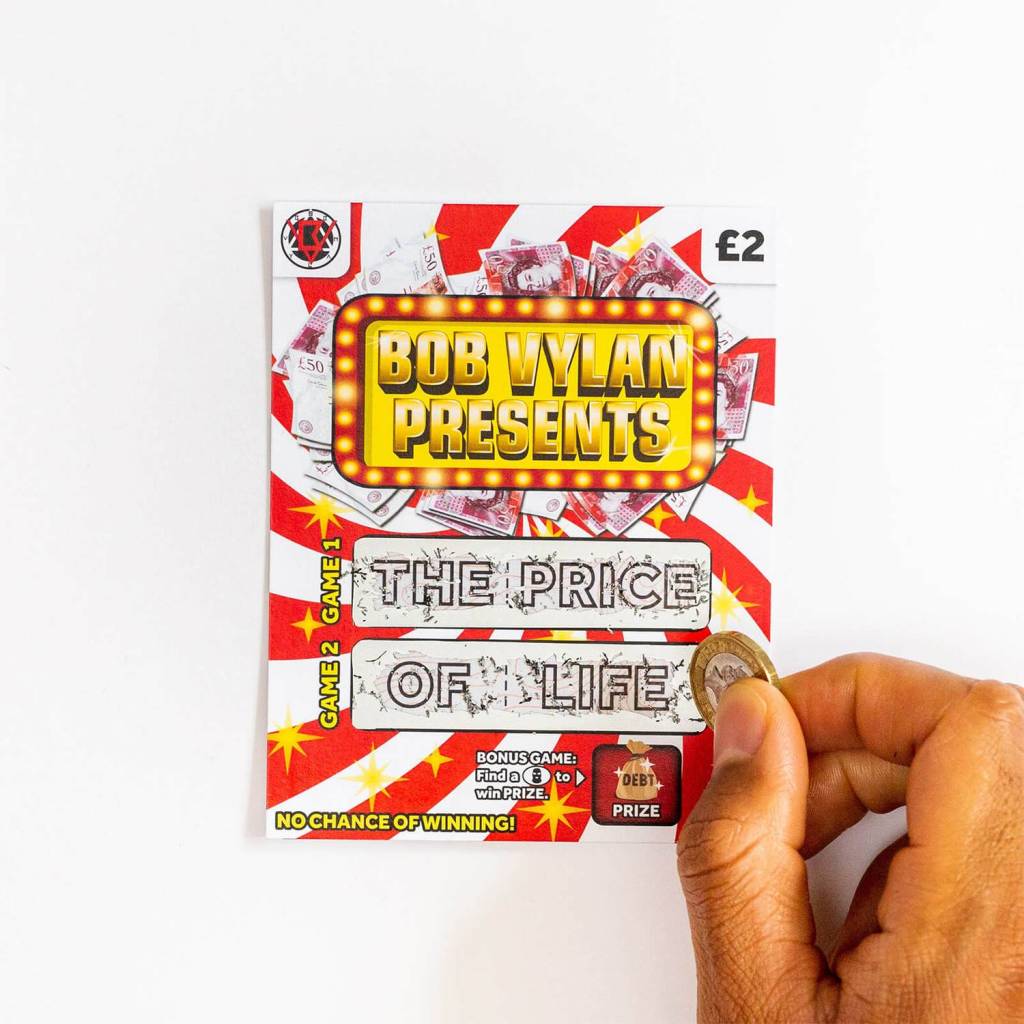
Bob Vylan: Humble as the Sun (Ghost Theater)–A youngster for our times, though, compared to his last two records, this one seems almost autumnal, as if the pure revolutionary fire he regularly lights has prematurely aged him–but these times can do that, too.
April Top 10 Old Platters [Post-Record Store Day CD Meteor Shower (for me, every day is RSD)].
Alice Coltrane: The 1971 Carnegie Hall Concert (Impulse!)–The latest entry in the Alice Coltrane revival is the rowdiest and maybe the best, thanks to horns shaking things up.
Emahoy Tsege Mariam Gebru: Souvenirs (Mississippi Records)–As they do a Professor Longhair platter, all homes that dig music need a record by the recently-departed, ghost-fingered Ethiopian pianist and nun, but this is her first recording with vocals, which I wasn’t completely certain hadn’t slowed down her already sauntering roll–but, upon two more listens, I was wrong again.
Grupo Irakere: Teatro Amadeo Roldan Recital (Mr. Bongo)–Cuban bands come no hotter than this one, and this is their long-unavailable debut recording (and it’s not just hot).
Rail Band: Rail Band(Mississippi Records)–Another debut recording by a legendary band, this one from Mali, this one too long-unavailable, and featuring not one but two legendary vocalists: Salif Keita and Mory Kanté.
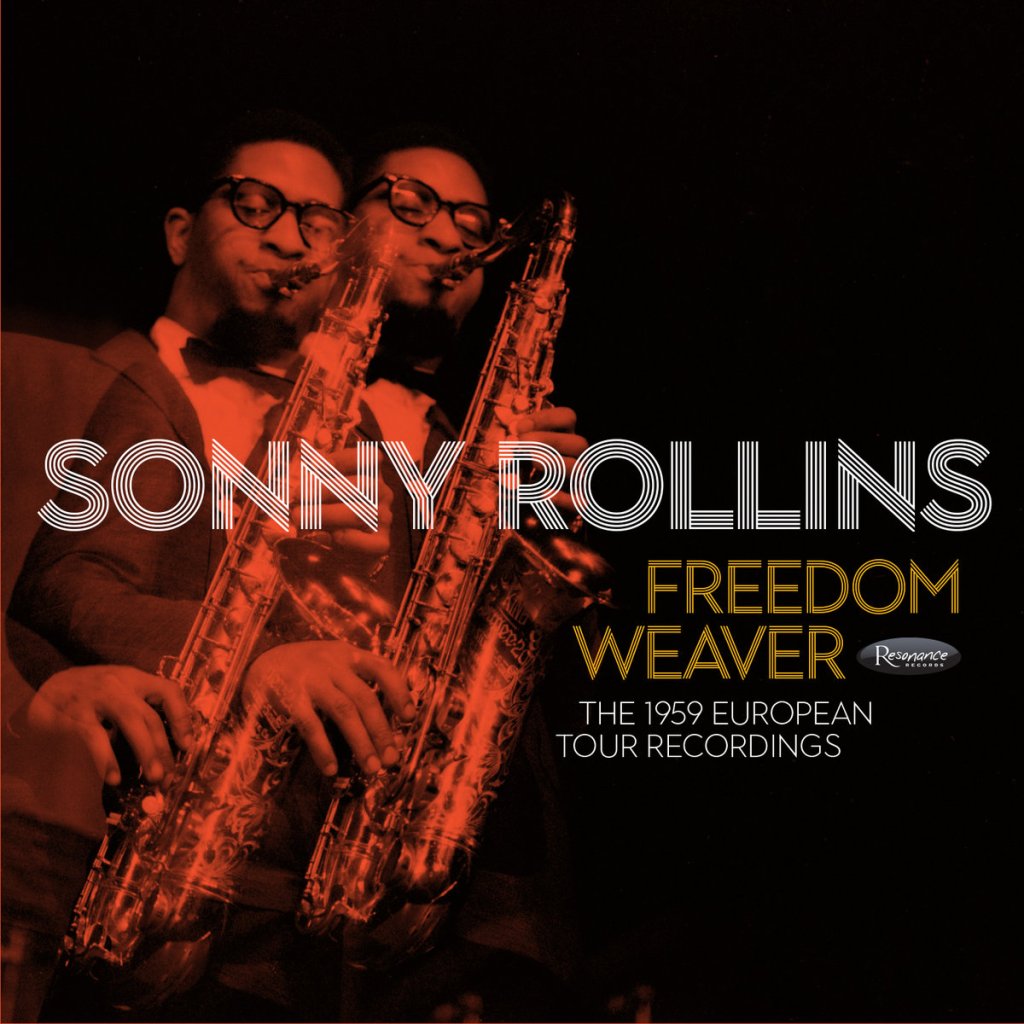
Sonny Rollins: Freedom Weaver–The 1959 European Tour Recordings(Resonance)–My good pal Chris Gray, referring to this album, wondered who could complain about “live Rollins ’59,” and. while I whole-heartedly agree, especially since Sonny’s working in a trio format, Sonny would soon hit the bridge to…woodshed; I promise you that if you’re ever this good at what you do that you think you’re not good enough, you might just need lysergic therapy. (Note: RSD 2024 choice now available on CD.)
Sun Ra: At the Showcase Live in Chicago 1976-1977 (Elemental Music)–Ra in Chicago, always a spot for top-of-the-line spaceworks, with the band orbiting. (Note: RSD 2024 choice now available on CD.)
Art Tatum: Jewels In the Treasure Box (Resonance)–Mainly, you need to know this Tatum is in trio mode, which naturally cuts into his usual carnival of pianistics but also allows guitarist Everett Barksdale and legendary bassist Slam Stewart to show their scintillating stuff. (Note: RSD 2024 choice now available on CD.)
Various Artists: Congo Funk! Sound Madness From The Shores Of The Mighty Congo River(Analog Africa)–Key words: “Congo,” “Funk!” (exclamation point earned), “Sound Madness,” “Mighty”–and “Analog Africa; in other words, “Merde, putain, lâche-toi le cul etjam !” (Et j’adore de la confiture!)
Various Artists: New York City Hardcore: The Way It Is (Revelation Records)–I had not heard of any of these bands, but all the vocalists sound in some way like my best friend, former ranter, opera buff, free jazz buff, French-Canadian advocate, European football nut, and scientist Mark Pelletier, so it’s a win.
Mal Waldron & Steve Lacy: The Mighty Warriors Live in Antwerp (Elemental Music)–Both these now-underrated instrumentalists started out trad, in a way–pianist Waldron accompanying twilight-era Billie Holiday, soprano saxophonist Lacy playing New Orleans jazz–but ended up taking things just out enough to be trenchantly in, and they were master players, especially live, and here they are backed by two more flexible and pretty legendary rhythm controllers you heard about last week: bassist Reggie Workman and drummer Andrew Cyrille. (Note: RSD 2024 choice now available on CD–and it might be the pick of the litter.)
I think I’m going to stick to recommending just 10 new albums I enjoyed each month and highlighting some non-2024 beauties, then maybe compiling a comprehensive list at the end of June and, finally, at the end of December. Those endlessly unspooling scrolls were starting to drive me nuts, and I need additional storage in my skull. And, let’s face it, the great Tom Hull has the long-list category wrapped up like Sam & Dave. And…I need to write a bit, even if it isn’t all that insightful, as opposed to simple enthusing.
FEBRUARY TOP 10
Beyonce: “Texas Hold ‘Em” b/w “16 Carriages” (Parkwood Entertainment)—I unequivocally love this imaginary 45, which is no small statement from me, as I (like others I have observed) have issues with imperial projection. I have spent many years begging young students to understand that Black Americans have been making (and loving) (and spreading) what can fairly be called country music since the 1920s, I’ve been rigorously pointing out their growing current visibility in that genre over the last few years…so this impassioned foray is so very welcome. I feel more warmly toward Mickey Guyton, but these songs make her sound like Nancy Wilson. I can only chuckle at country radio programmers trying to stop Country Bey.
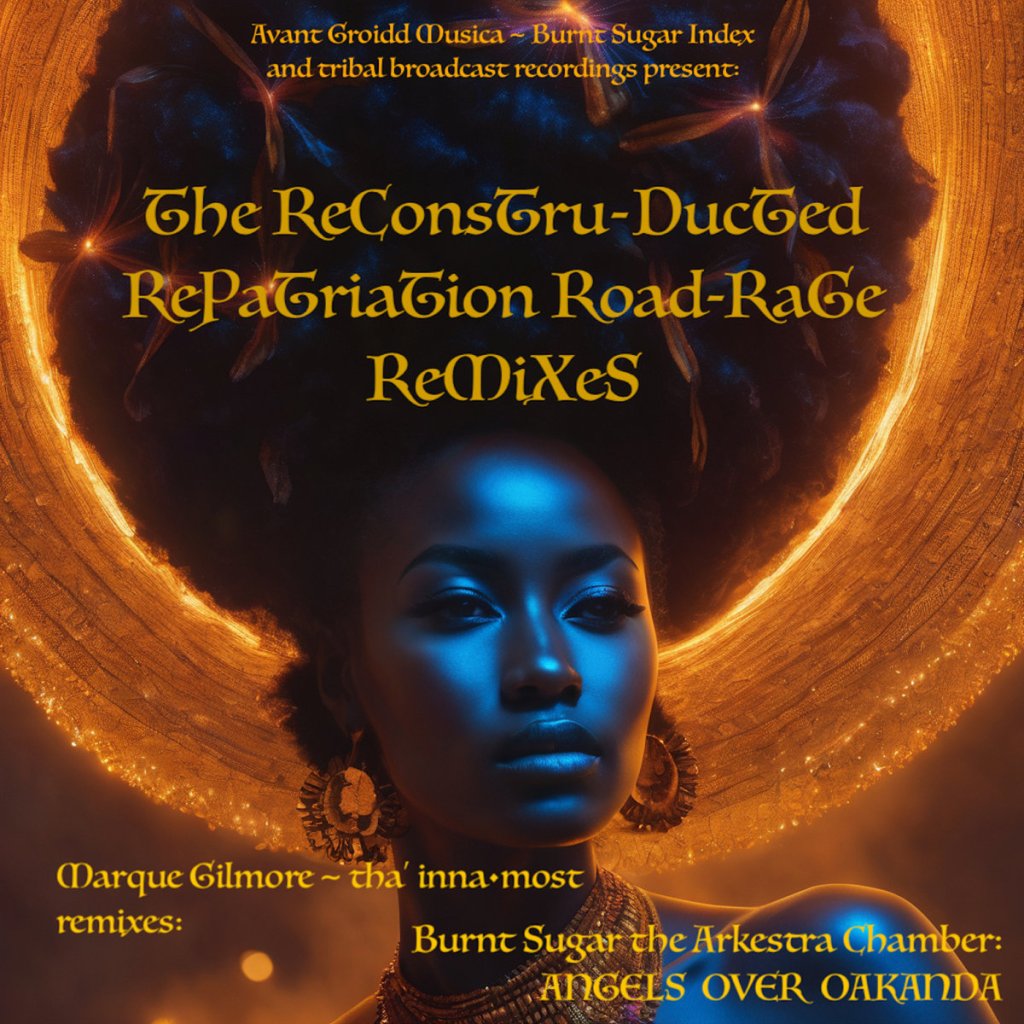
Burnt Sugar: The Reconstru-Ducted Repatriation Road-Rage ReMiXeS [of “Angels Over Oakanda’](self-released)—a cheat, in a way, as you can only obtain it by buying the vinyl version of the band’s wonderful Angels Over Oakand (or by illegally download it, but please honor and remember Greg Tate with cash). It’s sonically and creatively warped enough for one to need it as much as the original, which is among the best of Tate’s stew of funk, ‘70s Miles, Afrofuturist soul, and a sprinkling of Hendrix.
George Cartwright’s GloryLand PonyCats: Black Ants Crawling(Mahakala Records)—I am very loyal to Cartwright’s record label (free and experimental jazz out of Hot Springs, Arkansas? Yes, Pharoah was from Little Rock, but check the variety and volume of the music it puts out). Here, Aylerian alto/tenor saxophonist Cartwright and two comrades collaborate for a honking, skittering recording which the title fits perfectly.
Hurray for the Riff Raff: The Past is Still Alive(Nonesuch)—I have been rooting for Alynda Segarra since their first records; their story, their concerns, their songwriting, their conviction have always added up to my jam, but somehow their singing and music never put them over the top for me beyond first (and sometimes second) listen. This grabbed me from the first line, and, as a friend texted me, “This is a 2024 record for sure. A keeper.” The vocals sound more confident and more charged, the music doesn’t get in the way, and songs like “Hawkmoon,” “Snake Plant,” and “Colossus of Roads” forced me out of my dedication to a straight-through first hearing and into repeat plays. The inclusion of a voice mail from their late father broke my heart. I proceeded to buy the physical copy, which, I suppose, is my signal that an album is in all ways (yes, Brett) a keeper. I’m glad I hung in there.
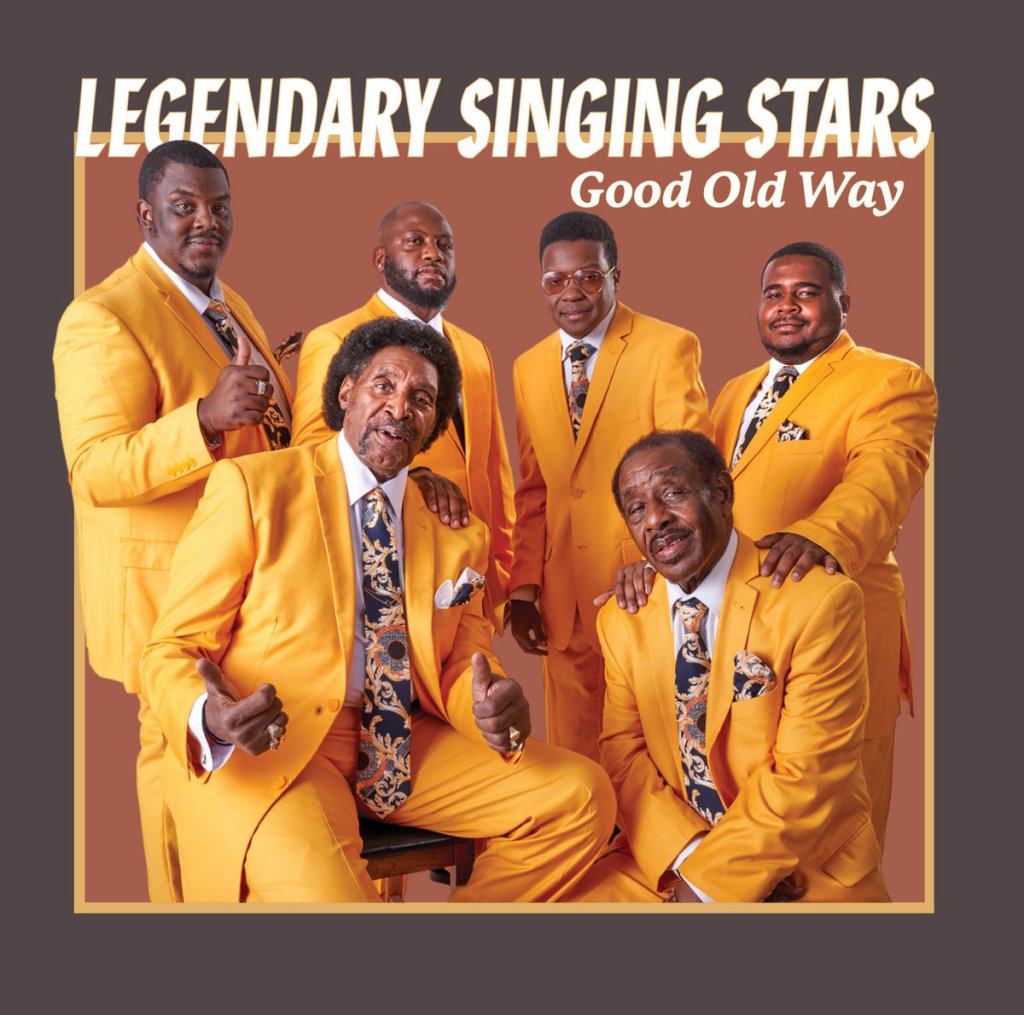
Legendary Singing Stars: Good Old Way(Music Maker Foundation)—Yet again, here’s a label/company I believe in. It’s dedicated to getting our last generation of long-term practitioners of blues and gospel on record and into solid financial standing. Everything it touches is not exactly gold, but they seem more successful finding and recording gospel acts, and this is a great example. One might not trust the group name (“Legendary? I never heard of ‘em!”) and at first glance the title isn’t mouth-watering, but here’s some enticing tidbits: it’s live and passionate (a tribute to co-founder Tommy Ellison, who passed from cancer), the set list is certainly not the gospel same-ole, and they’re straight out of…Brooklyn. Moving.
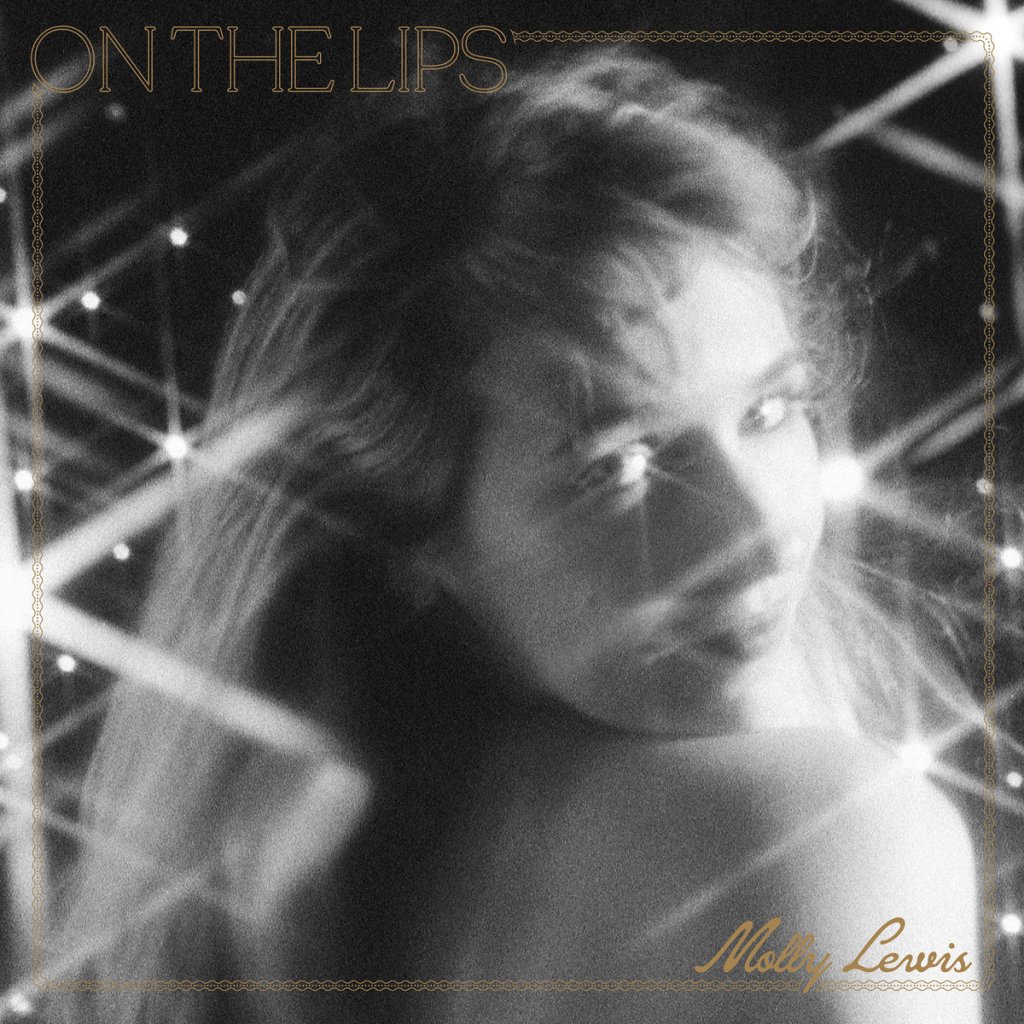
Molly Lewis: On the Lips(Jagjaguwar)—Yes, I remember her whistling in Barbie, and it was neat. And, among other magic powers, Toots Thielemans could jazz his lips. When I noted that Lewis had a record out, I thought to myself, “I don’t need a whistler’s record” (how many of you wrestle with record need?). But…well…Pitchfork reviewed it, the cover photo and title stimulated me, I did think of Thielemans, who’s a personal favorite, and I streamed it. COOL! Noirish, mischievous, winsome, varied, catchy—in short, one of a kind and the kind of cute I go for. Please, Lord or whatever, do not let Lana Del Rey fold her in.
QOW Trio: The Hold Up (Ubuntu)—Norway jazz aficionado Chris Monsen has an unerring ear for great jazz, especially if it’s not of the States (though he’s reliable on that subject, too). He recommends one new jazz record a week and I do not question him; he provides a link, I click, and I listen. It’s scary! I fancy myself antiauthoritarian, but I do not question Chris. He recommended this release by an English unit earlier this month, and as I was doing his bidding (but also reading and not really homed in), I suddenly sat up from the couch, and said aloud (I was alone—I’m getting old), “Damn, that sounds like Sonny Rollins!” Sad secret: I don’t even read Chris’ reviews of these albums; I just play them first and go back and read them after—that’s trust. So I grabbed my phone, looked at the album track list, and bugged out at the closer: “I’m an Old Cowhand”! Suffice it to say that, if you’re missing new Rollins—we’re long past the end of that line, sadly—you best check this out. Saxophonist Riley Stone Lonergan is no imitator; he’s got his own sense of line, but he steams along with a very powerful tone and has a very familiar sense of humor. The rest of the trio are clearly listening—in some ways, also, more responsive than some of the master’s trios—resulting in an “A” recording. I’m working my way through their previous offerings, and this one’s no fluke. Isn’t it funny how often you’re reminded that you haven’t listened to every great thing?
Joel Ross: Nublues(Blue Note)—I’ve seen Ross thrice: leading a combo and supporting Makaya McCraven and Immanuel Wilkins, respectively. As a player, he’s an angular wonder. I have not been blown away by the recordings he’s made under his own name, but he always makes me sit up and take notice as a sideman. This, I think, is easily his best solo record, and if you feel reluctant when you notice the jazz classics (two well-worn Tranes and a Monk) he’s covering on it, suppress the urge to move on and listen to the interpretive magic he brings to them. His originals are great as well.
Split System: Volume 2(Legless)—No, garage punk ain’t over. Never has been in Australia. Following a lead from Memphis’ Goner Records—if you’re starved for forcebeat and two- or three-chord energy (or general aggressive outsider weirdness, Memphian and otherwise), subscribe to their mailing list—I checked out this Melbourne unit and they are like running into an electric fence. Fans of Eddy Current Suppression Ring should not tarry, but these guys don’t go on as long. Volume 1? Also, highly recommended.
Ms. Boogie & Ky Ani: The Breakdown (Ms. Boogie Records)—The surprise of the month for me. The New York rapper got a good notice from Pitchfork, but I’ve cooled a little on its rap recs, so streamed this to get it over with. Boom. They rap-whisper, in a way—like what they have to tell are secrets, but secrets one has to fight—daily. Try “Build Me Up,” where the church they attend and need wants them dead, for a convincer.
OLD & MISCELLANEOUS STUFF
Dennis Gonzalez: (with Yells with Eels and his sons) Cape of Storms (featuring Louis Moholo-Moholo / Resurrection and Life (featuring Alvin Fielder) / The Great Bydgosczc Concert (featuring Rodrigo Amado); (with Inspiration Band) Nile River Suite (featuring Henry Grimes)—The Abilene-born and Dallas/FW-headquartered Gonzalez is the most underappreciated jazz composer and bandleader of the post-Trane era. There, I said it. The music journalist Ken Shimamoto, who has been a far kinder Stanley Crouch to Gonzalez’s much more interesting Wynton Marsalis, says it better in one of the last editions of the Penguin Guide to Jazz, and Ken’s the friend that firmly advised me to sample his work. Since I did, it’s been Sally-bar-the-door. Gonzalez’s trumpet and pen knew endless variations, his sons (on bass and drums in the Yells with Eels band) were more than just acolytes, and by the time he died in 2022, he’d gained the respect of many jazz masters. Great starting points for all three claims are these records, which also showcase the distinctive movement and energy Gonzalez’s writing stimulated and prove how wonderfully he engaged with drummers. I used to experience Dylan fixations, and Lou Reed still puts a ring through my nose for weeks, but this month was the fourth time I found myself awash in Gonzalez’s work. You can’t miss with these if you’re adventurous, like some structure with your freedom, and simply want to catch up.
Trouble in Mind (THE Jerry Lee Lewis Documentary, directed by Ethan Coen)—I have been a serious Jerry Lee fan since I first heard “Crazy Arms” and read Nick Tosches’ Hellfire, I own several Killer books and docs, and, even with a Coen Brother at the helm and Mick Jagger, T-Bone Burnett, and Callie Khouri producing, I was skeptical that a) we needed another Lewis documentary, and b) anyone could really do justice to such an enigmatic force of nature, both dangerous and life-affirming. I was wrong again. In 74 minutes of mostly Jerry Lee, through clips, telling his own stories and footage even most JLL adepts have never seen, they nail it. Lone caveat: minutes and minutes of Mickey Gilley and some drama from Jimmy Swaggart, and A FEW SECONDS (!!!!) of Lewis’ wild-assed piano-pounding sister Linda Gail, who got married (the first time out of NINE—the current number as of today, I think) so she could get laid properly under the gaze of God? That’s a serious “what the fuck?” but this documentary is still very much worth your time.
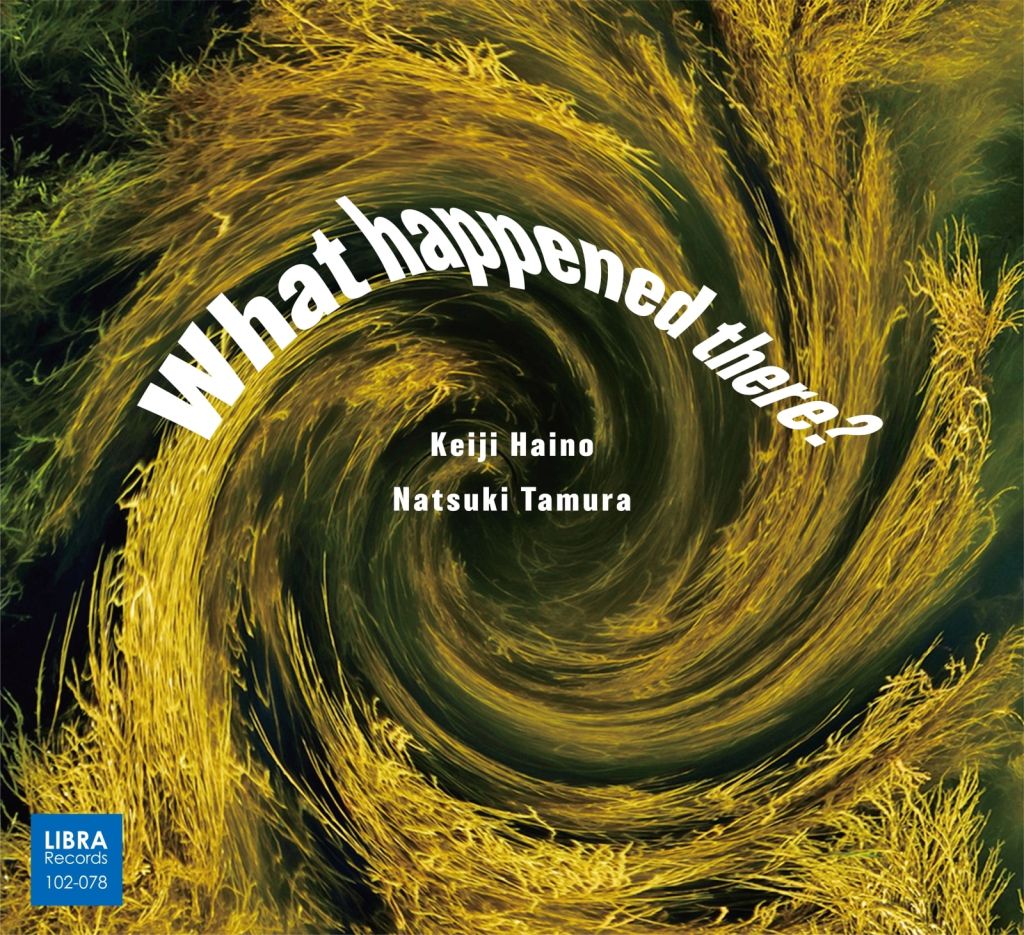
Exploring Gong Culture of Southeast Asia: Massif and Archipelago—A Project by Yasuhiro Morinaga(Sub Rosa)—A typical music junkie Internet experience: I was looking for something else when I saw an ad for a Smithsonian-style collection of gong music from Cambodia. As if my cyber-brakes weren’t working, I kept clicking past it, then tried to back track and lost it. I don’t know how. I wanted gong music so badly (my lip’s always hook-ready) that, after trying in vain to find the album I’d seen an image of, I plugged “gong Cambodia” into a Discogs search and this appeared at the top of the list. I noticed the cover alluded to a David Toop intro, so—what the hell?—like Patty Hearst did to Roland’s Thompson gun, I bought it. It’s been playing enchantingly throughout my drafting this. Certain people, you know what to do!
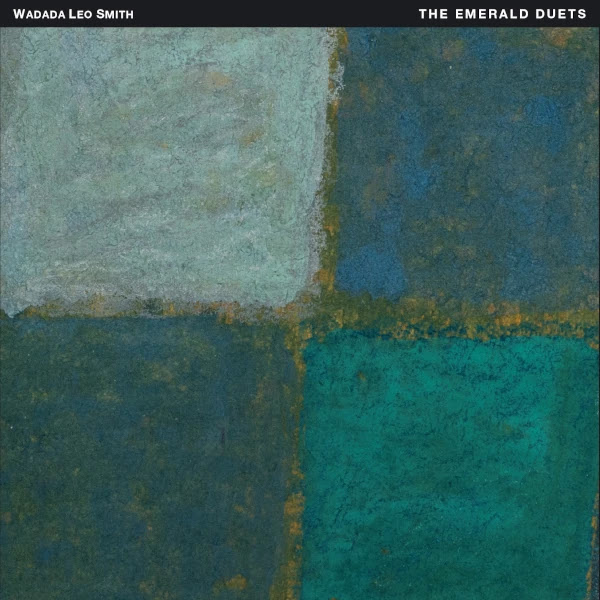
I apologize for being farther behind in examining new releases this month than I usually am (and I always am). I did have some good reasons. I am one of those people who can read with fine concentration while I have, say, a Last Exit record cranked up to 6 or 7. However, my recently completed journey through the second book in Marlon James’ frightening, mind-boggling, and revolutionary fantasy/horror/unclassifiable trilogy, Moon Witch Spider Kingcould not have been completed with anything other than Bill Evans or Morton Feldman as background, and even those might have been distracting. (Please note: the journey through these books is definitely worthwhile, and one hell of a lot safer than the characters’ journeys.) In addition, rereading Will Friedwald’s assessments of Shirley Horn’s ouevre sent me on another journey to pretty much plumb its depths. Horn’s best work is gorgeously hypnotic, and she did not record much that wasn’t good, so I am talking many hours spent. (Where to start, the uninitiated might ask? The very early Embers and Ashes, which knocked Miles Davis out and confirmed for him that slow tempos and floating space were indeed great ideas, and 1992’s Here’s To Life. Resonance Records’ recently issued Live at the Four Queens is a knockout, with the lagniappe of brilliant notes that will send you further. Ok…I’m getting distracted again.) Plus, I took a little vacation, and both my wife and I are home, so I can’t just listen to anything anytime (I often feel headphones are rude when you have company). Most ironically, the new record that debuted highest on the chart below was maybe my biggest distraction: a scintillating five-disc box of jazz duets that I kept returning to rather than sampling other new stuff–that’s high praise for a new box set, coming from someone who feels he has to “keep up.” Wadada Leo Smith’s The Emerald Duets, on TUM Records (City Hall Records stateside), features the octogenarian trumpet master going head to head–disc-long (the shortest piece runs 36:39)–with four equally masterful drummers: Pheeroan akLaff (67, the baby of the project), Andrew Cyrille (82), Han Bennink (80), and Jack DeJohnette (79). akLaff you may know from his fiery work with Sonny Sharrock; Cyrille’s played with damned near everybody in jazz, specifically including Cecil Taylor and David Murray; DeJohnette, who occupies the last two discs, most will know from his backing of Miles (notably on Bitches Brew); and Bennink is the clown-prince of European improvisatory drumming, best heard on his many recordings with Instant Composers Pool but another musician who has definitely been around (as a young man he even backed Dolphy). On a project like this, there’s no place to hide when there’s only two of you, and if you’re going to play a 74-minute and 58-second piece (Smith and akLaff’s “Litanies, Prayers, and Meditations”), you best keep it lively and shift a few gears. I’m happy to say that this set rewards close attention. If you’ve not heard Smith, he is a responsive player of deep feeling and many moves–he might remind the first-time listener of Miles himself–and he famously can tell a story with his horn. Of course, you can tell jazz drummers apart (it would seem, perhaps, harder to do in duet settings), and these men are indeed stylists. I enjoy each disc, but my favorite, perhaps because it is the most playful (not a mood one frequently associates with Smith) is the Bennink duet, aptly titled “Mysterious Sonic Fields.” Han is a trickster; Smith’s far too wizened to get tricked, and there’s some of the tension. The least interesting discs were those with DeJohnette, maybe because of fatigue (I need to listen to them out of order) but also because of DeJohnette’s switches to piano and Fender Rhodes on disc five, which I consider a distraction, rather than a change of pace. But even it, when you lean forward to listen to these sages listening to each other (these are no dialogues of the deaf), conjures fascination, and the whole set gives one hope for growing older, wiser, and better. I haven’t been encountering that hope all that much lately. My only real beef, and it’s silly, is that Smith didn’t hold onto his previously-released duet piece with the late engine-room wizard (not fair: he was a scientist) Milford Graves, which came out in another TUM box set, Sacred Ceremonies. Speaking of TUM box sets, they are very impressively appointed, with terrific cover art and insightful notes.
I also have been occupied with Smith’s other (yes, other) box set, the seven-disc String Quartets Nos. 1-12, recorded mostly by the Red Koral Quartet, with Smith, who composed the pieces, appearing only briefly on two of then. I do not have the expertise to properly evaluate these compositions–I’m only four-deep into them–but I can say that I’ve had a bit of trouble finding a way into them. Smith’s composing style for the quartet (three violinists and a cellist) not only allows for improvisation but also takes an approach that deliberately eschews development for expression. I hear many moments of tenderness disrupted by dissonant string-strikes and was briefly delighted by some rollercoaster-like passages–but that’s as good as I can do, and it ain’t good enough. Perhaps I’ll report back in August after I’ve absorbed the entire box.
I wrote the above instead of my usual odds-and-sods list of observations because The Emerald Duets is truly a masterful set of performances by five jazz elders who need to get the proper respect while they’re living. This ain’t a rehearsal, and another such performance ain’t guaranteed.
Now, on with the show…
(Bolded items are new to the list)
New Music (Updated 7/2/22 after I hunkered down that morning and got half-caught-up)
Thank you, Christian, for Bob Vylan at the last minute. I needed that.
Ricky Ford? Who’s Ricky Ford? Well, I knew him best through his stellar tenor on Ran Blake’s The Short Life of Barbara Monk and Abdullah Ibrahim’s Water from an Ancient Well, both modern jazz classics. I remember trying some of his solo albums and thinking he was kind of like an Ellingtonian without Ellington. BUT…35-40 years later his new album sounds like something we will sadly never get again: a new Sonny Rollins album. That’s high praise, and he’s not that inventive, but you’ll hear what I mean: power, confidence and wisdom of tone, steaming momentum, ideas extended lyrically and imaginatively.
Wet Leg the album not as good as Wet Leg the singles machine, but still FUN. And I (and probably you) need that. One of my students liked their sense of camp, and I get that. I have film students in class, too, and they’re curious about those Wighters’ taste.
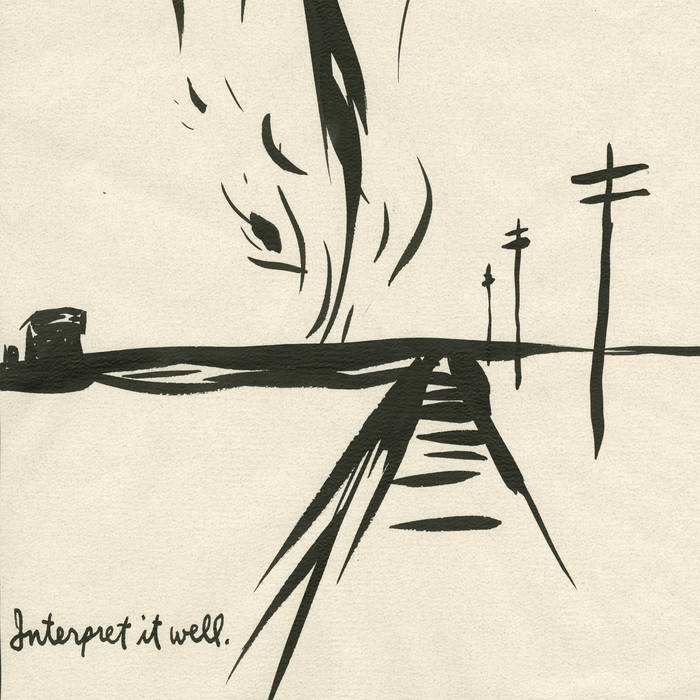
I am already feeling I’ve underrated percussionist Ches Smith’s new album Interpret It Well. It’s one of those rare albums that establish a mood and flow and sustains it from beginning to end. The whole is much more powerful than the sum of its parts, and the playing is stimulatingly precise and responsive.
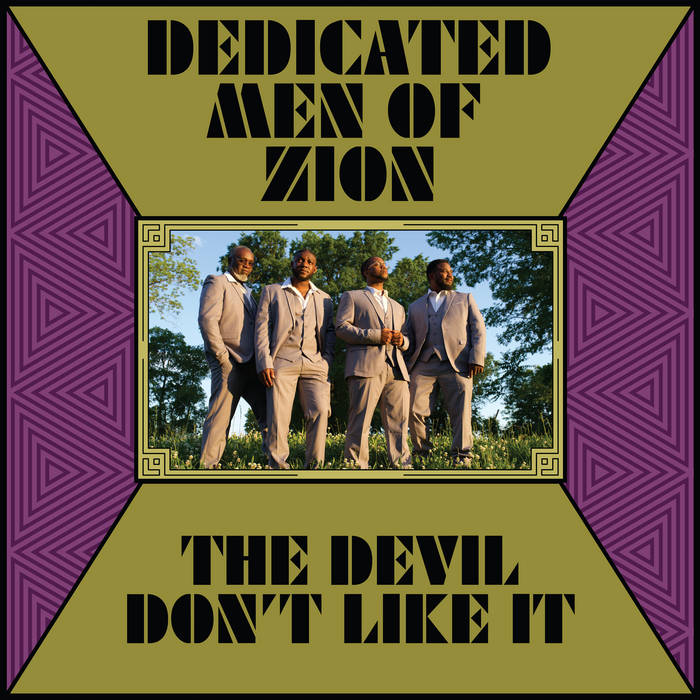
I’m as atheist as can be (I neither have, recognize nor pursue a theology), but it’s been a good couple of years for new black gospel records in the traditional vein. Thanks, Hardin, for pushing Pastor Champion on me, and thanks, Bible & Tire / Fat Possum, for just sticking to that old mission. It’s liberation music, at heart, and I’m ’bout it.
When I heard the Mekons and Freakwater were doing a set of acoustic mining songs, I asked myself, “Do I really need that?” Mekons being involved, I had to dip a toe (or a lobe) in; I just prefer Mekons with DRUMS. Actually, the album’s rousing, moving, and not necessarily about mining, and I recommend it.
Is there such as thing as discorrhea? Sometimes I think about that when I think about Jinx Lennon (I’m not sure how many people think that much about Jinx Lennon, but he’s worth it). Maybe it’d be better to really hone and weed before he lets another one go. The thing is, though, Pet Rent rocks harder than any of the last few, and it’s hard to think of any artist who’s so alive and receptive in his immediate environment than Lennon. I’m currently reading Henry Miller’s Black Spring, and “Horseshit!” has popped up a few times in the first twenty pages as ol’ Hank instructs us on immediacy of living, but maybe Jinx achieves that. Maybe.
Speaking of horseshit, I’ve been alive and listening to records long enough to smell it, but, dammit, SAULT has my detector on the blink. And by blink I mean my detector blinks off and on. I am keenly aware their “mystery” is part of the attraction (or marketing); on the other hand, when I’m really leaning forward and undistracted, they seem to be so much of these times and their struggles, endless tragedies, and fleeting glow that I buy what they’re offering. And AIR? It’s a test. An early morning game of art-critical Texas Hold ‘Em.
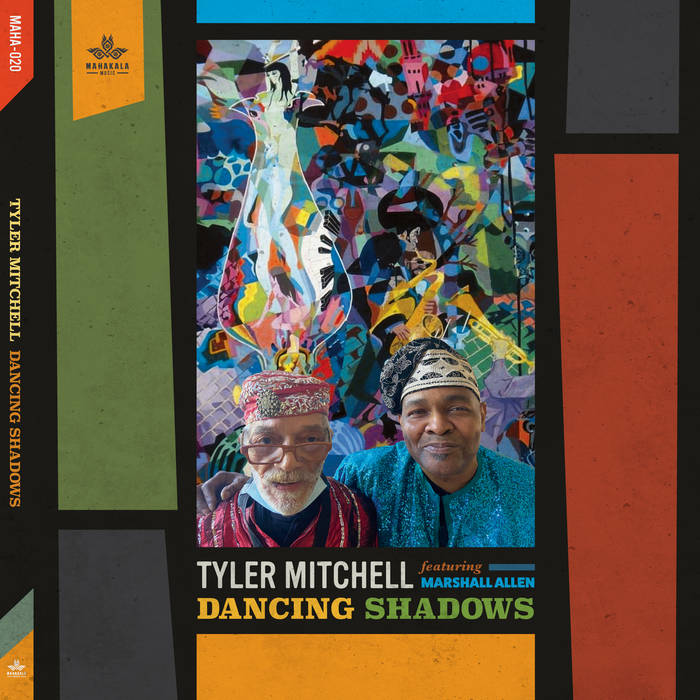
As he always seems to be, Sun Ra makes new appearances on this update: first, represented more than ably by the soon-to-be-98 (you are reading that correctly) Arkestra glue-guy Marshall Allen on Tyler Mitchell’s outstanding Dancing Shadows, then on a Seventies archival dig working close to one his many homes (Egypt) with the talented Salah Ragab. Both recordings are outstanding.
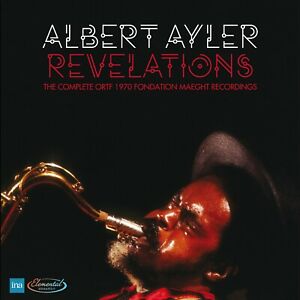
I always make at least one Record Store Day purchase. I hate crowds, so I usually hit eBay first thing the next morning, but this year the proprietor of Dig It! Record Barn / Records to Go in Carterville (or is it Duenweg?), Missouri, established a tiny call line for people who could not make it–I’m about 250 miles away. If you answer the phone when there’s a lull in traffic through the stacks, you might get a chance; I was completing a three-mile stroll when the phone buzzed and I became the proud owner of Albert Ayler’s Revelations—The Complete ORTF 1970 Fondation Maeght Recordings on Elemental Records. I’ve heard the original recordings, which were not complete and didn’t sound that swell, but had never owned them. This heavy item arrives Thursday, so truth be told, I have not listened to it yet. But I’ve got a hand in another Texas Hold ‘Em game….




































 Living To Listen