Good To My Earhole: Selections Across Two Busy Weeks

It’s hard to hold down a blog when you have two real jobs. But the need to separate the wheat from the chaff, and to tug underrecognized music out of the clutches of time’s dustbin, never wanes.

Image

Khaira Arby: Timbuktu Tarab (Clermont Music) Arby jumps out of the otherwise simply excellent Festival Au Desert concert recording with a possessed vocal that, though I do not know the Tamashek language, sounds like freedom to me. After two months of fruitlessly searching for more of her recordings–she’s a match for Mariem Hassan , if that name means anything to you, which it should–I stumbled upon this, apparently her only other available recording. Not only is she consistently in the same powerful form that she demonstrates on the the concert track, but her band is stellar, more shifty and demonstrative and less trancelike than Tinariwen and other “desert blues” stalwarts. Especially the guitar. Yeah: driving guitar and heart-stopping female singing–where you gonna go to get that these days?

Serengeti/Kenny Dennis: “Rib Tips” (video, produced by Jel and Odd Nosdam) Chicago’s favorite recovering alcoholic/lost ’90s MC/Ditka-head/hip hop alter-ego returns with another contagious, oddball video from last year’s Kenny Dennis EP. Possibly, he’s too quirky or silly or ramshackle for you; me, I find him an addictive antidote to the heavily constructed, brightly polished, vulgarly materialistic run of mainstream rap. Oscar Wilde: “Life is too important to be taken seriously.”

Image

Johnny Adams: The Soul of New Orleans (Fuel) This compilation catches the legendary Tan Canary, possessed of a rich vibrato redolent of Billy Eckstine but, more scintillatingly, a dry falsetto that lends his every recording an aspect of suspense, between his early years as a New Orleans r&b hitmaker (the stone-classic “I Won’t Cry,” “A Losing Battle,” “Please Release Me”) and his valedictory Sinatra-goes-soul sessions with Rounder. The time? The Seventies. The label? Hep’ Me. The producer? The legendary Senator Jones, who threw everything at Adams that might be a hit, in many cases country, which he handles with depth, care, and passion, and occasional disco and milder dance music, which he attacks like a pro (he gets away a strobe-lit “Spanish Harlem”). Couched among many strong performances are two more stone classics, “After All the Good is Gone” and “Hell Yes, I Cheated” (though this version substitutes “Oh” for the unmentionable hot place). The powers that be need to put together a cross-label best-of to cement Adams’ reputation in Soul Valhalla.

Image

Fats Domino: In Concert (Mercury German import) I know what you’re thinking: Wouldn’t a live Fats album sound pretty much like a Fats studio album? True, he had a sound and a method and he stuck to it like glue. The further truth is, on this mid-Sixties performance, you get some bonuses: his charming patter, some relatively wild piano solos, and–here’s the kicker–covers of fellow Crescent City legends Professor Longhair (who’d pay him back later on “Whole Lotta Lovin'”–see below) and Guitar Slim–as well as Tony Bennett! If you’re a fan, and if you’re persnickety about live albums, it’s worth your time and money.

Image

Professor Longhair: The Last Mardi Gras (Real Gone Records) It may be tainted by the guiding hand of Albert Goldman, but I believe he has degraded to atoms, so, if you’re new to Fess, this is a great place to start: he’s heated up in front of a live audience, Uganda Roberts is on congas–they are one of the great R&B instrumental pairings!–the horn section sounds like it’s just hit the sweet spot of a Friday night buzz, and the song selection is Longhair’s hits sprinkled with bawdy house classics. AND the audio is splendid. Learn why he earned that title.

Image

Muscle Shoals (PBS Documentary, directed by Greg “Freddy” Camalier) I was disappointed when the first three voices we hear in a documentary about one of the great studios of the American South are those of Brits (!?), including that insufferable horner-in, Bono, but the film recovers to lift the veil on the fascinating and turbulent career of founder Rick Hall, the kinship and acumen of the Swampers (like the Funk Brothers and the Wrecking Crew, with mountains of hits to their quiet credit), and the sessions that produced such hits as “I’ve Never Loved Man (The Way That I Love You”),”I’d Rather Go Blind,” “Patches,” and “In the Midnight Hour.” Even music obsessives already familiar with the Fame/Muscle Shoals studio story may not know about the precise moment “Southern Rock” was invented; that anecdote alone is worth the two hours’ time of the movie.

Image

Deerhoof (w/Marc Ribot)/Ceramic Dog: Who Sleeps, Only Dreams (Northern Spy Split Single) One of only two Record Store Day purchases I made this year–and I confess, I bought ’em on line Sunday morning because I didn’t really have a choice. I am a straight sucker for the havoc Ribot wreaks on guitar, on Side A here alongside Deerhoof and Side B with just the most recent of his many underrated projects, Ceramic Dog. No guitarist with a sound this beautifully ugly has moved so effortlessly across r&b, cabaret rock, lounge/avant garde/chamber/free jazz, strict accompaniment, and experimentalism. This single belongs. Try an earlier Ceramic Dog recording on for size to test the waters:

ImageImage

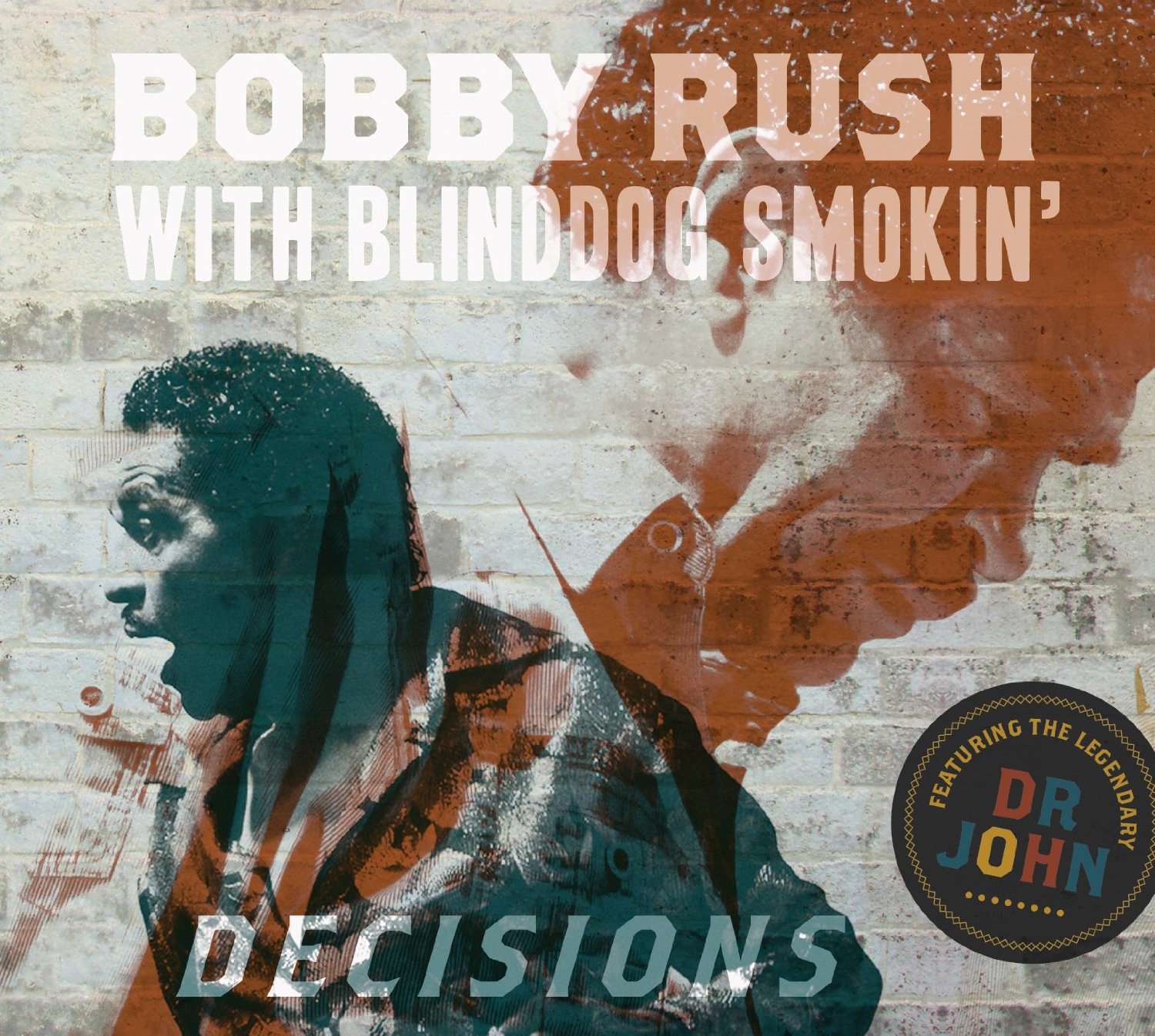
Bobby Rush: Decisions (with Blinddog Smokin’) (Silver Talon) and Upstairs at United (453 Recordings) Since he appeared at the high school I teach at and knocked a Tuesday evening crowd of students, their parents, and grandparents out cold with an old-school set of dirty-old-man blues–yep! in a public school!–Rush, the inventor of “folkfunk,” has been my hero. At 73, he shows no signs of slowing down, having just released a VERY solid full-length record featuring a dark Dr. John cameo as well as a 12″ four-song EP for Record Store Day, courtesy of the otherwise-pretty-indie “Upstairs at United Series” (on which he covers The Beatles and Eddie Floyd, writes a great new one, and reconfigures one of his own chestnuts). Never really mentioned in the same breath as his contemporaries, of which there are fewer with each passing month, Rush deserves our full attention–don’t wait ’til the heartbeat stops!–and, if you have a chance to see him live, you will see a 19-year-old in Grandpa’s body (along with, no doubt, a pair of women’s undies that belong in the Guiness Book of World Records).

Image

Wussy: Attica! (Damnably) I wrote about this one a few weeks ago. After a third focused listen, I am convinced it is the most passionate new work of what is still called rock and roll–in fact, my favorite new record of the year so far in any genre. If you enjoy the thrill of witnessing a very good band taking the next step–to greatness, to record-making, to artistic unity–you’ll want to check it out when it’s released later this month. And you’ll want the other records just to fully appreciate that witnessing. I’m just sayin’.

Good to My Earhole: Listening Top 10, April 12 – April 18, 2014

I blew off the Drive-By Truckers, who were in town (the new one isn’t moving me yet). But it wasn’t all bad.

1) Lazy Lester: I’m a Lover Not a Fighter (Ace/Excello). God bless the Excello label and Jay Miller. The R&B, blues, and soul they released was distinctly country-flavored, with no small dose of Louisiana mixed in. The great Slim Harpo is their gold standard, but if you haven’t sampled Lester deeply, he’s callin’ your name. Drawling, behind the beat and taking his time, he waxed nearly as many memorable tunes as his label mate, prime among them “Sugar-Coated Love,” “I’m a Lover Not a Fighter,”  and “Take Me in Your Arms” (all here). He also backed numerous other Excello artists, and is still out there on the road.

2) Chuck Carbo: “Second Line on Monday” and “Meet Me With Your Black Drawers On”: Carbo was one of the finest and versatile but most underrated of NOLA’s r&b kings of the ’50s (when, primarily, he was the lead vocalist in The Spiders). My wife Nicole and I have been plotting a move to New Orleans (a surprise I am sure is not big to careful observers of these Top 10s), I’ve been reading Jeff “Almost Slim” Hannush‘s The Soul of New Orleans, and my research has happily turned up these two examples of Carbo’s longevity from the 1980s, when he put these songs on the permanent ‘OZ Mardi Gras playlist.

3) Khaira Arby: “La Liberty,” from Festival Au Desert: If you are a completely unabashed appreciator of beauty and passion in all musics, you NEED a chanteuse of Saharan desert blues sand-blasting through your speakers. Mariem Hassan would seem to rule the roost in this category, but this live track from one of Timbuktu’s last (pre-revolution) festivals shows Arby’s right on her heels. The whole rekkid’s amazing but hard to find; if you want to dip into the genre, a better starting point you cannot find.

Watch an entire Arby concert on NPR:

4) Big Star: Third/Sister Lovers (Rykodisc): It takes a special occasion for me to put this on in my ma-toor-ity, but Holly George-Warren’s excellent Alex Chilton bio caused me to pull it from the shelves, and it made for a weirdly pleasant lava-flow afternoon. Definitely as sui generis as anything this sui generis artist ever produced, and it’s got “codeine” stamped all over it. Jim Dickinson was at the controls, and that just made it worse/better. Enjoy the full damn album, courtesy of You Tube (I paid for mine):

5) Dead Moon: “Poor Born,” “40 Miles of Bad Road,” “54/40 or Fight”: The great Fred Cole, who’s hardcore commitment to DIY–in music, in life, in romance, in child-rearing–has spanned right on 50 years, has been recuperating from heart surgery over the past week, and I can’t get him off my mind. Mastermind behind The Weeds, Zipper, The Rats, The Range Rats, Dead Moon (THE ultimate cult punk band), and (currently) The Pierced Arrows, so down-to-earth he appeared at my high school for a free show, he deserves as much support as the cognoscenti can muster–so I played these three faves over and over. You should, too.

A vintage performance of “54/40 or Fight”:

6) Earl King with The Meters: Street Parade (Fuel): Perfect title for this pairing of two Crescent City institutions, one an influential guitarist (are you familiar with Jimi Hendrix, who covered one of his tunes?) and songwriter (did you know he wrote this?), the other an R&B instro act that often makes Booker T and the MGs sound…stiff. When your drummer is Ziggy Modeliste, a street parade will be in the mix.

7) Johnny Adams: There is Always One More Time (Rounder Heritage): They don’t call him “The Tan Canary” for nothing. Possessed of both a penetrating yet silky baritone as well as a shocking falsetto, Adams laid down stunning tracks on a fairly consistent basis from the late ’50s all the way into the lower reaches of the ’90s. This collects the best of his late phase. If you dig Sinatra, you have no excuse to ignore an exploration:

moseallison

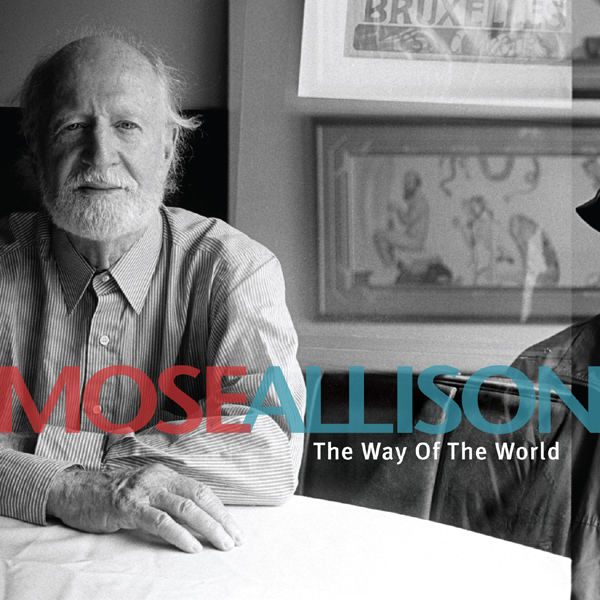
8) Mose Allison: Way of the World (Anti-): “An old man/Don’t get nuthin’ in the world these days.” Well, he didn’t write that, but he wrote the very similar line (and song) The Who made famous at Woodstock and on Live at Leeds. Too many folks slept on his last release, exquisitely produced by Joe Henry (who’s never done a job I haven’t admired), and are un-American for doing so. Mose is all precision on the keys and, as always, brainy on the lyrics, one of the best of which lauds his octogenarian brain–as long as there’s coffee available. A national treasure–give him his props, before the heartbeat stops.

9) Beausoleil: “Bessie’s Blues”/”I’ll Go Crazy”/”You Got to Move,” from From Bamako to Carencro: Not sure anything like this has been done in Cajun music, or any kind of Americana–a cover sequence moving  through nuggets originally composed by surprising guiding lights John Coltrane, JB, and Mississippi Fred that doesn’t stumble once. The twin genius axes of Michael (fiddle) and David (guitar) Doucet are at peak levels of invention, passion, and dexterity. I’d try to link it, but, trust me: just buy it.

10) Sisyphus (Secretly Canadian): It’s tempting to dismiss this as sissy fuss, with Sufjan Stevens on hand and Serengeti continuing to threaten to waft away into the indie-sphere. But, at least to my ears, there’s something original and even encouraging in this almost-formula: Stevens (often) provides a plaintive frame for a more substantial and (at least relatively) gritty narrative/inner monologue/confession by ‘Geti. Son Lux lays down the beats, that last word one that gatekeepers would put in quotes. Just gotta say, it gets to me in a near-prophetic way: the ‘burbs and the urbs joining forces to try to communicate a complicated reality.

Good to My Earhole: Listening Top 10, April 5 – April 11, 2014

I guess it is going to become regular…

destruck624

1) Holly George-Warren: A Man Called Destruction–The Life and Music of Alex Chilton from Box Tops to Big Star to Backdoor Man (Viking) I am a mass devourer of pop music tomes, but also a bit of a Chilton skeptic: even the brilliance of the best Big Star material is largely attributable to Chris Bell, and too much of the man’s notoreity is connected to things other than music. But George-Warren not only makes a great case here, taking the reader behind the scenes to bedroom rehearsals, bent late-night studio experiments, eccentric apprenticeships, and a long, disciplined, sober road to demonstrate Chilton’s hands were on the wheel more often than reported–even when he was barely conscious. More important, she shapes meticulous research (oh, to have grown up in the Chilton home!) into breezy and fascinating narrative, and balances that with insight into the making of the music. Plus, she passes my first test of good music books: her book sends you racing back to the music (the proof of which you will see in this week’s entry). In fact, my Brit Lit class enjoyed a Big Star block party today while they worked on their writing portfolios. Note: it does share something significant with a recent Zevon tome— this was a guy who, despite his charisma and multiple connections, was very, very lonely.

2) “Every night I tell myself, ‘I am the Cosmos, I am the wind’/But that won’t bring you back again….” Easily one of my favorite rock and roll couplets. Chilton didn’t write it; his partner Chris Bell did, though the sound of his post-Big Star productions (captured on the Rykodisc release I Am the Cosmos) revealed that band’s sonic architecture might well have sprung initially from Bell’s mind. I love the combination of metaphysics and heartbreak, and, really, the whole “record” (Bell died before he could complete a solo album) is fascinating:

3) Doris Duke: I’m a Loser–The Swamp Dogg Sessions (Kent) Jerry Williams, Jr., is one hell of a producer, songwriter, and bandleader, but seldom did he oversee someone else’s record that topped his own eccentric and piquant output. Working with luminaries like Irma Thomas and Gary U. S. Bonds, he wrote nice material and created solid settings, but somehow the artists didn’t catch fire. Not true on these 1969 recordings with one of soul’s great lost treasures, Miss Duke from Sandersville, Georgia. She rises to the occasion of great Dogg titles like “Ghost of Myself,” “Divorce Decree,” and “To the Other Woman (I’m the Other Woman,” selling them with a smoky, soulful, very country authenticity that’ll make you wonder why she didn’t become a star (I’d argue, a late start in the soul game).

4) Jessie Mae Hemphill: The George Mitchell Collection, Volume 45 (Fat Possum) I can’t get enough of one of Senatobia, Mississippi’s finest citizens. Hemphill, “The She-Wolf,” plays in the distinctive, trancy, north Mississippi style, and these are her first recordings (her mother and aunt often turn up accompanying Fred McDowell on his records). Along with two fetching cuts comes an interview with Miss Hemphill. Hear the whole thing right hyar:

5) Wussy: Attica! (Damnably) Sometimes I feel like arguing, “You either love Wussy or you don’t know they exist.” Living as we do in a world of fiberglass hoods, erotic teens, calendar cowboys/girls, and Mensa-folk conformists, it seems impossible not to support, encourage, and listen to (if not lionize) rockin’ and writin’ marrieds whose personae as well as music is as entrancingly homely and evocative of lived lives as Chuck Cleaver and Lisa Walker’s. On this brand-spankin’ new rekkid, the musical attack’s a little richer (helped by a member of Cleaver’s former band, The Ass Ponys) and the tart harmonies and wry words (the opener finds Walker lost in a corn maze) show absolutely no loss of concentration. Even their best records are a little uneven, but, on second listen, I feel safe dubbing this one their most consistent. Fans of George and Tammy (sorry), John and Exene (sorry), Thurston and Kim (sorry), Bruce and Patti (well, OK), Ira and Georgia (righteous), Fred and Toody (the MOST righteous), and Cecil and Linda (wait….) need to do the right thing and take this band for a ride. If I were in a band with my wife, I would want it to sound this honest and unique: “Attica, baby/Call it LOVE!” Also, I can relate to Chuck’s observation that, twenty years ago, he was more beautiful, but also more monstrous. For the benighted, an alternate version of a Wussy classic:

6) Guided By Voices: Bootlegged live, ’94. I don’t know much about this recording, though it seems to be made in Ohio from the apparent presence of Ron House in the audience; the recording was passed along to me by a long-time rock and roll compatriot. I’ve never been a fan, and I don’t know why, because in many ways they seem to have been made to hit my musical pleasure points: swift, concise, raw, literate, and tuneful. I think I thought Robert Pollard’s approach was too cute, that his writing and concept was, weirdly, too facile. Anyway, this changed all of that. Pollard and very likely the band are blasted (which was their rep, I guess), but as they rip through tunes from the just-issued Bee Thousand and before, they sound perfect to me, in all the previously enumerated ways. And it’s valuable to keep in mind that the Replacements, predecessors with much the same ethic, never left a live document this alive. Thanks to Mark Anthony of the much-missed website The Rawk. From the same time period:

7) Neneh Cherry: Blank Project (Smalltown Supersound) 20 years after she knocked the world on its ear as a young mother and avant garde progeny in a buffalo stance (that single STILL sounds marvelous), Ms. Cherry, fresh from fronting a free jazz record–not an easy VOCAL task–has issued this equally challenging project, where her still free-inflected vocals dart and linger in and around extremely crisp and deep trip-hop inflected tracks. It’s hard to judge it, because I haven’t heard much like it, but I have been encountering some age-ism lately, and Cherry’s work is argument against it.

8) Dry Wood (directed by Les Blank) and Bury the Hatchet (directed by Aaron Walker) One old, one new doc out of Louisiana, the former about Creole culture (specifically, music and food) in Mamou, the latter about NOLA Mardi Gras Indians (specifically, Big Chiefs Alfred Doucette, Victor Harris, and Monk Boudreaux). Both films are beautiful and do what they set out to do and more. But they are most striking in capturing Americans making and building (also, unfortunately, rebuilding) things themselves–they will strike you across the face with what you are missing out on. VERY, VERY highly recommended.

Dry Wood trailer:

Bury the Hatchet trailer:

9) Allen Toussaint: Life, Love, and Faith (Four Men with Beards Reissue) Toussaint’s mild, almost shy singing causes some listeners’ minds to wander, but here it’s backed by the original version of The Meters (notably including the drumming of Ziggy Modeliste, which is always interesting by itself) and some of the best tunes and arrangements Allen ever wrote for himself. Quietly and seductively funky, in the New Orleans way.

10) Fats Waller, 5:15 a.m. on a Saturday morning. Scrambling to get it together to meet my Science Olympiad crew at 6:30 at the local university, my stressors were vanquished when my wife Nicole got the right medicine out of the cabinet. If the world is too much with you, if you can’t pry your mind from lost planes, corporate control of your country, the frustrations of your job (if you even have one), or absent friends or family, let the mischievous Mr. Waller remind you that life is too important to be taken seriously. His deft command of the 88s, his phrasing-with-a-wink, his jaunty rhythm, his raffish charm–what more can you ask for to lift your tension?


Good to My Earhole: Listening Top 10, March 30 – April 4, 2014

Not that I expect this to become a regular feature–I hope it does, though my small band of followers must have noticed I am casting about a bit–but here are some brisk takes on the ten things that spun most euphoniously around my eardrums this week. Consider them strong recommendations for application to your own soul-ills, whatever they may be.

1) Tin Men: Avocodo Woo Woo (CD Baby). I was skeptical about this NOLA trio (featuring Washboard Chaz, the astonishingly ubiquitous songwriter and guitarist Alex McMurray, and sousaphonist–only in the Crescent City!–Matt Perrine) possibly being a dad-rock cum Parrothead act until I read a notably scrupulous and discerning NYC critic’s glowing notice of this, their new album. It is perfectly frothy and spirited fun, with interestingly dark (“Blood in My Eyes”) and dirty (the title song) turns. And, frankly, I love the sound they get from their three pieces.

2) Como Now: Voices of Panola County (Daptone). I am not sure how this brainstorm by “The Label Sharon Jones Built” came about, but in ’06 their agents found themselves in Como, Mississippi (home/former whereabouts) of Fred McDowell, Otha Turner, and Napolion Strickland), soliciting a capella gospel songs from black Christian locals and recording them in a local church. A moving listening experience, especially Irene Stephenson’s harrowing “If It Had Not Been for Jesus.” I am an atheist, and it transfixed me.

3) The Staples Singers: Freedom Train (Epic). Not to be confused with the relatively recent Columbia best-of of the same title, this live album was cut in a church in the group’s then-hometown of Chicago, and the location and the clarity of engineering make it one of the most powerful gospel records of the ’60s, methinks. It’s out of print; I thought I’d pulled a fast one and snagged a $4 copy on eBay, but it was pretty banged up–not so much so that I did not THOROUGHLY enjoy the almost otherworldly dynamics of the performance, particularly Pops’ always-venomous guitar and Mavis’ almost atavistic pleadings.

4) Jessie Mae Hemphill: Feelin’ Good (Shout Factory). Just a bit north of Como (also north of Winona, where Pops Staples was raised up–can you tell I’ve been to Mississippi recently?) is Senatobia, and the space between is one of the locations where North Mississippi Hill Country blues was born. It’s a different animal than Delta blues: structurally and lyrically, it’s more repetitive, but that’s not necessarily a deficit when it’s played with intensity. That’s when it becomes hypnotic–in some ways, it’s an extreme version of the John Lee Hooker sound. Hemphill was raised in this (and the related fife-and-drum) tradition; she’s not as loud nor does she project as well as R. L. Burnside or Junior Kimbrough, but her feminine perspective and toughness often make up for that. Try this:

5) Fu-Schnickens: “Sneakin’ Up On Ya” (from Nervous Breakdown, Jive Records). As Chicago rapper Serengeti’s Tha Grimm Teachaz project suggests, there’s one thing very special about the best rap rekkids of 1990-1995: they don’t date as badly as the prime cuts of other eras. Also, that period seemed stylistically wilder, with seemingly unforgettable (but now pretty much forgotten) MC Chip Fu providing a mind-boggling thrill every other song for this unique group. Other MCs may have been faster, but not more inventive at the same time. By the way, how many current rap GROUPS can you count?

6) D’Angelo: Live at the Jazz Cafe, London, 1996 (Virgin/Universal). This was a Japan-only release back in the day it was recorded, but, as I understand it, even then it wasn’t as expansive as this new reissue, which features ACE covers of The Ohio Players, Mandrill (“Fencewalk”!), Smokey Robinson, and Al Green along with classics from Brown Sugar–principally, a phenomenal performance of the tital track. Weirdly, the artiste often seems to recede into the performances, so he’s no more emphasized than the band or the backup ladies (led by Angie Stone), almost…a Billie Holiday thing. At first I was disappointed he didn’t project more, then I began to suspect it was part of the conception. The link below may be the whole dang thing. Keep your ladies inside the fence….

7) Duke Ellington Orchestra: “Snibor” (from the American Hustle soundtrack or, better advised, And His Mother Called Him Bill on RCA). I finally had a chance to see American Hustle this week, and Nicole and I were surprised and thrilled to hear Johnny Hodges’ alto oozing from this film-opening soundtrack cut. Also, having courted to rekkids ourselves, we were surprised and thrilled to see the protagonists (played by Christian Bale and Amy Adams) do the same thing, to Duke and Jeep’s “Jeep’s Blues.” If you are not familiar with Hodges’ sound, it is the definition of sensuous AND sensual; if you are not familiar with Billy Strayhorn’s compositions for Duke, they are usually designed to highlight that sound. Weirdly, I can’t find a YouTube clip for this tune, but here’s an equally seductive one from the same, HIGHLY RECOMMENDED album (a tribute to the recently-passed Strayhorn):

8) The criminally underrated music of Tyler Keith. As a long-time teacher, I am closely acquainted with the dangers of certainty; in fact, I make it a point to seldom if ever come at students from that angle. Music, as esoteric as our perceptions are, is even more problematic in that regard. But I am certain of this: in a world where the rock and roll impulse is dimming, quite seriously (I think that’s a result of the natural evolution of cultural history, of young musicians, for example, casting off the influence of the blues–although donning the robes of a hipster version of James Taylor, in my view, is a misstep–and not feeling the pressures and releases of a society obsessed with sin and salvation, which I think our society still is but youth circa 2014 may not necessarily be), Tyler Keith of Oxford, Mississippi, may well be the  last live-wire link to both the near-insane energy and rhythm of rockabilly and the bugged-eyed gaze into the void of Richard Hell’s strain of punk, which might really have never been fully exploited for its potential. Whew. That was a long one. But goddam I believe it, and the proof is in the best of Tyler’s work with the Neckbones, and three of his rapidly disappearing four “solo” albums (with the current Apostles and the former Preachers’ Kids), in chronologically descending order, Black HighwayWild Emotions (a fantastic rekkid that MIGHT AS WELL NOT EXIST ON THE INTERWEB!!!), and the perfectly-titled Romeo Hood. Keith’s vocals leap out of his larynx as if propelled by a blood-surge, the music is deeply embued with tough-ass-Stones, sprung-Chuck Berry flavor and Johnny Thunders-styled explosions that are quite unpredictable (!) but perfectly timed in nature, and lyrics that are as obsessed with sin and salvation as The Killer’s favorites, though one suspects with Tyler those are purely existential notions. He can even nail a ballad, even one called “Angora,” about a certain sweater. I have never seen him live, but the intensity of his best recordings cause me to suspect that if I do and he is on, it will be hard to stay in the same room with him. The thing is, I felt this strongly when there was a decent herd he was travelling in; now, he is the burning antithesis not only of the swarms of bearded strummers that play, in critic and musician Allen Lowe’s perfect phrase, as if they have napkins folded in their laps, but also of the depleted strain of rockers who, honestly, usually protest their rockitude too much. With Keith, one feels he’s communicating his wild emotions without artistic calculation, and that’s special. I’ve gone on too long, and I can’t do him justice, but I AM RIGHT: here’s a video of one of the best tunes on his recent rekkid, the BEST rock and roll album of 2013.

Chuck

9) Public Enemy: “Can’t Truss It” (live on Yo! MTV Raps). Nicole and I were fortunate enough to see the great rap orator Chuck D speak at Columbia’s Missouri Theater Tuesday night, for FREE (not nearly enough folks there, though). He is a hero of both of ours–I’ve even read his books–and we came with high expectations. He delivered grandly, though he talked mostly about critical thinking in the age of extreme technology and devolution of United States popular culture (remember when that two-word phrase was a joy? a reason to live?). I prepped for his appearance by watching this great raw video of one of PE’s greatest songs, one I used to teach in American lit, though I didn’t show it to kids this week (I was thinking about using it to promote the appearance) because I didn’t want to be met with slot mouths.

10) Tommy Boy All-Stars: “Malcolm X: No Sell Out” (Tommy Boy 12″). This, too, was part of my prep for seeing Chuck D, a man who, really, hasn’t sold out, either. I’ve read both the Haley/X “autobiography” and Manning Marable’s corrective bio, and I absolutely love the threading of perfectly chosen soundbites from Malcolm’s speeches (“I was in a house tonight that was bombed…my own. It’s not something the makes me lose confidence in what I’m doing.”) through an ace Keith LeBlanc track. In a perfect world, it woulda been a hit. Still inspiring: “I’m not the kind of person who would come here and say what you like.”

Listening Journal, Southern Journey, March 29

image

We spent much of the day on the road, heading to Oxford and the premier of the documentary SUB-SIPPI and saying a sorrowful goodbye to the best trip to New Orleans we’d ever taken. Of course, no trip in an Overeem vehicle will be unaccompanied by music, and I must make a fervent pitch to my readers about one rekkid we listened to en route: Beausoleil’s FROM BAMAKO TO CARENCRO. I would argue, and few, I believe, would dispute me, that Beausoleil is and has been the finest Cajun band on the planet for decades. Leader Micheal Doucet is a genius fiddler and a highly underrated and very passionate vocalist…and crafty. Guitarist David Doucet, as I noted a couple of days ago, is such a skilled, ringing, and fluid guitar player he begs comparison to the great Doc Watson. The rest of the band are no slouches. However, with bands this great comes consistency, and haunting consistency is ennui (really, that’s the listener’s fault), and that syndrome may be the reason you don’t hear them talked about much anymore. In the case of FROM BAMAKO TO CARENCRO that is unfortunate. Along with the usual spirited originals and traditional songs one expects from a Beausoleil album, the Doucets engineer several daring and successful experiments: a moving, desert-tinged tribute to their fellow humans in Mali; an audacious and slyly joyful ride through Trane’s “Bessie’s Blues” (jazzers never cover that!); a visit north to Mississippi to convert Fred McDowell’s “You Got to Move” to Cajun funeral music; and, perhaps MOST audacious, an assault on that great LIVE AT THE APOLLO opener, “I’ll Go Crazy.” Even P.J. Proby couldn’t pull THAT off–and I can just imagine how the band’s faithful cut a rug to it in concert. I would link tracks, but they aren’t up on everyone’s free platform, YouTube. Just trust me: this is the best Beausoleil album, and thus the best Cajun album, in years (their last, ALLIGATOR PURSE, was also stellar) and you MUST buy it. That’s an order. Here is the Spotify link for the album, at least.

In Oxford, we heard some great soul music while we were dining at Ajax’s on the square (specifically, Ann Peebles’ “99 Pounds”), and, as I had at Coleman’s BBQ in Senatobia last week, I looked around at the older white diners and wondered what they were thinking and feeling in ’63 and ’64. You never know. But James Meredith’s statue at Ole Miss got vandalized about a month ago, and time takes its time making things go away.

Go see SUB-SIPPI. I was under the influence of medicine and not at my best, but it is a thoughtful and hopeful commentary on the many good things about the state. My favorite segment focused on a black elementary student who had turned to gardening to help him manage his behavior. The screening was at The Lyric Theater, and was preceded by a band performance (The Blues Doctors, and that’s how they sounded–it’s a horrible band name, but the duo were likely both actual physicians) and–the bane of concertgoing, in my not-so-humble opinion–a DJ set. I am not sure what place bad ambient rhythm had at such an event, but, as Nicole often says, it always sounds like porno music, say, from some glossy Japanese urban erotic film. I know this would be a stretch, but how about some music from…MISSISSIPPI? It wouldn’t have to be blues, just local. And don’t tell me the DJ’s constructions were original, and therefore regional; the closest he got was a snatch of Gil Scot Heron–and he was from Kentucky.

Listening Journal, Southern Journey, March 28

Today would have been a wonderful day to report on music. The plan, among other things, like eating at legendary soul food haven Dooky Chase’s and exploring the Irish Channel, was to have included seeing one of our favorite musicians, Alvin Youngblood Hart. Hart was playing in power trio mode at dba’s on Frenchmen; besides being a stellar guitarist and singer, he has a  phenomenal musical comfort range: from Charley Patton to Black Oak Arkansas, from Western swing to Beefheart. We could not wait–the perfect capper to a transcendent trip. Not to mention that troubled trombonist/activist/traditional-gospel man about NOLA Glen David Andrews, another favorite of ours we were introduced to through the great documentary SHAKE THE DEVIL OFF! and The True/False Film Festival, was playing at The Three Muses, also on Frenchmen. Woah!

Then, already a little bugged by what I thought were allergies, I came down with a full-blown case of respiratory hacking and general fatigue–not helped by BUCKETS of rain dumped on me in 60-degree weather in the late morning. I ended up back at the hotel, down for a three-hour count while Nicole explored the Oak Street area via trolley.

By 7:45 pm, I just didn’t think I could hack it. But Nicole had nabbed me some ultra-Sudafed, and in a half-hour I felt game at least for a ride-walk out to Frenchmen to eat and stroll. Hart didn’t go on til 11, and Andrews would have already been through his set by the time we got there. Still, it would be a nice “so long” to The City That Care Forgot.

image

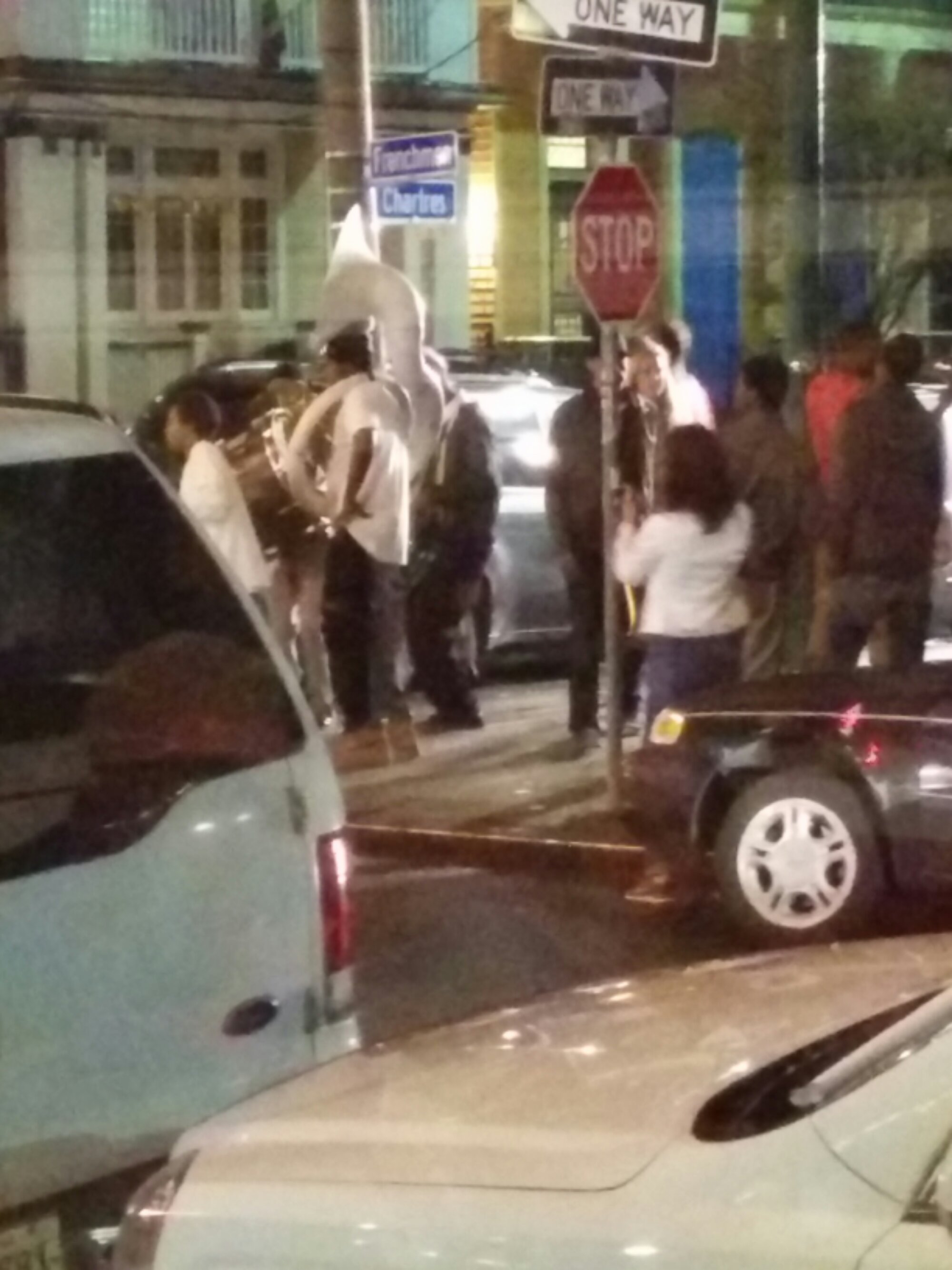
We ate at The Praline Connection, from within which we could hear a great high school brass band blowin’ for tips; “That’s how they ALL get started,” our waitress explained. From our window seat we saw the mix of tourists, bohemians, and musicians (including a solitary, somber Mr. Andrews) that is characteristic of a Marigny Friday file by. The site seemed to me like a MUCH looser, less swinging but more varied version of 1930s KC, with a seeming 15 music venues in a two-block area. After dinner, we walked past several, hearing Washboard Chaz and what looked like his eclectic unit Tin Men rabble-rousing at The Spotted Cat. Really, there’s somethin’ for everyone on Frenchmen Street.

image

I didn’t have the stamina or health to hang for AYH’s show. We rode two trolleys back to St. Charles, this time the music solely in my head.

Well, I take that back: at The Praline Connection one of the waiters kept singing the chorus of “Gin and Juice”–I think the brass band had just knocked it out. An hour later, waiting for the St. Charles trolley at the corner of Canal and Carondelet, two enterprising young hustlers pulled their ride to the curb and serenaded a gaggle of young blondes with–you guessed it–“Gin and Juice.” Come to think of it, the song does have NOLA written all over it….

Listening Journal, Southern Journey, March 27

Today our daytime adventure was taking the trolley to Canal and walking all the way to the Bywater neighborhood. Not much music was involved, but we were jump-started out of the hotel room by YouTube videos of James Brown’s Japanese miso commercials. I am not making this up.

On the way back from Bywater (by the way, I HIGHLY recommend Elizabeth’s on Chartres), we stopped in The Marigny and, of course, one more trip to Louisiana Music Factory. The owner must think I am insane–why not get everything in one trip?–but I have to let ideas marinate, plus it takes considerable mental discipline to liberate myself from penny-pinching web purchases and do the right thing: support brick and mortar record stores, especially in NOLA. Also, should the reader assume I am independently wealthy, I have no other spending habits. I’d be wearing a burlap sack if I could get away with it, and if it would add money to my music budget. Yes, I know about streaming and don’t care. Here’s the sum of my booty:

image

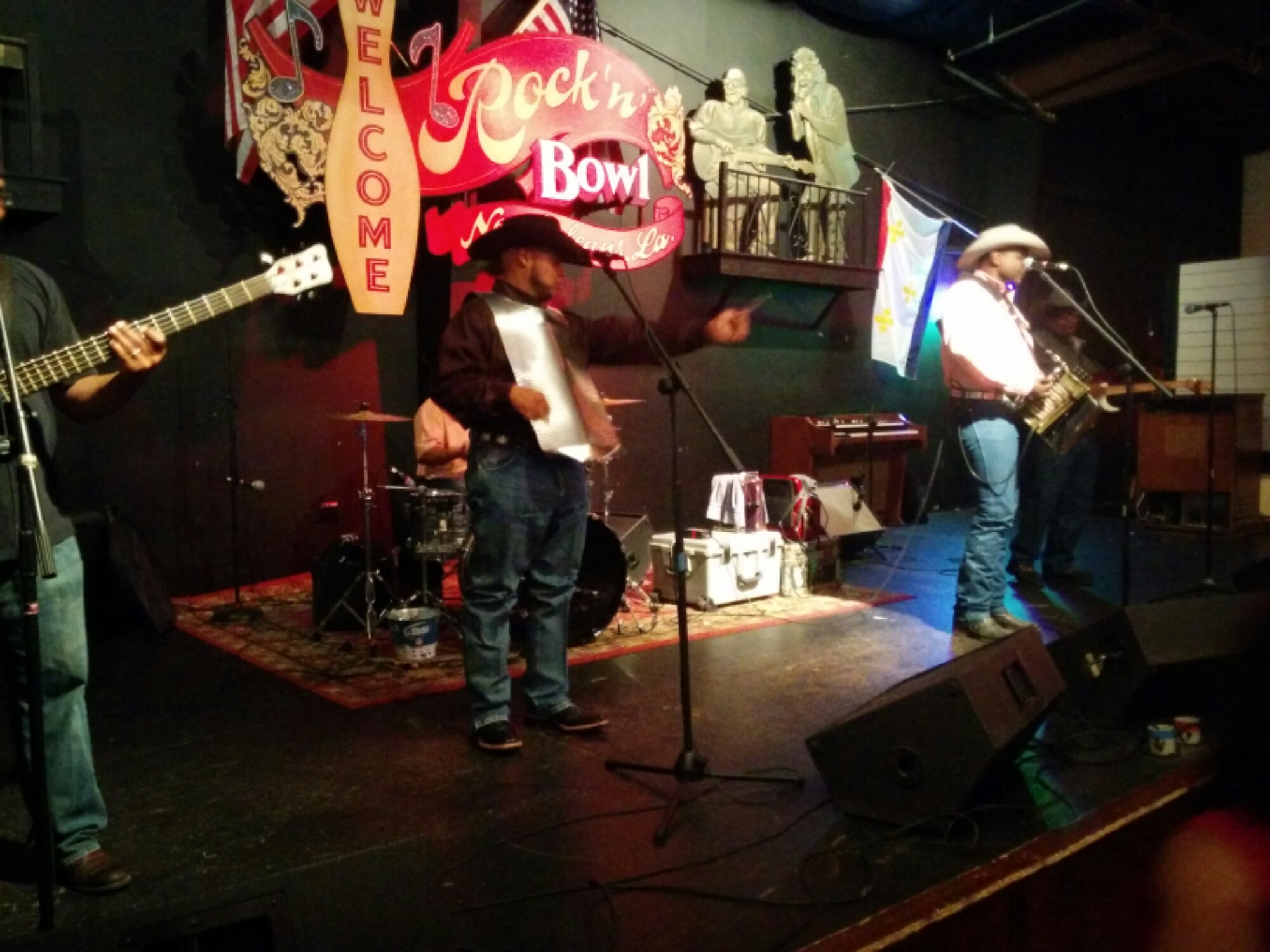
In the evening, finally able to listen to Bo Dollis, Jr.’s new Mardi Gras Indian rekkid A NEW KIND OF FUNK (it jes grew outta the OLDEST), we drove out to the greatest music venue in America: The Rock ‘N’ Bowl on Carrollton. OK, that ain’t an exaggeration:

The music is always great–this night, new breed zydeco star Geno Delafose and French Rockin’ Boogie, so open and fun and rocking and sweet he had what I assume was a young mentally disabled relative playing washboard and singing along on stage all night.

The crowd? PACKED…with everyone from kids to octogenarians, every shade of pigmentation, across class lines–and almost EVERYONE dances (including us, and I am from the Tom T. Hall school). And most know HOW to dance; we even saw the hoofin’ star of Louisiana Swamp Stomp once again dancing with every free woman on the floor! And…lots of laughter. LOTS.

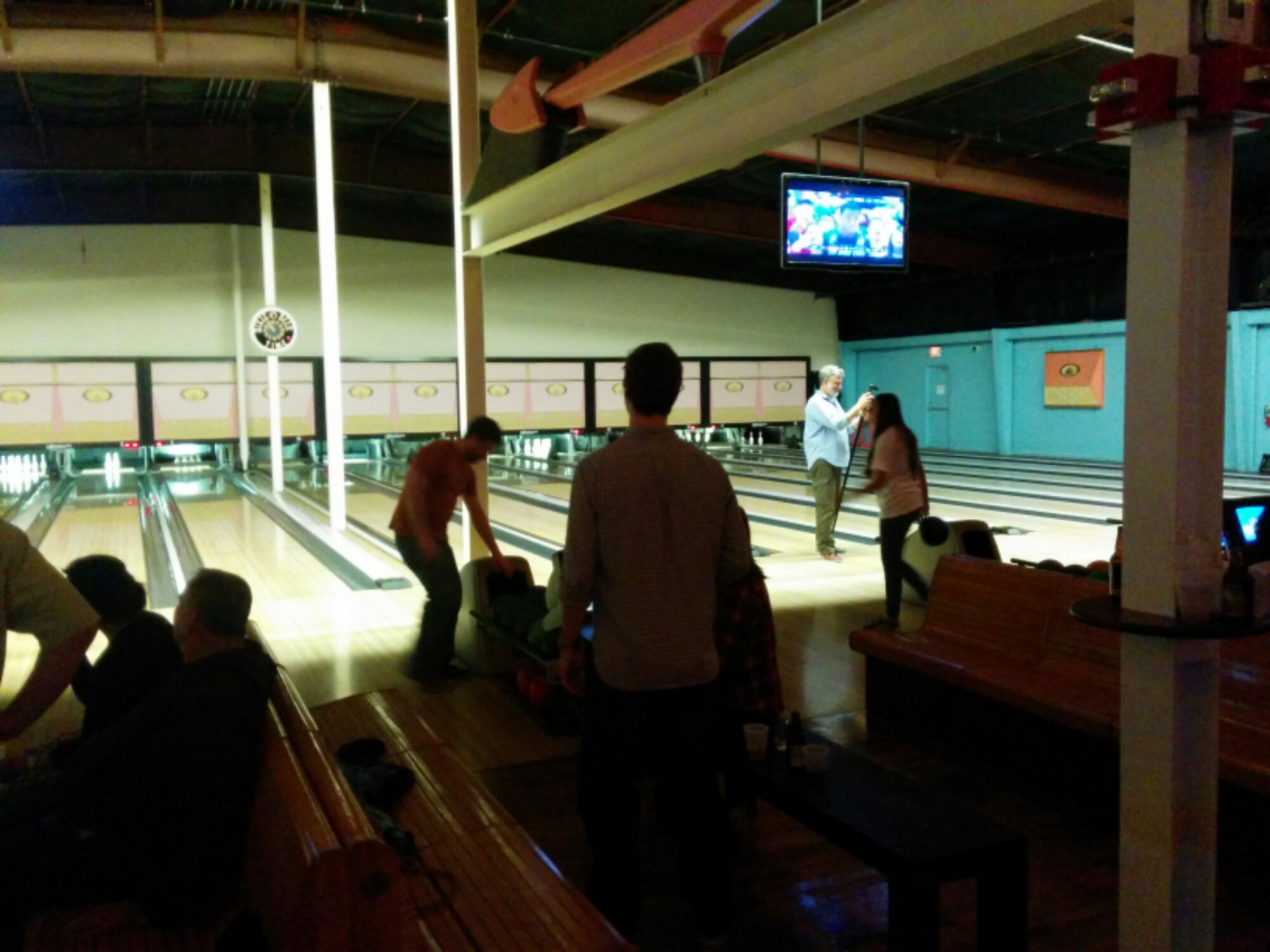
You can bowl AND listen to live music, and neither activity disrupts the other.

The bar food beats the typical!

The staff is great–a barmaid even tracked me down through the crowd to return a $20 that was “stuck to” the fiver I handed her.

Did I mention the music? It’s a steady diet of SUBSTANTIAL roots rock. Especially zydeco. Just have to mention that Geno zydeco-ized a Lionel Ritchie song–and made it work!

If you do meet friends down here, it is a guaranteed winner. We met two of my former students who happened to be on vacation, too (they are grown, and dating, so it was a pleasure to buy ’em beers and watch ’em dance). Let me let some pics do the rest:

image

image

image

Mid-City Rock ‘N’ Bowl. 3000 South Carrollton, New Orleans. Before you die.

Listening Journal, Southern Journey, March 26

For us, it was a slow music day. To wit:

image

We sat in Johnny White’s on St. Peters for the second consecutive day, a bar made famous in ONE DEAD IN ATTIC and THE FIVE PEOPLE YOU MEET IN HELL: SURVIVING KATRINA for staying open throughout Katrina and providing multiple sustenances. The place knows the music it likes: Allmans, Stones, Aerosmith. Tough, blues-based white boy rock, and no NOLA stuff…but, when the local news came on, the music went off, and all six of us–the barmaid, possibly the owner, two obvious regulars, and Nicole and I–watched it and DISCUSSED IT. When’s the last time you did that in a bar? We also praised Pope Francis’ stinging of the Bishop of Bling, as well as cupcake ATMs. That’s right.

Later, peering out of The Cabildo and watching a street band trombonist play AT a street denizen’s dog and taking in his group’s ragged sound, I realized that two years of listening hard to Rebirth, Hot 8, Lil’ Rascals, Soul Rebels, TBC, and The Stooges have enabled me to discern the difference between street and pro. I love ’em both, but, not being a musician, I feel a homely pride in recognizing such distinctions. Also, the other side of the Louisiana History Museum, separated from The Cabildo by St. Louis Cathedral, holds the Katrina and Mardi Gras exhibits. The Mardi Gras exhibit was interesting, but missing Mardi Gras Indian regalia–you have to go to the Backstreet History Museum and Ronald Lewis’ for that. The Katrina exhibit opened with this moving, music-related image: Fats Domino’s flood-ravaged Steinway.

image

 Finally, at the sillily named Smoothie King Center, we saw the Pelicans beat the Clippers 98-96 behind Tyreke Evans’ bull-in-a-china-closet drives, Darius Miller’s clutch jumpers, The Brow’s six blocks and double-figure boards, and Blake Griffin’s bonked free throws. What’s that have to do with music? Prize-bearing half-time trivia question: Name the performer of this song. (The original version of “Layla” is played.) Dude gives up. Answer flashed on Jumbotron: ERIC CLAPTON!

Wah-WAH.

Oh wait: I did go back to Louisiana Music Factory and buy Bo Dollis‘ kid’s new CD, a DVD of rare performances by Bunk Johnson and other old-time NOLA jazz masters (ahhh…American Music: the label), and Ann Savoy’s rare book on Cajun music.

Listening Journal, Southern Journey, March 25

A little woozy from the high life at the David Doucet show last night, we grabbed a very early coffee at The Avenue Cafe (we are staying at The Avenue Plaza on St. Charles) and embarked for the swamps southwest of NOLA. The Jason Marsalis CD Nicole had snagged yesterday, while not remotely swampy, was the perfect antidote to the fog, Marsalis’ dancing vibe playing slowly bringing us into the clear. I am not a big fan of the family’s music: Wynton’s too “perfect,” Branford not distinctive enough to my ear, Delfeayo–well, I haven’t heard him yet…so, as usual, I am talking out my ass. I DO love the patriarch’s playing (Ellis just doesn’t have enough records), and I find Jason’s playing graceful, inventive, and wry. The record is IN A WORLD OF MALLETS, and it’s on NOLA’s own Basin Street Records, one of my favorite labels. Here’s one of the best songs from the record, live from its CD release party.

During our swamp tour with ZAM’s, I didn’t want to be a doofus of a tourist and chat up our very Cajun guide about “his culture’s music,” but I did float out a Beausoleil reference to not a flicker of recognition. Listened to more of Rhino’s ALLIGATOR STOMP on the way back to the city–Volume 2 is a little corny.

image

image

The evening brought an event we had greatly anticipated: a trip to Preservation Hall. Perhaps you think it is merely for the tourists and mouldy figs–not so. It is a must for the true American. You’re packed into an ancient space with 4-5 masters of New Orleans jazz–NOT Dixieland!!!!–both young and old, and will get treated to warm, spirited, knowing, and soulful performances from the fathoms-deep city songbook. It will cost you $20 to request “Saints”; don’t do it! And no photography and recording is allowed, so (sorry) you’ll have to rely on your deteriorating memory. We were very fortunate to get a group led by master drummer Shannon Powell, who is like Baby Dodds made immortal, and gloried in renditions of “Rosetta,” “Darktown Strutter’s Ball” (woah!), and “Creole Love Song” (double woah–haunting and beautiful). It was our second time and we will always go. Tip for the traveler: if you get there early, there will be a loooong line no matter, so get your tics in advance and have drinks across the street on St.  Peters at Johnny White’s, the legendary bar that stayed open throughout Katrina. We had mint juleps.

We closed the night revisiting the Palace Cafe on Canal, where we’d eaten thrice on our honeymoon 22 years ago. I hate it when restaurant personnel interrupt your meal with birthday singing and seal-clapping, but a sharply-dressed trio of a capella singers (one a dead ringer for Philippe Wynne of the Spinners) walked in off the street and began serenading diners very beautifully with vocal group classics. We were hoping they would come to our table and do The Jive Five’s “What Time is It?” but no such luck. It was a chilly, windy evening, so we resisted the urge to walk up to dba’s on Frenchmen or take a taxi to The Maple Leaf to brave the packed house that always awaits The Rebirth Brass Band (we had done that before), but if you’re ever here and it’s normally warm, you must go.

Listening Journal, Southern Journey, March 24

We usually wake up to ‘OZ when in NOLA, but got the morning off in the precisely correct spirit with a series of Anita O’Day tunes leading off with “Let Me Off Uptown,” a duet with Roy Eldridge. We were already “uptown,” but we were taking the trolley (one of the simple pleasures of being here), and Anita’s daring duet with a black performer ran parallel with the choices of Hettie Cohen, who chronicles her love affair and life and times with the late LeRoi Jones (Amiri Baraka) in the book I am currently reading, BECOMING HETTIE JONES.

We soon found ourselves on Frenchmen Street in The Marigny, the new location of Louisiana Music Factory, a treasure trove we never miss. I snagged a recent book on NOLA R&B by I HEAR YOU KNOCKIN’ author Jeff Hannusch and a documentary about Mardi Gras Indians, Nicole a new Basin Street Records rekkid by Jason Marsalis, the family’s vibes man. Also, we had to listen to shit music at Pat O’Brien’s (we asked for that), and took the ferry to Algiers, home of great jazzmen like Henry “Red” Allen. The locals at the Dry Dock treated us great.

The real entertainment for the day was a free performance by David Doucet (to my ear, the Cajun Doc Watson), Beausoleil’s guitarist, at the famous Columns Hotel. He and his fiddling partner played a set of traditional Cajun classics including one by the legendary Dennis McGee, as well as some pieces outside the genre, like “Rosalee McFall” and–brilliantly, surprisingly–Dock Boggs’ “Country Blues.” Doucet also hefted an accordian and sounded a LOT like Iry LeJeune.  Here’s some footage from a 2013 show in the same locale that conveys some of the show’s brilliance.

image

The only downside is that I did not have the intelligence to get up and dance like the music and spirit required, even though Nicole beckoned me to and was forced to cut a great rug alone. Perhaps my head was too full of Sazeracs  and Old Fashioneds (and my ankles too full of beer), but she deserved my partnership after making my brief bout with rapid heartbeat go away back at the ‘otel with an application of Lee Dorsey. That man is always good for what ails you.