
I’ve got a cold Huey Piano Smith could write another song about, my new block-style teaching assignment is intense (but I like it), and I’ve been traveling throughout the month, so I’m scrambling to get this out on the first. You don’t want to hear me yammer anyway, even if I got to witness both Hailu Mergia and Nicole Mitchell live since last time. Thus:
Albums below in bold font strike me as possible Top Tenners in their respective categories.
NEW WORKS I DUG (in alphabetical order)
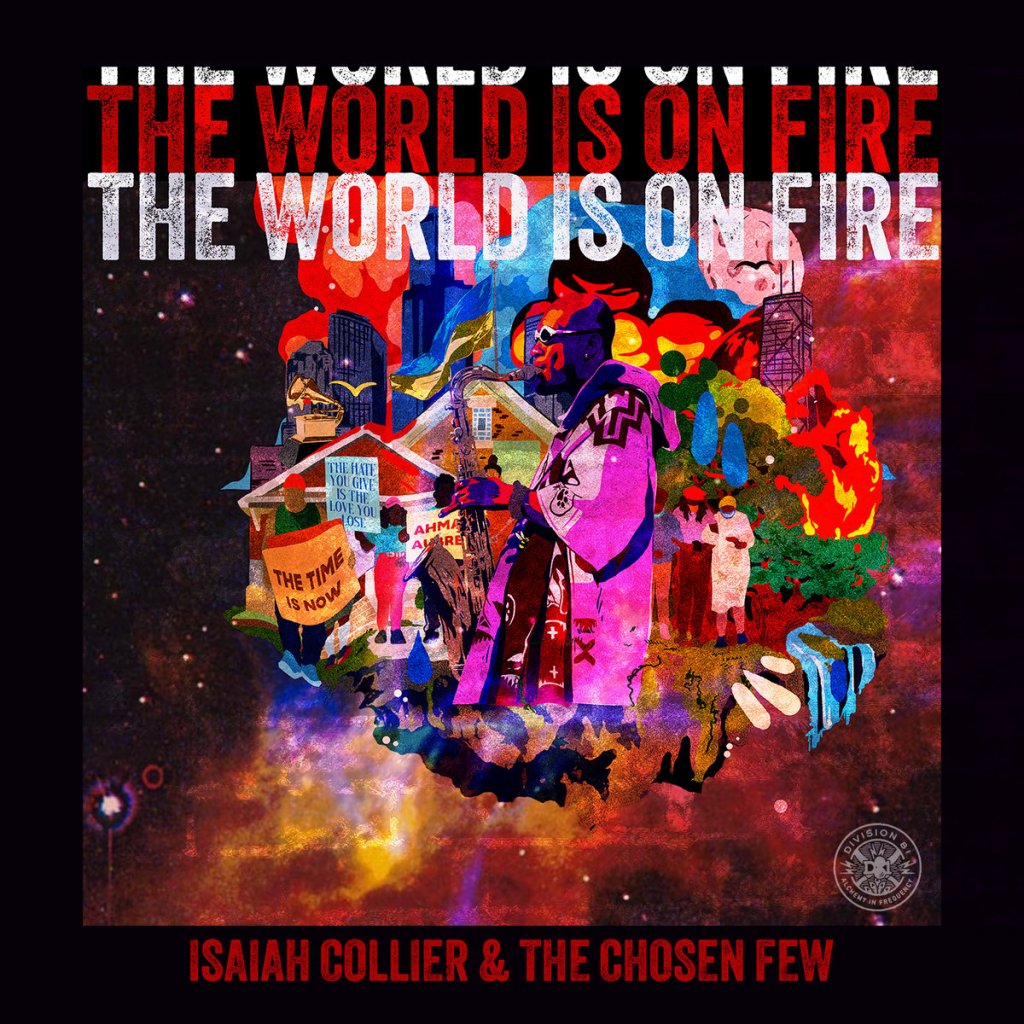
Isaiah Collier & The Chosen Few: The World is on Fire(Division 81)—Collier and band are in a serious Trane mode, and the media clips make it sound like the record was made in 2020–but isn’t it really still, and might it possibly eternally stay, 2020?
Jazz Sabbath: The 1968 Tapes(Blacklake)—Yes: early Sabbath jazzed impressively and with a wry sense of humor.
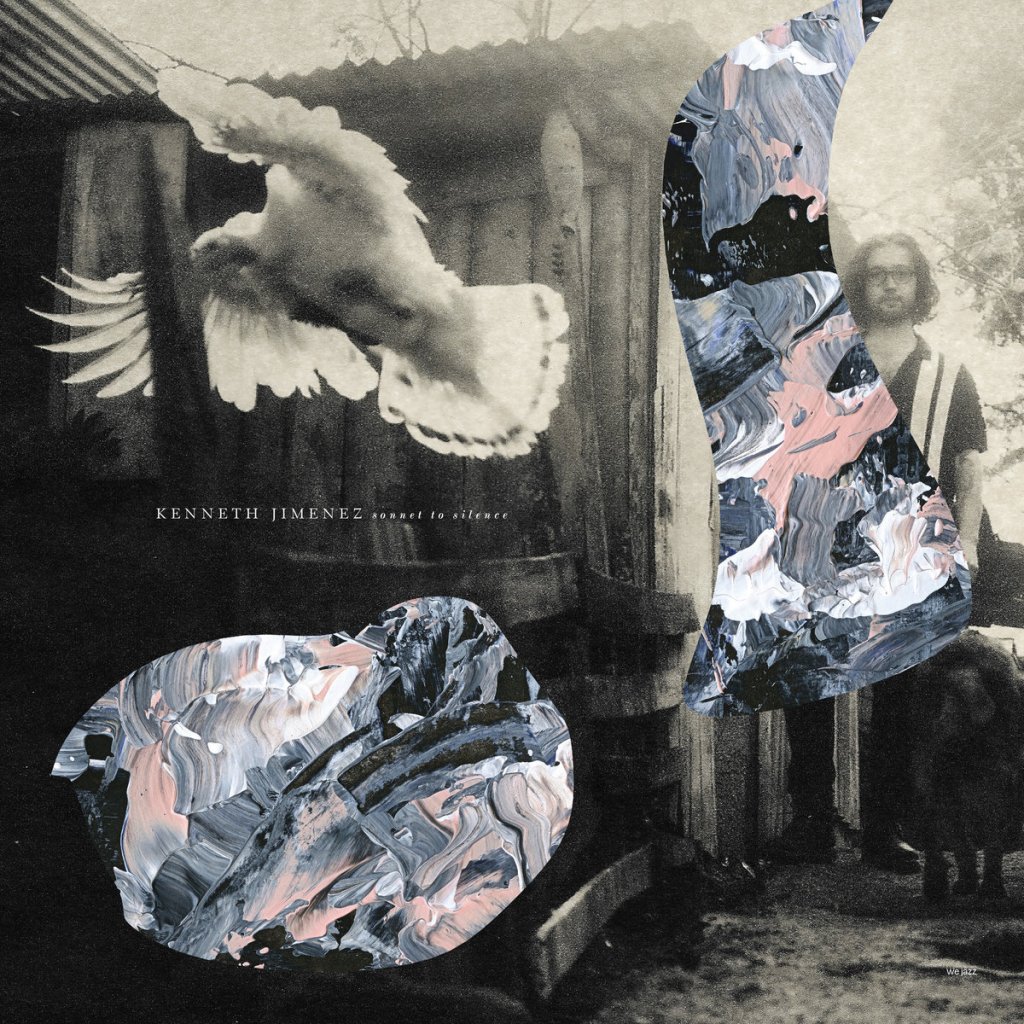
Kenneth Jimenez: Sonnet to Silence(We Jazz)—It’s a musical sonnet to silence, not of silence, and bassist Jimenez’s quartet’s noise is splendid.
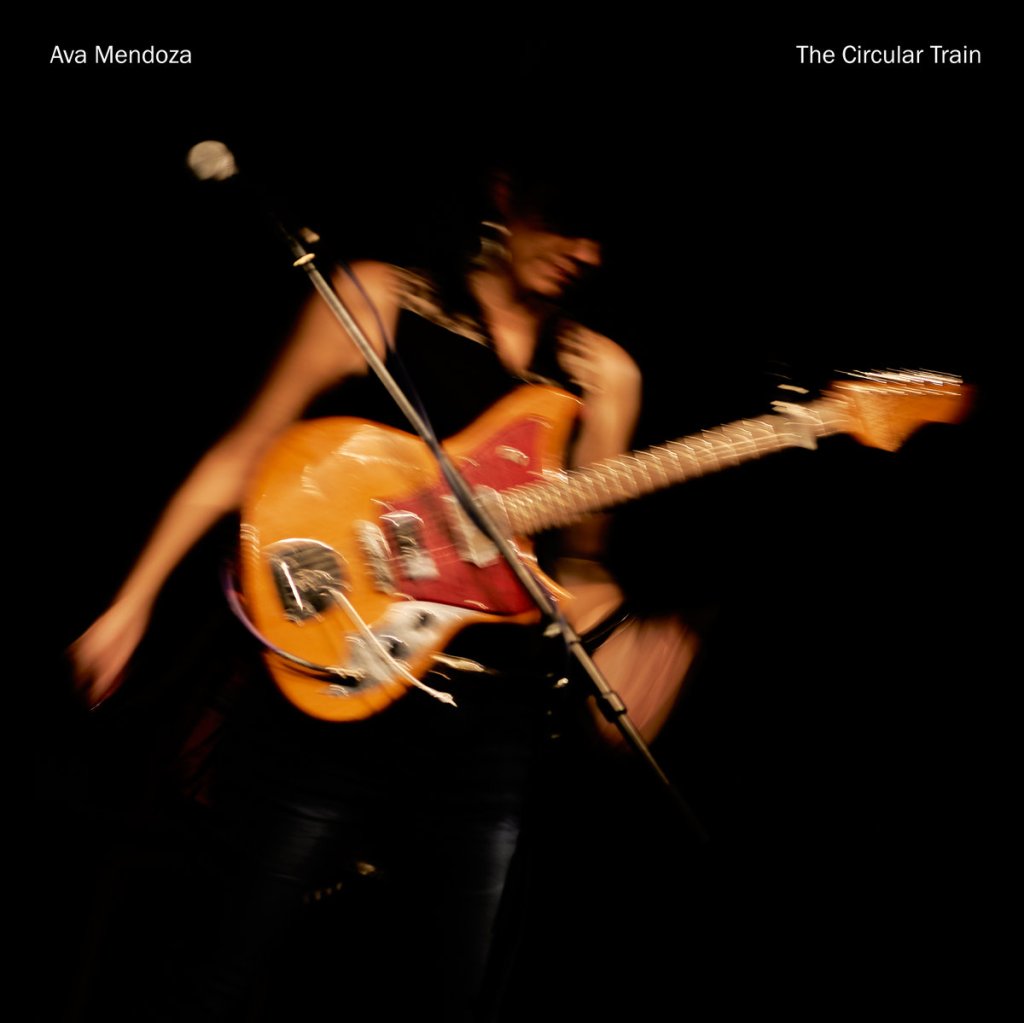
Ava Mendoza: The Circular Train (Palilalia)—Is this a Year of the Guitar?
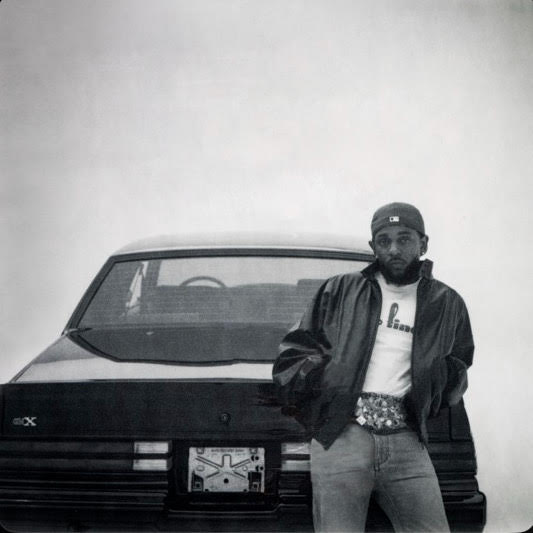
Kendrick Lamar: GNX(pgLang/Interscope)—Sounds great to me, I guess because the music I’m loving most is his cadences and the production is brightly…defiant.
Oaagaada: Music of Ogaadaa(We Jazz)—Finnish free quartet augmented by shruti box and log drum and generating serious energy that’s just contained enough for a dabbler.
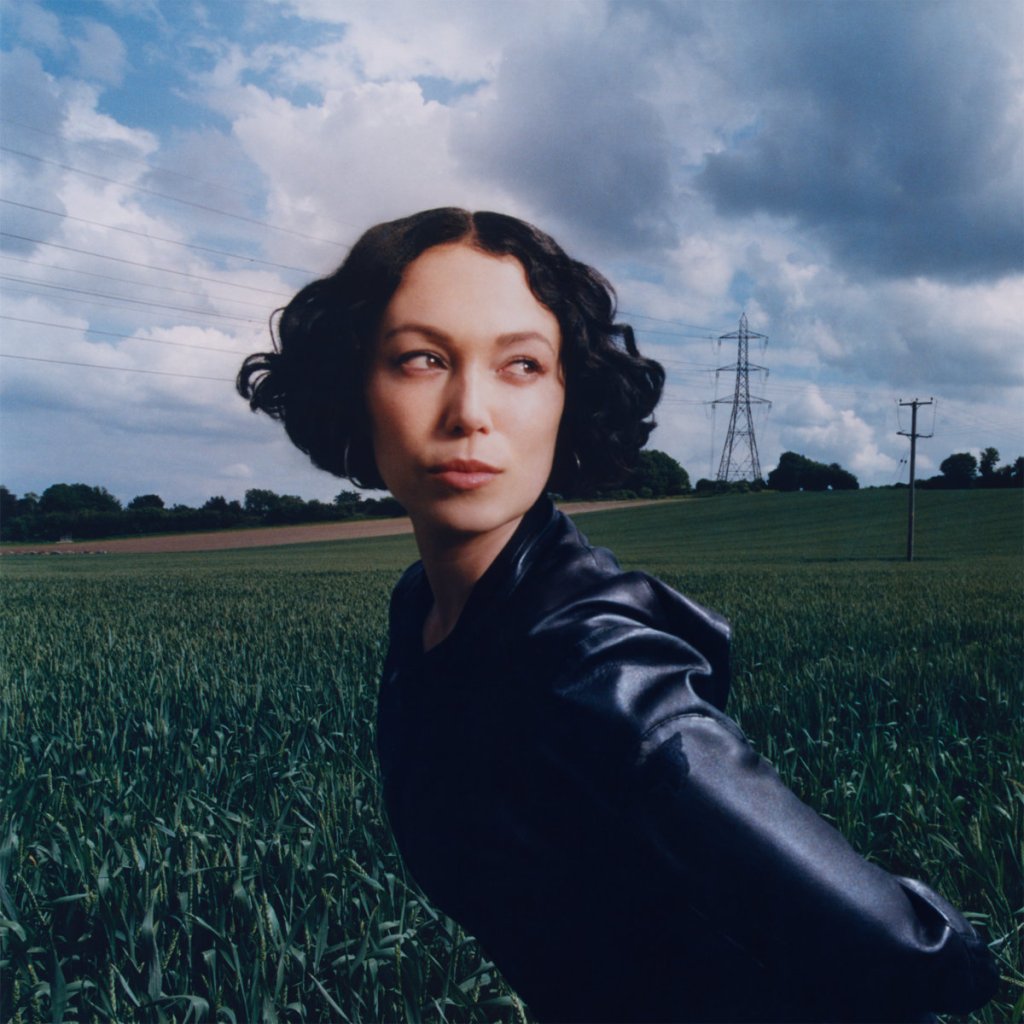
Kelly Lee Owens: Dreamstate(dh2)—My friend Kevin suggested this to somebody else when I was in a low mood, I stole the suggestion, and quickly added her to (a bit lesser light, but not by much) Jessie Ware as a mood shifter.
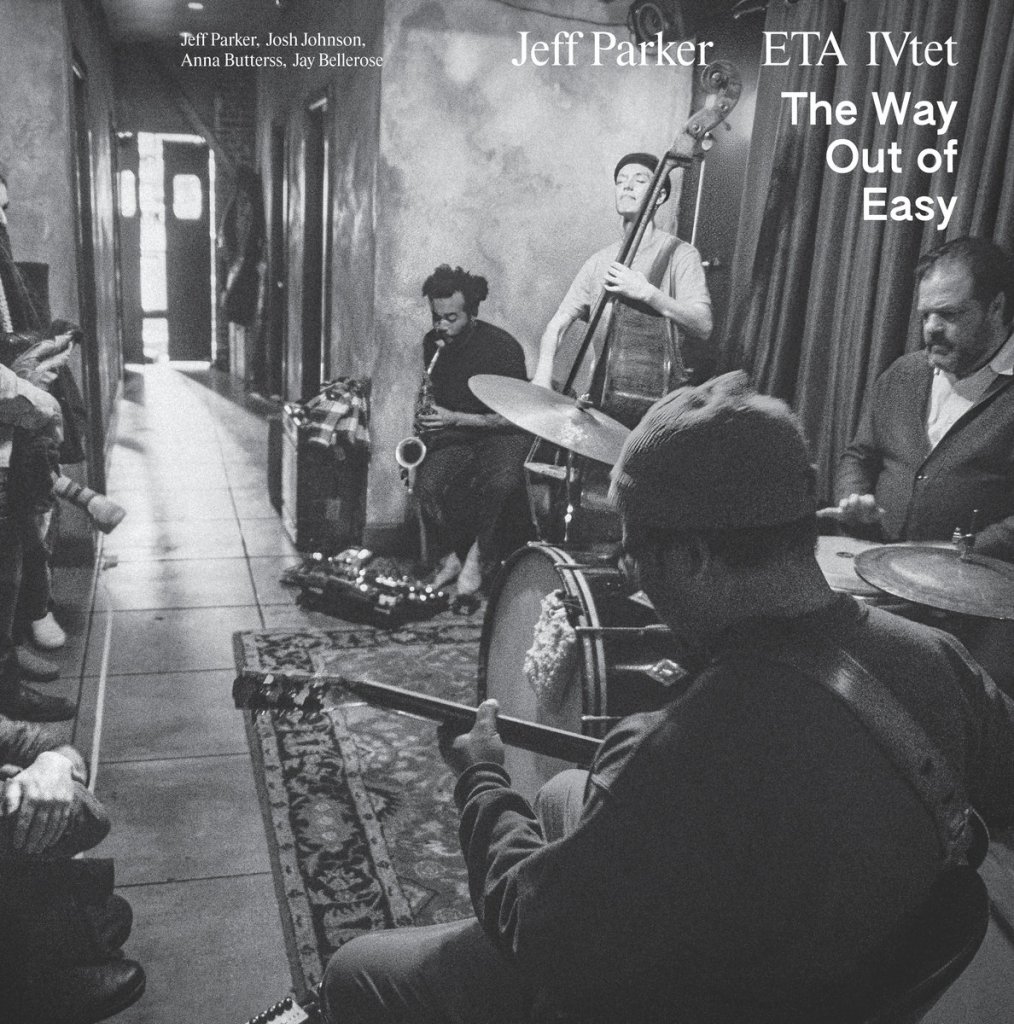
Jeff Parker ETA IVtet: The Way Out of Easy(International Anthem)—Is this a Year of the Guitar?
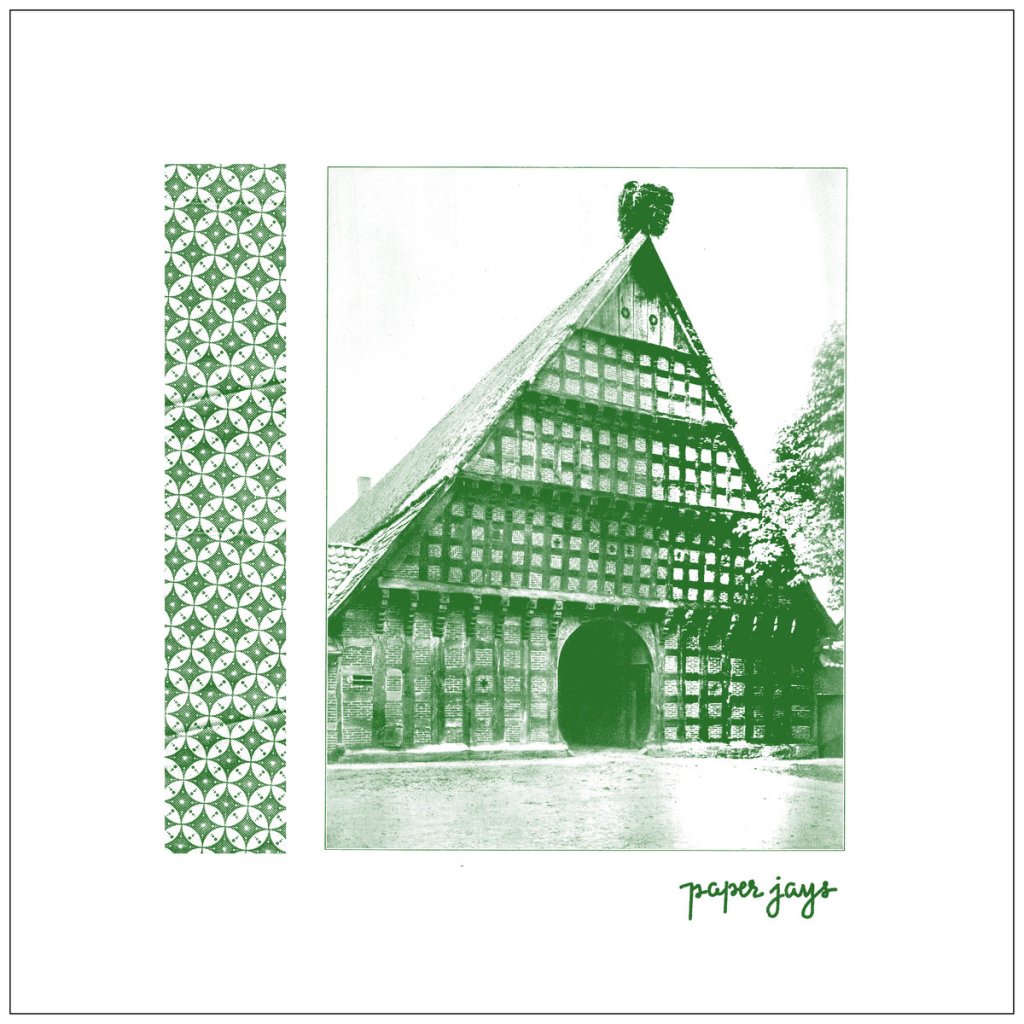
Paper Jays: Paper Jays(ESP-Disk)—Rhode Island instro-combo combines the spaciness of very early Meat Puppets with the weird, itchy vibe of Penguin Café and a touch of…the Middle East?
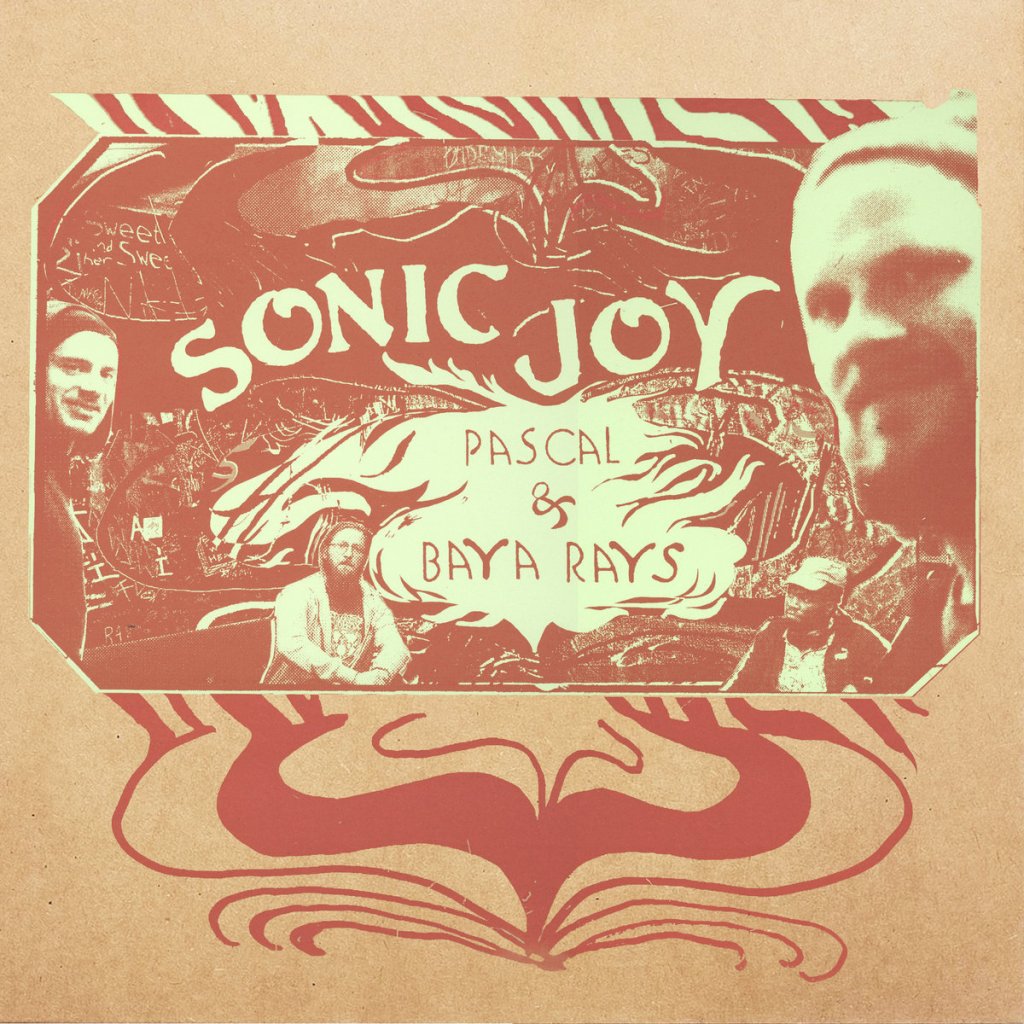
Pascal & Baya Rays: Sonic Joy(Ultraani)—Freaky and fun Finnish funk.
claire rousay: The Bloody Lady(Viernulvier)—Ambient master writes a mysterious score for Viktor Kubal’s 1980 film The Bloody Lady doesn’t require you to watch the film to be hypnotized.
Various Artists: TRANSA(Red Hot Org)—Eight “chapters,” 46 songs, a dazzling array of performers (Larraji, Tweedy, Julien Baker, Sumney + ANOHNI, JLin + Moor Mother), consistent quality, surprising musical coherence, and good reason to worry made it easy for me to listen to this beginning to end.
Wussy: Cincinnati Ohio (Shake It)—I really like the lyrics, I’m not too sure about the music, and I can’t hear Lisa well enough.
Dwight Yoakam: Brighter Days(Via/Thirty Tigers)—Dude really cannot make a bad album (always reminds me of Tom Petty that way) and this one (despite a very corny and terrible song and thanks to my favorite-ever cover of “Keep On the Sunny Side”) is no exception: sings great, surrounds himself with a crack band, and writes solidly—and, weirdly, often BRIGHTLY.
Tucker Zimmerman: Dance of Love(4AD)—I was telling a friend the other day that, for a reason I can’t pin down that has to do with the way things are, I am tired of Americana even when it’s good…but I have a feeling I’m (and possibly you’re) gonna need this one, knocked out by a resurfaced legend who has his finger on the pulse o’things, Big Thief behind him, and his arms around a few friends.
EXCELLENT EXCAVATIONS
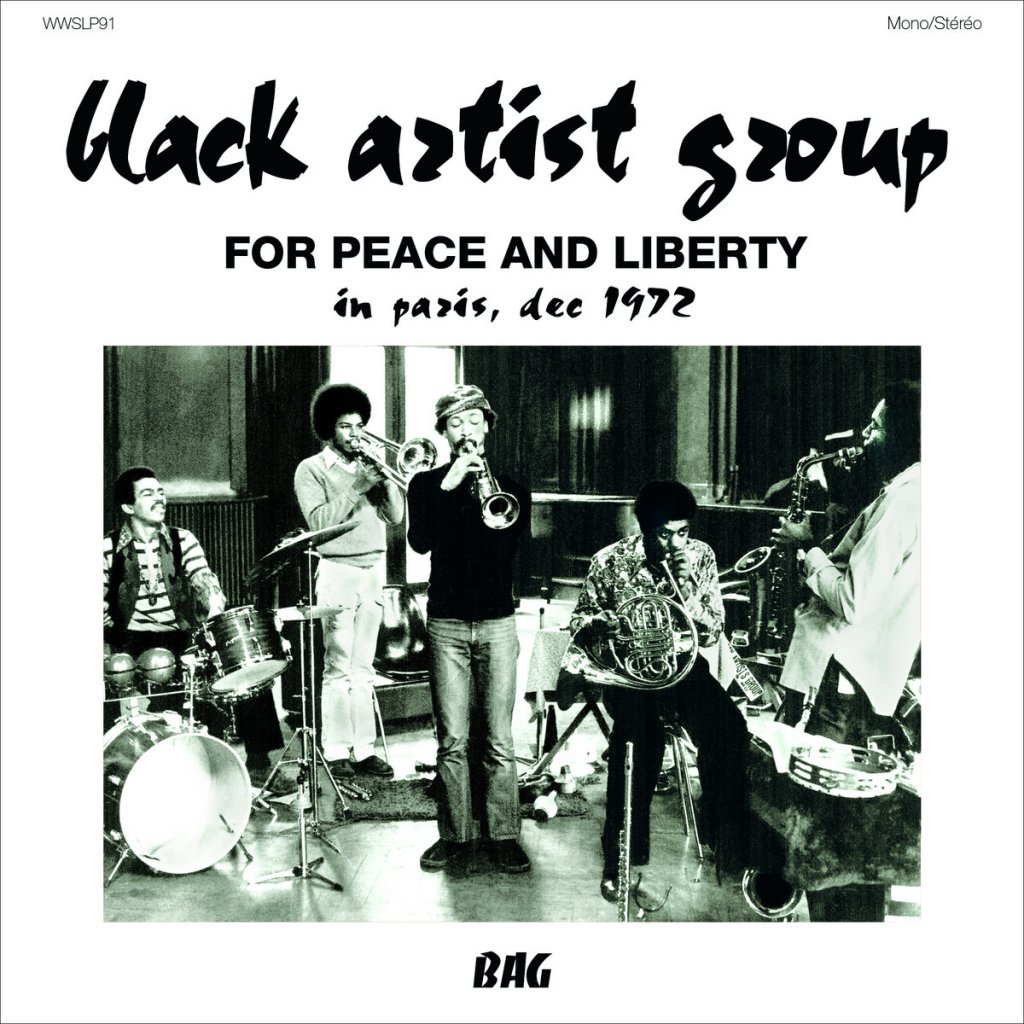
Black Artists Group: For Peace & Liberty, in Paris, December 1972(We Want Sound)—Too few recordings are available from a St. Louis, Missouri, gang of players who would later help fire up the NYC loft jazz movement, and this has never before been released.
Emily Remler: Cookin’ at Queens(Resonance)—This short-lived, Wes Montgomery-influenced guitarist had already raised the eyebrows of her fellow players and was poised for bigger things when she stepped on a narcotic rainbow; she is flying on these live recordings.
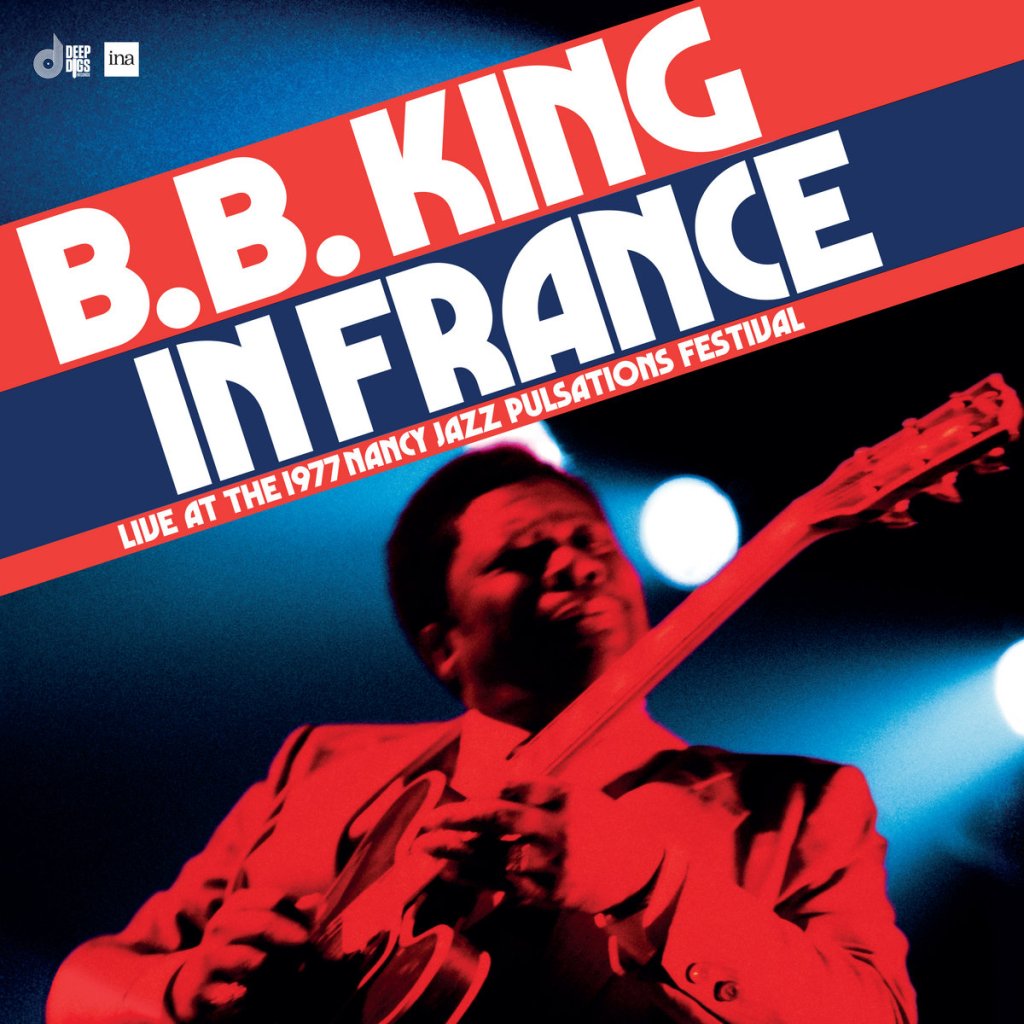
B. B. King: B. B. King in France(Elemental)—The most famous of the several “King”s of the blues is in exceptional form on this unearthed ‘70s set.
Sister Rosetta Tharpe: Live in France—The 1966 Limoges Concert(Elemental)—Her guitar is shorter on beautifully ugly noise than on other available live recordings, but otherwise, 51 and just seven years from passing on, she’s all the way on.
I will again try to comment meaningfully on each of the following alphabetically-ordered new release in single complete sentences. Two introductory notes, though:
Later this year, Phil Freeman’s Cecil Taylor biography In the Brewing Luminous will be published. I’m reading a review copy, and I’m here to tell you it’s outstanding. First of all, this book was badly needed, given Taylor’s singular genius and influence; second of all, in well-documented form it gathers much info that’s out there in one place; third, it’s so comprehensive it’s alerted this passionate fan to recordings he’s never heard of; fourth–no surprise with Mr. Freeman–it advances some critical arguments very convincingly; and fifth, in a continuance from Freeman’s stellar electric Miles investigation, Running the Voodoo Down, the author excels–really excels–at describing a furious, sometimes byzantine music in very distinctive and accurate detail. That’s a trick I really envy; if I could do a fifth as good a job as Freeman, I’d be writing about jazz much more frequently. Check out Phil’s chock-full Burning Ambulance Substack to learn more.
I’m not that much a fan of Light in the Attic’s new Lou Reed tribute The Power of the Heart–at all–but that damn Bobby Rush will be ninety-one in November, and if Sally truly can’t dance, he sure as hell can. He elides a few phrases in Reed’s lyric I bet he wasn’t wholly comfortable with, but he, as per usual for many, many years, sells the song. Hear it in the Spotify Playlist linked at the bottom!
April Top 15 New Platters:
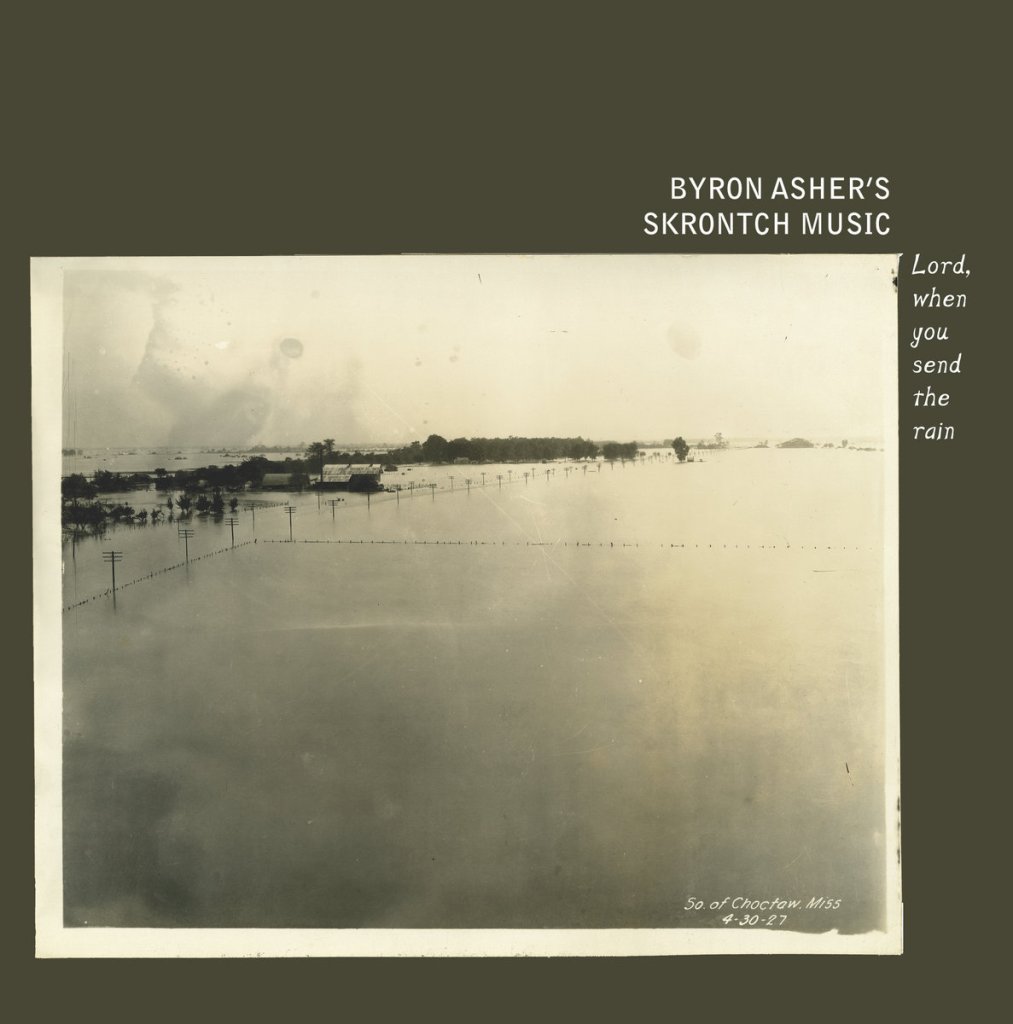
Byron Asher’s Skrontch Music: Lord, when you send the rain (Sinking City)–Like Asher’s previous Skrontch Music album, the problems of New Orleans’ (and other places’) present send him backwards into the future, with spoken clips, traditional instrumentation, and post-modern feints and juxtapositions helping us get why.
Bruno Berle: No Reino Dos Afetos 2 (Psychic Hotline)–The Bandcamp description of this soothing singer’s project (the first volume is excellent, too) informs us that lo-fi, dub step, and other ingredients are utilized to help Berle break away from the Brazilian expected–but I also note that it notes the album’s “sun-soaked” and “sun-drenched” affect, so maybe that’s just historical gravity, not at all a bad thing.
Beyonce: Cowboy Carter (Parkwood Entertainment)–OK, so it’s not all that country (please dig out featured vet Linda Martell’s Color Me Countryif you want that)–it’s just a really good Beyonce album, but, with much less pre-release hype and in-release bombast, I’d argue Mickey Guyton made a stronger statement with Remember Her Name in ’21 without riding a horse or wearing a cowboy hat (plus she turned whiskey into wine).
Buck 65, doseone, Jel: North American Adonis (Handsmade)–Rap earworm line of the year from this on-a-serious-verbal-roll Canadian MC is that he bets his CDs are gonna be “alive in a landfill”–that’s thinking ahead.
Cedric Burnside: Hill Country Love (Mascot / Provogue)–The North Mississippi Hill Country blues practitioners are getting whittled down something considerable, R. L.’s grandson’s has gamely tried keep the style alive with some gently modern tweaks, and he finally nails it here.
James Carter: UN (J.M.I. Recordings)–J.M.I.’s cutting analog jazz vinyl, and, while I have not heard them all (David Murray’s 2023 offerings, solo and with Plumb, were impressive), this is tops for them so far, causing one to wonder why it’s taken JC this long to wax an unaccompanied set…though I’m still waiting for his Earl Bostic tribute album.
Big Freedia & The Louisiana Philharmonic Orchestra: Live at the Orpheum Theater (Queen Diva)–A bounce orchestra’s taking it too far, you might think, but you SHOULDalready know not to sell the Queen Diva short.
Miha Gantar: New York City (Clean Feed)–When I received a digital review copy of this 5-disc collection of new compositions and improvisations by the 26-year-old Slovenian pianist, I rolled my eyes but, as I have sworn to do with these “gifts,” gave it a shot–then found myself so mesmerized not only by the variable moods and configurations (strings, solo, drums only, collab with sax sensation Zoh Amba, etc.), but also by the distinctiveness of the six-count-’em-six pieces that I listened to the whole thing straight through and determined that it’s my favorite jazz release of the year.
Matt Lavelle and the 12 Houses: The Crop Circles Suite, Part 1 (Mahakala Music)–NYC clarinetist, trumpeter, composer and conductor Lavelle, long a very underrated player on the jazz scene, released this, (it looks like the first half of) his “life’s work,” on his 54th birthday: easily one of the genre’s most ambitious, successful and inspiring records of the young year.
Meshell Ndegeocello (and Friends): Red Hot & Ra – The Magic City (Red Hot Org)–You know you cannot resist the pull of the perennially underrated Ndegeocelleo, assisted by jazz compatriots Immanuel Wilkins and Darius Jones, putting a fresh spin on The Sun One–which the Red Hot Org label seems recently dedicated to doing, with a Kronos Quartet set in the offing.
Tomeka Reid Quartet: 3 + 3 (Cuneiform)–More and more predictably, when you put Reid and guitarist Mary Halvorson in the same room, sparks will fly along with those fingers, and aural magic will be the result, as it is here.
Ann Savoy: Another Heart (Smithsonian Folkways)–Surprise of the month: a passionate combo of covers (Springsteen, Sandy Denny, Kinks!) and originals sung and played by acclaimed Cajun historian and member of one of the style’s most acclaimed and hardest working families, a Top-Tenner to my ears (and…heart).
Reyna Tropical: Reyna Tropical (Psychic Hotline)–I swear I’ve run into one of these albums every month for a couple of years: a moody, sexy, lithely swinging, electronic trance-r&b–maybe in this case, yeah, trance–tropical–album that I can’t quit playing and beats monkey gland shots or whatever, which means I might need to dive into the artist’s considerable (for her age) back catalog.
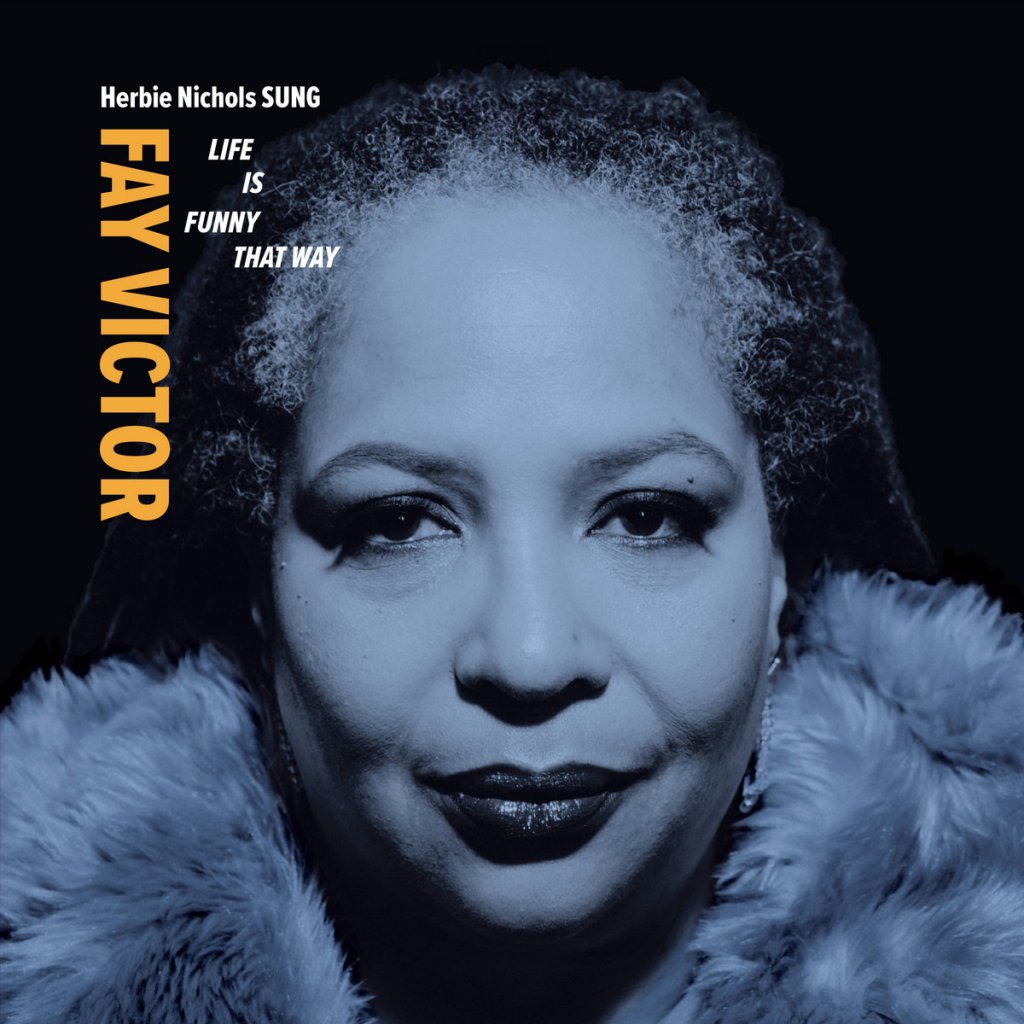
Fay Victor: Life is Funny That Way—Herbie Nichols Sung (TAO Forms)–I’ll admit that, while an earlier 2024 group from Brazil did successfully sing Bill Evans, I thought star-crossed jazz pianist Nichols’ quirky compositions were too high a hurdle, but then I didn’t know diddley about Victor, whose scatting isn’t just experimental but vies with Carter, McRae, Ross, and Vaughan (stylistically, not really Ella, though) at their most daring; the band makes it over the bar as clearly.
Bob Vylan: Humble as the Sun (Ghost Theater)–A youngster for our times, though, compared to his last two records, this one seems almost autumnal, as if the pure revolutionary fire he regularly lights has prematurely aged him–but these times can do that, too.
April Top 10 Old Platters [Post-Record Store Day CD Meteor Shower (for me, every day is RSD)].
Alice Coltrane: The 1971 Carnegie Hall Concert (Impulse!)–The latest entry in the Alice Coltrane revival is the rowdiest and maybe the best, thanks to horns shaking things up.
Emahoy Tsege Mariam Gebru: Souvenirs (Mississippi Records)–As they do a Professor Longhair platter, all homes that dig music need a record by the recently-departed, ghost-fingered Ethiopian pianist and nun, but this is her first recording with vocals, which I wasn’t completely certain hadn’t slowed down her already sauntering roll–but, upon two more listens, I was wrong again.
Grupo Irakere: Teatro Amadeo Roldan Recital (Mr. Bongo)–Cuban bands come no hotter than this one, and this is their long-unavailable debut recording (and it’s not just hot).
Rail Band: Rail Band(Mississippi Records)–Another debut recording by a legendary band, this one from Mali, this one too long-unavailable, and featuring not one but two legendary vocalists: Salif Keita and Mory Kanté.
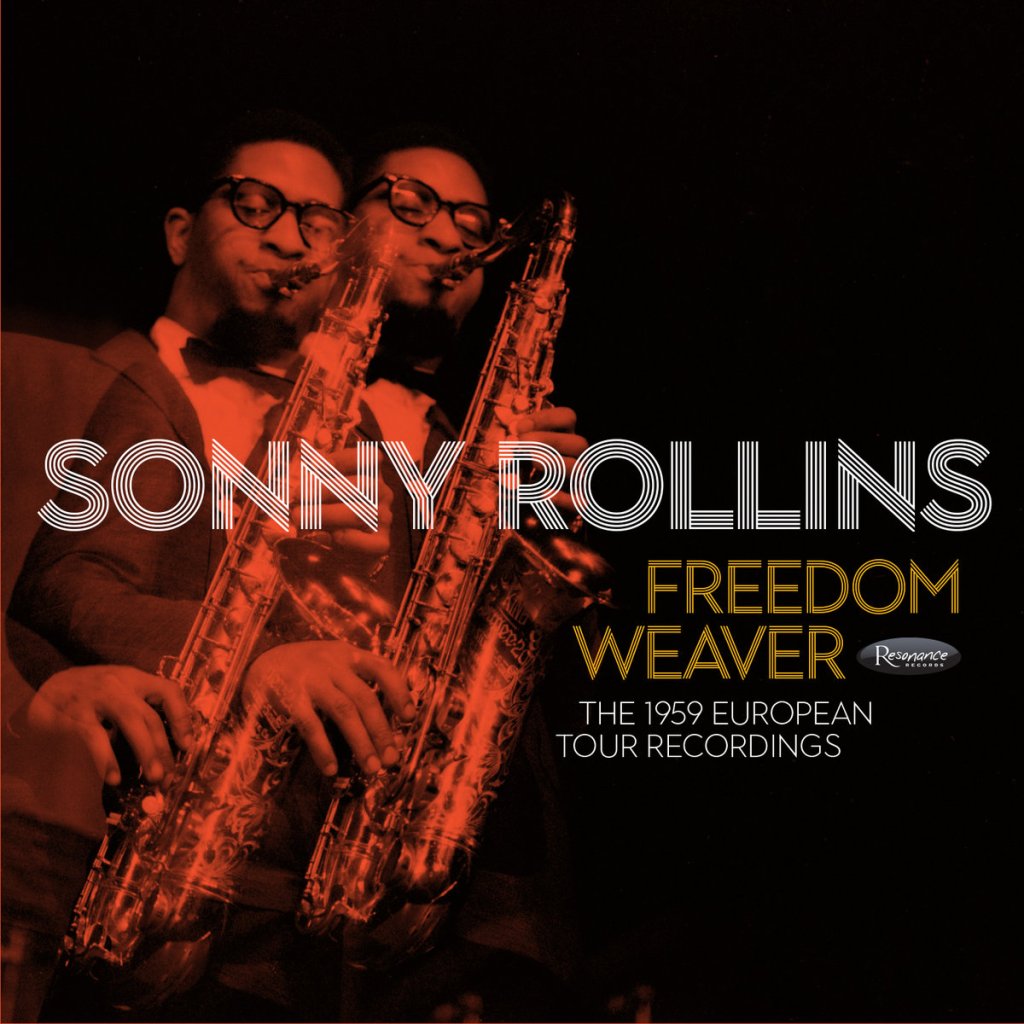
Sonny Rollins: Freedom Weaver–The 1959 European Tour Recordings(Resonance)–My good pal Chris Gray, referring to this album, wondered who could complain about “live Rollins ’59,” and. while I whole-heartedly agree, especially since Sonny’s working in a trio format, Sonny would soon hit the bridge to…woodshed; I promise you that if you’re ever this good at what you do that you think you’re not good enough, you might just need lysergic therapy. (Note: RSD 2024 choice now available on CD.)
Sun Ra: At the Showcase Live in Chicago 1976-1977 (Elemental Music)–Ra in Chicago, always a spot for top-of-the-line spaceworks, with the band orbiting. (Note: RSD 2024 choice now available on CD.)
Art Tatum: Jewels In the Treasure Box (Resonance)–Mainly, you need to know this Tatum is in trio mode, which naturally cuts into his usual carnival of pianistics but also allows guitarist Everett Barksdale and legendary bassist Slam Stewart to show their scintillating stuff. (Note: RSD 2024 choice now available on CD.)
Various Artists: Congo Funk! Sound Madness From The Shores Of The Mighty Congo River(Analog Africa)–Key words: “Congo,” “Funk!” (exclamation point earned), “Sound Madness,” “Mighty”–and “Analog Africa; in other words, “Merde, putain, lâche-toi le cul etjam !” (Et j’adore de la confiture!)
Various Artists: New York City Hardcore: The Way It Is (Revelation Records)–I had not heard of any of these bands, but all the vocalists sound in some way like my best friend, former ranter, opera buff, free jazz buff, French-Canadian advocate, European football nut, and scientist Mark Pelletier, so it’s a win.
Mal Waldron & Steve Lacy: The Mighty Warriors Live in Antwerp (Elemental Music)–Both these now-underrated instrumentalists started out trad, in a way–pianist Waldron accompanying twilight-era Billie Holiday, soprano saxophonist Lacy playing New Orleans jazz–but ended up taking things just out enough to be trenchantly in, and they were master players, especially live, and here they are backed by two more flexible and pretty legendary rhythm controllers you heard about last week: bassist Reggie Workman and drummer Andrew Cyrille. (Note: RSD 2024 choice now available on CD–and it might be the pick of the litter.)
I don’t trust critics’ positive evaluations of art when they’re mostly grounded in politics (of one sort or another). Yet I am frequently guilty of it here.
Related: For much of my life I have thought women were clearly the superior of the two traditionally recognized genders. My wife has helped me sustain that viewpoint; the last seven years of public mad, toxic explosions has convinced me we are equally flawed. Just sayin’: if the upper reaches of my list are dominated by women, it’s not because I’m still guided by romantic notions.
I love jazz right now more than any other major genre. Within that larger genre, I find experimental and free jazz more interesting than its other subgenres. It engages my mind and skin more regularly than other kinds of music. That said, it’s really hard to rank such records. I could spend another hour rearranging my favorite experimental and free jazz records, and I’d change that arrangement again this afternoon. In addition, it’s been a GREAT (and scintillatingly varied) year for those.
Few country records are on my list. I’m not resistant to that genre; I just insist on distinctly unique singing (it’s a tradition) and interesting lyrics. I was weaned on George, Merle, Willie, Dolly, Lorretty, and Tammy–what can I say?
As a writer, I “come out of” punk, garage rock, and rock when it rolled–my first writing “gigs” were with punk zines. Over the last decade, a group of friends on Facebook have given me a great crash course (if a crash course can last a decade) in busting out of that particular popular/semipopular music pen, though I still like galloping around in it. It could be, as a result, that I am too eager to enthuse about intriguing poptimistic sounds. Also, some eyebrows might jump at the exclusion from the list of a certain mega-phenomenon in light of that admission. I still struggle with blandness, even impressively mounted and executed blandness. Oh, and about my punk-pen-past: if the band Dredd Foole & the Din is unfamiliar to you, change that (see “Excavations and “Reissues”).
I like music made by melanated people more than the pale offerings. I don’t think about it beforehand–it just turns out that way. Sue me.
TRUNCATED OBSERVATIONS–PAIRINGS!:
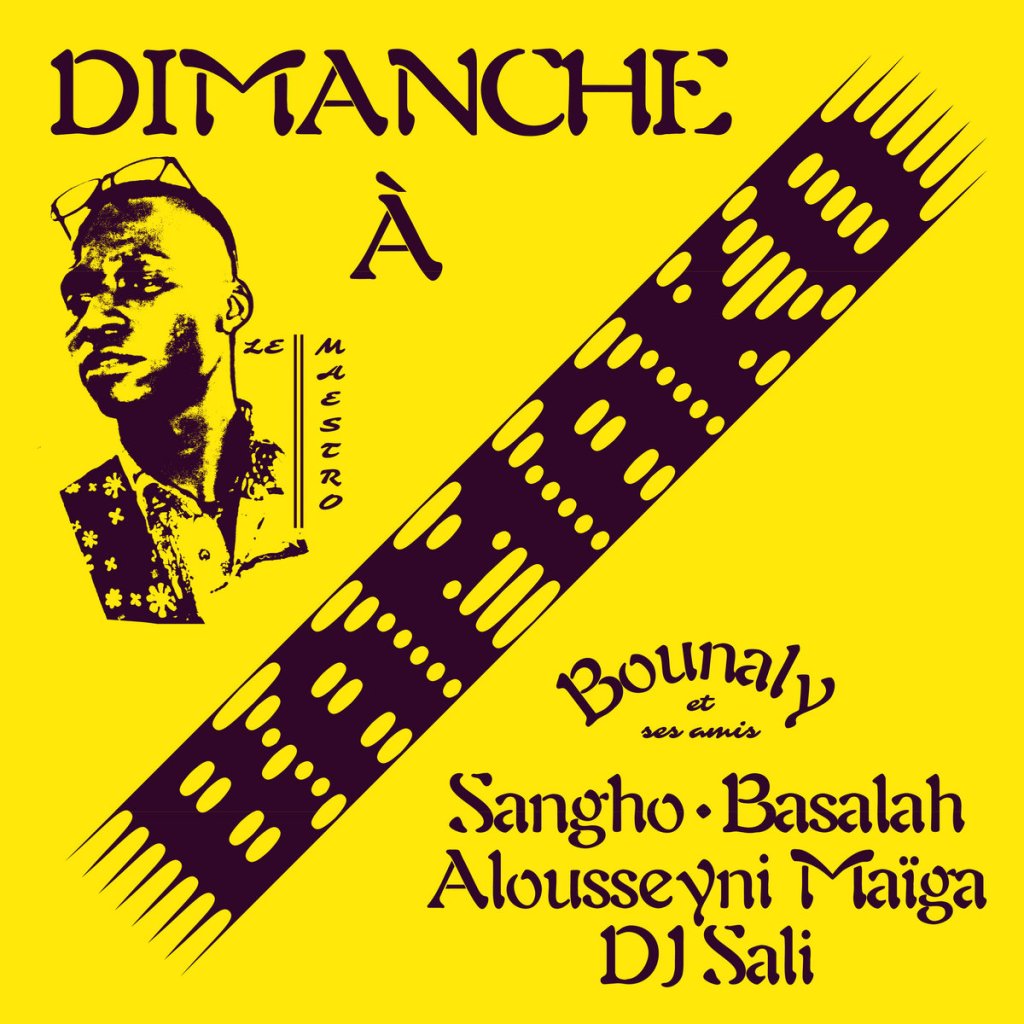
–So-called “desert blues”? Folks, if you don’t know about it or have never gotten on the train, it’s not too late to hop on, and your first stop should be Bounaly’s glowing-orange-hot wailing guitar record Dimanche a Bamako. All hail the Sahel Sounds label. Next stop: Bombino’s Sahel.
–Prolific rappers? From Canada? Yep–it’s old news. BUT…Buck 65’s placed two releases in my Top 25 records of the year, and I had to think and listen awhile before I moved one of those out of the Top 10. Crisp beats, consistently engaging words, and a confident flow. I want to pose a question to aficionados: Buck 65 or Homeboy Sandman, if you could only take one of these fecund MCs’ oeuvres to a desert island?
–Brazilian music: I forgot a prejudice! I start out leaning forward when I put on a new Brazilian record, especially if it’s been touted by Rod Taylor of the Brazil Beat blog. And this year my Top 40 (so far) contains two great and VERY DIFFERENT–yet uniquely Brazilian–releases: Adriana Calcanhotto’s addictive samba-with-Waitsian-rhythmic-flecks Errante and Filipe Catto’s dark-toned tribute to the departed tropicalia legend Gal Costa, Belezas Sao Coisis Acesas por Dentro. Note 1: Catto’s album and Anohni’s still-chart-topping My Back Was a Bridge for You to Cross is a terrific pairing as well.
The Updated List
–If an album makes the list, it sounds and feels to me like the equivalent of a Pitchfork 7.5 or better, an All Music 3 ½ stars or better, or an Xgauvian **Honorable Mention or better. –It can be assumed that my Top 30-40 sound to me the equivalent of an A-, but I’m a teacher in my other incarnation so watch me for grade inflation. It cannot be assumed safely, though, that my Top 10 are all straight A’s. –After the first 50, my “rankings” are a bit loose; similarly, the entirety of my “Excavations and Reissues” I rank pretty loosely other than the Top 3. Also, I usually jigger the rankings every month upon reflection. –Items in bold are new to the list I posted at the end of the previous month.
Note 2: I’ve repeatedly pored over this month’s list and rearranged it, after some re-listening and simple reflection. My Top 50 is approaching as much permanence as I’m capable of, though Bounaly’s record so thoroughly kicked my ass last night it may take the top spot. We also have four weeks to go….
It may seem that I have been neglecting my responsibilities here (such as they are), but, though I am retired, I am actually working two part-time jobs and they have been keeping me preoccupied. But, as always, music has provided much-needed fuel. What follow are some highlights of the past month:
John Coltrane: Offering–Live at Temple University (November 11, 1966) (Resonance Records)
As a devoted though sometimes fatigued fan of Trane, I greeted the news of this excavation/restoration with some skepticism. One must admit that a goodly portion of the jazz audience has gotten–and will continue to get–off the bus after A Love Supreme, and, having listened to the man’s entire output after that record, I know they have good reason. I love the churning, searching, two-men-becoming of InterstellarSpace, the roiling, blistering, crying record-long prayer of Meditations, the daring transformations of Live at the Village VanguardAgain; on the other hand, I am not sure I will ever put on the hammering, hectoring live records from Japan and Seattle again. I like Ascension better in theory than reality (though it’s a better realized experiment in freedom than Free Jazz, for sure); I’m likely to keep Om shelved. Of course I am leaving a few records out, but, to get to the heart of it, I wasn’t sure I or anyone else needed an imperfectly recorded concert record that might well be more painful than enjoyable. If you have the same misgivings, set them aside. This is a document worthy of your time. Coltrane is in great form, though he was nine months from passing–in fact, some of his most focused and coherent free playing ever is here, in very good fidelity, and the legendary singing and chest-beating he did at this gig are not freakish. It works; it’s even moving. Some Philly locals (on saxes, the very brave Arnold Joyner and Steve Knoblauch) showed up to pitch in, and they prove equal to the ’66 group’s concept. I would go so far as to say that they at least equal Pharoah Sanders, who on first appearance sounds like he’s taking a box cutter to the sheets of the night. Actually, the fidelity issues–you can’t really hear the bass other than one solo (and it’s a shaky one–Jimmy Garrison is not on hand), and the drums, when not in solo mode, are very quiet in the mix–enhanced the listening experience for me, even if they break the democratic contract. Honestly, I like hearing Trane when he’s not fighting for space, and, even if he was at the actual event, he is the show here. Highly recommended.
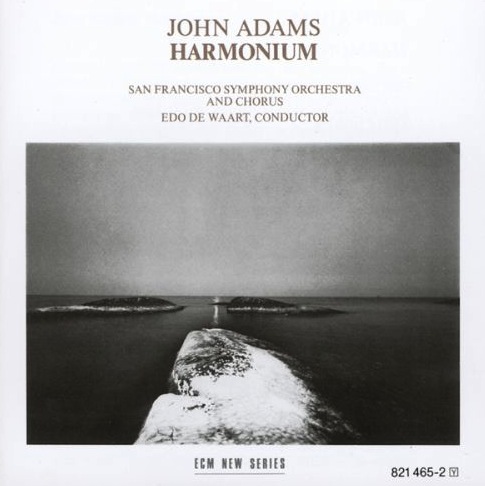
Classical ain’t my usual bag, but reading David Toop‘s Ocean of Sound loosened me up for this, which a good friend foisted upon me on a lazy, cool Sunday. Rolling off a throbbing, multiply-manifested minimalist pulse like waves, the voices of more than 100 join to sing John Donne’s “Negative Love” and two Emily Dickinson poems, the well-known “Because I could not stop for Death” and the more obscure (and uncharacteristic) “Wild Nights,” texts that, as passionately interpreted here, seem to trail off the final line of Andrew Marvell’s “To His Coy Mistress.” The massed voices blur the words, producing a roar that, paradoxically, sounds heard from afar, or in a dream–but which is true to the lines of the poems. Hard to write about this stuff when you’re a sub-neophyte, but I think I am right about this one.
Leo Welch: Sabougla Voices (Fat Possum)
One by one, the giants of North Mississippi Hill Country blues have fallen: Junior Kimbrough, R.L. Burnside, T-Model Ford. Others, like Robert Belfour and Paul Wine Jones, have quieted. All the more welcome, then, is this document of the non-secular side of the tradition that does not sound all that much like Fred McDowell, its aesthetic fountainhead. Raw, hypnotic, crying Holy unto the Lord, and together, Welch’s music is the gem you’re looking for in this blues world of…well, it ain’t even fiberglass anymore, is it? As Digital Underground once advised us: “Heartbeat props/Don’t wait ’til the heartbeat stops/Give the man props while he’s livin’….”
The Fugs: “Refuse to Be Burnt Out” (from Refuse to Be Burnt Out, New Rose, 1985)
I wish I had the audio track for this song–see: everything isn’t on YouTube, children!–which I have listened at least 50 times through many travails over the last 18 months. You need to hear it, and, like us, print the core of the lyrics out and slap them on your fridge. Here they are:
Refuse to be burnt out:
The answer is–
Not to be laid back
Not to be cynical
Not to be hesitant
Not to be shy
Not to be uninformed
Not to be beaten down
Not to be isolated
Not to be frightened
Not to be threatened
Not to be co-opted
AND
Not to be lied to….”
(Edward Sanders)
If you do get a chance to hear the track, you will enjoy the ageless Mr. Sanders’ razor-sharp delivery of this line: “Bitterly bickering bitter-shitters/Cursing fate when lunch is late….” My wife and I recite that one every time we are frustrated because we can’t find a parking spot.
The Minutemen: Three-Way Tie for Last (SST)
I wish two things:
1) That this album was not still utterly relevant.
2) That I would have seen this band in person before its life was snuffed out by a stupid broken axle.
If you are, say, a young fan who’s just begun to explore this group and headed straight for Double Nickels on the Dime or Buzz or Howl or What Makes a Man Start Fires? (or all three, and good for you!), it is time to catch up. It grows on you–hard–and absorbing it fully only makes their tragedy deeper, because, like all truly great bands, they were growing so quickly, both musically and mentally, and the results don’t sound like growing pains.