
Death Don’t Have No Mercy: In Lieu of My Monthly List, Would You Care for My Mid-Year Francis Davis Memorial Jazz Critics Ballot?

My mother, Mary Jane Overeem, passed away from dementia in her assisted living facility early in the morning of Wednesday, June 18, 2025. I am sure it was a coincidence, but she left in the midst of 15-minute wind, lightning, thunder, and pouring rain storm that seemed to harness the furiousness of the battle between her physical determination to keep living and her spiritual will to be released–after months of begging to be. It was exceedingly difficult to witness. I had hoped to be there at her side when she finally passed, but I had to sleep. She might have been waiting for me to pass all the way out so she could slip away alone.

Once during her final four torturous days, the topic of music arose. One of her best friends in the community was an English octogenarian named Rita who happened to come by and check on her. My mom had mentioned to Rita that I kinda-sorta liked music, so she casually offered to tell me the story of her having seen the 1965 edition of The Rolling Stones in Coventry when she was 20. I have a very soft spot for the Jones-era Stones, so I was all ears—especially when she groused, “I was on the front row, and I tried to grab Mick’s balls but a cop grabbed me before I could get ‘em. I almost had his balls—I would have been on the cover of The Daily Mirror, you know?” I was doubled over, crying with laughter. She went on to mention that she’d only seen Gene Vincent three times (!!!) and Eddie Cochran once (!!!!). I will always treasure that pop-by, and when Rita rolled up to express her condolences after the funeral this past Sunday, I wanted to tell her, “I wish I could grab death by the balls,” but I settled for giving her a big hug, wetting her shoulder with tears, and whispering, “Sweet Gene Vincent.”

All of that is to say that I was not able to attend to a June new music inventory, though I will also say that passionate new records by the Irish folk legend Christy Moore, the fiery and spirited saxophone sprite Zoh Amba, and a heap of very inspired rock and rollers and zydeco masters paying tribute to Clifton Chenier will be crowned with four or five stars when I catch up, maybe this week or next.

What I can do is share the ballot I submitted to the Francis Davis Memorial Mid-Year Jazz Critics Poll, topped, naturally, by an album that came out in November of 2024 (that’s within the rules, since it barely had time to be distributed; also, see the video above). It’s a great year for jazz, and especially for piano records, four of which made my Top 10.

Enjoy yourself, and keep livin’….

NEW JAZZ ALBUMS (ranked)

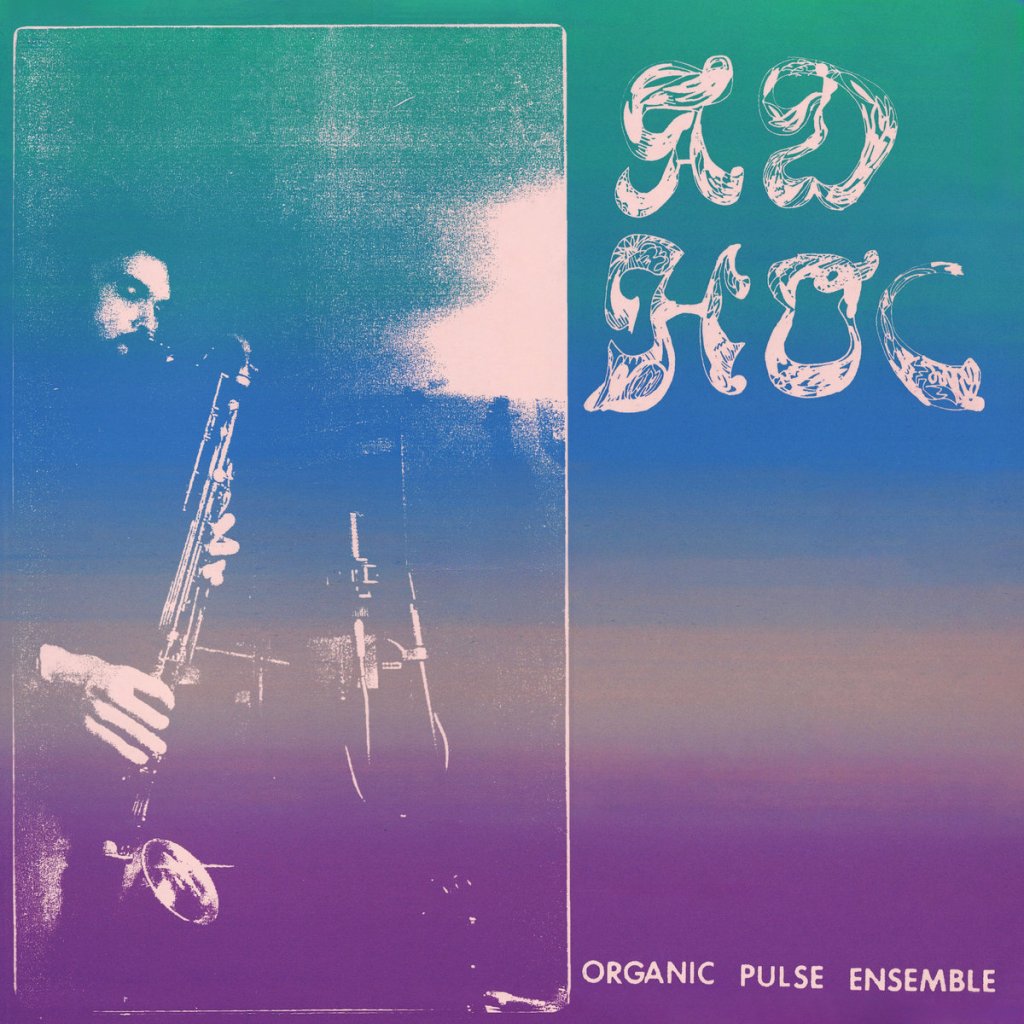
Organic Pulse Ensemble: Ad Hoc (Ultraaani Records)

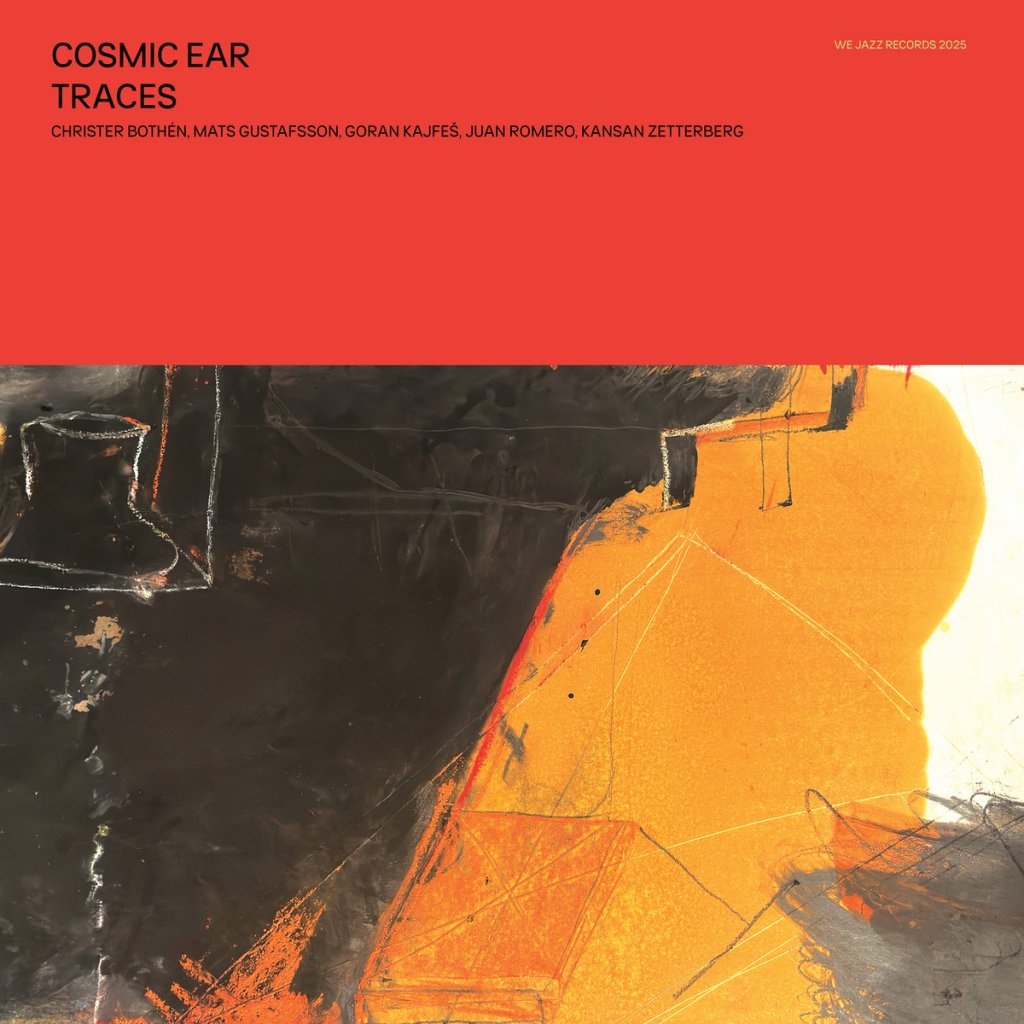
Cosmic Ear: TRACES (We Jazz)

Matthew Shipp: The Cosmic Piano (Cantaloupe Music)

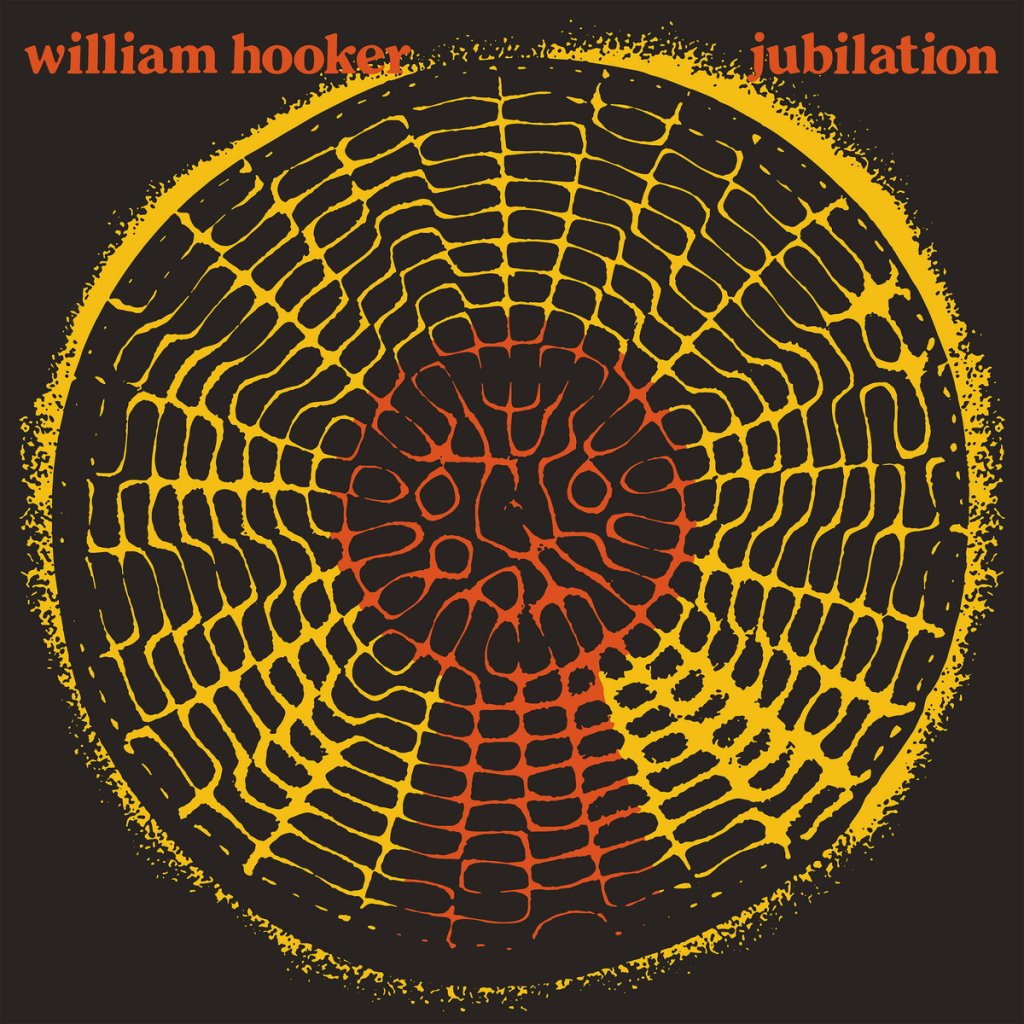
William Hooker: Jubilation (Org Music)

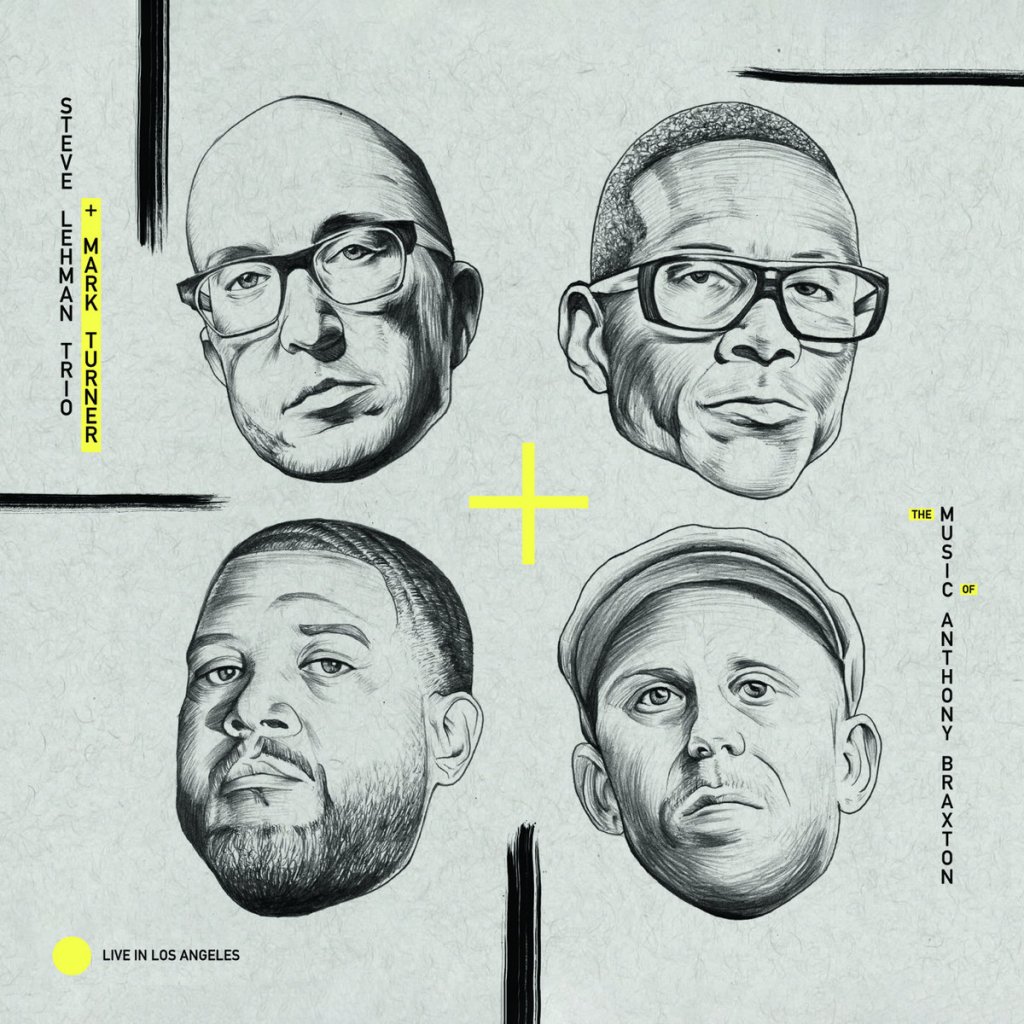
Steve Lehman: The Music of Anthony Braxton (Pi Recordings)

Amina Claudine Myers: Solace of the Mind (Red Hook Records)

Zoh Amba: Sun (Smalltown Supersound)

Blacks’ Myths Meets Pat Thomas: The Mythstory School (self-released)

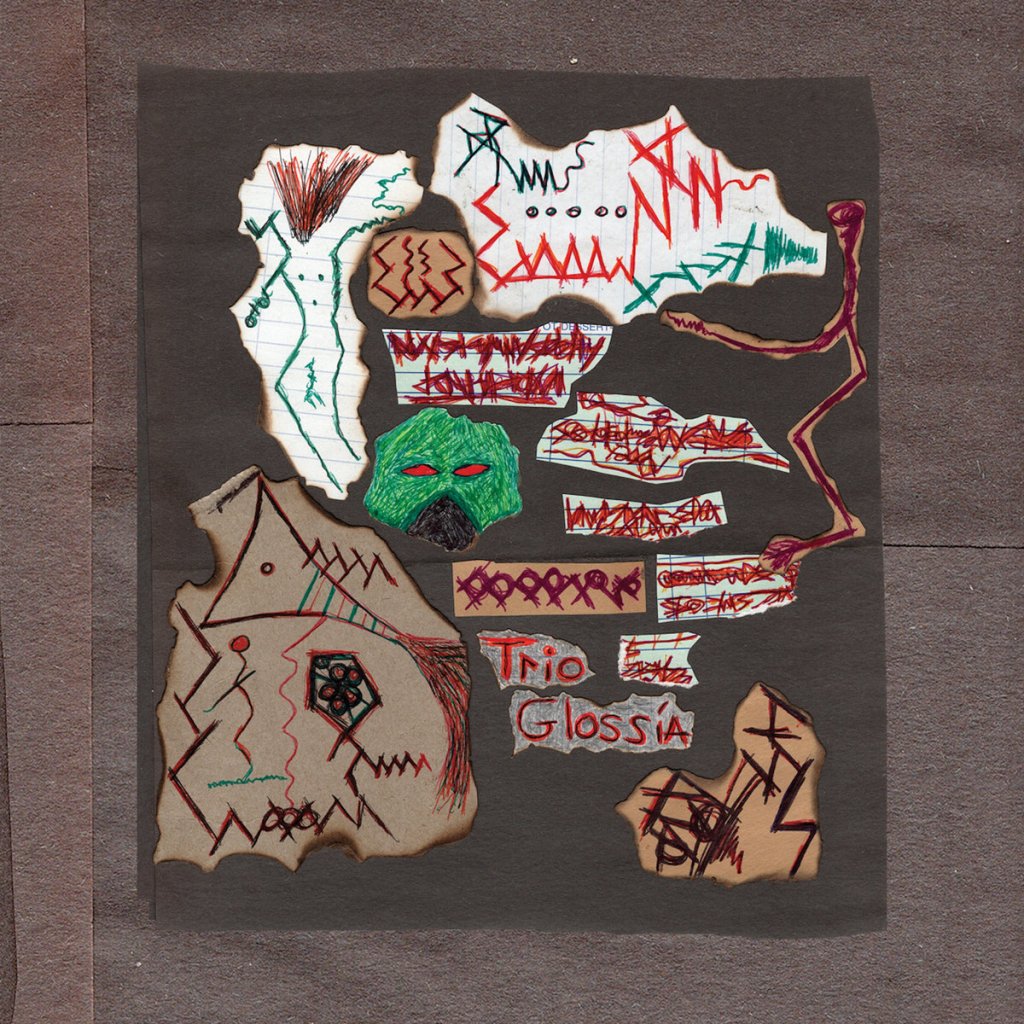
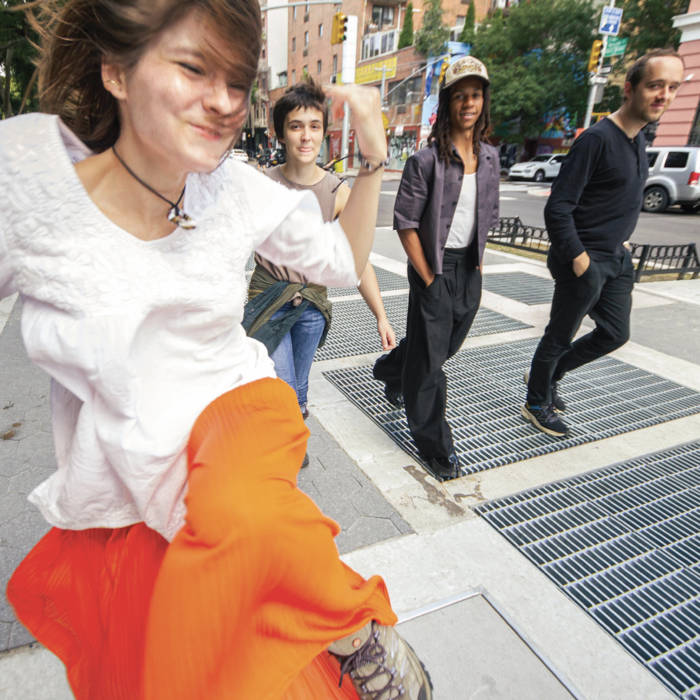
Trio Glossia: Trio Glossia (Sonic Transmissions)

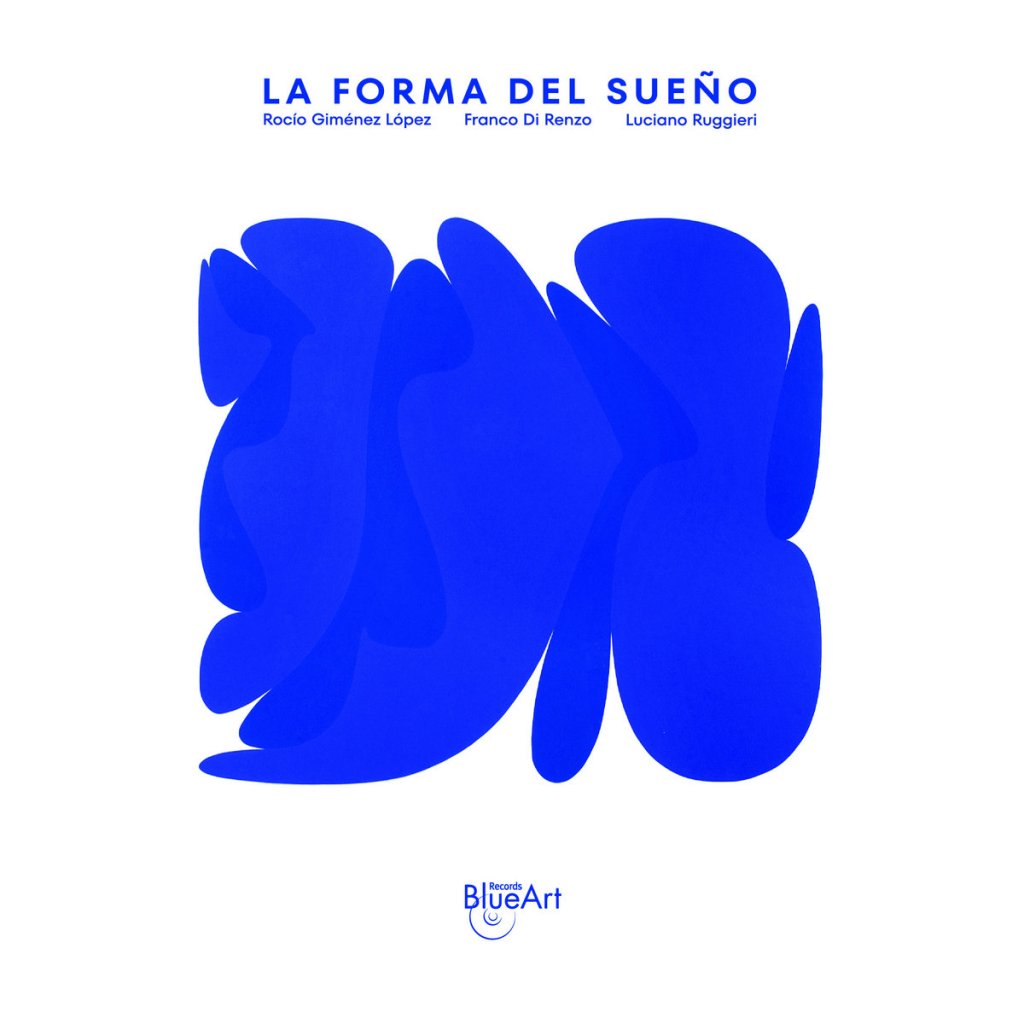
Rocio Gimenez Lopez: La Forma Del Sueno (Blue Art)

RARA AVIS

(ranked—these are older recordings come to the light of day)

Marco Eneidi Quartet: Wheat Fields of Kleylehof (Balance Point Acoustics)

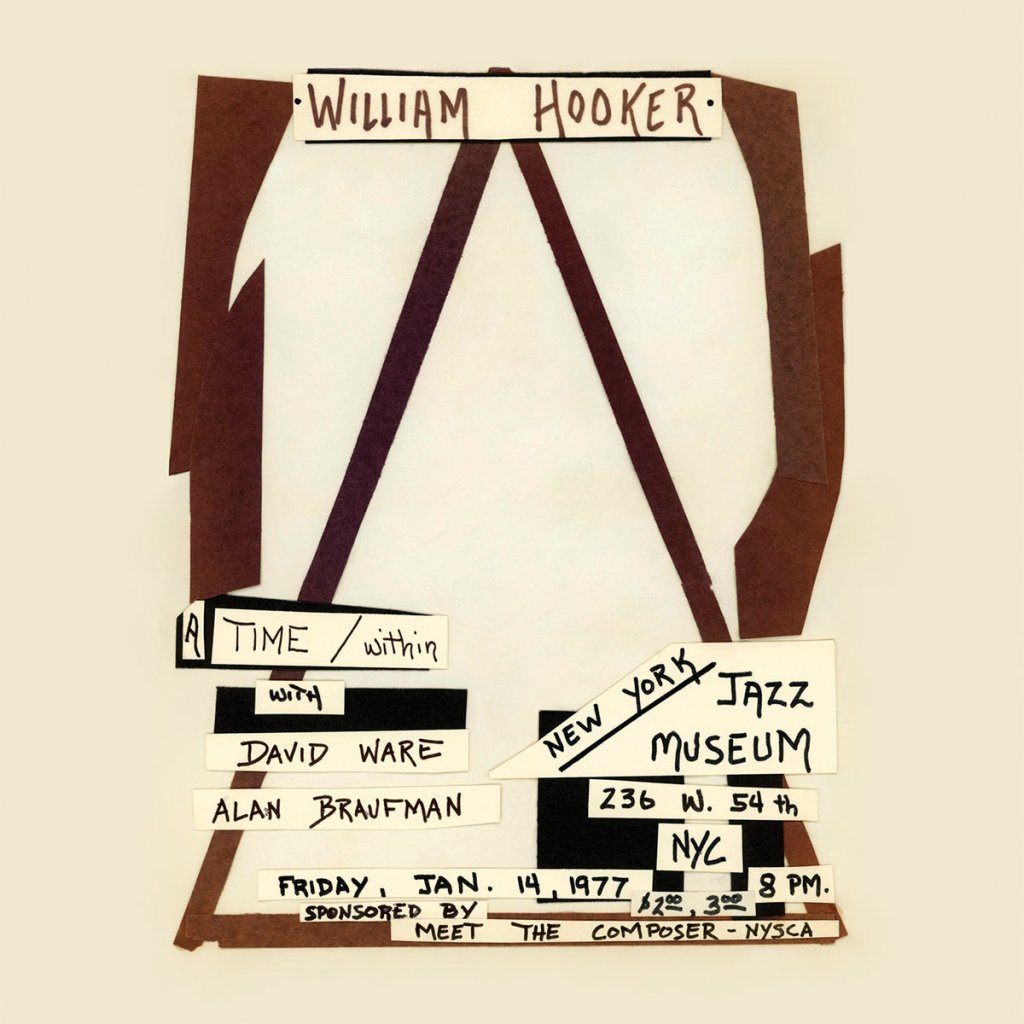
William Hooker: A Time Within—Live at the New York Jazz Museum, January 14, 1977 (The Control Group / Valley of Search)

Sun Ra and His Inter-Galactic Research Arkestra: Nuits de la Fondation Maeght 3rd August 1970 (Strut)

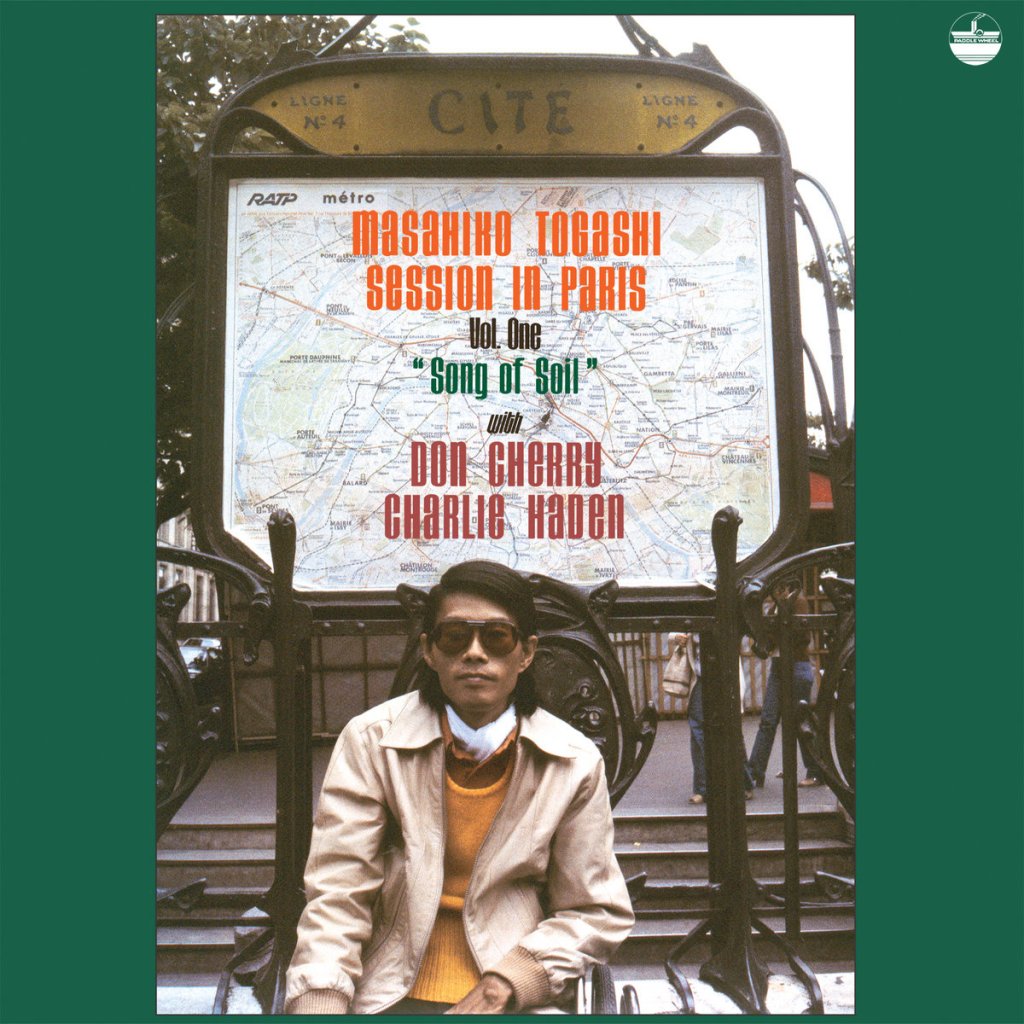
Masahiko Tagashi: Session in Paris, Volume 1—Song of the Soil (with Don Cherry and Charlie Haden) (We Want Sounds)

Michael Gregory Jackson: Frequency Equilibrium Koan (moved-by-sound)

Allen Lowe’s New Adventures In the Diaspora of the Diaspora

Allen_Lowe_425

This post is dedicated to the very recent work of Allen Lowe, not only one of the most ambitious, prolific, and interesting jazz composers alive but also a talented saxophonist, an essential author for anyone wanting to deeply understand this country’s music, and a musicologist who can compile a 36-disc about the flexibility and mischievousness of the blues that, at this late date, is full of surprises, no matter how well-versed the listener is. Among musicians, only Swamp Dogg, Charles Mingus, and early Bob Dylan are his peers in piquantly and entertainingly writing one’s own liner notes. He toils away in the state of Maine, pursuing the “everlasting beauty of monotony” (Benjamin Britten) and–successfully, I would argue–pushing his work to speak in new ways about who we are. If that sounds complicated, it is, a little, but it doesn’t violate the law of diminishing returns, I assure you. He has recently released five new records that deserve praise; since, according to Roger Price’s Law, “if everyone doesn’t want it, nobody gets it,” the best way to grab ’em is to contact Allen directly at allenlowe5@gmail.com about the ones you’re interested in, or browse to http://www.allenlowe.com/for-sale/  Keep your eyes peeled for his upcoming Mary Lou Williams Suite, portions of which appear herein. Now, to the reviews, w/accompanying unscientific but deeply-felt ratings out of 10…

Shipp

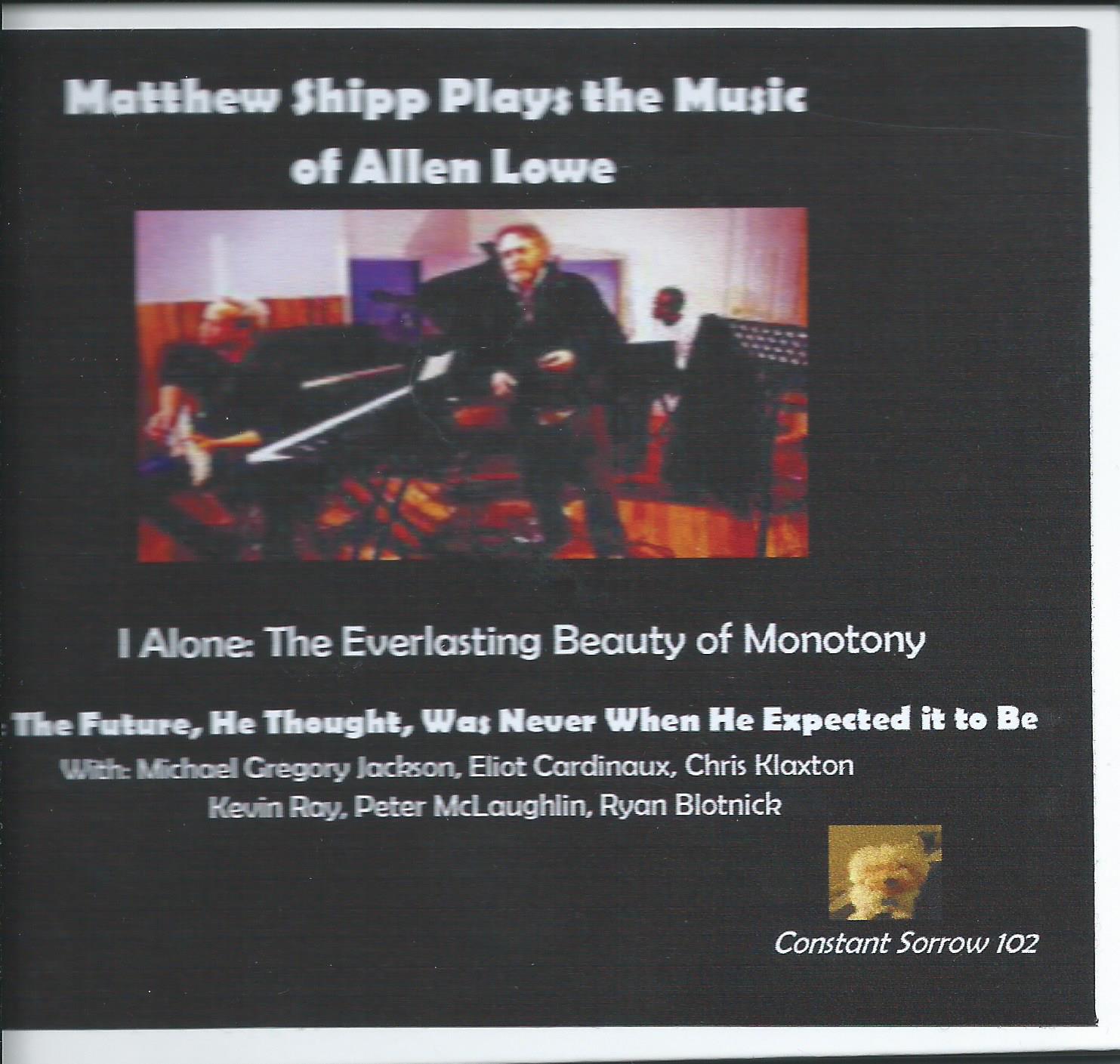
MATTHEW SHIPP PLAYS THE MUSIC OF ALLEN LOWE – 8.8 – Shipp, who’s made his pianistic bones in more abstract settings (notably with David S. Ware), is movingly earthbound here, often striking veins of dark, complicated romanticism that are, I think, at the heart of Lowe’s work. The composer’s alto will remind you of Dolphy’s angularity and Parker’s headlong expressionism–a pleasingly drier-toned version–and bassist Kevin Ray, who plays on most of these recordings, is a wonder: I seemed to learned more about Lowe’s writing following Ray on my third and fourth listen than from focusing on any other musician.
____________________________________________________

From the IN THE DIASPORA OF THE DIASPORA* series :

Bluiett

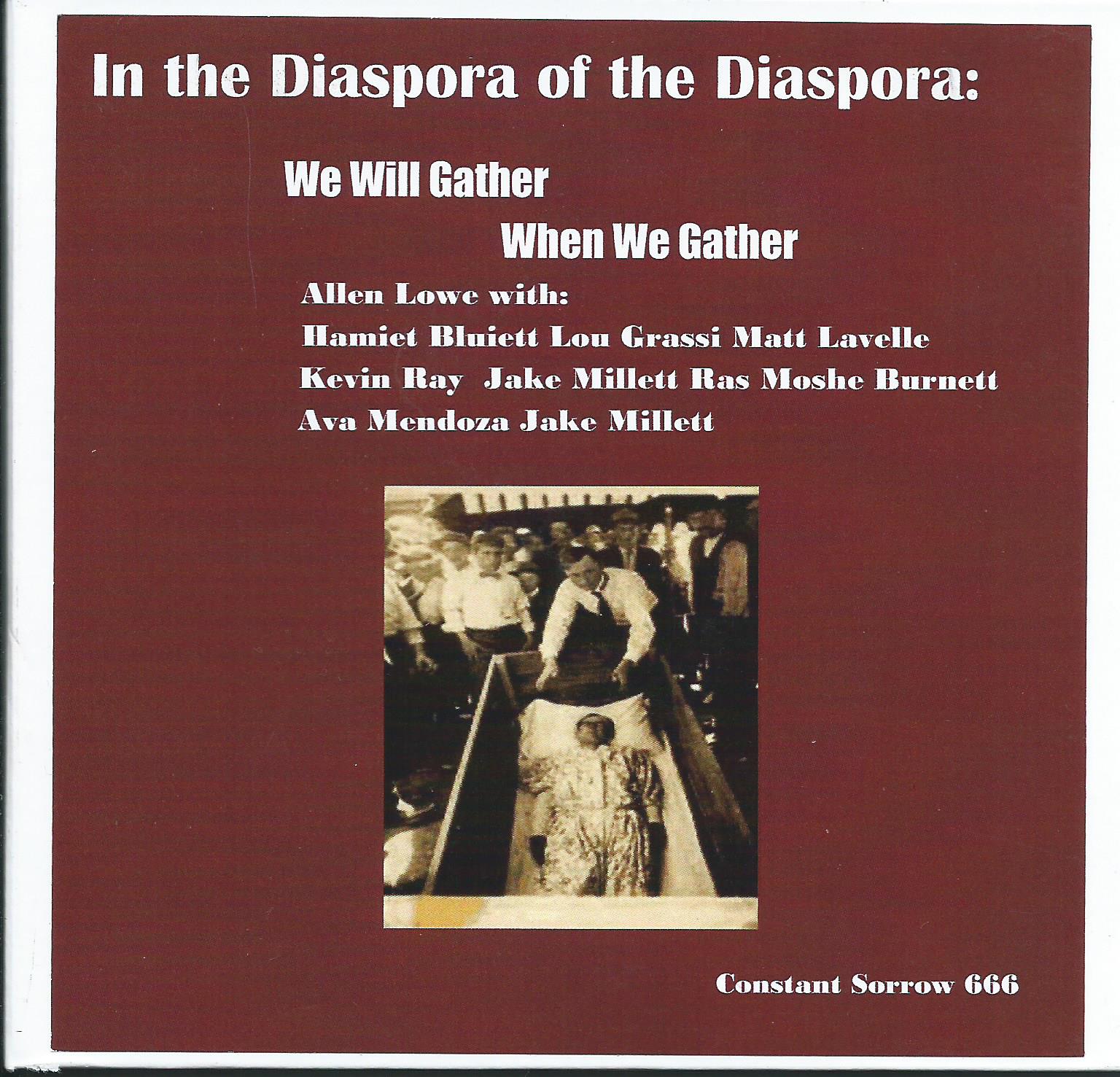
WE WILL GATHER WHEN WE GATHER – 10 – One of the very best jazz albums of the year, with the baritone of Master Hamiet Bluiett shooting worship and subversion through Lowe’s blues- and gospel-colored compositions. Ava Mendoza’s guitar-skronks, Matt Lavelle‘s skittery trumpet (makes me miss Don Cherry even more–and you should mos def try his Monk record!), and Jake Millet’s turntable scrubs and scratches combine with Bluiett’s inventions to do the most justice to Lowe’s vision of any in the series. Pick to click: the first serious composition–to my knowledge–to honor and mourn the murdered Charleston churchgoers, “Theme for the Nine,” maybe my favorite and definitely my most-played track so far. I wish I could share a track with the ‪#‎CharlestonSyllabus‬ project. There is a way….

Johnson

MAN WITH THE GUITAR: WHERE’S ROBERT JOHNSON? – 9.3 – Electronics and turntables are frequent voices in Lowe’s work, and here DJ Logic and Millett answer the title question: Johnson’s ghost haunts the spaces in our best music, as it certainly does on this record (though you won’t hear Robert sampled, you’ll be excitingly jolted out of your contemplation by flickers of Charley Patton’s rasp). Lowe plays tenor and operates electronics on this recording along with playing alto, and Gary Bartz sounds more alive than he has in years, testifying on alto on “Slave Rebellion,” “Delta Sunset,” and “Blues Forever After.”

Cigarette

WHEN A CIGARETTE IS SMOKED BY TEN MEN – 9 – A showcase for an exciting young clarinetist, Zoe Christiansen, with a nod to Pee Wee Russell, a wry jab at Howard Hunt, and two joyful tracks with desolate titles.

Albert

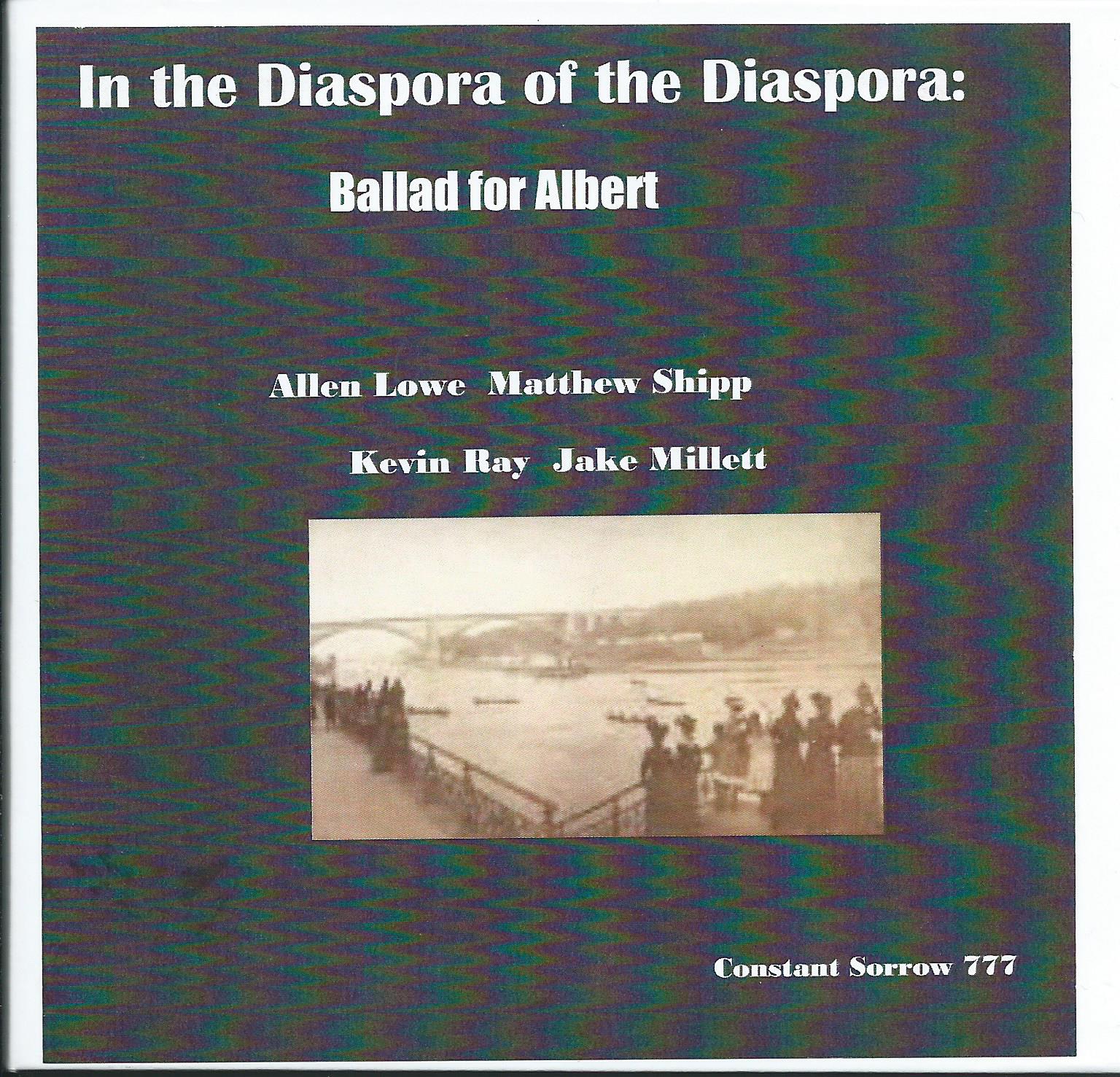
BALLAD FOR ALBERT – 8.5 – This is essentially a trio record, with Millet’s almost-subliminal murmurings of current providing some disruptive texture. I am not sure which Albert the record’s named for (could be Ayler, but, being a longtime fan, I don’t quite hear it), but I am sure that the ballads are lovely and deep–in fact, Lowe’s ballad playing is a shining thread that runs through all five records. Special shout-out to “Maui Shuffle,” which, like many of Allen’s compositions, can make you think the record’s advanced a track if you leave the room, which I adamantly advise you not to do on these records. Hit the WC ahead of time, grab a drink, get comfortable, and lock in–you will be rewarded.

If you are looking to get more deeply into Lowe’s work, advance directly to his masterpiece, MULATTO RADIO: FIELD RECORDINGS 1-4, one of my very favorite records of 2014–so good I couldn’t write about it, if that makes sense. And explore his earlier work, which, unsurprisingly–ranges across the diaspora of the diaspora.

_____________________________________________________

*Allen considers all of his work as fitting under this umbrella, which refers to the diaspora cascading out from the original music of the African diaspora–where, in Lowe’s own words (words, I suspect, that have gotten him in Dutch), “tradition becomes both a means of respectful worship and a matter of subversion…”–but these four records are specifically designated as such.