February 2024: Music I Lived to Listen To (Plus Stuff)

I think I’m going to stick to recommending just 10 new albums I enjoyed each month and highlighting some non-2024 beauties, then maybe compiling a comprehensive list at the end of June and, finally, at the end of December. Those endlessly unspooling scrolls were starting to drive me nuts, and I need additional storage in my skull. And, let’s face it, the great Tom Hull has the long-list category wrapped up like Sam & Dave. And…I need to write a bit, even if it isn’t all that insightful, as opposed to simple enthusing.

FEBRUARY TOP 10

Beyonce: “Texas Hold ‘Em” b/w “16 Carriages” (Parkwood Entertainment)—I unequivocally love this imaginary 45, which is no small statement from me, as I (like others I have observed) have issues with imperial projection. I have spent many years begging young students to understand that Black Americans have been making (and loving) (and spreading) what can fairly be called country music since the 1920s, I’ve been rigorously pointing out their growing current visibility in that genre over the last few years…so this impassioned foray is so very welcome. I feel more warmly toward Mickey Guyton, but these songs make her sound like Nancy Wilson. I can only chuckle at country radio programmers trying to stop Country Bey.

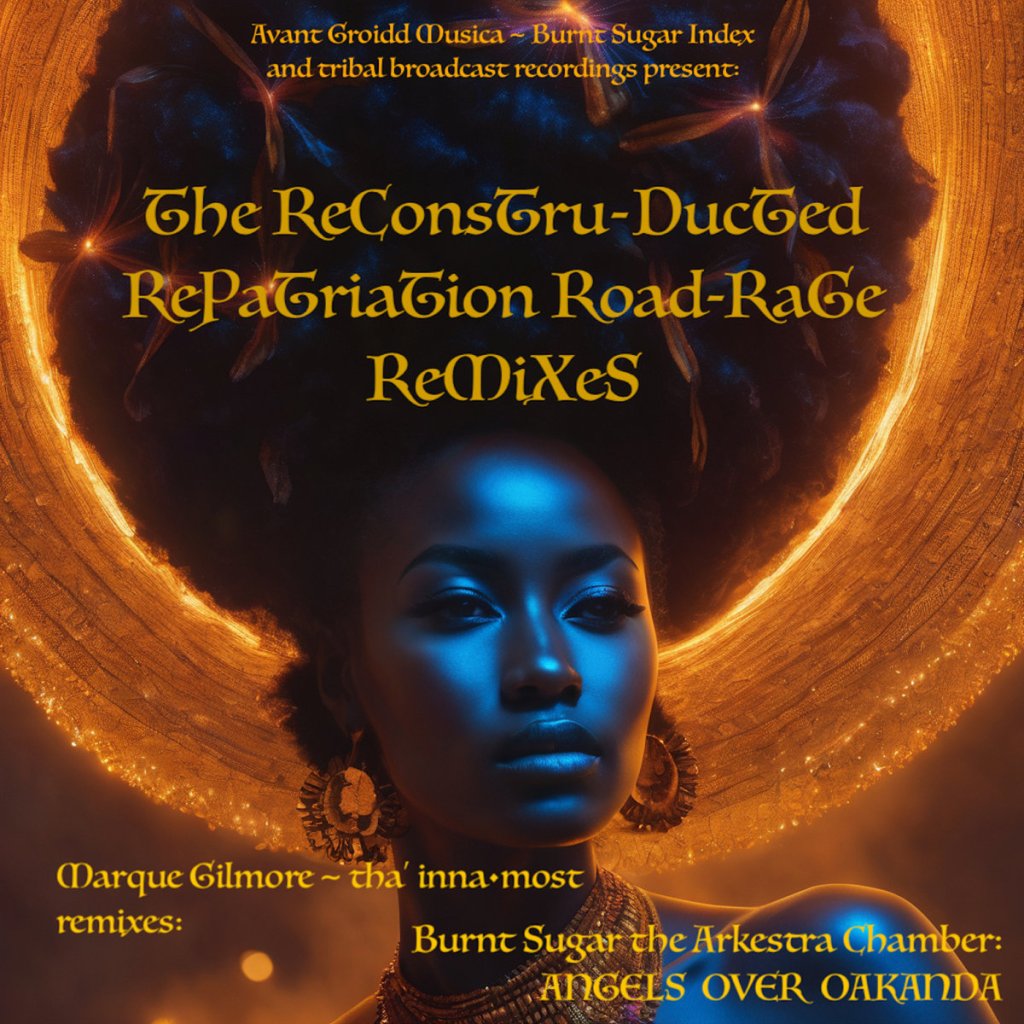
Burnt Sugar: The Reconstru​-​Ducted Repatriation Road​-​Rage ReMiXeS [of “Angels Over Oakanda’] (self-released)—a cheat, in a way, as you can only obtain it by buying the vinyl version of the band’s wonderful Angels Over Oakand (or by illegally download it, but please honor and remember Greg Tate with cash). It’s sonically and creatively warped enough for one to need it as much as the original, which is among the best of Tate’s stew of funk, ‘70s Miles, Afrofuturist soul, and a sprinkling of Hendrix.

George Cartwright’s GloryLand PonyCats: Black Ants Crawling (Mahakala Records)—I am very loyal to Cartwright’s record label (free and experimental jazz out of Hot Springs, Arkansas? Yes, Pharoah was from Little Rock, but check the variety and volume of the music it puts out). Here, Aylerian alto/tenor saxophonist Cartwright and two comrades collaborate for a honking, skittering recording which the title fits perfectly.

Hurray for the Riff Raff: The Past is Still Alive (Nonesuch)—I have been rooting for Alynda Segarra since their first records; their story, their concerns, their songwriting, their conviction have always added up to my jam, but somehow their singing and music never put them over the top for me beyond first (and sometimes second) listen. This grabbed me from the first line, and, as a friend texted me, “This is a 2024 record for sure. A keeper.” The vocals sound more confident and more charged, the music doesn’t get in the way, and songs like “Hawkmoon,” “Snake Plant,” and “Colossus of Roads” forced me out of my dedication to a straight-through first hearing and into repeat plays. The inclusion of a voice mail from their late father broke my heart. I proceeded to buy the physical copy, which, I suppose, is my signal that an album is in all ways (yes, Brett) a keeper. I’m glad I hung in there.

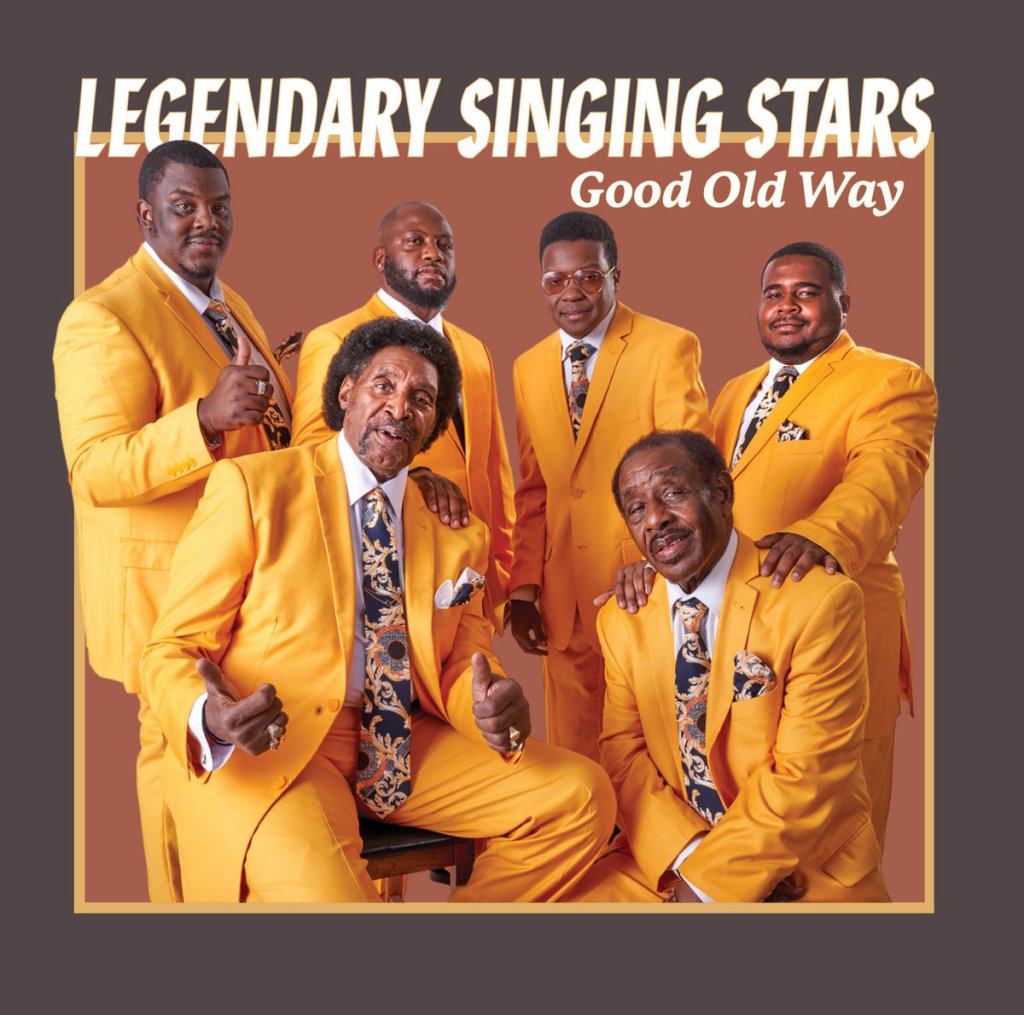
Legendary Singing Stars: Good Old Way (Music Maker Foundation)—Yet again, here’s a label/company I believe in. It’s dedicated to getting our last generation of long-term practitioners of blues and gospel on record and into solid financial standing. Everything it touches is not exactly gold, but they seem more successful finding and recording gospel acts, and this is a great example. One might not trust the group name (“Legendary? I never heard of ‘em!”) and at first glance the title isn’t mouth-watering, but here’s some enticing tidbits: it’s live and passionate (a tribute to co-founder Tommy Ellison, who passed from cancer), the set list is certainly not the gospel same-ole, and they’re straight out of…Brooklyn. Moving.

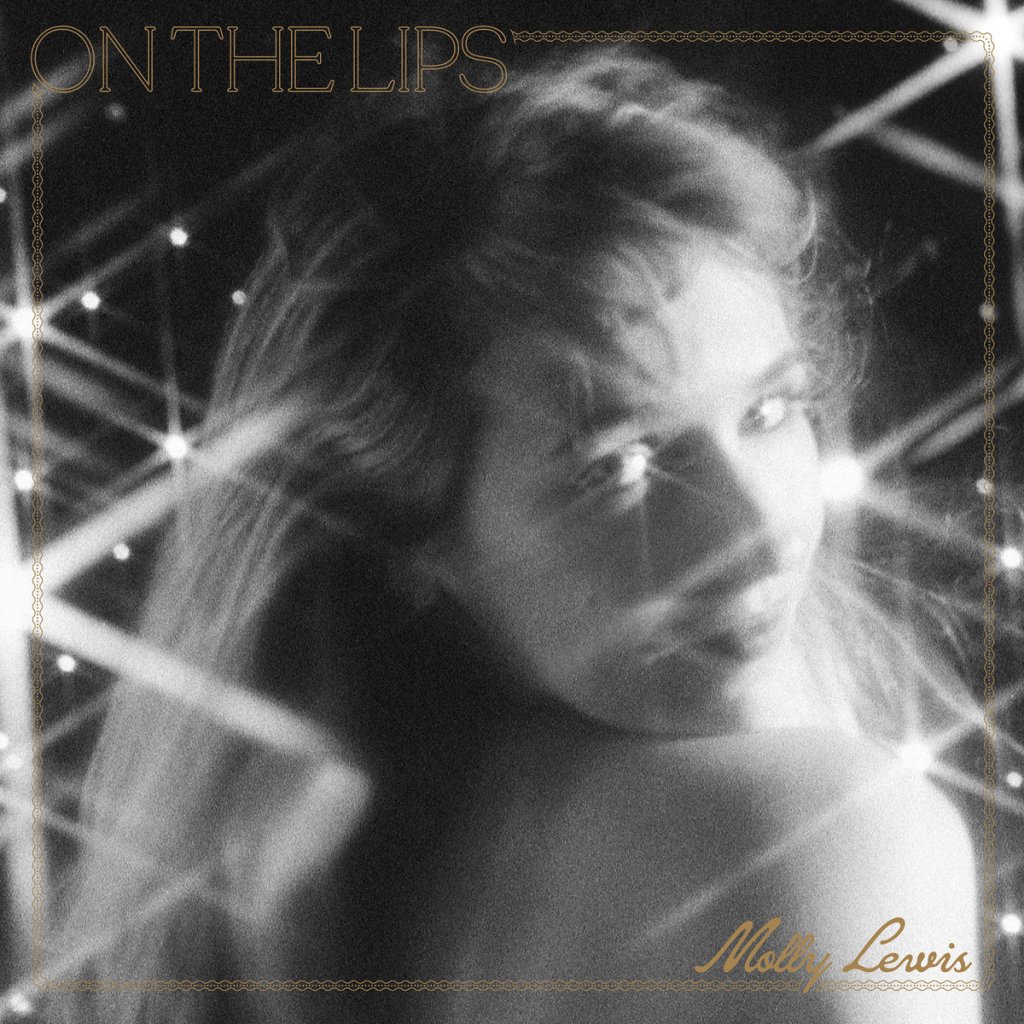
Molly Lewis: On the Lips (Jagjaguwar)Yes, I remember her whistling in Barbie, and it was neat. And, among other magic powers, Toots Thielemans could jazz his lips. When I noted that Lewis had a record out, I thought to myself, “I don’t need a whistler’s record” (how many of you wrestle with record need?). But…well…Pitchfork reviewed it, the cover photo and title stimulated me, I did think of Thielemans, who’s a personal favorite, and I streamed it. COOL! Noirish, mischievous, winsome, varied, catchy—in short, one of a kind and the kind of cute I go for. Please, Lord or whatever, do not let Lana Del Rey fold her in.

QOW Trio: The Hold Up (Ubuntu)—Norway jazz aficionado Chris Monsen has an unerring ear for great jazz, especially if it’s not of the States (though he’s reliable on that subject, too). He recommends one new jazz record a week and I do not question him; he provides a link, I click, and I listen. It’s scary! I fancy myself antiauthoritarian, but I do not question Chris. He recommended this release by an English unit earlier this month, and as I was doing his bidding (but also reading and not really homed in), I suddenly sat up from the couch, and said aloud (I was alone—I’m getting old), “Damn, that sounds like Sonny Rollins!” Sad secret: I don’t even read Chris’ reviews of these albums; I just play them first and go back and read them after—that’s trust. So I grabbed my phone, looked at the album track list, and bugged out at the closer: “I’m an Old Cowhand”! Suffice it to say that, if you’re missing new Rollins—we’re long past the end of that line, sadly—you best check this out. Saxophonist Riley Stone Lonergan is no imitator; he’s got his own sense of line, but he steams along with a very powerful tone and has a very familiar sense of humor. The rest of the trio are clearly listening—in some ways, also, more responsive than some of the master’s trios—resulting in an “A” recording. I’m working my way through their previous offerings, and this one’s no fluke. Isn’t it funny how often you’re reminded that you haven’t listened to every great thing?

Joel Ross: Nublues (Blue Note)—I’ve seen Ross thrice: leading a combo and supporting Makaya McCraven and Immanuel Wilkins, respectively. As a player, he’s an angular wonder. I have not been blown away by the recordings he’s made under his own name, but he always makes me sit up and take notice as a sideman. This, I think, is easily his best solo record, and if you feel reluctant when you notice the jazz classics (two well-worn Tranes and a Monk) he’s covering on it, suppress the urge to move on and listen to the interpretive magic he brings to them. His originals are great as well.

Split System: Volume 2 (Legless)—No, garage punk ain’t over. Never has been in Australia. Following a lead from Memphis’ Goner Records—if you’re starved for forcebeat and two- or three-chord energy (or general aggressive outsider weirdness, Memphian and otherwise), subscribe to their mailing list—I checked out this Melbourne unit and they are like running into an electric fence. Fans of Eddy Current Suppression Ring should not tarry, but these guys don’t go on as long. Volume 1? Also, highly recommended.

Ms. Boogie & Ky Ani: The Breakdown (Ms. Boogie Records)—The surprise of the month for me. The New York rapper got a good notice from Pitchfork, but I’ve cooled a little on its rap recs, so streamed this to get it over with. Boom. They rap-whisper, in a way—like what they have to tell are secrets, but secrets one has to fight—daily. Try “Build Me Up,” where the church they attend and need wants them dead, for a convincer.

OLD & MISCELLANEOUS STUFF

Dennis Gonzalez: (with Yells with Eels and his sons) Cape of Storms (featuring Louis Moholo-Moholo / Resurrection and Life (featuring Alvin Fielder) / The Great Bydgosczc Concert (featuring Rodrigo Amado); (with Inspiration Band) Nile River Suite (featuring Henry Grimes)—The Abilene-born and Dallas/FW-headquartered Gonzalez is the most underappreciated jazz composer and bandleader of the post-Trane era. There, I said it. The music journalist Ken Shimamoto, who has been a far kinder Stanley Crouch to Gonzalez’s much more interesting Wynton Marsalis, says it better in one of the last editions of the Penguin Guide to Jazz, and Ken’s the friend that firmly advised me to sample his work. Since I did, it’s been Sally-bar-the-door. Gonzalez’s trumpet and pen knew endless variations, his sons (on bass and drums in the Yells with Eels band) were more than just acolytes, and by the time he died in 2022, he’d gained the respect of many jazz masters. Great starting points for all three claims are these records, which also showcase the distinctive movement and energy Gonzalez’s writing stimulated and prove how wonderfully he engaged with drummers. I used to experience Dylan fixations, and Lou Reed still puts a ring through my nose for weeks, but this month was the fourth time I found myself awash in Gonzalez’s work. You can’t miss with these if you’re adventurous, like some structure with your freedom, and simply want to catch up.

Trouble in Mind (THE Jerry Lee Lewis Documentary, directed by Ethan Coen)—I have been a serious Jerry Lee fan since I first heard “Crazy Arms” and read Nick Tosches’ Hellfire, I own several Killer books and docs, and, even with a Coen Brother at the helm and Mick Jagger, T-Bone Burnett, and Callie Khouri producing, I was skeptical that a) we needed another Lewis documentary, and b) anyone could really do justice to such an enigmatic force of nature, both dangerous and life-affirming. I was wrong again. In 74 minutes of mostly Jerry Lee, through clips, telling his own stories and footage even most JLL adepts have never seen, they nail it. Lone caveat: minutes and minutes of Mickey Gilley and some drama from Jimmy Swaggart, and A FEW SECONDS (!!!!) of Lewis’ wild-assed piano-pounding sister Linda Gail, who got married (the first time out of NINE—the current number as of today, I think) so she could get laid properly under the gaze of God? That’s a serious “what the fuck?” but this documentary is still very much worth your time.

Exploring Gong Culture of Southeast Asia: Massif and Archipelago—A Project by Yasuhiro Morinaga (Sub Rosa)—A typical music junkie Internet experience: I was looking for something else when I saw an ad for a Smithsonian-style collection of gong music from Cambodia. As if my cyber-brakes weren’t working, I kept clicking past it, then tried to back track and lost it. I don’t know how. I wanted gong music so badly (my lip’s always hook-ready) that, after trying in vain to find the album I’d seen an image of, I plugged “gong Cambodia” into a Discogs search and this appeared at the top of the list. I noticed the cover alluded to a David Toop intro, so—what the hell?—like Patty Hearst did to Roland’s Thompson gun, I bought it. It’s been playing enchantingly throughout my drafting this. Certain people, you know what to do!
Good to My Ear- and Eyehole Since Last I Posted: Part 3, The Heard.

Finally, the actual music.  And, by the way, just to be clear: not surprisingly, I have many music nerd friends, but I have many more friends who are simply overwhelmed by the amount of music that is available to them, compared to the relative slim pickin’s of their teens. I suppose this is a statement of purpose for this blog (you can exhale now), but since my range of musical interest is pretty broad, since I am damned social and have a pretty decent Innertube reach, and since I am very obviously not an intellectual, bent on hardcore critical analysis, but rather…a musical proselytizer, I am a decent option for those overwhelmed masses. And if not, well, at least I am entertaining myself and keeping a record of what was keeping me sane when. Also, not all of the releases below are new–I don’t understand how anyone can devote themselves exclusively to new music, with as rich a history as we’ve got, but, again, the digital flood threatens to carry away some grand old slabs, and I will make it a point to alert you to some of them, too.

Since what’s ahead is a slew, I am gonna try to do these piquantly in no more than three sentences….

JNR153_serengeti_kenny_dennis-web

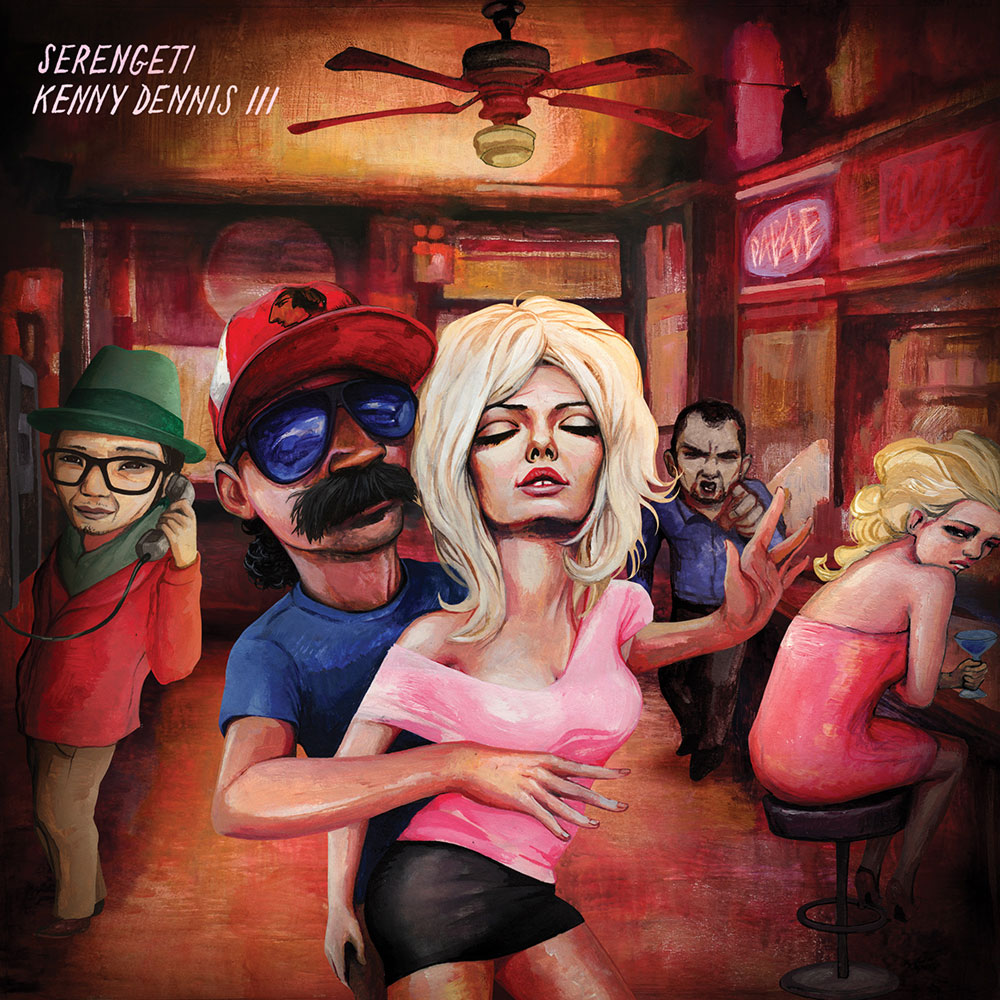
Serengeti: Kenny Dennis III (Joyful Noise)

I suspect with this particular persona of David Cohn (one he’s been exceptionally devoted to of late) that you’re either a fan or you’re not. I am, all the way, but after the opener, and just like last time, I’d like a little more rappin’ (and beats, too) and a little less talkin’. Then along comes Track 15: “Get Back to Rap.” Time: 0:26. After two plays, ‘Geti’s way with a story arc starts to get to you, and you start to realize you have to hear this as something other than rap.

shepp

Archie Shepp and the Attica Blues Orchestra: I Hear the Sound (Archie Ball)

Shepp’s exploring something here that hasn’t been mined enough–and he helped start it back in the volcanic ’60s. There’s very, very nice singing (including some rough vocalizing from Shepp), wise words, powerful large-ensemble playing, strings, and, of course, some free outbursts in just the right places, at just the right duration–and the kicker is the blend is very well-balanced and makes one hell of a statement, to me: keep hoeing this row. I wager it’ll age better than Shepp’s original Attica Blues, and there is plenty of room for more practitioners. By the way, it’s live, and that will stun you, because it’s studio sharp. It is also wonderfully rhapsodic, and, as your mind drifts back to the original Attica Blues release and its turbulent social context, you may find yourself in winding and interesting thoughts about what’s happened in between, and just what this records says about it. Note: some southern college marching band needs to learn “Mama Too Tight.”

OLYMPUS DIGITAL CAMERA

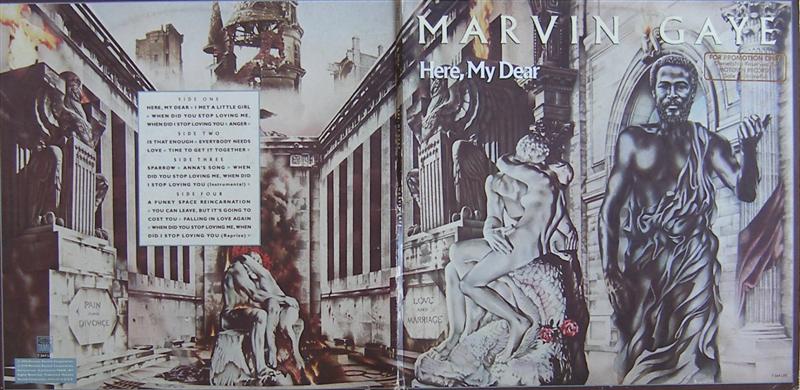
Marvin Gaye: Here, My Dear (Hip-O Select)

I bought this as a cut-out in the Eighties, then rebought it as a specialty reissue with a bonus disc of remixes, and I don’t know why, because both times it underwhelmed me. It’s Marvin relatively near the tragic end, wrasslin’ with divorce and debt, and opting to turn that into a concept album. The cover art seemed to be the best thing about it–biggest problem, I thought, was…it was musically boring. As so often happens, though, I brought it out to the truck (small cab, good stereo, just enough drive time to really concentrate), turned it up to about 7, and the vocals, lyrics, and nakedness wrassle the music (which is extremely well-played, it’s just not too varied melodically) into submission. Recommended to Kanye in about a year.

 Bob_Dylan_-_The_Basement_Tapes_Complete

Bob Dylan and The Band: The Basement Tapes–Complete (Columbia)

Many folks have been waiting a long time for this, and, by God, they did it right with the big box (in my humble opinion, they flubbed the budget version). Trouble is, to quote half a Marvin Gaye title from Here, My Dear, “it’s gonna cost you.” You’re gonna hear that it’s like a Van Gogh sketchbook (correct: and I must emphasize, with the pieces that got finished often bowling you over, in very noticeably improved sound). You’re gonna hear that Disc 6 is rough and a waste (incorrect: the whole disc is quite funny, moving, and listenable–250% better than Having Fun on Stage with Elvis Presley–and a few individual recordings are eternal). You’re gonna hear that the Americana genre was born here (correct, but don’t blame them, please, any more than you’d blame Gram Parsons or Ronnie Van Zant). I’m telling you now, and I hope you hear it, that if you can afford it and you’re a Dylanophile, do not think twice–it’s all right. Bonus: you don’t have to get rid of the ’75 Columbia release, as it has The Band tracks (not here–they weren’t “from the basement,” really), compressed sound that has its own virtues when compared to the opened-out quality here, and, in the long run, no necessity to be programmed in your CD player or ‘puter. I listened to the six discs consecutively, was ready to grimace, and never did. Notes and pics are cool, too.

Kabell

Wadada Leo Smith: The Kabell Years 1971-1979 (Tzadik) and Red Hill (Rarenoise)

Trumpeter Smith’s AACM pedigree and Mississippi roots would seem to have guaranteed he’d have been in my ear 25 years ago, but I first laid ears on him two weeks back. The former two-CD box captures him at what many adepts I know consider his peak, but he was a Pulitzer finalist for the ambitious and stunning multi-disc 10 Freedom Summers in 2012, and jazzbos are touting the latter as one of the best jazz platters of the year. Free is not everyone’s bag, and some would argue he’s not even all that free, but I’ll say this: he sounds to me like what would have happened if Miles had gone off the commercial rails in ’68 (don’t get me wrong: I LOVE WHAT HE DID AFTER THAT),  headed to Chicago, and decided to forego coke and groupies. Also, even when his groups are wiggin’ out (primarily on Red Hill, and his new pianist is very familiar with Cecil Taylor), Smith brings a very strong feeling of peace, serenity, and intellectual reflection to the attentive listener. On the strength of these two rekkids, he’s in my Top 10 Free/Experimental Jazz pantheon.

JLL

Jerry Lee Lewis: Rock and Roll Time (Vanguard)

Surely he has no gas left! After two straight pretty dang-good comeback records! Do you know who we are talking about here???? Opens with a conceptually perfect Kristofferson copyright, swings through some Killer meat ‘n’ potatoes, then–whaddya know?–sets Jerry Lee up with a Skynyrd song! It’s about fucking time. I’ve been dreaming for years of a producer ballsy enough to put together a set of songs from the likes of Ely, Gary Stewart, Ronnie Van Zant, Tony Joe White, Bobby Charles–writers tapped into the man’s main stream–and then sell it. This ain’t that, but it is very, very good, in fact, it has a Muscle Shoals vibe. The piano’s a little quieter–he is plagued by arthritis, though not in the fingers–but the voice is still there, and the mind definitely gets it. This makes me so happy I could gulp a handful of Black Mollys and buy a personal jet. Note: Rick Bragg’s new biography/assisted memoir is a perfect contemplative companion.

Last Home

Peter and Caspar Brotzmann: Last Home (Pathological)

Peter, a terrorist on the saxophone whose Machine Gun is probably the most balls-out recording of all-time, I knew about. He can indefatigably unleash torrents, but also shift into a surprisingly affective lyrical mode. Until this recording, I didn’t know much about Brother Caspar, who plays electric guitar. Suffice it to say that he holds his own with a later compatriot of his brother’s: none other than Sonny Sharrock. Maybe my favorite Brotzmann release, and thanks to the great Isaac Davila of Springfield, Missouri, for the loan.

Live+At+The+Oakland+Coliseum+Jimi+Hendrix+Exp++Live+at+the

Jimi Hendrix: Live at the Oakland Coliseum (Dagger)

After reading (many years after its release) and loving Charles Cross’ biography Roomful of Mirrors, I had to have me more Hendrix. And I already have a lot. In a long-ago article, an obscure critic named Robert Christgau mentioned this, from a series of official bootlegs released by the Hendrix estate, as something he liked, but warned about the sound. Dagger didn’t put these in stores; you had to get ’em straight from the site, which it looks like you still can. I took the plunge, and, I have to say, across two discs of a surprisingly professional audience recording, Hendrix and band are on. For a bootleg, it’s a B+/A-, and if you are a diehard, I seriously recommend it. 18 minutes of live “Voodoo Chile”? Say no, I dare ye.

Electric Spank

Funkadelic: The Electric Spanking of War Babies (Warner Brothers)

This early ’80s offering from the mind of Dr. Funkenstein and his crazed collaborators has gotten lost in the shuffle, with ’70s albums like One Nation Under a Groove garnering most of the laurels. I myself, upon first purchasing it when it was released, thought it was a mess, slightly unworthy of its not-exactly-tidy predecessors. After reading George’s purty-good/not-bad memoir, I slapped it on for the first time in years, and came away thinking, “This is consistent“–that is, consistent in the mode of Uncle Jam. So, if you’ve read the memoir, and you’ve never got out of the Seventes with ’em, and you’re in need–here, my dear. Highlights: slogans, as always (“When you/learn to dance/you won’t forget it!”); post-Hendrix guit (not quite enough, but oh well); Sly Stone’s last coherent offering; Pedro Bell’s album art; reggae that works; prescient commentary on “The Greatest Generation.” We love you, George.

Shapiro

Paul Shapiro: Shofarot Verses (Tzadik)

I feel like describing this record the way you would a gourmet meal (OK, maybe the record isn’t that good, but it’s very good): hints of klezmer, overtones of Lee Allen and Earl Bostic, and a backbone (OK, that’s not a gourmet term) of Marc Ribot, 2014 instrumentalist of the year, name your category as long as it isn’t classical. Recommended strongly to practicing Jews who may wonder where their cultural influence has gone.

NC 45

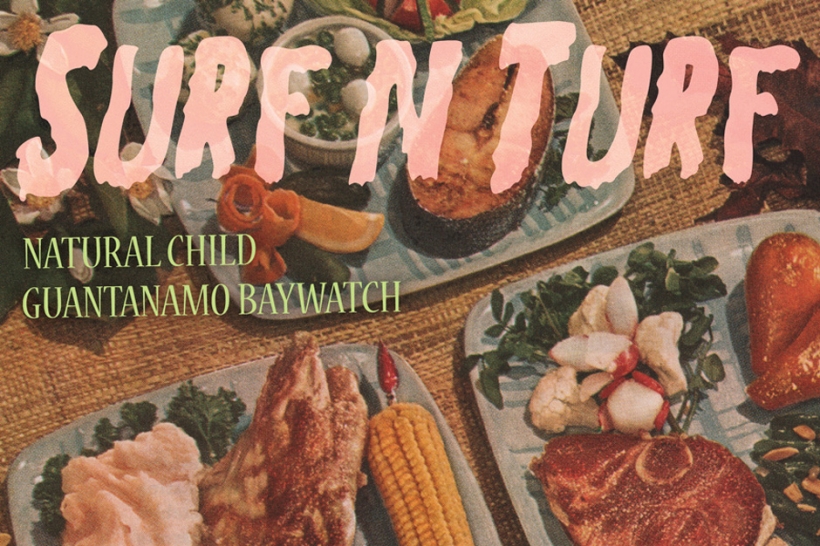
Natural Child: A bunch of 45 and digital EP tracks that ought to be collected (Infinity Cat, Burger, et al)

If you actually read me, you know (or suspect) I will go to my grave fighting for these Nashville boys, who, without a goddam doubt, have been shortchanged by the “indie” “rock” press. Pitchfuck, you are in the scope; you’ll review Beyonce, and not these guys? But. No matter. I myself confess that if you’ve only bought their albums, you don’t know the half. Their early singles, represented either by (usually digital) EPs or 45s (two split), contain the essence by which you can truly appreciate the later records. “Shame Walkin'” (about a dude that doesn’t want to fuck, but feels he has to), “Nobody Wants to Party with Me” (flipside of the paradigmical rock and roll night), “Mother Nature’s Daughter” (best Neil Young imitation ever–in fact, it ain’t no mere imitation!), ” Dogbite” (perfect song for wanting to get the hell out of wherever you’re stuck), “Gas Station” (a Liquor Store cover that they have to have completely identified with, given their touring ways), “Crack Mountain” (“I just want to smoke crack with my friends!”), “Easy Street” (to quote the New York Dolls: “If I want too many things/Well, I’m a human being!”), “Cougar” (seriously, these guys don’t just want to get laid), “Don’t Wake the Baby” (from the above-pictured 45, the bleariest, most tequila-soaked, but most charming one-night-stand song of all-time), “The Jungle” (a great spontaneous hootenanny): folks, their greatest album isn’t an album. This is a call to collect the singles, then dare Pitchfork, Pop Matters, Expert Witness (yeah, YOU, Christgau) to say no. I am not WRONG. Seen ’em four times in four different cities, listened to everything they’ve ever put out thrice over, I am fifty-fucking-two and have listened to music AVIDLY for forty-two of them. I am not WRONG. You know what you have to do, people.

annarbor

Various Artists: The Ann Arbor Blues Festival 1972 (Atlantic)

Hound Dog Taylor, Sun Ra, Otis Rush, Sippie Wallace (abetted by Bonnie Raitt), Junior Walker, Bobby “Blue” Bland, Koko Taylor, Dr. John? In great fidelity? In great form? Wait–Sun Ra’s in there? Yeah. And the pretty-free CJQ. Oh, did I mention…Howlin’ Wolf and Muddy Waters? With John Sinclair as a kind of liner-note MC? I know: where has this record been all your life? Personally, the only other festival I’d rather have been at would be Monterey.

BillyBang

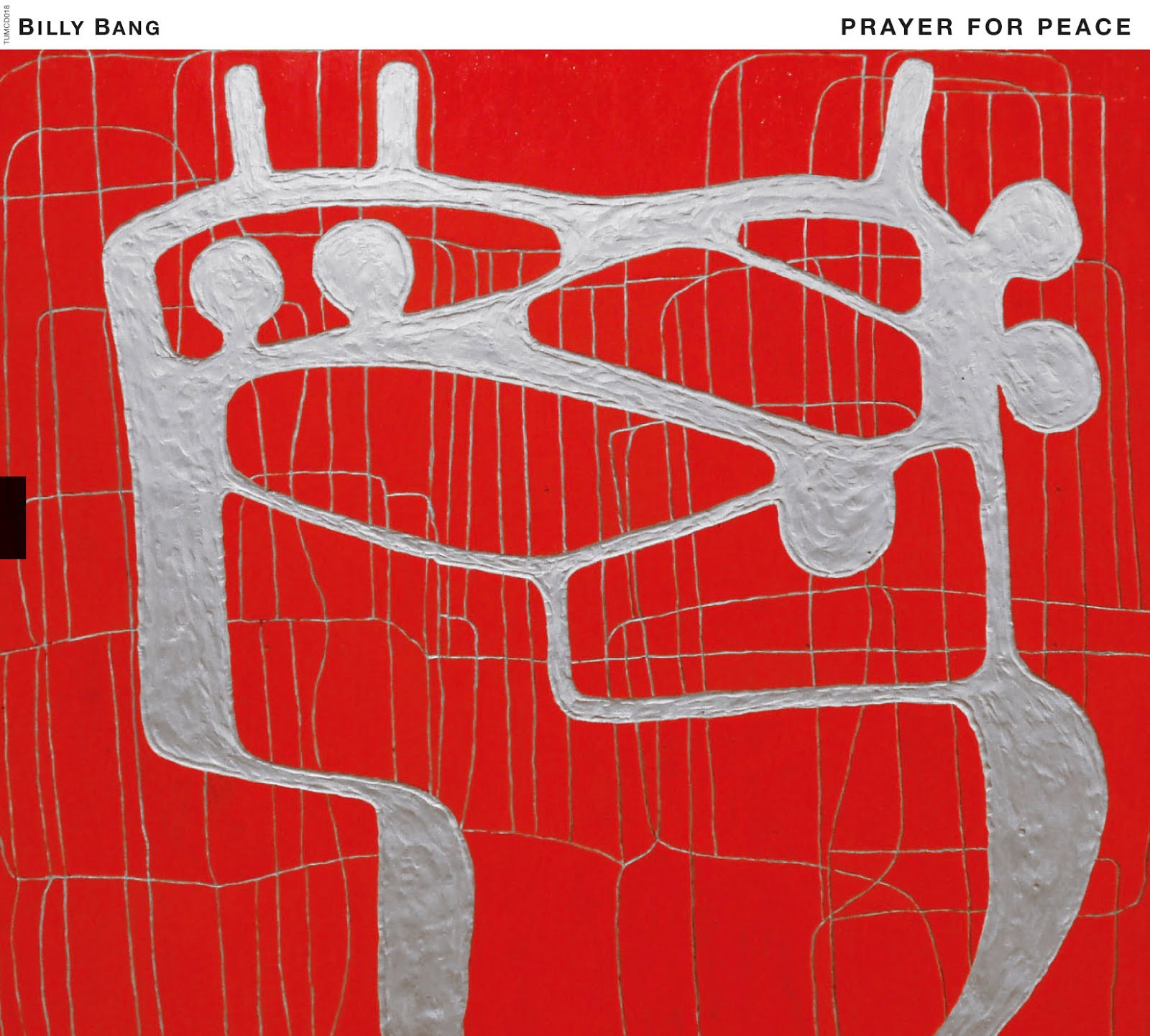
Billy Bang: Prayer for Peace (TUM)

I miss Billy Bang dearly. One of the greatest jazz violinists of all-time (saying something, because there’s Fiddler Williams, Stephane Grappelli, Ray Nance, Leroy Jenkins, and Bang’s great model, Stuff Smith) not only never made a bad album, but a) could swing a lot of jazz directions, and b) as befitting his being a veteran of the Vietnam War, always had something to say about peace. This fantastic record is not as wide-open as some of his others–the perfect invitation for the hesitant–but it’s deep, and, while Bang’s playing is as moving and richly-toned as usual, miraculously encompassing his scarring and his commitment to transcend it, trumpeter James Zollar almost steals the record from him. Bonus: they cover, and cut, the Buena Vista Social Club.

Negativland

Negativland: It’s All in Your Head (Seeland)

Navigate to that label’s website, and you can order this cheap two-CD set, which comes encased in a King James Bible. Disc one’s Christian; disc two’s Muslim, with a slash of Judaism. Both sides are undercut by a voice screaming “There is no God!” and a seeming four-year-old explaining why God doesn’t make sense. Woven throughout are some experts struggling to reconcile religion with science, and other patiently dismissing it. These warriors have been quiet for awhile, and it may come as a surprise to some listeners that it’s a live performance. The title is the concept, and, while it’s not as musical as past releases, in many ways it’s just as liberating. Recommended to Neil DeGrasse Tyson and his army.

Buck and Buddy

Buck Clayton and Buddy Tate: Buck & Buddy/Blow the Blues (Swingville/Original Jazz Classics)

Basie buddies, veterans of the big band territory wars and numerous harrowing car and bus tours that would have brought today’s players in any genre to their knees, Clayton and Tate, on this terrific two-fer-one, swing in a blue mood. The musical equivalent of your grandfather schooling you on the front porch, just before bedtime. Buck wields trumpet, Buddy a very Texas tenor. You know? If you just don’t get jazz, how about starting here? Nothing to get, everything to feel.

Trio3

Trio 3 (with Vijay Iyer): Wiring (Itakt)

The big attraction is three crafty African American veterans–one, Oliver Lake, with a St. Louis Black Artists Group pedigree; one, Reggie Workman, a former Trane sideman; one, Andrew Cyrille, a compatriot of Cecil Taylor and David Murray–and a (relatively) young South Indian, Vijay Iyer, laying into a Trayvon Martin suite.  But the record as a whole is my favorite small-combo jazz record of the year. To my mind, this particular gathering is an event, and, in no small way, an elevation of Iyer to the masters’ mantle.