
JUNE 2024–Halfway There: 10 Newish Albums I Lived to Listen To + My 10 Favorite Jazz Albums of 2024 So Far + Encounters with Old Reggae

I really don’t have much to write this month. My mind feels paralyzed; at least my ears are working. Also, I am behind due to being distracted by non-new musical explorations, as you will see. Thus, I am just going to make three lists (this will help me get to THIS faster, too–I need it and I hope it’s great, but I can’t really listen to it until I’m done here).

The 20 Best Albums Released in 2024 That I First Heard This Month (in alphabetical order, but * = really kicking my butt)

Arooj Aftab: Night Reign (Verve)

*Christer Bothen Featuring Bolon Beta: Trancedance—40th Anniversary Edition (Black Truffle reissue)

*Alan Braufman: Infinite Love Tears (The Control Group / Valley of Search)

Jonas Cambien: Macu Conu (Clean Feed)

Charli xcx: BRAT (Atlantic)

*Cosmic Psychos: Go the Hack (Goner Records reissue)

Janel [Leppin] and Anthony [Pirog]: New Moon in the Evil Age (Cuneiform) (The “Janel disc” rools, although they are both on all of it.) (Wait, I said I wasn’t writing.)

*Kronos Quartet: Outer Spaceways Incorporated (Red Hot Org)

*Corb Lund: El Viejo (New West)

*Willie Nelson: The Border (Sony Music)

*Nestor: Teenage Rebel (Napalm Records/Handels GmbH) (I would have hated this in my 20s, in its way its allegiance to the laws of 1980s hard rock–passionate allegiance!–is stunning.) (I’m writing!)

Ngwaka Son Systeme: Iboto Ngenge (Eck Echo Records)

Hermeto Pascoal & Grupo: Pra voce, Ilza (Rocinante Records)

Sexyy Red: In Sexyy We Trust (Rebel/gamma)

Sisso & Maiko: Singeli & Maiko (Nyege Nyege Tapes)

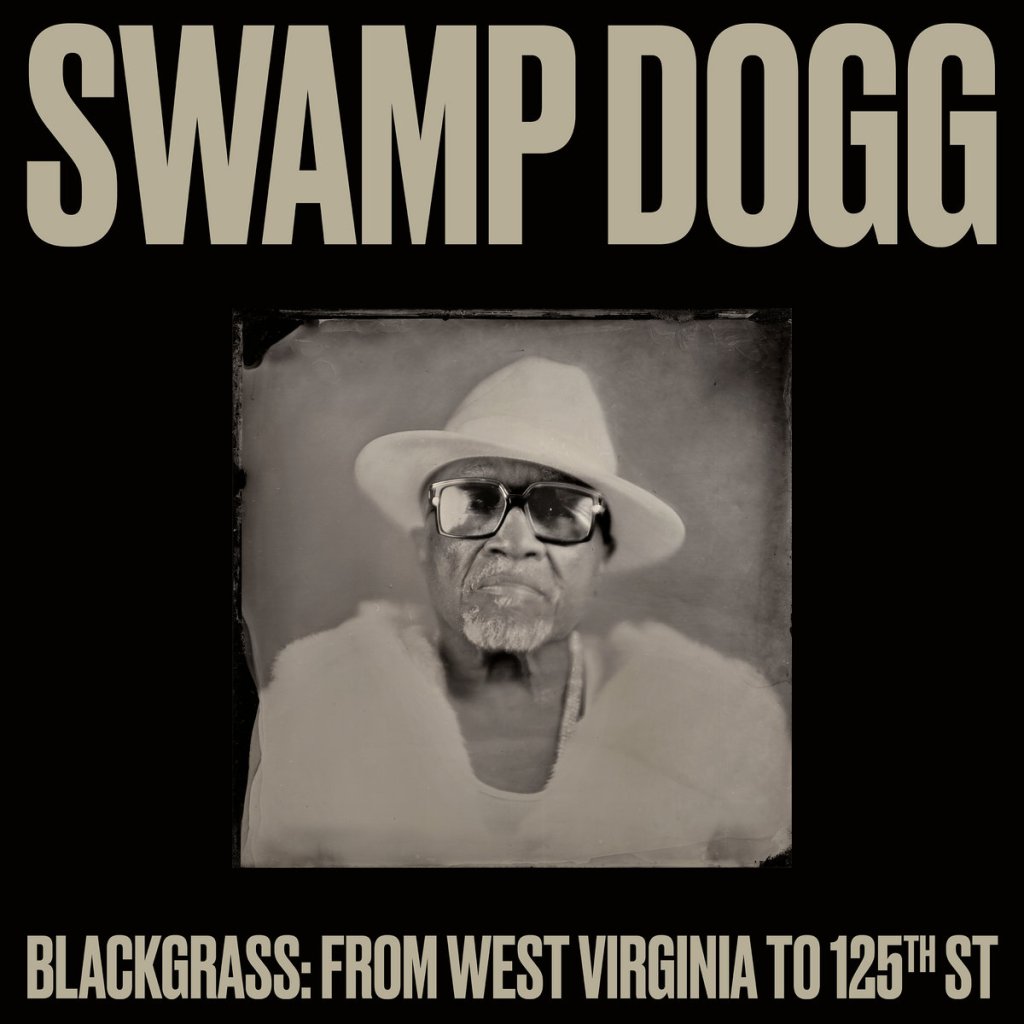
*Swamp Dogg: Blackgrass—From West Virginia to 125th Street (Oh Boy! Records) (I’ve LONG been a fan but this is by far his best record in many moons.)

Rapsody: Please Don’t Cry (We Each Other, Inc. / Jamla Records / Rock Nation Records) (jeeze lou-eeze, even the label/s is/are lonnnng!)

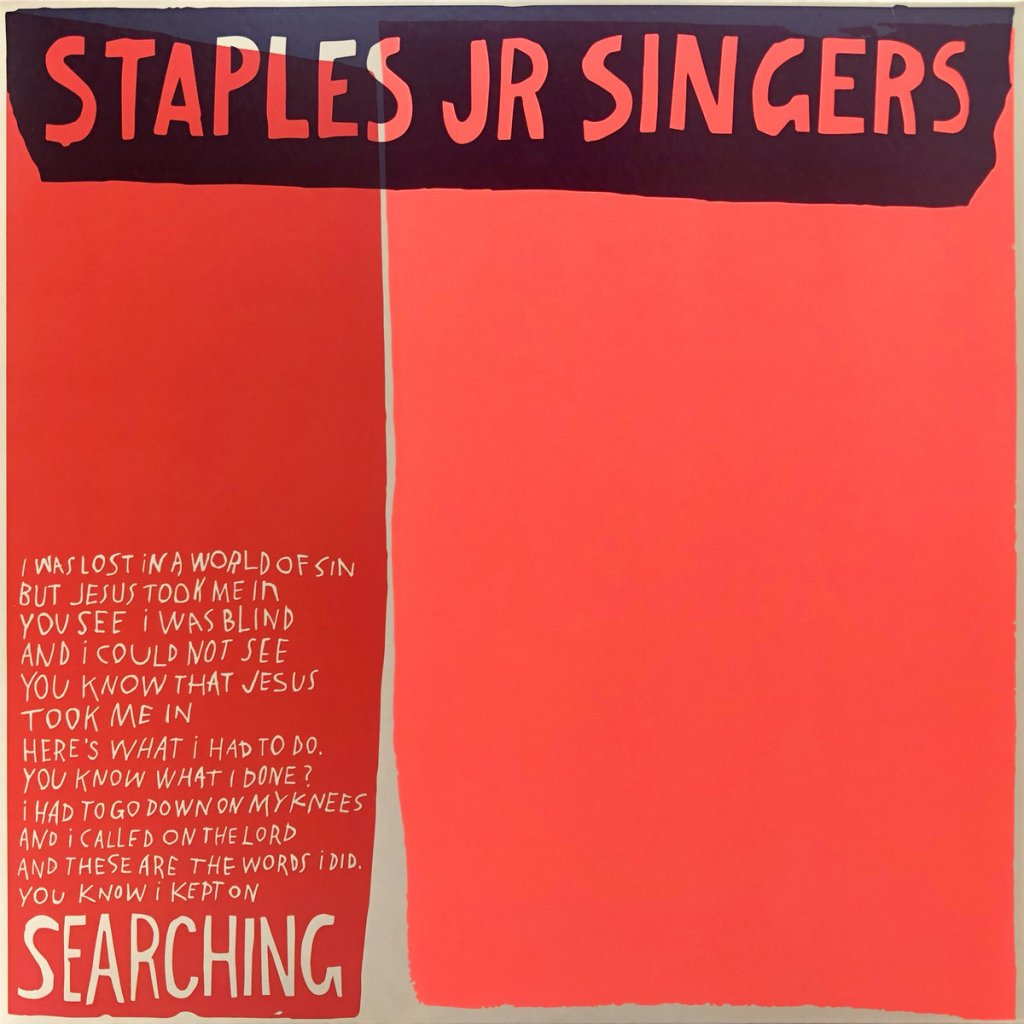
Staples Jr. Singers: Searching (Luaka Bop)

Esy Tadesse: Ahadu (FPE Records)

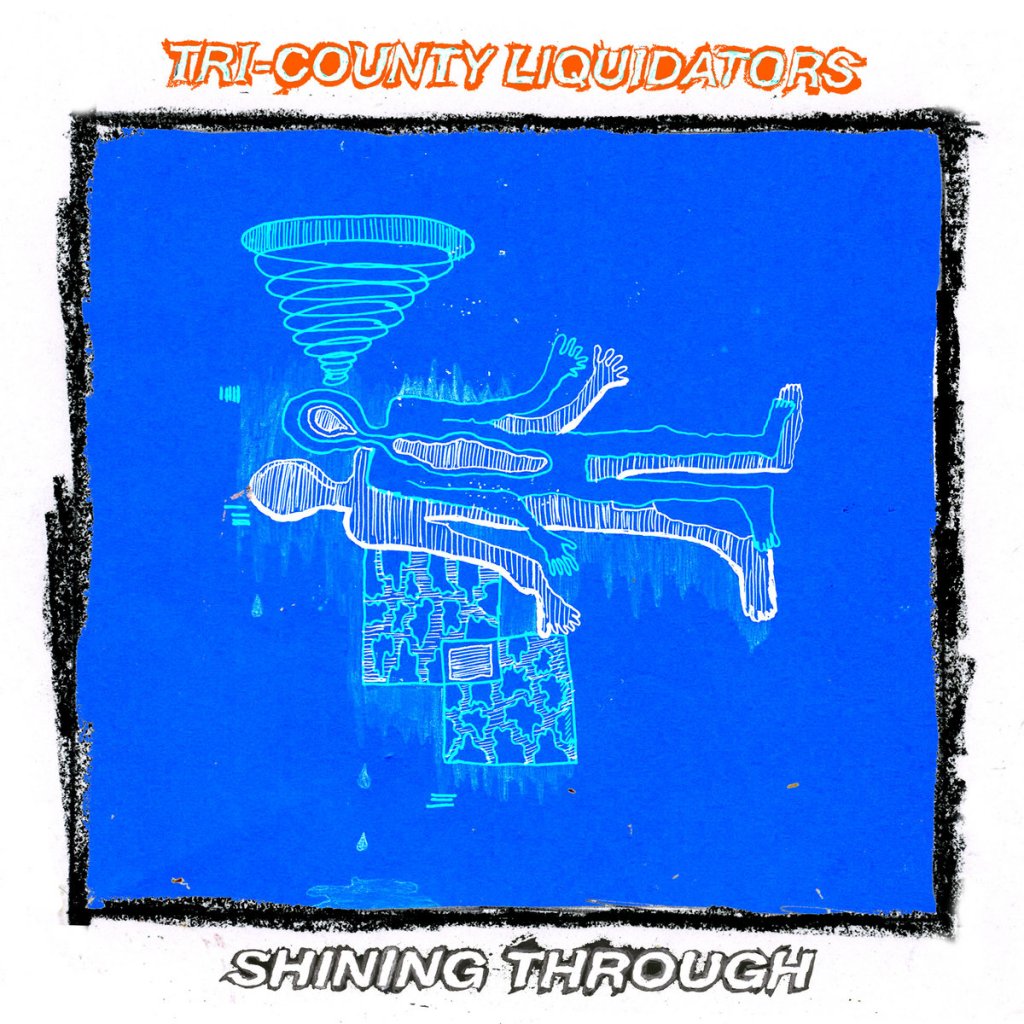
*Tri-County Liquidators: Shining Through (Hitt Records / Big Cartel EP) (Columbia, MO, locals’ follow-up to an impressive debut shines)

My Top 10 Favorite Jazz Albums of 2024 (In order of preference)

Bill Orcutt Guitar Quartet: Four Guitars Live (Palilalia)

Miha Gantar: New York City (Clean Feed)

Amaro Freitas: Y’Y (Psychic Hotline)

Satoko Fujii Trio: Jet Black (Libra)

QOW Trio: The Hold Up (Ubuntu)

Fay Victor:  Life is Funny That Way—Herbie Nichols Sung (TAO Forms)

Acceleration Due to Gravity: Jonesville (Hot Cup)

Alan Braufman: Infinite Love Tears (The Control Group / Valley of Search)

Kronos Quartet: Outer Spaceways Incorporated (Red Hot Org)

James Carter: UN (JMI Recordings)

5 Stellar Jazz Excavations from 2024 (in order of preference):

Sonny Rollins: Freedom Weaver–The 1959 European Tour Recordings (Resonance)

Sun Ra: Excelsior Mill (Sundazed / Modern Harmonic)

Mal Waldron & Steve Lacy: The Mighty Warriors Live in Antwerp (Elemental Music)

Art Tatum: Jewels in the Treasure Box—The 1953 Chicago Blue Note Jazz Club Recordings (Resonance)

Christer Bothen Featuring Bolon Beta: Trancedance—40th Anniversary Edition (Black Truffle)

OLD REGGAE ALBUMS I’D NEVER HEARD BEFORE WERE MY JUNE SALVATION!

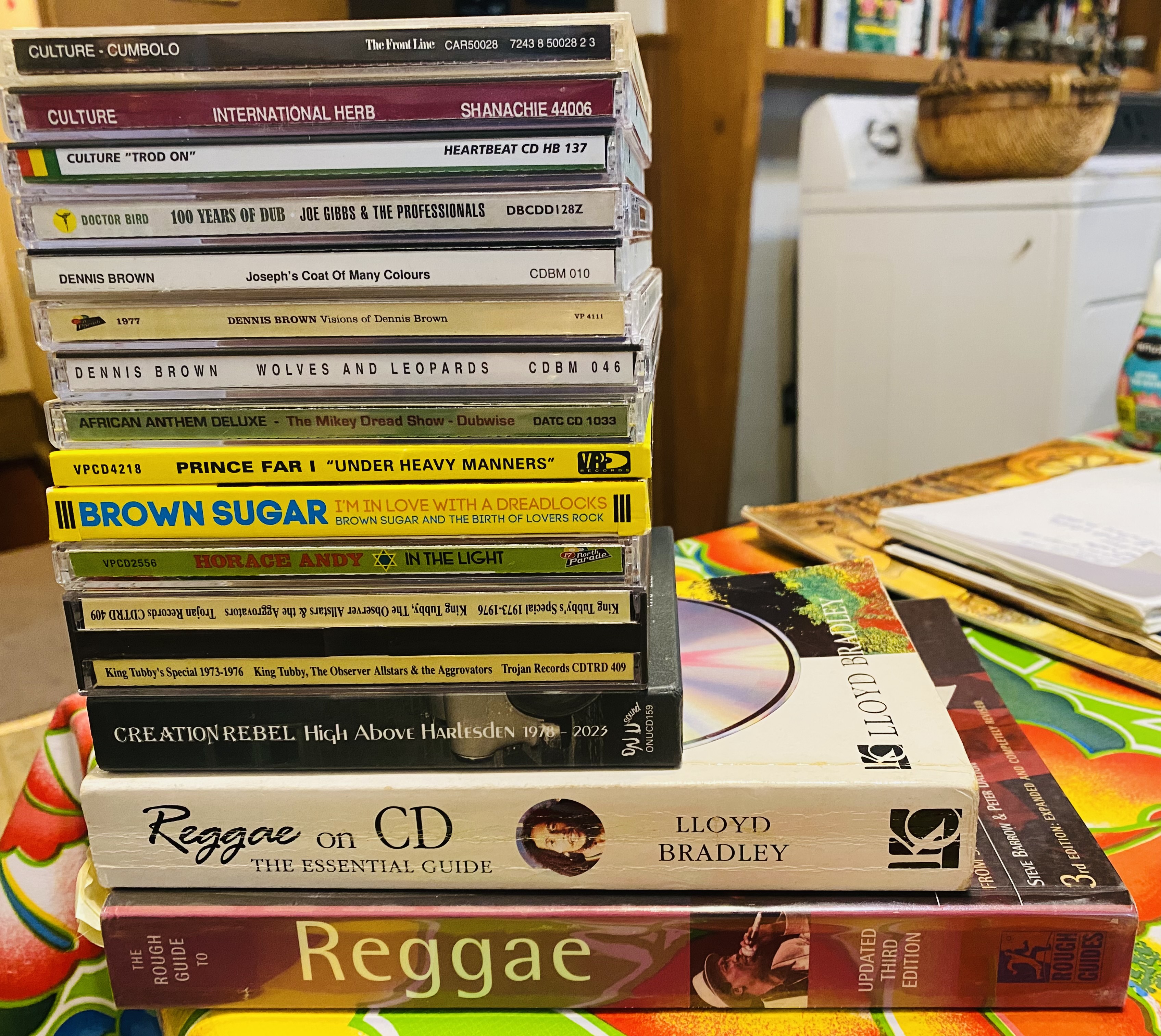
It was all triggered when I rather randomly chose to read Alex Wheatle‘s memoir, Sufferah. Wheatle’s childhood experiences inspired one of the best episodes of Steve McQueen’s limited series Small Axe, all of which I thoroughly loved. Reggae songs were extremely important to Wheatle’s survival as a youth, and he mentioned so many I didn’t know (and I’m pretty well-informed) that I made a playlist as I read (which I accidentally deleted yesterday!). Unsurprisingly, the best of those songs led me to research the albums from which they came via two excellent out-of-print reggae guides, one by Lloyd Bradley, the other by Randall Grass, both acknowledged genre adepts. While researching those, I bumped into non-Wheatle-related records I’d somehow missed. That resulting research led me willy-nilly to Discogs, where–oh hell, I’ll just take a picture. This is the life of a music fanatic folks!
Good to My Earhole: Bo Dollis, Jr., and The Wild Magnolias’ A NEW KIND OF FUNK

bodollisjrandthewildmagn

Technically, this record is a 2013 release (it came out last September), but, if’n I get a chance to vote in any record polls in 2014, it’s sure to be in my Top 10. My decision will be justified: it’s on a tiny New Orleans label (One More Time), it’s distributed by CDBaby, it features no mega-stars, it arrived with no hoopla (when I bought my copy at Louisiana Music Factory in New Orleans, the very well-seasoned owner couldn’t even get excited about it when I asked about it), and, well, it’s out of New Orleans, the still-fabulous music scene of which may be back in the public eye thanks to Treme but still gets very, very little critical love and mainstream coverage. So: we may as well call it a 2014 release.

Now that I’ve expended a paragraph on a barely-necessary justification…some background. Dollis is the son of one of the most legendary big chiefs in the Mardi Gras Indian tradition, the chief, in fact, who sang lead on the 1970 45 “Handa Wanda,” the first commercially released Indian chant. That single was the first of three significant such releases of the decade, the others being long-players released by two competing tribes, The Wild Magnolias (1974) and The Wild Tchoupitoulas (1976). If you’ve never heard ’em, they feature some of the straight-on greasiest funk of their time, with P-Funk, riot-era Sly, and JB its only equal. Each record features only traditional Indian chants, with only two overlaps, and those so differently arranged you might not notice; these chants deserve your attention, because their subtext is defiance, bravery, and endurance, themes that at this point in America’s racial history have gained deeper, more painful, and more inspiring resonance. Each record features a different famous force of funk: on Magnolias, the great guitarist Snooks Eaglin, who might pre-date JB in his history with the style; on Tchoupitoulas, the quirky and inventive Meters drummer Ziggy Modeliste. Each record features a local-legend producer: the ’74 record, Willie “Thank You, John” Turbington, the ’76 record Valhalla-bound songwriter/pianist/arranger Allen Toussaint. Each record, my friends, is a stone classic. Unfortunately, as far as your average music consumer is concerned, that would seem to be the end of Mardi Gras Indian music on record. However, there has been a steady stream of these records released across the last three decades, from further releases by Dollis, Sr., and his Wild Magnolias as well as the Golden Eagles tribe in the ’80s (they received a smidgen of roots-music ink) to the extremely obscure but excellent 1997 Flaming Arrows’ Here Come the Indians! and the vaguely 21st-century set of tracks laid down by the Hundred & One Runners on the tiny Mardi Gras Records’ 2012 Best of New Orleans Mardi Gras Indians. Like Western swing, this little subgenre seldom fails to deliver pleasure, delightful camaraderie, and the urge to get the hell up and dance.

Which finally brings us to the release in question. In view of both the general lack of consumer and critical attention given to Mardi Gras Indian music and the historical evolution of the subgenre, the record is a very significant one. Bo, Jr. and his producer Joe Gelini have achieved a rare trick: usually, when an artist or producer tries to “rock up” a non-rock genre, the result is a tasteless, unsubtle, desperate aural brew that disappoints everyone involved, specifically including listeners; here, the frequent dabs and splashes of guitar crunch, supplied by St. Louisan Mike Zito and Brothers’ son Devon Allman, are nicely accompanied by deftly mixed and soulfully played dobro, fiddle, piano, and horns (none familiar aspects of the subgenre), as well as the usual funky percussion and tambourine. The intelligence and touch behind the conception, playing, and production, best exemplified by the Dollis’ opening “We Come to Rumble,” makes A New Kind of Funk the best chance yet for Mardi Gras Indian music to jump off the island of esoterica onto the mainland of Americana. That is, if the project had more commercial and media support behind it–a guy can dream. Also, Dollis’ decision to weave in his own originals and Indian-style covers of classic New Orleans jazz (“Tootie Ma,” “Little Liza Jane”), r&b (“Hey Now, Baby” featuring fine Professor Longhair-style piano from Tom Worrell), and soul (a not-entirely-successful “Everything I Do Gonna Be Funky”) with traditional battle cries like “Fire Water Big Chief Got Plenty” and “Hell Out the Way” pays off big in two ways, appealing honestly to outside fans as well as expertly connecting four Crescent City musical traditions–and helping to keep the music in a state of evolution.

A New Kind of Funk is an exciting, spirited, and various set that deserves much more attention than it likely will get, and it comes at a time when the tribes are struggling to keep that ever-infernal “younger generation” interested in their rich history of exuberant and stylish resistance. If the kids followed that history back to mid-1800s Congo Square, where it started, they might just discover it is the wellspring of their music. And, oldsters, you might find it’s also the wellspring of yours. If you do buy this album, and like it, please please please go right on ahead (or back, I should say) to The Wild Magnolias and The Wild Tchoupitoulas. You will feel the fire of a sound that’s kept folks off their knees for a long, long time.