











‘Twas hard to squeeze in extended and deep listening this month, what with a long and much-needed vacation in Dauphin Island, Alabama, and difficult family matters, but I hung in there. The beach, two rounds of fresh shrimp off a Bayou Le Batre fishing boat, ample portions of Blue Moon, tons o’ time spent with my very best friends and my beloved (I was the house DJ but stuck to old favorites from our past for the most part–along with Fox Green’s new album*), two great audiobooks that cut the feeling of a long-ass drive in half [Tommy Orange’s Wandering Stars and James McBride’s The Heaven and Earth Grocery Store (still only 67% finished, so don’t send me any spoilers)], and a late-breaking political surprise have done wonders for my mood. And just finishing Ann Powers’ neat Joni Mitchell book led to that estimable music critic’s possible engagement with an upcoming class of mine, during which the students will read, write, and talk about Powers’ equally sterling tome, Good Booty! I need to quit being so emo on this blog….
OK, to the music: lots of new jazz, a clear-cut AOTY possibility which may surprise my handful of readers (don’t sleep on Corb Lund*!), a face-punch of an envoi from X, a fresh blues/r&b voice from (of all places) Memphis. Dig in!
Recorded in 2024
Note: If listed as “self-released,” know that I tried.
[ahmed]: Giant Beauty (fonstret) – When I came back from vacation, news of this somewhat mysterious multi-national improvisatory unit’s five-disc exploration of bassist Ahmed Abdul-Malik’s work piqued me as deeply as I can be piqued, then I discovered they were damned serious about their journey and exciting in making it–then, while prepping this post, I listened to their 2023 Abdul-Malik quest Super Majnoon and it might just be better.
Charles Gayle / Milford Graves / William Parker: WEBO (Black Editions) – Gayle could wail, Graves kept all collaborators on their toes with his nimble mind, feet, hands, and heart (both men have gone to meet ‘Trane), and Parker remains simply the reigning master bassist in jazz, so this 1991 concert–the trio seldom recorded together–is special.
John Escreet: the epicenter of your dreams (Blue Room Music) – The above two records roar, and with everything going on in our world they might be too much; however, the fleet inventiveness of Brit pianist Escreet, who’s worked with players ranging from Dr. Tyshawn Sorey to Floating Points, might be more up your alley, especially with Mark Turner, a kind of 21st century Lester Young, flowing beside him on tenor.
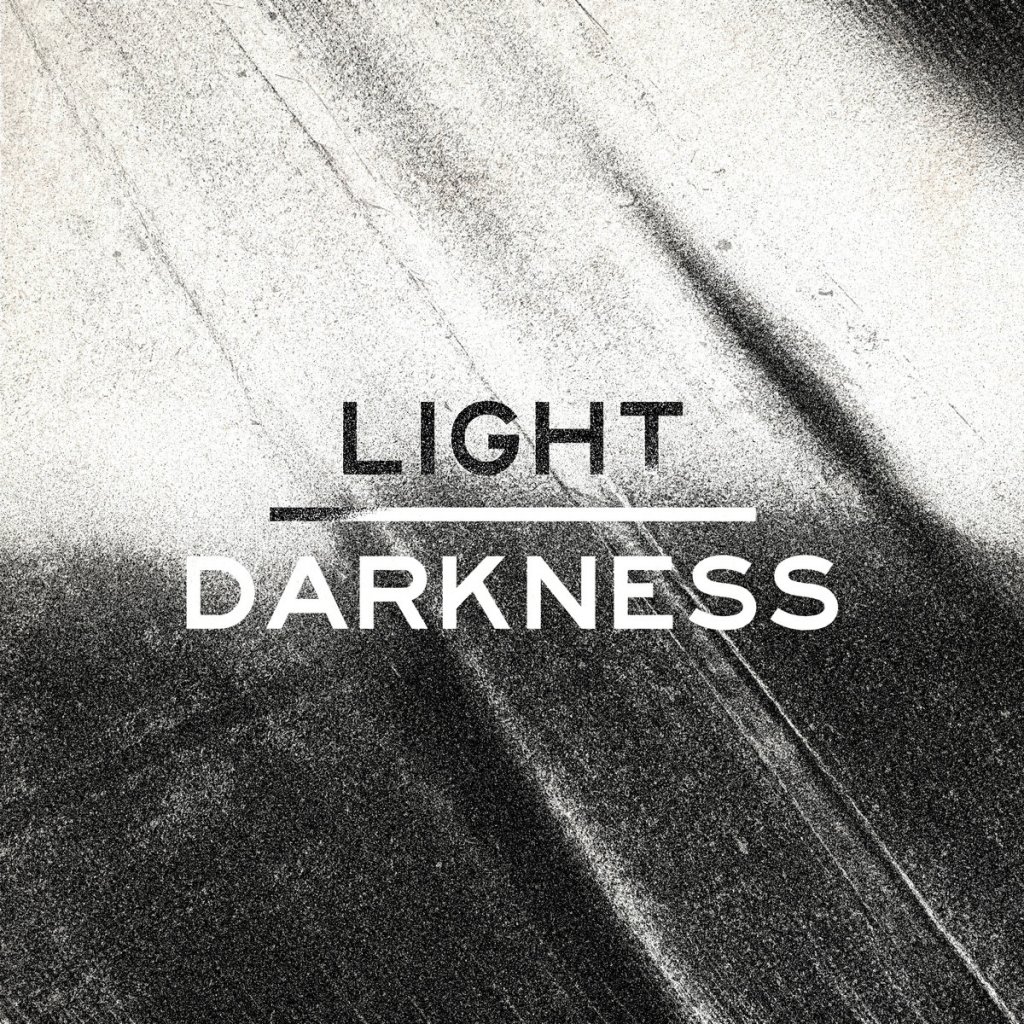
Fox Green*: Light Over Darkness (self-released) – I once yelled in a garage band in Fayetteville, Arkansas, and, if we’d been able to stay together over time, considering what we have otherwise ended up doing with our lives, I’d like to think we could have (only) come within spitting distance of this smart Little Rock Americana-rock unit–and have been proud of that.
Boldy James & Conductor Williams: Across the Tracks (self-released) – I’ve tried with Detroiter James’ last few albums, and they’ve just taken me halfway there, so it’s funny that, among other things, cameos from very young guest MCs put this over for me.
Janel Leppin: Ensemble Volcanic Ash—To March is to Love (Cuneiform) – This is cellist/composer Leppin’s second excellent album of 2024–the first was the wonderfully spacy New Moon in the Evil Age, a duet with her husband Anthony Pirog on which she also sings–and its wide-ranging sounds are anchored by the justifiably ubiquitous bassist Luke Stewart, who along with Leppin is making a run at Jazz Musician of the Year.
Corb Lund*: El Viejo (New West) – This is an AOTY-worthy country concept album about gambling–not simply with a hand of cards–and Lund’s writing (he has occasional assistance) and his band’s living-room playing are astoundingly sharp.
Charles McPherson: Reverence (Smoke Sessions) – Along with Bobby Watson, McPherson is one of the last of the great Charlie Parker torch-carriers, though here he demonstrates that he’s learned plenty of other moves in his eighty-five years on the most recent of a shining run of records…and I get to see him live in a few months!
Moor Mother: The Great Bailout (Deluxe Edition) (Anti-) – Camae Ayewa never takes a historical prisoner, and this is one of two excellent and musically complex Afrofuturism-meets-Europastism records of 2024 (the other being Red Hot Org / Kronos Quartet’s Sun Ra tribute Outer Spaceways Incorporated)–but for that you have to get the deluxe version.
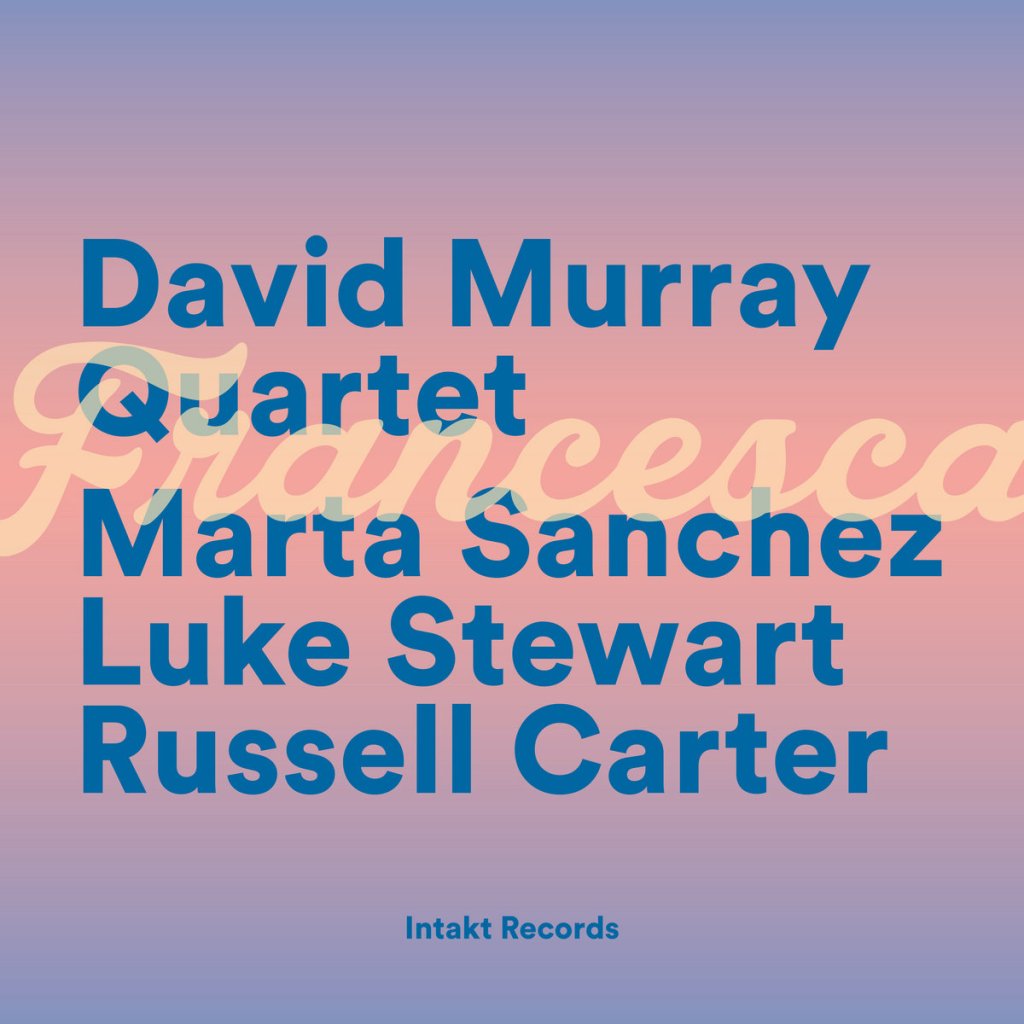
David Murray: Francesca (Intakt) – Twenty years ago, poring over jazz record guides and hunting down a myriad of terrific Murray releases on DIW, I just knew this guy couldn’t keep up such prolific musical fecundity for much longer….
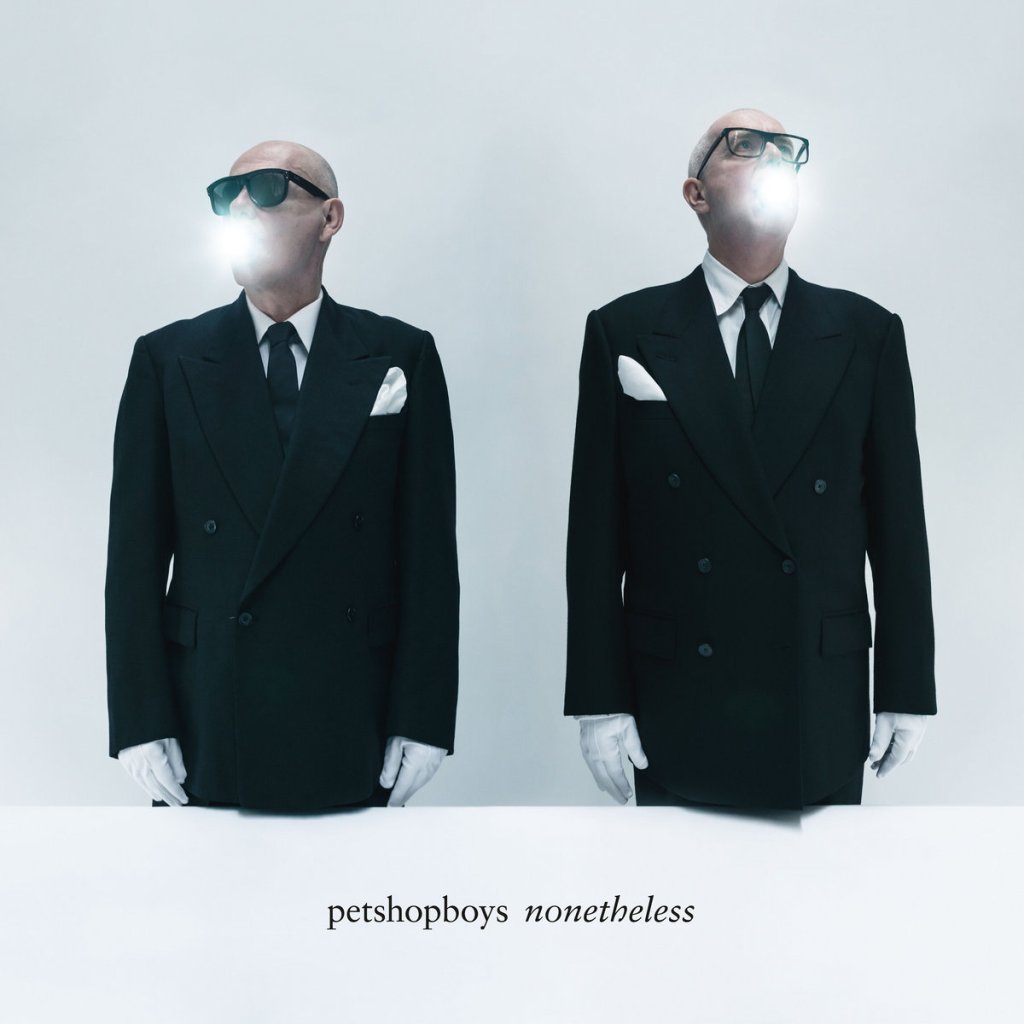
Pet Shop Boys: Nonetheless (Parlophone) – The limited series It’s a Sin, which I took in several years ago, sent me back to luxuriate in the power, wit, and effervescence of the first PSB albums, and, though the world has taken a toll on the last of those, and though “wit” seems too light a word for the wisdom on display here, they remain…unbowed.
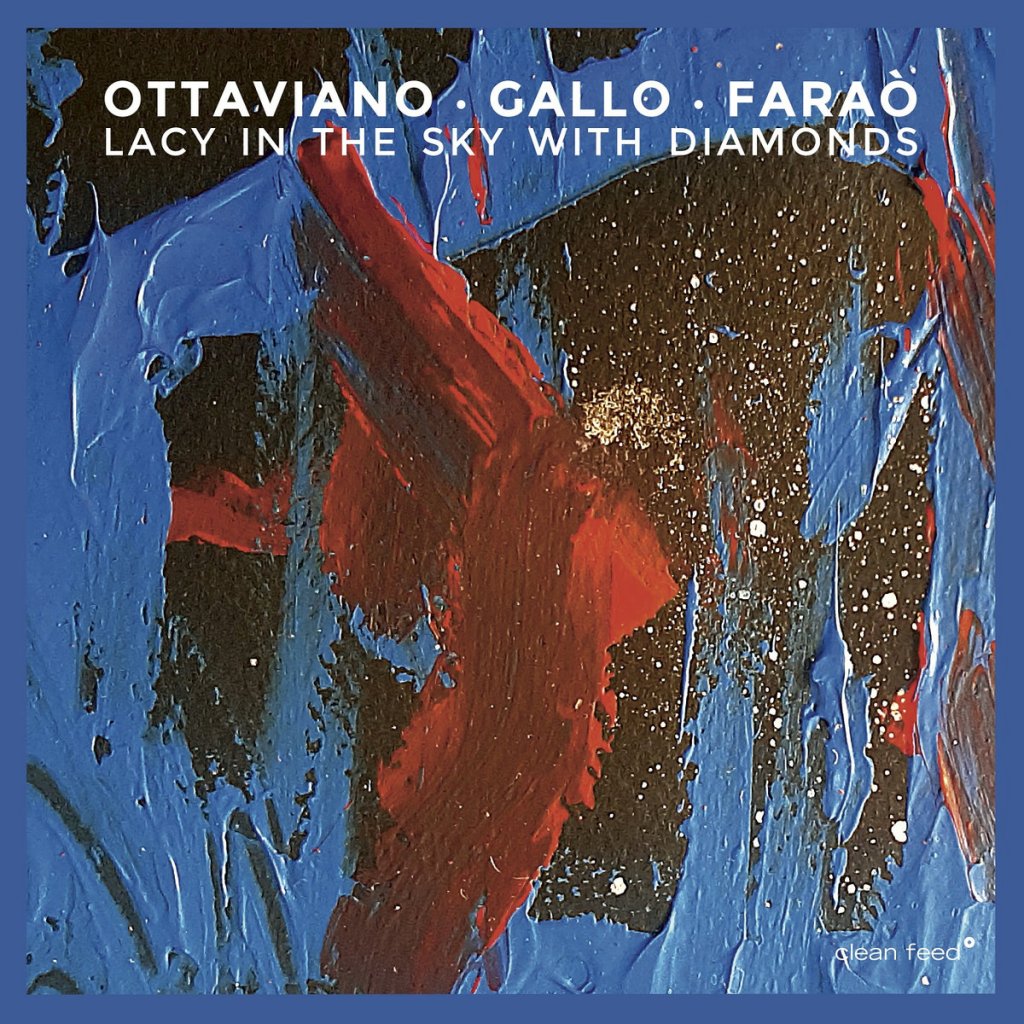
Roberto Ottaviano: Lacy in the Sky with Diamonds (Clean Feed) – Jazz fans familiar with the other Steve Lacy probably won’t think that’s a terrible title–the band’s aim in this tribute is to write the mighty soprano saxophonist’s name in the sky, and they nail it, especially the leader.
Red Kross: Red Kross (In the Red) – They definitely still got it, and I really hear prime Raspberries in this one.
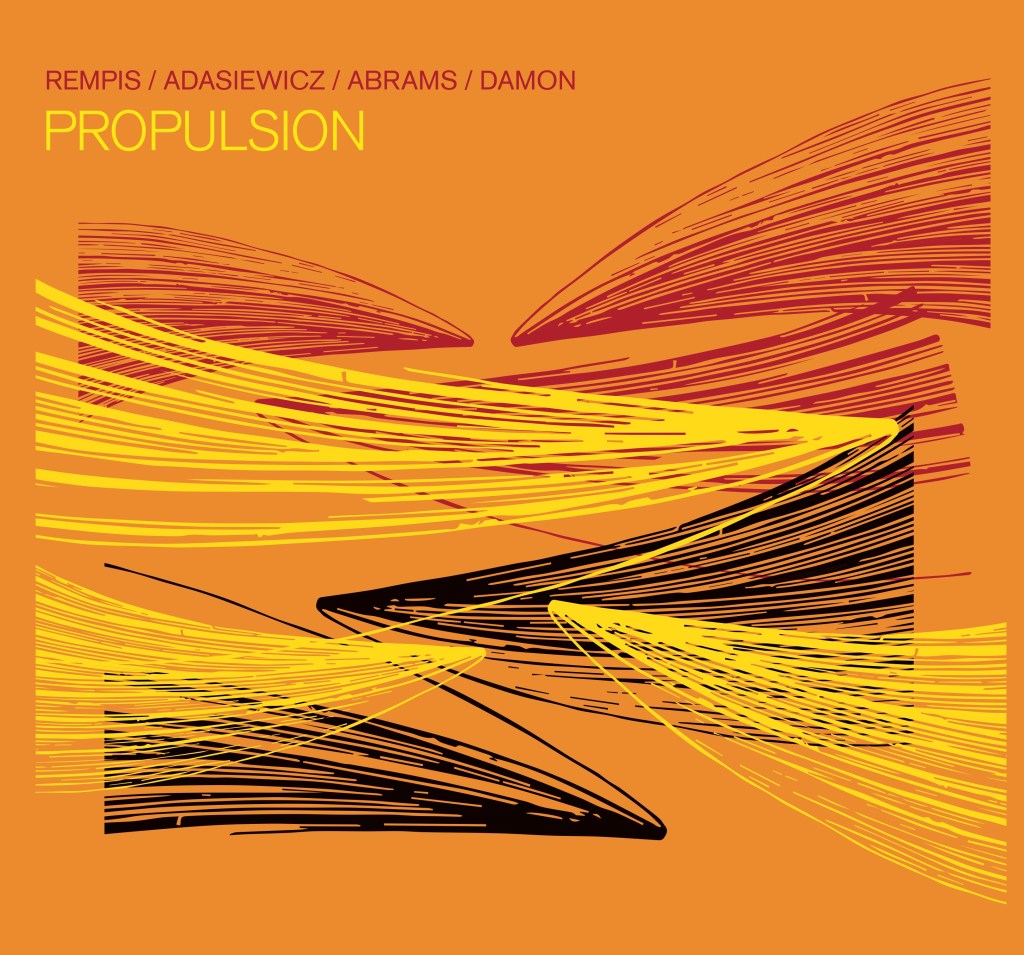
Rempis / Adasiewicz / Abrams / Damon (coming in October): Propulsion (Aerophonic Records) – All four of these men are superior improvisors, but Jason Adasiewicz, who last year transformed AACM star Roscoe Mitchell’s compositions into something completely different on an album of his own, is the star, laying a calming bed of imaginative, evocative vibes underneath the others’ blooms of sound.
Chappell Roan: The Rise and Fall of a Midwest Princess (Atlantic) – Straight outta Willard, Missouri, an unfettered soul that has not a little in common with none other than Little Richard–yeah, I said it!
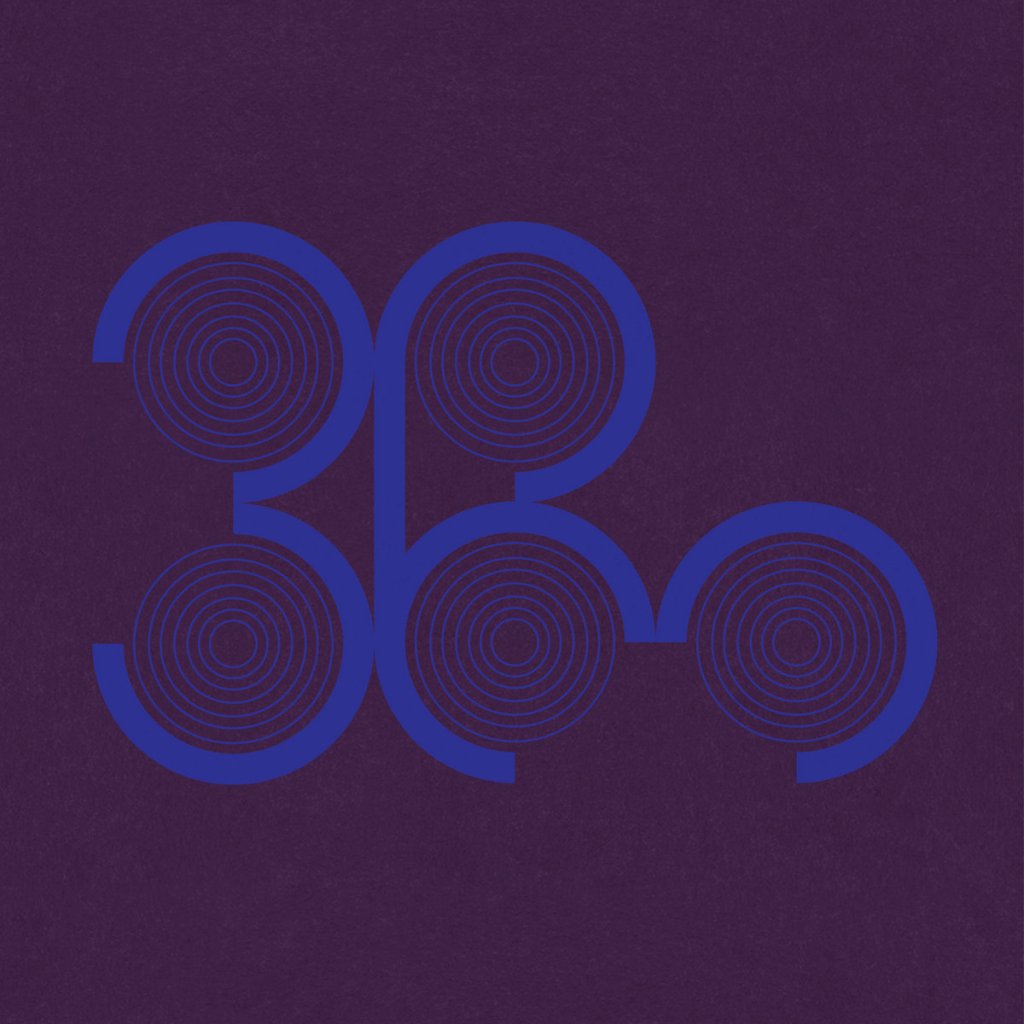
Christopher Rountree / Wild Up: 3BPM (Brassland) – Though I was a bit disappointed in Wild Up’s fourth volume of Julius Eastman tributes/interpretations, I still buy sound-unheard anything with which they associate their name, and founder Rountree’s debut, enlisting the group’s help, tops it.
Taliba Safiya: Black Magic (self-released EP) – The Memphis blues again–with a vengeance.
SAULT: Acts of Faith (self-released) – Now you’ll have to lean on Soulseek or your pals for it, or wait–I never can with them–and you’ll have to believe me when I say it’s near the top of the group’s pretty solid catalog, thanks to a Mayfieldian streak running through its 32 unbroken minutes.
Ren: Sick Boi (renmakesmusic.com) – Unlike Eminem, Ren’s really ill; also unlike Eminem, Ren’s really ill.
Takkak Takkak: Takkak Takkak (Nyege Nyege Tapes) – It’s hard to keep up with releases from this Kampala label, and I’ve tried, but out of them all, turned up loud, this one thumps so hard and weird I immediately played it twice.
Natsuki Tamura & Satoko Fujii: Aloft (Libra) – Tamura (trumpet) and Fujii (piano) are married in more ways than one; they’ve made several duet albums and their telepathy is well-honed here.
X: Smoke & Fiction (Fat Possum) – The band thanks the original Ramones by first name in the notes, open with what sounds like a tribute, then proceed to say so long to us and their partnership in style: Zoom zooming, Bonebrake cracking the skins hard, and John and Exene harmonizing like yesterday was tomorrow. (The LP version was released early, without a lyric sheet, or I’d comment on those–what I could pick up seems appropriately bittersweet.)
New Archival Excavations (a somewhat paltry selection, but I welcome tips):
Bessie Jones, John Davis, the Georgia South Sea Island Singers with Mississippi Fred McDowell and Ed Young: The Complete “Friends of Old-Time Music” Concert (Smithsonian) – The musical Bessie many know best is Smith, the Mississippi bluesman they may be most familiar with John Hurt, but Jones was one of the greatest folk-gospel singers of all-time, and McDowell, best known as the source of The Rolling Stones’ “You Got to Move,” played spiritual tunes with as much–possibly more–stinging fire than he did blues.
Kalaparusha Maurice McIntyre: Rivbea Live! Series, Volume 1 (No Business) – AACM stalwart meets primo NYC Loft-era setting for serious fireworks.

 Living To Listen