I am still behind–I feel I owe ten or fifteen records I haven’t laid ear to some time–but sometimes it be’s that way. The most important thing about this update is a new record is at the top of my list. If I graded albums, it just might be an A+. I don’t even give those to my students’essays.
I am a helpless gestaltist–I am really blown away by works that, though they must be somewhat imperfect, make a powerful impact as a whole. From its wraith-like but oh-so-corporeal vocals to its music to its lyrics to its production to its accompanying art to its title to its assessment of this world, Anohni’s My Back Was a Bridge For You To Cross checks the boxes. Even if I wasn’t a Missourian, where cruelty is our state adjective, it would have knocked me out. After all, I am still an American. I’ve always been careful not to overrate a record that is topical in ways I care deeply about, but a) the cruelty the record addresses is definitely nothing new; b) it’s an undeniable message from the targets of cruelty; and c) as a work of art, it would move me if it were sung in Sanskrit. My Back Was a Bridge For You To Cross is the best–and my favorite–album of the year. It rocks in good measure, too, for those who must have that.
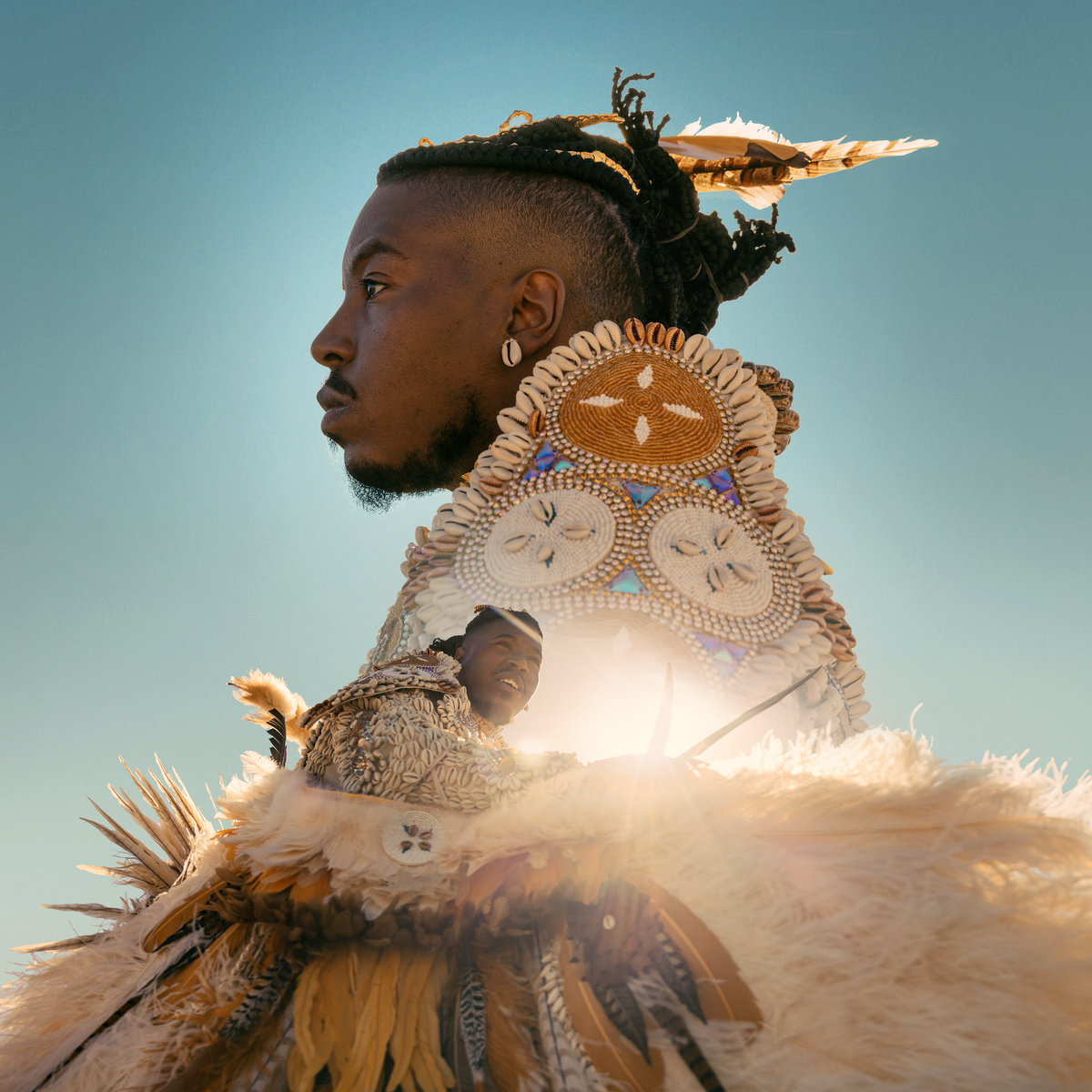
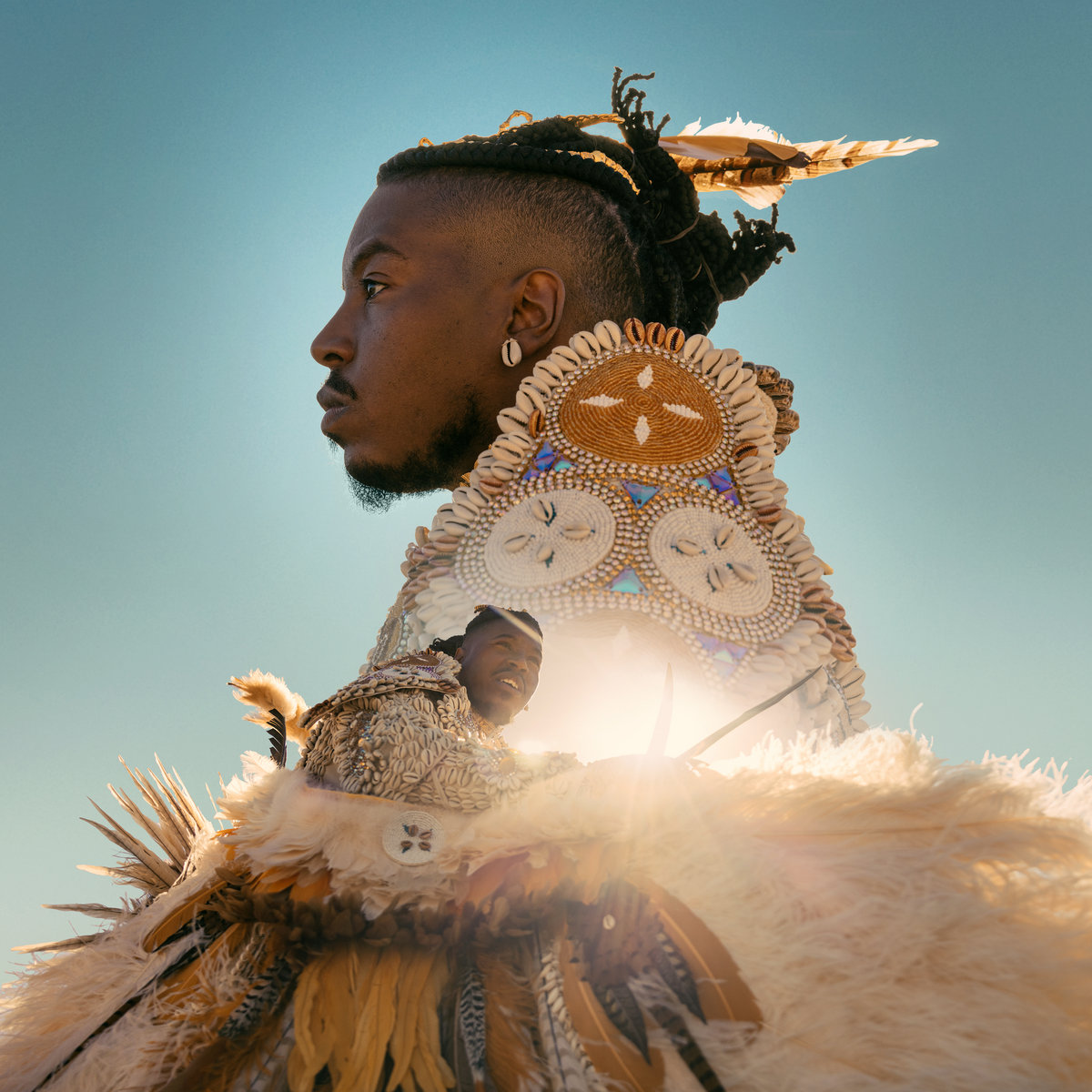
I am also a helpless devotee of New Orleans music, especially any that is connected with the Mardi Gras Indian tradition. Christian Scott aTunde Adjuah’s been on a roll, but I’ve been too late to recognize his last couple of releases. Not this time. In some ways, it’s a strong pairing with Anohni’s record–but again, if it were sung in Tamasheq, I’d be down with it. Oddly, he doesn’t play much trumpet but it doesn’t really matter.
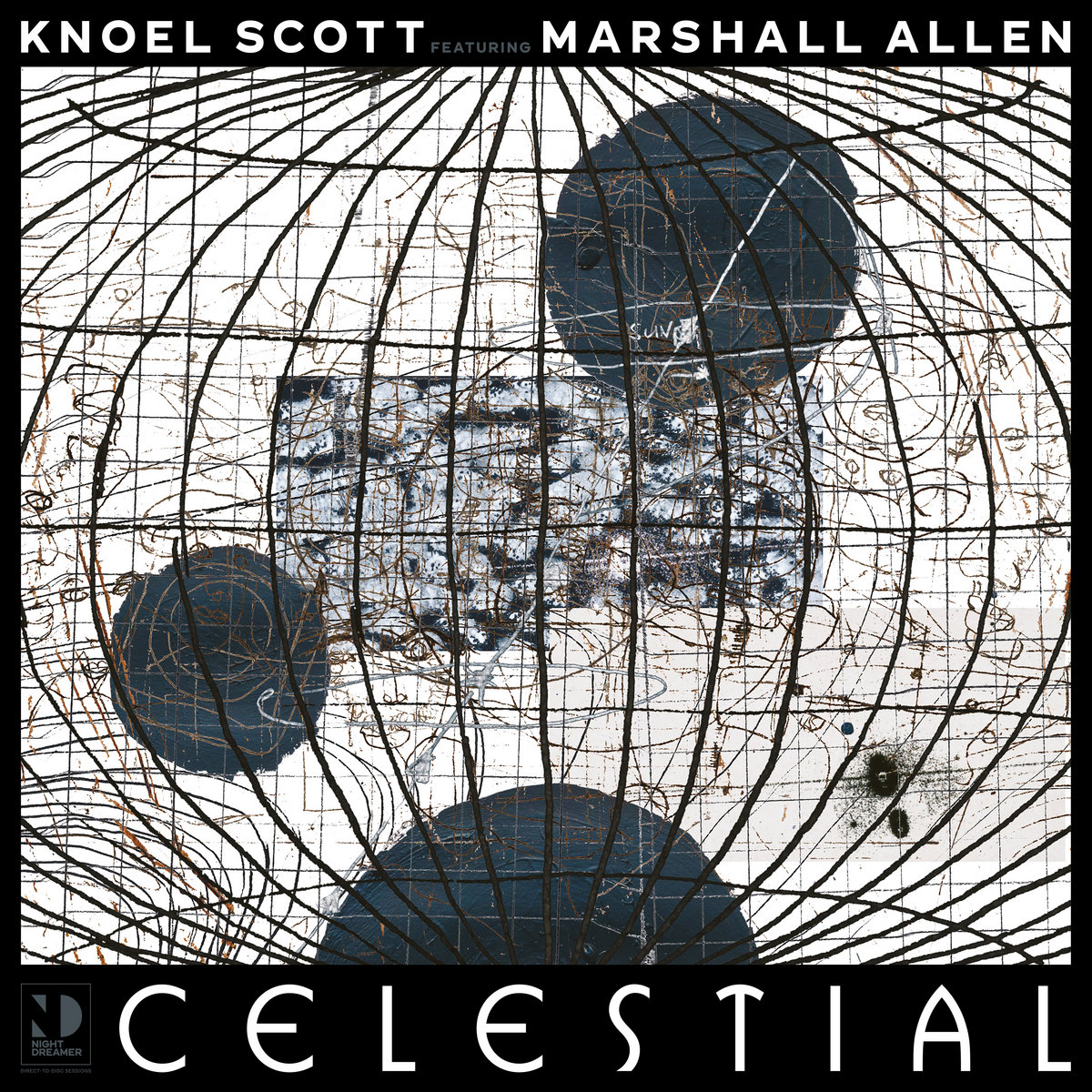
In Columbia, Missouri, the indefatigable Matt Crook, a Howard Zinn-inspired high school social studies teacher and father of two youngsters, annually puts together the Columbia Experimental Music Festival (as well as ancillary shows of fascinating variety). This year, in partnership with another great local and annual offering, the We Always Swing Jazz Series, Matt and WAS founder Jon Poses will be bringing the Sun Ra Arkestra to our citizens. I saw Sun Ra himself with the Arkestra here twice, once in the late Eighties and once in the early Nineties, shortly after which The Sun One passed. I’d never have expected that, in 2023, I’d be seeing bandleader Marshall Allen still blowing at 99. I mention Allen because he and fellow Arkestra member Knoel Scott come very correct on the latter’s new album Celestial. Reaper, stay thy scythe.
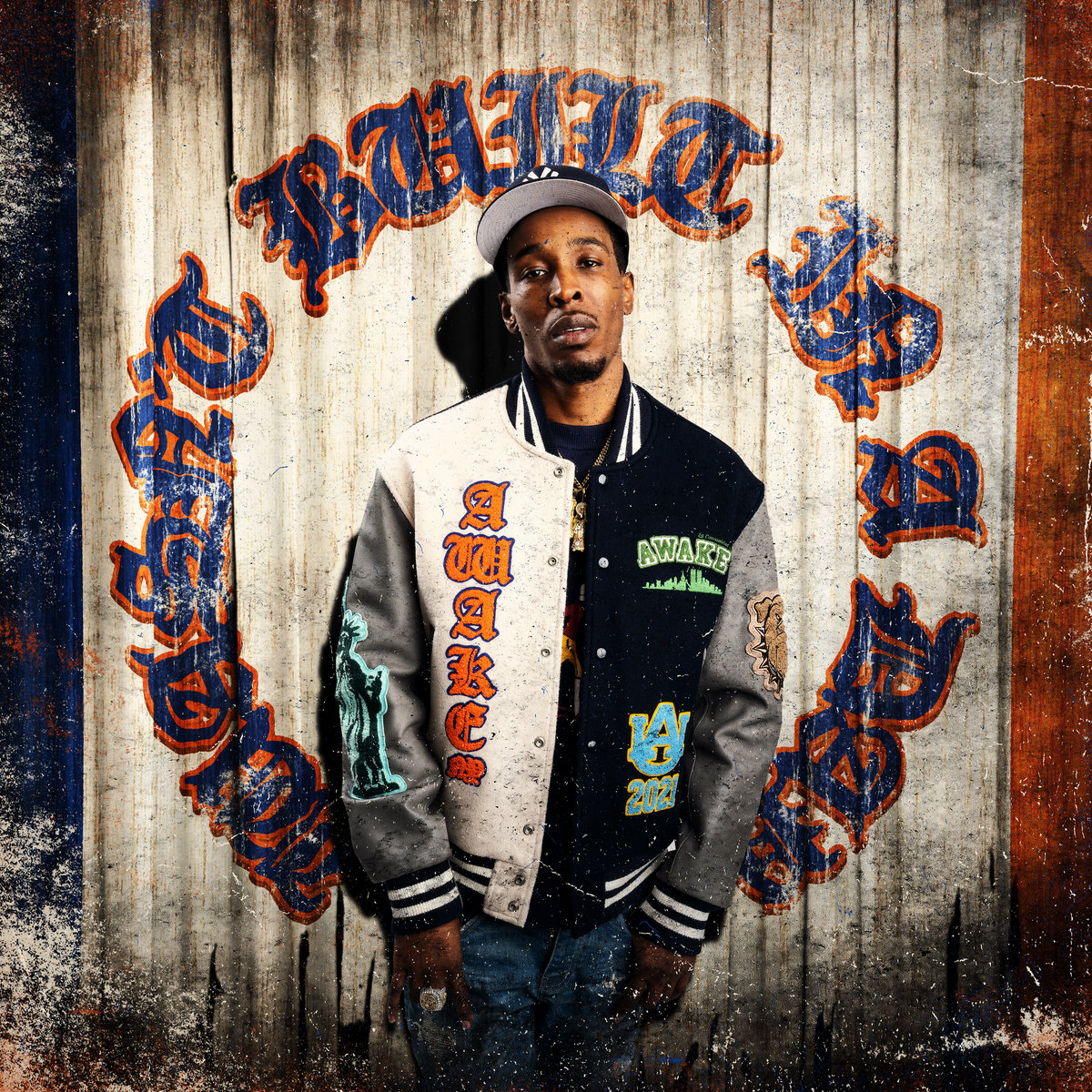
For Mr. Crook, “experimental” folds in hip hop culture, and why shouldn’t it? Last year, he arranged for three pretty underground figures to give a beat- and bar-making workshop at a local high school; this year, he’s snagged London-born, Queens-raised, Bed Stuy-representing Rome Streetz, whom I’d never heard of (Matt always snaps my earlids up like roller blinds). He’s tough, talented, and worth your time–even if you can’t come to Columbia for the fest.
Regarding the Coltrane and Simone excavations–you’ve probably already heard this–temper your sonic expectations and instead focus on the expression and before-your-very-ears musical evolution you’re experiencing. Evolution isn’t ever…pristine.
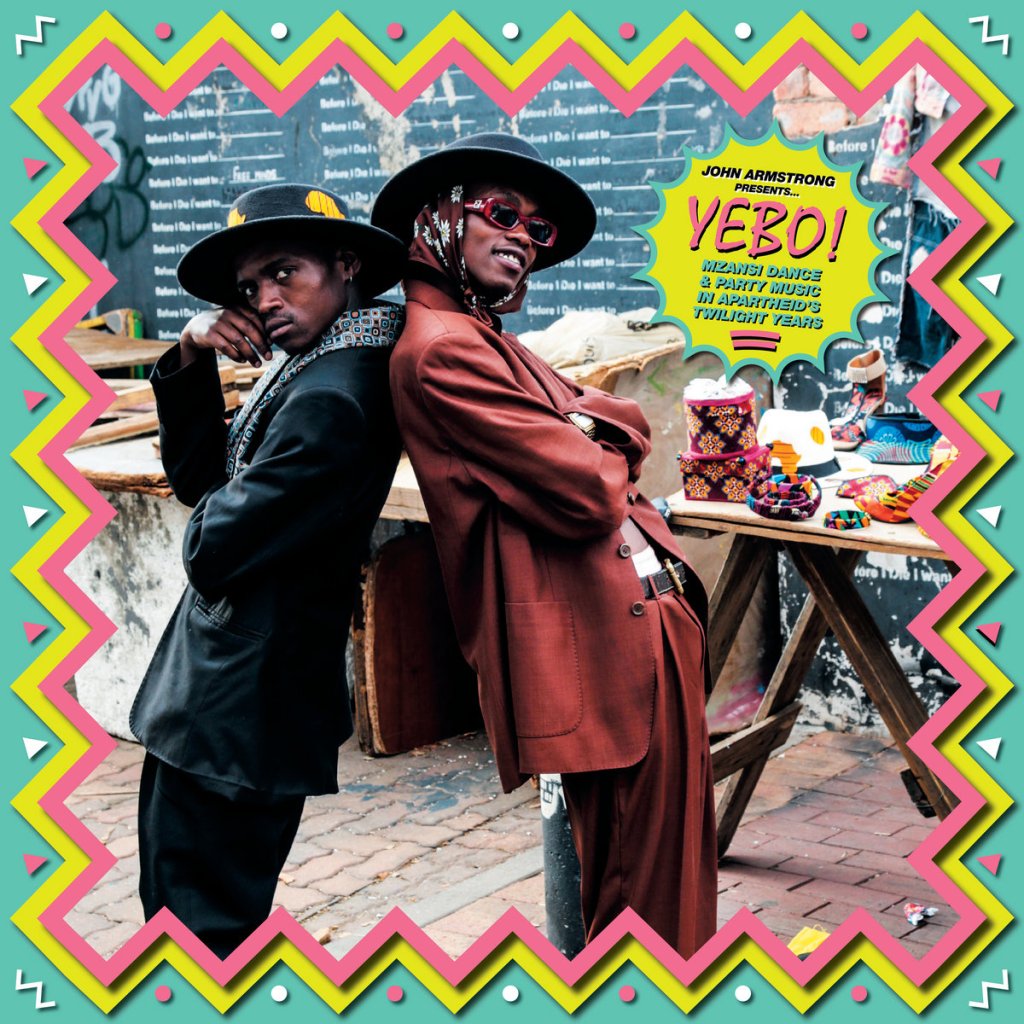
I was beginning to think I was just going to have to write this month’s post off. Many of you know; many more will find out–caring for your parents as they head into the twilight is not for the faint-hearted. That’s the world I’ve lived in for the past two-and-a-half years, but especially the last five days, and really especially today. But things sometimes take a turn right when you need them to–like a mom dealing with a thyroid condition, skyrocketing blood sugar, AND a UTI (and inconsistent health professionals) suddenly deciding, “Hey! I think I can get my cane and do a lap around the center!” Then doing it, without a rest stop or my assistance. Then watching three episodes of Somebody Somewhere, which I’d been telling her she just HAD to see for months (she has trouble with a remote), then having a real REAL talk about health and the future. She’s sleeping, I’ve got a great BBE South African dance comp in the headphones, and I’m gonna get this posted!
Also, thanks to my friend Steve Pick, excellent Substack record reviewer and often the man behind the counter at St. Louis’ Euclid Records, for inspiring me to not give up. You da man–see ya next Sunday.
No odds and ends other than phrases: black woman magic, country ladies taking no quarter, don’t fuck with a black marching band, Randall Bramblett not forgotten, Janelle–you GO, girl!, Dylan TWICE?, Natural Child I’ll never give up on y’all, and travel the world with some of those excavations. Love y’all and thanks for reading!
As I have previously mentioned, this summer I’m teaching an asynchronous on-line class for Stephens College’s amazing conservatory program. It’s labeled MUS156; it’s called “Rock and Roll”; however, it’s focused on the discoveries and theories of neuroscientists Susan Rogers (former sound engineer for Prince, of note on the Purple Rain soundtrack) and Ogi Ogas, as articulated in their cool book This Is What It Sounds Like: What The Music You Love Says About You. That’s our course text, and it’s stimulated some excellent writing, which I’d love to showcase again here.
From Hugh Paul, a confirmed and confident Swiftie and a concise and enlightening writer:
Assignment: Write About a Song That Checks All the Boxes
My Favorite Taylor Swift Song
Taylor Swift’s peace, my favorite track from her 2020 release of folklore, is one of the few songs that I can confidently say checks every single box in my listening profile. Being one of my favorite songs of all time, this song is what solidified Taylor as one of my favorite artists, and I still get chills from it every listen. Beginning with authenticity, this is definitely a “neck up” song, as Taylor crafts every note, lyric, and tone in her voice to convey the meaning of the song. As a singer and (beginning) songwriter myself, I am definitely a music/lyrics type of listener, making these cerebral types of songs some of my favorites.
Moving on to realism, I think this song is a perfect split between realism and abstraction. While Taylor’s voice and the guitar accompanying her are organic and authentic, there is reverb and other effects playing in the background, making this a nice split between the two extremes. This also checks my listener profile, as I enjoy both realistic and abstract songs equally, as long as the voice is mostly natural and unaffected. As far as novelty goes, I think this is also a nice blend between novelty and popularity/familiarity, especially for a mainstream artist such as Taylor. Experimenting with a stripped, sparse arrangement, Taylor allows the lyrics and melody of the song to take the forefront, a more novel choice for the average pop listener. In addition, she keeps the song soft the entire time, allowing it to take the form of a laidback indie song, rather than the “bangers” she’s known for. It still has enough popularity/familiarity to place it squarely in my listener profile, however, with a traditional song structure and simple, folksong melody.
Now to the heart of why this song is so amazing: the melody and lyrics. While the melody is fairly simple for most of the song, the bridge sees her playing around with more complexity, going from a high, rapid-fire section to a low, grounded section in the span of four lines. While the song stays relaxed and in Taylor’s comfort range the entire time, the contrast between the gorgeous, wistful highs and dark, cloudy lows makes this melody much more interesting than it may seem at first glance. The undeniably best part of the song, however, are the earnest, heart-wrenching lyrics so honest you can’t help but hang on every word. While I could go into an in-depth analysis on every line of the song, for time’s sake I’ll only mention the best ones, the first being the sincere, pleading chorus, “But I’m a fire and I’ll keep your brittle heart warm / If your cascade ocean wave blues come / All these people think love’s for show / But I would die for you in secret.” Confessing her undying devotion to her partner, she begs him to understand how much she would do for him, praying that it will be enough, “Would it be enough / If I could never give you peace?”
Moving on to the unbelievable bridge, the music strikes a minor chord as she continues, “And you know that I’d / Swing with you for the fences / Sit with you in the trenches / Give you my wild, give you a child / Give you the silence that only comes when two people understand each other / Family that I chose now that I see your brother as my brother.” Admitting she would give him every part of her, both the good and the ugly, she ends the bridge with the heartbreaking lines, “I’d give you my sunshine / Give you my best / But the rain is always gonna come / If you’re standing with me,” reaffirming that the ugly parts of her will always be there. These lyrics couldn’t possibly be closer to my listening profile, as they are so raw and meaningful that I can’t help but be moved to tears nearly every listen. To have someone you could give yourself completely to, who would accept all the good and bad parts of you, is something that I can’t fathom at my twenty years of age, but is still something I yearn to one day have.
Continuing on to the rhythm of the song, although still in the “basic” 4/4-time signature, there is a lot of variety in the way the beat lands, with an electronically created note landing every eighth note, and the vocals and other instruments coming in at different, odd places, especially during the bridge. This intricate rhythm conveys the complex message of the song, and lands in a way that falls perfectly for my listening profile. The timbre of the song is another huge reason behind why I love it so much. Beginning with a breathy, light falsetto on the first verse and chorus, Taylor’s innocent, youthful tone expresses the vulnerability and sincerity behind the words. Reaching the bridge, however, her voice lowers and becomes stronger, as she approaches the mature lyrics with more intensity and grit in her voice. Sinking into her lower register at the end of the bridge, and then at the end of the song, she juxtaposes the positivity and innocence of the high notes, with the honesty and humility of the lows. Overall, this song is truly one of my favorites of all time and continues to mean more and more to me as time goes on. Song Link: https://music.apple.com/us/album/peace/1524801260?i=1524802476
We also have weekly “Record Pull” assignments. I “pull” a couple of records I love, make a case for them, and ask them to respond to those and make a case for a favorite record of their own. Here’s one of Hugh’s recent offerings (I had “pulled” Steve Lacy’s “Sunshine”):
Steve Lacy’s “Sunshine” (feat. Fousheé) was a very enjoyable listen for me, as I found the melody, rhythm, and timbre of the vocals extremely pleasing. I think it is a great representation of how music has evolved and where it’s headed, as it combines a lot of different sounds together in a way that feels new and interesting. I would say the song is definitely a “neck-up” song for the most part, as the lyrics and melody seem very planned and calculated. Although containing elements of realism and abstraction, the song leans more towards abstraction, as the reverb on the vocals and technologically produced instrumentation give it an abstract feel. This feeling and use of different sounds make it a fairly novel song, relying on its own sound rather than following current musical trends. I found the melody very pleasing to the ear, as it glided up and down a pretty narrow track, and while the lyrics were pretty basic, I think they accomplished what the artists’ set out to do. The rhythm was very nice to me as well, consistently coming down on the first three quarter notes and then the “and” of four. The timbre of the song, however, had to be the best part about it, as Steve and Fousheé’s calm, soulful voices dripped over the feel-good melody. Steve’s flips into falsetto on the first verse were especially pleasing, and the whole song had such a chill, “vibey” timbre I instantly felt at ease listening to it. I think this focus on “feeling” is definitely something music is leaning more towards, as it becomes the background for events in our lives.
A song that I think points to where music is headed is Moroccan-Canadian artist Faouzia’s “Don’t Tell Me I’m Pretty” from her debut album, Citizens. An extremely innovative artist, Faouzia combines Arabic-influenced scales and riffs with the standard conventions of pop, in a way that allows for commercial success. Also definitely a “neck-up” song, Faouzia takes great detail to make sure every note, lyric, and riff suits the song perfectly. Almost completely abstract, the song feels cinematic and almost futuristic, as the production is completely technologically created. This futuristic sound makes it a very novel song, and the combination of Arabic and Western influence only heightens this. The melody is absolutely beautiful, going from Faouzia’s dark, angsty low notes to her exhilarating, powerful highs. The lyrics of the song are also great, building tension in the verses, “You got such an ego / So much pride, it fills the whole cup,” and then taking flight at the chorus, “Don’t tell me I’m pretty or that I’m beautiful / I know you don’t love me.” While the rhythm is nonexistent for much of the song, when it does come in on the second verse it adds to the climactic feeling of the song in a strong way. Once again, the timbre of the song is what makes it great, as Faouzia’s incredible voice travels between different registers and intensities. Starting in her lower chest voice during the first verse, she shifts to a light head voice at the chorus, then explodes into a full belt at the second chorus. She then comes back down to a soft head voice at the end, using a traditional Arabic riff to end the song. All of this makes the song very unique and unlike anything I’ve ever heard before, which is where I think the musical landscape is headed. I also think that the combination of different genres and cultural influences found in this song are going to become more and more popular as time goes on.
Another terrific writer, thinker, and explorer in this class has been Arden Ogilvie, who regularly challenges me to explore further. Here’s a recent submission (keyed to Rogers’ and Ogas’ theory) by her that is just terrific–Ethel Cain’s work is making a dent in this class:
Ethel Cain’s “Ptolemaea” is THE song I have been most excited to write about since starting this class. The 6-minute story-driven masterpiece intertwines some of the most haunting yet ethereal soundscapes I have heard in any record. The album, Preacher’s Daughter, satisfies a specific aesthetic I have never once found before in the medium of music and creates a story that is both familiar and frightening. The album itself follows Ethel Cain, a young romantic southern preacher’s daughter (“American Teenager,” “Western Nights,”) as it shows the exploitive and manipulative nature of the church (“Family Tree,” “Hard Times”) which leads Cain to run away with a pimp, Isaiah(“Gibson Girl.”) “Ptolemaea” sits as the climax of the story, where the pimp Cain has run off with has drugged her and begun cannibalizing her body. Cain’s exploration of youthful deceit, family and religious trauma, and depraved manipulation is of pure horror which is wholly encapsulated in the composition and production of “Ptolemaea.” Authenticity The record opens with manufactured groaning as a drugged-out Ethel Cain finally gains consciousness as her abuser mutilates her. As a listener, it is jarring and alerting. It twists your gut and you become uneasy, and as further samples emerge, specifically that of the flies swarming, the below-the-neck feeling becomes almost unbearable. The record itself tortures the mind of the listener and puts them in a similar feeling of confinement as Cain herself. However, that does not discredit the genius of the lyrics. The very name of the song, “Ptolemaea,” as well as Ethel Cain’s surname, are allusions to the brilliant work of Dante’s Inferno; the traitorous 9th layer of Hell. This layer is reserved for the worst sinners and is where the Devil himself resides, however, this layer is further divided into four other rings, two of which are Caina, harboring those who are traitors to their families, just as Ethel herself betrayed and deserted her family. The third ring, the namesake of the record, is Ptolemaea which harbors hosts who betray their guests, just as Isaiah has led Cain to be his guest but betrayed her. This allusion coupled with the incredibly nuanced lyrics which will be expanded upon later subsequently create an above-the-neck quality to the record. This cohesion, both of the below and the above-the-neck qualities are what generates such a raw emotional response from the experience that is “Ptolemaea.” Realism Despite having incredibly manufactured vocal effects on the voices of both Isaiah and Ethel Cain, as well as distinct industrial influence on the guitar and overall soundscape, there is a tragic realism in the performance of Cain. The disgusting sounds of flies swarming in your ears, metal hitting the ground, and the penultimate screaming of a woman being murdered. The record itself explores a drug-induced hallucinatory state, which in itself cannot be purely realistic. As an experience, the production makes it a point to confuse the listener with the reality of Cain’s experience. All the listener knows is that the screams are real. The only thing untouched by the mixing and editing. “Ptolemaea” makes it a point to use distinct and realistic inputs, however, twists and modifies them into something horrible to which the mind can hardly tell the original sounds. Something so familiar yet distorted it becomes unrecognizable and abstract. Novelty Many artists produce records and albums, in Ethel Cain’s case, that tell stories. However, never have I come across such a polished example as Ethel Cain. American gothic is a genre, specifically in literature, that is quite familiar and has gained popularity surrounding the profound works of Edgar Allan Poe and Nathaniel Hawthorne, but never have I heard of this genre influencing a story as complex as Cain’s through the medium of music. The medium of music, much like literature, leaves visual interpretation to the consumer which in cases such as “Ptolemaea” generates a vivid sense of fear and affliction. It takes the mind to a dark, tragic, and depraved state that allows it to conjure up the worst possible results. And the layer that the narrator, Ethal Cain, is drugged and amid hallucinations, creates a mystic quality that is quite novel in music. Melody Preacher’s Daughter, as an album, is more conceptual rather than musical, this does not discredit the musical intellect and talent of Cain seen in songs such as “American Teenager,” “A House In Nebraska,” “Televangelism,” or “Strangers,” however, “Ptolemaea” acts as a divulge from the Lana Del Ray inspired sound to that of something much darker and tragic. The melody within the first act remains rather angelic and light, despite the context and content. Melodically it remains fairly simple and closes together, not breaking or divulging nor trying to be impressive. This, however, is a musical setup for the vocal and melodic break of Cain’s scream disrupting the senses and allowing the guitar and bass to come full force with Cain’s droning, almost mocking, the melody of “I am the face of lover’s age.” Despite being melodically simple, “Ptolemaea” through sound samples and industrial effects, achieves something much purer and more realistic than a musical melody. Most of the lyrics are monotone, and the music itself is secondary, but the experience of the abuse and mutilation ring far heavier on the body of Cain and the ears of the listener. Lyrics Ethel Cain is a master of biblical allusions within her work. From the very name of her character and title track to the incredibly nuanced lyrics whispered or screamed out. As Cain emerges to be revealed as a sacrifice, “the white light” for Isaiah, her captor, and pimp. However, because of this realization, or the lack thereof in drug delusions, Cain herself starts accepting her fate for “the iron still fears the rot.” This is where the attack begins and the chorus, a series of “stop” ensue. It’s pleading, horrifying, and a pathetic display of the lack of power she has in this position. There is no one to help her and no one to stop the sacrifice of her blood. And with the infamous scream, Ethel Cain is no longer the traitor, but rather, in her horror, “the face of lover’s rage.” The record ends with a prayer spoken by Death as Ethel Cain’s distorted screams are vaguely heard in the distance: “Blessed be the Daughters of Cain,/ bound to suffering eternal through the sins/of their fathers committed long before their conception./ Blessed be their whore mothers,/tired and angry waiting with bated breath in a ferry that will never move again/Blessed be the children, each and everyone come to know their god through/some senseless act of violence./Blessed be you, girl, promised to me by a man who can only feel hatred and/contempt towards you./I am no good nor evil, simply I am, and I have come to take what is mine./I was there in the dark when you spilled your first blood./I am here now as you run from me still./Run then, child./You can’t hide from me forever.” A grim reminder that despite faith in God or some higher power, the world is still filled with cruel and flawed individuals. Despite the pain and violence that goes into finding meaning and purpose, we all experience the same end. Death. There is no way around it, and in Ethel Cain’s case, her martyrdom is that of manipulation and abuse. Rhythm “Ptolemaea” is quite simple regarding rhythm. It is in 4/4 with accented beats on the first and third beat. The drum kit is one of the only instruments not too heavily industrialized, however, it does act as Cain’s heartbeat for the of the song, explaining its steady rhythm increasing and becoming unpredictable. During the pre-chorus of “stops,” there is the beginning of accented 16th notes in the background, however, this is expanded upon after the chorus break into the prayer where the drums start becoming more erratic and impulsive. The drumkit itself acts somewhat as a heartbeat of Ethel Cain, and the erratic beat pattern declines and slides down as the song ends in tandem with her life. Timbre Because Preacher’s Daughter is considered a concept album and tells a story rather than a collection of songs, I believe there was a bit more flexibility with the included timbres. “Ptolemaea,” specifically experiments with a variety of sounds and qualities to instruments creating a familiar yet distant perception of both the vocals and instrumentalization. This is incredibly evident with the mixing of both Ethel and Isaiah’s voices, where Ethel’s has some distortion and echo, while, Isaiah’s is deep, fuzzy, and sinister. It is hard to tell the musical composition of “Ptolemaea” because of the intense distortion, however it is because of this industrialization that the atmosphere, both depraved and metallic, is created. How the screeches of both the human voice and the guitar are almost synonymous. How the sound of flies creates a feeling of unease and disgust. “Ptolemaea” is not out to be realistic in the sense that you envision Ethel performing it at a concert, but rather the vivid and depraved images of torture and brutality that pop up into the listener’s mind whilst experiencing and taking in all the added metallic and distorted soundscapes. I would probably name “Ptolemaea” as my favorite song of 2023 from the sheer impact and obsession I had over this song and album. The combination of industrialized rock and American gothic storytelling that flips off the church is a combination I did not know I needed until then. It is tragic, brutal, depraved, and makes you think. Makes you feel. Those are the records that last with me. The ones that I remember distinctly are the initial feeling of nausea of grief or affection. That is what encapsulates Ethel Cain’s “Ptolemaea.”
Wouldn’t you LOVE to have students like Hugh and Arden?
As I mentioned below, I am teaching an asynchronous pop music class to a group of Stephens College conservatory students this summer, and enjoying it. One day a little over a week ago, I was scanning the latest hot takes in a Facebook music group I belong to that is made up of avid fans of the hoary but still effectively hortatory pop music critic Robert Christgau. Yes, nerds. It just so happened that Xgau (as he is known to us) had just laid a very positive review upon the Scottish pop person known as Lewis Capaldi in his monthly “Expert Witness” column, concerning his new album Broken By Desire To Be Heavenly Sent. I had skipped Capaldi’s debut album, honestly because Bob’s positive review of it contained phrases that signaled I need not waste my finite seconds exploring it (also, he is an 81-year-old who sometimes tries too hard, it seems to me, to stay relevant to the kiddies). Well, it appeared from my skimming of reactions in that Facebook group that a bit of poptimist vs. rockist acne was breaking out, and, like acne, some of it was funny.
Later in the day, I was grading some student work, suddenly sat bolt upright (usually face down into the keyboard is my usual response), and wrote the class, “Hey, is anyone a Lewis Capaldi fan?”
I waited a few hours, and finally, a lone response popped up in my email: a bright, hardworking, and enthusiastic student named Sophie Davis reported that she loved the album. Rubbing my hands together in mischievousness, I offered her a deal (well, we kind of collaborated on it): if she’d write a full-length review of Broken By Desire, breaking it down to its essence, I’d excuse her from three of the five weekly assignments she had coming up. Of course, it had to be good, but her previous work had already shone, so I felt confident about that part. Also, I did take the dive and listen to the rascal’s record–and kinda kinda liked it. As the descendent of two Scottish lines that began in castles that don’t look so good right now, I was now rooting a bit for him, but mostly, I was hoping Sophie might nudge me off the fence. She did. Here’s what she came up with:
Lewis Capaldi’s Broken By Desire To Be Heavenly Sent: A Tour of That Rollercoaster Called Love.
Lewis Capaldi’s Broken By Desire To Be Heavenly Sent” is an album that speaks about love as a whole: the good, the bad, and the ugly. When I say that listening to this album is an absolute rollercoaster, I mean it wholeheartedly. While studying this album and searching for common themes, I found myself thinking I had found the overall theme multiple times, only for it to change every other song. With this in mind, I will be taking you through each theme, as well as dissecting the emotion behind it and its effect on my soul.
Capaldi starts off the album strong with “Forget Me.” My immediate reaction to this song was that this album was about to be a breakup album, but not in the typical sense. It’s true—this is a breakup album in many ways, but it’s still very unique and well-crafted. “Forget Me” is the kind of break-up song that makes you want to dance around the room and scream along to the lyrics. It perfectly captures the moment of feeling betrayal, as you realize the other person is moving on and, in turn, forgetting you. This is the perfect way to start an album, as it gives us our first theme: the fear of letting go of an old love.
Moving forward in the album, we are met with “Wish You The Best.” This song perfectly captures the realization that you don’t always get the closure of telling someone how much you still love them even after breaking up. This is the moment of acceptance—realizing that you just want what’s best for the person you love, even if their best is without you. He contemplates everything he did wrong that could have possibly led to the parting between him and his previous lover. In the end, we see fully his acceptance of the fact that all he can do is be happy for her and everything she has accomplished without him. (Also, as a side note, this music video is soul crushing and beautiful.)
“Pointless” is one of my top three songs on Broken By Desire. When first listening to it, I was immediately under the impression that he was talking about a current lover. However, upon listening to it more, I realized that he could very well be talking about a love that is yet to come into his life. The lines “I’ll wait for you/ You’ll wait for me, too” make me believe this is a possibility. Plus? The very solid understanding about what he gets from her and what she gets from him makes me think this is about someone for whom he is patiently waiting. This song is truly talking about the purest form of love that any human can experience. It fills my soul with so much joy and reveals the good parts of love. One thing that is very beautiful about Lewis Capaldi’s voice is that, because he has such a raspy belt, it adds such a one-of-a-kind sound to the ballads on this album, especially including this song. So, not only are we getting this beautiful ballad that perfectly captures a healthy and balanced love, but we have the rawness of Capaldi’s voice to add to that. “Pointless” is the first song on the album that introduces us to a fully positive aspect of love and gives many hope for a future love that they have yet to meet.
“Heavenly Kind of State of Mind” is another song that you can dance around the room to. It perfectly captures the excitement of finding new love and the joy you get from that. You can roll the windows down and listen to it with the love of your life. The lyrics “Now I think about you all of the time/ What a heavenly kind of state of mind” perfectly capture how beautiful life becomes when you are in love with someone who is good for your soul. “Heavenly Kind of State of Mind” is how it feels when you start to see life in color again when you have someone to love who also loves you so fully.
“Haven’t You Ever Been In Love Before” gives us a chance to see how two very different people view love. While Lewis is singing about a man who is ready to jump in and lay everything out on the table with his heart on his sleeve, the chorus reveals the girl’s perspective: how love hasn’t treated her well and is something that she has a hard time viewing positively. While he is completely ready to take this love by storm, she is hesitant. This is the point in the album when we start to see the less pretty parts of loving someone, because, despite it seeming perfectly balanced, we still see the struggles that come with relationships.
“Love The Hell Out of You” is another song that is among my top three on Broken By Desire. Its theme is simple: loving someone on their hard days, especially when their mental health is low, is never an issue when they do the same for you. Capaldi gives his loved one a little pep talk throughout the song as a way to show that he is here for them, no matter what they are going through. This song is exactly how a long warm hug from the right person feels. It’s simply lovely, because it shows the imperfections in a relationship and how to work through them with each other.
“Burning” is when the album starts to return to the heartbreak side of love: it deals with the realization that a relationship may no longer be healthy for either person, and staying in it is only going to make this realization more prominent and true. It’s about realizing that putting forth the energy it takes to keep this spark alive is no longer worth it and is only causing more pain for each person. It discusses the importance of knowing when to let go, even when you don’t want to. The exhaustion of holding onto something that no longer serves you is far too difficult to deal with and, after a while, it is better to let it all go.
“Any Kind Of Life” explores the struggle of wanting to hold on when you know it won’t do you any good to. The lyrics “Hope, have you some that I could borrow?” are heartbreaking to hear for anyone who has ever felt the fear that comes from leaving someone who was once such a huge part of their daily routine. One large theme we can now see in this album is the stages of grief that we go through with those who are still living. This song is the definition of denial, as Capaldi struggles to let go of this love that was his everything. His desperation to save this love conjures for me an image of someone struggling to keep water in their cupped hands. No matter how carefully you move, the water begins to slip through the cracks in your hands until it’s gone and there’s nothing else that can be done about it. This is the unfortunate and ugly side of heartbreak and love.
“The Pretender” is the last song of my top three from Broken By Desire: the definition of putting on a mask in order to fit into the world of someone else. This song is features Capaldi begging someone to tell him who to be so that he can be loved. As far as stages of grief go, he is bargaining with the person he is singing to. The idea of “I’ll do anything” in order to be loved is gut-wrenching, but so well evoked by the artist. Not only does it capture this bargaining mindset, but it also sheds light on something that many people of all generations experience: hiding how we really feel and who we truly are in order to make others feel comfortable and happy around us. Pretending like one isn’t “on the edge of a knife” is a very common problem for those who struggle with their mental health, and it’s oddly comforting to hear it represented in a song.
“Leave Me Slowly” reminds me of a classic Eighties heartbreak ballad. This is the kind of song that could be playing as you slow dance with the person you love for the last time, and you both know it. It’s conveys the feeling of deeply taking in the last moments you have with this person before you part ways. You get to eavesdrop as he returns to the time when they first met, and the appealing moments they shared together in this relationship. This is him asking the one he loves to take one more moment before they leave to just be with him. This song is how it feels to hug someone for the last time.
“How This Ends” is fueled by the anger that comes with heartbreak. Capaldi sings about how much time he wasted on this love and how it has all been for nothing, completely forgetting all of the good moments they shared. His anger can be felt in everyone’s chest, as we have all gone through this moment. This song presents the image of someone tearing their apartment apart as they try to destroy any trace of the person who caused them this much pain, feeling betrayed, used and defeated. Capaldi treats this whole experience as if his love for her was nothing more than a mistake, something he could have easily avoided had he chosen to not fall in love in the first place. The ending is too difficult for him to handle, and he longs for it to change—immediately.
“How I’m Feeling Now” ends the album in a very sad way. When we think of self-obsession, we usually imagine someone who is in love with themselves and is sort of narcissistic. We don’t usually think of a person who is trapped in their own mind. This is brilliant writing, because it gives everyone an idea of just how paralyzing mental illness can be, and how much it affects every aspect of our lives. The chorus is where our eyes are opened to the depth of Capaldi’s view of the world when facing mental illness: “So here’s to my beautiful life/ That seems to leave me so unsatisfied/ No sense of self but self-obsessed/ I’m always trapped inside my fucking head.” It is a not-so-happy toast at the end of a dinner party as someone reveals that they are miserable and broken, a sort of “in case you were wondering” moment where this person is confessing that their life is still difficult despite all the time that’s passed. Despite the misery communicated by this song, hope still flickers at the end, as Capaldi reasons that, one day, he will be okay—a fitting end to this brilliant album.
Many themes power this album: love—the good, the bad, and the ugly; the stages of grief as experienced through love; and (my personal favorite, I now realize) non-linear healing. We have our good days and we have our bad days, and, if we are lucky, we have someone who is with us through all of it. However, when those people aren’t around or when they leave, although healing slows, it’s still in motion. Love is the purest emotion anyone can feel. It can either fill a person with joy, or with utter despair—depending on who you ask. In the end, love is truly what gets each of us through the day. The beauty behind Broken By Desire To Be Heavenly Sent lies in the fact that Lewis Capaldi does not hold back when taking the listener on a tour of every aspect of love. His singing communicates so much raw emotion through these songs and the story they tell taken altogether. Capaldi has fully shown us what love is and how magnificent and awful it can be, in a complete pop music masterpiece.
Blogmaster’s Note: Very nice job, Sophie! I am glad I’ve been off the rollercoaster and on solid ground for a couple-three decades–but even so, much of the Capaldi wisdom you extracted still occasionally applies. Thanks for being game!
Hi! I hope summer is off to as dazzling a musical start for you as it has for me! Not only have the records come marching in, but I am teaching a very enjoyable asynchronous class for Stephens College that’s built around Susan Rogers‘ and Ogi Ogas‘ This Is What It Sounds Like (you yourselves might well love not only the book but its fun associated website), which take a look at why our brains push us toward certain kinds of music and not others. My students are doing excellent work: I will send an essay by one of them up very soon, in which the author will enter the current Lewis Capaldi fuck-him/marry-him/kill-him scrum in enthusiastic form. They have to construct, explain, and interpret their unique listening profiles (see the book) for their final project, and I’m definitely looking forward to that.
Nut Notes:
*Boy howdy, that boygenius album has subtle and often barbed charms. Is it just me, or has the counterattack begun?
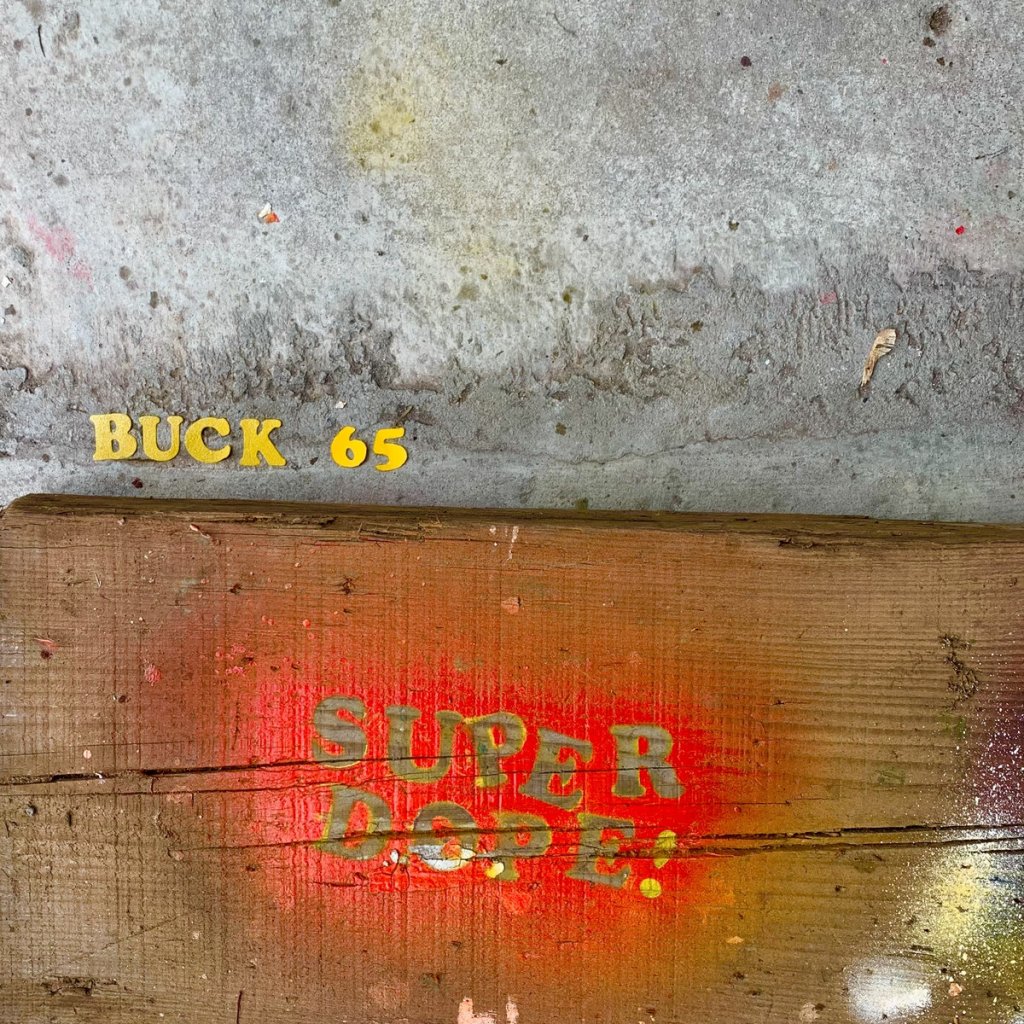
*It’s quite a boast, but Buck 65 wins this month’s “Truth in Title Advertising” award by a hair over…
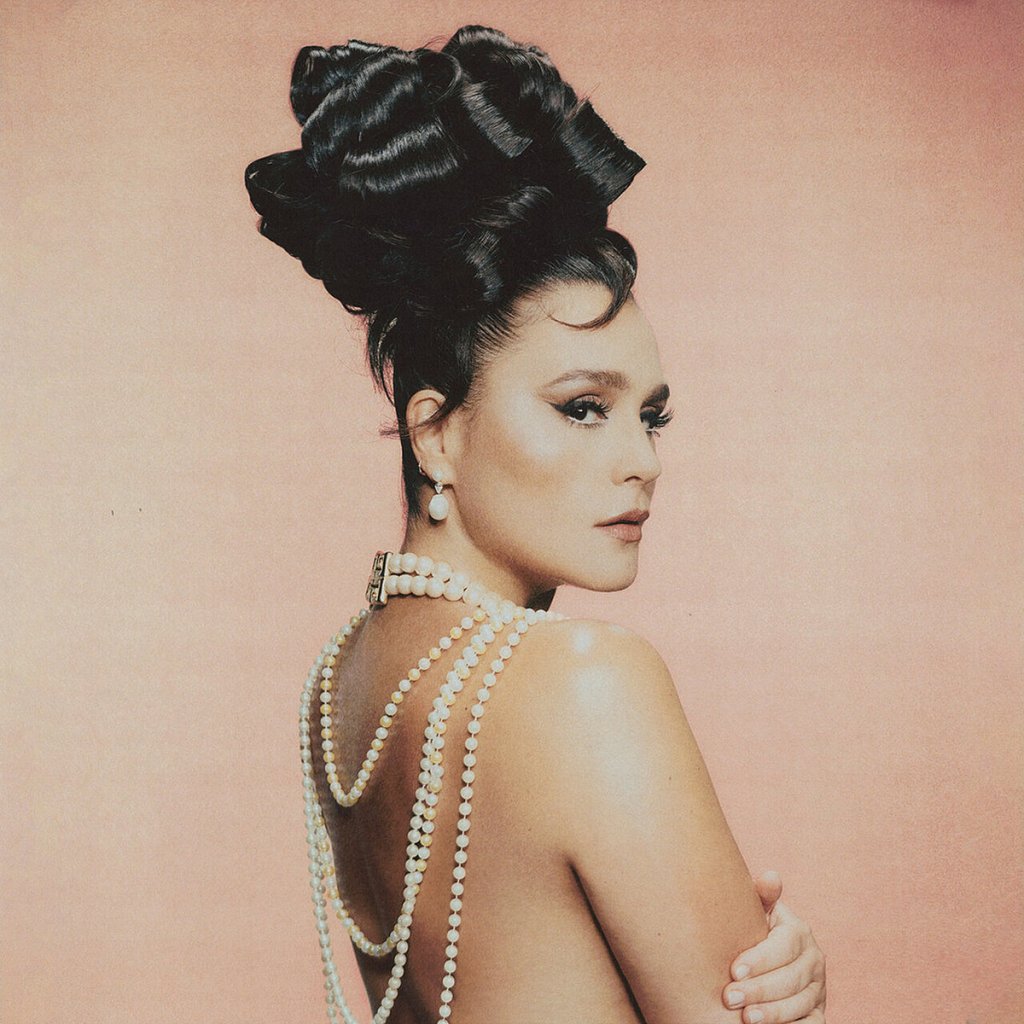
*…JESSIE WARE, who got extra points for punctuation and makes me feel young again–seriously. For the record, I am currently 61, and can someone put her and Roisin Murphy on a US tour so I can go dance deliriously and live deliciously?
*The Dropkick Murphys dropped their second (?) album of (literally) unsung Woody Guthrie songs last month–how’d I miss the first, which came out LAST YEAR (it just came in the mail yesterday)? While I was blasting it on Memorial Day, Nicole remarked, “Does his stuff stay relevant or what?” She’s an Okie, so she might be biased–but she’s also correct.
*Wild Up released their third record interpreting the amazing minimalist (but not exactly) work of Julius Eastman. This one is a bit more in your face, which is partly the particular Eastman compositions they chose to work with, but I bet they’ve spent some time with Eight Songs for a Mad King, where he makes one particular unforgettable vocal appearance.
*Nourished by Time…that is one eccentric but impressive r&b album. I was lazy sampling it and assumed from the cover it was going to be a rap album–I know next to nothing about this act–but it sure as hell is not.
*Little Rock, Arkansas’ Kari Faux has a special title message for you that she backs up on her new record.
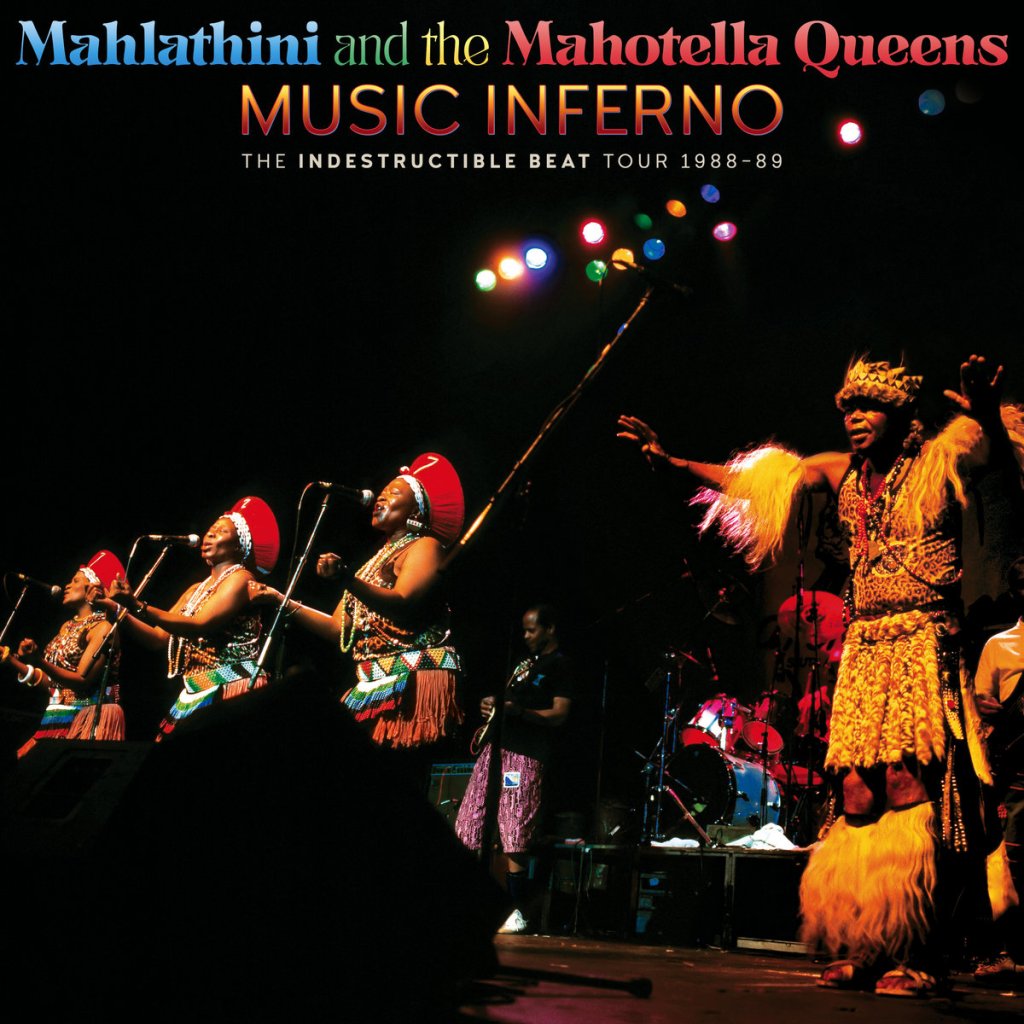
*Simply put, you’re gonna want that Mahlathini and the Mahotella Queens record at the top of the “old stuff” list. I can’t believe it looking back, but I saw a show on that tour–I should have been too ignant to know–and it.is.theshit.
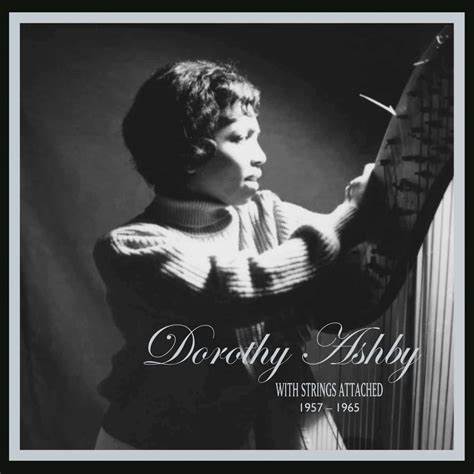
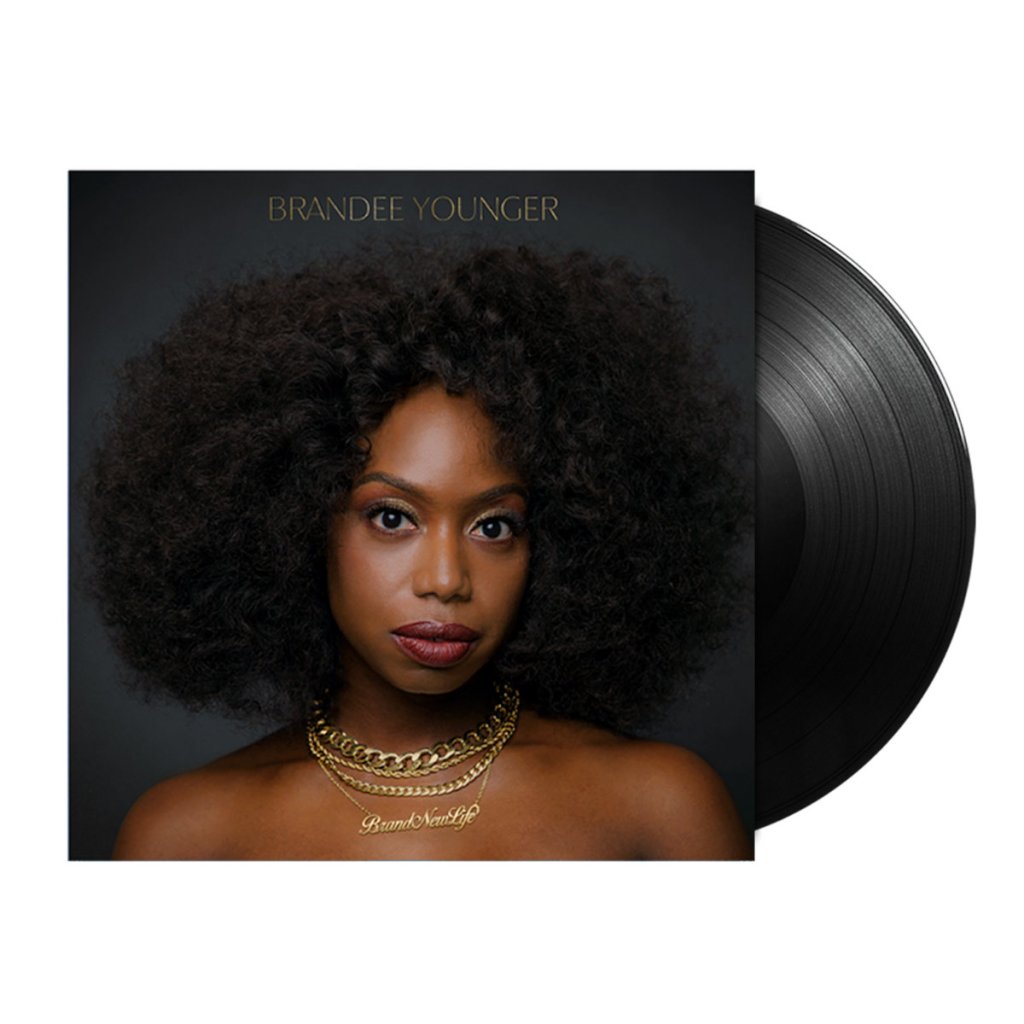
*You think harp and jazz is a twain that never should meet? Brandee Younger does not agree, nor did Dorothy Ashby, whose very convincing soon-come 5-LP reconsideration by New Land Younger contributes notes for.
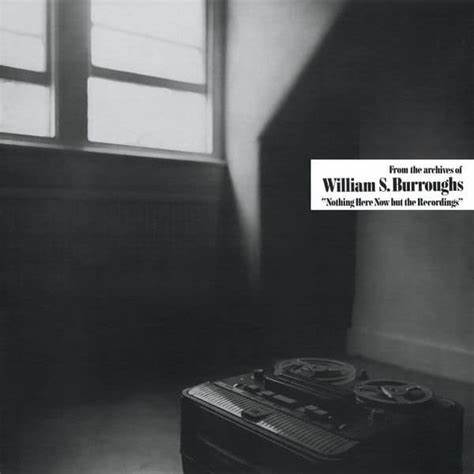
*”If you’re doing business with a religious son of a bitch, get it in writing!” It is SO nice to hear William S. Burroughs‘ inimitable and often prophetic voice coming from my speakers again, via Dais Records’ sharply assembled compilation of 1960s recordings. (That italicized quote isn’t on the record–look for Uncommon Quotes, if it’s still available–but many other worthy utterances are.)
*MARK LOMAX II never makes a foolish move.
*Brazil in the house…always. Check out #27 and #31 for sure.
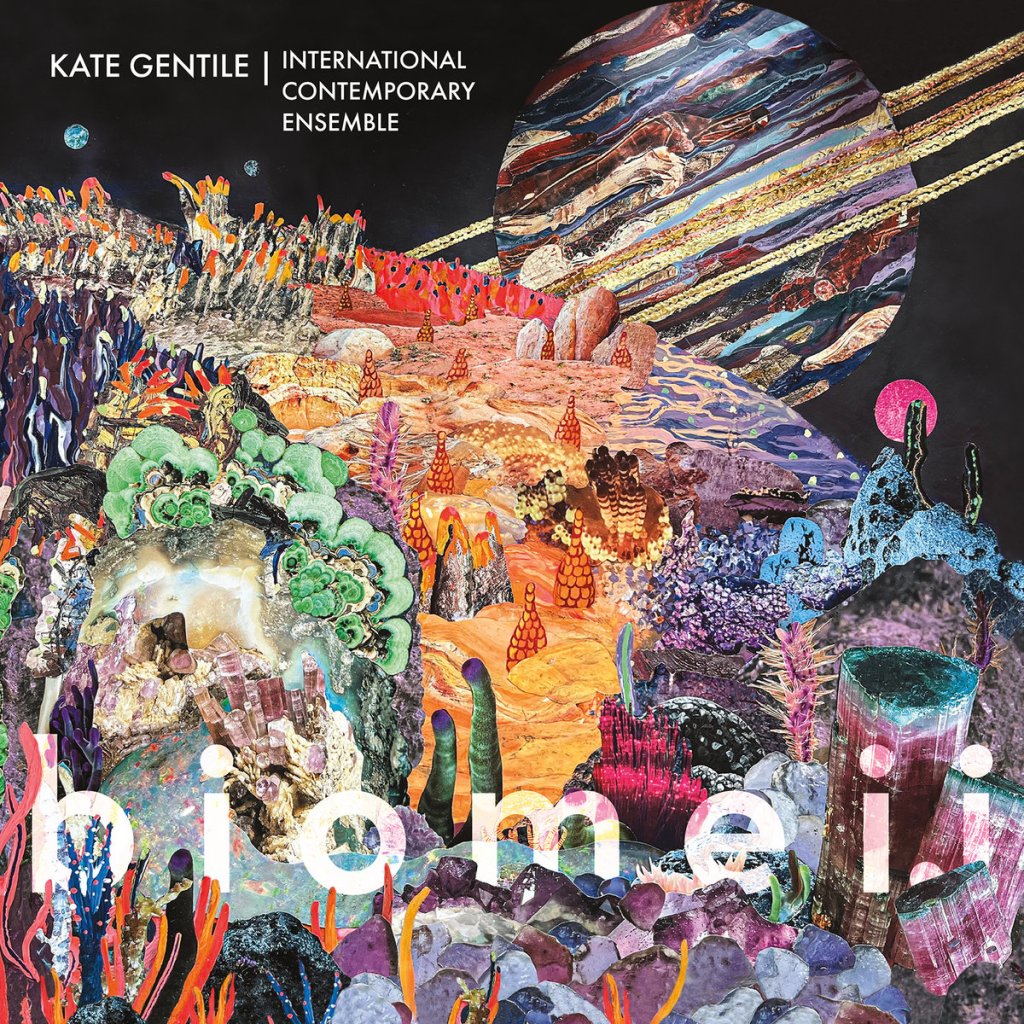
*Kate Gentile‘s new free/experimental/jazz record is like walking blindfolded through a wind-blown percussion forest in the middle of the night.
*I have a feeling that The Gennett Suite, in which the artists “elasticize” the sound of the original classic recordings released on that label (think Bix), may meet with some jazz argumentation. I stand with Buselli and Walarab–the originals are strong enough to be stretched. They shine in this new light.
*Many (of the few) readers of the blog probably already know that Lux Interior and Ivy Rorshach of The Cramps were ace 45 collectors. I’m a BIG fan of theirs, but even I was not aware that Righteous Records is more deeply mining their collection, getting past that legendary stuff (“Love Me,” “I Can’t Hardly Stand It,” “The Strangeness in Me,’ “Bop Pills”–I can go on) and finding even more pretty worthy curiosities. Don’t miss the latest at the very end of the list, and it’s just the latest volume.
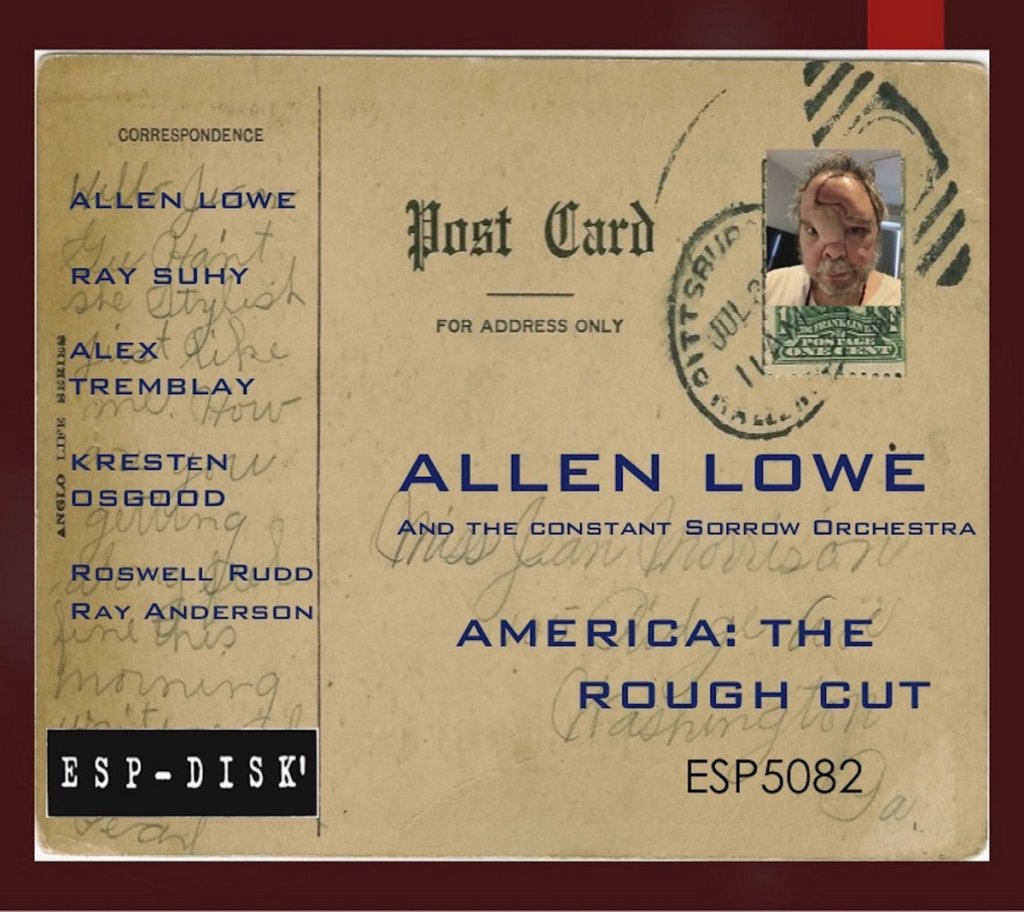
Allen Lowe is certainly one of the most prolific, deep-digging, and insightful scholars of American music ever. His groundbreaking book (and accompanying nine-CD set) American Pop: From Minstrel to Mojoon Record 1893-1956 set the standard for traveling the crooked path of songs that led to the rock and roll revolution, and the works that followed, among them Really The Blues: A Horizontal Chronicle of the Vertical Blues, 1893-1959, That Devilin’ Tune: A Jazz History 1900-1950, God Didn’t Like It: Electric Hillbillies, Singing Preachers, and the Beginning of Rock and Roll, 1950-1970, and “Turn Me Loose White Man”Or: Appropriating Culture: How to Listen to American Music 1900-1960, demonstrated that one journey up the path was not enough to get one’s head around our music (a few of those books reinforcing that belief with 36-CD sets). However, many of those who’ve read or at least heard of the those books are dimly aware, if at all, that Lowe has also been a composer and player of considerable power for nearly 35 years, often playing with some of the most forward-thinking instrumentalists in jazz and regularly navigating in notes and harmonic collaboration the same territory his books did in words. His song titles often “speak” to his scholarship; his compositions often serve as commentary on contemporary (and original) jazz. A struggle with cancer sidelined Lowe for much of the last few years, but recently he exploded back onto the scene with a three-disc set, In the Dark, Volume 1, which seems to lovingly survey, in swinging, grimily funky, and woozily emotional style delivered with a crack band, a range of large-ish group approaches to jazz composition; a single-disc set, America: The Rough Cut, on which Lowe is backed by a smaller group (plus one beauty of a piece from 2014 featuring the late trombonist Roswell Rudd) and which earns its title partly due to the unpredictable, explosive, and inventive guitar of Ray Suhy, as well as Lowe’s most fiery playing (he also plucks guitar plangently on two cuts, including his second wrestling match with Blind Willie Johnson’s “Dark Was the Night, Cold Was the Ground). As the title of one of the album’s songs implies, Lowe’s response to staring mortality in the eyes, at least by virtue of the quality of this new work, is “Eh, Death.” Lowe’s albums are available via his website and Bandcamp, and, unsurprisingly, he’s also just published a collection of his critical observations, Letter To Esperanza: Or: The Goyim Will Not Replace Me – Looking for Tenure in all the Wrong Places.
This interview was conducted through a series of emails. I have edited Mr. Lowe’s answers to my follow-up questions into the original transcript in the most logical possible fashion.
Phil Overeem: The health travails you have been battling have taken you to the wall (and fortunately not through it), and you’ve documented many of them on social media. In the notes to one of your two new releases, you mention that, somehow, those struggles have resulted in music that’s on another level from anything you’ve composed and played before. Having followed your work for quite a few years, I can hear what you’re talking about. Why, and how, do you think that happened?
Allen Lowe: Tough question – desperation, focus, fear, and the help of a lot of incredible musicians who just came to my rescue. It’s hard to know what leads to that kind of inspiration, and material reasons tend to just sound like a rationale for something you cannot explain. But even when I was unable to play I was always playing and composing, in my head. And also, I gotta admit, I was and am motivated by general frustration with the poor state of jazz composition, which led me to write these things as essentially an answer to the industry, about what I think the music can and should be.
PO: Another social media-related question: I think it’s fair to say that you regularly engage in battle on Facebook with other music aficionados about theories of the development of American popular music. Is this something that’s helped you as a theorist yourself, do you wish you’d never gotten sucked in, or is your experience somewhere in between. I have to say, some of the conversations are as interesting as your books, and those set a high bar. In fact, it seems the job of any writer who is looking at the development of our music should be seeking to complicate rather than simplify the narrative, yet even current young writers seemingly committed to revealing the truth in fiery terms seem to steer clear of or dismiss complication.
AL: I enjoy the give and take, and I take inspiration from the high-level intellectual goals and battles of the old New York intellectuals of the 1930s on: Harold Rosenberg, Irving Howe, Richard Gilman, Theodore Solatoroff, Stanley Kauffmann, Isaac Rosenfeld, Susan Sontag, Diana Trilling, Delmore Schwartz – largely, but not solely, a group of dedicated and intellectually-heightened Jewish intellectuals whose work was probably nurtured by the in-grown alienation of American Jews in general, who were perpetually kept at arm’s length by much of the official world. I have suffered that same kind of otherness, twenty years of complete isolation in Maine, where I was treated like a freak and an outsider. As for public debate, I enjoy the give and take, though I am aware that when one opposes certain kinds of received wisdom it pisses people off, and they regularly take it personally because it questions some of their more sacredly-held opinions and beliefs. I try to avoid the personal stuff, and on my own Facebook timeline I think it stays pretty civilized. And I have to say I have met some of the smartest people I have ever known through social media interactions.
And yes, there are times I get sucked in obsessively to arguments, feel like I have to answer that Midnight comment; and there is one particular guy on Facebook who likes to remind me that I am an old white guy who everybody of color should ignore and avoid, and he does so offensively and with nasty intent. Though the great thing is that he thinks he is a person of color but, as I pointed out to him, his ethnicity is Aryan, which makes him as white as me. Sometimes Google is a good thing.
PO: Something that fascinates me, as someone who reads and listens to your work, is how your compositions (and wry song titles) speak to or from your arguments about American music. Sometimes I think I hear it clearly; sometimes I can’t find it; often, I realize I shouldn’t be expecting your compositions to do that. Are your compositions ever extensions or articulations of your viewpoint, and if so, how often? Not to make this seem like an essay question, but could you talk about a composition of yours you feel most successfully achieves that?
AL: Oh, pretty much everything I write is a form of debate and argument with somebody (sometimes myself). There is a polemical aspect to what I do musically, though at the end of the day it isn’t worth shi* if the music isn’t good, if my playing isn’t good, if it is not well recorded and smartly presented. Too much of the contemporary artistic world of all genres, in my opinion, is better at writing rationales for the work they do than at actually producing the work. Look what wins grants – all sorts of high-falutin’ intellectual presentations on worthy social goals followed by crappy work in every discipline. As I pointed out recently, by these granting standards Samuel Beckett, Charlie Parker, Bud Powell, Jean Genet and maybe even Shakespeare would not have received foundation funding for lack of the kind of social linkage that gets money. And don’t get me started on diversity – the more diverse we get, the more everyone looks and sounds alike, forced as they are to fit into acceptable socially-woke categories. Republicans love this shit, it plays into all the myths about Progressive shortcuts and stereotypes. And then there is age discrimination, which is a constant. For recent compositions: “Elvis Don’t You Weep,” “Castles in the Sand,” “Ralphie’s Theme” – all make my point about the integration of historical knowledge, historical necessity and aesthetics, about the need to face all of old American music head on. Honestly, just about everything on both projects is a point of formal and musical advocacy. Just to add, my compositions are all about triadic harmony, which I feel is the soul of jazz but is really not well understood in the context of jazz history and American standard song form. Almost no one writes anymore with a real understanding of old-line song form except, I say immodestly, for me and a few others. And I think the free-jazz world has gotten lazy and sloppy, painting itself into a musical corner. I admire the concept of open improvising and we use it a lot on those recordings, but we use it structurally and in complicated ways. I am proud of the compliment that the late jazz historian Larry Gushee paid me when hearing some of my prior recordings: “You have re-invented free jazz.”
PO: Just for clarification’s sake, I’m not too familiar with the grant-writing process for arts projects, so could you elaborate on that? And I think I’m following you on the “diversity in the arts” paradox, but could you clarify that, too?
AL: I won’t name names, but they know who they are. But seriously, anyone who has ever written a piece on Climate Change or Minstrelsy (there was one obscenely awful project on minstrelsy that got a grant a few years back, or on diversity (today’s favorite fake buzz word) ought to be removed from the practice of music. We need a Hippocratic oath for music; don’t do any harm, Every socially-linked piece and grant supporting it does irreparable harm to the music, so you can see we are in big trouble. Want an example? Try the recent thing written by the pianist Chris Smythe called Smoke Gets in Your Eyes which is about….you guessed it – wild fires and the damage they do. Now that is very controversial – I know a lot of people support wild fires, like to set ’em, like to run through them, like to dance in circles around them as their homes burn down.
Ok, the whole diversity bullshit – I favor affirmative action, I favor reparations for African Americans. What I don’t favor is the racialist ideal which, instead of looking for balance and redress of racial grievances by seeking out quality, simply considers every artist of color to be a great artist without critical discernment. Some is good, some is crap, but they are all accepted if they meet gender standards or satisfy a desire to have everyone look different than they used to look, though ironically now they all look all the same. The arts people who most specifically call for diversity don’t really want diversity – they want to be looking into a mirror, where every artist looks like them, and any art or art form that does not conform to their expectations is excluded, often, as well, by age. I have worked too long and too hard to bow to this kind of trendiness, which tends to support forgettable creations and mediocre expression. This is not diversity, it is uniformity and conformity. It is an excuse for artistic inaction, as though by “making a statement” we have already done our job.
PO:Your saxophone playing on America: The Rough Cut and In the Dark is the most eloquent, allusive, and powerful I’ve ever heard from you. Its controlled intensity is very consistent across all four discs. This relates back to my first question in some ways, but what physical frustrations related to your condition did you have to overcome as a horn player, and in any way did the time off give you the time to make mental adjustments to your attack?
AL: Well, it took me a while to get those recorded takes right, and I confess I did some overdubbing to re-do certain solos because in some of the earlier sessions my embouchure sort of fell apart (which goes back to the 2019 high-intensity radiation which destroyed my jaw muscles and embouchure, which I had to rebuild). I am ok, thanks to a good mouthpiece and a mouthpiece maker who did a lot of amazing work on it. But it is not just that – when I retired in 2016 it was really the first time in a 40-year career I was able to focus on my playing without a difficult day job and raising kids. Things were going extremely well until I first got sick in 2019, which knocked me out of the box for about a year, but then I just said to hell with it, I am going to do this again even if it kills me. But yes, there is an emotional element of desperation in my current playing due to a fear of imminent death, though this is no longer a likelihood (I am cancer free now). But I remember Pee Wee Russell’s admonition to “play every solo like it’s your last,” and that is my working technique. Plus, learning and re-learning harmony, which is at the basis of almost everything I do, and I should mention the constant inspiration of Bud Powell, who occupies a permanent space in my head. I am not a great technician but I think I play with feeling. Add to all this that I am old and regularly a bit dizzy (see below; a post-Chemo effect). But I wrote two books and mastered 30 CDs while I was sick, and I just push on; there is nothing that makes me feel better than composing and playing. And when I play I feel like it is a great flow of consciousness. There is no better reason to do something; it has a purity and sound that cannot be matched by anything else in my life.
PO: Ray Suhy, the primary guitarist on Rough Cut, and Lewis Porter, the keyboard player on In the Dark, have long been major contributors to your music, yet remain very underrated in jazz conversation (as far as I’ve been involved in it). Both musicians are at their best on the two albums, and Porter especially does some amazing things on synthesizer (evoking Augie Meyers’ work with Doug Sahm was not something I was expecting, but should have been)—if you’re the mind and soul of the music, he seems the heart. Could you talk a bit about how they are particularly suited to your musical vision?
AL: I love those guys, personally and musically. They are also the absolute best in the world on their instruments, in my opinion (one thing I have realized while working with these musicians is that the best players now are NOT the ones who regularly appear in clubs, in polls, and in reviews). Yeah, nothing of my work would be half as good without them – but please let us also mention Rob Landis, Aaron Johnson, Brian Simontacchi, Ken Peplowski, Alex Tremblay, Lisa Parrott.
Back to the original question: both Ray and Lewis (and all I mentioned above) understand my method of composing and playing, which is a type of extended harmonic exploration in tandem with a lot of personal freedom to create improvisations at will. I don’t tell them what to play, I just give general guidance, and everything they do works better than anything I would suggest, anyway. They always surprise and delight me – Lewis does some synth things on In the Dark, which are astoundingly inventive, and Ray is a post-blues and rock and roll delight on America: the Rough Cut. I am the luckiest guy in the world to have run into all of these musicians; they saved my life in more ways than one. (And by the way I think Aaron Johnson is the greatest saxophonist alive).
PO: When you described how you ask your fellow musicians to play your compositions with you, that sounded A LOT like Mingus’ method. How could he not be an influence, but I must ask to see to what extent.
AL: Oh, I am sure, yes, Mingus, materially and subliminally. I tend to think I am too dumb musically to competently copy anyone else but myself. Duke Ellington has a way of writing – like it’s one long sentence – which I love, and he is a combination of conventional and quirky, and his voicings are just beyond profound; Monk of course, and Bud Powell is one of the greatest jazz composers, and when I play or compose I hear him in my head. As a composer I am torn between classic triads and extended form, integrating various kinds of improvisation into the form. My biggest difficulty is that I so rarely work, which makes it harder to get a band to perform in an organized way, but these players are so brilliant that they make it sound like that.
PO: I recently read an anthology of Stanley Crouch’s uncollected work—I am among the few music junkies I know who liked the first (and sadly the last) volume of his Parker biography, and I do not admire his vitriol (it dishonors his mind) and forcefully reject his seeming condemnation of what I’ll call “free innovation”—and frequently found parallels in his best moments with contentions I’ve heard you make. You may have addressed this in one of your books I haven’t gotten to yet—and possibly in one of your social media scrums—but where do you stand on Crouch, Murray, and Ellison (not that I mean to conflate their viewpoints into one)?
AL: I admire all of them intellectually (well, I gotta say I don’t find Murray to be that great, which is a very unpopular opinion), and I particularly love Ellison, the one novel and his essays, but really all of them fail when it comes to the entire concept, philosophy, and range of “modernism.” I define modernism, per Richard Gilman and Alain Robbe Grillet, as the need to constantly renew art forms, to reject old gestures and forms in favor of either new gestures and forms; or to alter those gestures and forms into fresh and radically new approaches. Their kind of cultural conservatism – and Murray is the most conservative, followed closely by Crouch and then Ellison – is death to music and jazz in particular. Now some people today think I am too culturally conservative because of my disagreements with the latter-day school of Free Jazz, but I am not. I am just bored, bored with Free Jazz’s self-referential postures, its repeat of the same-old-same-old ways of improvising, the laziness of just getting up and faking it – it is just too damned easy to play that way. I was able to do it when I was a teenager, but I moved away from it because I knew it was too easy (and there is an interview with the great saxophonist Archie Shepp in which he talks about his health problems and how at one point he was playing poorly but people could not tell the difference “because this is Free Jazz.” Yes, he really said that). I am in favor of complete artistic freedom, but that does not mean we can’t make personal artistic judgements. But Albert Murray thought the 1950s Basie band was too radical, and he put down Genet and all of modern expression in a really dumbass way (in his book The Omni Americans) and, honestly, I am tired of his views on The Blues. I love the blues, have written a book on it, but it has become a One-Size-Fits-All aesthetic crutch to describe or criticize too broad a range of music.
And I have to admit I still look to the first and second generation of post-bop modernists – Sonny Rollins, John Coltrane, Paul Bley, Ornette Coleman, Shipp, Eric Dolphy, Sonny Simmons, Gil Evans, Johnny Carisi – for inspiration. I feel like we have not adequately explored the implications and possibilities of their music but at least I have tried, unlike most of my contemporaries – because, really, it takes too much time for most jazz musicians, who just want to play and who lose perspective on the art form itself.
PO: I had a feeling your feelings about the current state of free jazz would come up (“painted itself into a corner”) made think of the limitations of the solely impressionistic approach of many current free players). I have listened to quite a bit of it over the years, and I’m probably a bit more tolerant than you, but mostly agree that SOME form—some composition, even if only in fragments that would probably have to be discussed by the musicians beforehand—has to be present for me to really enjoy it. I haven’t heard too many performances that have “become” compositions as they were played, though I know, just for example, that Ellington and Strayhorn were adept at hearing phrases played by Ellington’s soloists in one composition and later turning them into a wholly different one. Are there other players you know of and listen to today–excluding yourself, because I agree with that wonderful compliment you were given–that ARE composing satisfactorily (to your ears) while allowing a considerable amount of freedom?
AL: Probably: is Anthony Davis still active? Threadgill is great, Roscoe Mitchell when he really writes it out. But I have to admit I tend to turn to the oldies – Speckled Red, Cow Cow Davenport, Clarence Lofton. Their ways of playing inspire me compositionally. The way old insane gospel tunes are performed as in a state of delirium – that inspires me as a composer. I love that kind of anarchy – and I love the way Albert Ayler composed and performed.
PO: Thinking back to that Archie Shepp anecdote, as much as you’ve covered most of the history of American music in your books, you must know of some stories (whether about individual players, bands, periods, etc.) that need to be told in book form. Are there any you hope to write, or hope someone else will write?
AL: I have to say that I am basically done – with this last book, being tired (and retired) in general. I am feeling much better, but I don’t think I will ever really be back to where I was before the cancer. Books take too much energy, and Turn Me Loose White Man feels like my intellectual eulogy. As for others – I don’t know. I find most music books to drone on and on. I still turn back to the old favorites – Francis Davis, Dan Morgenstern, Max Harrison. And for criticism on other fronts, Richard Gilman (who has effected me more profoundly than anyone else), Stanley Kauffman, and Susan Sontag. From now on, my energies will go into the saxophone,composition, performing, and recording.
PO: Truly, very few music academics of your stature have created even a fraction of the quality music you have—I can barely think of any (Porter, for sure, in his Coltrane book and on-line presence; Crouch—but did he even play enough to prove himself; have you heard Ishmael Reed’s new piano record?) who have played, period. With that in mind, how would you like to be considered, 25-30 years down the line? I don’t mean to bring mortality up at a point where you probably haven’t been thinking about it as much, but there’s nothing like a legacy of writing and recorded music to establish a kind of immortality.
AL: Yeah, I have not heard a lot of academics who impress me musically, though there are probably a lot I haven’t heard at all, and I do think things are improving on that end. I mean, people like Gerald Cleaver are now teaching, and there are more like him. And, of course, Lewis Porter is not only a brilliant historian but my favorite pianist.
I do think about legacy, but in a very concrete way; I honestly tend to think that when I am dead my followers will fold their tents and leave and forget about me. One book described me years ago as having a “cult” following, and I wish this were true, as I would like to experience that kind of slavish and uncritical dedication from people who would wash my feet and serve me grapes if I ask. I actually have more of a following for my book and history projects, I think, which is fine; I actually made a decent amount of cash on Turn Me Loose White Man.
PO: Once in the past, I spoke with you on the phone about the prospects of bringing you to mid-Missouri to speak and/or play as part of a music series here. This is certainly related to a couple of my previous questions, but have you received offers for combined playing and speaking appearances? I would think you’d be irresistible, and you’d be hard to cancel because you’re…complicated. Is that something you’d be interested in doing in the first place?
AL: I would love to do that but have only done it maybe once (a friend of mine hired me); I can print you out a collection of my unanswered emails. Put end to end, they would probably reach from here to the farthest university Jazz Studies program. I may try it again, but I am a bit exhausted these days from constant rejection.
PO: On America: The Rough Cut and In the Dark, I think I am hearing different stylistic allusions from song to song to other horn players. Who are the players who have most influenced your own style? And…whose music in particular helped you through your health struggles? I know you suffered long periods of insomnia; reading about them, I imagined music in the background keeping you company. As well, and if my recollection is right, reading was sometimes complicated if not impossible for you. Were there books that helped you endure?
AL: Oh, that’s a complicated one. Players: Coleman Hawkins, Sonny Rollins, Bird, Dave Schildkraut, Eric Dolphy, Pete Brown, Louis Armstrong, Jabbo Smith, Bud Powell, Bud Powell, Bud Powell –James P. Johnson, Donald Lambert, Aaron Johnson (soloing after he plays is like getting into a barrel to cross Niagara Falls); Wardell Gray, Al Haig – well the list could go on. But truthfully I am a bit of an idiot savant of improvising, I don’t really imitate anyone else because I can’t. I actually did not listen to a lot of music when I was so damned sick, except in my head. I am addicted to 1920s COGIC gospel, which is incredible, insane music; and really early jazz, pre- 1930; those six months I stayed awake I was too delirious to focus, so instead I wandered in circles in the dark and ate a lot of food (gained twenty pounds, which I have since lost). But I heard it, as I said, in my head. I love and am inspired by what are called Songsters, black singers of the old, old days who did not sing the blues but instead sang folk-type ditties, minstrel tunes, and other oddities. That old music is so old it’s new, and the old screaming gospel is where I got a lot of my ideas for America: The Rough Cut; it is blues and pre-blues and parallel to blues, but the damn blues, as I said above, has become a crutch for critics who don’t know anything else. I also love white hillbilly music, like Harmonica Frank and Doc Walsh, the rougher the better. I put a lot of that into Turn Me Loose White Man. But the racially-altering gospel music is the free-est music I know, technically and emotionally, and where I (at least subliminally) developed my ideas on “free” improvisation, which is really a form of emotional liberation put in check by the constant fear – or chill, as Mingus said – of death and hell. Book-wise – I still can only read on my Kindle, as my eyes are still troubled. I like books on the Mafia, but more personal are stories by Bruno Schulz, criticism by Richard Gilman and Stanley Kauffman, poems and prose by Pessoa, Vachel Lindsay. My eyes still hurt, and it’s a struggle. Not much of this was a true comfort, but reading Richard Gilman, who was the smartest guy I ever knew (I studied with him briefly) makes me feel, if only temporarily, that all is right with the world. For a few hours I stop worrying that my cancer will come back and kill me like some kind of stealth-music critic.
PO: I enjoy your sense of humor (in the song titles and in your writing) and feel like I hear it not only in your playing but sometimes in the structure and mode of your compositions. Am I imagining things?
AL: My wife thinks I have the sense of humor of a 12-year-old, though maybe a very mature 12- year-old. You are hearing correctly; I try to take things lightly. What else can I do? When I was certain I was going to die imminently I figured I had better prepare for what seemed like the inevitable, and so I just started to contemplate it all and try to accommodate the certainty of losing consciousness permanently; I got nowhere. I had nothing. I thought nothing, I felt nothing but more fear and uncertainty, so I just gave it up. Better to watch Marx Brothers movies and think of bad-taste things to write. There’s a Mary Lou Williams tune called “Little Joe From Chicago,” so I wrote one called “Little Jew From Connecticut.”
As for humor in my horn, I don’t know. It probably seeps in, though not in any larger-picture sense, at least that I am aware of, but I do like to think that my lack of maturity bleeds through in places.
PO: I cannot imagine you without a project in the offing, though after releasing four discs of music and a kind of memoir, you may be resting. However…are you already working on something new?
AL: Yeah, I got a bunch of stuff in the works. Depends on my health and energy level. I am still feeling post-Chemo effects, and they wear me down. I go through periods like recently when I have little appetite (and I still have that Chemo-metallic taste in my mouth on occasion, and have neuropathic dizziness; don’t believe what they tell you about Chemo leaving your body after 30 days. I am two years on from my last chemo – I had it twice – and it is still in my body and in my head – though it was the radiation that almost killed me, but that’s a whole other story which has led to about 6 surgeries in the last year to reconstruct the damage done to my face).
But back to the question, yes, I have to keep recording. I will not stop until they bury me. I am a bit fed up with jazz’s official complacency, the bad composing, the Free Jazz b.s., and I feel I have to take an aesthetic stand. I feel like I am the only one who does what I do, for better or worse. Right now I want to to do a session that is “about” Bud Powell, another “about” Julius Hemphill. Not tributes, but “inspired by.”
PO: No one has covered the growth of American music, song-by-song, genre-by-genre, decade-by-decade, as you have. What I am very fascinated to learn are the artists who have most moved and intrigued you SINCE, oh, say, 1977, and especially RIGHT NOW. Does your work keep you from getting to more recent developments?
AL: I am hopelessly out of date, but I find the really old music to be more inspired and inspiring than most of the new, in all genres. I prefer the old ways of recording, the old sonic clashes of instruments, the old analog feel of expression (which digital can recapture if you have the will to do it). It is a little bizarre that I cannot name much music after 1970; I almost always go back and further back, to early black music, early white music, jazz of the 1950s, bebop, country and hillbilly music; these are sounds that soothe my soul.
PO: You mentioned raising kids. What are they listening to? Do you talk to them about music, and have you talked them into learning to play? Also, what’s your wife’s taste in music like?
AL: My kids are pop music fans, no jazz really. My wife likes jazz, particularly singers. She tends to think my current work is a little too far out.
PO: This probably qualifies as a nag, since I kind of already asked this in a way, but what’s the most recent record you’ve listened to that you really enjoyed? I remember popping into a social media thread of yours and recommending Ricky Ford’s The Wailing Sounds of Ricky Ford—Paul’s Scene, which I hope you sampled (not that I’m hoping that’s the answer to the question).
AL: I listen to so little current music, except in snippets on bandcamp and youtube. Very little holds my interest; there’s Randy Sandke’s Inside Out, which I love, Jeppe Zeeperg, a Danish pianist who is brilliant. Anything with Lewis Porter and Ray Suhy and Aaron Johnson.
PO: On that note, let’s end on a “historical dig” question—there’s no one better to ask it of. Are you aware of the guitarist, historian and author of a new Merle Travis bio, Deke Dickerson? He wrote some Bear Family liners awhile back. In the new Travis bio, diving into Travis’ influences and touching on Ike Everly and Arnold Schultz, Deke posits one Kennedy Jones as the first thumb-picking guitarist in Muehlenberg County (as opposed to Schultz) and thus an overlooked influence on Travis and many others. Deke mentions that the only known recording Jones made was on King with Texas Ruby and Curly Fox. Thoughts on this?
AL:Is he playing the electric or the acoustic? [PO’s note: According to Dickerson, he’s the one who’s plugged in.] The electric is very interesting, in that kind of playing I always think the lineage is Blind Blake, Ike Everly, Merle Travis and – damn, what’s the name of the other guy? He never made any formal recordings, there’s a bio of him – Mose Rager (there are some clips on youtube, or used to be)! That kind of guitar playing is fascinating to me, it feeds into one side of the rock and roll equation, Elvis and Scotty Moore – as opposed to the more shrill, single line approach of James Burton, Roy Buchanan, etc. A lot of people don’t seem to be able to hear this, especially the Blind Blake origins, but to me it is obvious.
PO: Allen, I know you’ve got projects to attend to, so thank you so much for your time, writing, music, effusiveness, humor—and physical indomitability!
AL: I think I am pretty domitable (as opposed to indomitable). The thing about hitting a certain age, especially when it has been preceded by all the physical problems I have had, is that you have a feeling you are just treading water while your body prepares to self-destruct. I try to imagine the moment at which life finally slips away, and though I’ve got some idea of how it will feel – I’ve been put under 15 times in the last four years – I refuse to believe it is going to happen; sometimes delusional thinking is the best defense -so I carry on, as though there are no lasting consequences to the passage of time.
I’m headed down to Bentonville, Arkansas this weekend, so I’m pushing this out a bit early. Why Bentonville, you ask? Yes, it is a corporate town of Wal-Mart’s devising, but the Crystal Bridges Museum one heir has established is the cat’s ass, currently features a Diego Rivera exhibit, and hosts The Roots and Congolese electronic band Kokoko! Saturday night, so don’t be so snobby! Northwest Arkansas is a GREAT place for all this to be, whatever the machinations behind it. You can tell, I know, that I don’t fully trust it myself, but it’s the only place I’ve ever seen a Black Power Art exhibit and viewed an actual top-flight Basquiat–with my parents, no less. So….
My big news is the return of American pop music scholar, composer, horn man, and occasional guitarist Allen Lowe to the record hop. Lowe’s probably best known for his fascinating book American Pop: From Minstrels to Mojos (other books of his that followed are just as fascinating), but his recorded output is very high quality, and his survival of and recovery from sinus cancer and related health struggles have actually helped propel him to perhaps his best composing and writing ever–four total discs worth. I hope to post today an interview I conducted with him recently in which he speaks of those subjects and many others, but the single-disc America: The Rough Cut is likely to appeal most strongly to those of you who are rockists as well as jazzists: aside from songs that range from raucous to reminiscent to romantic–with the blues always threaded through them–many feature the very underrated electric guitarist Ray Suhy, who’s full of creative and often explosive surprises and has worked with Lowe for years. Marc Ribot fans should proceed directly to this disc. The second set, a three-disker, is called In the Dark, Volume 1, and strikes me as not only a survey of jazz styles Lowe admires but, as Lowe admits in our interview, also a response–or answer, if you will–to what he has heard as a lack of interest and imagination in composing in current jazz circles. That’s not a small claim, but the range of structures Lowe leads the Constant Sorrow Orchestra through (both records feature a unit by that name, but on In the Dark the band’s much larger with mostly different personnel) is stunning. Three disks is a lot to ask of a listener, but they frequently swing–when they don’t, they do very interesting other things–and the playing is fabulous, especially by Lowe, who is truly on. You may have read keyboard master Lewis Porter’s Coltrane bio; he’s Lowe’s frequent collaborator, and on these recordings his playing is regularly eyebrow raising–especially when he imitates Augie Meyers and Jimmy Smith through a synthesizer. So…check ’em out, pronto.
Though I was a very early convert to Julien Baker’s writing (thanks to a songwriting former student), I’ve found it hard to cozy up to boygenius, Baker’s collaborative group featuring her good friends Phoebe Bridgers and Lucy Dacus. I’m not a fan of mope for the most part, and that’s how their early work struck me. the record, their new release, however, has stunned me. The writing is full of razors and barbed wire, which I don’t associate with mope, and I find it hard to think of a better time for women to respond to this world with songs like these. I can’t get enough of them, truly. When that happens, I buy vinyl for my imaginary offspring to enjoy after I die.
Without a doubt, much of the new additions here are of the jazz variety. I’d like to call your close attention to London Brew, a kind of tribute to/interpretation of Miles’ Bitches Brew by players you should know from that locality; National Information Society’s Since Time is Gravity and Fire! Orchestra’s Echoes, both of which evoke Northern Africa is an exciting way; the Ethnic Heritage Ensemble’s tribute to trumpeter Don Cherry, which continues a streak of fairly magical releases by long-time AACM ace Kahil El’Zabar; and that indefatigable font of pianistic ideas, Japanese pianist Satoko Fujii, who hasn’t let hitting her 100th album last year stop her from releasing several more already, including her fantastic soon-come solo album Torrent. She’s got an album at #35 below, Torrent‘s at #43, and her occasional collaborator, vibraphonist Taiko Saito, has Tears of a Cloud at #39. Those rankings may seem unimpressive, but folks, that’s out of a lot of records, and I don’t take the rankings that seriously (other than the Top 10) until November. Satoko is the bomb, as the kids no longer say.
Speaking of “The East,” if you are a fan of dissonant, ambient, and atmospheric noise, check out pretty much anything WV Sorceror Recordings has been putting out. I am definitely a fan of such stuff, and I can play their releases twice a day (especially when I need such stuff, the dissonance of which tends to calm me). Also, if anyone who reads this blog took me up on my strident recommendation of Les Raillizes Denudes’ reissued work on Temporal Drift last (and this) year, check out the reissue of Shikuza’s Heavenly Persona on Black Editions, which features several guitar eruptions by LRD’s Maki Miura.
It is obvious below, but I finally separated reissues and excavations from the brand-new work. Not that anyone had written in to complain, but I think it helps for some of us who are still obsessed with reaching backwards through the years (to complement our love and desire for the new).
New, Reissued, and Excavated Albums I’ve Found Most Delightful, January 1st-April 30th, 2023
Happy Spring! It’s hit me like 100 gecs new album did when I first listened to it at 4:45 one morning before my first sip of coffee. And like the buds on our quince bushes, very interesting new records are popping up all over the place, but in all colors and shapes. A few thoughts:
At least I always give her albums a try, but I’m pert-near unmoved by the charms (?–weird word for her, though I suppose The Sirens were charming) of Lana Del Rey. Rather than figure out a new way to say it, I’ll just copy and paste what I replied to a good friend who loves her (and I DO NOT begrudge him or anyone else their Lana-love): “To quote Neil Young, ‘It’s all one song.’ I’m still not buying in. I mean, it’s far from bad, but I just don’t resonate with Cali femme fatales (or femme fatales in general) in 2023, plus she works the same levers every album. She is interesting, but she reminds me of another interesting artist I only like in VERY small doses, Nick Cave (whom I’m fairly sure you like a lot). They just trade on stuff I’m somehow invulnerable to.“
Clearly, though, I love former Raincoat Gina Burch’s new album. From the title (justified) to the songs to the attitude, she’s living proof that growing old and thinking younger is no sin. She’s still playing the game of life to win.
Note to my friend Kevin Bozelka: you are the first person I remember mentioning 100 gecs. As I have before, I undervalued your enthusiasm. I did try them, and sillily thought them silly. I did kinda like “Stupid Horse.” I am now among the convinced. Will I never learn, K-Boz?
Trance-state-lovers: please check out the Islandman record, Aftab’s collab, the Necks’ new one (no surprise but fans are fine with that), and Dream Dolphin’s carefully selected compilation.
Last year, I don’t think I convinced anyone I know to sample Temporal Drift’s excavations of the late Sixties-early Seventies Japanese rock scene, especially the folkie–>drone–>skronkensqueal performances of Les Raillizes Denudes. The band was one of a kind, and noise junkies who can forgive often out-of-tune singing (in Japanese)–I do not know one who cannot–seriously need to take the plunge. I mean now, Buster Brown.
Fans of Robert Ashley’s Perfect Lives / Private Parts recordings might just HAVE to try Jacqueline Humbert and David Rosenboom’s Daytime Viewing (just reissued on Unseen Worlds–great and accurate label name, by the way), which was recorded around the same time. Where Ashley is droll, they are simply slot-mouthed as they roll out tales of domestic damage regularly communicated by the title TV machine.
Numbers 7 & 37: “There’s one thing that I’m certain of / Return, I will, [always], to [new] Brazil.”
I am reading with great absorption, edification, and enjoyment Irish intellectual Fintan O’Toole’s ingenious pairing of memoir and social history, We Don’t Know Ourselves, which has actually given me hope for my own country. My inclusion here of Black Country, New Road (to which I’ve previously been invulnerable) and Lankum (a little slow and moody for my taste–but they have something I can’t quite put my finger on yet that beguiles me), both of whom hail from the Emerald Isle, may be more than slightly influenced by O’Toole’s magic–especially in proving the title thesis.
Beware jazz octogenarians and septuagenarians–they bedazzle to the end. Wadada Leo Smith just keeps rolling out fetching records–this one has electricity–and Threadgill, though he does not play on his new release, justifies his recent honors with his pen and conduction. As for the younguns? If in the past, you’ve found Angel Bat Dawid a bit much (I’ve been on the verge a few times), she’s gone a very imaginative new direction to create her best record yet.
I have resolved not to whine this entry, because, a few days after posting the last one, I realized that a) great new music tends to arise slowly but regularly from the creative volcano and will soon erupt, and b) I should never again imagine that I am going to quit listing albums every month. To quote Coach in LETTERKENNY, it’s fucking embarrassing.
So, though I had to resort to tossing in a couple of new singles, a fantasy EP that I created from a young group’s singles from 2022, and some November ’22 LPs, I have tried to make up for the previous mope by unfurling a long-for-February list of damn fine stuff.
Odd-servations:
I am finding myself increasingly seduced by electronic r&b (or whatever it’s properly called), and, though I am no expert, I find no reason why I shouldn’t consider Liv.e’s new record a model of the subgenre–I even have it listed above Kelela’s, which is splendid, too.
Singles: I mentioned Dr. Mark Lomax’s Urban Art Ensemble’s very therapeutic “Ho’opomopono” last month as a kind of footnote, but it belongs in a more significant way than that, especially during February in all its rampant hostility toward black (in other words, our) history, learning about the depths to which humans can sink along with our many triumphs, and tranquility in general. Also, the great Texas harmonica master Walter Daniels (I first came to know him as a member of the long-gone Jack O’ Fire) has released a truly rock and rolling 45 on the ever-interesting Spacecase label that I can’t quit playing.
Fake EPs: see my note below about mid-Missouri’s Tri-County Liquidators, who I believe will become a force beyond the tri-counties.
I listen to a LOT of music, so I was surprised while reading Dan Charnas’ terrific JDilla bio Dilla Time that I’d never even heard of the Australian unit Hiatus Kaiyote, who’d Dilla-ized themselves in a very interesting way. Seeming seconds after I looked them up, the reissue below was announced. No coincidence, I’m sure. It’s bound to fascinate many of you.
I did not know Japanese psychedelia was a thing–and, truly, that word doesn’t perfectly fit VW Sorceror’s out-there but also excitingly varied two-disc comp Purple Haze from East. Note: no Hendrix covers are therein.
The title of the Dylan excavation I have listed is a joke, but much more accurate than the actual title.
I’m actually sitting on a fence with Iris DeMent’s offering, because it sometimes seems like a checklist of our ills; I often feel similarly about recent DBT records. But her vocal performance is very powerful and passionate–even for her.
*Technically, these are 2022 releases, but they didn’t show up until November, so I’m letting them under the fence.
@The Tri-County Liquidators are a blossoming young band from Columbia, Missouri, though I assume its members are drawn from beyond Boone County. I’ve taken their three 2022 singles and turned them into a 2023 extended play single. Yes, I’m biased because I’m a Columbian; yes, I’m biased because I taught one of them (bassist, songwriter and vocalist Marielle Carlos), and have known her and one of the guitarists (Spenser Rook, who entered Hickman High School with a blonde Rob Tyner White Panther ‘fro and can play inventively in any style—he also writes and sings) for over a decade; BUT they have a flexible, dynamic sound that’s both delicate and intense, and a reliable local music scene source informs me that these recordings do not capture the intensity they transmit live. I don’t get out to shows much, and they play at a great punk venue at which I’d feel like Tucker Carlson at a Juneteenth picnic, but I hope to see them soon. They are legitimately talented and my crusty listening veteran hypothesis is their potential has barely been brushed. Check ‘em out on Bandcamp.
The great New Orleans piano “professor” Huey Piano Smith–one the last living architects of rock and roll–passed on February 13. Between that date and his first recorded music in 1952 is almost the same span as the distance between the end of the Civil War and the beginning of World War II. Smith had not played in public for quite a long time, and his catalog is not too deep, but the best of what he did wax is timeless, spirit-liberating, deliriously anarchic rock and roll. Whenever Nicole and I have thrown house parties, regardless of the nature and tastes of the guests, we’ve always included his classic with the Clowns, “Don’t You Just Know It” (anyone who attended one particular party we threw will remember me swinging between two rooms by the door jamb yelling the P-Funk-prophesying “Gooba gooba gooba” refrain), and few documentaries have begun so sublimely as Les Blank’s Always for Pleasure: ships arriving at New Orleans docks to the sound of “Sea Cruise.” I watch that film every Mardi Gras (often forcing it on whatever class I’m teaching, along with King Cake), and the coming celebration will be no exception. I urge you, if you are not familiar with Smith’s music with the Clowns, a group that included at various times some great musicians you probably know, to stream the above album then hit Discogs (your best bet).
Also–and, looking back over my posts from the last few years, I realize I ALWAYS do this–I finally have a Top 10 list of excellent new albums for 2023, though it took me until mid-February to compile one. This portends nothing; I have no doubt my December list will sprawl. I need to cease whining. Here ’tis–kind of a motley crew, but they pack a punch: