For various reasons–I’m busy, but I am retired, so I don’t know exactly how that’s happening–I haven’t updated the ol’ blog for awhile, but I have so much music-related material under my mind’s belt that it’s about to explode, so time to let it loose, I suppose.
Jimi: All Is By My Side (written and directed by John Ridley)
This movie opened poorly, and it was already burdened by the Hendrix estate’s refusal to let Ridley use any original music. On top of that, it’s about an icon whose myth and reality (occasionally, on that latter count) are very firmly embedded in the public imagination already, an icon who’s famous for his wildness, though his gentleness of spirit might be his defining artistic spirit, even if you’re thinking about the lines he played. Considering those obstacles, the film is pretty brilliant. It covers the year leading up to Hendrix’s cataclysmic Monterey Pop appearance–the band is striding through the San Francisco airport toward the show in the final scene–when the guitarist’s confidence and fortunes were crucially bolstered by key figures on the sidelines who totally believed in him. The performances are excellent, the story is genuinely moving (and, contrary to reports you may have heard, exceptionally accurate, if Charles Cross’ meticulously researched Room Full of Mirrors is any measure), and the music? I think the news that no Hendrix music would be in the film has scared away potential moviegoers, but I argue that the sound of the Experience (and, in one scene, Cream) that’s concocted by three guys you may know (last names Wachtel, Sklar, and Keltner) is audaciously good, as close as anyone’s going to get to sound of the original trio. I was so impressed I waited for the music credits, and laughed out loud with joy when I saw them. No hagiography, either.
Chucho Valdes and Conrad Herwig’s Latin Side, The Missouri Theater, Columbia, Missouri, October 2
This show represented the 20th anniversary of Jon Poses’ We Always Swing Jazz Series, which has made Columbia one of the best places to be for black classical musical in the Bible Belt. The 73-year-old Valdez, a pianist who can roll Garner, Powell, Taylor, and any Latin ivory-tickler you care to name into a big ball and thrust it at the sun, opened with a magnificently florid, funny, and romantic solo recital, and Oklahoma trombonist Herwig’s unit, which has skillfully Latinized the songbooks of several modern composers over the years, did a wonderful number on some hard bop classics, to name a few, Wayne Shorter’s “Ping Pong,” Horace Silver’s “Peace,” and Joe Henderson’s “Inner Urge.” On sax for the night were Joe Lovano, looking happily hip in brown Chucks and suit and playing with fire and restraint, and Craig Hardy, who played baritone live for the first time in his career as well as other saxes. Mr. Poses has worked his ass off to bring these great sounds to us on a regular basis, and he ought to be proud. I am sure his mother, who was in attendance, feels the same way.
A long-time fan of Mr. Gibney, I wasn’t surprised that he nailed this project. Note the title: “rise of.” There is no TMZ-titillatin’ shit-show section; the film is about why Brown is and should be an American cultural god. Besides the wealth of mind-, eye-, and ear-boggling unseen footage, besides the great and surprising insights of Christian McBride on the links between JB’s funk innovations and jazz, besides the hilarious reflections of producer Mick Jagger on the infamous Brown-Stones “battle” on The T.A.M.I Show, the documentary shines most brightly during clips of Brown–reputedly resuscitated immediately after birth by an aunt, forced to live in the woods as a child, abandoned by his mother and violent father as a preteen, employed to tout for a whorehouse when he should have been playing Pee Wee Football, and in and out of reform schools throughout his later teenage years–speaking fiercely, eloquently, with amazing self-possession for black America to various clueless television interviewers during the most volatile time in our recent social history. Extremely, extremely moving–people, that’s all I want in my music intake, whether live, on film, off the page, or spinning out of digitalization.
Barrence Whitfield and The Savages, Off Broadway, St. Louis, Missouri, October 4
Since hearing about Barrence in the mid-Eighties and having snapped up his great hard r&b albums on Mamou and Rounder, I have been wanting to witness the man in the person; there’s really been no one else so intensely honoring the wild and noble tradition of H-Bomb Ferguson and Little Richard, but Missouri isn’t that logical a place for him to shake it. I wouldn’t have thought it likely, but 31 years after first hearing about him, I finally had a chance to see him–with the two Lyres who originally accompanied him flanking him like apostles. The set was fierce, a mix of his very strong recent tracks on Norton, his great originals and excavations from the Eighties, and some surprises, like the Beatle Bob-requested “Have Love, Will Travel.” The little fireplug’s lost nothing in the vocal department, so if he swings your way, don’t miss your chance.
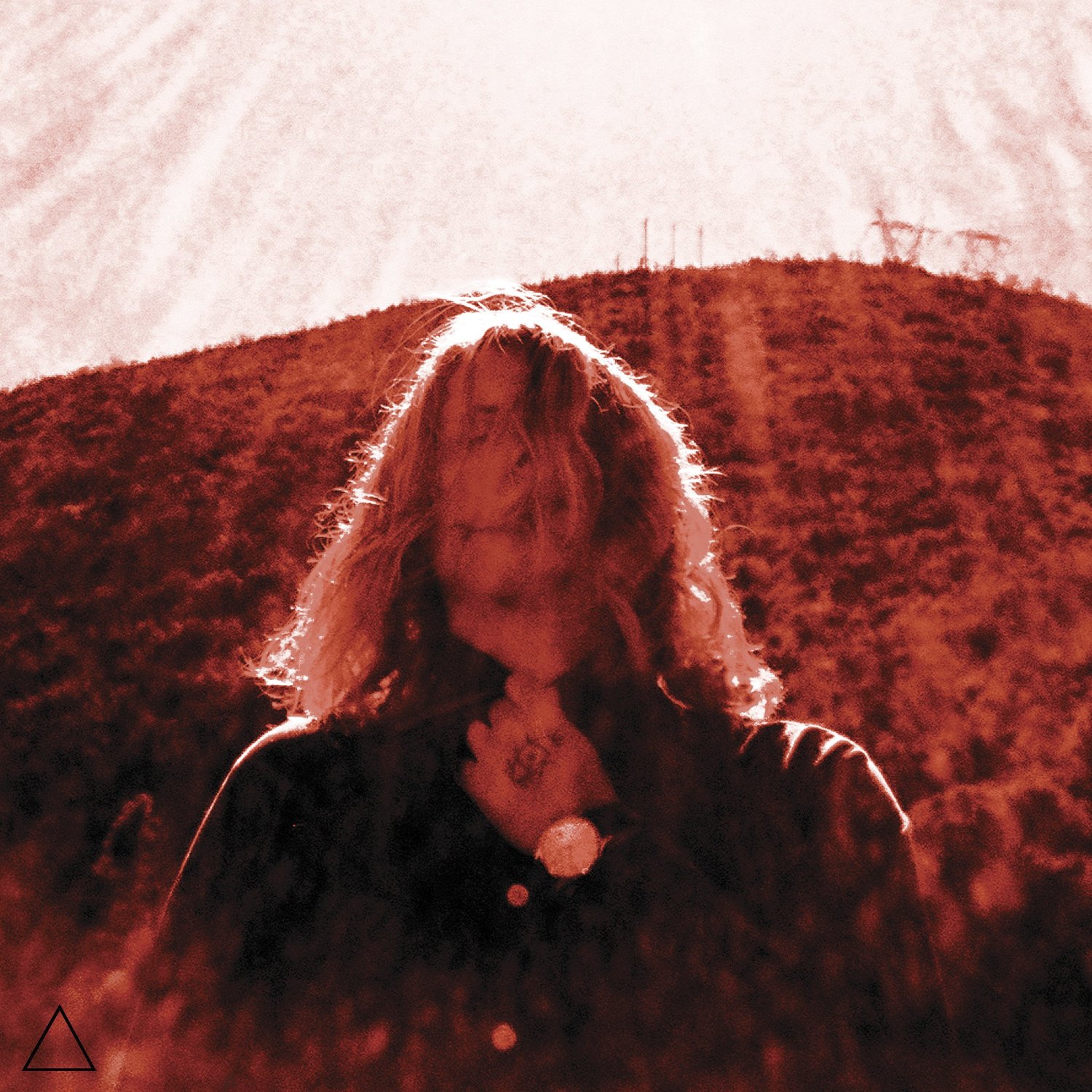
I am not listing labels, since you can copy and paste the titles into a browser and find ’em in a few seconds. I haven’t written about all of them: for example, Ty Segall’s Manipulator is growing on me day by day–surprisingly, since I thought he and I were through–but I don’t yet know what to say other than he’s gotten all of his predilections embraced securely and has put together a tour de force that might be the best thing he’s ever done. Maybe that’s enough. Anyway, here’s what’s been repeatedly ringing my bell:
Long Players:
1. Wussy: Attica!
2. Allen Lowe: Mulatto Radio–Field Recordings 1-4
3. Chris Butler: Easy Life
4. Ty Segall: Manipulator
5. Bo Dollis, Jr. and The Wild Magnolias: A New Kind of Funk
6. Obnox: Louder Space
7. Latyryx: The Second Album
8. Ross Johnson and Monsieur Jeffrey Evans: Vanity Sessions
9. Neneh Cherry: The Blank Project
10. Phil and Dave Alvin: Common Ground–The Songs of Big Bill Broonzy
11. Marc Ribot Trio: Live at the Village Vanguard
12. Orlando Julius with The Heliocentrics: Jaiyede Afro
13. Natural Child: Dancin’ with Wolves
14. John Schooley: The Man Who Rode the Mule Around the World
15. Leo Welch: Sabougla Voices
16. Tinariwen: Emmaar
17. Big Freedia: Just Be Free
18. Billy Joe Shaver: Long in the Tooth
19. The Stooges Brass Band: Street Music
20. Mr. and The Mrs.: Radiation Street Blues
Singles:
1. Bobby Rush: Upstairs at United
2. Marc Ribot w/Deerhoof: Who Sleeps, Only Dreams
3. Heavy Lids: “Gravity Reverse” b/w “This Horse”
Old Stuff/Reissues:
1. John Coltrane: Offering—Live at Temple University
2. Various Artists: Haiti Direct!
3. John Schooley One-Man Band: Schooley’s Greatest Hits
4. Bob Wills & The Texas Playboys: Riding Your Way–The Lost Transcriptions for Tiffany Music 1946-7
5. Various Artists: Angola 2
6. Various Artists: The Rough Guide to the Music of Mali, Volume 2
7. D’Angelo: Live at the Jazz Café, London
8. Sid Selvidge: The Cold of the Morning
9. Gories: The Shaw Tapes—Live in Detroit 1988
10. Charlie Burton: Rock & Roll Behavior
11. Various Artists: Dylan’s Gospel—Brothers & Sisters
12. Various Artists: Go, Devil, Go—Raw, Rare, Otherwordly Gospel
Music Docs:
1. AKA Doc Pomus
2. The Case of the Three-Sided Dream
John Schooley: The Man Who Rode the Mule Around the World (Voodoo Rhythm)
Niangua, Missouri, escapee Schooley continues to evolve. As the gee-tar and co-writin’ fulcrum driving The Revelators (of Columbia, Missouri–find their Crypt releases), he helped coin a kind of style: rockabilly oi–it seemed to me at the time–or farmboy boogie, as he might call it now. As the whip across the shoulders of Austin’s Hard Feelings, he found a place of no disgrace in the rockaroll world during a time when that wasn’t easy. As the hardest-working, hardest-thinking one-man-band (there are a few) in the Yew-(be)Nighted-States, he has preached and played across this turf and yon til his knuckles and tonsils have bled. This is a man who doesn’t settle, who is as Show-Me-State-stubborn as the mule Charlie Poole rode ’round the world, and his new release is his best. Augmenting his barnstorming six-string and bigfoot beat with banjo, fiddle, piano, handclaps, and harmonica (courtesy of the great Walter Daniels), barreling through old weird American traditionals (a plangent but lively “Cluck Old Hen”!), golden-age nuggets from Marvin Rainwater and G. l. Crockett, and some snazzy originals, he achieves something akin to what Greil Marcus once wrote about Jerry Lee Lewis’ Sun auditions: “…[O]ne long roadhouse stomp.” And on “Doubleneck Stomp,” he catches up to his long-time ambition of mating Roy Buchanan and Link Wray. His vocals still need some oomph, but if you turn the record up as you are instructed to on the album cover, it just doesn’t matter.
It may seem that I have been neglecting my responsibilities here (such as they are), but, though I am retired, I am actually working two part-time jobs and they have been keeping me preoccupied. But, as always, music has provided much-needed fuel. What follow are some highlights of the past month:
John Coltrane: Offering–Live at Temple University (November 11, 1966) (Resonance Records)
As a devoted though sometimes fatigued fan of Trane, I greeted the news of this excavation/restoration with some skepticism. One must admit that a goodly portion of the jazz audience has gotten–and will continue to get–off the bus after A Love Supreme, and, having listened to the man’s entire output after that record, I know they have good reason. I love the churning, searching, two-men-becoming of InterstellarSpace, the roiling, blistering, crying record-long prayer of Meditations, the daring transformations of Live at the Village VanguardAgain; on the other hand, I am not sure I will ever put on the hammering, hectoring live records from Japan and Seattle again. I like Ascension better in theory than reality (though it’s a better realized experiment in freedom than Free Jazz, for sure); I’m likely to keep Om shelved. Of course I am leaving a few records out, but, to get to the heart of it, I wasn’t sure I or anyone else needed an imperfectly recorded concert record that might well be more painful than enjoyable. If you have the same misgivings, set them aside. This is a document worthy of your time. Coltrane is in great form, though he was nine months from passing–in fact, some of his most focused and coherent free playing ever is here, in very good fidelity, and the legendary singing and chest-beating he did at this gig are not freakish. It works; it’s even moving. Some Philly locals (on saxes, the very brave Arnold Joyner and Steve Knoblauch) showed up to pitch in, and they prove equal to the ’66 group’s concept. I would go so far as to say that they at least equal Pharoah Sanders, who on first appearance sounds like he’s taking a box cutter to the sheets of the night. Actually, the fidelity issues–you can’t really hear the bass other than one solo (and it’s a shaky one–Jimmy Garrison is not on hand), and the drums, when not in solo mode, are very quiet in the mix–enhanced the listening experience for me, even if they break the democratic contract. Honestly, I like hearing Trane when he’s not fighting for space, and, even if he was at the actual event, he is the show here. Highly recommended.
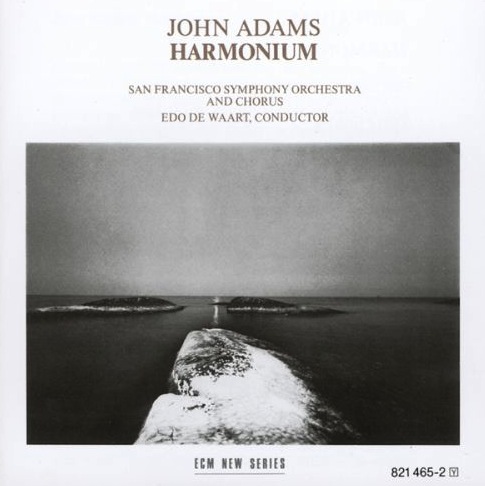
Classical ain’t my usual bag, but reading David Toop‘s Ocean of Sound loosened me up for this, which a good friend foisted upon me on a lazy, cool Sunday. Rolling off a throbbing, multiply-manifested minimalist pulse like waves, the voices of more than 100 join to sing John Donne’s “Negative Love” and two Emily Dickinson poems, the well-known “Because I could not stop for Death” and the more obscure (and uncharacteristic) “Wild Nights,” texts that, as passionately interpreted here, seem to trail off the final line of Andrew Marvell’s “To His Coy Mistress.” The massed voices blur the words, producing a roar that, paradoxically, sounds heard from afar, or in a dream–but which is true to the lines of the poems. Hard to write about this stuff when you’re a sub-neophyte, but I think I am right about this one.
Leo Welch: Sabougla Voices (Fat Possum)
One by one, the giants of North Mississippi Hill Country blues have fallen: Junior Kimbrough, R.L. Burnside, T-Model Ford. Others, like Robert Belfour and Paul Wine Jones, have quieted. All the more welcome, then, is this document of the non-secular side of the tradition that does not sound all that much like Fred McDowell, its aesthetic fountainhead. Raw, hypnotic, crying Holy unto the Lord, and together, Welch’s music is the gem you’re looking for in this blues world of…well, it ain’t even fiberglass anymore, is it? As Digital Underground once advised us: “Heartbeat props/Don’t wait ’til the heartbeat stops/Give the man props while he’s livin’….”
The Fugs: “Refuse to Be Burnt Out” (from Refuse to Be Burnt Out, New Rose, 1985)
I wish I had the audio track for this song–see: everything isn’t on YouTube, children!–which I have listened at least 50 times through many travails over the last 18 months. You need to hear it, and, like us, print the core of the lyrics out and slap them on your fridge. Here they are:
Refuse to be burnt out:
The answer is–
Not to be laid back
Not to be cynical
Not to be hesitant
Not to be shy
Not to be uninformed
Not to be beaten down
Not to be isolated
Not to be frightened
Not to be threatened
Not to be co-opted
AND
Not to be lied to….”
(Edward Sanders)
If you do get a chance to hear the track, you will enjoy the ageless Mr. Sanders’ razor-sharp delivery of this line: “Bitterly bickering bitter-shitters/Cursing fate when lunch is late….” My wife and I recite that one every time we are frustrated because we can’t find a parking spot.
The Minutemen: Three-Way Tie for Last (SST)
I wish two things:
1) That this album was not still utterly relevant.
2) That I would have seen this band in person before its life was snuffed out by a stupid broken axle.
If you are, say, a young fan who’s just begun to explore this group and headed straight for Double Nickels on the Dime or Buzz or Howl or What Makes a Man Start Fires? (or all three, and good for you!), it is time to catch up. It grows on you–hard–and absorbing it fully only makes their tragedy deeper, because, like all truly great bands, they were growing so quickly, both musically and mentally, and the results don’t sound like growing pains.
For those few of you who may have wondered where I’ve been, it’s been to the Land of the Uninspired as well as to the opposite–the American South, specifically New Orleans (again!). I am trying to get the hang of regular blogging; my life-energy is too variously diffused, I think, to write every day, but I am a creature of routine. If I am IN a routine–I mean IN–you can count on me like the sunrise. But if what I am involved in has an irregular pulse, I am likely to fade. So I am fighting this. I would also like to clarify that this is a music blog that, really, is aimed at people like me (life-energy variously diffused) who don’t have time to be music-obsessed (though I find time because I am helpless). So, for example, if I mention Mr. Quintron, to whom many would now react with a gargantu-yawn…well, I am not writing at you. OK, enough. My life does revolve around music, so here’s what has happened since I last made contact.
1. I saw Johnny Winter with a colleague whose mother taught him English in high school in Beaumont, Texas, and who had Johnny’s brother Edgar (I am sure you have heard of him) as a–wait for it!–but it should not be a surprise!–Sunday school teacher. My buddy got to say hi at an otherwise depressing meet-and-greet (where to hold one these days? in a store specializing in video games!), then we went to the show, where either the sound guys at the venue-that-shall-not-be-named fucked up the mix, or the mix was designed to disguise Johnny’s age-and-illness-related struggles. It was not a bad show, but you couldn’t tell what Johnny was singing (“Bill Haley preaching Armageddon,” Lester Bangs once wrote of his performance on 1969’s Second Winter), and you had to watch his fingers (we were in the balcony) to tell if he was soloing. Barely a week later, he was a gone dead (silver) train. Did he matter? Listen to this:
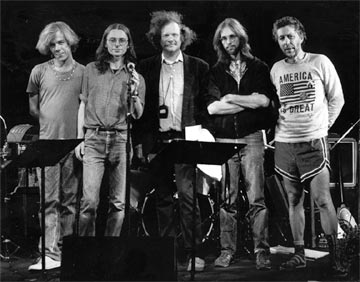
Also, below, is a great picture of my friend, looking perfectly Sunday-school-defiant, standing in front of the teenaged Edgar “Frankenstein” Winter:
2. I adore Western Swing–Bob Wills’ 1946-7 version of the Texas Playboys is as close as I think that products of Western civilization have ever gotten to fully realized–and, if you don’t count the late, ineffably great Canuck Ray Condo and his Ricochets, I had never seen or danced to such a band live. It materialized that I got a chance to see Asleep at the Wheel, to my mind the world’s best and maybe last Western Swing band. Well, they only had one fiddle, they didn’t play a song from their great early records The Wheel and Comin’ At Ya, and they didn’t play either of their classic Kinky Friedman covers, which are important since a) Kinky cannot sing, and b) he is a cowboy-hatted Jewish Texas country-singer, crime fictionalist, animal-lover and channeler of Mark Twain. ASSIGNMENT: look up Asleep at the Wheel’s beautiful run at “Before All Hell Breaks Loose,” in which Kinky advises resigning from the human race, and “Homo Erectus,” in which Kinky gets wood for a teacher. They played OK, but we didn’t dance. That’s the measure.
3. We did not make a second visit to Fred and Annie Mae McDowell’s grave on Tate-Panola County Road between Senatobia and Como in Mississippi. We had hoped to make a practice of keeping them clean–on our first visit, Annie Mae’s grave was littered with butts and other detritus–but we realized only three months had transpired since our first visit. We are going to make it practice, but instead we went to the Como, Mississippi, library and saw some great North Mississippi Hill Country photos on the wall. If you’re ever in Como, stay in the Como Inn and go to their library.
4. Nicole, my wife, who is gamely, heroically, and intelligently struggling with the recent passing of her mother (and, really, she has no other) from brain cancer, loves New Orleans even more than I do–and people, I was born to love it–so we booked about a week at the highly recommended Frenchmen Hotel in the heart of the Marigny on Frenchmen Street, which, if you don’t know, is where you end up if you keep walking east past the French Market and out of the Quarter. I had a nice conversation with Jan Ramsey, the editor of Off Beat!, the guide to avoiding tourist shit and having fun local-style (it’s free in NOLA, but we pay to subscribe here in Misery), whose office is above the great Louisiana Music Factory, which was right next door to our hotel, and she was concerned with our experience on Frenchmen Street: “Was it just a touristy extension of the Quarter?” is what her concern was. Yeah, tourists find their way there, BUT, first, Frenchmen Street and the Marigny is the bohemian version of the Quarter (think about that), and it is virtually all music venues that are devoted to local acts, which, in New Orleans, deliver.
5. When in New Orleans, you must see and hearmusic. Every genre is represented, and not as a passing-through thing. We had a series of literally (in other words, I am not writing figuratively) mesmerizing live experiences:
Ellis Marsalis, one of the city’s first modernists, slyly guiding us through a mixture of Tin Pan Alley, bebop, post-bop, and modernistic pieces at Snug Harbor (go! go!), with his youngest Jason drumming and exchanging wry looks and strangely autistic rhythmic responses throughout.
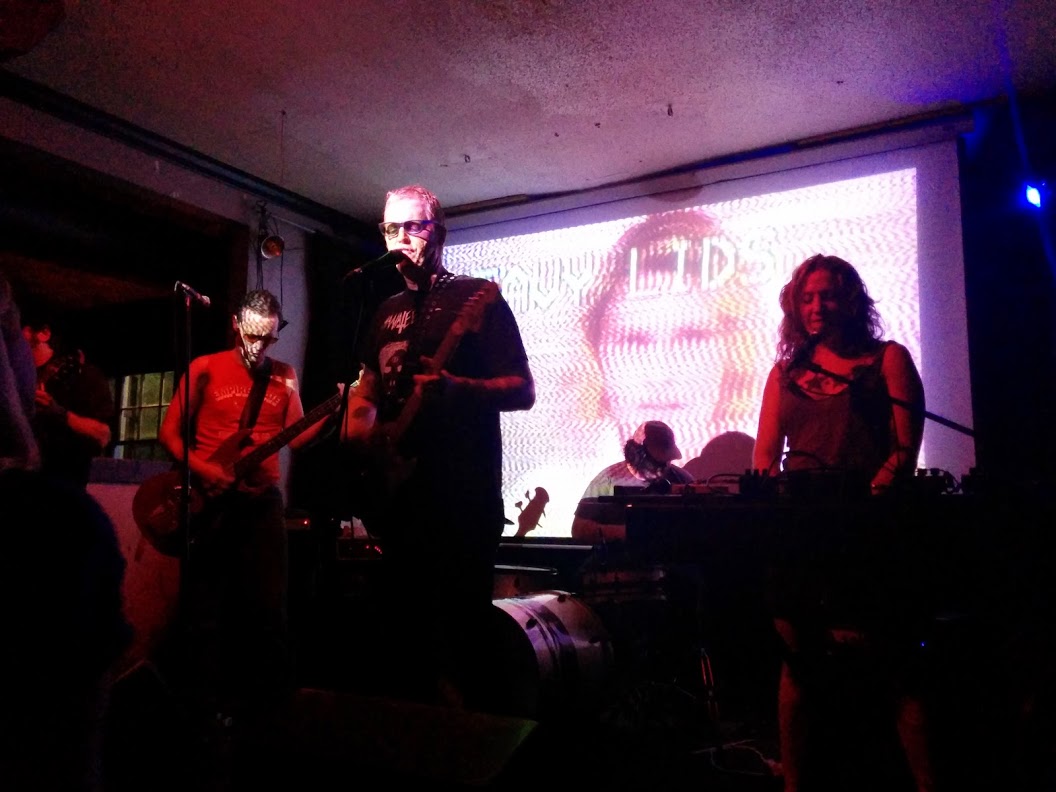
Heavy Lids (above)
Siberia, an old-school punk dive that we revelled in–no summer scarves, no beards, no preciousness, lots of smoking!–featured an amazing four-band bill: Planchettes and Heavy Lids, who must be among the best punk bands in New Orleans, the former anorexic teenage sex-god trash, the latter a casually fierce, “I don’t give a shit” unit with a great Mr. Quintron-produced 45 which we found at the stern but awesome Domino Sound, supporting the Nashville duo of Pujol, who must be the shortest band in rock and roll history but whose guitar tone drilled a hole through my brain, and–honestly, we didn’t know they were going to be in NOLA–Natural Child, whose new album Dancin’ with Wolves is their worst (they’re tryin’ to go country–why?) but who remain totally unpretentious, fun, and offer the best t-shirts in indie-dom. I count myself as easily in their Top 10 biggest fans, but they don’t give a shit–as it should be! We went in dreading enduring the huge bill, and left elated at how consistently exciting and fun the band–and, largely, the crowd–was. Props to a dude I met there named Ronin, who immediately made us feel welcome (my ancient Husker Du shirt helped).
John Boutte plays almost every Saturday night at dba’s on Frenchmen. The lay(wo)men would know him as the singer of the theme to HBO’s Treme. While not quite Sam Cooke risen to walk amongst us (as some claim), the little sprite has a very similar, though drier, delivery, and–honestly–better taste. We had suffered through douchebags standing directly behind us talking about their BMWs and cocktails when we’d seen him at Tipitina’s in NOLA in March, but dba’s insists on decorum during Boutte’s sets, and it made all the difference. He swung smoothly from anti-war song to Tin Pan Alley standard to trad-jazz NOLA to Iris DeMent’s “My Life” and Paul Simon’s “American Tune,” backed by acoustic guitar, piano, trombone, sax, and his own tambos. The man really would be a star if he chose to step out of the Crescent City, which he has no plans of doing. Respek.
We were, unaccountably, on a Marsalis kick. I find Wynton’s musical politics a sad and misguided distraction, but the family can play, and we bought tickets to see the trumpeter lead the Lincoln Center jazz orchestra at the beautiful Saenger Theater in a benefit for the Tipitina’s Foundation, which gets instruments in the hands of NOLA youth. I expected a dry performance, but the set list was inspired (nice onscure Brubeck and Silver, plus some Marsalis originals), and Wynton, really getting off on his mute and vocalizations, came off as a true and proud and funky son of the city. Two nights later, we found ourselves at the Royal Sonesta, watching Jason Marsalis’ vibes group nail a bunch of Monk tunes and being blown away by Justin Faulkner, one of the best young jazz drummers (along with New Orleans’ own Joe Dyson) that I’ve seen–look for him in the upcoming film about Buddy Bolden. He is the son of Art Blakey and Roy Haynes, if that means anything to you.
Records: four blew me away. Two 45s: a limited edition split-single where local boho-community booster-weirdo-organist Quintron does nouveaux-zydeco Keith Frank’s awesome and inspirational “Haterz” on the “B,” and Cajun heroes Steve Riley and the Mamou Playboys do Quintron’s addictive “Chatterbox” on the “A”; and a great 1971 single by eccentric Lousiana bluesman/ex-con Robert Pete Williams, where, on the “A,” he says goodbye to Slim Harpo with stinging and unusual slide-playing, and, on the “B,” addresses our involvement in “Viet Nam.” I casually snapped it up for $10, only to find it was going for $30-40 in the collectors’ market. That shit makes no difference unless the music wails–which, here, it does. One LP I scarfed up collected the great NOLA trumpeter Henry “Red” Allen’s accompaniments of ’30s blues singers. Allen wasn’t Satchmo, but he had plenty of subtle and ecstatic moves. Finally, I got a 300-copies-only cassette comp of the best of the aforementioned Mr. Quintron, which, to my ears, is a) perfectly selected, and b) perfectly timed, since I just bought a new Denon dual cassette deck for $25 on eBay.
Finally, I met a small passel of locals at the Envie Cafe on Decatur–one of which had previosuly just been a cyberfriend, but who, in physical space, was even more interesting: a former stud wrestler, a master geneologist, and stellar record collector (I suspect him of being former CIA). He introduced me to his morning band of caffeinated reprobates, and I learned very, very much–about James Booker, Wynton Marsalis, Algiers Point, 504 Records, much, much more.
If you ain’t been, you really ought to go.
6. There are only two records that matter this year: Wussy’s Attica!, which is passionate and mysterious as rock and roll has not been for a long time, and Allen Lowe’s Mulatto Radio: Field Recordings 1-4. I’d like to say one thing about the latter (well, maybe more than one): read Lowe’s great book American Pop: From Minstrels to Mojos, which explains better than anything our tangled musical legacy, listen to the nine-disc audio companion, then load up his new four-disc set, lean forward, and revel in how he and his mutating jazz units (featuring players like Matthew Shipp, J. D. Allen, Lewis Porter, and the raw, ebullient-toned Lowe himself, on alto sax) try with all their might to live up to that legacy. All that’s missing, Allen, is a fiddle. Props are also extended to Bo Dollis, Jr’s A New Kind of Funk and the Jenny Lewis single “Just One of the Guys,” which transcends the too-polished album it’s attached to with real live commentary about being a rock and roll woman.
Blinded as a newborn by hideously incompetent medical personnel, discovering sound possibilities as a youth by blowing through the cut-off end of a garden hose, dreaming of playing multiple horns simultaneously then soon after finding the perfect (and antique!) horns in a pawn shop basement, and, unaccountably, willing himself into one of the most unique and passionate players in jazz during a decade (the Sixties) of abundant uniqueness and passion, Rahsaan Roland Kirk should have been the subject of a feature-length documentary a long, long time ago. True, Dick Fontaine’s 25-minute 1967 documentary Sound??, featuring Kirk and John Cage making a compelling and wryly humorous case for sound as music, is a cult classic–the footage of Kirk serenading wolves at the London Zoo and rocking the hell out of his classic “Three For the Festival” at Ronnie Scott’s can make a benighted viewer a lifelong fan. Rhino’s issue of Kirk’s wonderful 1972 Montreaux concert is also a piece of essential viewing for any jazz freak. But the inspiring and tragically short life of Kirk is one of the most gobsmack-inducing tales in music, and director Alan Kahan has done it proper in The Three Sided Dream. See it as soon as you get the chance; my sources tell me Kahan’s having difficulty finding screenings for it, and that’s a completely unjust situation for him and his film.
Honestly, having been a Kirk fan for many years, seen, heard, and read everything about him I could get my hands on, and experienced a few more unimaginative music documentaries than I would have liked, I walked into the film with, well, meager expectations. That is, I figured I’d see footage I was already familiar with, hear a procession of talking heads retell Kirk’s life story, and miss some important information (likely, I thought, about his politics) that might have made the film and the artist’s portrait more complex. I’m happy to report that Kahan’s film is a major success. Mainly, he invests it with such emotional power, through his handling of Kirk’s struggles with critical misunderstanding, racism, and blindness (the latter, wonderfully, seems the least difficult challenge Kirk faced!) and his integration of Dorthaan Kirk’s home movies of her husband and children, that I–and other viewers–struggled with tears of inspiration throughout the movie. Also, the talking heads here almost always have something insightful and interesting to say, especially trombonist Steve Turre, who played in Kirk’s band after the hornman suffered a stroke that would have ended the career of 99.5% of other musicians but which failed to completely derail Rahsaan. Turre’s sense of humor and wonder, and his trove of concert stories, are a cut above the usual music-doc fare. Mrs. Kirk’s recalling of her life with Rahsaan–especially her reflections on his post-stroke struggles–are also major highlights of the film. Though I had seen roughly half of the footage Kahan unearths for The Three Sided Dream, what I hadn’t seen was often revelatory, especially a full, spectacular performance on The Ed Sullivan Show, the story behind which is worth the price of admission–and you will have to pay it to find out. Most important, Kahan lets the voice of Kirk–visionary, witty, angry, playful, the voice of a true old soul–tell most of the story.
I have few quibbles about the film. I initially felt the long, initially-uncredited reminicense/assessment of Kirk by a modern poet that opens the film unnecessarily hindered its momentum; upon reflection, it now seems equivalent to a good theme-setting introduction to a book. One sequence includes Kirk’s famous (and amazing!) combining of “Sentimental Journey” and a segment from Dvorak’s New World Symphony–he plays the melodies simultaneously on different horns and harmonizes them, with spectacular results–but the narration and animation run over the actual performance, so that when we are left alone to hear the music, Kirk’s moved on from his experiment to a new melodic expression. But, as I said, those are mere quibbles.
I cannot overstate how powerful this movie is. It hit me so hard I was still feeling sorrow (along with an overpowering desire to listen to Kirk all of this week, which I will) an hour after I walked after the theater–that Kirk died at 42 is just a cruel theft of (or by?) the cosmos. As well, I felt immense joy and inspiration in beholding a story of titanic artistic and personal accomplishment against towering odds. I cannot quite imagine the impact it will have on open-minded, open-eared music fans who know nothing of Kirk’s life and music. Do your best to seek this film out and see it; consider, as well, the possibility of helping the filmmaker get The Three Sided Dream to a wider audience.
As is my habit, I set up a 400-song folder of Texas songs on our car’s iPod. In addition, I packed the audiobook of John Waters’ CARSICK, knowing it would be riddled with the cracked songs that are like illicit delicacies to The Prince of Puke. Here were our standout musical moments:
Jimmie Dale Gilmore: “Reunion” (with Lucinda Williams), “Just a Wave,” “Bhagavan Decreed” (with The Flatlanders)
We have long been familiar with this one-of-a-kind Texan, who fuses Eastern religion with the honky tonk upstairs, and Marty Balin (!) with Hank Williams Sr. But as many of you surely know, in close quarters and on long drives, songs you thought you knew cold unfold in new ways, or simply splash cold water in your face to remind you how great they are. Respectively, Jimmie a) tells his departing lover (via death? break-up?) that the Cosmos does not allow for true parting; b) is told by a departing lover that, however strong his love is, it is only a few cubic feet of what she needs and wants from the other waves (I emphasize the plural) in the ocean; d) reminds the profligate apple of his eye that “the highest place is under ground.” Sui generis, baby, sui generis.
Lightnin’ Hopkins: “Needed Time”
Have heard it a million times, always figured it was the original “Kumbaya” before it got clumsily Africanized by uncomprehending Christian Caucasians, then got pulled up short by what I think has been a mishearing on my part: “Now is a needed time.” Always thought it was “Now that I’ve needed time.” Just a slight adjustment makes it more desperate, more humbly pleading, more communal–even more of a masterpiece, one among many created by ol’ Sam. I could be wrong, but, sorry, folks, from here on I will choose to be.
Waters has a killer record collection–I have seen part of it–and it makes an impact on everything he films and writes. The tunes in Carsick mostly energize the “Good Ride” and “Bad Ride” fantasies that precede his true tale of Baltimore-to-Frisco hitchhiking, and, after dutifully listening carefully and tracking all the songs on YouTube (not all are available there, a tribute to Waters’ eye for the obscure), I was dismayed to find the entire track listing helpfully supplied by the author at the end of the hard copy. It ain’t Texas music, but it kept us sane driving through that endless state:
Note: the book itself is excellent–among the many things it is (which includes severely aberrant), it is a warm testament to the decency and good cheer of the random citizen of the Yew Ess Ay! I shit you not!
Blind Willie Johnson: “God Moves On the Water,” “Take Your Stand”
The great intinerant country gospel singer whose “grain of voice” makes Howlin’ Wolf’s sound like Michael Buble (well, I am exaggerating a little) probably/maybe hailed from Marlin, Texas. I will let the scholars wrestle, but, upon traveling through Marlin, we could hear his wail whipping around the little town–and it’s 2014, not 1930.
Joe King Carrasco and the Crowns: “Let’s Get Pretty,” “Buena”
As Nicole and I forayed into Austin with fearsome one-man-band and fellow WordPress blogger John Schooley to dig in the local crates, I expressed enthusiasm about finding a particular vinyl copy of one of Joe’s early albums. Without missing a beat, John responded, “You can find it in any dumpster in Austin.” Ouch. Well, along with the B-52’s and maybe Quintron and Miss Pussycat, the Crowns were among the last of the great, great, great rock and roll party bands (just for example, their catalog of prime big-beat hedonism is a lot deeper than the Fleshtones–and they recorded with Michael Jackson!), they are eternally honored in my heart, and–NOPE, didn’t find what I was looking for in a dumpster OR at End of An Ear OR Antone’s (though I did find an autographed copy of their killer Hannibal label record at the latter, but then lapsed into a Lockhart BBQ hangover and forgot to grab it, buying instead a Johnny Bush-Willie Nelson duet album I already owned). Resist this:
Ornette Coleman Quartet: “Ramblin'”
Goodbye, RIP, Charlie. He, one of jazz’s greatest bassists, was from Missouri and Iowa, Ornette from Fort Worth. As a tribute to his life that just ended, listen carefully to these euphonious musical radicals play the honkin’ Texas blues as freely as the sky spreads, and listen to the late Mr. Haden insert a little Elmore James into the mix.
Rosie Flores: “Cryin’ Over You”
While in Austin, we also visited the teen-incey Ginny’s Little (I Mean Really Little) Longhorn Saloon, where we saw an old musical friend holding forth on The Fourth: Ms. Flores. As we entered, she was kind of slogging through a version of Dave Alvin’s “Fourth of July,” then she took a break. After we (and she, quite likely) tipped a few cold bottles of Lone Star, she returned to the stage invigorated. Just a tiny thing, with reading glasses on and a music stand in front of her, cute as a goddam bug, she ripped into this old song of hers, and raised even the jaundiced eyebrows of our host with a sizzling solo. As soon as I got home to Columbia (a week and a day later), I had her first record on the turntable. If you’re in Austin on a Friday night and she’s got the bill, proceed post haste to the above locale. The crowd will be there for a decent reason, the beer is cold and cheap, and you can dance to her! In the meantime, dig this corny but sweet official video for the above.
The Sir Douglas Quintet: “Texas Me”
For us at least, no trip to Texas could be complete without a goodly helping of the music of Doug Sahm’s deceptively talented fake-Brit-Invasion group. Sahm (the ur-Willie), abetted by his fellow South Texans and Tejanos, could do damn near anything classified as American music, such as here–blithely and cooly melding loud fiddle, horns, piano triplets, and soul singing. If you ain’t already, GET FAMILIAR with the ways of Sahm.
I absolutely love storming guitars. That’s why I love these two rekkids.
Something old, something new. Sam “Lightnin'” Hopkins two-volumeHerald Recordings(mine are on Collectables; I think they are available on other labels as well), recorded in that very significant year of 1954 (not ’55), make the Houston blueman’s claim to being a father of rock and roll–that’s how much steam he works up on classics like “Blues for My Cookie,” “My Little Kewpie Doll,” and “Lightnin’ Don’t Feel Well.” Though there are no late-night changes of paces, there are some rather amazing instrumentals, like “Hopkins’ Sky Hop.” On Obnox’s Louder Space (on Austin’s perfectly named 12XU label), guitarist/drummer/vocalist Lamont Thomas (formerly of that unjustly obscure band of Ohioan ravers, This Moment in Black History) continues his assault on all things genteel–hey! it’s freaking taken over beyond neighborhoods, can’t you see?–with 12 hard-charging, fuzz-layered, no-let-up toons that conjure memories of prime Stooges, Big Black, and Dirtbombs. There’s a fonk-bomb called “How to Rob (The Punk Years)” (my personal favorite), there’s a redefinition of “Riding Dirty,” and the rekkid closes with a great dirge, titled, with perfect justification, “Feeling Real Black Today.” I just played the whole thing thing three times in a row. I think Lightnin’ would have loved it.
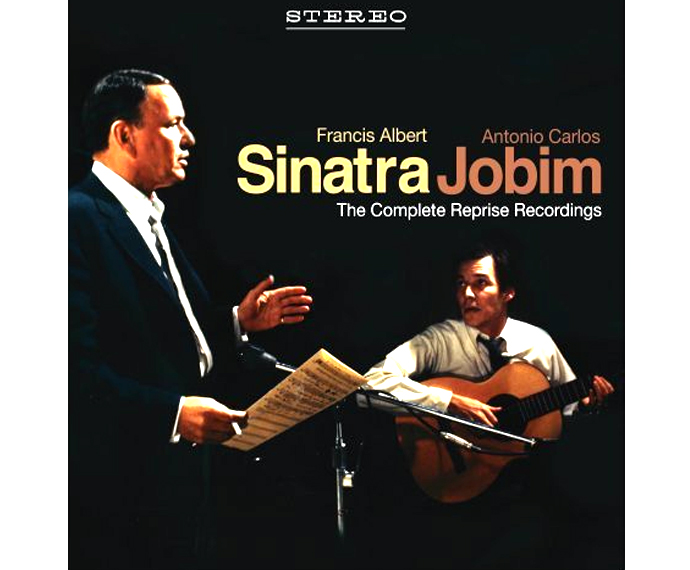
Frank Sinatra and Antonio Carlos Jobim: The Complete Reprise Recordings (Reprise)
I am half-deep in Will Friedwald’s Sinatra: The Song is You, which veers from near hagiography–I have never seen so many absolutes (“always,” “never”) from such an esteemed writer–to glowing, revelatory descriptions of classic sessions that argue that, in contrast to, say, Elvis, Ol’ Blue Eyes was in near-total control of his art, from modulating his justly-legendary voice to stopping sessions to make astute suggestions to producers, conductors, and musicians. When he got his own label, he went a little nuts, recording way too often with too few heads to butt against, resulting, with the help of the normal hell aging wreaks on a singer, in many records you could skip (can’t say that about his previous Capitol output). This one, though, is a real beauty. Sinatra comes to bossa nova a little late (1967–Getz got there in ’64), but I would argue this is the most fully realized statesize stab at the genre, and if you take umbrage with the claim Sinatra was a jazz singer–that his instrument was flexible to the degree of experimentation–well, gather yourself for this aural rebuttal. He’s close-miked, his every exhalation–no common matter with bossa nova!–sustained sibilance, and register-dives part of the music, and Jobim’s lighter vocal accompaniment and nimble guitar surround and respond to him just like those Nelson Riddle arrangements used to on Capitol. It’s a masterpiece. I am not sure I don’t like it better than In the Wee Small Hours of the Morning. On a vocal level alone, no self-respecting George Jones fan should be without it.
Heartless Bastards: “Got Down Last Saturday Night” b/w Wussy: “Breakfast in Bed” (Shake It Records)
This is the third in a four-45 tribute to the Muscle Shoals guitarist Eddie Hinton. I am not a huge fan of the Heartless Bastards, but the only thing they do wrong here is wind up too early; right as you are loving it, it’s over. Actually, though, I bought this as a gamble: the original “Breakfast in Bed,” which Hinton played on but did not write, was one of the many highlights of Dusty Springfield’s Dusty in Memphis, and Springfield sings it so exquisitely, with such a lethal combination of compassion, soul, and delicate raunch, that no singer in his or her right mind should ever go near it. Lucinda Williams, the Americana Joan Baez, tried, and had her limitations ripped out and shown to her the second before she–figuratively, of course–fell dead on the studio floor. How would Wussy’s Lisa Walker, whose imprecise pitch strikes one as either extremely fetching (if you are me) or a deal-breaker (if you are just mean), fare against the memory of a singer so ethereal, hip, Southern, and, it’s true, geisha-like–at least on that one album–that many listeners didn’t realize she was white and British? Like her band (“our people,” as partner-singer/songwriter Chuck Cleaver calls them), up against similarly daunting and virtuosic predecessors in Memphis’ American Studios session men, she puts her head down and attacks the song like it’s happening to her. Ragged and passionate, she and the band do justice. An essential pickup for Wussy fans, and a victory against the insidious musical creep of technophilia and gentility.
The original, to hear what they were up against:
The American Song-Poem Anthology(Bar/None Records)
Once upon a time, you could scribble down your song lyrics, send ’em off with a check, and professional musicians would create a song around them–even if, in your song, you thought tangerines were yellow (and your song was called “I Like Yellow Things”). I am late to the party on this strange, strange compilation, but it is oddly unsettling, and infernally catchy. Example: the title song, which at first struck me as surreal and unhinged, then earwormed me for a few days, then had its mystery revealed by my wife Nicole, who matter-of-factly stated what the difference was. I will leave it to you as an enducement to try this very American, very weird record. Do you know the difference between big wood and brush? And do you know musical geniuses killed themselves trying to make these records for people like you?
These are the “new” recordings that I’ve enjoyed the most in 2014.
1. Allen Lowe: Mulatto Radio–Field Recordings 1-4, or: A Jew At Large in the Minstrel Diaspora – This is the most ambitious recording of 2014–if not the decade, or the century. That difficult-to-love high school principal of jazz, Wynton Marsalis, pissed off Lowe, as ardent a student of our country’s musical history as you can find, in a conversation about jazz that, of course, ventured into areas of race, appropriation, and creative rights. Lowe responded with a four-disc (five, if you ordered it early!) tour de force that’s more alive and interesting than anything Marsalis has recorded in years, if ever. You don’t have to love jazz to be fascinated with the result, which easily lives up to its provocative title and tours every nook and cranny of the genre. And, in this listener and thinker’s view, it wins the argument. Check out my buddy Ken Shimamoto’s much-more-wise commentary at his Stash Dauber blog (he’s a writer/muso like Lowe).
2. Bo Dollis, Jr. and The Wild Magnolias: A New Kind ofFunk– What happens when you run a line of serious wattage into a Mardi Gras Indian practice.
3. Obnox: Louder Space – Continuing the fine Cleveland/Columbus tradition of ugly noise and urban protest. Lamont Thomas, with a serious punk pedigree to deepen his geographical birthright, makes a racket to light a fire under Mick Collins’ ass. Euphonious racket!
4. Latyrx: The Second Album –Who cares if their first album dropped 17 years ago? Lateef and Lyrics Born are still two of the most unique rappers spittin’.There ain’t no “Balcony Beach”–how could there be?–but there is “Deliberate Gibberish”!
5. Ross Johnson and Monsieur Jeffrey Evans: Vanity Sessions – Out to prove the Memphis rock and roll underground is still nuts now that the Oblivians have grown up, they win, four falls out of six. The title of the opener–“Three-Beer Queer”–says more than any review can.
6. Wussy: Attica! – Robert Christgau calls them a blending of VU and the Flying Burrito Brothers, which is absurd. What they are, with the star- and shock-power of rock and roll browning out, is the voice of far less polymorphously perverse and doomed adults than Reed and Parsons ever were, negotiating the 21st century into a draw and constructing a passionate but unflashy soundtrack to back their bargain. That’s probably absurd, too, but if you are a rock and roll fan of a certain age (say, if you actually walked the Seventies teenage wasteland), and are feeling just a little embattled, this Ohio band is for you.
7. Marc Ribot Trio: Live at Village Vanguard 2012 – Two Aylers, two Tranes, and two sentimental faves, socked home by, arguably, the country’s most daring guitarist.
8. Neneh Cherry: The Blank Project – Still in a buffalo stance. This mid-forties mama can roll with the zeitgeist–just ask Robyn, who spices up one of the best tracks here.
9. Sonny Rollins: Road Shows, Volume 3 – Old Man River just keeps rolling out the cadenzas. All three volumes are musts.
10. Tinariwen: Emmaar – How many Tinariwen albums does one need? Well, remember what they have always said about ol’ Hank and the Ramones, and ask yourself how many notes it takes you to recognize “Ramblin’ Man” or “Beat on the Brat.” This band has a sound, a groove, and a brood in their wake, not to mention that, politically and aesthetically, Saharan blues is good for what ails ye.
11. The Stooges Brass Band: Street Music – I believe New Orleans music gets short critical shrift because the city’s always been teeming with such traditional music that it’s assumed its innovations are long past. I won’t argue that this band of Stooges is all that innovative, but brass-band toons with the lyrics and cultural weight of “Why They Had to Kill Him” and “We Gotta Eat” aren’t everyday creations. And these guys work in a damned HOT crucible of competition.
12. Natural Child: Dancin’ with Wolves – I admit it: I am a sucker for these Nashville no ‘counts, and even I regard their countryward turn with a tinge of dubiosity. But they are so fun-loving, so unselfconscious, so unambitious, so charming that if I didn’t laud them I would have to turn in my Sir Doug Fan Club badge. Face it: unselfconscious men are hard to find these days.
13. Roscoe Mitchell and Tyshawn Sorey (with Hugh Ragin): Duets – Mitchell’s 73, Sorey’s 33, they both know their Cage and Feldman, and, if you’re not into the sound of becoming–the sound of sound–you best shop elsewhere. But this hands-across-the-generations team-up is relentlessly interesting. All I’d ask is that Sorey played more drums.
14. Parquet Courts: Sunbathing Animal– See Pitchfork. But it’s even better than they say. You gotta watch that groupthink.
Singles (Record Store Day double-header):
Bobby Rush: Upstairs at United – 81 years young this coming November, the inventor of folkfunk and seriously randy grandy is still one of our country’s underappreciated masters, and with the blues influence in our music trickling down to drops, you best get out to see him if he shows up in your ‘hood. But fathers, watch your daughters. Note: he also put out a full-length this year, and we’re only halfway through!
Marc Ribot w/Deerhoof: Who Sleeps, Only Dreams – When our age’s heir to Sonny Sharrock appears, attendez-vous!
Old Stuff/Reissues:
Various Artists: Haiti Direct!– Rhythm nation. And, oh, those guitars and horns.
John Schooley One-Man Band: Schooley’s Greatest Hits – The instrumental fulcrum of two-count-’em-two great lost garage punk bands, The Revelators and the Hard Feelings, Schooley will deliver all of the excitement and relentless rock of Bob Log and his ilk with none of their bullshit. Aaaaaaaaaaaaaaaaand — it’s free!
Bob Wills & The Texas Playboys: Riding Your Way–The Lost Transcriptions for Tiffany Music 1946-7 – The best band in the USA, circa 1946-7. Camaraderie, versatility, chopsmanship, rhythm, and high times–plus, of course, you can dance. Aaaaaaaaah-HA!
Various Artists: Angola 2
Various Artists: The Rough Guide to the Music of Mali, Volume 2
D’Angelo: Live at the Jazz Café, London – His band and back- up singers work harder than he does, and it’s still a great show.
Gories: The Shaw Tapes—Live in Detroit 1988
Sid Selvidge: The Cold of the Morning – A Memphis cult hero, his voice was silenced by cancer on May 2, 2013. This reissue of a ’70s Peabody Records release captures him in his prime, comfortable with everything from Furry Lewis to Jimmie Rodgers to Fred Neil and boasting a very flexible, very American voice that gives off not a whiff of minstrelsy or strain.
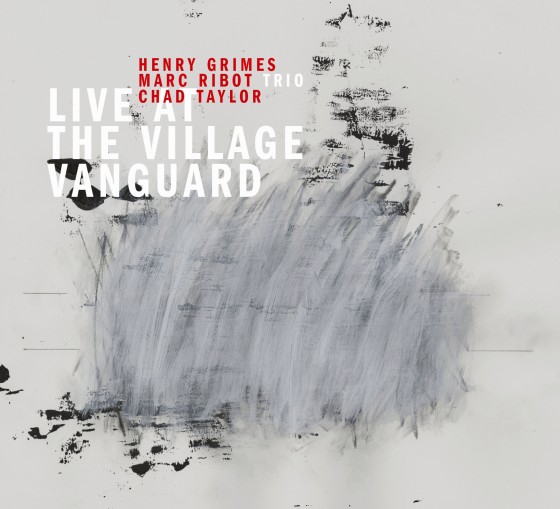
The Marc Ribot Trio: Live at the Village Vanguard (Pi Recordings)
Best known as an accompanist for The Lounge Lizards and Tom Waits, Ribot’s never put out a boring solo record. He plays guitar as if a jagged tin can and ropes of barbed wire are being employed, but, like Jimi Hendrix, he is able to control and channel his sound to produce frequently quite beautiful works. Also, Ribot’s smart and well-versed enough that he can adapt his sound to Cuban rhythm (check out his Los Cubanos Postizos records), rhythm and blues (he used to play in Solomon Burke’s band), punk (he’s the star on the recent and controversial re-recording of Richard Hell’s Destiny Street, filling the shoes and tracks of the legendary Bob Quine), pop (accompanying Marianne Faithfull), and jazz (his Albert Ayler-dedicated Spiritual Unity Trio). Being someone who believes that inventive electric guitar noise–loud electric guitar noise–is receding into our pop music’s background, I am thrilled to recommend to you two very different recent trio recordings Ribot’s made–that only Ribot could have made. Ceramic Dog is his rock project, and 2013’s Your Turn should have been in many, many critics’ year-end Top 10s. Besides offering the listener a truckload of skronky, intense six-string wailing and riffing (including the raging title cut, which sounds like a tribute to chainsaw jazz inventor Sonny Sharrock), it features the greatest lyric yet recorded about illegal downloading (“Masters of the Internet”) and one of the only songs based on materialist philosophy I have ever heard. As well, it takes Dave Brubeck’s “Take Five” five ways from Sunday, and astutely adapts a turn-of-the-twentieth-century poem by James Oppenheim to our modern use. The fact that Ribot can’t sing but only yells matters not a whit. The Vanguard trio has gone under multiple names; because it’s a) largely dedicated to Ayler recordings; and b) lured legendary avant-jazz bassist Henry Grimes (an important Ayler sideman) out of what seemed like permanent retirement, it’s often called Spiritual Unity, after one of Ayler’s greatest albums. Let’s sweep nomenclatural confusion out of the way, though, because the band’s 2012 live performance (Grimes’ first in almost 50 years) is stunning. The set list includes two relatively obscure Coltranes (“Dearly Beloved” and “Sun Ship”), two normally corny standards (“Ol’ Man River” and “I’m Confessin'”) and, of course, two Aylers (“The Wizard” and the ol’ New Thing chestnut “Bells”), and the trio digs into them with great intensity, invention, and interaction. If you haven’t heard Ribot before, but know Trane and Ayler, you might well ask, “How does a guitar deal with the huge noise of those horns?” Well, for the most part, he sidesteps the “bigness” issue and invests in ritual repetition, melody, vocal emulations, and, especially, the questing nature of those great men’s styles. The big triumph, to me, is that Ribot’s audacious decision to mount those corny standards alongside free compositions many jazz experts still wouldn’t think of allowing into the canon pays off in spades: the set sounds unified and the compositions of a piece. If you’ve never thought you’d like free jazz, you might take this one for a spin.
Haiti Direct! (Strut Records)
I know doodly-squat about Haitian music–other than that its traditions have flowed to Cuba, Puerto Rico, Jamaica, Trinidad, Mexico, and, especially, Africa, and that it’s a country where slave-chains were thrown off in a revolution and the river of freedom drunken from deeply (though in some ways the worst was yet to come). If you happen to be in a music store when this is playing, you might very well mistake it for a Congolese release, if you know your Franco and Rochereau. But, if you buy one international release this year, make it this one. Of course, the rhythms are bewitching and various and compelling–most of them are designed to bring the dancer to the point of frenzy. But the tensile guitars cut through the mix like serrated knives, the horns are played as if to wake the dead (which takes on multiple dimensions in Haiti), and the vocals, though not everpresent, range from demented screaming to–yes–meowing. If you’re a scholar, the record surveys multiple styles and is festooned with thorough notes. But if your heart, mind, ass, and feet like to move, you can save the reading for later and slap this on the turntable Saturday night once the drinks start to kick in.
Flying Burrito Brothers: The Gilded Palace of Sin (4 Men w/Beards reissue)
A good friend who I loaned this to as he was recovering from a breakup begged me, “Don’t ever give this to anyone who’s heartbroke again! It’s unbearable.” I’d been aware of that possibility before I loaned it; I’d used it myself for the same purpose, but, personally, I like to be taken to the very bottom before I start heading back up to the surface. Parson’s yearning, soulful, precisely imprecise vocals–the bane of multiple producers trying to get great records out of him during his comet-streak of a career–are at their peak here; even if you’re in a blissfully bounteous relationship, if you can listen to him sing, “He may be/Sweet and nice/But that won’t keep you warm at night/’Cause I’m the one/Who let you in/I was right beside you then….” without feeling the knife twist, you ain’t human. And the songs. The heartbreak songs are extraordinarily painful and indelible, mainly by virtue of splendid dabs of specific detail, but the others, especially “Sin City,” “Christine’s Tune,” “Wheels,” and the International Submarine Band chestnut “Do You Know How It Feels,” pull off that near-impossible trick of wedding the personal with the political, with no sign of strain or pretention. Elsewhere, Gram re-genders and tweaks “Do Right Woman,” matching Aretha (did I stutter?), and closes each side (I’m talking about vinyl here, folks) with marvelous comic relief: the draft-dodging “My Uncle,” trailing echoes of Merle Haggard, on Side A, and the droll Staples Singers/Hank Williams send-up “Hippie Boy” on Side B. The band was ace, especially Sneaky Pete Kleinow on steel, who cranks and fuzzes up his notes, the ultimate instrumental collision of city and country. This release corrects a very crappy remix foisted upon consumers by Edsel’s CD version, which quiets down Kleinow’s contribution slightly and bungles the balance–it’s one of the clearest, cleanest, richest sounding vinyl reissues of the current landslide, and that’s especially relevant since the rights to the album seem in questionable territory, and the last vinyl version I owned (A&M’s) sounded half as bright. Safe at Home (International Submarine Band), Sweetheart of the Rodeo (The Byrds), and Grievous Angel (solo) confirm Parsons’ genius. By now, most of us know he picked up country music second-hand, enjoyed trust-fund status, and treated friends, family, fellow musicians, and the ladies with imperfect consideration. But, in classic artist-as-martyr fashion, he died to capture the end of an era and birth an entire genre on this magnificent album, and I’m almost OK with that.
The Sweet Inspirations (Collectors’ Classics/Atlantic)
Familiar with this go-to group of backup singers from their subtle work on Dusty in Memphis, I stumbled across a reference to their 1967 debut album while plumbing the darkened corners a famous critic’s archives. I hadn’t known they’d recorded albums of their own, and generally backup groups’ records are a little plain. Not so this one. Led by Cissy “Whitney’s Mama” Houston, the ladies deliver a very, very effective and emotionally powerful performance in the heat of the spotlight. The tersely pain-filled opener, Darryl Carter’s “Oh! What A Fool I’ve Been,” should be a Northern Soul classic if it isn’t already; the ace cover of Pop Staples’ “Why Am I Treated So Bad?” opens them out into the real world of the Civil Rights Movement and lends the record gravitas. In between, they’re professionals-plus, especially on the already oft-recorded “Let It Be Me,” the title tune, and the knockout hillbilly-boogie cover “Blues Stay Away from Me” (you’ll never need to listen to the Delmore Brothers’ original again). They can’t quite chase the memory of Eddie Floyd on “Knock On Wood,” and they are too put-together to handle the Ikettes’ lettin’-it-loose “I’m Blue,” but with the studio aces of Memphis’ American Sound Studio shoring them up (especially Reggie Young on guitar) when they (only) occasionally flag, the Sweet Inspirations turn in what I’ll confidently call a minor masterpiece.
Serge Chaloff: Blue Serge (Capitol)
A flat-out beautiful record, one that should be among Kind of Blue, Time Out, and A Love Supreme as “starter” records offered to neophytes wanting to test the unpredictable and varied waters of jazz. The ill-starred Chaloff, a veteran of the great Woody Herman “Thundering Herd” band that also featured Stan Getz and Zoot Sims, plays his baritone with seductive lightness and ease (and a hint of bebop), the tunes, standards and newly-minted soon-to-be classics are unbeatable, and the combo is stunning, especially the fleet, inventive and equally ill-starred Sonny Clark on piano and the unflappable and star-defying Philly Joe Jones and drums. Seductive, engaging, and well-nigh perfect.
Parquet Courts: Sunbathing Animal (What’s Your Rupture?)
Almost every review of I’ve read of this band’s music leans very heavily on comparisons (no surprise there–it’s easier than thinking), but, if you’ll excuse me for being guilty of the same vice, I have been pleasantly surprised that I’ve mostly been reminded of none of the bands referenced therein. What Sunbathing Animals puts me in mind of most is The Libertines’ Up the Bracket: unpredictable explosions, careening forward momentum, drunken shifts, a healthy helping of ‘I don’t give a fuck”–all in all, a great rock and roll rush. I also appreciate that the lyrics don’t seem assembled from a magnetic poetry kit. Only things I haven’t liked is the grating outro of Side A–I love shitty noise, normally–and the ground-out of Side B. Good show, kids, and please stay in love with your guitars.
Stooges Brass Band: Street Music (Sinking City)
I like this tiny New Orleans-based vinyl-only label: its first release was the charming and historic compilation of Ricky “Shake Fa Ya Hood” B. singles, B is for Bounce, and though the Stooges’ record is only its third offering in a year in business, it’s a step in the right direction. The Crescent City is full of excellent brass bands, but The Stooges are my favorite because they seem most comfortable stepping out of the tradition. On this six-song record, they play with great exuberance, but they also deliver two powerful lyrics, the opening “Why They Had to Kill Him” and the closing “I Gotta Eat,” that deal unflinchingly and unsentimentally with the problems of 21st century poverty in the USA–a topic few musical acts in the USA go within a ten-foot pole of. Did I mention that they play with great exuberance?










 Living To Listen