Views from the Campus: Students from my Freshman Composition/Pop Music Fusion Class at Stephens College, Fall 2022

Last semester, I posted some of the best writing my Stephens students did for my “Groundbreaking Women in U. S. Music” class, and I’d like to continue this practice. Stephens, alas, did not offer that class in the fall, but I usually infuse my freshman composition instruction with popular music study–I usually learn much more about that from them than they do from me. Here are some of my favorite final exam research papers from that class; the task was to make a case for a woman who is a “figure of impact” in pop music. Note: I feel funny about editing these before posting them, because a) I instructed them on fine points throughout the class and gave plenty of feedback; b) it feels too much like tampering for my own benefit, if that makes sense; and c) it might land a powerful point with the authors about leaning into some of their writing issues harder than they did for me. Any weird margin problems are the result of my failed battle against WordPress.

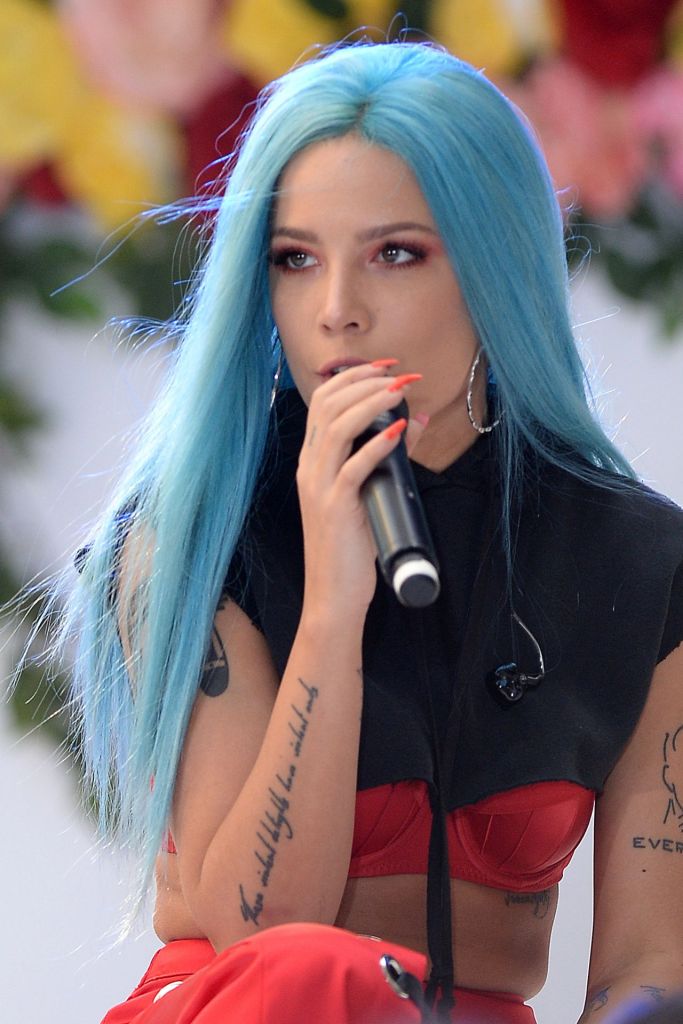
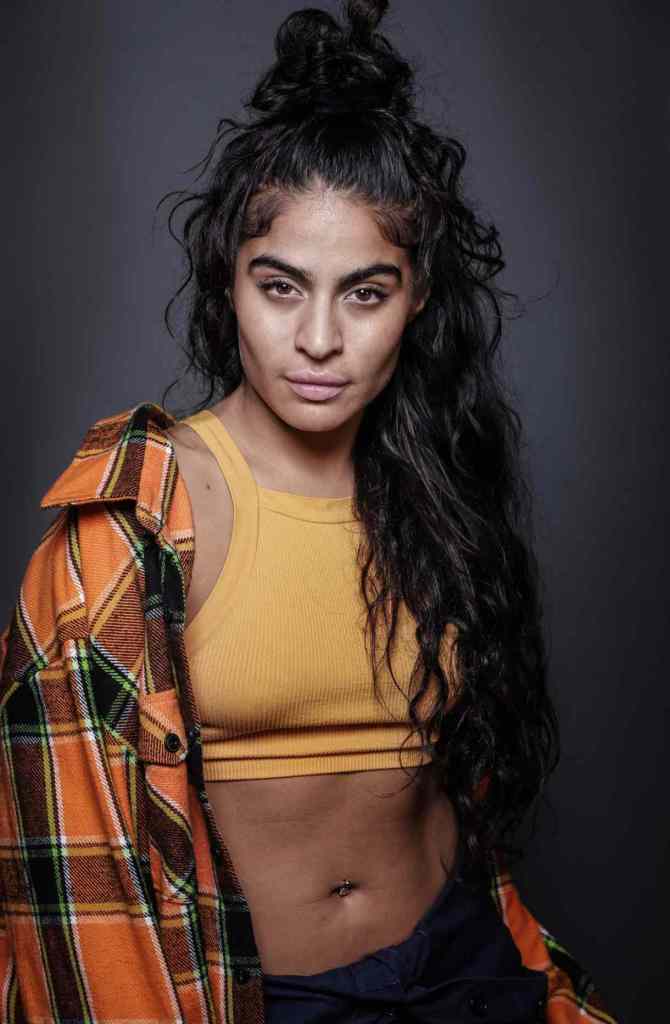
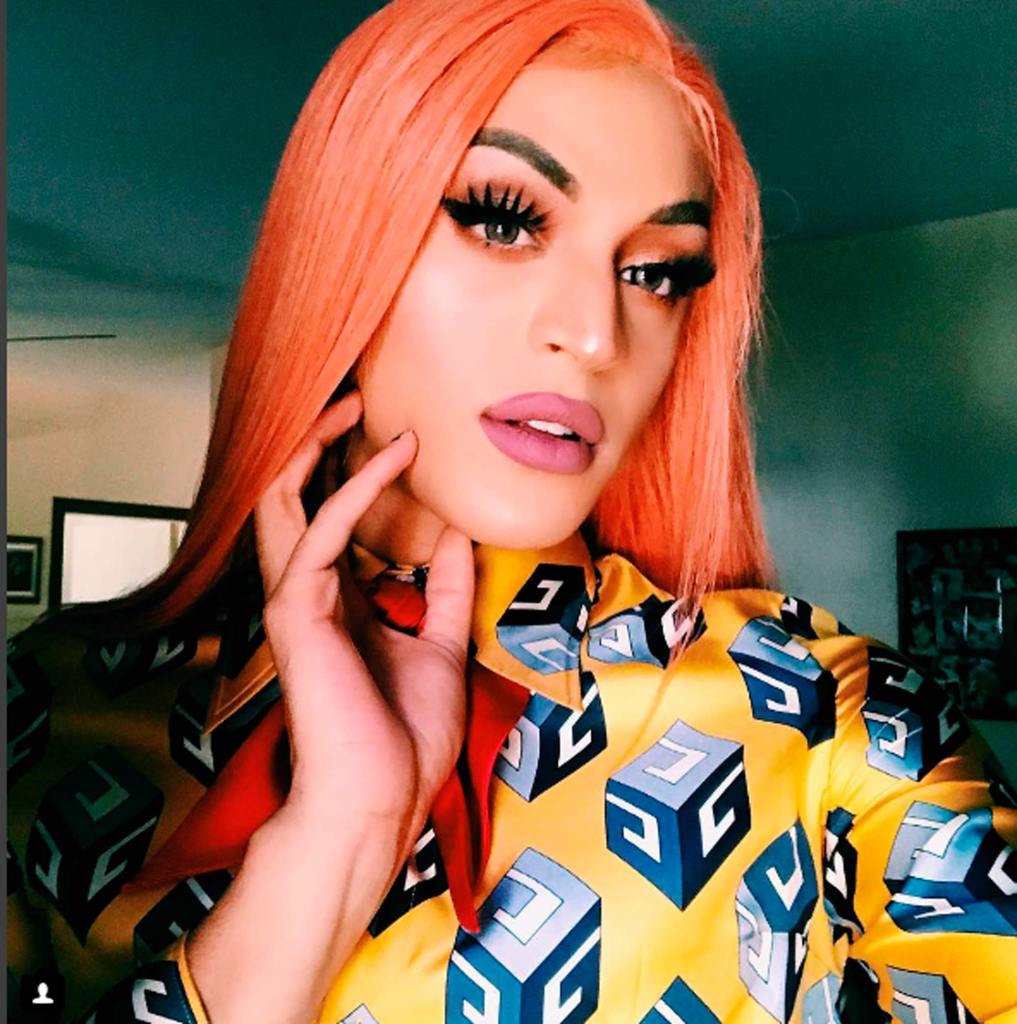
Again, most of these students are freshmen. And these are their subjects–the essays follow the slide show.

Ashley Cole

(I could have posted all of Ashley’s essays for this class here. She is a writer of impact.)

Strutting in Your Straitjacket


Many Americans struggle with Mental Health issues. About 20% or 50 million Americans have been diagnosed with some form of mental illness yet the issue is still considered taboo on a broad spectrum (mhanational.org, 2022). Even more so in the LatinX communities. It was not until the 1980s that the Spanish speaking communities were even considered to be part of studies that accessed the possible mental health (nami.org, 2022). Language, economic and cultural barriers have led many to mask or bury issues that they are dealing with. Music has always been an outlet for artists to deal with the problems they face. Sometimes it is hidden under metaphors and easily digestible lyrics and for others it is aggressively noticeable that the artist is “unhinged”. Today’s musical artists have been more open in their struggles of the mind in interviews and not just chocking it up to the “rock & roll” lifestyle. As a culture, people have recently come to see that representation is a focal point using fame as a medium in the media. Jessie Reyez is one such artist who has checked many boxes in representation and is an artist who is making ripple effects in both the music industry and fans worldwide bringing to light the authenticity of mental health singing, “I’m trying to heal, but it’s a process. I’m told I should cut my losses.”


Jessie Reyez an up and coming urban contemporary artist was born in Ontario, Canada to immigrant parents from Columbia. Many listeners may not be familiar with her, however she has collaborated with many house-hold names. Calvin Harris, Sam Smith, Dua Lipa and Eminem to name a few. It took just one line from her 2017 EP Kiddo to see that she would be an artist to follow. With a raspy unsteady but guttural bellow she sings “my straight jacket’s custom made!” Not only is she owning her issues she is almost dare one say proud? This is relevant in many ways. The first step to healing or overcoming any kind of substance disorder is admitting you having a problem (casarecovery.com, 2022). Normalizing mental health issues leads to conversations that lead to healing and to hopefully a support group.


Included In her 2017 EP is the track “Gatekeeper”. The song tells the sordid tale of being sexually assaulted by a music producer to advance her career; “Spread your legs open up you could be famous.” (Reyez, 2017). At the time the song came out the antagonist being referenced was nameless. About two years after the song was released, the same producer, Noel “Detail” Fischer, was accused and eventually charged with sexual assault and rape charges. At this point Reyez confirmed the song was her account of their meeting together. Reyez reported that the shame of what happened kept her quiet (Donoghue, 2018). A shame that was not hers to hold. But how many sexual assault survivors tell themselves that “it’s my fault” or fear of judgment that will follow their accusations. To date, Fisher has been accused of assaulting nine women and is currently awaiting trial. Jessie was quoted in saying that she is “standing in my truth and standing in self-respect, to make sure that I’m not accepting anything less from other people.” (Mapes,2019)


One mental health crisis in the LatinX communities is post-partum depression. During the 1980’s there was an “English only” movement. This was an increase in objection to Hispanic people and immigration. During this time there was also an increase in Hispanic poverty and community isolation. Latino women are seen as the quiet “back-bones” of their households. To say that you are unfit at your most basic duty, child rearing, would be unheard of in the community. Since the Hispanic women were huddling together because of the nation’s poor treatment of their community, they would gravitate to each other which may ease symptoms but left little room for problem solving a “cure”. One must also consider the language barrier. Only in recent history have Spanish-speaking people have access to various translating options. In the 1980s parents would rely on their English-speaking children to relay information. Could you say in front of your child that you did not know why you were unable to love her? The Spanish speaking population now have the option of having a translator assigned, they have to go to a third person to get their message across to a doctor. Could you tell a stranger how your mind is failing you?


While Reyez hails from Canada, her roots are traced to the country of Colombia. As raw as her emotion is in English the same can be said of her Spanish lyrics. She takes command and is upfront with her listeners in “Un Vuelo a La” with Romeo Santos\ that she has 20 personalities and is unapologetic about it. Latino culture is a very prideful one. Not often do you see person admit to having mental illness, especially a woman. What Reyez is able to do lyrically is to give voice to these women, especially in the LatinX communities building truth and honesty around her lyrics almost as if to say, “I am here, I hear you, and it is ok to speak your truth.” This is a drastic change for voices to be heard compared to only a few decades ago. It was not until 1982 that a survey was conducted to evaluate Hispanic mental health disorders and barriers to treatment (Kanel, 2002). The research ran from 1982 to 1984. Only in the last 25 years has there been an increase in Hispanic health in the United States. Latinas that elevate their voices to share their pain hopefully will give young Latinas the courage to come forward and ask for help and know that they are brave for doing so.


My own experience with Jessie Reyez music is very personal. While on my first military deployment I was left heartbroken. If I were state-side my experience may not have been left with such guilt, anxiety, or depression. However I was in a foreign land, suffering in 130 degree heat, wiping tears that were mixed with sweat as sand met my face like beestings. I felt completely abandoned. I was on duty though and could not succumb to my natural instincts. An emotional breakdown translated to failure. I was sent the song “Shutter Island” from a friend and the lyrics resonated with me instantly. “My straitjackets custom made… for a second I forgot I was a bad bitch!” That song played on repeat the rest of my deployment. I couldn’t let myself slip and forget who I was. I was in a foreign land fighting for my country. I was THE definition of a BAD BITCH. I saw in Reyez this young Latina. Messy hair, thick eyebrows, she could have been my sister telling me to embrace my hurt, sit in it, then LET THAT SHIT GO. There she was reminding me that I had the power to give myself grace and was strong enough to move on.

Jessie Reyez has many times over been that iconic artist for me in the short amount of time that she has been on the music scene. So many lyrics that I could pull to place in the pages of my own life. From my military involvement, to love, even politics the lyrics in both Spanish and English helped me understand my pain and start a journey to share my truth. What would a world look like if we embraced our flaws? It was spring of 2019 that my military supervisor told me that she was sexually assaulted in the military. Only two weeks later I came to her crying sharing my own traumas. In that moment she called our local veteran social worker and had a session with me at 7 o’clock at night. Looking back Reyez’s music has been part of my journey helping me taking charge of my life, the willingness to share my truth, my story, to encourage others to do the same. We are NOT living in a world set back in the 1980s, we are here, now and have voices that are no longer silenced, or judged due to mental illness, trauma, or stigma. We are changing what is known and are a part of a movement, like Reyez, that will see future generations take hold of what “has been” and what “will be”. For me, that has led to three years of sobriety and my mental health being managed. Everyone’s story is different, however we all have the ability to take ownership and take control of our lives. I feel more empowered today that I have ever felt in my life, and I can look back on how a single lyric, “My straitjacket’s custom made” has paved the way for change.

References


https://mhanational.org/issues/2022/mental-health-america-adult-data, retrieved December, 2022


https://www.nami.org/mhstats, retrieved December, 2022


https://www.casarecovery.com/stages-of-mental-health-recovery/, retrieved December, 2022


Reyez, J., 2017. Gatekeeper


Donohue, C., May 2018. https://remezcla.com/music/jessie-reyez-detail-sexual-misconduct/


Kanel, K., February 2002. https://journals.sagepub.com/doi/abs/10.1177/0739986302024001005


Mapes, Jill. “The Chorus of #MeToo, and the Women Who Turned Trauma Into Songs.” pitchfork.com, 23 Oct. 2019, pitchfork.com/features/article/2010s-on-women-singing-openly-about-abuse/.

Alena Harper

2006 to the Present: The Era of Taylor Swift


There is no talking about the 21st century, without talking about Taylor Swift. Swift is the most influential artist of the 21st century. She has been in the industry for more than a decade. She started her career and to the day continues to make headlines and break records. Taylor Swift is long past being a household name, she is a historic pop icon.


The country music genre is well-known for its themes of trucks, heartbreak, and farm-living, and while Swift may not have escaped these tropes, she was staying true to her experience. Taylor Swift grew up on a Christmas tree farm in Pennsylvania (a fact she shared gleefully in her 2019 holiday single aptly named “Christmas Tree Farm”). She developed a love in music early on and by the time she was eleven she sang “The Star-Spangled Banner” at a Philadelphia 76ers basketball game (Ray). At thirteen years old, her family made the decision to sell their farm and move out to Tennessee, close to Nashville, so Swift could pursue a career in music (Ray). It wouldn’t be until Swift was sixteen years old that she finally released her self-titled debut album. As of now, following her debut, she’s proceeded to release nine more albums: Fearless, Speak Now, Red, 1989, Reputation, Lover, Folklore, Evermore, and Midnights. This is sure to still be only the beginning of Taylor Swift.


One of the reasons Swift is such a force in the music industry, is her domination when it comes to award shows. According to her page on IMDb, she’s a ten-time nominee, five-time winner at the American Country Music awards. A one-time nominee, twelve-time winner at the American Music Awards. A thirteen-time nominee, five-time winner at the Grammys. She’s even been nominated for three golden globes and has won an Emmy. On top of that, her newest album Midnights broke more than seventy records (Young). One of those records being that she was the first artist ever to sweep the Top 10 on the Billboard Hot 100 for herself (Unterberger). This is only to name a few of her achievements, the list goes on and on. Swift is sixteen years into her musical career and shows no signs of stopping or even slowing down. She will continue to break records and boundaries with her music.


Along with making headlines for accomplishments, she’s also made headlines for controversy. Most notably, her conflict with popular rapper Ye (Kanye West). The first butt heads when West ran up on stage and took the microphone away from Swift during her acceptance speech for Video of the Year at the 2009 Music Television (MTV) Video Music Awards (VMAs), and famously said “Yo, Taylor, I’m really happy for you, I’ma let you finish, but Beyoncé had one of the best videos of all time!” (Gavilanes and Dodd). A few days after the incident Swift claims West called her and apologized (Gavilanes and Dodd). Up to 2015, the pair seemed to have reconciled, with Swift even presenting West with the MTV Video Vanguard Award at the 2015 MTV VMA’s with a reference to his interruption, “So I guess I have to say to all the other winners tonight: I’m really happy for you, I’mma let you finish, but Kanye West has had one of the greatest careers of all time!” (Gavilanes and Dodd). This unfortunately would not be the happy ending it
seemed to be. In 2016, West debuted his song “Famous” in which he name-drops Taylor, calls her a bitch, and later uses a wax sculpture of her naked body in his music video for the song (Gavilanes and Dodd). West’s then-wife Kim Kardashian claimed Swift approved the lyric in a phone call with West, and while Swift agrees there was a phone call, she says she never approved the lyric in which she was called a bitch (Gavilanes and Dodd). In 2016, Kardashian leaked an edited recording of the phone call in question on her snapchat, which lead to Swift’s social media comments being spammed with snake emojis, calling her a liar (Gavilanes and Dodd). Instead of simply letting her haters push her out, she decided to take that bad publicity and run with it. In 2017, she announced the release of sixth studio album Reputation, in which she seemingly references the feuds in many of her lyrics. The full phone conversation was later leaked in 2020, which revealed Swift really was not told the full lyric and had been telling the truth (Gavilanes and Dodd). While, the importance of this controversy is certainly debatable, the impact it has had on pop culture is undeniable. It’s hard to think of any other celebrity feuds which has been able to consistently make headlines for over a decade. Even now still, people question if Swift continues to reference West in her music, and with West’s recent fall from fame with his spiral into far-right politics, it’s no wonder Swift sings so confidently about “Karma” in her latest album Midnights.


Swift has always been a staunch supporter of artists’ rights to their work, and while she’s certainly not alone in this belief, few are able to actually put it into practice. To do so could mean rejecting the very record labels that could make a small artist a star. Swift however, was in an extremely lucky position in which she was able to challenge the big corporations against her. From 2005 to 2018 Swift was signed with Big Machine Records (Bruner). When her contract expired, she switched to Universal’s Republic Records, where she was able to get ownership of all her future masters (Bruner). However, Big Machine Records retained the rights to the recordings of her first six albums (Bruner). Big Machine Records decided to sell these recordings to Ithaca Holdings, which is owned by a man named Scooter Braun (Bruner). Braun later resold them to another company, Shamrock Holdings, all of this without the involvement of Taylor Swift (Bruner). While Swift figured her previous recordings would be sold, she did not know they would be sold to Braun, who she claims has always been a bully to her (Bruner). Understandably upset, she decided to rerecord her old albums, so that she could – in a way – take back ownership of them, and discourage the profit of the originals, since it puts money right into Braun’s pocket (Bruner). This move has opened the eyes of the public to the atrocities of recording label contracts and brought awareness to the movement of artists fighting for the rights to their own work. Her decision will and has already affected the music industry in a huge way as she brings up these questions of the autonomy of artists.


Swift’s lyricism is unmatched. She has jumped from genre to genre effortlessly and continues to challenge herself in every way possible. She has an extensive discography that’s hard to describe in only a paragraph. But, there is one standout album of hers which completely changed the game. That album is Folklore. Folklore was released in the middle of the 2020 pandemic. It’s best known for being very different from Swift’s previous albums sonically, as well as lyrically. This album has a folksy and acoustic sound, as opposed to her usual bright pop hits. Her inspiration for her music has typically come from her personal life, but in this album she decided to writer her own stories, about experiences that weren’t her own. For example, there are three songs within Folklore which truly exemplify her creative ability for storytelling and songwriting. These songs are “Cardigan,” “Betty,” and “August.” Each songs tells the same story, through a different perspective. Betty, a girl in high school, gets cheated on by her boyfriend James over the summer. In “Cardigan,” Swift sings through the eyes of Betty, as she copes with the heartbreak. In “Betty,” Swift steps into James’ shoes and sings of regret while begging for Betty to forgive him for his mistake. In “August,” Swift lets us in on the thoughts of the girl James’ cheated with, as she grapples with the fact that she was in love with James, even though she knew his heart really belonged to someone else, Betty. The songs give each other small nods through similar lyrical phrases, but besides the fact that they all tell the same story, they have their own distinct sounds. Taylor is, at her heart, a poet. She has grown lyrically in ways no one could have ever imagined, and she continues to mature with each song she drops.


I have listened to and loved Taylor Swift for basically my entire life. I’ve grown up with her and continue to grow with her. Though it’s always hard to pick favorites, I have to say my favorite song of hers is probably “You Are In Love.” This song might just be one of her cheesiest love songs ever, but it is perfectly Taylor Swift. One lyric in particular from the song has always stuck out to me, “And why I’ve spent my whole life trying to put it into words.” Here she is referring to love. As a Creative Writing Major, I’m not necessarily a romance genre writer, but I still relate to this lyric a lot. The whole point of writing really is to put our crazy, confusing, and sometimes stupid feelings and experiences into words. Though I haven’t done even half the things Taylor has, I’m still transported to her world every time she sings. I hope to one day have the same effect in my own writing and be able to communicate every emotion in a way everyone can understand and feel themselves. So, while Taylor certainly has all the awards and power to make an impact on the music industry. To me, the biggest impact she has is on all the young writers of the world. From the newer hit artists Olivia Rodrigo, and Conan Gray, to me, and maybe even to you.


Taylor Swift has overcome sixteen years in the industry, and here’s to hoping she’ll continue to dominate sixteen more. She’s moved states, switched genres, had celebrity drama, and taken ownership of her art, all in the name of her love for music. The music industry is lucky to have her, and would not be the same today without her. Suffice to say, she has proven her spot as the most influential artist of the 21st century.

Works Cited


Bruner, Raisa. “Here’s Why Taylor Swift Is Re-Releasing Her Old Albums.” Time, 25 Mar. 2021, time.com/5949979/why- taylor-swift-is-rerecording-old-albums/.


Gavilanes, Grace, and Sophie Dodd. “Inside Kanye West and Taylor Swift’s 10-Year Feud: A Truly Comprehensive Timeline.” PEOPLE.com, 2 Sept. 2022, people.com/music/kanye-west-famous-inside-his-and-taylor-swifts-relationship-history/.


Mapes, Jill. “Taylor Swift: Folklore.” Pitchfork, 27 July 2020, pitchfork.com/reviews/albums/taylor-swift-folklore/.


Ray, Michael. “Taylor Swift | Biography, Songs, & Facts.” Encyclopædia Britannica, 9 Dec. 2018, http://www.britannica.com/biography/Taylor-Swift.


“Taylor Swift.” IMDb, http://www.imdb.com/name/nm2357847/awards.


Théberge, Paul. “Love and Business: Taylor Swift as Celebrity, Businesswoman, and Advocate.” Contemporary Music Review, EBSCOhost, 2021, search.ebscohost.com/login.aspx?direct=true&db=aph&AN=152759008&site=ehost-live.


Unterberger, Andrew, and Andrew Unterberger. “Five Reasons Why Taylor Swift Was Able to Make Chart History with Her “Midnights” Debut Week.” Billboard, 31 Oct. 2022, http://www.billboard.com/music/chart-beat/taylor-swift-midnights-chart-history-hot-100-1235163645/.


Young, Alex. “Taylor Swift Broke 73 Records with Release of New Album Midnights.” Consequence, 31 Oct. 2022, consequence.net/2022/10/taylor-swift-midnights-records/.

Isabel Massud

Possibility of Truth in a Sea of Hypocrisy


Shannon Sims for The New York Times “Loved icon on an emblem of gender fluidity” (2017); Dom Phillips for The Guardian “Symbol of resistance for a minority that recently had a number of achievements in the country’s cultural war” (2017); Andrew R. Chow for Times Magazine “One of the next generation leaders” (2020). That is Pabllo Vittar. But just the tip of her impact on the world as a performer and human being. This research paper intends to prove that her contributions representing the LGBTQ+ community, putting Brazilian rhythms in the international market, and playing a big role in the political storm the country faced, makes her of extreme relevance and importance to culture on a global scale.


To achieve this goal, the paper has been organized into three sections. The first section will be focused on how Pabllo Vittar was a pioneer in the music industry by advocating and amplifying the LGBTQ+ movement in different ways. In the second section, I will present a more political in-depth analysis on the importance of Vittar against the conservative movement in Brazil. Last but not least, the third section goes around a take on her impact on showing rhythms that are part of Brazil’s history to the world, specially in her 2021 album Batidao Tropical. Before the study begins, however, the artist’s background is of great importance to understand how she became the drag queen she is today.


Phabullo Rodrigues da Silva was born in Sao Luis, Maranhao[1], on November first, 1993, and started dance lessons at a very young age. In the next few years, he joined the church’s choir and started to make covers of famous artists like Beyonce, falling in love with music (Soutello). However, living in a poor rural small city made him a target of constant bullying in school because of his high-pitched voice and delicate gestures. “Since I was a little boy, I have always known I was different and that I was not going to follow the steps of a conventional man,” said Pabblo in 2018 in an interview at the show “Encontro com Fátima Bernardes” (Noticias Financeiras 3).


When he was 17 years old, Phabullo had his first contact with the art of drag after watching the show “RuPaul’s Drag Race.” Impressed with the versatility within drag, he immediately was enchanted by the possibility of externalizing and expressing his essence with makeup and production (Soutello). The singer always knew he needed to leave his mark in the world, and becoming Pabllo Vittar was the best way he could have done it.


CHANGING THE LGBTQ+ MOVEMENT IN THE INDUSTRY

From the beginning, just by sharing her art with the world, Pabllo Vittar was a symbol of resistance against homophobia, gender intolerance and every prejudice against the community. She gained national recognition with her song “KO” in May 2017, and just two months later she successfully launched her international career with a feature on Major Lazer’s song “Sua Cara” (Aires 10), a fact that is hardly accomplished that early in anyone’s career. Since then, she has dominated the world: [she] was the first drag queen to perform at Coachella in 2022 (Cooper 55); [she] was in the Cover of Vogue Magazine in 2017; [she] was nominated “Person of the Year” 2017 on Rolling Stone Brazil (Aires 28); [she] was the first drag queen to be nominated for a Grammy in 2018 (The Latin Academy of Recording Arts & Sciences); [she] is the most listened drag queen in the world on Spotify; [she] did world tours with only six years on her career (Aires 42); [she] was nominated 2018 “Sexiest women of the year” (IstoE magazine); and 2020 “Men of the year” (GQ Brasil magazine).

All her achievements happened because of her music, performance, and what they translate to today’s society. Firstly, her lyrics mostly celebrate sexual freedom and self-love in a world that could be safe and happy for people like her (Codinha), but one song has the biggest impact from her repertoire. “Indestrutivel” speaks of hope, positivity, and
overcoming—or bypassing—the hardships of life that are a common experience for many people living under threat (Silva 241-242): “Everything will be ok/ And my tears will dry out/ Everything will be ok/ And these scars will heal up/ If I receive pain/ I give love back” (Musixmatch). Every queer people that listens to this song can identify with her words and starts seeing Vittar as a role model. The well known Brazilian pop music critic Ed Motta said: I really cried seeing her, because I didn’t imagine this musicality, beautiful timbre in low notes and strong quality in the high notes. […] Her talent is truthful and genuine […] but the hatred army is profoundly bothered with what it represents in the obedient and close-minded society we live in. (Qtd. In A Tarde)


Secondly, when it comes to her performances, Pabllo breaks down the social stereotypes that reinforce the binary as the rule, normalizing all the versions a person might have, and spreading the comfortableness she has with her body and gender fluidity as an expression of freedom, character, and art (Aires 33). Vittar defends diversity in the media and brought her queerness to the big names.


Historically, black people, women, and the LGBT+ community have been mistreated by brands and the media in general. So, having inspiring and representative content from artists like Pabllo Vittar is an enormous step (Aires 24). As a big mediatic influencer, her channels can elaborate opinions and shape minds, a fact that has been capturing the attention of different brands such as C&A, Coca Cola, Adidas, Ben & Jerry’s, Trident, Instagram, Calvin Klein (21- 22).


The omnipresence of Vittar as an artist is jaw dropping. She participated in the biggest programs on national television, covered magazines, had her own talk show, several international appearances, and created partnerships with big brands. That said, her importance and fierceness representing the LBGTQ+ community in the music industry and in the media is unmeasurable as she opened the doors for other drag and queer artists to pursuit their dreams.


POLITICAL RESISTANCE


Pabllo had and still has a big importance in the fight against the conservative movement in Brazil, considering that the continuous regress that has been showcased in politics is worrying, and powerful people like her are much needed to a brighter future. According to the data collected by the NGO Transgender Europe in 2016, Brazil is the country with the most transgender and transsexual murders in the world. In 2019, the Forum magazine stated that with the victory of Jair Messias Bolsonaro in the 2018 presidential election, the country went from 55th to 68th on the safest countries to LGBTQ+ people rank (Aires 11). The openly racist, sexist, homophobic and misogynistic ex-president stated that homosexuality is a result of drug abuse, and it should have the same punishment as pedophilia (Codinha); [he] prohibited, during his mandate, the use of any word from the LGBT spectrum in political campaigns; and removed the restrictions on conversion therapy (Aires 33).


On the face of fear for the community, Vittar fights for the deconstruction of hateful and prejudiced thoughts that became part of not only Brazil’s, but the world’s culture. In an interview to Epoca Magazine in 2018, the artist said, “I will always be showing that, regardless of your sexual orientation, you can do everything you want.” Pabllo ended all the brand partnerships that declared support to Bolsonaro and, in 2022, she dedicated her social media with over 12 million people to support the new president, Lula Inacio da Silva, preventing the reelection of Bolsonaro (Aires 33). “Good music creates Union,” said the drag queen to Epoca Magazine in 2018, but her effect on the political context was the actual factor that successfully united the community for a greater good.


BRAZIL IN THE MAP


Even though the main movement she represents is the LGBTQ+ community, Pabllo Vittar also has a big role in the popularization of native music genres throughout the world. As a big star, the singer brought Forró, tecnobrega, and Carimbo[2] rooted anthems such as “Ama Sofre Chora ” and “Zap Zum” to the spotlight. Her 2021 album, Batidao Tropical, was created as a homage to her origins and a dive into the brilliant rhythms the country has to offer (Soutello).


From a bittersweet romance to a happy dancing song, Vittar’s team produced a musical landscape referencing famous songs and melodies inside her own creations. Her high-pitched timbre altogether with exciting powerful instruments not normally used in pop music such as Accordion, Triangle, Berimbau, Afoxe, Pandeiro, Reco-Reco[3], turned the eyes and ears of the world to a previously unknown and underappreciated side of Brazilian music (Ribeiro). The happy and contagious energy on the album makes it impossible to stand still and not smile, especially if it is the first time in contact with the piece. Batidao Tropical was Pabllo’s way of showing the pride she takes in her background, and she did it astonishingly. The album is a key landmark for Brazilian pop music, once it was presented in an accessible and appealing way to a wider public by the best-positioned artist to take it to the next level (Facchi).


Growing up, I had a hard timing coming to peace with the fact I was queer for several reasons, but the main one was I did not have someone like me to look up to and say, “It Is ok.” TV shows, movies, music, cartoons, and no one like me was presented as a successful, happy person. Identifying with other people’s struggle and seeing I was not alone felt like taking weight out of my back, and Pabllo Vittar had an important role in all of these. I remember watching her first music video and thinking I want to be as free, joyful, and confident as she was, not caring about other people’s hatred and society’s norms. Pabllo Vittar is a synonym of respect, inspiration, and courage, with a life changing importance to young queer kids like me, proving how relevant she is to the world and future generations. Pabblo Vittar is an example of talent, perseverance, and representation that has made one of the biggest impacts in the music world, by bringing visibility not only to drag queens and other LGBTQ+ members as serious artists, but also to Brazil and what it has to offer. In addition, she had unimaginable value to the political war and the positive outcome the country experienced. Many may argue that her influence did not cross borders, but the countless awards such as Social Artist of the year 2022 in the Latin American Music Awards (Weinberg) or Musical Artist 2020 in the British LGBT Awards (Butterworth), on top of many appearances in big concerts, magazines, rapidly disputes them. Putting on the drag is much more than just fun: it is an act of resistance and expression that creates union and, with Pabllo Vittar, is a historical world culture event.


Works Cited


Maturana, Joao. “Entenda a importancia de drag queens como Pabllo Vittar e GloriaGroove no topo”. PRBK, 2022. https://www.purebreak.com.br/noticias/pabllo-vittar-gloria-groove-e-a-importancia-das-drag-queens-no-topo/105579%20%20%20%20%20Accessed%2029%20November%2022 Access 29 November 2022.

Soutello, Gabriela. “Pabllo Vittar: Conheça a trajetória de vida e a carreira na musica”.Deezer, https://www.deezer-blog.com/br/pabllo-vittar/ Access 4 December 2022.

Codinha, Alessandra. “O que Pabllo Vittar, super estrela pop, significa para o Brasil (e oresto de nós) atualmente”. VOGUE, 2018.https://empoderadxs.com.br/2018/11/29/vogue-americana-ressalta-a-importancia-de-pabllo-vittar-para-o-brasil-e-o-mundo/ Accessed 29 November 2022.

Aires, Jonathan. “A Visibilidade de Pabllo Vittar na Midia”. Julia Maass, UniCEUB, 2019, pp. 10- 44.
Silva, Daniel. “Papo Reto: The Politics of Enregistrement amid the Crossfire in Rio de Janeiro”. Signs and Society, volume 10, number 2, edited by Asif Agha, The University of Chicago Press for the Semiosis Research Center, Hankuk University of Foreign Studies, 2022, pp. 241-242.

CE Noticias Financieras: Portuguese, sec. News, 23 Apr. 2019. NewsBank: Access World News, infoweb.newsbank.com/apps/news/document-view?p=AWNB&docref=news/172FDA1BF AB5D4B8. Accessed 10 Nov. 2022.


Cooper, Alex, et al. “12 More People of the Year.” Advocate, no. 1124, Nov. 2022, pp. 50–61.

Butterworth, Benjamin. “British LGBT Awards 2019 nominations”. 2019 https://inews.co.uk/inews lifestyle/people/british-lgbt-awards-2019-full-list-of-nominees-254245

The Latin Academy of Recording Arts & Sciences, Inc. “Nominados 19a Entrega Annual del Latin GRAMMY”. 2018. https://web.archive.org/web/20181201115609/https://www.latingrammy.com/es/nominees. Accessed on 4 December 2022.

Nunes, Caian. “Pabllo Vittar se emociona ao receber prêmio de “Drag Hero”. 2019 https://portalpopline.com.br/pabllo-vittar-se-emociona-ao-receber-premio-de-drag-hero-em-premiacao-britanica-no-brasil-nao-esta-facil-mas-ainda-estou-caminhando/amp/ Accessed on 4 December 2022.

Weinberg, Lindsay. “2022 Latin American Music Awards Winners: The complete List”. 2022. https://www.eonline.com/news/1327910/2022-latin-american-music-awards-winners-the-complete-list Accessed on 4 December 2022.


Antunes, Rodrigo. “Letra de Indestrutivel”. Vai Passar Mal, Bmt Produções. 2017.

Ribeiro, Ana Clara. “Pabllo Vittar shines light on brega music with ‘Batida Tropical’”. Pop Matters, 2021. https://www.popmatters.com/pabllo-vittar-batidao-tropical-review Accessed on 10 December 2022.

Facchi, Cleber. “Pabllo Vittar: “Batidão Tropical”’. Música Instantânea, 2021. http://musicainstantanea.com.br/critica-pabllo-vittar-batidao-tropical/ Accessed on 10 December 2022.

Estadao. “Ed Motta elogia a voz de Pabllo Vittar: ‘Talento verdadeiro e genuíno” ‘. A Tarde (Salvador, Brasil). 2018.

Notes


[1] State on the Northeastern region of Brazil

[2] Music genres born in poor peripheral regions far from the epicenter of Brazil’s mainstream industry

[3] Musical instruments very popular in the Northeastern region of Brazil.

Shannon Riley

The Impact of SZA’s “Love Language”


“Why is it so hard to accept the party is over?” SZA asks in the fourth track of CTRL titled “Drew Barrymore.” So, why is it so hard to accept when something such as a relationship or a monumental event ends? SZA explores this through her music and other issues such as growing up, bad relationships, vaginas, and much more. By talking about these subjects, SZA makes her own version of R&B catered toward people who don’t fit in, people who need a space to feel seen and understood. She also advocates for different causes such as the elimination of environmental racism and even has her own sustainable clothing line. Through her music, SZA pushes the boundaries of R&B and creates a space for people who don’t fit in while advocating for causes such as sustainability and mental health awareness.


SZA grew up in Maplewood, New Jersey, and her birth name is Solána Imani Rowe (Carmichael). She wasn’t very popular in school and stated “I wanted to be liked and have a good time, but it just wasn’t in the books for me (Carmichael).” Her lack of connection with peers led her to skip prom and party in a club in South Beach instead, which inspired her (Carmicheal). After the trip, she said “Fuck this, I don’t have any friends anyway. There’s nothing to stick around for. I might as well go chase more (Carmichael).” She went on to write her first studio album CTRL in 2017. She won the NAACP Image Award for Outstanding New Artist for CTRL in 2018 (The Hollywood Reporter Staff).


SZA’s music is unique and filled with references and packed full of emotion. Emma Carmicheal from The Rolling Stone described CTRL as “…a vulnerable twentysomething’s stream of consciousness, brimming with anxieties, discontented love stories, and a range of pop-culture references one can only absorb from growing up on the internet.” “Doves in the Wind,” the third track on CTRL, is all about vaginas. SZA, along with Kendrick Lamar, sings:


Real niggas do not deserve pussy
Meaning it’s more, you see right through walls
Ain’t talkin’ about pussy
Meaning you deserve the whole box of chocolates
Come with me, Forrest Gump had a lot goin’ for him
Never without pussy, y’know, Jenny almost gave it all up for him
Never even pushed for the pussy
Where’s Forrest now when you need him?
Talk to me, talk to me, hey, ayy, hey


Through the references to Forrest Gump, SZA explains that men don’t deserve her because she has a lot more to offer than just sex. Her lyricism is clever and witty and she uses pop-culture references to back up her points. She’s confident and sure of herself, and she seems very powerful. However, in “Supermodel,” SZA expresses insecurity. She sings:


Leave me lonely for prettier women
You know I need too much attention for shit like that
You know you wrong for shit like that
I could be your supermodel if you believe
If you see it in me, see it in me, see it in me
I don’t see myself
Why I can’t stay alone just by myself?
Wish I was comfortable just with myself
But I need you, but I need you, but I need you


SZA shows a sensitive, insecure side where she is unsure of her looks and needs reassurance from a man. She knows she has flaws and sometimes they get the best of her, which is what makes her human. Author Ta-Nehisi Coates said “When I hear SZA’s lyrics, it feels like it’s definitively her — this really human, young, black woman who is sometimes insecure about her body, other times feels really sexy, sometimes falls really hard,” Coates says. “That’s what an artist is supposed to do. Once they get into that specificity of who they are, that’s when they’re touching the most human aspect of it (Carmicheal).” She pushes the bounds of R&B with her music. SZA is relatable and touches on topics many people don’t discuss. She stated “I’ve spent most of my life being really unpopular and nerdy in school. I’ve always been super empathetic. My main goal is to make everybody feel included (Mlaba).” SZA is dedicated to making a safe space for her fans to feel included and understood.


While SZA makes the world a better place through her music, she also is dedicated to helping save the Earth by fighting against environmental racism and making her own sustainable clothing line. She has partnered with Tazo Tea and American Forests to plant trees and give jobs to people in marginalized communities (Finley). This hits close to home for SZA, she said “I think I’ve always been super aware of the inequity and experience. I always thought growing up in Maplewood, a place that’s named after its trees, that it was super weird and, like, not commonplace for other Black children to have access and exposure to the beach, to trees. Even though we live in a coastal city, whether it’s New York or New Jersey, Black children still have an uncomfortability with water and with outdoorsy activities. I feel like I just recognize the difference even between Maplewood and Irvington. I guess the taxpaying dollars only pay for a certain amount of trees? Literally a one-block difference, and all of a sudden it all disappears. It’s just straight concrete, and it smells different (Finley).” Environmental racism is a significant cause to her and she is doing her part to combat it. SZA is also working with Slow Factory to create a sustainable line of merch (Kia). The clothes will be made of landfill fabrics and recycled clothing and there will be patchwork tops, embroidered pieces, and sweatshirts (Kia). SZA also is dedicated to mental health awareness and has “…teamed up with shoe brand Crocs, to release a
limited line of shoes during Mental Health Awareness Month in the US in May. The brand and SZA partnered with advocates for mental health awareness in Black communities to help drive positive change in their own communities and around the world. With every shoe purchase, Crocs donated to the mental health organizations of their choice (Mlaba).” SZA struggles with anxiety and depression and wants to help her fans and others going through similar experiences. Through her music and creative lyrics, SZA has had an important impact on my life and my music taste. She has shown me that you can be a powerful, confident woman who still has insecurities and problems to work through. Her music has also helped me get over my past relationship with someone who wasn’t right for me. While writing this paper, I was anxiously awaiting her second album, SOS. It came out on December 9th and did not disappoint; from talking about killing her ex in “Kill Bill” to the iconic lyric “my pussy proceeds me” in “Blind,” I absolutely adore this album. By using her personal experiences and being emotional and open in her music, she allows us to cope with our experiences and relate to her struggles and successes. I believe SZA is pushing the boundaries of R&B and creating her own space in the genre. Her impact cannot be ignored and I am sure she will go on to win many more awards and get more recognition for her new work.


Through SZA’s clever lyrics, pop-culture references, and emotional delivery, she has not only created her own space in the genre of R&B, but she also formed a place for people who don’t fit in or feel alone to come together and feel seen and understood. Through her own struggles with her mental health, she has become dedicated to helping others going through similar things. Her care for the environment, sustainability, and improving life in marginalized communities shows just how much she wants to use her platform for good and change. While SZA is a relatively new artist with only two studio albums, her positive impact on people, the music industry, and the world cannot be ignored.


Works Cited


Carmichael, Emma. “SZA.” Rolling Stone, no. 1337, Mar. 2020, pp. 48–51.


Finley, Taryn. “SZA Wants to Turn Your Attention to Environmental Racism.” HuffPost, 17 Feb. 2021, https://www.huffpost.com/entry/sza-tazo-climate-justice_n_602c44c8c5b62767c0aa9dbc. Accessed 3 Dec. 2022.

Kia, Kara. “SZA’s Clothing Line.” POPSUGAR, 4 Mar. 2021, https:// http://www.popsugar.com/fashion/SZA-Clothing-Line-46210169. Accessed 3 Dec. 2022.

Mlaba, Khanyi. “5 Times SZA Helped Show the World ‘Good Days.’” Global Citizen, 6 Sept. 2022, https://www.globalcitizen.org/en/content/times-sza-showed-the-world-good-days-activism/.

The Hollywood Reporter Staff. “NAACP Image Awards: Full List of Winners.” The Hollywood Reporter, 16 Jan. 2018, https://www.hollywoodreporter.com/lists/2018-naacp-image-award-winners-complete-list-1064208/.

Alex Stalcup

Halsey: A Modern Music Maniac


It is not every day that a suicidal seventeen-year-old turns into a singing sensation, but that is exactly what happened in the case of young Ashley Frangipane. Ever since her first song, Halsey has been an advocate in the music industry who has always worked to remain uncensored and unlimited in her music. Her music has broken barriers and built bridges for so many artists who came after her. She is an icon and a beacon of hope in the male-dominated music industry. Halsey’s impact comes from her willingness to utilize her platform and their refusal to conform to what others may want.


From day one, Halsey has incorporated very serious themes into her music and has never once shied away from darker subjects. Halsey’s very first album, Badlands, already supports the dark narrative that Halsey’s music spreads. According to Halsey, Badlands is a concept album focusing on the fictional dystopian society known as The Badlands. A desert wasteland surrounds the city, keeping the inhabitants of The Badlands captive. (Rome) She used the Badlands as a metaphor for her struggles and mental health issues. These issues, according to her, created barriers she could not surpass and held her captive in her mind. (Morris) The Album’s tracks cover topics like insanity, mental health, anxiety, death, and drug use. At the time, most of these topics were rarely discussed and were certainly not subject matter that an artist would want to start their career with; but Halsey did not care. Every song that she writes tells a piece of her story and she refuses to censor herself. (Morris) Ever since that first album, Halsey has never been anything but honest with her fans. She never once hid her mental health issues and has been incredibly open in interviews and when simply answering questions online. Halsey has always been one to prefer transparency. As her music and influence have evolved, so too have the messages she has given. One of her most recent albums, If I Can’t Have Love, I Want Power, is a “concept album about the joys and horrors of pregnancy and childbirth” (Lawson) Its music explores themes of feminism, abortion, self-control, self-worth, and so much more. It is clear that Halsey’s passion for these subjects runs deep within her veins and burns bright within her heart.


Her support for certain causes extends far beyond her music, however. Halsey has never hesitated to use her platform to support the causes she believes in. In her earlier years, she started small, primarily only posting about the causes on Twitter and other social media sites. Slowly but surely, however, Halsey lost her shyness and became much bolder in her activism. In June of 2017, Billboard magazine hosted a pride issue where artists were able to write letters to the
LGBTQ+ community and those letters would be published. While most of these letters were written from an outside perspective, Halsey was able to write hers as a thank-you letter to the community. She writes about all the people in the community who have helped her and whom she looks up to; writers, musicians, fans, drag queens, and even just everyday individuals who don’t let the hate slow them down. (Halsey) Halsey shows unwavering support for the struggle faced by the LGBTQ+ community because she is a piece of it. Halsey has never hidden her sexuality and has become an idol and an icon for LGBTQ+ fans all across the world. This letter, however, is far from the only thing Halsey has written for a cause. In January 2018, amidst the rise of the #MeToo movement, Halsey wrote a poem entitled “A Story Like Mine.” In it, she tells the story of her own experience with sexual assault as well as the experiences of those close to her. The poem is truly heart-breaking as she tells about her best friend’s rape at age 14, her own assault at age 7, and her continued assaults well into her adult life. (Halsey) She talks about how she thought that fame might protect her and how she was quickly proven wrong, how she realized that no one is ever truly safe, and how “we are not free until all of us are free.” (Halsey) Later, in November of that same year, Halsey unveiled another poem. This one was read at the 2018 Glamour’s Women of the Year Summit where Halsey was nominated. This poem, similar to the last one, is about the struggles and hardships faced by women around the world and is titled “Inconvenient Woman.” (Halsey) In the poem, she tells the stories of women all around who have suffered due to being seen as inconvenient; from work and from home, no woman is safe from being inconvenient. In the end, Halsey finishes her statement with one line that sums up what the poem was intended to say; “You were not put on this earth to make everybody else’s life easier. So please, be inconvenient.” (Halsey)


As years went by, Halsey never stopped being inconvenient to those who tried to stamp out her passion. Both 2019 and 2020 saw her becoming more and more active on various social media sites as she pushed for changes that she believed in. She raised money, raised support, and raised spirits for causes across the globe. In 2020, amidst the rallies and protests originating from the Black Lives Matter movement, Halsey decided to make some things very clear. Halsey herself is of African American descent as her father is black and her mother is European. Despite being biracial, Halsey has readily admitted on Twitter that she is white-passing and that “it’d be an absolute disservice to say ‘we’ when I’m not susceptible to the same violence.” (Willen) This was the beginning of a long stream of tweets and replies in which Halsey speaks about her experience as being biracial and how she feels it is not correct for her to claim a place in the Black community because she has not experienced the same issues that they have. Regardless of the criticism she has faced, Halsey continues to be a very vocal supporter of equal rights and a powerful figure in the fight against racism. Notably, Halsey was seen during the Black Lives Matter protests that occurred in Los Angeles as she was treating the injuries sustained by the civilians that were struck by rubber bullets in the ribs, face, and back. (Tannenbaum) Even when the protests and rallies died out, Halsey continued to be vocal on Twitter and other social media. Due to certain circumstances, a majority of her tweets and posts have been deleted or removed but several screenshots and records of them still exist out there in the infinite expanses of the internet.


Given all of the information stated in the previous paragraphs, what genre would fit Halsey’s style and music most accurately? Would her loud, angry songs land her a place in the Rock genre? Perhaps some of her darker songs may land her in the Alternative genre? Quite a few of her songs seem to fit in the Pop genre, so maybe that is correct? No one has ever been able to place Halsey inside of just one genre, not even the artist herself. According to interviews from as early in her career as 2016, Halsey openly believes that the concept of genres is just absolute bullshit. “Half the records on hip-hop radio are pop records at their core, and half the records in fucking alternative radio are pop. And pop radio doesn’t even know what the fuck it’s doing.” (Marsh) In the same interview, Halsey reveals that her debut album, her only album at the time, was being refused by several radio stations because it didn’t fit with the station’s primary genre. Eventually, she went to various alternative-based stations and pleaded her case to have it played there, saying that ”My music is too dark for pop, too pop for alternative, and urban radio won’t touch it — so we have a record that doesn’t fit in. And what is more alternative than that?” (Marsh) Eventually, several Alternative stations did pick up her music and, when it became clear that the audience enjoyed it, several other stations eventually joined in. Her unique brand of music has been nominated for awards in several different genre sections and it has annoyed critics to no end when they cannot confine her. (Visnyei) Eventually, Halsey was labeled as an alternative-pop artist, combining the two genres she fits most. This designation opened the gateway for more artists to push the boundaries of genre norms and create new and exciting subgenres. As the years have gone by, Halsey’s impact has been seen in the rise and fame of so many artists and songs that are inspired by her. Though few artists have outright stated that Halsey was an influence on them, the changes she inspired in the music world are undeniable.


Another thing that is undeniable about Halsey is her confidence and passion. When I first encountered her music in the spring of 2016, I was blown away by the raw emotion that seemed to leak from headphones and infect my brain. I couldn’t get her voice out of my head. I was only 12 when Halsey’s voice penetrated my soul and ignited a fire that burned me from the inside out until I was forced to stand face-to-face with my inner self. When I stared into my own eyes and saw the desperation and fear that I had tried so hard to bury, I couldn’t deny myself any longer. I began a spiraling path that led to new discoveries and a powerful confidence that I almost lost a few times. These discoveries came to a climax when, at the tender age of 14, I discovered a recording from Halsey’s 2014 performance of “Hold Me Down”. (maddi rath) I watched her dance across the stage with a confidence that I could only dream of having when, at the beginning of one chorus, she dropped to her knees and began to move in a way that made my face grow warm. Part of me wanted to look away and spare myself but my eyes were glued to the video as it continued to play unhindered. That one little clip that I found purely by chance sparked a part of myself that I now wear proudly on my sleeve. Looking back, I can clearly see that that moment was what sparked my discovery of my sexuality. I can proudly say that I am an omnisexual. This discovery was kept secret for a long time as I simply didn’t feel safe being out in my hometown or even amongst my own family. As I grew up, I began to use Halsey’s music as a refuge and her activism as a guide. Her encouragement and poems lived in my head and her passion resided in my heart. I used her words, her poems, her music, and even her tweets to guide me through life. I would not be who I am today had it not been for Halsey.


After everything that Halsey has experienced and seen, it is no wonder that she has such a powerful passion for her art and her influence. Halsey has shown no restraint in utilizing her platform and making her opinions known. She is a fearless artist whose impact, not only in the music industry, is undeniable. From the powerful themes that she makes prevalent in her music to the burning passion she has for social justice, Halsey is one of the most influential artists of
her time. She may not have broken records or won hundreds of awards, but she has set the stage for so many artists who come after her and has made a clear imprint on the music industry. She was one of the first female artists to really put her foot down and say that she was going to run her career how she wanted it rather than what others wanted. She is an inspiration not only to me but to artists and fans across the globe, she may not be the absolute most influential artist, but her impact is undeniable.


Resources


Daw, Stephen. “8 Times Halsey Boldly Used Her Platform for Social Causes: A Timeline.” Billboard, 21 Dec. 2018, http://www.billboard.com/culture/pride/halsey-8-times-used-platform-social-causes-timeline-8491237/

GILCHRIST, T. E. Hello, Halsey. Advocate, [s. l.], n. 1107, p. 24–31, 2020. Acesso em: 15 dez. 2022.

Halsey, and Ashley Iasimone. “Halsey Delivers Emotional Speech about Sexual Abuse, Rape at New York Women’s March.” Billboard, 24 Jan. 2018, http://www.billboard.com/music/pop/halsey-womens-march-speech-poem-a-story-like-mine-video-8095257/.

Halsey. “Halsey Has a Poem with a Powerful Message for All Women: ‘Be Inconvenient’.” Glamour, Glamour, 11 Nov. 2018, http://www.glamour.com/story/halsey-poem-inconvenient-woman.

Halsey. “Halsey: Love Letter to the LGBTQ Community.” Billboard, 20 June 2017, http://www.billboard.com/culture/pride/halsey-gay-pride-month-love-letter-7833737/.

Lawson, Sydney. “Halsey’s Newest Album Is Their Most Vulnerable Yet.” The Shield, 15 Sept. 2021,https://usishield.com/34398/features/halseys-newest-album-is-their-most-vulnerable-yet/ maddi rath. “Halsey – Hold Me Down.” YouTube, 13 Mar. 2015,www.youtube.com/watch?v=bZuH6T4nx-k.

Marsh, Joanne. “Halsey Slams Genres in Music: ‘It’s Just Absolute Bullshit’.” NME, 10 Feb. 2016, http://www.nme.com/news/music/halsey-4-1203675.

Morris, Jessie. “Halsey Talks Pissing off Her Label, Her New Album, and Her Decision to Open up about Being Bipolar.” Complex, Complex, 10 July 2015, http://www.complex.com/music/2015/07/interview-halsey-new-album-badlands.

Rome, Shelley. “Halsey Interview with Shelley Rome.” Z100, 9 Sept. 2015, web.archive.org/web/20151002045425/www.z100.com/media/podcast-shelley-rome-interviews-shelleyrome/halsey-interview-with-shelley-rome-26337386/.

Tannenbaum, Emily. “Halsey Speaks up about White-Passing Privilege: ‘I’m Not Susceptible to the Same Violence’.” Glamour, Glamour, 4 June 2020, http://www.glamour.com/story/halsey-speaks-up-about-white-passing-privilege.

Visnyei, Petra. “‘Otherness Incorporated: Halsey as the Contemporary Media Rebel.’” Americana: E-Journal of American Studies in Hungary, vol. 12, no. 1, Mar. 2016, p. 1.

Willen, Claudia. “Halsey Reflects on the Privilege She Has Because She’s ‘White Passing’: ‘I’m Not Susceptible to the Same Violence’.” Insider, Insider, 4 June 2020, http://www.insider.com/halsey-white-passing-biracial-privilege-black-lives-matter-2020-6.

YES THANK YOU: The Best of a Bounty of Absorbing, Motorvating, Challenging, Exciting Albums Gifted Us By 2022

190 albums of new music I can sit down with and which will at the very least engage and stimulate me enough to play them again. 45 albums of music made in the past that’s been reissued or freshly excavated that make me realize I’m never going to get to the point where I don’t have to dive into the past anymore and simply live in the musical moment. Does it all make me feel something akin to Jerry Lee Lewis’ music does? No–none of it does. It makes me feel new and different things, though; Live at the Star Club was a high bar for all popular performers when it came out, has been in the interim, and will continue to be, I can hear it first second to last in my head without having to put it on, and it still makes my skin prickle. BUT I’m all about feeling new feelings (and thinking new thoughts) (and experiencing new physical reactions) today’s music (be it acoustic or electric or organic) can conjure before I die. It’s been a salve as well as a shot in the arm and ass for me all year, and simply surveying the diversity of the list stuns me…and gives me hope. That last is important, because I seriously contemplate (once in a while) the possibility, voiced by folks far more educated than I am, that we’re a virus on this globe. We aren’t, or at least we don’t have to be, and we choose to be, at least some of us will create sounds that honor us, and help us go down feeling fully alive. Merry fucking Christmas, eh? YES. Merry fucking Christmas!

Relatively Merry Musings:

  1. It’s absurd to try and put 190 (or even 45) records in precise modern music lovers’ order. After about #30, the procession gets a little I-Chingish; even so, days after I publish these, I find myself thinking, “Why’d I put that at #112?” I’m not gonna drive myself crazy, though. I feel pretty strongly about my Top 30, though when the wonderful and exacting Facebook group Expert Witness and the comfortably less exacting Facebook group Village Voice Pazz & Jop Rip-Off Poll comes a-calling for my final Top 10, mine might not be THIS Top 10. WON’T be THIS Top 10. Might even have something in it not even among these 235 slabs.
  2. Thank you to one of my phenomenal Stephens College students (also a single mom) (also a veteran of our Middle Eastern wars) for writing an amazing essay on Mary Gauthier’s Rifles and Rosary Beads, which I forced on her (“folk music is not my jam”) and she ended up admiring, and giving a great presentation and handing in a nice research paper on previous-unknown-to-me Colombian-Canadian Jessie Reyez. Reyez has gotten her through some rough nights and I understand why.
  3. I am a Little Simz self-starter. Though, pre-Grey Area, I merely appreciate her work, from that point on I’ve gone starry-eared, and her brand-spanking-new one, delicately Saulted, is no exception. She sounds great, she writes tough, and she inspires. I may come down to Earth in the next month, but I can’t worry about that now.
  4. I have a California friend named Chris who often feeds me fuel I somehow miss, and he recently passed along a powerful, even rowdy record from Kinshasa, Lady Aicha and Pisko Crane’s N’Djila Wa Mudujimu, that moved me to immediately buy a vinyl copy. I could picture myself playing it over and over–and milady also seriously digs music from many African countries. I owe ya, Chris. THAT one may move UP.
  5. Petrol Girls’ new album lives up to the band name. On fire, and fire burns.
  6. Los Angeles’ Juke Bounce Werk label, which I just learned about a couple weeks ago, submitted an inexpensive 52-song comp of consistently propulsive–I dare say bangin’–dance music on Bandcamp. I thought, “Wow! I need to tell people about this!” Then I noticed it was the 10TH VOLUME of such compilations. Where’s the longform piece on these folks?
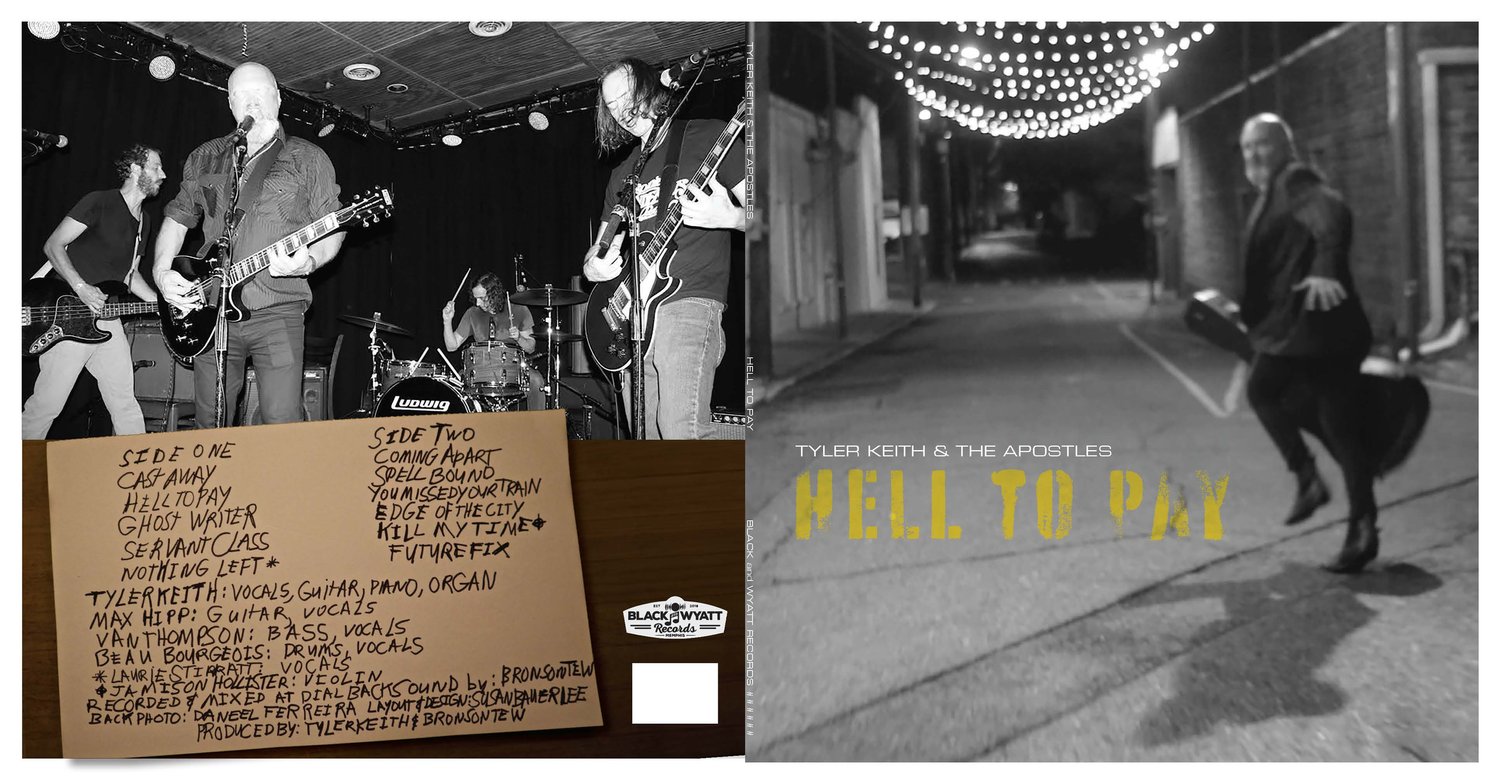
  7. Above, I mentioned the Facebook group Village Voice Pazz & Jop Rip-Off Poll, which ably–I mean, ably–replaces the Voice’s influential but very gone original poll. Honestly, I like the Facebook version better: it’s more personal, interactive, flexible, surprising, funny–and group members’ early Top 10 submissions remind even the most avid music consumer that YOU CAN’T LISTEN TO EVERYTHING. Together, though, we can. I knew nothing about Mama’s Broke, took a flyer on Mama’s Broke’s Narrow Line on name and title alone from another user’s list…and heard echoes of Dock Boggs and The Carter Family modernized expertly for Struggle 2022. If I’d read about it, I’d have thought, “Not my jam”; it is my jam and peanut butter, too. Generic jars of each, because they’re more affordable.
  8. I came late to both Tyler Childers’ and Pillbox Patti’s albums. Childers had won my heart by writing a song about jacking off on the road, but I’d lost touch with him–and was a bit cold-cocked by his sober-Gram-Parsons gospel album. I knew nothing about Pillbox Patti, but I’d just finished Patrick Haddon Keefe’s Sackler-skewing Empire of Pain, which set me up to be knocked out by her tales of Parsonian heart-pain and substance reliance. Talk about a country paradigm.
  9. Anyone out there annually purchase Blues Images‘ calendar-and-CD combo that keeps the world of country blues alive? Well, hate to tell ya, this one’s the last one–they can’t afford to keep knocking them out. Follow that preceding link to help John Tefteller and crew go out in much-deserved fine and dignified style. PLUS? The accompanying CD, which includes the most amazing job of restoration of ’20s records I’ve heard so far, will stun you.
  10. Can you resist cumbia? I cannot. The two cumbia compilations, one from Mexico, the other from Peru, both from the esteemed Analog Africa label, that I just added to my archival dig list, aren’t just fun–they add twists, even experimentation, to that addictive rhythm.
  11. (Bonus Track I) Dickie Landry. No one like him.
  12. (Bonus Track II) D. Boon died UNJUSTLY–damn you, cosmos–on December 22, 1985. Too cool to be forgotten, corndog.

RELEASES OF NEWLY-MADE MUSIC

(New additions to the list are bolded.)

  1. Rosalia: MOTOMAMI (Columbia)
  2. Willie Nelson: A Beautiful Time (Sony)
  3. Beyoncé: Renaissance (Parkwood Entertainment)
  4. Tanya TagaqTongues (Six Shooter) 
  5. Ricky Ford: The Wailing Sounds of Ricky Ford—Paul’s Scene (Whaling City Sounds)
  6. Stro Elliot & James Brown: Black & Loud—James Brown Reimagined (Polydor)
  7. 75 Dollar Bill: Social Music at Troost, Volume 3–Other People’s Music (Black Editions Group)
  8. Tommy Womack: I Thought I Was Fine (Schoolkids Records)
  9. Jeff Parker ETA IVTet: Mondays at the Enfield Tennis Academy(Eremite)
  10. Wadada Leo Smith: The Emerald Duets (TUM)
  11. Wet Leg: Wet Leg (Domino)
  12. Harry Styles: Harry’s House (Columbia)
  13. Sun Ra Arkestra (featuring Marshall Allen): Living Sky (Strut / Omni Sound)
  14. Horace Andy: Midnight Rocker (On-U Sound)
  15. Amanda Shires: Take It Like a Man (ATO)
  16. Little Simz: NO THANK YOU (Forever Living Originals)
  17. Mary Gauthier: Dark Enough to See the Stars (Thirty Tigers)
  18. Patricia Brennan: More Touch (Pyroclastic)
  19. black midi: Hellfire (Rough Trade)
  20. Heroes Are Gang Leaders: LeAutoRoiGraphy (577 Records)
  21. SAULT: Untitled (God)(self-released)
  22. Lady Aicha & Pisko Crane’s Original Fulu Miziki of Kinshasa: N’Djili Wa Mudujimu (Nyege Nyege Tapes)
  23. Sudan ArchivesNatural Brown Prom Queen (Stones Throw)
  24. Gogol Bordello: Solidaritine (Das Grand Kapital)
  25. Bitchin’ Bajas: Bajascillators (Drag City)
  26. Ashley McBryde: Presents…Lindeville (Warner Nashville)
  27. Steve Lacy: Gemini Rights (RCA)
  28. Suzi Analogue: Infinite Zonez (Never Normal)
  29. Superchunk: Wild Loneliness (Merge)
  30. Dawn Richard & Spencer Zahn: Pigments(Merge)
  31. Various Artists: Sowal Diabi—From Kabul to Bamako (Accords Croises)
  32. Gonora Sounds: Hard Times Never Kill (Phantom Limb)
  33. Ches Smith: Interpret It Well (Pyroclastic)
  34. Anitta: Versions of Me (Deluxe) (Warner)
  35. Ka: Languish Arts (Iron Works)
  36. Lady Wray: Piece of Me (Big Crown)
  37. Bob Vylan: Bob Vylan Presents The Price of Life (Ghost Theatre)
  38. SAULT: Today & Tomorrow(self-released)
  39. The Mountain Goats: Bleed Out (Merge)
  40. ensemble 0: Music Nuvulosa (Sub Rosa)
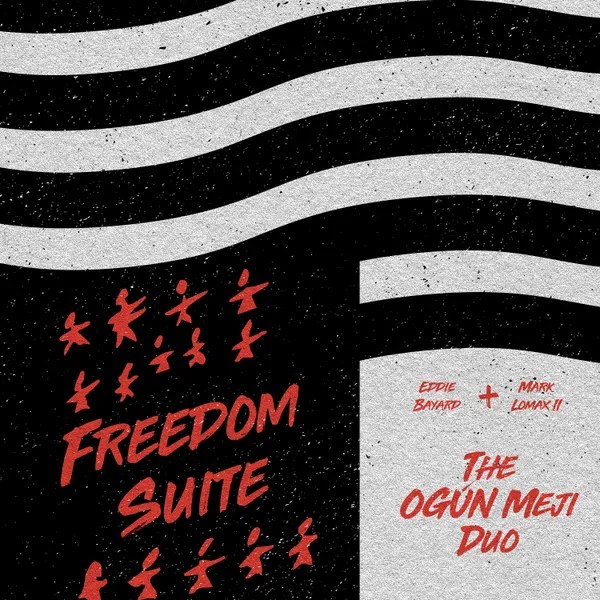
  41. The Ogun Meji DuoFreedom Suite (self-released)
  42. PhelimuncasiAma Gogela (Nyege Nyege Tapes)
  43. 700 Bliss: Nothing to Declare (Hyperdub)
  44. Bruno Berle: No Reino Dos Afetos(Far Out)
  45. The Chats: Get Fucked (Cooking Vinyl)
  46. Jinx Lennon: Pet Rent (Septic Tiger)
  47. Freakons: Freakons (Fluff & Gravy)
  48. Jeong Lim Yang: Zodiac Suite—Reassured(Fresh Sound)
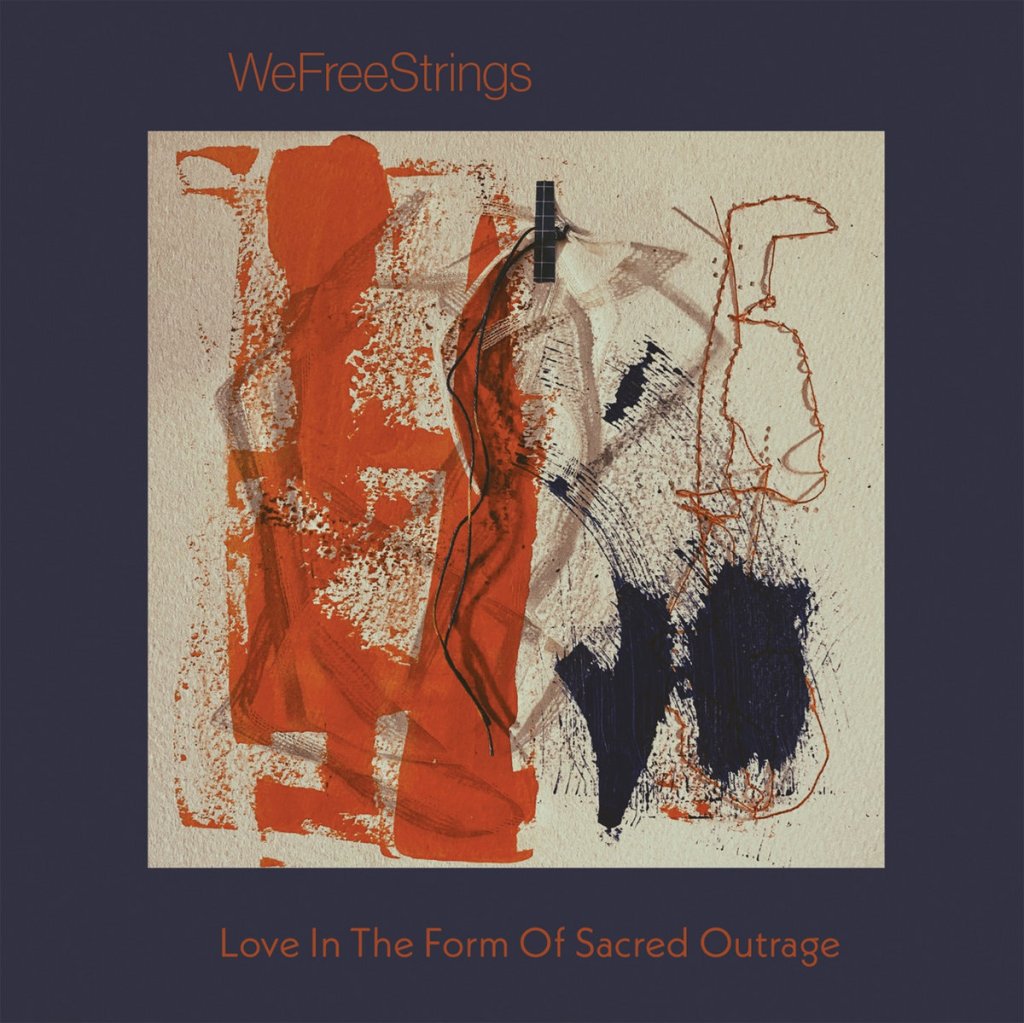
  49. WeFreeStrings: Love in the Form of Sacred Outrage (ESP-Disk)
  50. Etran de L’AirAgadez (Sahel Sounds)
  51. Homeboy Sandman: I Can’t Sell These (self-released)
  52. Horsegirl: “Billy” / “History Lesson, Part II” (Matador)
  53. Mark Lomax Trio: Plays Mingus (CFG Multimedia)
  54. Makaya McCraven: In These Times (International Anthem)
  55. Moor Mother: Jazz Codes (Anti-)
  56. Buck 65: King of Drums (4320739 Records DK)
  57. JID: The Forever Story (Dreamville/Interscope)
  58. Mdou Moctar: Niger EP Volume 1 (Matador)
  59. ifsonever: ifsonever (Jazz & Milk)
  60. Various Artists: Lespri Ka—New Directions in Gwoka Music from Guadeloupe (Time Capsule Sounds) 
  61. Satoko Fujii: One Hundred Dreams (Libra)
  62. Mark Lomax II: Prismatic Refractions, Volume I (self-released)
  63. Special Interest: Endure (Rough Trade)
  64. Petrol Girls: Baby (Hassle)
  65. James Brandon Lewis: MSM Molecular Systematic Music—Live (Intakt)
  66. Kari Faux: Lowkey Superstar(Don Giovanni)
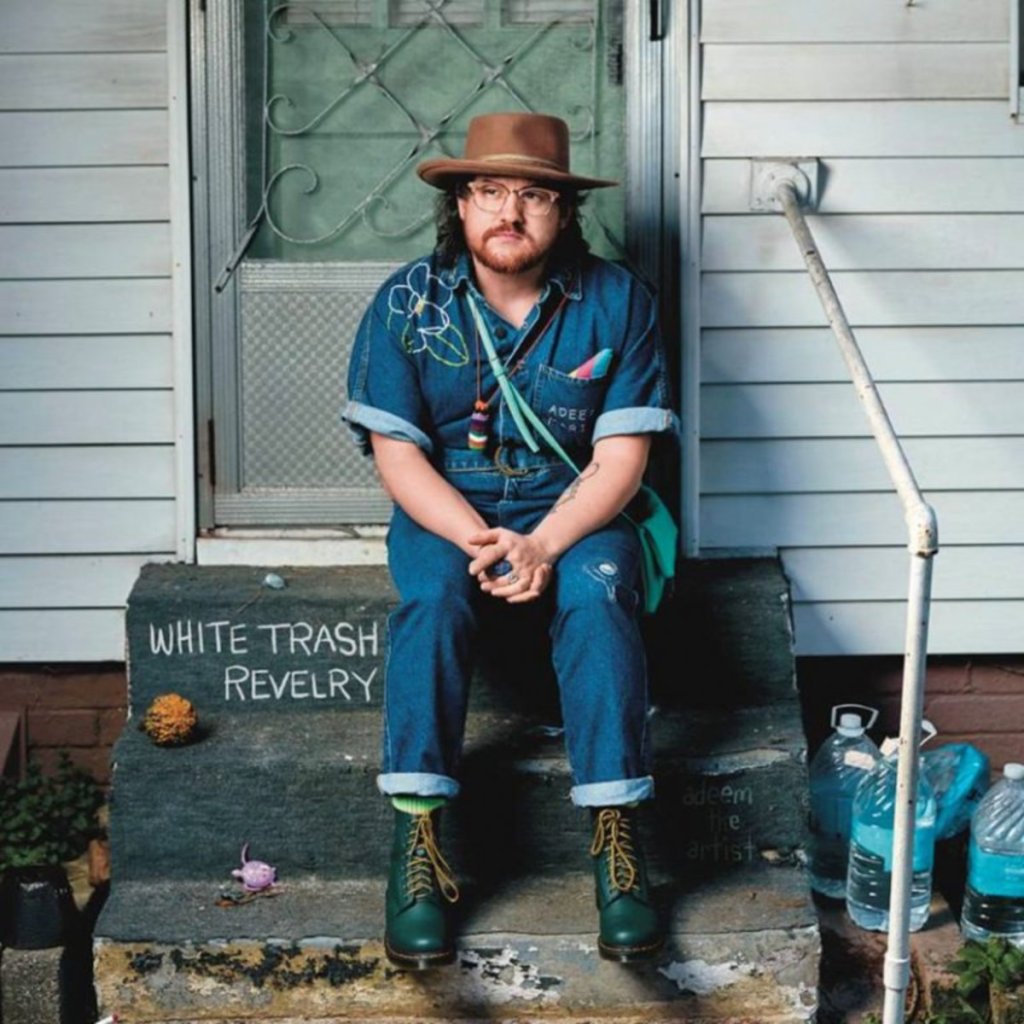
  67. Adeem the Artist: White Trash Revelry(self-released)
  68. Miranda Lambert: Palomino (Vanner)
  69. Backxwash: HIS HAPPINESS SHALL COME FIRST EVEN THOUGH WE ARE SUFFERING(Ugly Hag / self-released)
  70. Daniel Villareal: Panama ’77 (International Anthem)
  71. Kehlani: blue water road (TSNMI/Atlantic)
  72. Iara Renno: Oriki (self-released)
  73. Dr. John: Things Happen That Way (Rounder)
  74. Horace Andy: Midnight Scorchers (On-U Sound)
  75. Ka: Woeful Studies (Iron Works)
  76. Wild Up: Julius Eastman, Volume 2—Joy Boy (New Amsterdam)
  77. Various Artists: Juke Bounce Werk Presents JBDUBZ Volume X (Juke Bounce Werk)
  78. Lucrecia Dalt: Ay!(RVNG International)
  79. GloRilla: Anyways, Life’s Great (CMG/Interscope)
  80. Mama’s Broke: Narrow Line (Free Dirt)
  81. Isaiah Collier & The Chosen Few: Lift Every Voice (Division 81 Records)
  82. Tyshawn Sorey: The Off-Off Broadway Guide to Synergism (Pi)
  83. Amber Mark:Three Dimensions Deep (PMR / Interscope) 
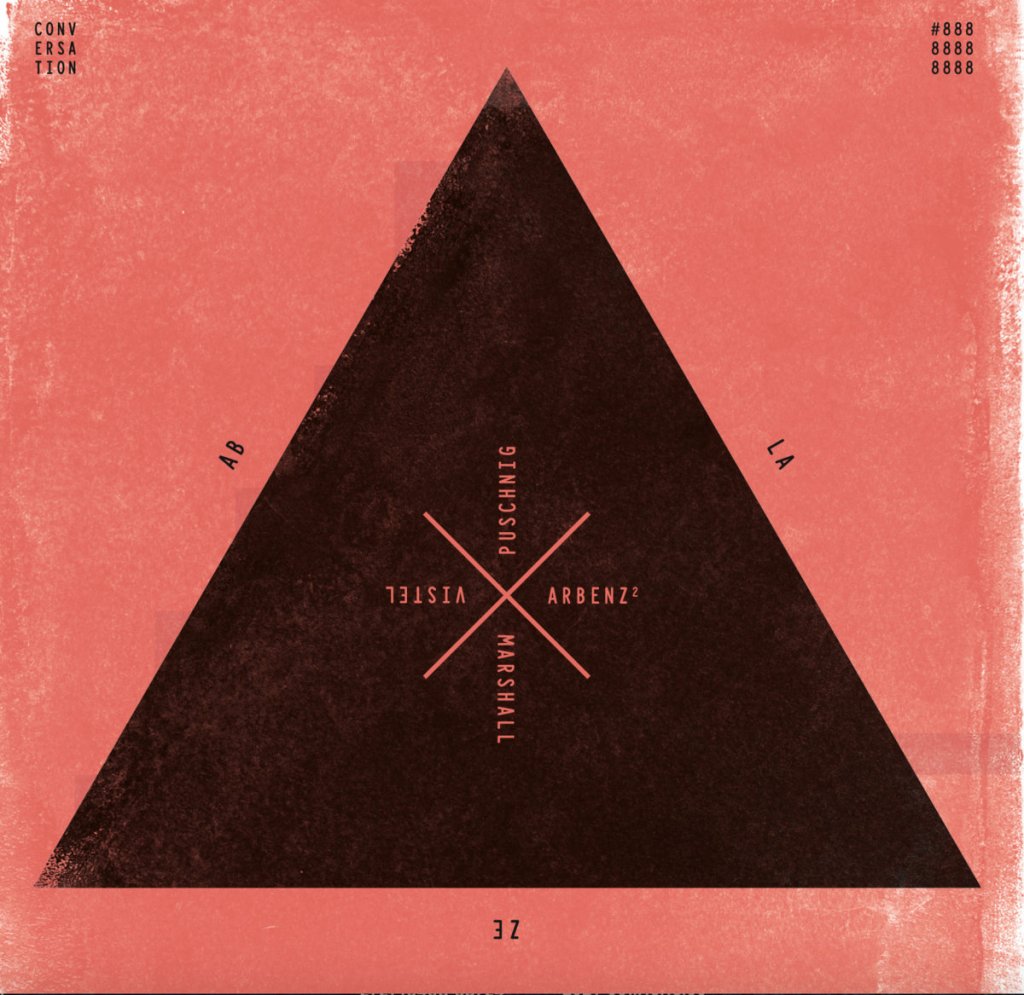
  84. Florian ArbenzConversation #5—Elemental; Conversations #6 and 7
  85. Morgan Wade: Reckless (Deluxe) (Ladylike) 
  86. Zoh Amba: O, Sun (Tzadik)
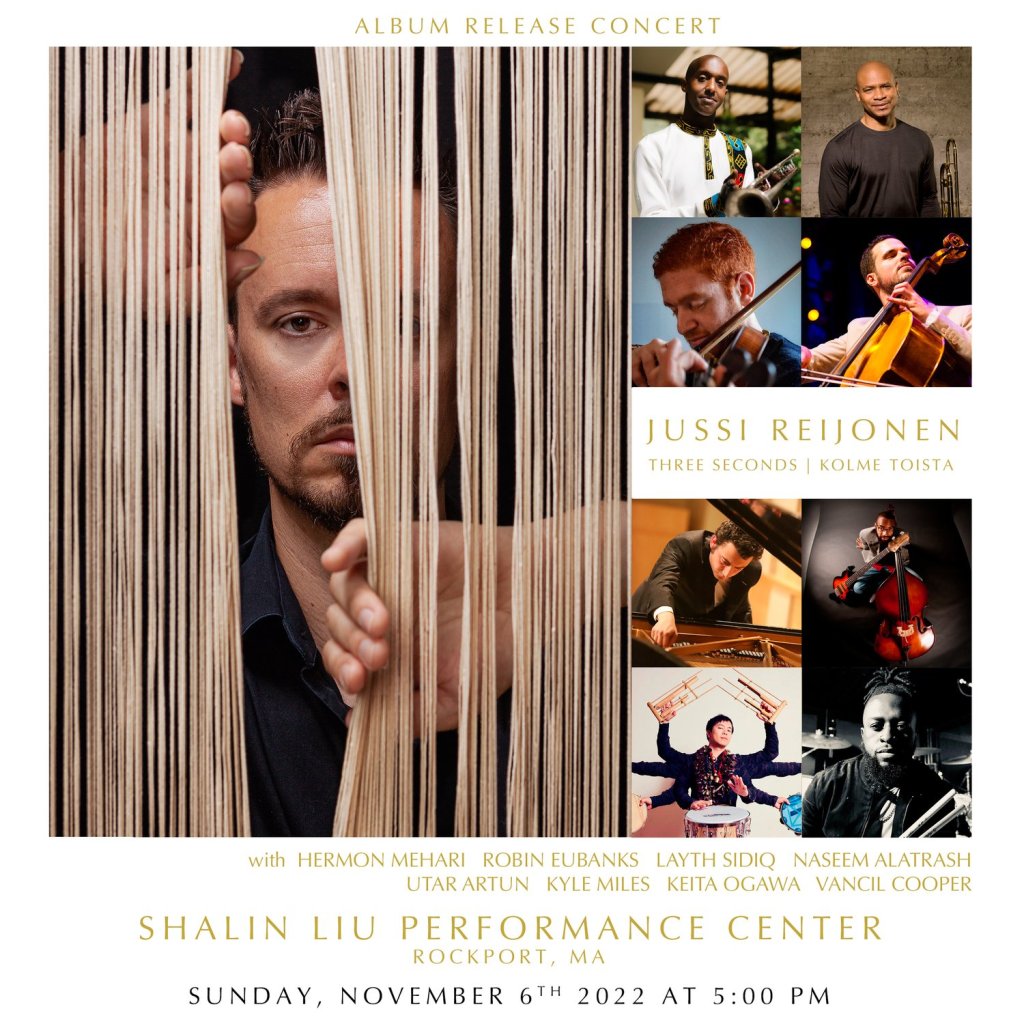
  87. Jussi ReijonenThree Seconds I Kolme Toista (Challenge Records International)
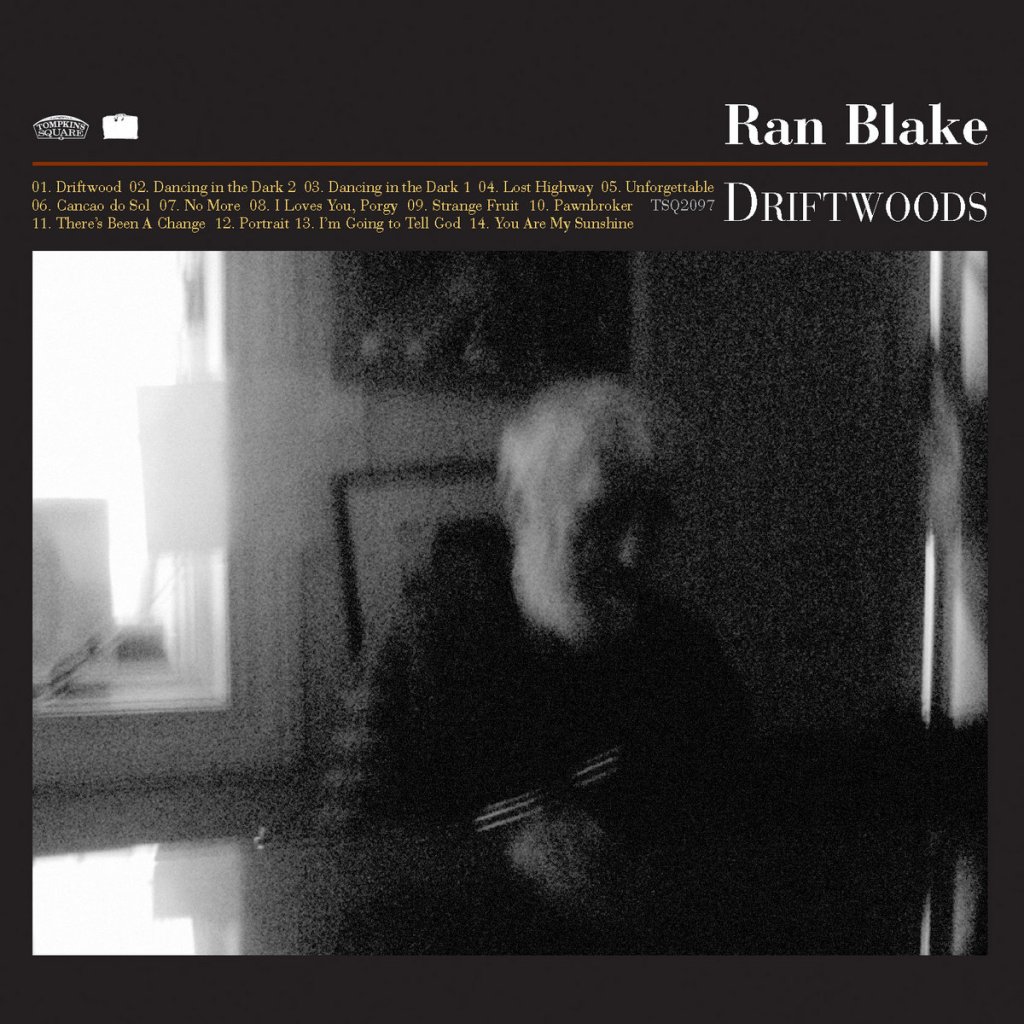
  88. Ran Blake: Driftwoods (Tompkins Square)
  89. Whit Dickey: Root Perspectives (Tao Forms)
  90. Billy Woods: Aethiope(Backwoodz Studios)
  91. Ishmael Reed: The Hands of Grace(Reading Group)
  92. Dan Ex MachinaAll is Ours, Nothing is Theirs (self-released)
  93. Anna von HausswoolffLive at Montreaux Jazz Festival (Southern Lord) 
  94. Felipe Salles: Tiyo’s Songs of Life (Tapestry)
  95. Steve Lehman: Xaybu—The Unseen(Pi Recordings)
  96. Tom ZéLingua Brasiliera (Selo Sesc)
  97. Tyler Childers: Can I Take My Hounds to Heaven (Hickman Holler)
  98. Joyce Moreno: Brasilieras Cancoes(Biscoito Fino)
  99. M.I.A.: Mata(Island)
  100. Pillbox Patti: Florida (Monument)
  101. Elaine Elias: Quietude(Candid)
  102. Nancy Mounir: Nozhet El Nofous (Terrorbird)
  103. Rick Rosato: Homage (self-released)
  104. The Beths: Expert in a Dying Field (Carpark)
  105. Alvvays: Blue Rev(Polyvinyl / Transgressive)
  106. Ari Lennox: age/sex/location (Dreamville/Interscope)
  107. Oumou Sangare: Timbuktu (World Circuit Limited)
  108. Various Artists: Hidden Waters—Strange and Sublime Sounds from Rio de Janiero (Sounds and Colours)
  109. SeaJun Kwon: Micro Nap (Endectomorph Music)
  110. Gilla Band: Most Normal(Rough Trade)
  111. Dry Cleaning: Stumpwork(4AD)
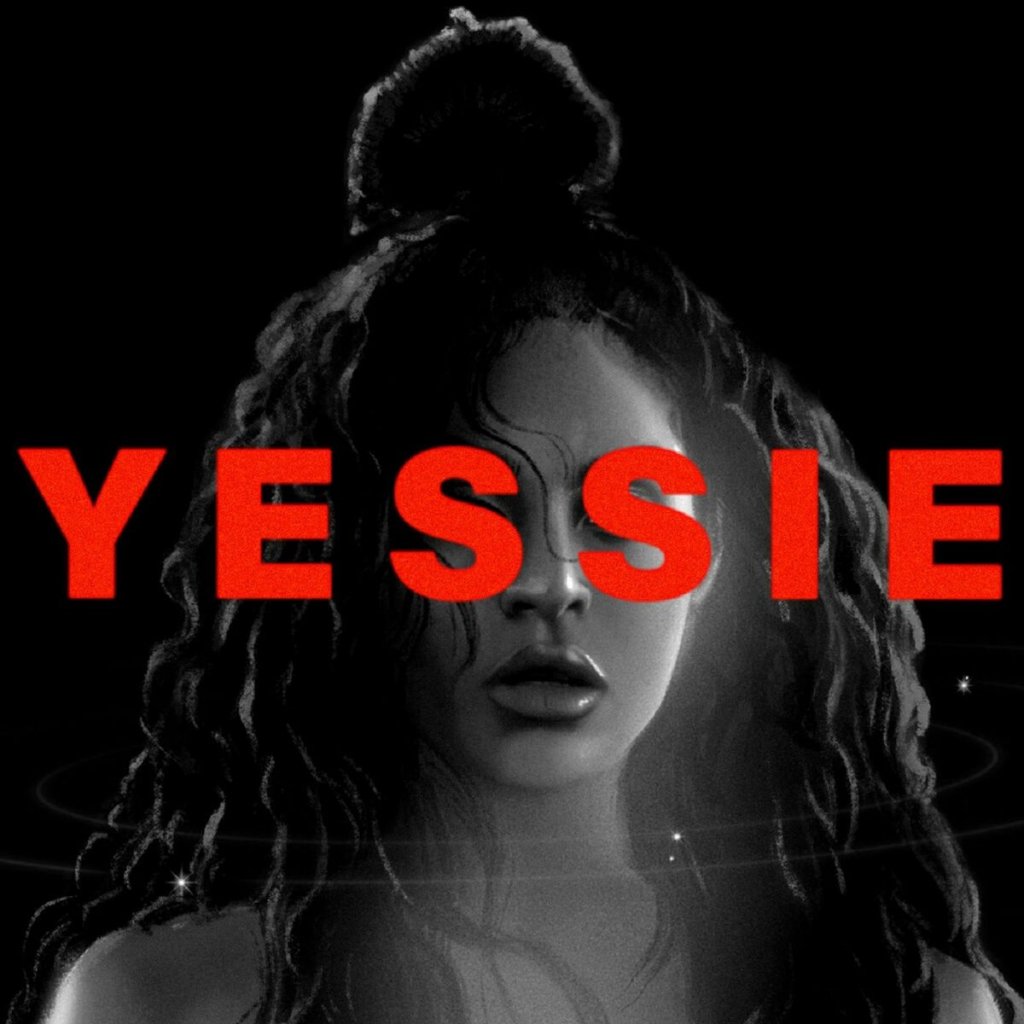
  112. Jessie Reyez: Yessie (FMLY/Island)
  113. Brian Eno: FOREVERANDEVERNOMORE(Verve / UMC)
  114. Nduduzo Makhathini: In the Spirit of Ntu (Universal)
  115. Gard Nilssen Acoustic Unity:Elastic Wave (ECM)
  116. Miguel Zeñon: Musica de las Americas (Miel Music)
  117. Priscilla BlockWelcome to the Block Party (InDent)
  118. The Comet is Coming: Hyper-Dimensional Expansion Beam(Impulse)
  119. Serengeti: Kaleidoscope III (Audiocon)
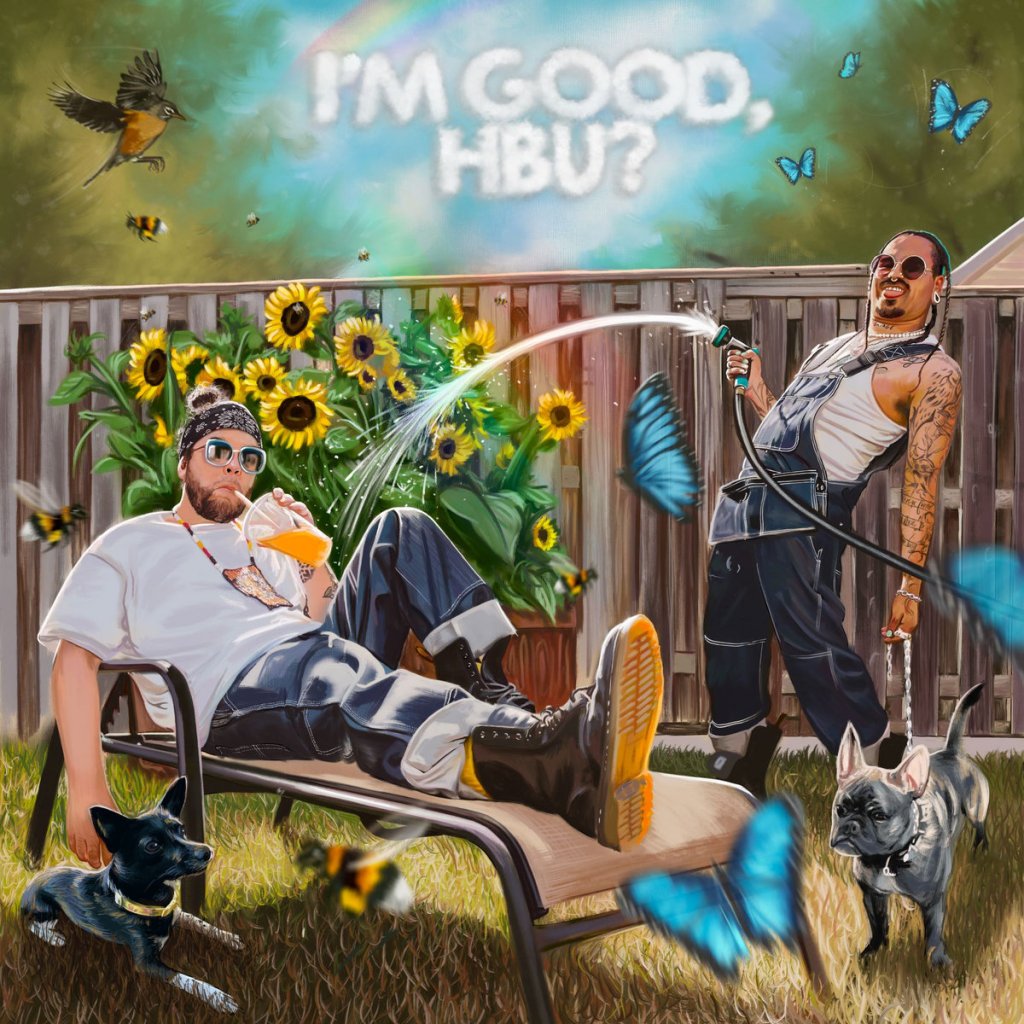
  120. Snotty Nose Rez Kids: I’m Good, HBU? (Distorted Muse)
  121. Kendrick Lamar: Mr. Morale & The Big Steppers (pgLang/Top Dawg Entertainment/Aftermath/Interscope)
  122. Charm Taylor: She Is The Future (Sinking City)
  123. OGJB: Ode to O (TUM) (Note: Band name – O = Oliver Lake, G = Graham Haynes, J = Joe Fonda, B = Barry Altschul / Title – O = Ornette) 
  124. Andrew Cyrille, William Parker, and Enrico Rava: Two Blues for Cecil (TUM) 
  125. Luke Stewart’s Silt TrioThe Bottom (Cuneiform) 
  126. Tyler Mitchell: Dancing Shadows (featuring Marshall Allen) (Mahakala Music)
  127. Crow Billiken (aka R.A.P. Ferreira): If I don’t have red I use blue (self-released)
  128. Dopolarians: Blues for Alvin Fielder—Live at Crosstown Arts, Memphis(Mahakala Music)
  129. The Paranoid Style: For Executive Meeting(Bar/None)
  130. Carl Stone: Wat Dong Moon Lek (Unseen Worlds)
  131. Joy Guidry:Radical Acceptance (Whited Sepulchre)
  132. Tasche de la Rocha: Tasche de la Rocha & The Psychedelic Roses (Sinking City)
  133. Meridian Brothers and El Grupo & Renacimiento (Ansonia)
  134. Avram Fefer Quartet: Juba Lee(Clean Feed)
  135. Jeffrey Lewis: When That Really Old Cat Dies(self-released)
  136. Mitski: Laurel Hell (Dead Oceans)
  137. Jockstrap: Jockstrap (Rough Trade)
  138. Earthgang: Ghetto Gods (Dreamville/Interscope)
  139. Breath of Air: Breath of Air (Burning Ambulance Music)
  140. Immanuel Wilkins: The 7th Hand (Blue Note) 
  141. David Murray Brave New World Trio: Seriana Promethea (Intakt)
  142. Fulu MizikiNgbaka (EP)
  143. David Virelles: Nuna (Pi / El Tivoli)
  144. Javon Jackson & Nikki Giovanni: The Gospel According to Nikki Giovanni (Solid Jackson) 
  145. Leikeli47: Shape Up (Hardcover/RCA)
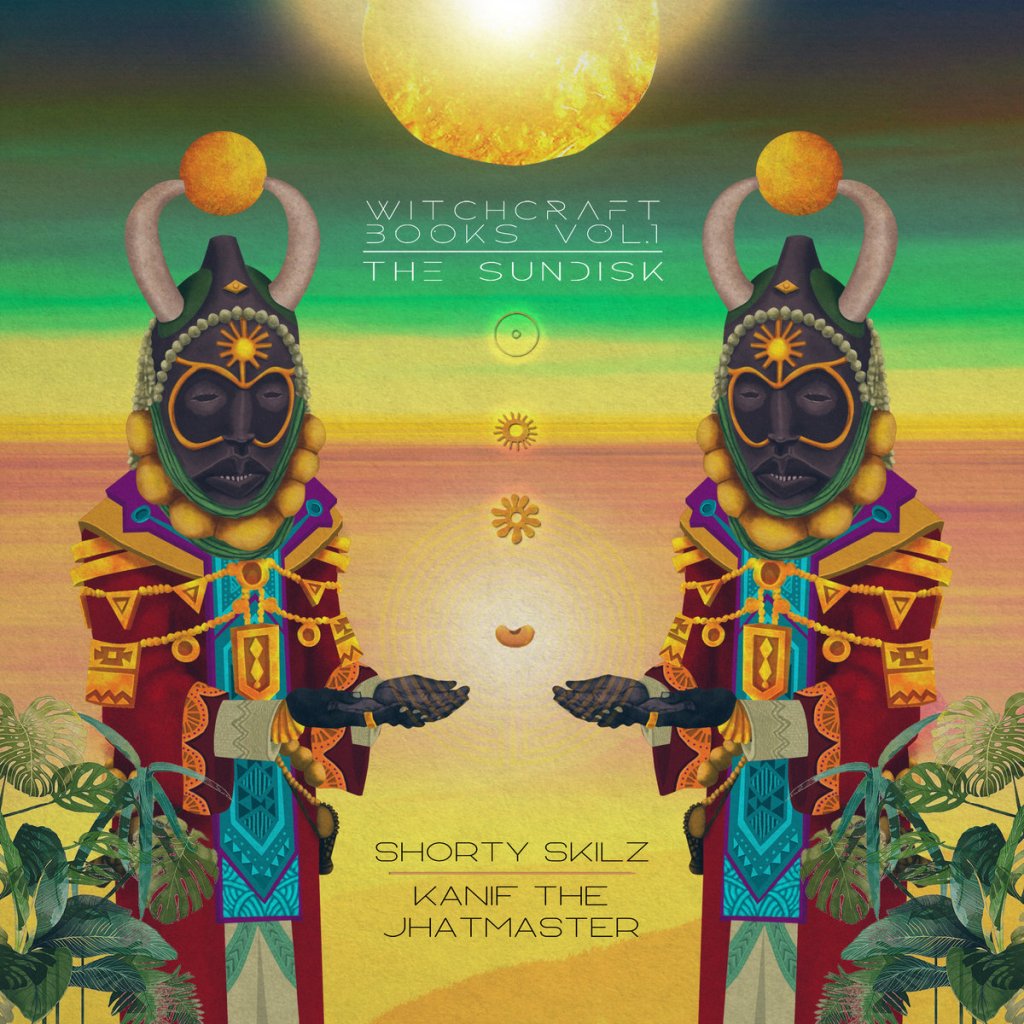
  146. Witchcraft BooksVolume 1—The Sundisk (Iapetus Records)
  147. Hurray for The Riff Raff: Life on Earth (Nonesuch)
  148. Qasim Naqvi/Wadada Leo Smith/Andrew Cyrille: Two Centuries (Red Hook)
  149. Rokia Koné and Jacknife Lee: Bamanan (3DFamily)
  150. Tomas Fujiwara: Triple Double (Firehouse 12)
  151. DJ Black Low: Uwami (Awesome Tapes from Africa)
  152. Ibibio Sound Machine:Electricity (Merge)
  153. Zoh Amba: O Life, O Light, Volume 1(577 Records)
  154. Burton/McPherson Trio: The Summit Rock Session at Seneca Village (Giant Step Arts)
  155. Kahil El’Zabar Quartet: A Time for Healing (Spirit Muse)
  156. Pastor Champion: I Just Want to Be a Good Man (Luaka Bop)
  157. Nduduzo Makhathini: In the Spirit of Ntu (Blue Note)
  158. Pusha T: It’s Almost Dry (G.O.O.D. Music/Def Jam)
  159. Elza SoaresElza Ao Vivo No Municipal (Deck)
  160. Nilufer Yanya: Painless (ATO)
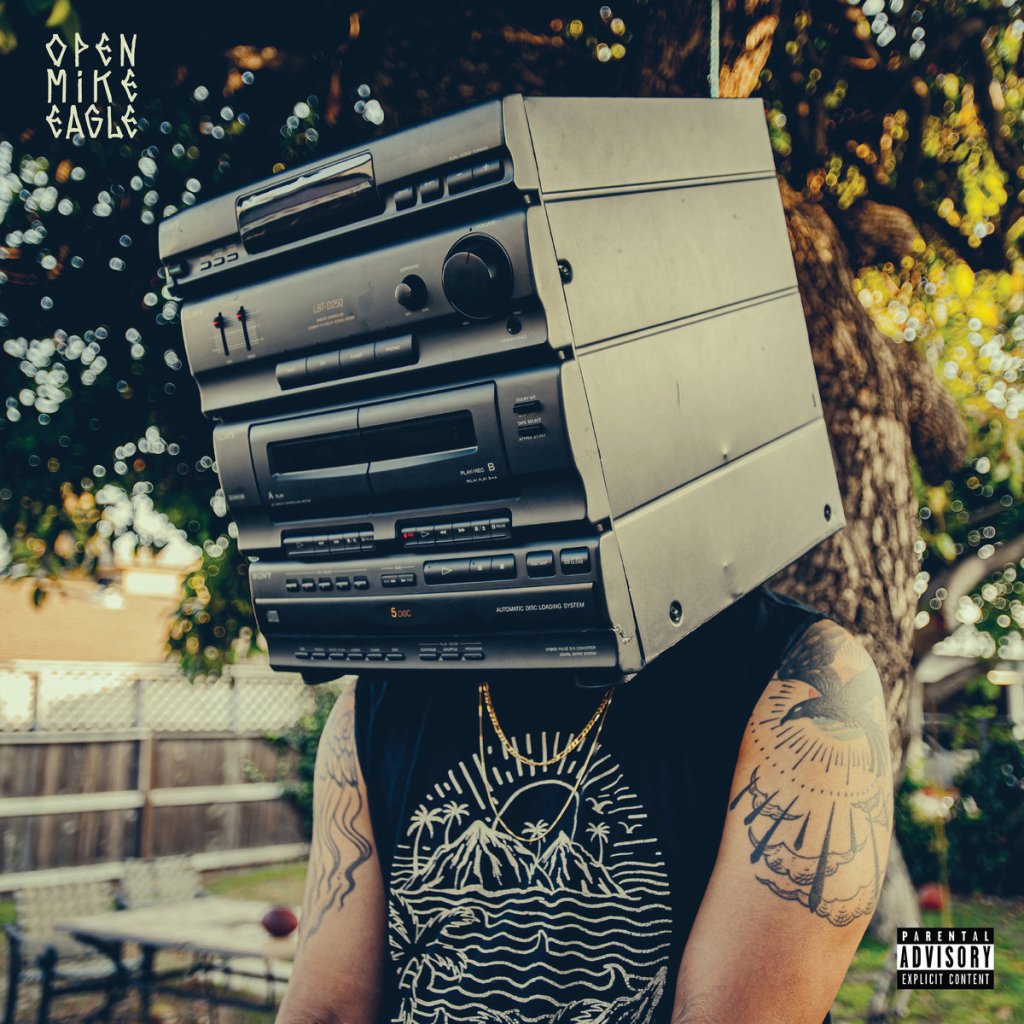
  161. Open Mike Eagle: a tape called component system with the auto reverse (Auto Reverse)
  162. Chad Fowler/Ivo Perelman/Zoh Amba/Matthew Shipp/William Parker/Steve Hirsch: Alien Skin(Mahakala Music)
  163. Tommy McLain: I Ran Down Every Dream (Yep Roc)
  164. Satoko Fujii and Joe Fonda: Thread of Light (Fundacja Słuchaj)
  165. Charli XCX: Crash (Atlantic)
  166. Pete Malinverni: On the Town—Pete Malinverni Plays Leonard Bernstein (Planet Arts) 
  167. Marxist Love Disco Ensemble: MLDE(Mr. Bongo)
  168. Samara Joy: Linger Awhile (Verve)
  169. Dedicated Men of Zion: The Devil Don’t Like It (Bible & Tire)
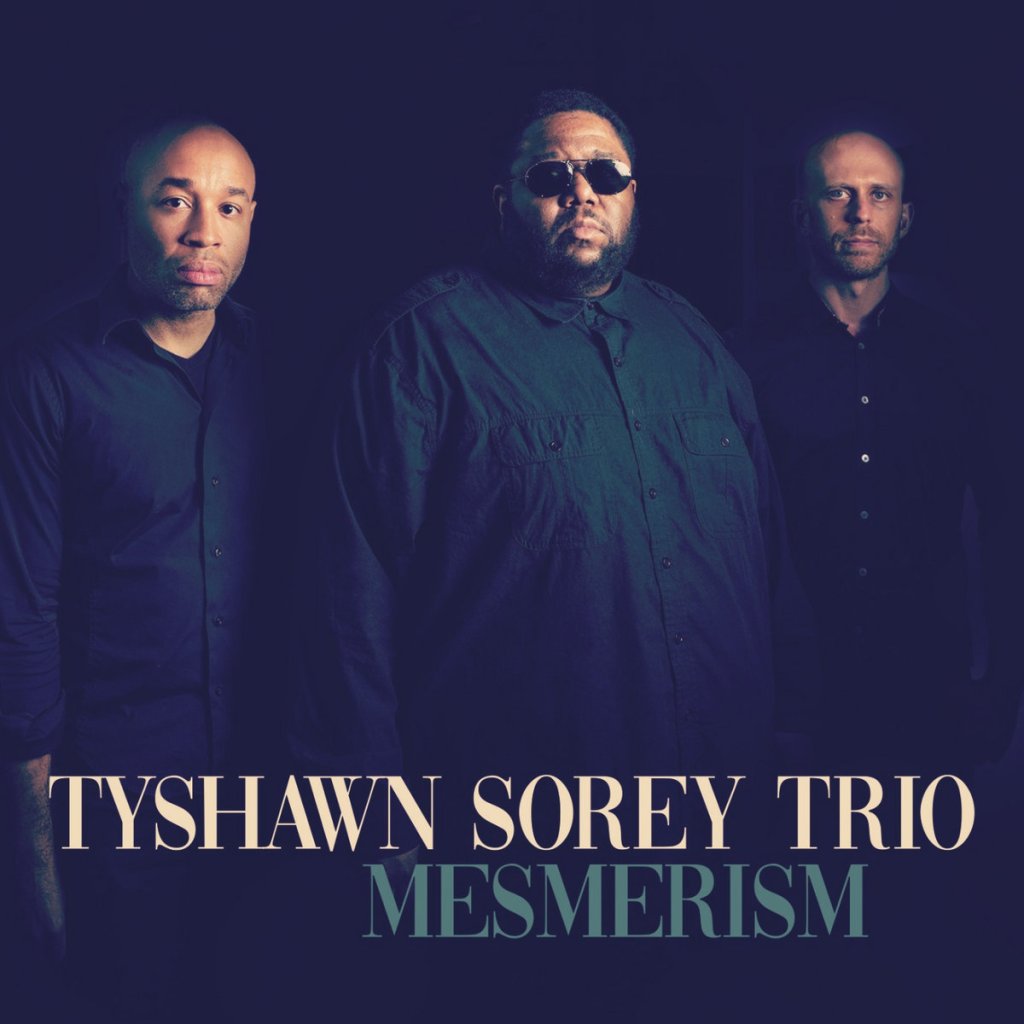
  170. Tyshawn Sorey Trio: Mesmerism (Pi Recordings)
  171. Dezron Douglas: Atalaya(International Anthem)
  172. Charlotte Adigery & Bolis Pupul: Topical Dancer (DeeWee)
  173. Tomeka Reid & Joe McPhee: Let Our Rejoicing Rise (Corbett vs. Dempsey)
  174. Earl Sweatshirt: Sick! (Tan Cressida / Warner) 
  175. Big Thief: Dragon New Warm Mountain I Believe in You (4AD)
  176. Jeff Arnal and Curt Cloninger: Drum Major Instinct (Mahakala Music)
  177. R.A.P. Ferreira: 5 to the Eyes with Stars (self-released)
  178. Natsuki TamuraSummer Tree (Libra)
  179. Ghais Guevara: There Will Be No Super-Slave (self-released)
  180. Manel Fortia: Despertar (Segell Microscopi/Altafonte)
  181. Ray Wylie Hubbard: Co-Starring Too (Big Machine)
  182. Various Artists: if you fart make it sound good (WA Records)
  183. Marta Sanchez: SAAM (Spanish American Art Museum) (Whirlwind)
  184. Sonnyjim & The Purist: White Girl Wasted (Duape)
  185. Florian Arbenz: Conversation #8—Ablaze (Hammer Recordings)
  186. Mavis Staples & Levon Helm: Carry Me Home (Anti-)
  187. Panda Bear & Sonic Boom: Reset (Domino)
  188. Blue Reality Quartet: Ella’s Island (Mahakala Music)
  189. Cost of Living: Apollo Brown & Philmore Green (Mellow Music Group)
  190. Taylor Swift: Midnights(non-expanded) (Republic)

ARCHIVAL DIGS

  1. Los Golden Boys: Cumbia de Juventud (Mississippi Records)
  2. Albert Ayler: Revelations—The Complete ORTF 1970 Fondation Maeght Recordings (Elemental)
  3. Cecil Taylor:The Complete Legendary Live Return Concert at the Town Hall (Oblivion)
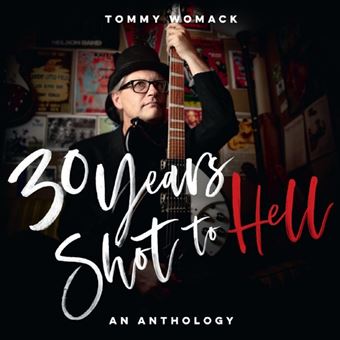
  4. Tommy Womack: 30 Years Shot to Hell! An Anthology (Schoolkids Records)
  5. Various Artists: Lovers Rock—The Soulful Sound of Romantic Reggae (Trojan)
  6. Staples Jr. Singers: When Do We Get Paid (Luaka Bop)
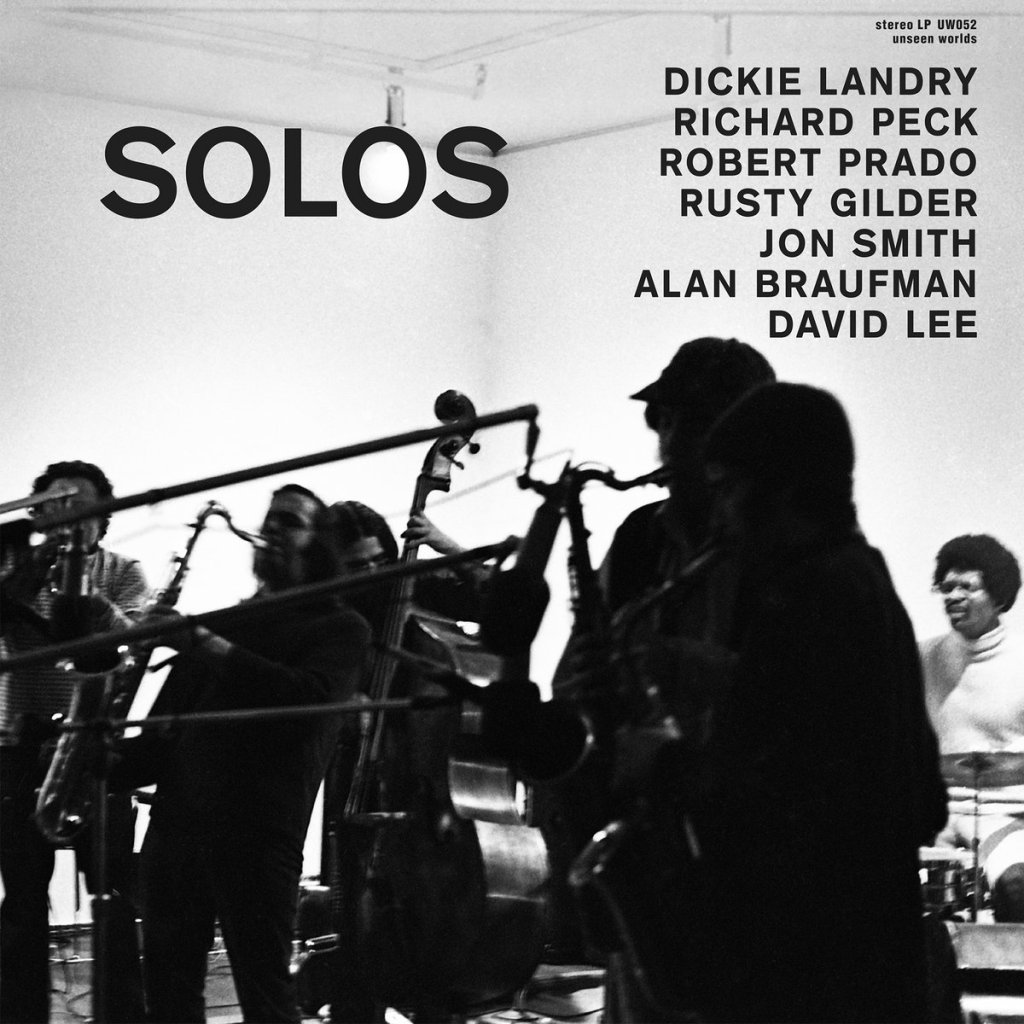
  7. Dickie Landry: Solos (Unseen Worlds)
  8. Albert Ayler: La Cave Live 1966 (Ezz-Thetics) 
  9. Various Artists: Cumbia Sabrosa—Tropical Sound System Bangers From The Discos Fuentes Vaults 1961-1981 (Rocafort Records)
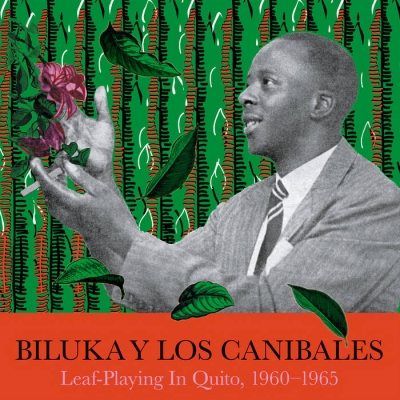
  10. Biluka y Los Canibales: Leaf-Playing in Quito (1960-1965) (Honest Jon’s)
  11. Various Artists: OZ DAYS LIVE ’72 – ’73 Kichijoji–The 50th Anniversary Collection (featuring Les Rallizes Dénudés)  (Temporal Drift)
  12. Les Raillizes Denudes: Live ’77 (Temporal Drift)
  13. Ernest Hood: Back to the Woodlands (Freedom to Spend)
  14. Various Artists: A Chat About the Beauty of the Moon at Night–Hawaiian Steel Guitar Masters 1913-1921 (Magnificent Sounds)
  15. The Rolling Stones: Live at the El Mocambo (Interscope)
  16. Various Artists: Blues Images—1920s Blues Classics, Volume 20 (Blues Images)
  17. Son House: Forever on My Mind (Easy Eye Sound)
  18. Lavender Country: Blackberry Rose and Other Songs & Sorrows (Don Giovanni)
  19. Mal Waldron: Searching in Grenoble—The 1978 Solo Piano Concert (Tompkins Square)
  20. Horace Tapscott Quintet: The Quintet (Mr. Bongo)
  21. Horace Tapscott Quintet: Legacies for Our Grandchildren (Dark Tree)
  22. Dickie Landry & Lawrence Weiner: Having Been Built on Sand(Unseen Worlds)
  23. Various Artists: The D-Vine Spirituals—Sacred Soul (Bible & Tire)
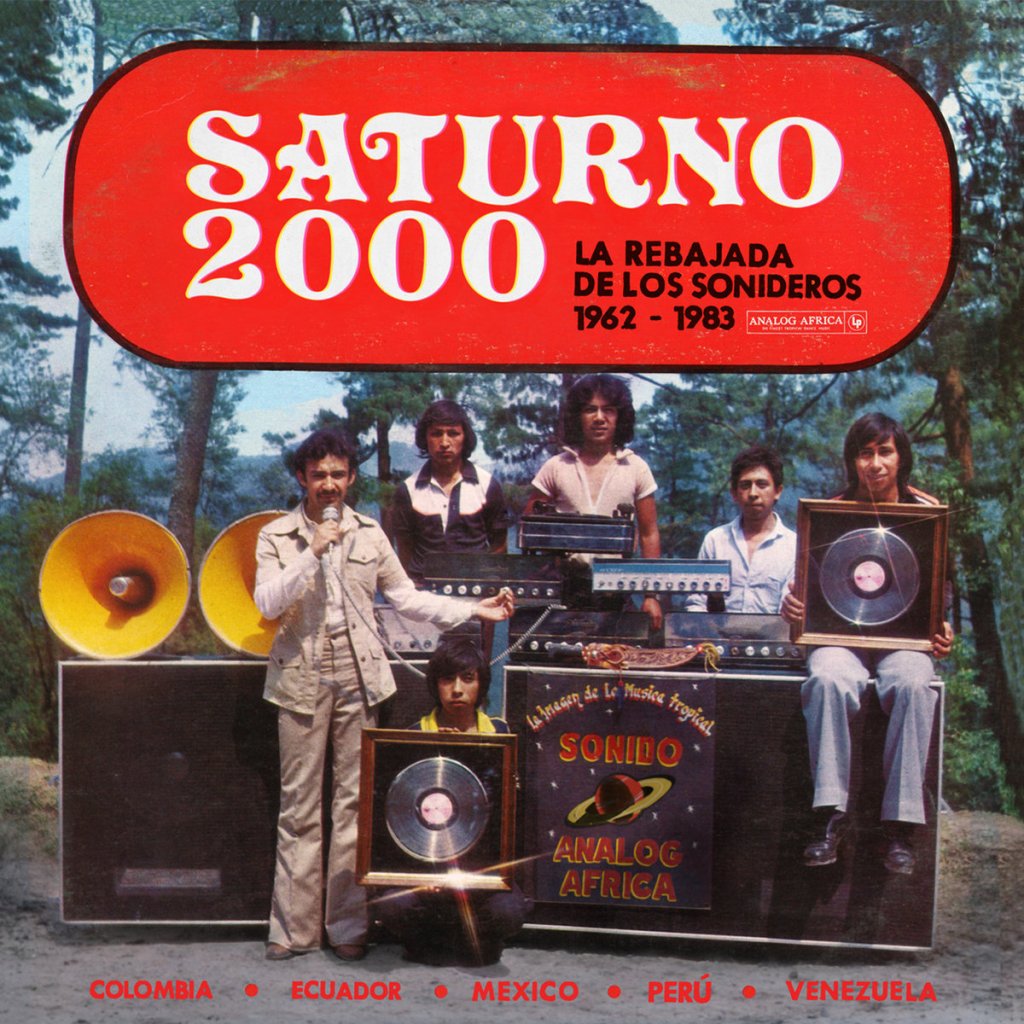
  24. Various Artists: Saturno 2000—La Rebajada De Los Sonideros 1962-1983 (Analog Africa)
  25. Various Artists: Peru Selvatico—Sonic Expedition into the Peruvian Amazon 1972-1986 (Analog Africa)
  26. Kabaka International Guitar Band: Kabaka International Guitar Band (Palenque Records)
  27. The Pyramids: AOMAWA—The 1970s Recordings (Strut)
  28. Hermeto Pascoal: Hermeto (Far Out Recordings)
  29. Sun Ra: Sun Ra Arkestra Meets Salah Ragab in Egypt (Strut)
  30. Asha Puthi: The Essential Asha Puthi (Mr. Bongo)
  31. Malik’s Emerging Force Art Trio: Time and Condition (moved-by-sound)
  32. Volta Jazz: Air Volta (Numero)
  33. Blondie: Against the Odds—1974-1982 (3-CD Rarities Version) (UMe / Numero Group)
  34. Joyce Moreno: Natureza (Far Out Recordings)
  35. Various Artists: From Lion Mountain—Traditional Music of Yeha, Ethiopia (Dust-to-Digital)
  36. Charles Stepney: Step-on-Step(International Anthem)
  37. Ronnie Boykins: The Will Come is Now (ESP-Disk)
  38. John Ondolo: Hypnotic Guitar of John Ondolo (Mississippi Records)
  39. Luciano Luciani y sus Mulatos: Mulata, vamos a la Salsa (Vampisoul)
  40. Cecil Taylor: Respiration (Fundacja Stuchaj)
  41. Norma Tanega: Studio and Demo Recordings, 1964-1971 (Anthology)
  42. Irma Thomas: New Orleans Jazz & Heritage Festival 1976 (Good Time)
  43. Afrika Negra: Antologia, Volume 1 (Bongo Joe)
  44. Various Artists: Summer of Soul (Legacy)
  45. The Heartbreakers: LAMF—The ’77 Found Mixes (Jungle)

Special Bandcamp Friday 2022 Edition: More (and More) Touch–The Best Records I’ve Heard This Year So Far with 29 Days to Go!

Offhand Remarks:

  1. Do you enjoy beautiful trances? These days, I do, and I don’t really like substances to help, because I’m old and fall asleep–which defeats the point. Musically, you’ll be hard pressed to find hypnosis as euphonic as Jeff Parker’s new album on Eremite or Patricia Brennan’s on Pyroclastic. They sustain like a mutha and they are never boring. Proceed.
  2. The number of additions to this list may be a record for a month. Most are available on Bandcamp, today is Friday, and you know what to do.
  3. I am sure I have mentioned Rod Taylor’s Brazil Beat blog here before, but I may have to send him a holiday gift, so many gifts has he led me to. Two cases in point: one, it is Joyce Moreno’s year–she has a lovely, dancing, swinging new album out at 74 and a number of reissues that may convince you (as she, with Rod’s help, has me) that she’s one of the greatest Brazilian singers of the last 60-odd years; two, check out Bruno Berle’s moody, eccentric, and brilliant new album, as well as an older one by Lula Cortes and Ze Ramalho that Berle’s album reminded Rod of, Solar Paebiru–I love Berle’s album so much that I did that old-school blind-dive and bought a hard copy of the latter. Woah. Weird and gorgeous.
  4. If an artist has released 100 albums, that merits a sampling if one isn’t familiar with the artist. Satoko Fujii’s One Hundred Dreams is just that–an exciting, out-there record of imaginative piano combo sounds that will leave you hoping for Album 101.
  5. Adeem the Artist’s second album is red-hot-off-the-presses and surpasses his excellent debut. It is surely the best autobiographical blue-collar Americana release by a non-binary singer-songwriter…ever. And also yet.
  6. That damned SAULT crew! Just when I think (at least for myself) I’ve “cracked the code” and weaned myself off their mystique, they drop a bunch of LPs and EPs that are all pretty fair. I listed my two favorites here–one of which I immediately burned to CD for one of my favorite students this year with whom I’ve had two great spiritual conversations. But as a result of that sticky mystique, I’m still not sure they are the two best.
  7. The excellent Pitchfork critic Sasha Geffen, author of the very-worthwhile Glitter Up The Dark, recently Zoomed with three-count-’em-three separate classes of mine (they’d just finished her book on assignment). He was terrific and very down to earth–more so than my students expected a critic to be–and I told them to be sure to watch for her work on the ‘fork. His first review after our visit (in fact, I think it went up on the day he spoke with us) was of a new work by a band I’d never heard of, Special Interest. Endure JOLTED me–musically and lyrically–and testifies to Geffen’s sharp ear, eye, and mind.
  8. I have a weakness for Little Rock and Memphis. But I think in spite of that my judgement is sound on this list. A stunning number of powerful, varied, and interesting records have been released by LR’s Mahakala Records just this year; Little Rock’s Kari Faux is far from faux, and Memphis’ GloRilla has just become my favorite woman-wildin’-out MC. She is very, very Memphian.
  9. I’ve had a very stubborn Springsteen block since those two records he released at the same time–it’s so stubborn it even prevents me from enjoying his older work like I used to. My wife has a mild crush on both him and Obama, so I ceded to listening to their Renegades podcast (I can admire them both, but that title’s a bit off the mark–unless they were trying to be self-effacing). I rolled my eyes when I learned his new album was soul covers (too easy and safe, I thought, plus the choice of material didn’t meet Cramps/Ray Condo standards, plus so many invitations to strain). Just listened to it this morning for old times’ sake on a long walk…and found it sweet. Nicole will like it, too.
  10. Several cyber-acquaintances of mine are really writing well on Substack. When I read their work, I wanna just fold it up here–that’s how much I enjoy it. If you like this blog, please try out Christian Iszchak’s “An Acute Case” (every Friday–good idea, ’cause that’s a great day to pay musicians!), Brad Luen’s always incisive and witty “Semipop Life,”, and Steve Pick’s “Steve Pick’s Writing Place.” Then stay there and only come back here if you need to–those guys actually write.

RELEASES OF NEWLY-MADE MUSIC

(New additions to the list are bolded.)

  1. Rosalia: MOTOMAMI (Columbia)
  2. Willie Nelson: A Beautiful Time (Sony)
  3. Beyoncé: Renaissance (Parkwood Entertainment)
  4. Tanya TagaqTongues (Six Shooter) 
  5. Ricky Ford: The Wailing Sounds of Ricky Ford—Paul’s Scene (Whaling City Sounds)
  6. Stro Elliot & James Brown: Black & Loud—James Brown Reimagined (Polydor)
  7. 75 Dollar Bill: Social Music at Troost, Volume 3–Other People’s Music (Black Editions Group)
  8. Tommy Womack: I Thought I Was Fine (Schoolkids Records)
  9. Jeff Parker ETA IVTet: Mondays at the Enfield Tennis Academy (Eremite)
  10. Wadada Leo Smith: The Emerald Duets (TUM)
  11. Wet Leg: Wet Leg (Domino)
  12. Anitta: Versions of Me (Deluxe) (Warner)
  13. Ka: Languish Arts (Iron Works)
  14. Sudan ArchivesNatural Brown Prom Queen (Stones Throw)
  15. Lady Wray: Piece of Me (Big Crown)
  16. Harry Styles: Harry’s House (Columbia)
  17. Sun Ra Arkestra (featuring Marshall Allen): Living Sky (Strut / Omni Sound)
  18. Bob Vylan: Bob Vylan Presents The Price of Life (Ghost Theatre)
  19. Horace Andy: Midnight Rocker (On-U Sound)
  20. Amanda Shires: Take It Like a Man (ATO)
  21. Mary Gauthier: Dark Enough to See the Stars (Thirty Tigers)
  22. Patricia Brennan: More Touch (Pyroclastic)
  23. black midi: Hellfire (Rough Trade)
  24. Heroes Are Gang Leaders: LeAutoRoiGraphy (577 Records)
  25. The Mountain Goats: Bleed Out (Merge)
  26. ensemble 0: Music Nuvulosa (Sub Rosa)
  27. Gogol Bordello: Solidaritine (Das Grand Kapital)
  28. Steve Lacy: Gemini Rights (RCA)
  29. Superchunk: Wild Loneliness (Merge)
  30. Gonora Sounds: Hard Times Never Kill (Phantom Limb)
  31. Ches Smith: Interpret It Well (Pyroclastic)
  32. The Ogun Meji DuoFreedom Suite (self-released)
  33. SAULT: Untitled (God) (self-released)
  34. SAULT: Today & Tomorrow (self-released)
  35. PhelimuncasiAma Gogela (Nyege Nyege Tapes)
  36. Dawn Richard & Spencer Zahn: Pigments (Merge)
  37. 700 Bliss: Nothing to Declare (Hyperdub)
  38. Bruno Berle: No Reino Dos Afetos (Far Out)
  39. The Chats: Get Fucked (Cooking Vinyl)
  40. Jinx Lennon: Pet Rent (Septic Tiger)
  41. Freakons: Freakons (Fluff & Gravy)
  42. Jeong Lim Yang: Zodiac Suite—Reassured (Fresh Sound)
  43. Etran de L’AirAgadez (Sahel Sounds)
  44. Homeboy Sandman: I Can’t Sell These (self-released)
  45. Bitchin’ Bajas: Bajascillators (Drag City)
  46. Horsegirl: “Billy” / “History Lesson, Part II” (Matador)
  47. Mark Lomax Trio: Plays Mingus (CFG Multimedia)
  48. Florian ArbenzConversation #5—Elemental; Conversations #6 and 7
  49. Moor Mother: Jazz Codes (Anti-)
  50. Buck 65: King of Drums (4320739 Records DK)
  51. Mdou Moctar: Niger EP Volume 1 (Matador)
  52. ifsonever: ifsonever (Jazz & Milk)
  53. Various Artists: Lespri Ka—New Directions in Gwoka Music from Guadeloupe (Time Capsule Sounds) 
  54. Satoko Fujii: One Hundred Dreams (Libra)
  55. Mark Lomax II: Prismatic Refractions, Volume I (self-released)
  56. Special Interest: Endure (Rough Trade)
  57. James Brandon Lewis: MSM Molecular Systematic Music—Live (Intakt)
  58. Kari Faux: Lowkey Superstar (Don Giovanni)
  59. Adeem the Artist: White Trash Revelry (self-released)
  60. Miranda Lambert: Palomino (Vanner)
  61. Backxwash: HIS HAPPINESS SHALL COME FIRST EVEN THOUGH WE ARE SUFFERING (Ugly Hag / self-released)
  62. Daniel Villareal: Panama ’77 (International Anthem)
  63. Kehlani: blue water road (TSNMI/Atlantic)
  64. Elaine Elias: Quietude (Candid)
  65. Dr. John: Things Happen That Way (Rounder)
  66. Horace Andy: Midnight Scorchers (On-U Sound)
  67. Ka: Woeful Studies (Iron Works)
  68. Wild Up: Julius Eastman, Volume 2—Joy Boy (New Amsterdam)
  69. Lucrecia Dalt: Ay! (RVNG International)
  70. GloRilla: Anyways, Life’s Great (CMG/Interscope)
  71. Amber Mark:Three Dimensions Deep (PMR / Interscope) 
  72. Morgan Wade: Reckless (Deluxe) (Ladylike) 
  73. Zoh Amba: O, Sun (Tzadik)
  74. Jussi ReijonenThree Seconds I Kolme Toista (Challenge Records International)
  75. Ran Blake: Driftwoods (Tompkins Square)
  76. Whit Dickey: Root Perspectives (Tao Forms)
  77. Billy Woods: Aethiope(Backwoodz Studios)
  78. Ishmael Reed: The Hands of Grace (Reading Group)
  79. Dan Ex MachinaAll is Ours, Nothing is Theirs (self-released)
  80. Anna von HausswoolffLive at Montreaux Jazz Festival (Southern Lord) 
  81. Felipe Salles: Tiyo’s Songs of Life (Tapestry)
  82. Steve Lehman: Xaybu—The Unseen(Pi Recordings)
  83. Tom ZéLingua Brasiliera (Selo Sesc)
  84. Joyce Moreno: Brasilieras Cancoes (Biscoito Fino)
  85. M.I.A.: Mata (Island)
  86. Taylor Swift: Midnights (non-expanded) (Republic)
  87. Nancy Mounir: Nozhet El Nofous (Terrorbird)
  88. Rick Rosato: Homage (self-released)
  89. The Beths: Expert in a Dying Field (Carpark)
  90. Alvvays: Blue Rev (Polyvinyl / Transgressive)
  91. Oumou Sangare: Timbuktu (World Circuit Limited)
  92. Various Artists: Hidden Waters—Strange and Sublime Sounds from Rio de Janiero (Sounds and Colours)
  93. SeaJun Kwon: Micro Nap (Endectomorph Music)
  94. Gilla Band: Most Normal (Rough Trade)
  95. Dry Cleaning: Stumpwork (4AD)
  96. Brian Eno: FOREVERANDEVERNOMORE (Verve / UMC)
  97. Nduduzo Makhathini: In the Spirit of Ntu (Universal)
  98. Gard Nilssen Acoustic Unity:Elastic Wave (ECM)
  99. Miguel Zeñon: Musica de las Americas (Miel Music)
  100. Isaiah Collier & The Chosen Few: Lift Every Voice (Division 81 Records)
  101. Tyshawn Sorey: The Off-Off Broadway Guide to Synergism (Pi)
  102. Priscilla BlockWelcome to the Block Party (InDent)
  103. The Comet is Coming: Hyper-Dimensional Expansion Beam (Impulse)
  104. Serengeti: Kaleidoscope III (Audiocon)
  105. Kendrick Lamar: Mr. Morale & The Big Steppers (pgLang/Top Dawg Entertainment/Aftermath/Interscope)
  106. Makaya McCraven: In These Times (International Anthem)
  107. Charm Taylor: She Is The Future (Sinking City)
  108. OGJB: Ode to O (TUM) (Note: Band name – O = Oliver Lake, G = Graham Haynes, J = Joe Fonda, B = Barry Altschul / Title – O = Ornette) 
  109. Andrew Cyrille, William Parker, and Enrico Rava: Two Blues for Cecil (TUM) 
  110. Luke Stewart’s Silt TrioThe Bottom (Cuneiform) 
  111. Tyler Mitchell: Dancing Shadows (featuring Marshall Allen) (Mahakala Music)
  112. Crow Billiken (aka R.A.P. Ferreira): If I don’t have red I use blue (self-released)
  113. Dopolarians: Blues for Alvin Fielder—Live at Crosstown Arts, Memphis (Mahakala Music)
  114. The Paranoid Style: For Executive Meeting(Bar/None)
  115. Carl Stone: Wat Dong Moon Lek (Unseen Worlds)
  116. Joy Guidry:Radical Acceptance (Whited Sepulchre)
  117. Tasche de la Rocha: Tasche de la Rocha & The Psychedelic Roses (Sinking City)
  118. Meridian Brothers and El Grupo & Renacimiento (Ansonia)
  119. Avram Fefer Quartet: Juba Lee (Clean Feed)
  120. Marxist Love Disco Ensemble: MLDE(Mr. Bongo)
  121. Jeffrey Lewis: When That Really Old Cat Dies (self-released)
  122. Mitski: Laurel Hell (Dead Oceans)
  123. Jockstrap: Jockstrap (Rough Trade)
  124. Breath of Air: Breath of Air (Burning Ambulance Music)
  125. Immanuel Wilkins: The 7th Hand (Blue Note) 
  126. David Murray Brave New World Trio: Seriana Promethea (Intakt)
  127. Fulu MizikiNgbaka (EP)
  128. David Virelles: Nuna (Pi / El Tivoli)
  129. Javon Jackson & Nikki Giovanni: The Gospel According to Nikki Giovanni (Solid Jackson) 
  130. Leikeli47: Shape Up (Hardcover/RCA)
  131. Witchcraft BooksVolume 1—The Sundisk (Iapetus Records)
  132. Hurray for The Riff Raff: Life on Earth (Nonesuch)
  133. Qasim Naqvi/Wadada Leo Smith/Andrew Cyrille: Two Centuries (Red Hook)
  134. Rokia Koné and Jacknife Lee: Bamanan (3DFamily)
  135. Tomas Fujiwara: Triple Double (Firehouse 12)
  136. DJ Black Low: Uwami (Awesome Tapes from Africa)
  137. Ibibio Sound Machine:Electricity (Merge)
  138. Zoh Amba: O Life, O Light, Volume 1(577 Records)
  139. Burton/McPherson Trio: The Summit Rock Session at Seneca Village (Giant Step Arts)
  140. Kahil El’Zabar Quartet: A Time for Healing (Spirit Muse)
  141. Pastor Champion: I Just Want to Be a Good Man (Luaka Bop)
  142. Nduduzo Makhathini: In the Spirit of Ntu (Blue Note)
  143. Pusha T: It’s Almost Dry (G.O.O.D. Music/Def Jam)
  144. Elza SoaresElza Ao Vivo No Municipal (Deck)
  145. Nilufer Yanya: Painless (ATO)
  146. Open Mike Eagle: a tape called component system with the auto reverse (Auto Reverse)
  147. Chad Fowler/Ivo Perelman/Zoh Amba/Matthew Shipp/William Parker/Steve Hirsch: Alien Skin (Mahakala Music)
  148. Tommy McLain: I Ran Down Every Dream (Yep Roc)
  149. Satoko Fujii and Joe Fonda: Thread of Light (Fundacja Słuchaj)
  150. Charli XCX: Crash (Atlantic)
  151. Pete Malinverni: On the Town—Pete Malinverni Plays Leonard Bernstein (Planet Arts) 
  152. JID: The Forever Story (Dreamville)
  153. Dedicated Men of Zion: The Devil Don’t Like It (Bible & Tire)
  154. Tyshawn Sorey Trio: Mesmerism (Pi Recordings)
  155. Dezron Douglas: Atalaya (International Anthem)
  156. Space AfrikaHonest Labour (Dais)
  157. Charlotte Adigery & Bolis Pupul: Topical Dancer (DeeWee)
  158. Earl Sweatshirt: Sick! (Tan Cressida / Warner) 
  159. Big Thief: Dragon New Warm Mountain I Believe in You (4AD)
  160. Ashley McBryde: Presents…Lindeville (Warner Nashville)
  161. Jeff Arnal and Curt Cloninger: Drum Major Instinct (Mahakala Music)
  162. Tee Grizzley: Half Tee Half Beast (self-released)
  163. Natsuki TamuraSummer Tree (Libra)
  164. Ghais Guevara: There Will Be No Super-Slave (self-released)
  165. Bruce Springsteen: Only the Strong Survive (Columbia)
  166. Manel Fortia: Despertar (Segell Microscopi/Altafonte)
  167. Ray Wylie Hubbard: Co-Starring Too (Big Machine)
  168. Various Artists: if you fart make it sound good (WA Records)
  169. Marta Sanchez: SAAM (Spanish American Art Museum) (Whirlwind)
  170. Sonnyjim & The Purist: White Girl Wasted (Duape)
  171. Earthgang: Ghetto Gods (Dreamville/Interscope)
  172. Mavis Staples & Levon Helm: Carry Me Home (Anti-)
  173. Panda Bear & Sonic Boom: Reset (Domino)
  174. Blue Reality Quartet: Ella’s Island (Mahakala Music)
  175. Sarah Ruth and Monte Espina: quatro estaciones (Full Spectrum)

ARCHIVAL DIGS

  1. Los Golden Boys: Cumbia de Juventud (Mississippi Records)
  2. Albert Ayler: Revelations—The Complete ORTF 1970 Fondation Maeght Recordings (Elemental)
  3. Cecil Taylor:The Complete Legendary Live Return Concert at the Town Hall (Oblivion)
  4. Tommy Womack: 30 Years Shot to Hell! An Anthology (Schoolkids Records)
  5. Various Artists: Lovers Rock—The Soulful Sound of Romantic Reggae (Trojan)
  6. Albert Ayler: La Cave Live 1966 (Ezz-Thetics) 
  7. Various Artists: Cumbia Sabrosa—Tropical Sound System Bangers From The Discos Fuentes Vaults 1961-1981 (Rocafort Records)
  8. Freestyle Fellowship: To Whom It May Concern….
  9. Biluka y Los Canibales: Leaf-Playing in Quito (1960-1965) (Honest Jon’s)
  10. Various Artists: OZ DAYS LIVE ’72​-​’73 Kichijoji–The 50th Anniversary Collection (featuring Les Rallizes Dénudés)  (Temporal Drift)
  11. Various Artists: A Chat About the Beauty of the Moon at Night–Hawaiian Steel Guitar Masters 1913-1921 (Magnificent Sounds)
  12. The Rolling Stones: Live at the El Mocambo (Interscope)
  13. Son House: Forever on My Mind (Easy Eye Sound)
  14. Lavender Country: Blackberry Rose and Other Songs & Sorrows (Don Giovanni)
  15. Mal Waldron: Searching in Grenoble—The 1978 Solo Piano Concert (Tompkins Square)
  16. Horace Tapscott Quintet: The Quintet (Mr. Bongo)
  17. Horace Tapscott Quintet: Legacies for Our Grandchildren (Dark Tree)
  18. Dickie Landry & Lawrence Weiner: Having Been Built on Sand (Unseen Worlds)
  19. Various Artists: The D-Vine Spirituals—Sacred Soul (Bible & Tire)
  20. Kabaka International Guitar Band: Kabaka International Guitar Band (Palenque Records)
  21. The Pyramids: AOMAWA—The 1970s Recordings (Strut)
  22. Hermeto Pascoal: Hermeto (Far Out Recordings)
  23. Sun Ra: Sun Ra Arkestra Meets Salah Ragab in Egypt (Strut)
  24. Asha Puthi: The Essential Asha Puthi (Mr. Bongo)
  25. Malik’s Emerging Force Art Trio: Time and Condition (moved-by-sound)
  26. Volta Jazz: Air Volta (Numero)
  27. Blondie: Against the Odds—1974-1982 (3-CD Rarities Version) (UMe / Numero Group)
  28. Joyce Moreno: Natureza (Far Out Recordings)
  29. Various Artists: From Lion Mountain—Traditional Music of Yeha, Ethiopia (Dust-to-Digital)
  30. Charles Stepney: Step-on-Step(International Anthem)
  31. Ronnie Boykins: The Will Come is Now (ESP-Disk)
  32. John Ondolo: Hypnotic Guitar of John Ondolo (Mississippi Records)
  33. Luciano Luciani y sus Mulatos: Mulata, vamos a la Salsa (Vampisoul)
  34. Cecil Taylor: Respiration (Fundacja Stuchaj)
  35. Norma Tanega: Studio and Demo Recordings, 1964-1971 (Anthology)
  36. Irma Thomas: New Orleans Jazz & Heritage Festival 1976 (Good Time)
  37. Afrika Negra: Antologia, Volume 1 (Bongo Joe)
  38. Various Artists: Summer of Soul (Legacy)
  39. The Heartbreakers: LAMF—The ’77 Found Mixes (Jungle)
  40. Various Artists: Let’s Stamp—1950s Folk Dance Recordings from Bulgarian and Yugoslavian 78 Discs (Canary Recordings)

LET’S STAMP (and maybe something GOOD will happen)!–Some of the Best New (and Newly Excavated Music) from 2022

Odd-servations:

  1. Up for a cool oud-fuelled album? I thought so. Jussi Reijonen’s Three Seconds I Kolme Toista (Challenge Records International) is just the thing for you. Reijonen (also on stunning guitars) is joined on his sophomore recording by players from Turkey, Jordan, Japan, Palestine, and America, on instrumentation ranging from violin to cello to microtonal piano, and creates a potent, moody brew that eludes genre and features fresh textures that connect back to the leader’s broad travels. “Something different” is a much-abused description, but this is that.
  2. I have missed Gogol Bordello. Lucky enough to have seen their live and mad rabble-rousing twice, I’ve wondered over the past couple of years just what they’d been up to. On first listen, I thought their new Solidaritine was a tad lacking in dynamics; on the second, third, fourth, and fifth listens I haven’t cared much. At all. Our rabble needs rousing, and sometimes dynamics can stall the ol’ rabble motor.
  3. I had to explain to several of my current students (I teach at the country’s second-oldest women’s college) that I was not pandering to their taste in admitting that I love the new Harry Styles album (he’s an acute singer–not just a cute one–I like the settings, and yes, it is dynamic) and like the new Taylor Swift album. The latter would be only the third one I’ve ever seriously listened to. The first was her first, which a fierce 10th grade student burned for me back in the burnin’ days and insisted I listen to; the second was the day before Midnights came out, at the behest of a fierce college sophomore who noted, after I mentioned in class that Mickey Guyton was working in the space Taylor made, that Taylor was in a whole different space and I needed to listen to Folklore, which I kind of loved until it went on too long (it–and the LONG version of Midnights–seemed like a marathon phone call from a friend with problems I wasn’t qualified to answer). But, hey, I listened to a couple artists I’d have been too snooty to before.
  4. Special shout out to the White Wino, who pushed me to check out the new Elaine Elias album, which is simply lush, rolling bossa nova sung and played with expertise and ease.
  5. I can always count on Jeffrey Lewis to write a song that hits me right where I’m living at the time. My oldest cat is still hangin’ in there, but Lewis’ writing on his new record’s title cut is all too specific.
  6. Anybody know Cecilia, Louisiana’s Dickie Landry? Sharp-as-a-tack horn player with the Cajun Traveling Wilburys–Little Band of Gold–before that co-conspirator with the likes of Laurie Anderson and a frequent New Orleans bandleader, but most notably a genius musician who has never seen a challenge he didn’t like. Fans of Frederic Rzewski’s Coming Together might want to make a bee-line to the 84-year-old’s new music-and-spoken-word album with Lawrence Weiner (#118 below).
  7. Speaking of numbers? I would not trust my current numbering system as reliable rankings even as far as my own favorites are concerned. A simply overwhelming amount of music is roaring out, and this is just a hobby for me, ya hear? A HOBBY!
  8. This month, I happened upon an article about a group I’d never heard of, Les Rallizes Denudes, and record label Temporal Drift’s superb effort to bring them to our attention (out digitally but not as a physical copy). If you love “I Heard Her Call My Name” and the Velvets’ dynamics–there’s that word again–in particular, I strongly recommend you at least sample the group’s Oz Days recordings.
  9. If you’re a Ran Blake fan (his The Short Life of Barbara Monk is one of the most heartbreaking jazz records ever recorded), don’t miss his tender, wistful, autumnal Tompkins Square record, perfectly titled Driftwoods. Give the man props while he’s livin’, as a very wise man who is no longer with us once said.
  10. Joyce Moreno! Joyce Moreno! Joyce Moreno! See Brazil Beat to find out what’s right with me–and Joyce!

Note: New additions to the list are in bold.

RELEASES OF NEWLY-MADE MUSIC

Jerry Lee Lewis…so long.

  1. 75 Dollar Bill: Social Music at Troost, Volume 3–Other People’s Music (Black Editions Group)
  2. Rosalia: MOTOMAMI (Columbia)
  3. Willie Nelson: A Beautiful Time (Sony)
  4. Beyoncé: Renaissance (Parkwood Entertainment)
  5. Tanya TagaqTongues (Six Shooter) 
  6. Ricky Ford: The Wailing Sounds of Ricky Ford—Paul’s Scene (Whaling City Sounds)
  7. Stro Elliot & James Brown: Black & Loud—James Brown Reimagined (Polydor)
  8. Gogol Bordello: Solidaritine (Das Grand Kapital)
  9. Tommy Womack: I Thought I Was Fine (Schoolkids Records)
  10. Wadada Leo Smith: The Emerald Duets (TUM)
  11. Wet Leg: Wet Leg (Domino)
  12. Anitta: Versions of Me (Deluxe) (Warner)
  13. Ka: Languish Arts (Iron Works)
  14. The Mountain Goats: Bleed Out (Merge)
  15. Sudan ArchivesNatural Brown Prom Queen (Stones Throw)
  16. Lady Wray: Piece of Me (Big Crown)
  17. Harry Styles: Harry’s House (Columbia)
  18. Bob Vylan: Bob Vylan Presents The Price of Life (Ghost Theatre)
  19. Horace Andy: Midnight Rocker (On-U Sound)
  20. Superchunk: Wild Loneliness (Merge)
  21. Gonora Sounds: Hard Times Never Kill (Phantom Limb)
  22. Amanda Shires: Take It Like a Man (ATO)
  23. black midi: Hellfire (Rough Trade)
  24. Heroes Are Gang Leaders: LeAutoRoiGraphy (577 Records)
  25. ensemble 0: Music Nuvulosa (Sub Rosa)
  26. Ches Smith: Interpret It Well (Pyroclastic)
  27. The Ogun Meji DuoFreedom Suite (self-released)
  28. PhelimuncasiAma Gogela (Nyege Nyege Tapes)
  29. 700 Bliss: Nothing to Declare (Hyperdub)
  30. The Chats: Get Fucked (Cooking Vinyl)
  31. Jinx Lennon: Pet Rent (Septic Tiger)
  32. Steve Lacy: Gemini Rights (RCA)
  33. Freakons: Freakons (Fluff & Gravy)
  34. Mary Gauthier: Dark Enough to See the Stars (Thirty Tigers)
  35. Etran de L’AirAgadez (Sahel Sounds)
  36. Homeboy Sandman: I Can’t Sell These (self-released)
  37. Bitchin’ Bajas: Bajascillators (Drag City)
  38. Miranda Lambert: Palomino (Vanner)
  39. Horsegirl: “Billy” / “History Lesson, Part II” (Matador)
  40. Mark Lomax Trio: Plays Mingus (CFG Multimedia)
  41. Florian ArbenzConversation #5—Elemental; Conversations #6 and 7
  42. Moor Mother: Jazz Codes (Anti-)
  43. Mdou Moctar: Niger EP Volume 1 (Matador)
  44. Various Artists: Lespri Ka—New Directions in Gwoka Music from Guadeloupe (Time Capsule Sounds) 
  45. Billy Woods: Aethiope(Backwoodz Studios)
  46. Mark Lomax II: Prismatic Refractions, Volume I (self-released)
  47. James Brandon Lewis: MSM Molecular Systematic Music—Live (Intakt)
  48. Daniel Villareal: Panama ’77 (International Anthem)
  49. Kehlani: blue water road (TSNMI/Atlantic)
  50. Elaine Elias: Quietude (Candid)
  51. Horace Andy: Midnight Scorchers (On-U Sound)
  52. Ka: Woeful Studies (Iron Works)
  53. Lucrecia Dalt: Ay! (RVNG International)
  54. Amber Mark:Three Dimensions Deep (PMR / Interscope) 
  55. Morgan Wade: Reckless (Deluxe) (Ladylike) 
  56. Zoh Amba: O, Sun (Tzadik)
  57. Jussi Reijonen: Three Seconds I Kolme Toista (Challenge Records International)
  58. Ran Blake: Driftwoods (Tompkins Square)
  59. Whit Dickey: Root Perspectives (Tao Forms)
  60. Dan Ex MachinaAll is Ours, Nothing is Theirs (self-released)
  61. Anna von HausswoolffLive at Montreaux Jazz Festival (Southern Lord) 
  62. Felipe Salles: Tiyo’s Songs of Life (Tapestry)
  63. Steve Lehman: Xaybu—The Unseen(Pi Recordings)
  64. Tom ZéLingua Brasiliera (Selo Sesc)
  65. M.I.A.: Mata (Island)
  66. Taylor Swift: Midnights (non-expanded) (Republic)
  67. Nancy Mounir: Nozhet El Nofous (Terrorbird)
  68. Rick Rosato: Homage (self-released)
  69. The Beths: Expert in a Dying Field (Carpark)
  70. Alvvays: Blue Rev (Polyvinyl / Transgressive)
  71. Oumou Sangare: Timbuktu (World Circuit Limited)
  72. Various Artists: Hidden Waters—Strange and Sublime Sounds from Rio de Janiero (Sounds and Colours)
  73. Sun Ra Arkestra (featuring Marshall Allen): Living Sky (Strut / Omni Sound)
  74. SeaJun Kwon: Micro Nap (Endectomorph Music)
  75. Gilla Band: Most Normal (Rough Trade)
  76. Brian Eno: FOREVERANDEVERNOMORE (Verve / UMC)
  77. Nduduzo Makhathini: In the Spirit of Ntu (Universal)
  78. Gard Nilssen Acoustic Unity:Elastic Wave (ECM)
  79. Miguel Zeñon: Musica de las Americas (Miel Music)
  80. Isaiah Collier & The Chosen Few: Lift Every Voice (Division 81 Records)
  81. Tyshawn Sorey: The Off-Off Broadway Guide to Synergism (Pi)
  82. Priscilla BlockWelcome to the Block Party (InDent)
  83. The Comet is Coming: Hyper-Dimensional Expansion Beam (Impulse)
  84. Serengeti: Kaleidoscope III (Audiocon)
  85. Kendrick Lamar: Mr. Morale & The Big Steppers (pgLang/Top Dawg Entertainment/Aftermath/Interscope)
  86. Makaya McCraven: In These Times (International Anthem)
  87. Charm Taylor: She Is The Future (Sinking City)
  88. OGJB: Ode to O (TUM) (Note: Band name – O = Oliver Lake, G = Graham Haynes, J = Joe Fonda, B = Barry Altschul / Title – O = Ornette) 
  89. Andrew Cyrille, William Parker, and Enrico Rava: Two Blues for Cecil (TUM) 
  90. Luke Stewart’s Silt TrioThe Bottom (Cuneiform) 
  91. Tyler Mitchell: Dancing Shadows (featuring Marshall Allen) (Mahakala Music)
  92. Wild Up: Julius Eastman, Volume 2—Joy Boy (New Amsterdam)
  93. Crow Billiken (aka R.A.P. Ferreira): If I don’t have red I use blue (self-released)
  94. The Paranoid Style: For Executive Meeting(Bar/None)
  95. Carl Stone: Wat Dong Moon Lek (Unseen Worlds)
  96. Joy Guidry:Radical Acceptance (Whited Sepulchre)
  97. Meridian Brothers and El Grupo & Renacimiento (Ansonia)
  98. Marxist Love Disco Ensemble: MLDE(Mr. Bongo)
  99. Jeffrey Lewis: When That Really Old Cat Dies (self-released)
  100. Mitski: Laurel Hell (Dead Oceans)
  101. Jockstrap: Jockstrap (Rough Trade)
  102. Breath of Air: Breath of Air (Burning Ambulance Music)
  103. Immanuel Wilkins: The 7th Hand (Blue Note) 
  104. David Murray Brave New World Trio: Seriana Promethea (Intakt)
  105. Fulu MizikiNgbaka (EP)
  106. David Virelles: Nuna (Pi / El Tivoli)
  107. Javon Jackson & Nikki Giovanni: The Gospel According to Nikki Giovanni (Solid Jackson) 
  108. Leikeli47: Shape Up (Hardcover/RCA)
  109. Witchcraft BooksVolume 1—The Sundisk (Iapetus Records)
  110. Hurray for The Riff Raff: Life on Earth (Nonesuch)
  111. Rokia Koné and Jacknife Lee: Bamanan (3DFamily)
  112. Tomas Fujiwara: Triple Double (Firehouse 12)
  113. DJ Black Low: Uwami (Awesome Tapes from Africa)
  114. Ibibio Sound Machine:Electricity (Merge)
  115. Zoh Amba: O Life, O Light, Volume 1(577 Records)
  116. Burton/McPherson Trio: The Summit Rock Session at Seneca Village (Giant Step Arts)
  117. Kahil El’Zabar Quartet: A Time for Healing (Spirit Muse)
  118. Pastor Champion: I Just Want to Be a Good Man (Luaka Bop)
  119. Dickie Landry & Lawrence Weiner: Having Been Built on Sand (Unseen Worlds)
  120. Nduduzo Makhathini: In the Spirit of Ntu (Blue Note)
  121. Pusha T: It’s Almost Dry (G.O.O.D. Music/Def Jam)
  122. Elza SoaresElza Ao Vivo No Municipal (Deck)
  123. Nilufer Yanya: Painless (ATO)
  124. Open Mike Eagle: a tape called component system with the auto reverse (Auto Reverse)
  125. Tommy McLain: I Ran Down Every Dream (Yep Roc)
  126. Satoko Fujii and Joe Fonda: Thread of Light (Fundacja Słuchaj)
  127. Charli XCX: Crash (Atlantic)
  128. Pete Malinverni: On the Town—Pete Malinverni Plays Leonard Bernstein (Planet Arts) 
  129. JID: The Forever Story (Dreamville)
  130. Dedicated Men of Zion: The Devil Don’t Like It (Bible & Tire)
  131. Tyshawn Sorey Trio: Mesmerism (Pi Recordings)
  132. Space AfrikaHonest Labour (Dais)
  133. Charlotte Adigery & Bolis Pupul: Topical Dancer (DeeWee)
  134. Earl Sweatshirt: Sick! (Tan Cressida / Warner) 
  135. Big Thief: Dragon New Warm Mountain I Believe in You (4AD)
  136. Ashley McBryde: Presents…Lindeville (Warner Nashville)
  137. Jeff Arnal and Curt Cloninger: Drum Major Instinct (Mahakala Music)
  138. Tee Grizzley: Half Tee Half Beast (self-released)
  139. Hoodoo Gurus: Chariot of The Gods (Big Time Photographic Recordings)
  140. Natsuki TamuraSummer Tree (Libra)
  141. (D)ivo: Perelman, Berne, Malaby, Carter (Mahakala Music)
  142. Daniel Carter et al.: Telepatica (577 Records)
  143. Ghais Guevara: There Will Be No Super-Slave (self-released)
  144. Pierre Kwenders: Jose Louis and the Paradox of Love (Arts & Crafts)
  145. Manel Fortia: Despertar (Segell Microscopi/Altafonte)
  146. Ray Wylie Hubbard: Co-Starring Too (Big Machine)
  147. Various Artists: if you fart make it sound good (WA Records)
  148. Marta Sanchez: SAAM (Spanish American Art Museum) (Whirlwind)
  149. Sonnyjim & The Purist: White Girl Wasted (Duape)
  150. Earthgang: Ghetto Gods (Dreamville/Interscope)
  151. Mavis Staples & Levon Helm: Carry Me Home (Anti-)
  152. Panda Bear & Sonic Boom: Reset (Domino)
  153. Blue Reality Quartet: Ella’s Island (Mahakala Music)
  154. Sarah Ruth and Monte Espina: quatro estaciones (Full Spectrum)

ARCHIVAL DIGS

  1. Los Golden Boys: Cumbia de Juventud (Mississippi Records)
  2. Albert Ayler: Revelations—The Complete ORTF 1970 Fondation Maeght Recordings (Elemental)
  3. Cecil Taylor:The Complete Legendary Live Return Concert at the Town Hall (Oblivion)
  4. Tommy Womack: 30 Years Shot to Hell! An Anthology (Schoolkids Records)
  5. Various Artists: Lovers Rock—The Soulful Sound of Romantic Reggae (Trojan)
  6. Albert Ayler: La Cave Live 1966 (Ezz-Thetics) 
  7. Various Artists: Cumbia Sabrosa—Tropical Sound System Bangers From The Discos Fuentes Vaults 1961-1981 (Rocafort Records)
  8. Biluka y Los Canibales: Leaf-Playing in Quito (1960-1965) (Honest Jon’s)
  9. Various Artists: OZ DAYS LIVE ’72​-​’73 Kichijoji–The 50th Anniversary Collection (featuring Les Rallizes Dénudés)  (Temporal Drift)
  10. Various Artists: A Chat About the Beauty of the Moon at Night–Hawaiian Steel Guitar Masters 1913-1921 (Magnificent Sounds)
  11. The Rolling Stones: Live at the El Mocambo (Interscope)
  12. Son House: Forever on My Mind (Easy Eye Sound)
  13. Lavender Country: Blackberry Rose and Other Songs & Sorrows (Don Giovanni)
  14. Mal Waldron: Searching in Grenoble—The 1978 Solo Piano Concert (Tompkins Square)
  15. Horace Tapscott Quintet: The Quintet (Mr. Bongo)
  16. Horace Tapscott Quintet: Legacies for Our Grandchildren (Dark Tree)
  17. Various Artists: The D-Vine Spirituals—Sacred Soul (Bible & Tire)
  18. Kabaka International Guitar Band: Kabaka International Guitar Band (Palenque Records)
  19. The Pyramids: AOMAWA—The 1970s Recordings (Strut)
  20. Hermeto Pascoal: Hermeto (Far Out Recordings)
  21. Sun Ra: Sun Ra Arkestra Meets Salah Ragab in Egypt (Strut)
  22. Asha Puthi: The Essential Asha Puthi (Mr. Bongo)
  23. Malik’s Emerging Force Art Trio: Time and Condition (moved-by-sound)
  24. Volta Jazz: Air Volta (Numero)
  25. Blondie: Against the Odds—1974-1982 (3-CD Rarities Version) (UMe / Numero Group)
  26. Joyce Moreno: Natureza (Far Out Recordings)
  27. Various Artists: From Lion Mountain—Traditional Music of Yeha, Ethiopia (Dust-to-Digital)
  28. Charles Stepney: Step-on-Step(International Anthem)
  29. Ronnie Boykins: The Will Come is Now (ESP-Disk)
  30. John Ondolo: Hypnotic Guitar of John Ondolo (Mississippi Records)
  31. Luciano Luciani y sus Mulatos: Mulata, vamos a la Salsa (Vampisoul)
  32. Cecil Taylor: Respiration (Fundacja Stuchaj)
  33. Norma Tanega: Studio and Demo Recordings, 1964-1971 (Anthology)
  34. Irma Thomas: New Orleans Jazz & Heritage Festival 1976 (Good Time)
  35. Afrika Negra: Antologia, Volume 1 (Bongo Joe)
  36. Various Artists: Summer of Soul (Legacy)
  37. The Heartbreakers: LAMF—The ’77 Found Mixes (Jungle)
  38. Various Artists: Let’s Stamp—1950s Folk Dance Recordings from Bulgarian and Yugoslavian 78 Discs (Canary Recordings)

This Art Ain’t Languishin’: Best New Album Sounds and Dug-Up Tracks, January 1 – September 29

Odd-servations:

  1. Two of my pop music / freshman composition classes independently chose Steve Lacy’s Gemini Rights for their first “Album Socratic,” and it a lil’ bit blew my mind. I am (or at least HAVE BEEN) TikTok-resistant, but I learned Steve’s swimming powerfully in that ocean. Even more fruitfully, the seminar made Lacy at least ten total new raving fans who previously hadn’t heard of him. That’s education! (P. S. The 8:00 am Socratic was regarding Lacy’s new one paired with Lucas Combs’ current release, which might seems like a spinach ice cream cone, but the contrast revealed much about artist personae, music marketing, and audience engagement.)
  2. I don’t know what 71-year-old reggae legend Horace Andy’s feeding himself, but I want some of it. I quite frankly am immune to most current rhythm music out of Jamaica, but Andy’s two 2022 records are miraculous medicine. Recommendation: turn up both volume and bass. Reassurance: Andy’s singing just fine.
  3. I barely squeezed Brownsville rapper Ka’s first of two brand-new releases under my deadline. It’s got an education thread that I had to pull on, and it held firm. Ka’s music reminds me of Sahel desert blues–it’s very marginally differentiated but irresistible. I’m listening to the second, and it is no slouch. It might make the list before I hit “Publish.”
  4. Just gotta say that I was very late to the virtues of Chicago’s electronic wonders The Bitchin’ Bajas, and even then figured the album I landed on (their previous one, a Sun Ra cover version flight) might be the only one I’d need. I was wrong. Actually, their new one is even more hypnotic and pleasing than their Sun One experiment.
  5. On the other hand, the brave and few who follow this blog may begin to think I have a vested interest in pushing ANYTHING Columbus, Ohio’s Mark Lomax II creates. Well, ok: first, he’s a master musician with a bursting heart, endless ideas, and a pretty flawless ear for supporting musicians; second, I simply haven’t heard an album of his that didn’t bear replaying and replaying (IF you’re a fan of jazz); third, when I learned he decided to cover the permanently instrumentally sidelined Sonny Rollins’ Freedom Suite, I honestly wondered if I needed to check it out: the original is a masterwork, and David S. Ware’s previous cover version was, um, titanic. Of course, I did check Dr. Lomax’s out, and reached the conclusion that it’s just not smart to doubt his commitment and feeling. It’s the best of the three-count ’em-three records he’s put out this year, and it befuddles me that what remains of the jazz press doesn’t seem to be that curious about them. Their loss.
  6. Last year, I stayed very hot and bothered listen after listen about Swedish bassist Ingebrigt Haker Flaten’s free-but-coherent-and-textured concept album Exit (Knarr). This year’s candidate for free-improv album that might Venus-flytrap the unconvinced is the not-quite-released album Micro Nap, by the Korean-born bassist SeaJun Kwon. It’s alternately–but not jarringly–meditative and raucous, as well as subtly tuneful in perfect tandem with thunderous and exciting cacophony.
  7. The Mr. Bongo label is having a great year. Did I say that last time?
  8. In a somewhat related development, the late, great, and extremely underappreciated Horace Tapscott’s rediscovery, the fuse of which was lit a few years back by Dark Tree Records and which has been helped along this year by–there they are again–Mr. Bongo, continues unabated. If you’ve never heard of Mr. Tapscott, in terms of composing, arranging, and playing jazz, and (even more important) nurturing a musical community across almost a half-century in South Central Los Angeles, he was a 20th century giant who unfortunately wasn’t all that motivated to push his own recordings out there. Perhaps the most famous record he’s been associated with, and which isn’t exactly canonized (though it should be) is Sonny Criss’ Sonny’s Dream: Birth of the New Cool, which he wrote and arranged but didn’t play on. Well, he cut some dandy slabs of impressive variety of format that got limited release and disappeared, but are now re-emerging. Dig in, jazzers.
  9. Unless the earth explodes before November, I’ll be able to see one of my favorite MCs, R.A.P. Ferreira in person, and maybe do Q & A with him. I was not expecting him to release a solo country blues album this month. It’s far from not-bad, from the selections to the faux-Crumb cover art.
  10. Need a dose of that very entertaining but Dixieland-stale stuff called rock and roll? The Mountain Goats have something for you.
  11. Bonus track: weird, ongoing wrestling match between 75 Dollar Bill and Rosalia. Somehow, creaky old Shotgun Guillermo got Beyoncé in a full-Nelson and moved up to #3.
  12. Hidden track: #82 is dedicated AND recommended to my pal Kevin Bozelka!

Note: New additions to the list are in bold.

RELEASES OF NEWLY-MADE MUSIC

  1. 75 Dollar Bill: Social Music at Troost, Volume 3–Other People’s Music (Black Editions Group)
  2. Rosalia: MOTOMAMI (Columbia)
  3. Willie Nelson: A Beautiful Time (Sony)
  4. Beyoncé: Renaissance (Parkwood Entertainment)
  5. Tanya TagaqTongues (Six Shooter) 
  6. Ricky Ford: The Wailing Sounds of Ricky Ford—Paul’s Scene (Whaling City Sounds)
  7. Stro Elliot & James Brown: Black & Loud—James Brown Reimagined (Polydor)
  8. Tommy Womack: I Thought I Was Fine (Schoolkids Records)
  9. Wadada Leo Smith: The Emerald Duets (TUM)
  10. Superchunk: Wild Loneliness (Merge)
  11. Gonora Sounds: Hard Times Never Kill (Phantom Limb)
  12. Wet Leg: Wet Leg (Domino)
  13. Anitta: Versions of Me (Deluxe) (Warner)
  14. Ka: Languish Arts (Iron Works)
  15. The Mountain Goats: Bleed Out (Merge)
  16. Sudan Archives: Natural Brown Prom Queen (Stones Throw)
  17. Lady Wray: Piece of Me (Big Crown)
  18. Bob Vylan: Bob Vylan Presents The Price of Life (Ghost Theatre)
  19. Horace Andy: Midnight Rocker (On-U Sound)
  20. black midi: Hellfire (Rough Trade)
  21. Heroes Are Gang Leaders: LeAutoRoiGraphy (577 Records)
  22. ensemble 0: Music Nuvulosa (Sub Rosa)
  23. Ches Smith: Interpret It Well (Pyroclastic)
  24. The Ogun Meji Duo: Freedom Suite (self-released)
  25. Phelimuncasi: Ama Gogela (Nyege Nyege Tapes)
  26. 700 Bliss: Nothing to Declare (Hyperdub)
  27. The Chats: Get Fucked (Cooking Vinyl)
  28. Dan Ex Machina: All is Ours, Nothing is Theirs (self-released)
  29. Jinx Lennon: Pet Rent (Septic Tiger)
  30. Steve Lacy: Gemini Rights (RCA)
  31. Freakons: Freakons (Fluff & Gravy)
  32. Mary Gauthier: Dark Enough to See the Stars (Thirty Tigers)
  33. Etran de L’AirAgadez (Sahel Sounds)
  34. Homeboy Sandman: I Can’t Sell These (self-released)
  35. Bitchin’ Bajas: Bajascillators (Drag City)
  36. Miranda Lambert: Palomino (Vanner)
  37. Horsegirl: “Billy” / “History Lesson, Part II” (Matador)
  38. Mark Lomax Trio: Plays Mingus (CFG Multimedia)
  39. Florian Arbenz: Conversation #5—Elemental; Conversations #6 and 7
  40. Moor Mother: Jazz Codes (Anti-)
  41. Mdou Moctar: Niger EP Volume 1 (Matador)
  42. Various Artists: Lespri Ka—New Directions in Gwoka Music from Guadeloupe (Time Capsule Sounds) 
  43. Billy Woods: Aethiope(Backwoodz Studios)
  44. Mark Lomax II: Prismatic Refractions, Volume I (self-released)
  45. James Brandon Lewis: MSM Molecular Systematic Music—Live (Intakt)
  46. Daniel Villareal: Panama ’77 (International Anthem)
  47. Kehlani: blue water road (TSNMI/Atlantic)
  48. Horace Andy: Midnight Scorchers (On-U Sound)
  49. Ka: Woeful Studies (Iron Works)
  50. Amber Mark:Three Dimensions Deep (PMR / Interscope) 
  51. Morgan Wade: Reckless (Deluxe) (Ladylike) 
  52. Zoh Amba: O, Sun (Tzadik)
  53. Whit Dickey: Root Perspectives (Tao Forms)
  54. Anna von HausswoolffLive at Montreaux Jazz Festival (Southern Lord) 
  55. Felipe Salles: Tiyo’s Songs of Life (Tapestry)
  56. Steve Lehman: Xaybu—The Unseen (Pi Recordings)
  57. Tom ZéLingua Brasiliera (Selo Sesc)
  58. Nancy Mounir: Nozhet El Nofous (Terrorbird)
  59. Rick Rosato: Homage (self-released)
  60. The Beths: Expert in a Dying Field (Carpark)
  61. Oumou Sangare: Timbuktu (World Circuit Limited)
  62. Various Artists: Hidden Waters—Strange and Sublime Sounds from Rio de Janiero (Sounds and Colours)
  63. SeaJun Kwon: Micro Nap (Endectomorph Music)
  64. Nduduzo Makhathini: In the Spirit of Ntu (Universal)
  65. Gard Nilssen Acoustic Unity:Elastic Wave (ECM)
  66. Miguel Zeñon: Musica de las Americas (Miel Music)
  67. Isaiah Collier & The Chosen Few: Lift Every Voice (Division 81 Records)
  68. Tyshawn Sorey: The Off-Off Broadway Guide to Synergism (Pi)
  69. Priscilla BlockWelcome to the Block Party (InDent)
  70. Serengeti: Kaleidoscope III (Audiocon)
  71. Kendrick Lamar: Mr. Morale & The Big Steppers(pgLang/Top Dawg Entertainment/Aftermath/Interscope)
  72. Makaya McCraven: In These Times (International Anthem)
  73. Charm Taylor: She Is The Future (Sinking City)
  74. OGJB: Ode to O (TUM) (Note: Band name – O = Oliver Lake, G = Graham Haynes, J = Joe Fonda, B = Barry Altschul / Title – O = Ornette) 
  75. Andrew Cyrille, William Parker, and Enrico Rava: Two Blues for Cecil (TUM) 
  76. Luke Stewart’s Silt TrioThe Bottom(Cuneiform) 
  77. Tyler Mitchell: Dancing Shadows (featuring Marshall Allen) (Mahakala Music)
  78. Wild Up: Julius Eastman, Volume 2—Joy Boy (New Amsterdam)
  79. Crow Billiken (aka R.A.P. Ferreira): If I don’t have red I use blue (self-released)
  80. The Paranoid Style: For Executive Meeting (Bar/None)
  81. Carl Stone: Wat Dong Moon Lek (Unseen Worlds)
  82. Joy Guidry:Radical Acceptance (Whited Sepulchre)
  83. Meridian Brothers and El Grupo & Renacimiento (Ansonia)
  84. Marxist Love Disco Ensemble: MLDE (Mr. Bongo)
  85. Mitski: Laurel Hell (Dead Oceans)
  86. Jockstrap: Jockstrap (Rough Trade)
  87. Breath of Air: Breath of Air (Burning Ambulance Music)
  88. Immanuel Wilkins: The 7th Hand (Blue Note) 
  89. David Murray Brave New World Trio: Seriana Promethea (Intakt)
  90. Fulu MizikiNgbaka (EP)
  91. David Virelles: Nuna (Pi / El Tivoli)
  92. Javon Jackson & Nikki Giovanni: The Gospel According to Nikki Giovanni (Solid Jackson) 
  93. Leikeli47: Shape Up (Hardcover/RCA)
  94. Witchcraft Books: Volume 1—The Sundisk (Iapetus Records)
  95. Hurray for The Riff Raff: Life on Earth (Nonesuch)
  96. Rokia Koné and Jacknife Lee: Bamanan (3DFamily)
  97. Tomas Fujiwara: Triple Double (Firehouse 12)
  98. DJ Black Low: Uwami (Awesome Tapes from Africa)
  99. Ibibio Sound Machine:Electricity (Merge)
  100. Zoh Amba: O Life, O Light, Volume 1 (577 Records)
  101. Burton/McPherson Trio: The Summit Rock Session at Seneca Village (Giant Step Arts)
  102. Kahil El’Zabar Quartet: A Time for Healing (Spirit Muse)
  103. Pastor Champion: I Just Want to Be a Good Man (Luaka Bop)
  104. Nduduzo Makhathini: In the Spirit of Ntu (Blue Note)
  105. Pusha T: It’s Almost Dry (G.O.O.D. Music/Def Jam)
  106. Elza SoaresElza Ao Vivo No Municipal (Deck)
  107. Nilufer Yanya: Painless (ATO)
  108. Tommy McLain: I Ran Down Every Dream (Yep Roc)
  109. Satoko Fujii and Joe Fonda: Thread of Light (Fundacja Słuchaj)
  110. Charli XCX: Crash (Atlantic)
  111. Pete Malinverni: On the Town—Pete Malinverni Plays Leonard Bernstein(Planet Arts) 
  112. JID: The Forever Story (Dreamville)
  113. Dedicated Men of Zion: The Devil Don’t Like It (Bible & Tire)
  114. Tyshawn Sorey Trio: Mesmerism (Pi Recordings)
  115. Space AfrikaHonest Labour (Dais)
  116. Charlotte Adigery & Bolis Pupul: Topical Dancer (DeeWee)
  117. Earl Sweatshirt: Sick! (Tan Cressida / Warner) 
  118. Big Thief: Dragon New Warm Mountain I Believe in You (4AD)
  119. Jeff Arnal and Curt Cloninger: Drum Major Instinct (Mahakala Music)
  120. Tee Grizzley: Half Tee Half Beast (self-released)
  121. Hoodoo Gurus: Chariot of The Gods (Big Time Photographic Recordings)
  122. Natsuki TamuraSummer Tree (Libra)
  123. (D)ivo: Perelman, Berne, Malaby, Carter (Mahakala Music)
  124. Daniel Carter et al.: Telepatica (577 Records)
  125. Ghais Guevara: There Will Be No Super-Slave (self-released)
  126. Pierre Kwenders: Jose Louis and the Paradox of Love (Arts & Crafts)
  127. Manel Fortia: Despertar (Segell Microscopi/Altafonte)
  128. Ray Wylie Hubbard: Co-Starring Too (Big Machine)
  129. Various Artists: if you fart make it sound good (WA Records)
  130. Marta Sanchez: SAAM (Spanish American Art Museum) (Whirlwind)
  131. Sonnyjim & The Purist: White Girl Wasted (Duape)
  132. Earthgang: Ghetto Gods (Dreamville/Interscope)
  133. Mavis Staples & Levon Helm: Carry Me Home (Anti-)
  134. Panda Bear & Sonic Boom: Reset (Domino)
  135. Blue Reality Quartet: Ella’s Island (Mahakala Music)

ARCHIVAL DIGS

  1. Los Golden Boys: Cumbia de Juventud (Mississippi Records)
  2. Albert Ayler: Revelations—The Complete ORTF 1970 Fondation Maeght Recordings(Elemental)
  3. Cecil Taylor:The Complete Legendary Live Return Concert at the Town Hall (Oblivion)
  4. Tommy Womack: 30 Years Shot to Hell! An Anthology (Schoolkids Records)
  5. Various Artists: Lovers Rock—The Soulful Sound of Romantic Reggae (Trojan)
  6. Albert Ayler: La Cave Live 1966 (Ezz-Thetics) 
  7. Various Artists: Cumbia Sabrosa—Tropical Sound System Bangers From The Discos Fuentes Vaults 1961-1981 (Rocafort Records)
  8. Biluka y Los Canibales: Leaf-Playing in Quito (1960-1965) (Honest Jon’s)
  9. Various Artists: A Chat About the Beauty of the Moon at Night–Hawaiian Steel Guitar Masters 1913-1921 (Magnificent Sounds)
  10. The Rolling Stones: Live at the El Mocambo (Interscope)
  11. Son House: Forever on My Mind (Easy Eye Sound)
  12. Lavender Country: Blackberry Rose and Other Songs & Sorrows (Don Giovanni)
  13. Mal Waldron: Searching in Grenoble—The 1978 Solo Piano Concert (Tompkins Square)
  14. Horace Tapscott Quintet: The Quintet (Mr. Bongo)
  15. Horace Tapscott Quintet: Legacies for Our Grandchildren (Dark Tree)
  16. Various Artists: The D-Vine Spirituals—Sacred Soul (Bible & Tire)
  17. Kabaka International Guitar Band: Kabaka International Guitar Band (Palenque Records)
  18. The Pyramids: AOMAWA—The 1970s Recordings (Strut)
  19. Hermeto Pascoal: Hermeto (Far Out Recordings)
  20. Sun Ra: Sun Ra Arkestra Meets Salah Ragab in Egypt (Strut)
  21. Asha Puthi: The Essential Asha Puthi (Mr. Bongo)
  22. Malik’s Emerging Force Art Trio: Time and Condition (moved-by-sound)
  23. Volta Jazz: Air Volta (Numero)
  24. Blondie: Against the Odds—1974-1982 (3-CD Rarities Version) (UMe / Numero Group)
  25. Various Artists: From Lion Mountain—Traditional Music of Yeha, Ethiopia (Dust-to-Digital)
  26. Charles Stepney: Step-on-Step (International Anthem)
  27. Ronnie Boykins: The Will Come is Now (ESP-Disk)
  28. John Ondolo: Hypnotic Guitar of John Ondolo (Mississippi Records)
  29. Luciano Luciani y sus Mulatos: Mulata, vamos a la Salsa (Vampisoul)
  30. Cecil Taylor: Respiration (Fundacja Stuchaj)
  31. Norma Tanega: Studio and Demo Recordings, 1964-1971 (Anthology)
  32. Irma Thomas: New Orleans Jazz & Heritage Festival 1976 (Good Time)
  33. Afrika Negra: Antologia, Volume 1 (Bongo Joe)
  34. Various Artists: Summer of Soul (Legacy)
  35. The Heartbreakers: LAMF—The ’77 Found Mixes (Jungle)

A Shelf of Witchcraft Books: Best Albums of 2022, January 1st to September 3rd

I’m updating on the the ol’ va-kay, so–you’ll be crushed–I’m gonna have to keep it brief. Plus, I’m (and my wife and our friends) are recovering from my drunken interpretative dance to The Sir Douglas Quintet’s “Song for Everyone,” so I can’t guaranteed being centered as I peck this out.

“Song of Everything / Has somethin’ / For somebody….”

Bleary Blips:

  1. Did some switching around of prior albums, as some have zoomed on me (Beyonce’s), others have receded nearly back under the horizon (I can’t remember their titles), and one I somehow didn’t have near the top from the word “go” (ol’ Willie’s). And Heroes Are Gang Leaders’ live tribute to Amiri Baraka made a big move–check it out, even if you’re not a big fan of the great but complicated poet.
  2. Tommy Womack needs to be your best friend. I’ve known of him for years, but then I READ him and was bedazzled by his new anthology on Schoolkids Records. On constant repeat play: “Fishstick Day”!
  3. Florian Arbenz is a Swedish drummer and percussionist whose multiple volume “Conversations” project is consistently bedazzling and varied–and underrated. I put his newest, Conversations # 5 and Conversations #6 and #7 together, and if you love high-but-still-inside improvisational jazz, you need to check it out.
  4. Rick Rosato’s Homage is not yet out, and when I received a review copy of it the PR of which advertised it as a solo bass tribute to early (Skip James-early) blues legends, I literally blanched. Yuck. Plus. it has one of those not-to-be-trusted seductive ECM cheesecloth-art covers. Plus…well…it’s a solo bass album. Thing is, it is really, really great.
  5. I have been following the career of New Orleans’ r&b/hip hop artist Charm Taylor for years. She’s also on the Crescent City’s Sinking City label, which is impervious to releasing anything dull. I liked her vision, drive, and look–but the music just left me a little (a little) underwhelmed. However, because I never give up on NOLA and Sinking City Records, I took a listen to her new record, which if I’m not mistaken compiles some of her best tracks from the last several years. I was more than whelmed. Whelmed +++.
  6. The post title? It comes, as usual, from a new addition on the list. Iapetus Records hosts one of my favorite MCs, South African Yugen Blakrock, who is the most Afro-Futuristic rapper I am aware of. The rap group known (I think) as WitchCraft, but seeming here to go as Witchcraft Books, plows the same field, and I’m just always going to be interested in that field.

New additions to the list are in bold.

RELEASES OF NEWLY-MADE MUSIC

  1. 75 Dollar Bill: Social Music at Troost, Volume 3–Other People’s Music (Black Editions Group)
  2. Rosalia: MOTOMAMI (Columbia)
  3. Beyoncé: Renaissance (Parkwood Entertainment)
  4. Willie Nelson: A Beautiful Time(Sony)
  5. Billy Woods: Aethiope(Backwoodz Studios)
  6. Tanya TagaqTongues (Six Shooter) 
  7. Ricky Ford: The Wailing Sounds of Ricky Ford—Paul’s Scene (Whaling City Sounds)
  8. Stro Elliot & James Brown: Black & Loud—James Brown Reimagined (Polydor)
  9. Tommy Womack: I Thought I Was Fine (Schoolkids Records)
  10. Wadada Leo Smith: The Emerald Duets (TUM)
  11. Superchunk: Wild Loneliness (Merge)
  12. Gonora Sounds: Hard Times Never Kill (Phantom Limb)
  13. Wet Leg: Wet Leg (Domino)
  14. Anitta: Versions of Me (Deluxe) (Warner)
  15. Amber Mark:Three Dimensions Deep (PMR / Interscope) 
  16. Morgan Wade: Reckless (Deluxe) (Ladylike) 
  17. Lady Wray: Piece of Me (Big Crown)
  18. Bob Vylan: Bob Vylan Presents The Price of Life (Ghost Theatre)
  19. Moor Mother: Jazz Codes(Anti-)
  20. Mark Lomax II: Prismatic Refractions, Volume I (self-released)
  21. Horace Andy: Midnight Rocker (On-U Sound)
  22. black midi: Hellfire (Rough Trade)
  23. Heroes Are Gang Leaders: LeAutoRoiGraphy (577 Records)
  24. Miranda Lambert: Palomino (Vanner)
  25. ensemble 0: Music Nuvulosa (Sub Rosa)
  26. Anna von HausswoolffLive at Montreaux Jazz Festival (Southern Lord) 
  27. Various Artists: Lespri Ka—New Directions in Gwoka Music from Guadeloupe (Time Capsule Sounds) 
  28. Ches Smith: Interpret It Well (Pyroclastic)
  29. Mark Lomax Trio: Plays Mingus (CFG Multimedia)
  30. Mdou Moctar: Niger EP Volume 1 (Matador)
  31. 700 Bliss: Nothing to Declare (Hyperdub)
  32. The Chats: Get Fucked (Cooking Vinyl)
  33. Dan Ex Machina: All is Ours, Nothing is Theirs (self-released)
  34. Jinx Lennon: Pet Rent (Septic Tiger)
  35. Freakons: Freakons (Fluff & Gravy)
  36. Florian Arbenz: Conversation #5—Elemental; Conversations #6 and 7
  37. Daniel Villareal: Panama ’77 (International Anthem)
  38. Mary Gauthier: Dark Enough to See the Stars (Thirty Tigers)
  39. Phelimuncasi: Ama Gogela (Nyege Nyege Tapes)
  40. Joy Guidry:Radical Acceptance (Whited Sepulchre)
  41. Etran de L’AirAgadez (Sahel Sounds)
  42. Kehlani: blue water road (TSNMI/Atlantic)
  43. Zoh Amba: O, Sun (Tzadik)
  44. Felipe Salles: Tiyo’s Songs of Life (Tapestry)
  45. Steve Lehman: Xaybu—The Unseen (Pi Recordings)
  46. Tom ZéLingua Brasiliera (Selo Sesc)
  47. Nancy Mounir: Nozhet El Nofous (Terrorbird)
  48. Rick Rosato: Homage (self-released)
  49. Javon Jackson & Nikki Giovanni: The Gospel According to Nikki Giovanni (Solid Jackson) 
  50. Oumou Sangare: Timbuktu(World Circuit Limited)
  51. Various Artists: Hidden Waters—Strange and Sublime Sounds from Rio de Janiero (Sounds and Colours)
  52. Gard Nilssen Acoustic Unity: Elastic Wave (ECM)
  53. Miguel Zeñon: Musica de las Americas (Miel Music)
  54. Isaiah Collier & The Chosen Few: Lift Every Voice(Division 81 Records)
  55. Priscilla BlockWelcome to the Block Party (InDent)
  56. Serengeti: Kaleidoscope III (Audiocon)
  57. Kendrick Lamar: Mr. Morale & The Big Steppers(pgLang/Top Dawg Entertainment/Aftermath/Interscope)
  58. Charm Taylor: She Is The Future (Sinking City)
  59. OGJB: Ode to O (TUM) (Note: Band name – O = Oliver Lake, G = Graham Haynes, J = Joe Fonda, B = Barry Altschul / Title – O = Ornette) 
  60. Andrew Cyrille, William Parker, and Enrico Rava: Two Blues for Cecil (TUM) 
  61. Luke Stewart’s Silt TrioThe Bottom(Cuneiform) 
  62. Tyler Mitchell: Dancing Shadows (featuring Marshall Allen) (Mahakala Music)
  63. Wild Up: Julius Eastman, Volume 2—Joy Boy (New Amsterdam)
  64. The Paranoid Style: For Executive Meeting (Bar/None)
  65. Carl Stone: Wat Dong Moon Lek (Unseen Worlds)
  66. Meridian Brothers and El Grupo & Renacimiento (Ansonia)
  67. Mitski: Laurel Hell (Dead Oceans)
  68. Breath of Air: Breath of Air (Burning Ambulance Music)
  69. Immanuel Wilkins: The 7th Hand (Blue Note) 
  70. David Murray Brave New World Trio: Seriana Promethea (Intakt)
  71. Fulu MizikiNgbaka (EP)
  72. David Virelles: Nuna (Pi / El Tivoli)
  73. Leikeli47: Shape Up(Hardcover/RCA)
  74. Witchcraft Books: Volume 1—The Sundisk (Iapetus Records)
  75. Hurray for The Riff Raff: Life on Earth (Nonesuch)
  76. Rokia Koné and Jacknife Lee: Bamanan (3DFamily)
  77. Tomas Fujiwara: Triple Double (Firehouse 12)
  78. DJ Black Low: Uwami (Awesome Tapes from Africa)
  79. Ibibio Sound Machine: Electricity (Merge)
  80. Zoh Amba: O Life, O Light, Volume 1(577 Records)
  81. Burton/McPherson Trio: The Summit Rock Session at Seneca Village (Giant Step Arts)
  82. Kahil El’Zabar Quartet: A Time for Healing(Spirit Muse)
  83. Pastor Champion: I Just Want to Be a Good Man (Luaka Bop)
  84. Nduduzo Makhathini: In the Spirit of Ntu (Blue Note)
  85. Pusha T: It’s Almost Dry(G.O.O.D. Music/Def Jam)
  86. Elza SoaresElza Ao Vivo No Municipal (Deck)
  87. Nilufer Yanya: Painless (ATO)
  88. Tommy McLain: I Ran Down Every Dream (Yep Roc)
  89. Satoko Fujii and Joe Fonda: Thread of Light (Fundacja Słuchaj)
  90. Charli XCX: Crash (Atlantic)
  91. Pete Malinverni: On the Town—Pete Malinverni Plays Leonard Bernstein(Planet Arts) 
  92. David Friend & Jerome Begin: Post- (New Amsterdam)
  93. Dedicated Men of Zion: The Devil Don’t Like It (Bible & Tire)
  94. Tyshawn Sorey Trio: Mesmerism (Pi Recordings)
  95. Space AfrikaHonest Labour (Dais)
  96. Charlotte Adigery & Bolis Pupul: Topical Dancer (DeeWee)
  97. Earl Sweatshirt: Sick! (Tan Cressida / Warner) 
  98. Big Thief: Dragon New Warm Mountain I Believe in You (4AD)
  99. Jeff Arnal and Curt Cloninger: Drum Major Instinct (Mahakala Music)
  100. Tee Grizzley: Half Tee Half Beast (self-released)
  101. Hoodoo Gurus: Chariot of The Gods (Big Time Photographic Recordings)
  102. Natsuki TamuraSummer Tree (Libra)
  103. (D)ivo: Perelman, Berne, Malaby, Carter (Mahakala Music)
  104. Daniel Carter et al.: Telepatica (577 Records)
  105. Ghais Guevara: There Will Be No Super-Slave (self-released)
  106. Pierre Kwenders: Jose Louis and the Paradox of Love (Arts & Crafts)
  107. Manel Fortia: Despertar (Segell Microscopi/Altafonte)
  108. Ray Wylie Hubbard: Co-Starring Too (Big Machine)
  109. Various Artists: if you fart make it sound good (WA Records)
  110. Marta Sanchez: SAAM (Spanish American Art Museum)(Whirlwind)
  111. Earthgang: Ghetto Gods (Dreamville/Interscope)
  112. Mavis Staples & Levon Helm: Carry Me Home(Anti-)
  113. Panda Bear & Sonic Boom: Reset (Domino)
  114. Blue Reality Quartet: Ella’s Island (Mahakala Music)

ARCHIVAL DIGS

  1. Los Golden Boys: Cumbia de Juventud (Mississippi Records)
  2. Albert Ayler: Revelations—The Complete ORTF 1970 Fondation Maeght Recordings(Elemental)
  3. Cecil Taylor:The Complete Legendary Live Return Concert at the Town Hall (Oblivion)
  4. Tommy Womack: 30 Years Shot to Hell! An Anthology (Schoolkids Records)
  5. Various Artists: Lovers Rock—The Soulful Sound of Romantic Reggae (Trojan)
  6. Albert Ayler: La Cave Live 1966 (Ezz-Thetics) 
  7. Various Artists: Cumbia Sabrosa—Tropical Sound System Bangers From The Discos Fuentes Vaults 1961-1981 (Rocafort Records)
  8. Biluka y Los Canibales: Leaf-Playing in Quito (1960-1965) (Honest Jon’s)
  9. Various Artists: A Chat About the Beauty of the Moon at Night–Hawaiian Steel Guitar Masters 1913-1921 (Magnificent Sounds)
  10. The Rolling Stones: Live at the El Mocambo (Interscope)
  11. Son House: Forever on My Mind (Easy Eye Sound)
  12. Lavender Country:Blackberry Rose and Other Songs & Sorrows(Don Giovanni)
  13. Horace Tapscott Quintet: Legacies for Our Grandchildren (Dark Tree)
  14. Various Artists: The D-Vine Spirituals—Sacred Soul (Bible & Tire)
  15. Kabaka International Guitar Band: Kabaka International Guitar Band (Palenque Records)
  16. The Pyramids: AOMAWA—The 1970s Recordings (Strut)
  17. Hermeto Pascoal: Hermeto (Far Out Recordings)
  18. Sun Ra: Sun Ra Arkestra Meets Salah Ragab in Egypt (Strut)
  19. Asha Puthi: The Essential Asha Puthi (Mr. Bongo)
  20. Malik’s Emerging Force Art Trio: Time and Condition (moved-by-sound)
  21. Volta Jazz: Air Volta (Numero)
  22. Various Artists: From Lion Mountain—Traditional Music of Yeha, Ethiopia (Dust-to-Digital)
  23. Ronnie Boykins: The Will Come is Now (ESP-Disk)
  24. John Ondolo: Hypnotic Guitar of John Ondolo (Mississippi Records)
  25. Cecil Taylor: Respiration (Fundacja Stuchaj)
  26. Norma Tanega: Studio and Demo Recordings, 1964-1971(Anthology)
  27. Irma Thomas: New Orleans Jazz & Heritage Festival 1976(Good Time)
  28. Afrika Negra: Antologia, Volume 1 (Bongo Joe)
  29. Various Artists: Summer of Soul (Legacy)
  30. The Heartbreakers: LAMF—The ’77 Found Mixes (Jungle)

Breath of Air–The Best Records of 2022, January 1 – August 1

As I mentioned last post, I am enjoying fewer free hours to just blast new stuff. My sweetie’s home for the summer, and I feel like I’ve been taking two rigorous classes from Will Friedwald in the history of pop-jazz vocals and music that’s moved from the stage to the American Songbook. Thus, while I’m taking a deep dive into post-Trio Nat King Cole, I feel like I’ve been ignoring many explosions happening in the (not to say pop) music world. Funnily, however, it was while 98.7% engaged in the story of “Mack the Knife” (from Friedwald’s fab Stardust Memories) that I happened to try to be also listening to black midi’s Hellfire and its surging, stop-and-go, nattering power that I heard a kinship between the song, Brecht-Weill’s Threepenny Opera, and that herky-jerky, angry and complicated new album. More amusing, I am currently spending some time with my mom in her senior apartment (my brother and I just sold our parents’ house–my dad died suddenly in June 2020), and, as I am trying to get down to my teaching weight (210ish) and as I arise three hours before she does, I’ve been taking long (3.5 mile) walks and catching up with the new things. Since during the day I have been trying to finish Friedwald’s excellent but FUCKING METICULOUS Straighten Up and Fly Right: The Life and Music of Nat King Cole, and one can only listen to certain (i.e., not NEW) music while plowing through it, and since I have company and won’t put headphones on as a result, the walks are the only time I can really blast some stuff. I know you’ve been waiting for what’s that amusing: though I had intended to wait until stellar songwriting vet Tommy Womack’s new album I Thought I Was Fine arrived in CD form so I could enjoy it that way, I decided to queue it up on my first walk. Well…not only is it really damn great (especially if you’re an old, aching, regretful rock and roll filled with longing), but…yes…wait some more for it…Womack closes down the album with a couple of AMERICAN SONGBOOK NUGGETS (!!!!), “That Lucky Old Sun” and “Miss Otis Regrets”! Friedwald would approve, and Womack does not trip over his effects boxes interpreting them. It seems like a vast world, but one keeps being reminded it’s pretty small.

Couple more things:

Beyonce’s Renaissance just kicked my ass on the same walk as the Womack, and 2/3rds of the way through I thought it her best, but then it kinda lost momentum. What she’s trying to do is no easy thing: a tribute to straight-up dance music that bangs top to bottom. That’s a lot of tracks, Bey.

If you’re receptive to free jazz, you need your ears on Kentuckian Zoh Amba, who can blow and wail to bring Ayler’s ghost a smile.

I am very susceptible to jazz violin. Billy Bang, Leroy Jenkins, Claude Fiddler Williams, Ray Nance–the GREAT Stuff Smith? I listen to at least one of them heavily every month, especially Stuff. Charlie Burnham fiddled on Blood Ulmer’s Odyssey records, and he’s doing some pretty amazing things in his new band, Breath of Air.

I bet some of you have bought multiple mixes of Johnny Thunders and The Heartbreakers’ LAMF. Is this new “found mixes” yet another stab? No, it’s the thing.

Can a dude make music with a curled-up leaf? Don’t trust me when I say, “Oh yeah”–check out Biluka’s Leaf-Playing in Quito (1960-1965) and find yourself marveling, “That’s a leaf?”

Bolded items are new to the list

New Music 

  1. 75 Dollar Bill: Social Music at Troost, Volume 3–Other People’s Music (Black Editions Group)
  2. Rosalia: MOTOMAMI (Columbia)
  3. Billy Woods: Aethiope(Backwoodz Studios)
  4. Tanya TagaqTongues (Six Shooter) 
  5. Ricky Ford: The Wailing Sounds of Ricky Ford—Paul’s Scene (Whaling City Sounds)
  6. Stro Elliot & James Brown: Black & Loud—James Brown Reimagined (Polydor)
  7. Miranda Lambert: Palomino (Vanner)
  8. Willie Nelson: A Beautiful Time (Sony)
  9. Tommy Womack: I Thought I Was Fine (Schoolkids Records)
  10. Wadada Leo Smith: The Emerald Duets (TUM)
  11. Superchunk: Wild Loneliness (Merge)
  12. Gonora Sounds: Hard Times Never Kill (Phantom Limb)
  13. Wet Leg: Wet Leg (Domino)
  14. Beyoncé: Renaissance (Parkwood Entertainment)
  15. Amber Mark:Three Dimensions Deep (PMR / Interscope) 
  16. Etran de L’AirAgadez (Sahel Sounds)
  17. Morgan Wade: Reckless (Deluxe) (Ladylike) 
  18. Lady Wray: Piece of Me (Big Crown)
  19. Bob Vylan: Bob Vylan Presents The Price of Life (Ghost Theatre)
  20. Moor Mother: Jazz Codes (Anti-)
  21. Mark Lomax II: Prismatic Refractions, Volume I (self-released)
  22. Horace Andy: Midnight Rocker (On-U Sound)
  23. black midi: Hellfire (Rough Trade)
  24. ensemble 0: Music Nuvulosa (Sub Rosa)
  25. Anna von HausswoolffLive at Montreaux Jazz Festival (Southern Lord) 
  26. Various Artists: Lespri Ka—New Directions in Gwoka Music from Guadeloupe (Time Capsule Sounds) 
  27. Ches Smith: Interpret It Well (Pyroclastic)
  28. Mark Lomax Trio: Plays Mingus (CFG Multimedia)
  29. 700 Bliss: Nothing to Declare (Hyperdub)
  30. Heroes Are Gang Leaders: LeAutoRoiGraphy (577 Records)
  31. Jinx Lennon: Pet Rent (Septic Tiger)
  32. Freakons: Freakons (Fluff & Gravy)
  33. Daniel Villareal: Panama ’77 (International Anthem)
  34. Mary Gauthier: Dark Enough to See the Stars (Thirty Tigers)
  35. Ama Gogela: Phelimuncasi (Nyege Nyege Tapes)
  36. Joy Guidry:Radical Acceptance (Whited Sepulchre)
  37. Kehlani: blue water road (TSNMI/Atlantic)
  38. Zoh Amba: O, Sun (Tzadik)
  39. Felipe Salles: Tiyo’s Songs of Life (Tapestry)
  40. Nancy Mounir: Nozhet El Nofous (Terrorbird)
  41. Javon Jackson & Nikki Giovanni: The Gospel According to Nikki Giovanni (Solid Jackson) 
  42. Oumou Sangare: Timbuktu (World Circuit Limited)
  43. Various Artists: Hidden Waters—Strange and Sublime Sounds from Rio de Janiero (Sounds and Colours)
  44. Nduduzo Makhathini: In the Spirit of Ntu (Universal)
  45. Gard Nilssen Acoustic Unity: Elastic Wave (ECM)
  46. Miguel Zeñon: Musica de las Americas (Miel Music)
  47. Isaiah Collier & The Chosen Few: Lift Every Voice (Division 81 Records)
  48. Priscilla BlockWelcome to the Block Party (InDent)
  49. Anitta: Versions of Me (Warner)
  50. Serengeti: Kaleidoscope III (Audiocon)
  51. Kendrick Lamar: Mr. Morale & The Big Steppers(pgLang/Top Dawg Entertainment/Aftermath/Interscope)
  52. OGJB: Ode to O (TUM) (Note: Band name – O = Oliver Lake, G = Graham Haynes, J = Joe Fonda, B = Barry Altschul / Title – O = Ornette) 
  53. Andrew Cyrille, William Parker, and Enrico Rava: Two Blues for Cecil (TUM) 
  54. Luke Stewart’s Silt TrioThe Bottom(Cuneiform) 
  55. Tyler Mitchell: Dancing Shadows (featuring Marshall Allen) (Mahakala Music)
  56. Wild Up: Julius Eastman, Volume 2—Joy Boy (New Amsterdam)
  57. Carl Stone: Wat Dong Moon Lek (Unseen Worlds)
  58. Mitski: Laurel Hell (Dead Oceans)
  59. Breath of Air: Breath of Air (Burning Ambulance Music)
  60. Immanuel Wilkins: The 7th Hand (Blue Note) 
  61. David Murray Brave New World Trio: Seriana Promethea (Intakt)
  62. Fulu MizikiNgbaka (EP)
  63. David Virelles: Nuna (Pi / El Tivoli)
  64. Steve Lehman: Xaybu—The Unseen (Pi Recordings)
  65. Tom Zé: Lingua Brasiliera (Selo Sesc)
  66. Leikeli47: Shape Up (Hardcover/RCA)
  67. Hurray for The Riff Raff: Life on Earth (Nonesuch)
  68. Rokia Koné and Jacknife Lee: Bamanan (3DFamily)
  69. Tomas Fujiwara: Triple Double (Firehouse 12)
  70. DJ Black Low: Uwami (Awesome Tapes from Africa)
  71. Ibibio Sound Machine: Electricity (Merge)
  72. Zoh Amba: O Life, O Light, Volume 1 (577 Records)
  73. Burton/McPherson Trio: The Summit Rock Session at Seneca Village (Giant Step Arts)
  74. Kahil El’Zabar Quartet: A Time for Healing (Spirit Muse)
  75. Pastor Champion: I Just Want to Be a Good Man (Luaka Bop)
  76. Nduduzo Makhathini: In the Spirit of Ntu (Blue Note)
  77. Pusha T: It’s Almost Dry (G.O.O.D. Music/Def Jam)
  78. Elza SoaresElza Ao Vivo No Municipal (Deck)
  79. Nilufer Yanya: Painless (ATO)
  80. Satoko Fujii and Joe Fonda: Thread of Light (Fundacja Słuchaj)
  81. Charli XCX: Crash (Atlantic)
  82. Pete Malinverni: On the Town—Pete Malinverni Plays Leonard Bernstein(Planet Arts) 
  83. David Friend & Jerome Begin: Post- (New Amsterdam)
  84. Dedicated Men of Zion: The Devil Don’t Like It (Bible & Tire)
  85. Tyshawn Sorey Trio: Mesmerism (Pi Recordings)
  86. Space AfrikaHonest Labour (Dais)
  87. Charlotte Adigery & Bolis Pupul: Topical Dancer (DeeWee)
  88. Earl Sweatshirt: Sick! (Tan Cressida / Warner) 
  89. Belle & Sebastian: A Bit of Previous (Matador)
  90. Big Thief: Dragon New Warm Mountain I Believe in You (4AD)
  91. Jeff Arnal and Curt Cloninger: Drum Major Instinct (Mahakala Music)
  92. Tee Grizzley: Half Tee Half Beast (self-released)
  93. Hoodoo Gurus: Chariot of The Gods (Big Time Photographic Recordings)
  94. Natsuki TamuraSummer Tree (Libra)
  95. (D)ivo: Perelman, Berne, Malaby, Carter (Mahakala Music)
  96. Daniel Carter et al.: Telepatica (577 Records)
  97. Ghais Guevara: There Will Be No Super-Slave (self-released)
  98. Spoon:Lucifer on the Sofa (Matador)
  99. Pierre Kwenders: Jose Louis and the Paradox of Love (Arts & Crafts)
  100. Manel Fortia: Despertar (Segell Microscopi/Altafonte)
  101. Ray Wylie Hubbard: Co-Starring Too (Big Machine)
  102. Various Artists: if you fart make it sound good (WA Records)
  103. Marta Sanchez: SAAM (Spanish American Art Museum) (Whirlwind)
  104. Earthgang: Ghetto Gods (Dreamville/Interscope)
  105. Mavis Staples & Levon Helm: Carry Me Home (Anti-)

Archival Digs:

  1. Los Golden Boys: Cumbia de Juventud (Mississippi Records)
  2. Albert Ayler: Revelations—The Complete ORTF 1970 Fondation Maeght Recordings(Elemental)
  3. Cecil Taylor:The Complete Legendary Live Return Concert at the Town Hall (Oblivion)
  4. Various Artists: Lovers Rock—The Soulful Sound of Romantic Reggae (Trojan)
  5. The Heartbreakers: LAMF—The ’77 Found Mixes (Jungle)
  6. Albert Ayler: La Cave Live 1966 (Ezz-Thetics) 
  7. Various Artists: Cumbia Sabrosa—Tropical Sound System Bangers From The Discos Fuentes Vaults 1961-1981 (Rocafort Records)
  8. Biluka y Los Canibales: Leaf-Playing in Quito (1960-1965) (Honest Jon’s)
  9. Various Artists: A Chat About the Beauty of the Moon at Night–Hawaiian Steel Guitar Masters 1913-1921 (Magnificent Sounds)
  10. The Rolling Stones: Live at the El Mocambo (Interscope)
  11. Son House: Forever on My Mind (Easy Eye Sound)
  12. Lavender Country:Blackberry Rose and Other Songs & Sorrows (Don Giovanni)
  13. Horace Tapscott Quintet: Legacies for Our Grandchildren (Dark Tree)
  14. Various Artists: The D-Vine Spirituals—Sacred Soul (Bible & Tire)
  15. Kabaka International Guitar Band: Kabaka International Guitar Band (Palenque Records)
  16. The Pyramids: AOMAWA—The 1970s Recordings (Strut)
  17. Hermeto Pascoal: Hermeto (Far Out Recordings)
  18. Sun Ra: Sun Ra Arkestra Meets Salah Ragab in Egypt (Strut)
  19. Asha Puthi: The Essential Asha Puthi (Mr. Bongo)
  20. Malik’s Emerging Force Art Trio: Time and Condition (moved-by-sound)
  21. Volta Jazz: Air Volta (Numero)
  22. Various Artists: From Lion Mountain—Traditional Music of Yeha, Ethiopia (Dust-to-Digital)
  23. Ronnie Boykins: The Will Come is Now (ESP-Disk)
  24. Cecil Taylor: Respiration (Fundacja Stuchaj)
  25. Norma Tanega: Studio and Demo Recordings, 1964-1971 (Anthology)
  26. Irma Thomas: New Orleans Jazz & Heritage Festival 1976 (Good Time)
  27. Afrika Negra: Antologia, Volume 1 (Bongo Joe)
  28. Various Artists: Summer of Soul (Legacy)
  29. Ann Peebles and the Hi Rhythm Section: Live in Memphis (Memphis International)
  30. Neil Young: Carnegie Hall 1970 (Reprise)

Down in The Flood: Best Records of 2022, January 1 to July 1.

I apologize for being farther behind in examining new releases this month than I usually am (and I always am). I did have some good reasons. I am one of those people who can read with fine concentration while I have, say, a Last Exit record cranked up to 6 or 7. However, my recently completed journey through the second book in Marlon James’ frightening, mind-boggling, and revolutionary fantasy/horror/unclassifiable trilogy, Moon Witch Spider King could not have been completed with anything other than Bill Evans or Morton Feldman as background, and even those might have been distracting. (Please note: the journey through these books is definitely worthwhile, and one hell of a lot safer than the characters’ journeys.) In addition, rereading Will Friedwald’s assessments of Shirley Horn’s ouevre sent me on another journey to pretty much plumb its depths. Horn’s best work is gorgeously hypnotic, and she did not record much that wasn’t good, so I am talking many hours spent. (Where to start, the uninitiated might ask? The very early Embers and Ashes, which knocked Miles Davis out and confirmed for him that slow tempos and floating space were indeed great ideas, and 1992’s Here’s To Life. Resonance Records’ recently issued Live at the Four Queens is a knockout, with the lagniappe of brilliant notes that will send you further. Ok…I’m getting distracted again.) Plus, I took a little vacation, and both my wife and I are home, so I can’t just listen to anything anytime (I often feel headphones are rude when you have company). Most ironically, the new record that debuted highest on the chart below was maybe my biggest distraction: a scintillating five-disc box of jazz duets that I kept returning to rather than sampling other new stuff–that’s high praise for a new box set, coming from someone who feels he has to “keep up.” Wadada Leo Smith’s The Emerald Duets, on TUM Records (City Hall Records stateside), features the octogenarian trumpet master going head to head–disc-long (the shortest piece runs 36:39)–with four equally masterful drummers: Pheeroan akLaff (67, the baby of the project), Andrew Cyrille (82), Han Bennink (80), and Jack DeJohnette (79). akLaff you may know from his fiery work with Sonny Sharrock; Cyrille’s played with damned near everybody in jazz, specifically including Cecil Taylor and David Murray; DeJohnette, who occupies the last two discs, most will know from his backing of Miles (notably on Bitches Brew); and Bennink is the clown-prince of European improvisatory drumming, best heard on his many recordings with Instant Composers Pool but another musician who has definitely been around (as a young man he even backed Dolphy). On a project like this, there’s no place to hide when there’s only two of you, and if you’re going to play a 74-minute and 58-second piece (Smith and akLaff’s “Litanies, Prayers, and Meditations”), you best keep it lively and shift a few gears. I’m happy to say that this set rewards close attention. If you’ve not heard Smith, he is a responsive player of deep feeling and many moves–he might remind the first-time listener of Miles himself–and he famously can tell a story with his horn. Of course, you can tell jazz drummers apart (it would seem, perhaps, harder to do in duet settings), and these men are indeed stylists. I enjoy each disc, but my favorite, perhaps because it is the most playful (not a mood one frequently associates with Smith) is the Bennink duet, aptly titled “Mysterious Sonic Fields.” Han is a trickster; Smith’s far too wizened to get tricked, and there’s some of the tension. The least interesting discs were those with DeJohnette, maybe because of fatigue (I need to listen to them out of order) but also because of DeJohnette’s switches to piano and Fender Rhodes on disc five, which I consider a distraction, rather than a change of pace. But even it, when you lean forward to listen to these sages listening to each other (these are no dialogues of the deaf), conjures fascination, and the whole set gives one hope for growing older, wiser, and better. I haven’t been encountering that hope all that much lately. My only real beef, and it’s silly, is that Smith didn’t hold onto his previously-released duet piece with the late engine-room wizard (not fair: he was a scientist) Milford Graves, which came out in another TUM box set, Sacred Ceremonies. Speaking of TUM box sets, they are very impressively appointed, with terrific cover art and insightful notes.

I also have been occupied with Smith’s other (yes, other) box set, the seven-disc String Quartets Nos. 1-12, recorded mostly by the Red Koral Quartet, with Smith, who composed the pieces, appearing only briefly on two of then. I do not have the expertise to properly evaluate these compositions–I’m only four-deep into them–but I can say that I’ve had a bit of trouble finding a way into them. Smith’s composing style for the quartet (three violinists and a cellist) not only allows for improvisation but also takes an approach that deliberately eschews development for expression. I hear many moments of tenderness disrupted by dissonant string-strikes and was briefly delighted by some rollercoaster-like passages–but that’s as good as I can do, and it ain’t good enough. Perhaps I’ll report back in August after I’ve absorbed the entire box.

I wrote the above instead of my usual odds-and-sods list of observations because The Emerald Duets is truly a masterful set of performances by five jazz elders who need to get the proper respect while they’re living. This ain’t a rehearsal, and another such performance ain’t guaranteed.

Now, on with the show…

(Bolded items are new to the list)

New Music (Updated 7/2/22 after I hunkered down that morning and got half-caught-up)

  1. 75 Dollar Bill: Social Music at Troost, Volume 3–Other People’s Music (Black Editions Group)
  2. Rosalia: MOTOMAMI (Columbia)
  3. Billy Woods: Aethiopes (Backwoodz Studios)
  4. Tanya Tagaq: Tongues (Six Shooter)
  5. Ricky Ford: The Wailing Sounds of Ricky Ford—Paul’s Scene (Whaling City Sounds)
  6. Stro Elliot & James Brown: Black & Loud—James Brown Reimagined (Polydor)
  7. Miranda Lambert: Palomino (Vanner)
  8. Willie Nelson: A Beautiful Time (Sony)
  9. Wadada Leo Smith: The Emerald Duets (TUM)
  10. Superchunk: Wild Loneliness (Merge)
  11. Gonora Sounds: Hard Times Never Kill (Phantom Limb)
  12. Wet Leg: Wet Leg (Domino)
  13. Amber Mark:Three Dimensions Deep (PMR / Interscope)
  14. Etran de L’Air: Agadez (Sahel Sounds)
  15. Morgan Wade: Reckless (Deluxe) (Ladylike)
  16. Lady Wray: Piece of Me (Big Crown)
  17. Bob Vylan: Bob Vylan Presents The Price of Life (Ghost Theatre)
  18. Moor Mother: Jazz Codes (Anti-)
  19. Mark Lomax II: Prismatic Refractions, Volume I (self-released)
  20. Horace Andy: Midnight Rocker (On-U Sound)
  21. ensemble 0: Music Nuvulosa (Sub Rosa)
  22. Anna von Hausswoolff: Live at Montreaux Jazz Festival (Southern Lord)
  23. Various Artists: Lespri Ka—New Directions in Gwoka Music from Guadeloupe (Time Capsule Sounds)
  24. Ches Smith: Interpret It Well (Pyroclastic)
  25. Mark Lomax Trio: Plays Mingus (CFG Multimedia)
  26. 700 Bliss: Nothing to Declare (Hyperdub)
  27. Heroes Are Gang Leaders: LeAutoRoiGraphy (577 Records)
  28. Jinx Lennon: Pet Rent (Septic Tiger)
  29. Freakons: Freakons (Fluff & Gravy)
  30. Daniel Villareal: Panama ’77 (International Anthem)
  31. Joy Guidry:Radical Acceptance(Whited Sepulchre)
  32. Kehlani: blue water road (TSNMI/Atlantic)
  33. Felipe Salles: Tiyo’s Songs of Life (Tapestry)
  34. Javon Jackson & Nikki Giovanni: The Gospel According to Nikki Giovanni (Solid Jackson)
  35. Oumou Sangare: Timbuktu (World Circuit Limited)
  36. Kendrick Lamar: Mr. Morale & The Big Steppers (pgLang/Top Dawg Entertainment/Aftermath/Interscope)
  37. OGJB: Ode to O (TUM) (Note: Band name – O = Oliver Lake, G = Graham Haynes, J = Joe Fonda, B = Barry Altschul / Title – O = Ornette)
  38. Andrew Cyrille, William Parker, and Enrico Rava: Two Blues for Cecil (TUM)
  39. Luke Stewart’s Silt Trio: The Bottom (Cuneiform)
  40. Tyler Mitchell: Dancing Shadows (featuring Marshall Allen) (Mahakala Music)
  41. Nduduzo Makhathini: In the Spirit of Ntu (Universal)
  42. Isaiah Collier & The Chosen Few: Lift Every Voice (Division 81 Records)
  43. Priscilla Block: Welcome to the Block Party (InDent)
  44. Anitta: Versions of Me (Warner)
  45. Wild Up: Julius Eastman, Volume 2—Joy Boy (New Amsterdam)
  46. Carl Stone: Wat Dong Moon Lek (Unseen Worlds)
  47. Mitski: Laurel Hell (Dead Oceans)
  48. Immanuel Wilkins: The 7th Hand (Blue Note)
  49. David Murray Brave New World Trio: Seriana Promethea (Intakt)
  50. Fulu Miziki: Ngbaka (EP)
  51. David Virelles: Nuna (Pi / El Tivoli)
  52. Leikeli47: Shape Up (Hardcover/RCA)
  53. Hurray for The Riff Raff: Life on Earth (Nonesuch)
  54. Rokia Koné and Jacknife Lee: Bamanan (3DFamily)
  55. Tomas Fujiwara: Triple Double (Firehouse 12)
  56. Ibibio Sound Machine: Electricity (Merge)
  57. Zoh Amba: O Life, O Light, Volume 1 (577 Records)
  58. Burton/McPherson Trio: The Summit Rock Session at Seneca Village (Giant Step Arts)
  59. Kahil El’Zabar Quartet: A Time for Healing (Spirit Muse)
  60. Pastor Champion: I Just Want to Be a Good Man (Luaka Bop)
  61. Nduduzo Makhathini: In the Spirit of Ntu (Blue Note)
  62. Pusha T:It’s Almost Dry (G.O.O.D. Music/Def Jam)
  63. Elza Soares: Elza Ao Vivo No Municipal (Deck)
  64. SAULT: AIR (Forever Living Originals)
  65. Nilufer Yanya: Painless (ATO)
  66. Satoko Fujii and Joe Fonda: Thread of Light (Fundacja Słuchaj)
  67. Charli XCX: Crash (Atlantic)
  68. Pete Malinverni: On the Town—Pete Malinverni Plays Leonard Bernstein (Planet Arts)
  69. David Friend & Jerome Begin: Post- (New Amsterdam)
  70. Dedicated Men of Zion: The Devil Don’t Like It (Bible & Tire)
  71. Space Afrika: Honest Labour (Dais)
  72. Charlotte Adigery & Bolis Pupul: Topical Dancer (DeeWee)
  73. Earl Sweatshirt: Sick! (Tan Cressida / Warner)
  74. Belle & Sebastian: A Bit of Previous (Matador)
  75. Big Thief: Dragon New Warm Mountain I Believe in You (4AD)
  76. Jeff Arnal and Curt Cloninger: Drum Major Instinct (Mahakala Music)
  77. Tee Grizzley: Half Tee Half Beast (self-released)
  78. Hoodoo Gurus: Chariot of The Gods (Big Time Photographic Recordings)
  79. Natsuki Tamura: Summer Tree (Libra)
  80. (D)ivo: Perelman, Berne, Malaby, Carter (Mahakala Music)
  81. Spoon:Lucifer on the Sofa (Matador)
  82. Manel Fortia: Despertar (Segell Microscopi/Altafonte)
  83. Ray Wylie Hubbard: Co-Starring Too (Big Machine)
  84. Keith Oxman: This One’s for Joey (Capri)
  85. Marta Sanchez: SAAM (Spanish American Art Museum) (Whirlwind)
  86. Earthgang: Ghetto Gods (Dreamville/Interscope)
  87. Mavis Staples & Levon Helm: Carry Me Home (Anti-)

Archival Digs:

  1. Los Golden Boys: Cumbia de Juventud (Mississippi Records)
  2. Albert Ayler: Revelations—The Complete ORTF 1970 Fondation Maeght Recordings (Elemental)
  3. Cecil Taylor:The Complete Legendary Live Return Concert at the Town Hall (Oblivion)
  4. Various Artists: Lovers Rock—The Soulful Sound of Romantic Reggae (Trojan)
  5. Albert Ayler: La Cave Live 1966 (Ezz-Thetics)
  6. Various Artists: Cumbia Sabrosa—Tropical Sound System Bangers From The Discos Fuentes Vaults 1961-1981 (Rocafort Records)
  7. Various Artists: A Chat About the Beauty of the Moon at Night–Hawaiian Steel Guitar Masters 1913-1921 (Magnificent Sounds)
  8. The Rolling Stones: Live at the El Mocambo (Interscope)
  9. Son House: Forever on My Mind (Easy Eye Sound)
  10. Lavender Country:Blackberry Rose and Other Songs & Sorrows (Don Giovanni)
  11. Horace Tapscott Quintet: Legacies for Our Grandchildren (Dark Tree)
  12. Various Artists: The D-Vine Spirituals—Sacred Soul (Bible & Tire)
  13. Hermeto Pascoal: Hermeto (Far Out Recordings)
  14. Sun Ra: Sun Ra Arkestra Meets Salah Ragab in Egypt (Strut)
  15. Asha Puthi: The Essential Asha Puthi (Mr. Bongo)
  16. Malik’s Emerging Force Art Trio: Time and Condition (moved-by-sound)
  17. Volta Jazz: Air Volta (Numero)
  18. Ronnie Boykins: The Will Come is Now (ESP-Disk)
  19. Cecil Taylor: Respiration (Fundacja Stuchaj)
  20. Norma Tanega: Studio and Demo Recordings, 1964-1971 (Anthology)
  21. Irma Thomas: New Orleans Jazz & Heritage Festival 1976 (Good Time)
  22. Afrika Negra: Antologia, Volume 1(Bongo Joe)
  23. Various Artists: Summer of Soul (Legacy)
  24. Ann Peebles and the Hi Rhythm Section: Live in Memphis (Memphis International)
  25. Neil Young: Carnegie Hall 1970 (Reprise)

O Life, O Light–O Death, O Dark: Best Records of This Riven Year, January 1st to May 29th

Odds and Ends:

  1. So long, rock and roller.

2. So long, wild chanteuse.

3. Keep on growin’ and goin’, Hillbilly Dalai Lama.

4. Look out, Brother Ayler.

5. Miranda Maestra.

Extra Credit: Match this TV theme song with the album below on which it appears.

New Music 
(bolded items are new to the list):

  1. 75 Dollar Bill: Social Music at Troost, Volume 3–Other People’s Music(Black Editions Group)
  2. Rosalia: MOTOMAMI(Columbia)
  3. Tanya TagaqTongues (Six Shooter) 
  4. Ricky Ford: The Wailing Sounds of Ricky Ford—Paul’s Scene (Whaling City Sounds)
  5. Stro Elliot & James Brown: Black & Loud—James Brown Reimagined(Polydor)
  6. Miranda Lambert: Palomino (Vanner)
  7. Willie Nelson: A Beautiful Time (Sony)
  8. Superchunk: Wild Loneliness(Merge)
  9. Gonora Sounds: Hard Times Never Kill(Phantom Limb)
  10. Wet Leg: Wet Leg(Domino)
  11. Amber Mark:Three Dimensions Deep(PMR / Interscope) 
  12. Etran de L’AirAgadez(Sahel Sounds)
  13. Billy Woods: Aethiope(Backwoodz Studios)
  14. Morgan Wade: Reckless (Deluxe) (Ladylike) 
  15. Lady Wray: Piece of Me(Big Crown)
  16. Bob Vylan: Bob Vylan Presents The Price of Life(Ghost Theatre)
  17. Mark Lomax II: Prismatic Refractions, Volume I(self-released)
  18. ensemble 0: Music Nuvulosa (Sub Rosa)
  19. Anna von HausswoolffLive at Montreaux Jazz Festival (Southern Lord) 
  20. Various Artists: Lespri Ka—New Directions in Gwoka Music from Guadeloupe(Time Capsule Sounds) 
  21. Ches Smith: Interpret It Well(Pyroclastic)
  22. Jinx Lennon: Pet Rent(Septic Tiger)
  23. Freakons: Freakons(Fluff & Gravy)
  24. Daniel Villareal: Panama ’77 (International Anthem)
  25. Joy Guidry:Radical Acceptance (Whited Sepulchre)
  26. Kehlani: blue water road (TSNMI/Atlantic)
  27. Javon Jackson & Nikki Giovanni: The Gospel According to Nikki Giovanni(Solid Jackson) 
  28. Oumou Sangare: Timbuktu (World Circuit Limited)
  29. Kendrick Lamar: Mr. Morale & The Big Steppers (pgLang/Top Dawg Entertainment/Aftermath/Interscope)
  30. OGJB: Ode to O(TUM) (Note: Band name – O = Oliver Lake, G = Graham Haynes, J = Joe Fonda, B = Barry Altschul / Title – O = Ornette) 
  31. Andrew Cyrille, William Parker, and Enrico Rava: Two Blues for Cecil (TUM) 
  32. Luke Stewart’s Silt TrioThe Bottom (Cuneiform) 
  33. Tyler Mitchell: Dancing Shadows (featuring Marshall Allen) (Mahakala Music)
  34. Nduduzo Makhathini: In the Spirit of Ntu (Universal)
  35. Isaiah Collier & The Chosen Few: Lift Every Voice (Division 81 Records)
  36. Priscilla BlockWelcome to the Block Party(InDent)
  37. Anitta: Versions of Me (Warner)
  38. Carl Stone: Wat Dong Moon Lek (Unseen Worlds)
  39. Mitski: Laurel Hell(Dead Oceans)
  40. Immanuel Wilkins: The 7th Hand (Blue Note) 
  41. David Murray Brave New World Trio: Seriana Promethea (Intakt)
  42. Fulu MizikiNgbaka (EP)
  43. Leikeli47: Shape Up (Hardcover/RCA)
  44. Hurray for The Riff Raff: Life on Earth(Nonesuch)
  45. Rokia Koné and Jacknife Lee: Bamanan (3D Family)
  46. Tomas Fujiwara: Triple Double (Firehouse 12)
  47. Ibibio Sound Machine: Electricity (Merge)
  48. Zoh Amba: O Life, O Light, Volume 1 (577 Records)
  49. Kahil El’Zabar Quartet: A Time for Healing (Spirit Muse)
  50. Pastor Champion: I Just Want to Be a Good Man(Luaka Bop)
  51. Pusha T:It’s Almost Dry (G.O.O.D. Music/Def Jam)
  52. Elza Soares: Elza Ao Vivo No Municipal (Deck)
  53. SAULT: AIR (Forever Living Originals)
  54. Nilufer Yanya: Painless (ATO)
  55. Satoko Fujii and Joe Fonda: Thread of Light(Fundacja Słuchaj)
  56. Charli XCX: Crash(Atlantic)
  57. Pete Malinverni:  On the Town—Pete Malinverni Plays Leonard Bernstein (Planet Arts) 
  58. David Friend & Jerome Begin: Post-(New Amsterdam)
  59. Dedicated Men of Zion: The Devil Don’t Like It(Bible & Tire)
  60. Space AfrikaHonest Labour(Dais)
  61. Charlotte Adigery & Bolis Pupul: Topical Dancer (DeeWee)
  62. Earl Sweatshirt: Sick! (Tan Cressida / Warner) 
  63. Belle & Sebastian: A Bit of Previous (Matador)
  64. Big Thief: Dragon New Warm Mountain I Believe in You(4AD)
  65. Tee Grizzley: Half Tee Half Beast(self-released)
  66. Hoodoo Gurus: Chariot of The Gods(Big Time Photographic Recordings)
  67. Natsuki TamuraSummer Tree(Libra)
  68. (D)ivo: Perelman, Berne, Malaby, Carter(Mahakala Music)
  69. Spoon:Lucifer on the Sofa(Matador)
  70. Manel Fortia: Despertar(Segell Microscopi/Altafonte)
  71. Ray Wylie Hubbard: Co-Starring Too(Big Machine)
  72. Keith Oxman: This One’s for Joey (Capri)
  73. Marta Sanchez: SAAM (Spanish American Art Museum) (Whirlwind)
  74. Earthgang: Ghetto Gods (Dreamville/Interscope)
  75. Mavis Staples & Levon Helm: Carry Me Home (Anti-)

Archival Digs:

  1. Los Golden Boys: Cumbia de Juventud (Mississippi Records)
  2. Albert Ayler: Revelations—The Complete ORTF 1970 Fondation Maeght Recordings(Elemental)
  3. Albert Ayler: La Cave Live 1966 (Ezz-Thetics) 
  4. Various Artists: Cumbia Sabrosa—Tropical Sound System Bangers From The Discos Fuentes Vaults 1961-1981 (Rocafort Records)
  5. Son House: Forever on My Mind (Easy Eye Sound)
  6. Lavender Country:Blackberry Rose and Other Songs & Sorrows (Don Giovanni)
  7. Hermeto Pascoal: Hermeto (Far Out Recordings)
  8. Sun Ra: Sun Ra Arkestra Meets Salah Ragab in Egypt(Strut)
  9. Cecil Taylor:The Complete Legendary Live Return Concert at the Town Hall (Oblivion)
  10. Norma Tanega: Studio and Demo Recordings, 1964-1971 (Anthology)
  11. Irma Thomas: New Orleans Jazz & Heritage Festival 1976 (Good Time)
  12. Afrika Negra: Antologia, Volume 1 (Bongo Joe)
  13. Various Artists:Summer of Soul(Legacy)
  14. Ann Peebles and the Hi Rhythm Section: Live in Memphis (Memphis International)
  15. Neil Young: Carnegie Hall 1970 (Reprise) 

“Groundbreaking Women in U. S. Music: A History in 150 [or so] Albums”: Greatest Hits from Two Essay Assignments

This year, I had the opportunity to design and teach a gen ed class in Stephens College’s arts array. Considering Stephens is a women’s college (it does have a conservatory program that enrolls a few men), and considering my inclinations, it should be no surprise that the class I designed I chose to call “Groundbreaking Women in U. S. Music: A History in 150 Albums.” Why just United States music? It’s a semester class, folks! How 150 albums?? Have you heard of streaming? It beats buying a bunch of books (though they did read them for this class), and, believe it or not, we at least touched on more than that many. Their homework was usually a Spotify playlist–we discussed the Joe Rogan affair, but the class unanimously decided to stick with that platform–crammed with important albums from a chronological time period, some I insisted they listen to in their entirety, others I advised them to sample.

One of the class’ (and my) favorites

I spent the first three days taking them on a speedy trip from the advent of pop music on record–

–to the rise of the 12″ long-playing album (here’s a sample), then we began the real journey. My plan was to get from the early 1950s to 2000, then assign them two projects that would leave it up to them to explore 2001 to the present (see some of the results–the greatest hits–below). Due to my cramming each class so full (plus some unexpected occurrences that called me away from home and forced me to teach virtually) (plus my insistence on screening four films: Anita O’Day–The Life of a Jazz Singer, What Happened, Miss Simone?, 20 Feet from Stardom, and Poly StyreneI Am a Cliche–no regrets on the choices), we only made it to about 1995, though we often talked about albums later than that, especially current ones. I was also fortunate enough to lasso in two terrific guest speakers, groundbreaking country music journalist Alanna Nash (a 1972 graduate of Stephens, which I actually learned after I’d thought to ask her) and the lead singer and songwriter of the band The Paranoid Style, an inspiring music journalist herself, Elizabeth Nelson. The students responded to them much more enthusiastically than to me, and I hope they’ll make a return visit if the class continues, as I’ve been informed it should next spring. As far as work was concerned, aside from listening to and annotating playlists for discussion, they took a couple tests (which including listening identification, the sections of which most students excelled on), provided discussion board commentary on the films and speakers, read and critiqued a music tome from a list I provided, and, for their final exam, wrote an in-class essay arguing for a woman and an album of hers post-2000 that were groundbreaking. Again, nice examples of both of those essays (free from my edits) are provided below. The class provided a three-hour credit in Stephens’ arts array and was open to all students–most of them were freshmen, but I had a few from the other three classes.

Our focuses were, first, defining what groundbreaking in this context means, then taking off on the roads provided by those definitions: making fresh innovations to pre-existing practices (sometimes intentionally, sometimes accidentally), busting through artistic, social, cultural, and economic roadblocks, acting as conduits for new (and old) currents in women’s and artists’ lives, and inventing new stuff (or seeming to) out of thin air–well, nothing’s invented out of thin air. I am very likely forgetting some side-roads onto which we detoured, because we did do that, or it wouldn’t be a class of mine.

Overall, I was pretty satisfied with the first run. As I said, I crammed the burrito too full and we couldn’t finish it; also, due to Covid restrictions at the beginning of the semester, we ended up in a cavernous space (an auditorium) that hindered our ability to get to know each other better and establish the kind of class chemistry I like; I wanted to feature a live performance by a local singer-songwriter who could have nicely represented and spoken to the world of women and music in Columbia, but I could not swing that (there’s always a next time, and I have a different performer in mind); I was frequently distracted and not always at my organizational best; and–an inevitable fault–I simply left out some essential figures for no good reason other than faulty memory and not bearing down on pre-class research (like just looking at my own stacks! How did I leave out DINAH WASHINGTON?). However, the results of the students’ tests, their in-class inquiries and arguments, their enthusiasm on discussion boards, and the generally high quality of their essays testify to me that the class worked–and, to at least some extent, in spite of me.

Here are some excellent examples of the essays. I am primarily a composition teacher, but in this class I only offered writing suggestions on an intermittent basis (the assignment sheets, on the other hand, were chock-full of those), didn’t require peer edits, and didn’t read, mark, and return drafts for revision like I would in my comp classes. What you’re reading is their untouched work; I feel no insecurity in showcasing it that way! (Plus, I’ll never forget the fellow teacher during my public school years who personally revised her students’ writing assignments before they were brought in for department double-blind assessment–that’s a lot of dang work to create an illusion!)

Please note: These writers have all granted me permission to publish their work on my blog. I have chosen to keep their identities anonymous; however, if, for professional reasons, you would like to know who they are, please contact me through this blog and I will contact them to attain consent. Also, regarding theft of the following writing, each essay has been data-based as protection against plagiarism.

BEST OF THE BOOK CRITIQUES:

Binary Absence: How Queer Music Exposed Societal Delusion
(The writer’s a freshman; her final exam essay leads off the next section!)

The majority of gender is perception. People want to be perceived as the gender they see themselves. It is a conscious effort of transness to be seen in a satisfactory way and speak their preferred dialect in a world where gender is the most surfaced language. In the past couple hundred years, the patriarchy has managed to intertwine gender into everything favorably to it, and deemed everything outside its strict parameters as queer. The word “queer” is a powerful reconstruction of a word historically used to snicker at us. Previously and currently, a word synonymous with strange, queer is now a common description used personally by individuals in the LGBTQ+. Not only is this fabulous, but it is also beautifully descriptive and inclusive in its use. Queerness is an encompassment of the shared emotional rollercoaster that is being a part of the LGBTQ+ community. In Glitter Up the Dark by Sasha Geffen, the presence of deviant identities like Prince, Klaus Nomi, David Bowie, Ma Rainey, and countless others are fiercely confirmed and tell a consolidated musical story of how queerness has come into power.

This text by Sasha Geffen dives into the specifics of queer music history. It details dozens of artists’ stories in order of genre; consistently proving the relevance genre has had in queer acceptance and reactions. Not only does Sasha talk about artists who self-identified as queer, but artists who left a queer impact despite their personal sexual orientation. The first mention of this type of impact was The Beatles, and it touched on their unconventional femininity that pivoted the public gaze from brawny, masculine men. This discussion tumbles into future displays of boy bands and the homoerotic nature that is often included. Arguably the real meat and potatoes is the talk of queer artists and the public’s relationship to them and their identity. The trailblazing done by early gay, genderqueer, and trans artists left a mark for their successors of the future in ways that were carefully articulated by the author of this book. Each queer story builds upon another to make a rainbow big enough to be seen by those who do not yet see. It’s always been freeing to see people mix and blend gender to their own expression. Prince was my first example of this as a kid. My favorite song of his, I Would Die 4 U, opens with the lyric “I’m not a woman, I’m not a man, I’m something that you can not understand” which spoke to me in great depths because of an extremely gendered ideology that never seemed worth following or protecting. It truly is something that most people cannot understand, mostly due to a fault that is not their own. Nearly every act, item, and color are associated with a supposed boyishness or girlishness, which is a hard cycle to break from when it engulfs everyday life. I’ve noticed that genderqueer people find freedom in more than just their gender. They seem to have a more complete understanding of the universal experience and things that make all of us similar and unique. They live life with a philosophy that it is a profound but finite experience that should be indulged. There is a rawness to their approach that relates to more people than anticipated considering their commercial success. Of course, with all these beautiful things that come with a queer way of being, there also comes a sea of misfortune and failure by the outside world. These same people that are filled to the brim with art and creativity are ostracized at any sign of eccentricity or “queerness;” apart from those who understand. The author of this book speaks from the point of view of someone who understands, and for that reason, they speak knowingly of the intricacies in queer life and music.

It can be really scary to reject a system that has implemented itself into things as simple as the fit of pants and a haircut, yet artists display such seemingly fearless acts of societal defiance. This book goes into the details of the artist’s personal identity and experience as well as the state of the world and its reaction. Because this book deals with so many artists, there are connections to be made between the art and its repercussions through time. Not only does queer music inter-connect, but queer artists can be found in just about every other area of history.

Toward the end of the book, Geffen delves into the age of the internet in its own chapter. Queer artists were at the forefront of the new-age technology because of their already forward-thinking perspectives- their desperate yearning for progression. It is no secret that the queer internet footprint is not slight, so the intertwining roles of queer people in the internet and music are particularly fascinating. Following this chapter is an epilogue in which Sasha explains bits of their own relationship with the book’s contents. They describe that relationship as being not necessarily hopeful, but “grateful for the optimism: the belief of transness as transformative within the body and outside it”. This compelling connection between the individual transition and the transformation of public perception is what fulfilled the purpose of the epilogue. It explains how this music is tapped into an intellectual transcendent wisdom that consistently sends waves into the public and awakens people to the idea of an absence of binary. Queer artists unfailingly make reference to the possibility of free-living despite the boundaries binary structures impose. “A happy ending is what we have to be hopeful for. If there is a meteor that is going to destroy the earth, at least there’s the most beautiful sunset the world has ever seen right before it crushes us. maybe my album is that sunset” says Yves Tumor, a genderqueer artist Sasha references in the epilogue. This is a charming illustration of the optimism in queer freedom that abjects the patriarchal agenda that cis men have been building for centuries. Similar to Tumor’s take on the subject, Geffen does a fantastic job at following queer history in an organized and thorough way.

Prince’s expression of gender and sexuality has been a personal fascination since early childhood. My dad, despite his conservative views, actually raised me on numerous of the artists mentioned in this book. Out of these, Prince is undoubtedly the queer artist that has most influenced my becoming. His androgynous yelps and falsetto got me just as excited as Michael Jackson’s voice, of whom I’ve always been a big fan. Even better than his voice, though, was his presentation. Seeing his music videos as an elementary student was an awakening to a whole other level of beauty that would only grow in importance. Everything about him was fabulous: his fashion, unapologetic demeanor, feminine elegance, mystery, and explosive talent just to name a few. His songs followed me to be included in queer experiences of my own. Now in my journey of gender queerness, he remains an affirming reference to my potential.

This book is for music fans who are either queer or interested in learning about groundbreaking artists, most of which happen to be queer. The itinerary of names in this piece had me seriously flabbergasted. These are artists that any non-queer person would know and love. I would say my experience as a queer person reading this elevated my perception of the artists’ impact considering the repercussions their actions have had on my current reality. Throughout my reading I was just in awe of queerness, seeing it in everything, understanding it in a deeper collective sense. It really is a facet of the creative, intellectual, eccentric way of being that is so commonly seen in artists. It has caused me to look at the queer people in my daily life as if they too are stars. There is clear solidarity in the universal queer experience that solidifies queerness with greatness in the language of art.

Blowing Up The Binary

(This writer is a junior whom I also was fortunate to teach when she was a freshman; she chose the same book as the above writer, which is a true testament to an excellent book, the author of which I hope to bring in as a guest speaker next round.)


A stage stands in darkness awaiting its performer as the audience grows more anxious with anticipation. Suddenly lights burst to life and a figure comes into view. They aren’t necessarily man or woman, feminine or masculine, one or the other. Rather they are everything. They are androgyne and they are here to Glitter Up the Dark. From Ma Rainey (early 1900s) to Lady Gaga (early 2000s) the world of music has always been a place to explore gender and sexuality through fashion, makeup, and music. And while the full title of the book is Glitter Up the Dark: How Pop Music Broke the Binary, writer Saha Geffen says themself the binary “has always limped along in pieces, easily cracked by a brief foray into the historical record” (Geffen 1). So how do they write an entire book based on breaking the binary if they don’t believe in it in the first place? It’s all about perception. Geffen is “illuminating common strategies as they pertain to music’s unique potential for defection from the status quo” (Geffen 10).

Starting off strong, Geffen recounts the influence that blues and Black singers had on upcoming artists at the turn of the century. Black women especially slid “barely coded lyrics” (Geffen 3) into their songs. For example, Geffen uses Ma Rainey’s song “Sissy Blues” as the bridge to talk about how Rainey and Bessie Smith “exposed the stereotypes and explored the contradictions of [Queer] relationships” (Geffen 3). This segways into the main questions Geffen prepares to investigate throughout their book; “Why is music so inherently Queer?” (Geffen 8). Does it have to do with the way we experience music? Or rather the fact that music itself is “inherently a sensual exchange” (Geffen 9). In whatever way it is framed, the heart of the matter is music is a space where audiences and artists alike can let go and traverse the multitude of ways to express themselves.

An example that comes to mind – that is still not fully convincing – is how The Beatles were “the first boy band to break the gender mold” (Geffen 13). Looking at the Beatles with a modern eye makes it hard to visualize how they can be a part of ‘breaking the binary.’ But once viewed through the lens of time, the band takes shape as “something more complex than an empty sexual template” (Geffen 15). Geffen argues that The Beatles’ manager – a gay man named Brian Epstein – is the reason for curating the aesthetic of the band. This is one of the most fascinating parts of the first half of the book and where Geffen’s knowledge is on full display. While the other parts of the novel are interesting – Prince, Alice Cooper, David Bowie, LaBelle, and countless others – their gender expression / presentation isn’t subtle. By looking at one picture of Prince or David Bowie or even Iggy Pop it’s easy to identify the Queer influences, but with The Beatles, it’s a whole different story. And yes, The Beatles have been talked about to death and they are cis, straight, white men, but the intrigue comes from the not knowing and not apparently obvious aspects.

Another gripe about the first half of the book is that Geffen focuses primarily on male / masculine artists. While there are women sprinkled in, it is not until the second half that they delve deeper into these artists. Primarily Maxine Feldman and the lesbian voice. From the first time, Feldman and the song “Angry Atthis” are mentioned it captures attention. Geffen uses the Stonewall riots to connect the thread of Feldman’s song leaving the reader wondering how the two connect (Geffen 174). Women’s Music was born from this sound and era of music. Starting with “Angry Atthis,” listeners can hear the explicitly lesbian lyrics – a far deviation from Ma Rainey’s “barely coded lyrics” – accompanied by the rough vocals from Feldman. The song takes on the frustrations of lesbians from every generation and reveals them in a slam poetry-
style recording. Where the song lacks backup vocals or arrangements, it makes up for in the tone, grit, and shock value. The song isn’t flowery in any way. But that is where it succeeds. By choosing not to have a flashy or loud background, Feldman forces listeners to focus on the lyrics, to truly feel what Feldman feels. “Angry Atthis” is exactly what its name implies: angry.

Glitter Up the Dark: How Pop Music Broke the Binary definitely threw glitter on the stage. Geffen is an adept writer and music scholar, but is their book breaking any ground? There is no correct answer here. To readers well versed in Queer history / Queer music history, it might just be retelling them everything they knew, but to the casual reader, this all could be new and revolutionary to them. So who can actually make a case for either side? That, of course, is not a question to be answered now, but a question that did need answering was “Why is music so inherently Queer?” Again, there isn’t a concrete answer for this. But it’s apparent that music is an art form that welcomes expression and new ideas. Other art – particularly film – takes years, or even decades to catch up with popular culture while music spearheads the movement along with fashion. Glitter Up the Dark is deeply fascinating for countless reasons. Geffen appeals to niche audiences while still making sure casual audiences understand what they are trying to say. The music theory isn’t too daunting to figure out and the analysis helps where quotes fail. In all Geffen produced a book that is the start of the investigation of gender in music.

“You put them on a pedestal, but now, you recognise them as flawed people, and as individuals”:
A book analysis on Fangirls by Hannah Ewens

(This is a freshman all the way from Alberta, Canada! Last semester, all of my students read Hannah’s terrific book and tapped her wisdom when she Zoomed in to our classroom.)

Hannah Ewens wrote Fangirls all about fans and their experiences and stories. Ewens shared some of her own stories and thoughts on certain artists and situations, ranging from My Chemical Romance to Elvis Presley. The word Fan means something very different to everyone, something learned after reading Fangirls. Heartbreak, depression, obsession, and love are all things felt by fans; as crazed as that might sound it is more correct than would be imagined. There is a lot more to being a fan than just liking an artist’s music; there is a deep connection among other things. Fans are not crazy, just connected.


Ewens writes in the prologue “I’ve often thought the people around the spectacle as curious as the spectacle itself – and as worthy of proper investigation” (12). She felt that fans were worth learning more about, so she then wanted to know why they did what they did. Fangirls have a history and “Just telling the good side of things didn’t make the “cut”” (Ewens 17). The role of a fangirl entailed more than just making an artist sound and look good, it included calling them out when they do something that is not liked by the general public. In order to make the so-called cut of being a fangirl, fans have to tell the good and bad side of what is going on with an artist. Fans hold so much power that they are “just as important as the artists they love” (Ewens 21). The presence they hold on all platforms, whether it be social media or public, has become so strong that sometimes they become equally or more important than the artists themselves. They do, however, come with their fair share of stereotypical fan behavior. They are seen by others as psychotic, obsessed, and emotional. The way fans are perceived varies depending on where in the world they are from and which artist or group they are a fan of. For these fans, their love for an artist and their music is an escape from reality and a temporary “cure” for their mental health: “There are two ways to deal with mental illness or difficult life circumstances: to engage or to distract. Neither, she says, is correct or inherently good, but both are necessary for ideal mental health” (Ewens 69). No matter which of these two ways a fan chooses to deal with their mental health, the music itself and the lyrics within it is what helps these individuals overcome their internal battles. A great example of this is My Chemical Romance and the way they use their music to help their fans overcome mental health challenge’s. Ewens feels that “(t)he meaning was there – pain and drama – when I couldn’t verbalise anything. I thought to myself: anytime you need to come back here, you can” (68). Even as the author of this piece Hannah Ewens writes about how their music helped her get through pain of her own. What is seen on the outside is not what defines a fangirl, it is what is seen inside and out: everything that they are.

How Ewens goes about the normalcy of artists that does not seem to be realized by those in and outside the fangirl’s realm is interesting. She reminds that readers that “(t)his frailty serves as a reminder that these people that fans love so much are human beings, who get ill, hurt, are in pain, cry, and eventually will die just like the rest of us” (Ewens 91). In reference to the title of this paper, artists are raised to such a high standard by their fans that once they are noticed as individuals that make mistakes and feel, just like everyone else, it seems as though they are shocked. The fact that artists really are just normal, flawed individuals often gets overshadowed over by their fame and “power.” Although this seems like simple knowledge that artists are real people, it is often not recognized by fans, and Ewens addresses this so delicately that it really gets the point across.

Out of the numerous artists talked about in the book, Lady Gaga stuck out the most. The topic of mental health and Gaga’s experience with it was extremely interesting to read about. Through looking further into her music, I was able to gain new insights into what she went through and what the meaning behind some of her lyrics are. In her song “911” from the Chromatica album that was released in 2020, the lyrics “My biggest enemy is me/Ever since day one” gave so much insight in so little words. From the start Gaga struggled with her own thoughts and feelings of herself, the internal fight many struggle to overcome. Despite what she has been through, she chooses to share these thoughts and experiences through her music. She uses her music to communicate with those that relate to her and have been through the same trauma in knowing that they are not alone. Another song on this album called “Replay” talks about confusion with trauma triggers and how to deal with them. She sings, “The scars on my mind are on replay”; although she brings this sensitive topic into music, she inspires others to have hope using an upbeat track behind these painful lyrics. A personal insight that I gained was the trauma and immense pain that Lady Gaga went through and the fact that she wanted to use her own trauma and music to help others get through their own mental illnesses.

Ewens wrote this book to give others insights into why fans act the way they did and why they do the things they do. She aimed to give a deeper meaning behind what a fan is and show that they are more than what meets the eye. This was successfully achieved through Fangirls. Fans feel depression, heartbreak, obsession, and love, all through their favorite artists. This is not meant to seem nutty, but rather to show that fans are more than just their love for music. They are not crazy; they just share a deeper connection with artists than others. Fangirls is the perfect read for anyone that struggles with mental health, loves music, or wants to know more about fan behavior. A recommendation for potential readers is to go into this book with an open mind and be willing to learn more about fans and their connection with artists rather than just listening to the stereotypes.

Girls Go Groupies: I’m With the Band Critique

(This writer, also a freshman, was one of the most incisive and daring of class discussion leaders, and often seemed to be mind-melding with me by introducing important questions before I could blab them out. Better from her than from me!)

It is without a doubt that the 1960s and the 1970s were monumental for music. Sex, drugs, and rock and roll is the tagline for the raging music world in these decades. Glammed out men singing to stadiums full of screaming young girls known as “groupies.” 1960s – 70s groupies bring a specific image to mind; bra throwing, sweaty, doting, obsessive, nymphomaniac fangirls who would do anything and everything for the man of their dreams. Pamela Des Barres, a famous groupie for bands like Led Zeppelin and The Rolling Stones, shows that there is more to a groupie than what meets the eye. In her book, aptly titled “I’m With the Band: Confessions of a Groupie”, Pamela looks back on her life and adventures in the music world through her connection to these idols. Pamela crafts a beautiful playlist of influential songs while showing the nitty gritty reality of the music world, the turbulent sixties, and the musicians the world was head over heels with.

Pamela Des Barres was born and raised in California. In the sixties, California was full of hustling and bustling hippies and musicians, spreading their free love and cheap records. During high school, Pam started listening to The Beatles. Beatlemania was well a part of Pamela’s teen life, writing in her journal how she would love to thank Paul McCartney for his beautiful music with fellatio, and passing Beatle love stories with her Beatle friends. This is just the beginning of her desire to give her love to musicians. While many of her friends stopped following musicians after the Beatles, Paul was just her first. Nicholas Saint Nicholas, Jimmy Page, Mick Jagger, Charlie Watts, Waylon Jennings, Chris Hillman, Noel Redding, Michael Des Barres are among the list of musicians and celebrities she dated or have been with, and the list goes on. Throughout her journeys, she notes the struggle of being with musical sensations, how they treated her and others. The over the top, fervent, passionate musical numbers led to a lot of the musicians having similar fervent, passionate emotions. She struggles with, as she puts it, “often get[ting] crushes on the wrong people” (Des Barres 21). She indulged in the life of a young music fanatic, right in the middle of the music scene, getting caught up in the good music and the drugs that came along with it. Pamela gives the insight of a woman with a free spirit and free flowing sexuality; a woman who lived a full life by the age of 22 and is open with her mistakes by “liv[ing] my life smack dab in the moment, a place where there is no room for such a pallid thing as regret” (Des Barres 13). In her novel, it becomes apparent that she has lived a unconventional lifestyle that goes against what one is “supposed to do”, with no regret.

Pamela writes in a very cohesive style. She tells her tales of being a groupie through the lens of her love stories. She weaves in her life story in such an effortless way, tied in with her emotional state and journal entries, that get you to know the person behind the groupie. She’s not just one of Jimmy Page’s ex girlfriends, she’s a creative individual. She’s open and vulnerable, aware and youthful, and lives with no regrets but still is able to critique herself. She can laugh at her teen self being emotionally destroyed by a boy, while still validating her past feelings. For instance, after being grounded by her mom and told she couldn’t be alone with a boy again, Pamela ran to her room and had “ a historical piece of typical teen torment” (Des Barres 22). Pamela brings you along her life journey effortlessly, focusing on how influential music was for her.

While Pamela was influential and an avid listener of many musicians, she also was a part of a small women’s music group called the GTO’s. The group stood officially for “Girls Together Only” but as Pamela writes “we adored the idea and expanded on it, deciding that the O could stand for anything we wanted it to: Outrageously, Overtly, Outlandishly, Openly, Organically” (Des Barres 91). They were a small band of groupies run by Frank Zappa. The GTOs only released one album Permanent Damage, before the group slowly fell apart. The album was experimental and had instrumentals and backup done by celebrities, like actor Rodney Bingenheimer. Their music is reminiscent of girl groups of the past; the Shangri-Las, the Ronettes, the Shirelles, all with a funky, campy, rock twist.

Pamela Des Barres to this day is a groundbreaking woman. She was a part of all the controversial parts of the sixties and seventies: free love, experimental music, female independence, and the overall challenging of “norms.” She continually redefines what society thinks of a groupie. Through her writing, you can tell that the groupies are sometimes the musicians’ only place for solace. These men trusted and loved Pamela in their own ways. Pamela loved them back. She had a deep insight on how unforgiving the life of a traveling musician was from a firsthand account. She rejected modern monogamy and the nuclear family, and allowed herself to be herself. She constantly searched for meaning and understanding of the world, showcasing how deep and intellectual she really was. She continues to live a groovy lifestyle to this day, sticking to her morals and ideals. She finishes her book by saying:

All those high ideals I had as a flower child, the Bob Dylan lyrics imprinted on my soul, the freefreefree feeling of spinning in the sunlight at the Human-Be-In, the United oneness sitting cross legged on the Sunset Strip, the spiritual torture I put myself through in Kentucky, have made me what I am today: one happy chick. Every morning I wake up and say “Yay!” (Des Barres 298).

Queen of Noise Book Report

(Another freshman who, while needing some technical polish, wrote and spoke with one of the most distinctive voices in class, and whose intellect was unsurpassed among her peers.)

The Runaways had so many hit songs, there not a one-hit-wonder but the band didn’t last long in the spotlight. Queens of Noise: The Real Story of the Runaways by Evelyn McDonnell is a book that, as the title suggests, shares the events leading up to the band splitting up and going their own ways. The author writes about childhood experiences and what happened between 1975 and 1979 to lead the band to said splitting but allows the reader to think for themselves when it come to the true cause.

McDonnell doesn’t write about the band’s experiences in chronological order, but rather tries to recount the events following the band’s fallout but stops with back stories of where each member came from or where they got their motives from. For example, Kim Fowley, the Runaways’ producer, has a history in a broken home. His mother and father – divorced, B-list actors — had no time for him without proper cause such as using him as what he can be quoted saying, a “cock-block” (47). Another example is Joan Jett wanting to learn more boyish things, at the time this includes playing the electric guitar and playing rock and roll like they did because “Holding a solid piece of wood at crotch level while running your hands up and down its neck wasn’t proper, ladylike, feminine, ‘good’” (20). Following these childhood moments, the author talks about issues the band had while they were still active, or them carrying on making songs or doing concerts. One thing for sure is that the author lets the reader read the history so they can at least try to understand where the members of the Runaways came from and why they made their decisions or did certain actions. Perhaps that is why the book is so groundbreaking, not just for the fact that these young teenagers were making sensual music like men, but for the fact that this author, Evelyn McDonnell, writes covering all the sides, not just one. There is not just one single monster or negative force that made the band fall but many such as drugs, fighting, lies, and the lack of supervision of these women who weren’t trained or ready to survive and work as adults.

Normally, biography is in chronological order, but the author didn’t do this. As stated previously, this is still an interesting concept the author does and is effective. It allows the reader to come to their own conclusion on what the real problem is and yet the author still gets her point across on what she thinks is the problem. However, as the reader you must pay extra close attention when things move from the past to the present or else the book becomes difficult to read. While there are sub-headings in each chapter it still hard to read at times. The author uses a variety of sources for support like Kathleen Hannah, lead singer of Bikini Kills, and quotes from Neon Angel: A Memoir of a Runaway by Cherie Ann Currie, a former member of The Runaways. All these sources are effective because having people with personal experiences and people who just know the members’ personalities shows readers an inside look at the band’s history. For example, a lot of people accuse Kim Fowley, manager of the Runaways, of sexually abusing all of them but the author quoted a friend of the band as saying that he doesn’t think Fowley could be possible of raping those girls. However, Fowley is quoted later as saying, “I’m a horrible human being with a heart of gold, or a piece of shit in a bag of diamonds” (46). He was also known to call himself a pimp of the Runaways but denied any sexual allegations he was accused of. This contrast works so well in McDonnell’s convincing the reader of her main argument of having no one direct reason of why the Runaways spilt or the controversy around it.

The Runaways have four albums and one live album for the whole time they were a band from 1975 to 1979. Joan Jett and Sandy West wrote most of their own songs and normally about their personal history, like in “Born to Be Bad” the song lyrics state, “I called my mother from Hollywood the other day / and I said, ‘Mom, I just called to tell ya I joined a rock and roll band / And, uh, I won’t be coming home no more’ / You know what she did? / She started crying and weeping and whimpering like all mothers do. / She woke up my father and told him about it and he said / ‘there ain’t a damn thing we can do, that’s the way she is’” (Runaways). These lyrics could be a reference to Joan Jett catching the last bus to California in the middle of the night to start a band with Sandy West and the other members. However, this is just speculative, the book stated that they did write their songs from personal experience but never gave an example of this but this is the strongest example of this due to the fact that the book goes into detail about Joan Jett past.

In conclusion, Evelyn McDonnell wrote Queens of Noise to showcase the true stories of the Runaways and show that it wasn’t just one single cause that made them fall apart, but multiple like drugs, sex, and lack of supervision. The ideal reader for McDonnell’s book is someone who enjoys learning more about women empowerment, 70s era in the sunset strip area, and mental health/trauma from this time as well but most anyone will enjoy this due to the author letting the reader come to these conclusions stated previously but overall, this is a book about a couple of broken teenage kids trying to live the dream that seemed so impossible to achieve at the time due to their gender which sometimes is still a struggle today.

BEST OF THE IN-CLASS FINAL EXAM 2000-2022 CASE-MAKERS

(Students had two hours to brainstorm and knock these out.)

Dolls With Expensive Taste

(Reminder: this student led off the above section, too.)


A lot of my media consumption is keeping up with drag queens and watching drag shows. With the art of drag comes fabulous music that holds the power to set the tone, evoke emotion, and get people dancing. The performances are filled with an array of pop, rock, hip-hop, techno, etc. that is often meant to get the audience excited and dancing. In 2014 absolute pop sensation hit the market: none other than Broke with Expensive Taste by Azealia Banks. This dance pop, hip-hop album exudes boldness, self-assurance, and the spirit of movement that has broke ground in the homes of queers, dolls, and bimbos around the world. I mean this literally for Azealia staunchly channels my ravenous upstairs neighbor energy. This has been my go-to party music since middle school and will remain essential to my peers and I forever.

Unsurprisingly, the music in drag is consumed widely by the queer community, so Azealia became a staple in queer people’s lives and the American club scene. When the debut album came out in 2014, the queer edm scene was the first to get its hands on it. I heard “212” for the first time in middle school because of people dancing and vogueing to it on Instagram and Vine. This album is the kind that you can not stop yourself from moving to. Infectious beats permeate uninterruptedly through the entire album. She switches between busy effects and isolated beats, letting her voice and beat be simultaneous as a motif. She is extremely talented at maintaining a style throughout her discography with each song having effects and melodies that make them distinct. Despite her consistency, she is experimental by nature, and she just sort of happens to pump out glamorous, campy dance pop.

Azealia was born and raised by a physically and emotionally abusive mother in Harlem, New York. She was the youngest child and opted to live with one of her two older siblings by the age of 14. Her forced independence is made clear in her music by her defensive and offensive. Like many other female rappers, she had to hold her own and make ends meet from a very young age. She always knew she had a love for performance, so she danced at a strip joint for fast cash and starred in musicals for fun. She displays her skillful theatrics in the way emotion pours from her voice, but in a way that likely no one would ever hear in theater. Technically, she is a talented and wide-ranged singer but her self-expression comes through in slurred, dragged out, sing-songy melodies. My personal favorite is when she swings into a low whiney voice keenly heard in “Luxury”. The synth, bass, and her rolling vocals create the perfect concoction for me to feel like the most glamorous person to exist. My other favorites from the album include “212”, “Miss Camaraderie”, “Desperado”, and “Yung Repunxel”. Her vocabulary shares a distinctness likened to that of Nicki Minaj and Meghan Thee Stallion because of their rap flow incorporating how they speak in everyday life. She sometimes has these juvenile plug-ins that describe and work perfectly with her unfiltered takes and otherwise hood-esque vocabulary. In “212”, for example, she belittles a man saying, “Wit your doo-doo crew son – Fuck are you into, huh”. She has surely brought descriptive lyricism into a new light: one of unhinged play and certitude. A motif of hers is her use of the word cunt, which is super draggy whether she realizes it or not. My favorite use of this is in her song “Count Contessa” (2019) and it is as follows: “One, two, I styles the besta until I’m kunt perfecta”. Her lyrics revolve around her boundless confident persona and she is constantly declaring her mark, allowing the listener to channel the same energy.

It is ironic because her relationship with the queer community is not a pretty one. She is known for her controversial tweets and transphobic comments. This is perhaps the most fascinating dynamic between an artist and their audience I have ever seen. Her concerts are FILLED with queer people, drag queens, bimbos, and myself, yet she continuous to pump out timeless queer classics without seeming to be conscious about it. I have yet to meet a queer person who hasn’t heard of her or one of her songs. I could see her becoming somewhat of a success likened to Lady Gaga, in terms of music gay and young people have in their dance playlists. It may be clear that my thoughts on this album tie my recent reading of Glitter Up the Dark by Sasha Geffen, but Sasha’s mentioning of the major queer icons that are not queer definitely had me thinking about Azealia and this album. A group that comes to mind is t.A.T.u, a Russian girl duo that released the 2002 hit, “All the Things She Said”, which remains a queer staple despite the queer-baiting and homophobic remarks made by one of the band members in 2003.

People still listen to their song because it means something to them and invokes emotion that feels good for them to indulge. Like t.A.T.u, Azealia provides a feeling that is fresh and raw for listeners. People identify with her aggression and find enthusiasm in her confidence. Something I will forever be invested in is uniqueness, which can be particularly difficult to find in pop. It is easy to get lost in the regurgitation of particular chord progressions and overused lyrics and themes. This is something that rapper and singer, Azealia Banks, visibly has no struggle with. She is one of those artists that you can just sense is disconnected to any expectations, opinions, or judgement by the public. She has an unhinged way of existing that certainly does not sit well with everyone. There are people who are rightfully uncomfortable with her anti-queer stances and choose to not consume her art, but the majority of people have given this album too much of a purpose to be overlooked by the artist’s affairs. A whole community has essentially branded Azealia as a gay icon and her music as anthems for all our coked-out dance offs. Comprehensively, the album is undeniably unique and prompts irresistible movement and joy with a voice that is like no one else.

Penelope Scott: Screaming into the Void

(This student, too, is a repeat from above; she’s the second-displayed writer in this section, as well.)

Let’s go back to March 2020. Remember the uncertainty, the uneasiness of the future. Students being forced out of their dorms, “essential workers” thrown into the dangerous environment that the world has become, and the frustrations of everyone’s lives being turned upside down. In those early days of the pandemic the younger generation – mainly Gen Z – sought out distraction in the form of TikTok. Funny mindless videos, short storytimes, or even helpful hints took over the internet and brought a sense of community during a time the world was so disconnected. The other side of TikTok were the videos about current issues, news reports, or satirical shorts to help make light of a dark time. Penelope Scott or @worsethanithot on TikTok caught attention for her singing a version of what would later become “Sweet Hibiscus Tea.” She captioned the video saying “a tune by, for, and about people having to leave.” Scott’s music cuts straight to the bone with her satirical lyrics while her honey-sweet voice mends the wound. Scott is a product of her generation and the world around her making her the perfect voice of Gen Z.

From the early age of eight, Scott was learning, listening, and developing her musical style. Although it wasn’t until early 2020 that she released music, Junkyard and The Junkyard 2 featured hits such as “Sweet Hibiscus Tea” and “American Healthcare.” The latter being rereleased in Scott’s debut album Public Void. Public Void while short – only consisting of seven songs – is packed full of glitz, gore, and contrasting gentle melodies. The style of Scott’s music isn’t an easy one to define. She has said herself she’s “been waiting for anyone to come up with an accurate description” (Chelosky) of her sound. From indie-folk to hyperpop, Scott’s style has been heavily discussed and debated about. But pinpointing a specific genre defeats the purpose of Scott’s ever-evolving music. She bases her music and sound on the trends of the world, so how could it ever take on one style?

Let’s look at some of the most popular songs from her debut album. Starting the album off with “Cigarette Ahegao,” the sound is reminiscent of an old video game soundtrack. The chiptune – or 8-bit music – is a beloved style of Scott, but then it develops into slow melodies and scratchy guitar riffs. The mix of ‘trashy’ lyrics such as “Get thin on smoke and coffee/ Get fat on pie and biscuits/ God bless this perfect shitstorm.” comments on an idyllic ‘mean girl’ that is romanticized on the internet. And the internet is where Scott picks up a lot of her ideas for songs. She incorporated meme culture with scathing commentary to make her songs feel like they need to be analyzed.

For example, “Lotta True Crime” is a song about the current true-crime phenomenon. Scott has said that for this song she put on a “very high, feminine affect” to emulate these women who have become obsessed with true crime. There have been many theories as to why this has become a phenomenon ranging from demystifying serial killers and making them not as glorified to educating women on how to defend themselves against these killers. Whatever the reason, Scott flips the narrative by singing “Well she’ll fuckin’ kill you, she wins every fight/ She’s gonna rock your shit by the end of the night.” She then continues on to the actual serial killers in question. Scott becomes spiteful in her tone while she sings “But Ted Bundy was just never that fuckin’ bright/ He was just sorta charismatic and white, alright?/ And he was so fuckin’ sure he had the right.” Essentially she is berating the system that is supposed to protect people from these killers. If he wasn’t white then he wouldn’t have gone under the radar for so long and committed as many murders as he did.

In her short time as an artist, Penelope Scott has proven her knowledge not only for music production but for her self-awareness. She captures emotions of an entire generation and puts them into catchy, stuck-in-your-head-for-days tunes. Some might ask how this is achieving anything or how her music is making any kind of difference. While sometimes music is just something to listen to and enjoy, other times it is about representation. Being able to see and hear thoughts expressed by people who are just beginning to find their voice changes their outlook on the world forever. Scott’s music isn’t for everyone. It’s harsh, gritty, and sometimes hard to listen to, but it is talking about problems more than a breakup or a lost love. Scott pours her heart and soul into these songs and it’s often frustrating to listen to, but “sometimes when things are really upsetting it’s nice to scream into the void.”

A Unique Thinking Individual Strongly Matters: Cupcakke’s Groundbreaking Album

(This student wrote the critique of I’m With the Band in the section above.)


Elizabeth Eden Harris; a native to Chicago, raised by a single mother, a seven year old in a homeless shelter. This woman became the controversial pop hit known as Cupcakke. Cupcakke started in music in 2012 and gained popularity in 2016 for her “hyper” sexual song “Deepthroat.” Throughout her career, she’s made advocacy and awareness her main goal through hyper pop rap.

Cupcakke has released six albums since her start in 2012, but didn’t make a splash until the infamous song “Deepthroat.” This song became controversial over its detailed lyrics of a woman enjoying giving fellatio and having intercourse. Critics tore her music apart, calling Elizabeth vulgar and disgusting. She responded to the criticism with more music. Her newest album, Eden, was released three years after her first album. Six albums in three years with a variety of heavy hitting topics is intense and dedicated work. The creation of Eden shows Cupcakke breaking ground. Every song she’s released has been harshly criticized, unlike her male counterparts who consistently rap about sex but are largely ignored, like Future with his song “P Power.”

Throughout this album she is open with many difficult topics. In “Petsmart”, she disses the critics and the negativity surrounding her career. She states “I don’t know, can I breathe or not?” in the song showcasing the extreme criticism surrounding her career. In the song “Garfield” she sings “He say what’s better than this dick? Let me know know know. I looked him dead in the eye, said Wendy’s Four for Four.” This song is about having sex, and in it she slides in her ironic humor. Cupcakke is using stereotypes and flipping them on their head. She’s an openly sexual woman who talks about being dissatisfied during intercourse and being a millionaire who would rather eat at a fast food restaurant. In “Cereal and Water”, she talks about societal issues. In the second verse she raps:

Don’t be a puppet, don’t be corrupted
Don’t be a motherfuckin’ outcast
I don’t say shit ’cause words get switched
Like was it cash cow or cow cash?
Ones worried ’bout doin’ numbers
Is the main numbers I’ma dial last
Same man say he don’t fear shit
Be scared to wipe the shit from his child ass

Cupcakke, in just eight lines. brings up capitalization, the effect of social media, and negligence. Her most influential song on this album is “A.U.T.I.S.M” which stands for “A Unique Thinking Individual Strongly Matters.” In this song, Cupcakke talks about the mistreatment and misunderstanding surrounding people with autism. Throughout all of these lyrics, she is bringing awareness to important topics that aren’t generally brought up, and advocates for the marginalized communities she supports.

Eden is a monumental album for Cupcakke. She has been open with her mental health struggles as a plus size black woman in music. She took a break from music and came back just as strong and influential. She wanted to be truthful about her life and her struggle. Her personal life directly influences her music, giving an authenticity that washes over you as you listen.

Billie Eilish: The World’s Pop/Rock Queen

(A fine submission by one of our two seniors!)

As someone with her lyrics tattooed on my skin, I think I’m more than qualified to talk about how influential, iconic, and groundbreaking Billie Eilish is. 18 year old Billie Eilish Pirate Baird O’Connell released her debut album When We All Fall Asleep, Where Do We Go? in co-production with her brother Finneas Baird O’Connell on March 29th, 2019. On the album, she candidly covers topics like love, sexuality, toxic relationships, etc. And through the public eye, she is always her most authentic, most true self. She confidently writes about topics that most artists might stray away from, even more so in her second album, Happier Than Ever (2021).

Eilish first started gaining traction with her SoundCloud release of Ocean Eyes in 2015 when she was just 14 years old. Her and her brother, Finneas, wrote and recorded the track in his bedroom at their California family home. The song grew in popularity when artists like Blackbear and Astronomyy remixed it and added their own flare. Eilish then quickly started collaborating with other big artists, like Vince Staples and Khalid on her debut EP Don’t Smile At Me. She even shifted to creating songs for hit TV shows and movies like 13 Reasons Why and Roma. In 2020, she became the youngest artist ever to record a track for the infamous James Bond franchise, at just 19 years old.

Billie and Finneas have always been a team. They grew up in an utterly supportive household with their parents, surrounded by music. Her music documentary “Billie Eilish: The World’s A Little Blurry” (2021) helps shed light on her creative writing process at her home studio. They don’t need all of the fancy bells and whistles that may come with a huge studio. Eilish just needs the comfort of her bed, her notebook, and her brother and BOOM, out comes a hit album. The team also uses unconventional tactics to achieve some of the sounds that make the music so unique and catchy. For example, the bass Bad Guy was so powerful, it started “clipping” while they produced it (audio tech lingo for too much information in a file, or “too loud”). They played into that effect, and continued layering to give the listener that addictive bass riff. Music aside, Eilish also directs her own music videos. In her documentary she talks about how she made short videos as a child, and her passion for editing specifically. The Bury A Friend music video came out on January 30th, 2019 and I remember exactly where I was. I sat at my desk in Pillsbury Hall on Stephens’ campus and watched it for the first time. Then proceeded to spend the rest of my night with it on repeat. It was like no music video I had ever seen, so experimental and even scary at times. Definitely a core memory.

One of the coolest things about Eilish being so involved in the music video production process is that she does her own stunts. Just to name a few, in When The Party’s Over, that’s not a CGI waterfall of black tears, that’s really Billie Eilish with two disguised tubes running through her hair and the sides of her face pumping out black goo directly through her eyes. How about in You Should See Me In A Crown? Yes, those are really real spiders crawling all over her clothes and out of her mouth. Talk about badass.

Regardless of her 39 music-related awards and catchy songs, Billie Eilish is groundbreaking because she is one of the most real artists out there. She’s not apologetic about who she is either. She’s developing as an artist as she gets older, now singing about different topics like body image and public perception, but always themes that are close to home. She’s still the same artist she was in 2015 with her first release. She’s always been frank with her fans and the public eye, whether it be about her mental health or her political views. Eilish uses her platform to spread awareness to topics that are dear to her, and that need more recognition. And that is why she is the most groundbreaking artist from the year 2000 and forward.

Taylor Swift and the Impact of 1989

(Here’s a sophomore who started quietly, whose enthusiasm and confidence gradually grew, and by midterm was one of the main engines of the class.)


“Say you’ll remember me, standin’ in a nice dress, starin’ at the sunset babe. Red lips and rosie cheeks, say you’ll see me again, even if it’s just in your wildest dreams…”

That statement there already gives you the perfect image of who Taylor Swift is, but how you still have much to uncover from the inside. Swift is one of the greatest female artists of her time, from being country, to country-pop, pop, and even “indie”, it seems she can do it all. Her lyrics are always meaningful and helps tell a story that might just relate close to home. Swift has made sure not to listen to the critics when it came down to: her song writing, what she wore, and even her political views. When it came down to her music not even “belonging” to her anymore, she said f-it and re-recorded all her albums to make them hers again. 1989 was a ground breaking album because it was her final move away from country and she made amazing hits and music videos as well.

First off, 1989 is not Taylor Swifts first album. 1989 is her 5th studio album in which she did have many other successful albums preceding and post 1989. However, I feel that 1989 has made the most impactful of them all for its time. 1989 came out in 2014, a few years after Red, and this put the music industry in quite a shock that Swift was officially out of the genre of “country”. They knew it was coming, they didn’t want it to come, but Swift knew she wanted to expand and go towards something she loved the sound of. This album gave a new insight into Swifts life and how passionate she still is with her song writing. Even with her father being apart of the business, Swift still takes most of the credit with her beautiful vocals and lyrics that transform the listener into another place. I would say not many people can pull of the transition of country music to pop and sound different, but in a good way. Swift has the ability to transition gracefully into another genre and provide a better take on her music.

“Welcome to New York” is the first song on this album that is a great-upbeat song to listen to that has different perspectives embedded. She uses amazing descriptive metaphors like “kaleidoscope of loud heartbeats under coats.” I don’t think many people would use that to describe the diverse people around you that aren’t afraid to be there in the moment. There even is the possible “backlash” she might get from a conservative crowd when she says “and you can want who you want, boys and boys and girls and girls” to which she vocalizes her support for the LGBTQIA+ with this snippet. Fun fact: this song was even featured in the movie “The Secret Life of Pets” at the very beginning of the film! Another song off the album that is worthy to analyze is “Style”. That song also contributes to her view again of her, “…red lip, classic, thing that you like”. It makes sense she brings up her red lipstick look with it also being featured on the cover of 1989. This song highlights a couple that keeps going back-and-forth to each other but she can’t resist being together. When Swift sings this song, she almost sounds seductive, which I felt was a new type of singing for her in this album. She’s able to describe every single thing that the person “sees” in the song and makes you picture it. The rest of the album is AMAZING but I wanted to touch on those more since the lyrics are too beautiful to forget.

Now it is time for music videos. Who could forget any of her iconic music videos pertaining to 1989? Let’s first start off with “Bad Blood” that won her best music video. I will admit, I was shocked that “Blank Space” wasn’t for best music video until I rewatched it again. Amazing women were featured in this music video with explosions and futuristic vibes, which you would not expect Swift to have as a music video theme but was able to pull it off with this song. Normal people would probably associate this song to an ex, but in the music video it shows off badass women fighting! It’s a very eyecatching and interesting video. The next video that I mentioned is “Blank Space”. Swift did AMAZING on this satire music video of how the press likes to portray her as a crazy woman that dates too many people. How it first leads you to a peaceful, nice looking Taylor to a crazy, deranged, car damaging Taylor can tickle your fancy. Even though she still has some other great music videos, I had to choose “Shake It Off” as the last one to touch on. Just like “Bad Blood”, Taylor took a whole other perceptive on this music video. She had multiple different looks and areas where she could do some sort of dancing. She included diverse people throughout the song that seemed to enjoyed it as much as her. I know conservatives had to be fuming with the twerking ladies that she crawls under! The music video catches your eye and makes you want to see what else she has in store while you tap your foot to the beat.

To conclude, 1989 was a ground breaking album of Taylor Swift’s because it was her final move away from country. This album released amazing hits and music videos, as well as earning her multiple grammies. She has always been apart of the song process and writes to her hearts content. No wonder she got Best Pop Vocal Album and Album of the Year because of how strong the entire album is, from start to finish. Swift is an icon that many people look up to and I feel 1989 made a huge impact for numerous people from the lyrics and music videos. Even with many people not liking her writing about her past relationships, you can tell she has been deeply hurt or loved in some ways that people can relate to. The “fans” who only liked Swift when she was a country singer are truly missing out on the change in times that Swift is able to accommodate to. 1989 is the perfect album to sit down and listen to, but be advised, I would wait until 1989 (Taylor’s Version) comes out so you can fully support her.

Mothica’s Blue Hour: Addiction, Trauma, and a Journey to Sobriety and Healing

(As with the junior whose work you’ve read twice, I was privileged to also teach this freshman in a previous class–my usual assignment is freshman composition, which I teach with a pop music emphasis. She is one of the most thoughtful and precise writers I’ve ever taught, and she takes risks.)


“Said I’m fine but we both know I’m faking/ I’m not feeling numb/ I’m just feeling
everything at once.”

Depression is something 1 in 3 U.S residents report facing. The quote above is from Mothica’s track “everything at once” on her album Blue Hour and is one of many hard- hitting and lyrically gorgeous tracks on the album that follows the artist’s journey to sobriety and healing. Mothica is completely self-produced with no record label, manager, or publicists. This separates her from many artists of the day and gives her full artistic license. Despite the financial challenges this presents, Mothica is thriving with a loyal and proud fanbase. The material of her music is groundbreaking and brutally honest as she lays herself out with brutal vulnerability to her fans. Few artists can be as authentically real, vulnerable, and relatable to their fans, though the practice is growing more popular in recent years, Mothica has been a trailblazer and an advocate for mental health awareness, sexual assault survivors, and the conversation around addiction. She’s touched her fans with her own story, gave them hope, worked as an inspiration, and kept many alive in their darkest moments.

Mothica was born McKenzie Ellis on March 12, 1995, in Oklahoma City, where she would spend much of her childhood. She struggled with her mental health from a very early age and found that the topic was not one that was well received by those immediately around her. As a result, she turned to online communities for support and found a much more supportive and understanding community. This fostered in her a love for creating digital art, which she would later pursue with a scholarship in visual web programming at Pratt Institute. When she was thirteen, she was sexually assaulted by her youth pastor. This led to a spiraling downfall in her mental health, and she began drinking and self-harming to cope. The next two years of her life were not easy and led to her attempting suicide in January of 2011 at the age of fifteen. She spent the months following her attempt in physical therapy relearning the use of her legs. It wasn’t an immediate turnaround, she still struggled with addiction and severe depression, but she began to get the help she needed and worked towards healing. In 2013 she moved to Brooklyn for school. It was there that her first song was released on SoundCloud. “Starchild” had over 100,000 listens in 24 hours and led her to release her first EP, Mythic, in 2015 at the age of twenty. Her next release wouldn’t happen for five years and came in the form of “VICES”, a single that preceded her debut album, Blue Hour. “VICES”, a track about her relationship with addiction, “If it’s not drugs, it’s drinks/ If it’s not drinks, it’s things/ If it’s not things, it’s people”, and struggling to leave behind her various unhealthy coping mechanism and vices. The track was an instant hit and surpassed Harry Styles’ “Watermelon Sugar” on iTunes’ music charts. Blue Hour would follow the single’s release quickly on August 27, 2020, to resounding support from her preexisting fans as well as new. The album is a thematic autobiographical retelling of her struggles with addiction, trauma, and her fight for sobriety and marked the start of her successful independent career.

Blue Hour is, as previously mentioned, a themed album that follows the theme of dusk versus daylight, moody blue lighting intermixed with bright, hopeful moments. For Mothica it was a therapeutic exploration of her trauma and her fight with addiction. For her fans, it provides an example of success and strength and gives them hope that maybe they, too, could one day heal from their own hurts. In addition to “VICES”, the song “Blackout” is about her fight to stay sober. The track personifies the addiction and gives it the feeling of being in a toxic relationship with a lover. The video, her most ambitious to date at its release, was fan-funded and she worked closely with her fans on the theme of the video. It resulted in a campy, 50s-esque video where she is tempted over and over by a blue demon with a flask. “NOW”, the first track on the album, is a slow, electronic tune that goes hard on the bass riffs and is softened and made vulnerable by its strategic placement of piano. The lyrics tell the story of Mothica as she put up walls and hid from true vulnerability, warning off anyone who tries to get to close “Don’t get too close to me/You won’t like what you see”.

In keeping with her theme, “Hands Off” and the title track “Blue Hour” are as self- examining and raw as the rest, but these tracks take on a much slower, gentler tone, “Blue Hour” in particular. The first looks at the reality of wanting to love and be loved but having trauma and issues that keep getting in the way. “Blue Hour” is a stripped-down track with references to being “Forever fifteen/Oklahoma City/You wouldn’t believe all the trouble I’ve seen”. This is a direct reference to her suicide attempt and how she felt stuck in time afterward and is further examined in her EP “forever fifteen” which is more about her assault than her recovery from addiction. Finally, “everything at once” is a critical commentary on what it’s really like to live with severe depression, “I can’t cry, I’m too anxious/Said I’m fine, we both know I’m faking/I’m not feeling numb, I’m just feeling everything at once/blame it on the chemistry.” The track is
delivered with minimalistic drums and guitar riffs and feels very stripped down without missing a beat. Blue Hour is a critical look at Mothica’s own story and the subjects of addiction, depression, and assault, all of which tend to get a bad rep or are viewed as taboo in today’s society. It’s important that individuals like Mothica exist and are brave enough to tell their stories so that we all feel a little less alone in our own invisible battles.

Mothica has changed and saved lives by being as vulnerable, outspoken, and honest about her story as she has been. Her work is on par with the likes of Linkin Park and MCR in relation to touching or relating to her fans. Her second album, Nocturnal, is currently in the works. As it is in its earlier stages, not much is known yet. Based on the singles she’s recently released, “Sensitive” and “Casualty”, that will be on the album, it is going to be taking on a much more aggressive, rock sound. As for her preexisting work, Blue Hour has helped those that have been made to feel like the dregs of society simply for having trauma or addiction, or even just baggage, to feel a little less alone, a little less hopeless in their fight to be happy. Her “forever fifteen” EP opened up a conversation about abuse and CSA and the correlation to suicide and depression with a beautiful, heart-wrenching video starring the images and brief flashes of text from her fans that have sent her their own stories. The image of her standing before a wall made up of thousands of images is a truly impactful one that stays with the viewer. Mothica has changed so many lives and she’s only released one complete album. She’s headed for big things, and the longer she releases music and advocates for survivors, the more lives she’s going to save.

Not too bad, eh? These are the youth I immediately think of when I hear folks say, “If these are our young people, we’re in big trouble.” Au contraire.