Highlights of my last week’s listenin’, in the truck cab and elsewhere, rated on a spin-the-bottle 10-point scale (w/a special touch). Also, I am deliberately diggin’ out dustbin doozies; please recall the Roger Price maxim, “If everyone doesn’t want it, nobody gets it!”:
ARE YOU FROM DIXIE: GREAT COUNTRY BROTHER TEAMS OF THE 1930S – 15 – Having trouble finding your way into old-timey music, seekers? Do it like I accidentally did 28 years ago, and dig up this can’t-stop-won’t-stop RCA comp. Across a single disc, the choices meet Harry Smith’s ANTHOLOGY even-up: you jake-walk on bad whiskey, chuckle along with your salty dog, get a line and go fer crawdads, stomp away an intoxicated rat, shoulder a nine-pound hammer, try to get your baby out of jail, and cozy up to someone ELSE from Dixie. It’s magic. Also: it needs a reissue. Extra bait: the Monroe Brothers, playing at punk tempos, inventing bluegrass as they go.
Catheters/STATIC DELUSIONS AND STONE-STILL DAYS – 9 – Best Stooges album since RAW POWER, not sure it’s been topped since its ’02 release, probably because these kids weren’t trying. Critically, only Greil Marcus gave a shit, and he was correct.
Julius Hemphill/JULIUS HEMPHILL PLAYS THE MUSIC OF ALLEN LOWE – 8.8 – I have sung the praises of Allen Lowe here multiple times, and if I ain’t convinced you yet, let the long-gone-but-not-forgotten sax master and arranging ace Mr. Hemphill do the honors. The record saunters through more rhythmic moves than has a cat on an easy chair (stole that from Roy Blount, Jr.), and closes up shop with the funky, greasy “Sleepless,” which justifies its title. (Note: there’s no tracks available via YouTube, so enjoy Hemphill’s amazing DOGON A. D. as a teaser. AND: grab the release from Bandcamp here, cheap!)
Mudboy and the Neutrons/NEGRO STREETS AT DAWN – 8.7 – Few but the likes of #JimDickinson (“The Pope of #Memphis Music”) could get away with the title reference/conceit, because he could put together the players. Chuck Berry-nugget opener, Sid Selvidge-crooned Southern stroke, surrender to capitalism loaded with subversive sermon lead off–sometimes I think they coulda topped ZZ Top if they’d cared.
Shaver/TRAMP ON YOUR STREET – 8.5 – Natural-born honky-tonk chronicler with hot-shit guitarist son as sidekick–some might call it schtick, but it’s by-God real. “Old Chunk of Coal,” “The Hottest Thing In Town,” and “Georgia on a Fast Train” are already playing a floor below Leonard Cohen’s in The Tower of Song. And closer to the ground floor is better.
Sun Ra/LANQUIDITY – 9 – Already in possession of 20+ “Sun One” records, I thought I’d heard all I needed. This late ’70s release almost goes disco–almost–without compromising the vision that kept a team of jazz aces together through five decades. Blaxploitation music with a more exalted vision–I dunno: YOU listen and YOU describe it. You will be better for it, whatever the outcome.
HIGHLIGHTS OF THIS WEEK’S LISTENING, RANKED ON A 10-POINT SCALE TO WHICH #GreilMarcus MIGHT OBJECT IF HE LISTENED TO JAZZ:
HAPPY #MARDIGRAS SEASON, MUSIC LOVERS!
A message from #ProfessorLonghair–watch those fingers when they hit the keys!
Now–on to the featured selections:
Rahsaan Roland Kirk/THE INFLATED TEAR – 8.8 – The album title refers to his tragic childhood sight-loss. The tunes might be today’s soundtrack–the man could always speak clearly and directly, without words.
Jason Moran/BLACK STARS – 10 – Perfect #BlackHistoryMonth entry: best jazz album issued this millennium on a major label (did I stutter?), what with Byardesque young turk Moran spreading modes of joy via sprightly keyboard runs and then-78-year-old-now-passed-on Sam Rivers running hot and lyrical by his side on tenor, soprano, and flute (and even piano). Sam, you are missed on this turf. Jason…you’re due.
Odean Pope/ODEAN’S LIST – 9 – Many years have passed since I last heard Philly’s answer to Chicago’s Von Freeman (in the “eccentric soul” tenor sax sweepstakes). Careless on my part. 71 at the time, he surrounded himself on this session with some relatively young studs (Stafford, Watts, Blanding–and a guy named #JamesCarter on three rowdy tracks) and knocked out robust takes on nine originals and a standard. Each record like this makes me feel more guilty about my laziness in keeping up with the old guard–jazz is a different elder’s game, and records like this are great motivation for waking up tomorrow with a mission.
Benny Spellman/FORTUNE TELLER – 8.3 – Bought it knowing who’d be on the sessions, and guessing more joy awaited beyond “Fortune Teller” and “Lipstick Traces.” For the benighted, Spellman’s the deep voice who intones the title line of Ernie K-Doe’s “Mother-In-Law.” There’s some filler, but there’s also “Life is Too Short” (Oaktown, can you hear him?), “The Word Game” (doesn’t QUITE beat “The Name Game”), and “10-4 Calling All Cars” (a weird song to sing from the heart of #NOLA).
Bob Wills & The Texas Playboys/LET’S PLAY, BOYS – 9 – Junior Barnard and Tommy Duncan missing, dumb title, haven’t we heard enough ’40s swing transcriptions? NO. The band’s sprightlier than on the Tiffanys (I had difficulty typing that), and with three Wills brothers in tow and a Shamblin/Moore/Remington attack on electrified strings, it’s just marginally different enough for the Western swing fan to HAVE TO order it from the Oklahoma Historical Society. Plus, the eternally underrated “LX” Breshears on swinging trumpet.
CAVEAT EMPTOR!
DUD ALERT (5.0 at best): Robbie Fulks & The Mekons’ JURA and The I Don’t Cares’ (Paul Westerberg w/Juliana Hatfield in very intermittent geisha mode) WILD (make that MILD) STAB (exactly what it is).
Highlights of my week’s listening, scored on an ethereal 10-point scale. By the way, besides sharing good stuff I have actually been listening to, I am trying innocently and with benevolent intent to put some possibly soon-to-be-forgotten goodies/things you’d never otherwise try in your eyeline:
James Carter/CARIBBEAN RHAPSODY – 9.0 – Carter weaves jubilantly in and around, over and under orchestrations by Puerto Rican American composer Roberto Sierra. I was digging it the most back in ’11 when it came out, then I read a review dissing it. Afraid there was something I didn’t understand about orchestration, I shelved it. Stupid reviewers. Stupid me. When you hear and feel jubilant weaving happening, trust yourself. And check JC out live if you never have.
HAUNTED MELODIES: SONGS OF RAHSAAN ROLAND KIRK (“All Three-Sided Dreams in Audio Color!”) (1998) – 9.0 – Some serious fans gather to p(l)ay tribute to the Rah–among the last names, Byard, Lovano, Spaulding, and Harrison should ring bells for jazz buffs. The tunes, played straighter and with more consistent levity than Kirk would ever be accused of, make a great case for the man’s composing skills: so many of the selections sound completely repertoire-ready. A very deep, loving bow to one who left too soon, and who would have been a wonderful octogenarian jazzman. I think there’s somethin’ in my eye….
Steve Riley and the Mamou Playboys/LA TOUSSAINT – 8.8 – Riley caught my eye when Quintron covered the Playboys’ relentless “Chatterbox”; he caught my ear after I tracked down the original to Riley’s movin’ and moving GRAND ISLE (8.7, case you’re wondering); he convinced me with this All Saints Day-inspired set–when a Cajun musician is honoring dead relatives, you best pay attention, or as Clifton Chenier would say, “Ay toi!” Speaking of Chenier, he’s covered twice here, along with legendary Cajun fiddler Canray Fontenot, which points to the sweet spot between zydeco and Cajun music Riley aims for and so often hits. Y’know–I think the young folks have updated their music better than the newer generation of country artists have theirs. By the way, Riley’s excitingly aggressive on accordian, and sings his heart out.
Steve Turre/THE SPIRITS UP ABOVE (2004) – 8.5 – What? ANOTHER#RahsaanRolandKirk tribute album? Usually one is more than enough for a deceased or disabled artist. Let me pull your coat on this, though: 1) Again, a nice case made for the Kirk composer: just one Turre tune, and only one overlap (“Serenade for a Cuckoo,” and why not?) with HAUNTED MELODIES; 2) Turre was Kirk’s late-period trombone wing man, so it’s a labor of love, and you can hear it; 3) This takes more chances, and is more uneven than its predecessor, but that’s almost compensated for by the tenor sax assault James Carter unleashes on the ever-more-relevant “Volunteered Slavery.” The world awaits Carter’s own RRK tribute album–as inevitable a joy as the sun coming up.
STOMP DOWN ZYDECO – 9 – I’m recommending this multi-artist sampler as a next step deeper into more zydeco for the fan who knows only Clifton Chenier. It features Chenier’s fellow royalty (Buckwheat, Boozoo, and Nathan), classic tunes that will never die (“Hot Tamale Baby,” “Everything on the Hog (is Good),” “Sugar Bee”), and, to my mind and ear, the most underrated man in the genre, Lynn August, exercising his special magic: making old things new (with two trad tunes) and adapting jumpin’ r&b Louisiana style (Louis Jordan’s “Choo-Choo-Ch-Boogie”). Not to mention that it’s anchored John Delafose of the zydeco Delafoses, with sons Tony and Geno in the engine room!
Tom Ze/ESTUDANDO O PAGODE – 9.5 – An maculist opera? That’s two ways I’d normally never go. Ze is an crafty old miracle worker, though, and, from the thrilling, unpredictable, oddly high-register jumpiness that is his music’s ID to a heavy-breathing track that ranks with Chakachas’ “Jungle Fever” to the surprise, wonderfully-timed appearance of a braying donkey, this “study in three parts” is a triumph. No one this old or older currently makes music this alive.
David Bowie/HUNKY DORY – 9.5 – Bowie’s passing reminded me that I had never listened to this album beginning to end (oh YEAH! I miss a lot of stuff), and really only knew “Changes” well among the album’s cuts. Took immediate action to fix that–what an amazing first side, and the second side ain’t no slouch. We shall never see his like again. Played and played and played again: “Life On Mars?” Presto! New favorite Bowie album!
Childbirth/WOMEN’S RIGHTS – 8.5 – With titles like “More Fertile Than You,” “You’re Not My Real Dad,” “Since When Are You Gay?,” and “Breast Coast (Hangin’ Out),” the full song lyrics best be even funnier. These wiseacres deliver like a midwife.
JESSE MAE HEMPHILL – 9.0 – Some may complain that the North Mississippi Hill Country blues queen’s singing wasn’t distinctive enough, and that her guitar was pedestrian to the point of droning boredom. On the first point, maybe, but she has soul, as many who have distinctive voices don’t; on the second, um–trance is the trademark of her brand of blues. A criminally underrecognized regional master. Picks to really, really click: “She-Wolf” and “Go Back to Your Used-To-Be.”
Ross Johnson, “The Hot Monkey” (Scott Taylor), and Jim Dickinson/HAMBONE’S MEDITATIONS – 8.0 – Memphis weirdness: my favorite kind. Long-time local lunatic and librarian Johnson assaults a subtly titled “Oh, When the Saints Go Marchin’ in Dixie.” Cult muso Taylor takes a sideways run at Jerry Lee and doesn’t quite knock himself unconscious. “Pope of Memphis,” North Mississippi All-Stars dad, and extraordinarily effective producer Dickinson drifts bebop-Beat style through what sounds like a tour journal account of an extremely interesting patch of boredom (featuring Blind Lemon Jefferson, Ace Cannon, and Mick Jagger’s pimples), and demands to be cut at seven-and-a-half.
Ed Sanders/YIDDISH SPEAKING SOCIALISTS OF THE LOWER EAST SIDE – 9.0 – When I want lefty history, I often turn to The Fugs’ founder, Manson biographer, and fellow Missouri-born lover of life. He’s a generous, funny poet and plays a mean pulse lyre (an electronic tie, basically). This 10″ record documents an American period of “FOB”–fear of Bolsheviks.
Othar Turner’s Rising Star Fife and Drum Band/FIELD RECORDINGS FROM GRAVEL SPRINGS MISSISSIPPI – 10 – Every household needs a fife and drum recording, and this 45 by the first family of the style is as good as it gets. Sounds great played at the wrong speed, too. Available from Shangri-La Projects.
In response to the strong showing of Kamasi Washington’s The Epic, a three-CD jazz expression of what might be companion sentiments to Kendrick Lamar’s to pimp a butterfly, a bit of controversy has emerged among music wags regarding whether a) Washington’s project deserves the rankings it’s getting, and b) he really ranks as a jazzman. Rather than be a curmudgeonly old fart shooting my mouth off after a listen and a half, I decided to give it two-and-a-half more listens–it takes up an afternoon, folks–sandwiching each disk between past jazz projects that have similarities with the project’s design. Obviously, it’s sprawling; its inclusion of human voices (sometimes in light chorus) and Washington’s touching at the edges of a Pharoah Sanders-like cry signal that it might be about the endless incidents of black men being shot dead in the street; its cast of players (and Washington’s appearance on to pimp a butterfly) (and its ground zero being Central L. A., long an influential cultural nexus of black America and the classroom turf of Horace Tapscott) could indicate that the record is a statement about community. Here are the records I used in my listening experiments, and my thoughts, for what they are worth (scores given from the ear-brain-gut obstacle course out of 10):
The Sonny Criss Orchestra/SONNY’S DREAM – BIRTH OF THE NEW COOL – 10 – Truly, one of the most underrated records of the late ’60s. Great blowing by alto man Criss, driving and inventive arrangements and compositions by Horace Tapscott (see above, and note subtitle), and some interesting nonverbal social commentary, the most striking in solidarity with Native Americans. Should be a part of every jazz aficionado’s collection.
Booker Ervin/BOOKER ‘N’ BRASS – 9.5 – I have been binge-listening to Denison, Texas’ finest tenor saxophonist this week, and, of the six records or so of his I’ve played (a couple multiple times), this has been the shining star. Nuthin’ fancy: Ervin in front of a powerful orchestra, wailing away on pieces like “Harlem Nocturne” and “Do You Know What It Means (To Miss New Orleans)?” Those selections might not fill you with excitement, but if you want to understand the term “Texas tenor” you’ll want to seek it out. Booker stepped on a rainbow far too soon at 39 years.
Dexter Gordon/MORE THAN YOU KNOW – 9.1 – Like THE EPIC, this album not ineffectively bolsters its star with strings, orchestrations, and occasional vocals. Unlike THE EPIC, the star is consistently inventing, in a wry, knowing, allusive flow of notes that could only emanate from Long Tall Dexter. Also, it’s clear HE’S the show, though I suppose Washington may have intended to be more of a team player on his record.
Charles Mingus Sextet with Eric Dolphy/CORNELL ’64 – 10 – If you haven’t heard this amazing but oh-so-short-lived band at length, and you like powerful music, sorry–you may not have fully lived. Tenor isn’t the show, though Clifford Jordan plays fine: it’s Dolphy’s scintillating tripartite inventions on alto, bass clarinet, and flute, Jaki Byard’s shape-shifting piano (which kicks things off with the rollicking “ATFW”–that’s short for “Art Tatum Fats Waller”), the leader’s muscular bass, inspiring, funny, and exciting vocal encouragements–the recording is very intimate, but the playing and exhorting are explosive–and the repertoire, a mix of addictive Mingus compositions the band had become deeply invested in, nods to Ellington/Strayhorn and Waller, and a post-St. Pat’s “When Irish Eyes are Smiling” (a March 18th show). To have been there. This band was ALIVE on stage.
David Murray/SOUTH OF THE BORDER – 9 – Just prior to hitting middle-age, I overdosed so much on Murray’s great run of mid-’80s-to-early-’90s recordings that I eventually had to wean myself off of them and regard them as fine wine for special occasions. Complicating that is his habit–slowed a bit recently–of churning out pretty powerful and often conceptually different records at a dizzying pace. This 1995 recording features the tenor giant surrounded by a large orchestra of the last quarter-century’s greatest players, conducted by the late great Butch Morris to put a Latin/Spanish tinge on covers like Sonny Rollins’ “St Thomas,” future standard repertoire (I’m betting) like Wayne Francis’ “Calle Estrella,” and Murray’s on durable, flexible “Flowers for Albert.” One to turn up. LOUD.
Hannibal Peterson/CHILDREN OF THE FIRE – 10 – Like Washington’s record (in part), Peterson’s suite is a response to violence and an attempt at reconciliation–in this case, the children who became collateral damage of the war in Vietnam. One of jazz’s greatest statements about that time, criminally underrecognized, and really, really, really good. Peterson’s on trumpet, Richard Davis is on bass, David Amram’s the arranger, and poetry and voices deepen rather than distract from the message. For more on Vietnam from jazz musicians, look into the work of Billy Bang and Leroy Jenkins.
Pharoah Sanders/TAUHID – 8.8 – Washington’s playing recalls Sanders, though Kamasi doesn’t quite ever enter the all-out scream zone that is/was (?) Pharoah’s domain. On this late ’60s recording, Sanders had something similar to say, and a secret weapon on guitar named Sonny Sharrock to help me get it across. Sharrock’s wellings and wailings at the record’s opening make it all worth it.
Kamasi Washington/THE EPIC – 8.3 – That’s a high score for three discs’ worth of studio recordings of tenor-driven “Compton jazz” with occasional vocals and chorale. Kamasi needs to figure out a more distinct and consistently inventive way to say what’s on his mind (something damned important), but some hard r&b in the middle of disc two and bassist Thundercat’s submarine pulse have gotten me through three full listenings without pain. I will return to it.
These posts originally appeared on Facebook, where my potential audience is much larger than here. My thinking behind the somewhat-weekly series was to help people sift through albums from the past that might easily be forgotten in the tsunami of information about new reviews–as well as occasionally commenting on significant newer items. That concept is dressed up like simple reportage about what I have actually been listening to, by choice as opposed to in an attempt to stay on top of new thangs. Which I am struggling, like you, to do.
8 BOLD SOULS – 8 – I am hooked on Edward Wilkerson, Jr.’s arrangements for this terribly underrated AACM-sprung unit. They’re always interesting and fun and funky. The otherwise-reliable PENGUIN GUIDE TO JAZZ RECORDINGS doesn’t see fit to even mention them. Bullshit. Every one of their records are good-plus to excellent, and Wilkerson needs to be recognized as a luminary of the past quarter-century. Also: their name fits their musical enterprise.
AFRICAN HERITAGE SYMPHONIC SERIES, VOLUME II (Chicago Sinfonietta, conducted by Paul Freeman): Ulysses Kay/George Walker/Roque Cordero/Adolphus Hailstork/Hale Smith – 10 – I don’t know doodley-squat about classical music, but I can hear majesty, tension, fear, and desire when gathered musicians successfully convey it, as they do here. This was just what I needed this week, cranked to 8 in my truck cab. Pick to click: Smith’s “Ritual and Incantations.”
Laurie Anderson/HEART OF A DOG – 8.5 – A winsome, quirky, and disarmingly deep meditation on mortality, following death of mom, dog, and man. Closed down–and redeemed–by song written and sung by said man.
Erykah Badu/BUT YOU CAIN’T USE MY PHONE – 8.8 – A concept mixtape that shoulda been packaged with Aziz Ansari’s MODERN ROMANCE. Ms. Badu is a bit like The Stones–she has a knack for staying relevant over time, and even if you hate “phone world,” she sings and writes nicely here, and the rhythms are bumpin’.
Billy Bang Quintet Featuring Frank Lowe/ABOVE & BEYOND – 9 – There aren’t that many jazz violinists, and Bang, a Vietnam vet, was one of the best, able to play inventively both “inside” and “outside.” This 2003 record finds him in a Grand Rapids club with his long-time playing partner, tenor saxophonist Frank Lowe, dying of cancer, down to a single lung, but playing with scintillating vigor nonetheless–a “horseman, pass by” performance! Bang himself had only eight more years to fiddle on this turf, and his equally stellar playing make this one of the most moving jazz documents of the new millennium.
BeauSoleil/HOT CHILI MAMA – 9 – Like Robert Cray, Dwight Yoakam, The Roots, and Tom Petty, THE Cajun band can seem so consistently good as to be underrated. Don’t fool yourself and ignore them. Michael Doucet’s lively, insouciant fiddle and earthy vocals, bro Michael’s Doc Watson-gone-swamp picking, and the band’s fearlessness in adapting outside material is the recipe for aural orgasm. Yes: I wrote that on purpose.
Don Byas/SAVOY JAM PARTY – 9.0 – This Okie from Muskogee is here the very happy medium between the twin towers of pre-WWII tenor sax, the laggard Pres and the vigorous Bean. Stellar support, too, from Charlie Shavers, Slam Stewart, and Max Roach.
Leonard Cohen/CAN’T FORGET–A SOUVENIR OF THE GRAND TOUR – 8 – One souvenir of three, but this one features a vastly different set of songs, including some worthy newbies. Except for conceptually, he doesn’t get away with “Choices”(Bettye LaVette beat him to that Possum cover in the first place), and his already-threadbare voice has lost a little grain, but from the disarming cover art to a closing where he hugs mortality tighter than ever, you have no choice but to contemplate whether this’ll be his last. Respect your elders!
Elizabeth Cook/GOSPEL PLOW – 8.5 – Spunky-tough C&W singer-songwriter takes on spirituals by Blind Willie Johnson, Lou Reed, and anonymous geniuses and delivers, no small thanks to her (now ex-) husband’s rowdy guitar.
Jacques Coursil (trumpet) & Alan Silva (double bass)/FREE JAZZ ART (SESSIONS FOR BILL DIXON) – 9 – Near-trance-inducing, Asian-tinted, marginally differentiated performances by two crafty veterans. The music doesn’t sound all that free, but that may be the art. A colleague wandered into my office and demanded I email him the recording info so he could get it post-haste. That’s a good recommendation in and of itself. Thanks to Isaac Davila.
The Dead Weather/DODGE & BURN– 7.5 – Moved only to eye-rolling by Jack White, I can’t resist this raving project of his, mainly because of Alison Mosshart’s howling. But despite the abundant riffage, propulsion and attitude, I am not sure it adds up to anything. Docked .5 for a toe-dip into minstrelsy.
Dexateens/LOST & FOUND – 9 – Finally found this literally “lost” (master?)piece of modern Southern rock, and did it please me! From earworm riffs (“Mary”) to caught-me-short details (box fans!) to sly tales (“Altar Blues”) to their oddly Stonesish way with vulnerability, this keeps hitting me where I love, I mean live. For Eric Johnson
DIRTY BOOGIE–THE FORTUNE RECORDS STORY– 9.0 – Though it wisely skimps on flagship geniuses Nolan Strong and Andre Williams, forcing you to pick up their own official compilations (but, wait, where are those, again?), this three-disker ably highlights the lesser-known of the two totally classic Detroit labels of the 1950-1965 Golden Age. Unsurprisingly for a company sprouting up in a Northern industrial hub, it offered r&b, rockabilly, doo wop, country, a touch of jazz, and plenty of the title medicine. Secret hero: Roy Hall, of “Whole Lotta Shakin’ Goin’ On” fame.
Jim Dickinson/FISHING WITH CHARLIE – 9 – Running interference for both World Boogie and Mumbo Jumbo, Dickinson nails rumbling readings from such luminaries as Vachel Lindsay, Nick Tosches, and Larry Brown. Best in show: a haunting, vivid, loving cutting from Michael Ondaatje’s COMING THROUGH SLAUGHTER. Might be Dickinson’s unintentional epitaph.
Drive-By Truckers/IT’S GREAT TO BE ALIVE – 9 – A theme’s developing here. I didn’t think I needed a three-disc live Truckers set from our current year, but I must bow. A classic career summation, with numerous surprises (“Girls Who Smoke,” “Runaway Train”) and revisions (“Goode’s Field Road”), that lives all the way up to its title, mostly thanks to the irrepressible joy in Patterson Hood’s singing. Need I mention that the guitar is abundant, ragged, and lyrical? And that it’s one HELL of a bargain at $17?
Cliff “Ukelele Ike” Edwards/SINGIN’ IN THE RAIN (ASV Living Era Series, for those that love that line like me!) – 8.5 – There’s some extreme corn in tow, but Cliff was an early pop star for good reason. Most will know him as the voice of Jiminy Cricket on “When You Wish Upon a Star,” but I will take his spirited “Fascinatin’ Rhythm” and “Singin’ in the Rain” over all the other versions I’ve heard, and his “Paper Moon” almost beats Nat King Cole’s. There’s more, including one of the first recorded versions of “California, Here I Come” and some very charming extreme corn (“Paddlin’ Madelin’ Home”).
Duke Ellington and His Famous Orchestra/FARGO, NORTH DAKOTA, NOVEMBER 7, 1940 (Deluxe Golden Anniversary Edition) – 10 – The impossibly great but short-lived Blanton/Webster band, on a radio broadcast the fidelity of which is stunning for the time. And the band is ON. Hear Duke’s exhortations, steppin’ feet, and the radio broadcaster as part of the music, feel the glory in 29 songs’ worth of prime Ellingtonia, and get stunned by a murderer’s row of genius soloists. Plus: I’ve heard drummer Sonny Greer maligned, but, damn, the engine room is on fire.
Freddy Fender/TELL IT LIKE IT IS–THE BEST OF THE CRAZY CAJUN RECORDINGS – 8.5 – We are still waiting for the ultimate Fender comp, but I really like this memento from his days with fellow eccentric Huey Meaux ’cause it displays his amazing range (and I don’t mean his inimitable singing): from classic r&b to standards to Doug Sahm honky-tonk to chart-rock from The Who (yes, The Who). In a single performance, you can hear in Freddy East Texas, South Texas, West Texas, and, of course, Mexico–I hope that sounds seductive to you, because it sure as hell does to me. Plus he could write a good one, and guitar-sling.
Chico Freeman and Von Freeman/FREEMAN & FREEMAN – 8.3 – The son, Chico, plays like a cocky street kid just dosed with a tab of Trane. Pops sounds like no one else but himself–a sneaky-smart old pro who loves to squeak, creak, and reach into your chest at a moment’s notice, right when you think he’s not going to get out of a chorus intact. And should your attention drift, there’s Jack DeJohnnete to rattle you to attention. Recorded live at the NYC Shakespeare Festival!
Erroll Garner/THE ORIGINAL MISTY and BODY & SOUL– 10 – A weekend of Garner’s magic piano in my ear elevated him above God (aka Art Tatum) in my esteem. I am not a musician, so you can take that for what it’s worth, but for joy, invention, touch, and surprise, I’ll stake my rep on it. Thank you, Whitney Balliett for putting me right.
Roscoe Gordon/LET’S GET HIGH – 8.8 – Memphis weirdo pianist invents ska, only he doesn’t realize it until much later!
GymShorts/NO BACKSIES! – 7.9 – If the idea of the Country Teasers (the only band I’ve ever heard that could CREATE a hangover with its music) fused with The Jesus & Mary Chain (who too quickly abandoned their knack for beautiful feedback overload) appeals to you, you might want to check this Rhode Island combo out. Their noise is VERY adulterated. Live, they are less weird and more together. More weird and more together is the next step. Fingers crossed.
Brian Harnetty/BAREHEAD AND BLOODYBONES – 8 – What could be more fun on a holiday than to listen to old field recordings of country kids telling very damn disturbing stories to piquant electronic instrumentation provided by the credited artist? Pick hit: the title track–it freaked me out a little, and it’s an ooooold story. From those hardworking folks at Dust-to-Digital Records.
Michael Hurley, The Unholy Modal Rounders, and Jeffrey Fredericks and The Clamtones – HAVE MOICY! – 15 – Last week I was scandalized to learn that several of my music-loving pals hadn’t even HEARD of this record–one of those rare ones for which you need a backup copy. It is a lot of things: a guidebook for living dangerously, an inquiry into the nature of things, a celebration of life’s simple pleasures, an outline of sexual adventure. But it’s much more. All that information is delivered with such gusto, drollery, seductiveness, insanity, and–occasionally–menace that you may have whole verses memorized after the first listen, which, if you listen, will be the first of many.
“Yeah, but what kind of music is it?”
Unhinged. But easefully unhinged. As if unhinged is a way of life.
Please go find this and buy it. (Note: the sequel, just released and reviewed here last week, ain’t no slouch.)
HAVE MOICY 2–THE HOODOO BASH – 8.8 – If you don’t have the first volume, make it a priority: whacked-out but subtly philosophical songwriting delivered with insane enthusiasm (alternating with subversive seductiveness) by ’60s freak folk heroes. The sequel is honorable: though two members have since stepped on rainbows and the subversively seductive Michael Hurley passed on the project, it’s full of joy and camaraderie, with Peter Stampfel opening the proceedings with a genius repurposing of a Del Shannon song, Jeffrey Lewis providing a paean to nonsense and tweaking the nose of intelligent design, and Baby Gramps Grampsing around mysteriously and channeling pirates on “Crossbone Scully.” Also, some butts are hilariously on fire on the “projected single.”
Clifford Hayes and the Louisville Jug Bands/VOLUME 1, 1924-1926 – 8.8 – Hayes gets lead billing, but blower Earl McDonald is the true star. I doubted a recently-encountered claim McDonald could get jazz out of a jug, then this made me shut up. Great appearances by Sara Martin and Johnny Dodds, too, and Hayes is mos def no slouch. Now–to the other three volumes!
HERB JEFFRIES: A COLORED LIFE(directed by Kim Clemons and Kimberly Dunn, 2008)– 7.8 – Blue-eyed Sicilian-Irishman from Detroit goes south to Chicago and west to Hollywood, passes for “colored,” sings Duke Ellington to his first mega-hit, and becomes Hollywood’s first “black singing cowboy.” Jeffries: “My father is Portuguese, Spanish, American Indian, and Negro. How in the hell can I identify myself as one race or another?” Indeed.
Lightnin’ Hopkins/THE GOLDSTAR RECORDINGS, VOLUME 1 – 8.8 – I know: how many Lightnin’ albums does one listener need? Frankly, it might just be impossible to track them all down even if you wanted to, but these very early recordings are trance-enducing, trickily differentiated in masterfully marginal ways, and–just when you are in a zone that’s humming through your ears to your brain–he moves to organ for a zany and addictive change of pace that makes you laugh out loud.
The Horribly Wrong/C’MON AND BLEED WITH THE HORRIBLY WRONG– 8.8 – I bought this record out of duty, out of loyalty, out of love for the Nashville band Natural Child, simply because Natty C’s bassist Seth Murray plays and sings on it. Suffice it to say that duty, loyalty, and love have their payoffs, and this is one. One of the BEST punk/trash-rock rekkids I’ve heard in years (it’s a 2010 release), and it’s from Indiana, too (attention #ChuckEddy).
Soundtrack to the film THE HOT SPOT – 8 – I’ve never seen this Dennis Hopper film and somehow hadn’t heard much about the soundtrack until I read Charles Shaar Murray’s John Lee Hooker bio and discovered Miles, Hook, and Earl Palmer, the inventor of the rock and roll beat if anyone was, play together on MOST of the tracks. How bad could it be? Well, if you’re not expecting a masterpiece (super-sessions never are) you will dig it. The trumpeter and guitarist mesh pretty well, and the drummer holds the groove. And that’s what it is: a solid groove album featuring two of the most singular voices in our music. Even the lyrics are no disgrace.
Gregory Isaacs/EXTRA CLASSIC – 9 – First record I’ve ever bought on Keith Richards’ recommendation (see “Desert Island Discs”). Thought I had reggae’s Cool Ruler down cold, but only one of these songs, mixed in his classic lover man/social critic style, was previously known to me, and “Jailer” is the only one that overlaps my favorite Isaacs record, MY NUMBER ONE. He whispers in your eyes, then hips you to Babylon’s racket.
Vijay Iyer/MUTATIONS – 8.7 and rising – My first two spins left me distinctly underwhelmed–I love the man’s piano playing, but there’s a goodly portion of strings and electronics on this. He also runs with excellent drummers–and after three listens I am not sure there IS drumming on it. But before selling it, I tried it again at top volume in my lab (the cab of my truck) and I started getting Hassell/Eno aural mirages from it. I think I’ll keep it.
Joseph Jarman, Glen Horiuchi, and Francis Wong/PACHINKO DREAM TRACK #10 – 8.5 – This is mos def an AACM jazz recording: it ain’t linear, it ain’t prefabbed, it ain’t easy, it ain’t without conch shell and shakuhachi–but it’s very, very live indeed, the lead artist conjures a restless peace regardless of what he’s playing, and the spirit of the artists’ cooperation led me away from yesterday’s outrage for a minute.
Katey Red & Dem Hoes/MELPOMENE BLOCK PARTY – 8.3 – Don’t call it “sissy rap” in her presence, or you might lose an appendage. What it says it is.
Kelela/HALLUCINOGEN – 9 – I am stubbornly resistant to electronica (or whatever this stuff is called), but I try not to give up on any genre. This EP delivers on the exotic promise such music is supposed to regularly extend: rich, expressive vocals, complexly carnal lyrics, and rhythms ‘n’ FX that support each. Three plays in 24 hours, plenty willingly.
KHAT THALETH–THIRD LINE: INITIATIVE FOR THE ELEVATION OF PUBLIC AWARENESS – 9 – Arab Spring rap. The music holds its own, easily, but you can download the translations. Consult Bandcamp–for a 23-song comp, it’s a bargain.
B. B. King/BLUES IS KING – 9 – LIVE AT THE REGAL you probably know about; it’s justly famous. But this ’67 show is a hair from its equal–plus a completely different (and surprising) set list. If you miss him, you owe yourself.
Earl King & Roomful of Blues/GLAZED – 8.5 – King was one of NOLA’s great R&B triple threats, as well as a bit of a griot. He wielded a deceptively mean guitar, he could write a great song (“Big Chief,” anyone?), and he sang with the slyness of a Sonny Boy Williamson. The white boys stay out of his way on this one and lay down the horny bedrock he needs to take off from.
KORLA: A FILM BY JOHN TURNER & ERIC CHRISTENSEN (2014) – 8.5 – Black man from #ColumbiaMissouri goes west to Hollywood, passes for East Indian, and becomes an icon of ’50s musical exotica. And stays in character for the rest of his life. A history lesson if nothing else.
John Kruth/THE DRUNKEN WIND OF LIFE: THE POEM/SONGS OF TIN UJEVIC – 9.5 – Vocalist and mandolinist Kruth, the words of the poet, and the musicians–all clearly glad to be alive. Dylanesque (sorry–it’s better than that augurs) with Croatian flavor. This will cheer you without bullshitting you. How’s that?
Los Lobos/GATES OF GOLD – 9.3 – Title’s kinda meh, cover art looks low budget, album’s only a goddam tour de force. Impassioned singing, outstanding material, and–did I mention they can play just about anything? Touches of bluegrass and bottleneck may even surprise the faithful. In my top 10 for 2015 after a single listen–a single listen that moved me. Ever heard an autumnal bar-band record? That’s kind of whatit is. For Peter Feldstein–thanks for motivating me to get it listened to!
Booker T. Laury/NOTHIN’ BUT THE BLUES – 8.5 – First heard Laury on the soundtrack to the cinematic abomination GREAT BALLS OF FIRE, but was too distracted by Jerry Lee remakes (imagine that!) to notice. If you like rowdy 88-rollin’, partake. And he hollers great, too. Also, let me know if you have his out-of-print BLUES ON THE PROWL, on Wolf Records, because I NEED IT. Been playing this side by side with Otis Spann and, though it’s a case of apples and oranges, Laury holds his own.
Matt Lavelle and John Pietaro/HARMOLODIC MONK – 8.7 – I don’t care whose at the helm: I’ll sample anyone’s run at Thelonious Monk’s catalog. Though I’ve tried mightily, I don’t have a great grip on Ornette Coleman’s theory of harmolodics, but I can say with confidence that Lavelle, on horns, and Pietaro, on percussion, have fun using it to PLAY WITH Monktoons (something Thelonious would appreciate). The duo utilize “the freedom of two” to evoke damn near the whole of jazz in their interactions.
MEANWHILE IN MEMPHIS: THE SOUND OF A REVOLUTION(directed by Nan Hackman and Robert Allen Parker, 2013) – 9 – You might skeptical about the revolutionary claim, but not all revolutions are loud. In sound and style, this film does justice to its subject. Like all great docs, it raises a curtain on folks and moments even experts missed; for me, it’s Alicja Trout and the revelation that Tav Falco ‘s arrival on the scene was filmed. Plus: a terrific bonus disc. Please buy directly from Goner Records!
Jinx Lennon/30 BEACONS OF LIGHT FOR A LAND FULL OF SPITE, THUGS, DRUGS, AND ENERGY VAMPIRES – 9 – Irish force of nature needs just an acoustic guitar to wrestle the world to a draw. Dylanophiles strongly recommended to look into his oeuvre. But he ain’t no saint–even the Twin Towers’ collapse can’t avert him from Internet porn. Plus: a Christmas song for the ages.
Jeffrey Lewis/MANHATTAN – 9.8 – This eccentric, supposedly “anti”- folkie has never reached me, and I’ve only been to Manhattan once (and then I was distracted by 50+ junior high schoolers I was helping manage). However, when a peer from a Facebook forum I am fond of suggested that, with this new release, Lewis had picked up Lou Reed’s mantle if anyone had, I was piqued enough to lay down some cash. The best thing I can say is my peer is correct–if Lewis can keep this up. If you crave something like the “nice,” verbose, pre-TRANSFORMER Lou, or might want to try out a record that could be called a warmer, looser cousin to Reed’s cold-eyed, tight-rhythmed NEW YORK, pony up, I say.
Living Things/AHEAD OF THE LIONS and HABEAS CORPUS – 9 and 8.5 – Sorry to say, few reasons to be proud to be a Missourian these days, politically speaking, but this short-lived St. Louis brother band was one of the few rock units to unabashedly take on effed-up leadership, warmongering, and what I will call Christian hysteria in the heart of the ‘Oughts. These two are like the first two MC5 rekkids: the first explosive and expansive, the second compressed and relatively clean. But neither make apologies, nor take prisoners. Where ARE these boys?
Jerry McGill/AKA JERRY McGILL – 9.0 – Long-scattered and -squirreled-away recordings by an ur-“country outlaw,” including a very early “Desperadoes Waiting for a Train” backed by Mudboy and The Neutrons, some raw honky-tonk with Waylon Jennings on lead guitar, and some barely-together end-of-the-line howls from the hills (like “Wild Bill Jones”). Problem is, you gotta buy VERY EXTREMELY DANGEROUS (see below) to get yer hands on it. For me, that was not a problem. Tip: I got mine from Goner Records in Memphis.
Joe McPhee/SOLOS–THE LOST TAPES (1980 – 1981 – 1984)– 8.5 – What makes one blip-bleep-blat free jazz outing any different than the others? Well, imagination, conviction, and the savvy to mix in some great continuous improvisation with the pure sound.
Dan Melchior Broke Revue/LORDS OF THE MANOR– 7 – I’ve always found Melchior underrated in the garage punk pantheon, and he’s been quiet for awhile. At first I thought this was something kinda new: a garage punk GROOVE album. And it might be, but the extra-long cuts combined with the repetitive riffs eventually defeated my attention. Worth a chance, though.
NaturalChild/LIVE AT THE END–FREAKIN’ WEEKEND 5– 8 – The country’s best least-reported-on band gets all their moves together on this $5 live cassette. Not too jammy, not too faux-country, and with a perfect dab of their twisted garage beginnings.
Natural Child/SHAME WALKIN’–THE EARLY AND UNCOLLECTED SINGLES – 10 – This record does not exist other than in my iPod folder (and I suspect a few other folks’). But the erstwhile cannabis-cooled country rockers ought to do the world a favor and make it real. From the, um, unusually reluctant “title” song to the Dad’s nightmare of “Crack Mountain” to the paging-Neil-Young “Mother’s Nature’s Daughter” to the affectionately bleary “Don’t Wake the Baby,” it just might be that Natty C’s best work does not appear on their very entertaining long-players. Petition them on Twitter at @naturalchild420, @naturalchild666, or @NATURALCHILDFAN
Phineas Newborn, Jr./HERE IS PHINEAS – 8.5 – Memphis is known for the raw, but Phineas (pronounced FINE-us or pronounced FEEN-us) demonstrated such pianistic facility as to rank with the late ’50s-late ’60s greats. Phineas is to Bud Powell as Sonny Stitt is to Charlie Parker–think about it, baby….
Herbie Nichols/THE COMPLETE BLUE NOTE RECORDINGS – 10 – The music of the ill-fated pianist and composer Nichols dances. I know you’ve heard that before, but these dances are tricky, witty, and surprising while never failing to swing you. And believe me, the drummers (last names of Roach and Blakey) know the steps.
NUGGETS II: ORIGINAL ARTYFACTS FROM THE BRITISH EMPIRE AND BEYOND (1964-1969) – 9.5 – Lenny Kaye’s original U. S. NUGGETS comp gets most of the press, but the uncommon-even-for-Rhino care put into these four discs bring the set impressively close to its predecessor’s consistency. It’s interesting that the British Invasion giants cast a long shadow over both collections; where it’s the Yardbirds, Stones, and Beatles that haunt the U.S. version, it’s The Who whose presence dominates the British box. Or was it these bands that pushed The Who? It rocks, it trips, it gets a little twee or dotty at times–hey, it’s British!–but, mostly, it rocks. Recommended to seekers after the roots of Van Morrison, ELO, Yes, and many more. Secret weapon: The Creation!
Obnox/WIGLET – 8 – Lamont Thomas‘ music hits you like a runaway gar(b)age truck, like the Jesus and Mary Chain stripped of its candy. To my mind, you need a little of that every day just to feel really American, but Thomas’ reports are more specifically from Cleveland, which in the wake of Tamir Rice makes the medicine even more necessary. Surprise covers, too, from sources as diverse as Andre Williams and The Webs. I’ve said it before: Lamont’s the hardest-working man in punk rock.
Big Chief Juan Pardo and The Golden Comanche/SPIRIT FOOD – 8.8 – We are one day into Mardi Gras season, so let me advise you to buy a Mardi Gras Indian record every January. Currently, there are just about enough to get you to mid-century, and I’ve not heard one that’s bad, nor, despite the tendency for some chants to show up on nearly every tribe’s record, one that isn’t at least subtly distinct from the others. Such is the case here, where we get a vision of a Spy Boy rowing up the bayou in a pirogue and a guitar-touch of what Jelly Roll Morton called “The Spanish Tinge.” Speaking of, strong cases have been made that what we know and love as funk, soul, and r&b came straight out of this tradition, from a well maybe 215 years or more deep.
The Persuasions/SPREAD THE WORD – 8 – This ’72 gospel outing by the renowned a capella group is bookended by two halves of a bad pre-conversion Bob Dylan gospel song, but inside the sandwich are great examples of the irreverence for which they are too little known: a sly dig at a charismatic minister, an angry cry for a son lost to war and dope, a neat juxtaposition of flesh (“The Ten Commandments of Love”) and spirit (“The Lord’s Prayer”), an excavation of a prison song by The Larks, and a skeptical “Heaven Help Us All.” No surprise from a group that in the interim knocked Frank Zappa’s “The Meek Shall Inherit Nothing” out of the park. Every home needs a Persuasions rekkid.
Charlie Pickett & The Eggs/LIVE AT THE BUTTON – 8.5 – One very nasty Florida bar band. By nasty, I mean the attitude, the worldview, the guitar, and, sometimes, the sense of humor. 1982–needs a digital reissue.
Public Image Limited/WHAT THE WORLD NEEDS NOW IS… – 8.0 – Lydon’s grown into a Dutch uncle for the post-punk generation, unsurprisingly, and his new one is lifted by Mekon Lu Edmonds on guit and saz and new bassist Scott Firth. BUT–see ’em live on their current tour, and be astounded at how Edmonds and Firth pull together the wide-ranging sounds of Lydon’s post-Pistols career. Note: what the ellipsis leads to is…NSFW!
Pusha T/DARKEST BEFORE DAWN – 9 – From his thrilling sneer (thanks to Alfred Soto for that) to his lyrical inventiveness to his unerring flow, Norfolk, Virginia’s Terrence Thornton can blow away the most famous MCs like chaff. For the most part, he leaves the coke-rap behind (for the MOST part) and shares his thoughts about many contemporary concerns (my favorites are “F**k Donald and his pledge” and his vision of his mom maxin’ on vacation). And he’s only 38! Docked a point for being–too short.
Otis Rush/I’M SATISFIED: THE 1956-1962 COBRA, CHESS, AND DUKE RECORDINGS – 9.5 – The best collection of classic Rush currently available, though I will also point you to the excellent studio albums leading up to the stroke that’s taken him out. It’s got the annoyingly difficult-to-access “Homework” and (the original) “So Many Roads,” as well as the justifiably ultra-legendary “All Your Love (I Miss Loving)” and “I Can’t Quit You.” Thing is, they’re legendary for the string-bending, but Otis could sing out of the top of his head, with almost frightening passion, and his too-too relevant writing on “Double Trouble” might outlast all his tunes: “In this generation of millionaires/I can’t even find decent clothes to wear.”
Boz Scaggs/A FOOL TO CARE – 8 – God BLESS it, these comeback-cover exercises are so EASY even Don Henley can get away with them, especially when it’s the song-not-the-singer and the band’s crack. Boz’s degrees are not as silky as they usedta was, but he gets by on grit and feel, and with additional soul-dollops from women named Bonnie and Lucinda. Oh yeah, and the songs (originated by Mayfield, Green, Huey “Piano” Smith, and more good oles). But can we please call a moratorium on covers of Bobby Charles’ “Small Town Talk”?
Scarface/DEEPLY ROOTED– 8.5 – And he is. He is also a long-time practitioner of street psychoanalysis, and it’s clear from his perspective here that he is feeling the weight of twenty years of breaking down a g’s paranoia. And 2015 hasn’t helped. Get the BestBuy version with three worthy bonus tracks. For Brian Smarr.
Sonny Sharrock/GUITAR – 10 – One man, one guitar, who knows what effects, overwhelming beauty-in-chaos. Really, Hendrix’s inheritor–but his early death robbed our ears. In case you’re wondering, the guitar is PLUGGED IN.
The Sir Douglas Band/TEXAS TORNADO – 8.7 – It’s no secret I worship at Doug Sahm’s altar, and proudly, but somehow I’d overlooked this 1973 item he turned in for Jerry Wexler at Atlantic. This Rhino re-ish bumps the original releases’ 11 tracks up to 20, which, with the addition of a stellar cover of Ned Miller’s “From a Jack to a King,” some T-Bone blues, and the great lost single “I’m Just Tired Of Getting Burned,” turn a solid groove album to an intensely pleasurable really effin’ good one.
A SLICE OF SOUTHERN MUSIC– 9.5 – Never underestimate (or think you’re tired of) comps of Southern stuff. Here we have folks you know and folks you don’t, Booker T. Laury (see below) screwing the top off his hydrant-like piano, Jesse Mae Hemphill working her trance-y, Mississippi Hill Country magic, and Mose Williams demonstrating, what, the roots of Harry Partch?
Tyshawn Sorey/ALLOY – 8.8 – Easily one of the best jazz drummers and composers alive, he’s so committed to Morton Feldman and Zen that he almost (and sometimes literally) disappears from his own peaceful pieces. I mean that as a compliment.
Soulja Slim/THE STREETS MADE ME – 8.5 – Easily one of the best-produced albums ever to come out of NOLA’s Magnolia Projects (courtesy Beats By the Pound), it’s hard to listen to, knowing James Tapp didn’t live long enough to develop his already-unique flow further. Another claim: along with Mystikal, the only act under the Master P tent to hold up after a decade and a half.
Gary Stewart/GARY’S GREATEST – 9 – Forget Wayne Hancock–Stewart’s the closest to Hank we’ve seen in the last 50 years. This collection ain’t quite what’s advertised, but it is one of the few records that can induce me, at 53, to jump up and think I can sing. Then actually try. And fail. Inspirational Verse: “If someone else would tell me/What I already know in my mind/I’m afraid I’d start talkin’/With my fists….”
Sticky Fingaz/BLACK TRASH–THE AUTOBIOGRAPHY OF KIRK JONES – 8 – One of the most underrated concept albums in rap history, peaking with a desperate and deep conversation with God and featuring an early-career cameo from Eminem.
Cecil Taylor/THE WILLISAU CONCERT – 10 – Taylor dates are certainly not all alike. Here, the fidelity and piano are stellar, the intensity astonishing even for the supernatural then-70-year-old, the dynamic ideas his usual 53-card deck–and melodies that aren’t all micro. Not a bad place to start for the benighted.
Henry Townsend/MULE – 9.5 – In 1979, 50 years after making his first recordings, this blues multi-instrumentalist from Cairo, Illinois, and St. Louis, Missouri (by way of Mississippi), laid down the album of his life, with his vivacious, surprising, and rowdy piano holding off the staidness that has killed many such recordings over the last 40+ years. Good luck finding it, but, seekers, the quest will be worth it (I advise a browse to Discogs). And remember the words of Keith Richards: “It’s about the roll.” Which this has, in spades. As well as an inspired guest contribution from Yank Rachell.
————————————————————-
RIP ALLEN TOUSSAINT: SUGGESTIONS FOR THE BENIGHTED
Allen Toussaint/THE BRIGHT MISSISSIPPI – Toussaint ranges across jazz both from the Crescent City and elsewhere, with a nod to gospel. Great production by Joe Henry and absolutely crack accompaniment, not least by Allen’s own 88s. My only beef is that Henry didn’t include the classic “Tipitina and Me” that he got from Toussaint on the Katrina benefit OUR NEW ORLEANS (also a stone-stone-stone cold classic).
Allen Toussaint/SONGBOOK – It’s just Toussaint alone at the piano, rambling through his songbook, but here you get a great sense of his warm, peculiar, quiet personality, which matches his piano style, especially when he’s accompanying. Pick to click: A “Southern Nights” graced by a reminiscent reverie about his youthful home.
Lee Dorsey/YES WE CAN – Allen’s work with the great Lee Dorsey is fairly consistently amazing, but no release has gathered all the essentials (cross-licensing is a pain) to my satisfaction–Charly has made a good stab, and there’s an out-of-print, single-disc on Music Club that damn near does it. This one ain’t perfect, but it unites the winning singing of Dorsey, the inimitable funk of The Meters, and Toussaint’s marvelous piano, backup singing, some of his best tunes, and great arrangements.
THE MINIT/INSTANT STORY – Toussaint didn’t write, produce, or play on EVERYTHING here, but he was an influence on those he didn’t, and the bulk of the tracks define his seductive, good-humored, and gently soulful approach. The ultimate answer to the ill-considered theory that rock and roll died with Buddy Holly’s crash, Elvis’ enlistment, Chuck’s arrest, Jerry Lee-s black-balling, and Richard’s conversion. (If you can’t afford two discs, go for EMI’s single-disc FINGER-POPPIN’ AND STOMPIN’ FEET.)
————————————————————-
The Velvet Underground/THE COMPLETE MATRIX TAPES – 10 – This is why old farts like me are slow to rouse to new rock, punk, indie, or whatever bands. This, young farts, is the gold standard band, playing at the peak of its powers, with one of the greatest songwriters of all-time reveling in the midst of a period of amazing fecundity and making his guitar talk. For a four-disker, cheap. The sound is fabulous for a ’69 document, and even the stage patter is good. Pick a cool niece or nephew and gift ’em. Their lives might be changed by rock and roll.
VERY EXTREMELY DANGEROUS (directed by Paul Duane, 2012) – 8.5 – Sun Records-recorded Memphis reprobate Jerry McGill battles cancer, the director, his fiancee, his pharmaceutical demons and the rest of the world to a finish I can’t report. Difficult, but, like a car wreck, impossible not to watch. A must for fans of producer Robert Gordon’s IT CAME FROM MEMPHIS and William Eggleston’s STRANDED IN CANTON.
Sonny Boy Williamson/KEEP IT TO OURSELVES – 9.3 – The great harmonica player, singer, and bullshitter, not far from gone, recorded these tracks in 1963 in Denmark, with old pals Matt “Guitar” Murphy and Memphis Slim. The spare production pushes his verbal wit and instrumental genius to the fore–in fact, even if you ALREADY thought he could blow the hell out of a harp, you might easily recalibrate your amazement. As I was sharing with my wife the other night as we discussed how newer stuff stacked up to the old pros, if you’re strictly a Wolf/Muddy/Bo/Chuck/Buddy Chess Records listener, you best attend to Mr. Aleck Miller.
Wreckless Eric/AMEricA – 8.5 – The Brit who gave us the eternal “(I’d Go The) Whole Wide World” sounds as if little time has passed (instead of almost 40 years) on this wonderfully wry and sometimes troubled American travelogue. If you’re emotionally invested in boy bands or “white bread,” he may hurt your feelings–but has anyone else on the planet written a sad, beautiful song about “Sysco Trucks”?
X_X/ALBERT AYLER’S GHOST LIVE AT THE YELLOW GHETTO – 9.5 – Rude, crude, blunt, and socially unacceptable, this offering is more proof that Ohio is the secret capitol of rock and roll (paraphrasing my friend Ken, who knows). Their irreverent but loving title nod to Cleveland Heights’ own tenor giant makes Marc Ribot’s sound genteel; their farmer’s blows at Dylan and Young breath-takingly segue into unkempt rockers such as we ain’t heard much this year. And, before you know it, just like in the old days, it’s over.
JOE BUSSARD PRESENTS THE YEAR OF JUBILO–78 RPM RECORDINGS OF SONGS FROM THE CIVIL WAR– 9 – The world’s most enthusiastic old-time collector lays a social studies teacher’s dream at our feet. Discover the less-than-sober roots of “The Battle Hymn of the Republic”–which also has roots in “John Brown’s Dream”! Celebrate (temporary) Emancipation not once but twice with two versions of “The Year of Jubilo”! Pass a whiskey bottle around and dance uncomfortably around the fire on “Rebel’s Hornpipe”! And thank whom- or whatever for Joe Bussard.
Finally, the actual music. And, by the way, just to be clear: not surprisingly, I have many music nerd friends, but I have many more friends who are simply overwhelmed by the amount of music that is available to them, compared to the relative slim pickin’s of their teens. I suppose this is a statement of purpose for this blog (you can exhale now), but since my range of musical interest is pretty broad, since I am damned social and have a pretty decent Innertube reach, and since I am very obviously not an intellectual, bent on hardcore critical analysis, but rather…a musical proselytizer, I am a decent option for those overwhelmed masses. And if not, well, at least I am entertaining myself and keeping a record of what was keeping me sane when. Also, not all of the releases below are new–I don’t understand how anyone can devote themselves exclusively to new music, with as rich a history as we’ve got, but, again, the digital flood threatens to carry away some grand old slabs, and I will make it a point to alert you to some of them, too.
Since what’s ahead is a slew, I am gonna try to do these piquantly in no more than three sentences….
Serengeti: Kenny Dennis III (Joyful Noise)
I suspect with this particular persona of David Cohn (one he’s been exceptionally devoted to of late) that you’re either a fan or you’re not. I am, all the way, but after the opener, and just like last time, I’d like a little more rappin’ (and beats, too) and a little less talkin’. Then along comes Track 15: “Get Back to Rap.” Time: 0:26. After two plays, ‘Geti’s way with a story arc starts to get to you, and you start to realize you have to hear this as something other than rap.
Archie Shepp and the Attica Blues Orchestra: I Hear the Sound (Archie Ball)
Shepp’s exploring something here that hasn’t been mined enough–and he helped start it back in the volcanic ’60s. There’s very, very nice singing (including some rough vocalizing from Shepp), wise words, powerful large-ensemble playing, strings, and, of course, some free outbursts in just the right places, at just the right duration–and the kicker is the blend is very well-balanced and makes one hell of a statement, to me: keep hoeing this row. I wager it’ll age better than Shepp’s original Attica Blues, and there is plenty of room for more practitioners. By the way, it’s live, and that will stun you, because it’s studio sharp. It is also wonderfully rhapsodic, and, as your mind drifts back to the original Attica Blues release and its turbulent social context, you may find yourself in winding and interesting thoughts about what’s happened in between, and just what this records says about it. Note: some southern college marching band needs to learn “Mama Too Tight.”
Marvin Gaye: Here, My Dear (Hip-O Select)
I bought this as a cut-out in the Eighties, then rebought it as a specialty reissue with a bonus disc of remixes, and I don’t know why, because both times it underwhelmed me. It’s Marvin relatively near the tragic end, wrasslin’ with divorce and debt, and opting to turn that into a concept album. The cover art seemed to be the best thing about it–biggest problem, I thought, was…it was musically boring. As so often happens, though, I brought it out to the truck (small cab, good stereo, just enough drive time to really concentrate), turned it up to about 7, and the vocals, lyrics, and nakedness wrassle the music (which is extremely well-played, it’s just not too varied melodically) into submission. Recommended to Kanye in about a year.
Bob Dylan and The Band: The Basement Tapes–Complete (Columbia)
Many folks have been waiting a long time for this, and, by God, they did it right with the big box (in my humble opinion, they flubbed the budget version). Trouble is, to quote half a Marvin Gaye title from Here, My Dear, “it’s gonna cost you.” You’re gonna hear that it’s like a Van Gogh sketchbook (correct: and I must emphasize, with the pieces that got finished often bowling you over, in very noticeably improved sound). You’re gonna hear that Disc 6 is rough and a waste (incorrect: the whole disc is quite funny, moving, and listenable–250% better than Having Fun on Stage with Elvis Presley–and a few individual recordings are eternal). You’re gonna hear that the Americana genre was born here (correct, but don’t blame them, please, any more than you’d blame Gram Parsons or Ronnie Van Zant). I’m telling you now, and I hope you hear it, that if you can afford it and you’re a Dylanophile, do not think twice–it’s all right. Bonus: you don’t have to get rid of the ’75 Columbia release, as it has The Band tracks (not here–they weren’t “from the basement,” really), compressed sound that has its own virtues when compared to the opened-out quality here, and, in the long run, no necessity to be programmed in your CD player or ‘puter. I listened to the six discs consecutively, was ready to grimace, and never did. Notes and pics are cool, too.
Wadada Leo Smith: The Kabell Years 1971-1979 (Tzadik) and Red Hill (Rarenoise)
Trumpeter Smith’s AACM pedigree and Mississippi roots would seem to have guaranteed he’d have been in my ear 25 years ago, but I first laid ears on him two weeks back. The former two-CD box captures him at what many adepts I know consider his peak, but he was a Pulitzer finalist for the ambitious and stunning multi-disc 10 Freedom Summers in 2012, and jazzbos are touting the latter as one of the best jazz platters of the year. Free is not everyone’s bag, and some would argue he’s not even all that free, but I’ll say this: he sounds to me like what would have happened if Miles had gone off the commercial rails in ’68 (don’t get me wrong: I LOVE WHAT HE DID AFTER THAT), headed to Chicago, and decided to forego coke and groupies. Also, even when his groups are wiggin’ out (primarily on Red Hill, and his new pianist is very familiar with Cecil Taylor), Smith brings a very strong feeling of peace, serenity, and intellectual reflection to the attentive listener. On the strength of these two rekkids, he’s in my Top 10 Free/Experimental Jazz pantheon.
Jerry Lee Lewis: Rock and Roll Time (Vanguard)
Surely he has no gas left! After two straight pretty dang-good comeback records! Do you know who we are talking about here???? Opens with a conceptually perfect Kristofferson copyright, swings through some Killer meat ‘n’ potatoes, then–whaddya know?–sets Jerry Lee up with a Skynyrd song! It’s about fucking time. I’ve been dreaming for years of a producer ballsy enough to put together a set of songs from the likes of Ely, Gary Stewart, Ronnie Van Zant, Tony Joe White, Bobby Charles–writers tapped into the man’s main stream–and then sell it. This ain’t that, but it is very, very good, in fact, it has a Muscle Shoals vibe. The piano’s a little quieter–he is plagued by arthritis, though not in the fingers–but the voice is still there, and the mind definitely gets it. This makes me so happy I could gulp a handful of Black Mollys and buy a personal jet. Note: Rick Bragg’s new biography/assisted memoir is a perfect contemplative companion.
Peter and Caspar Brotzmann: Last Home (Pathological)
Peter, a terrorist on the saxophone whose Machine Gun is probably the most balls-out recording of all-time, I knew about. He can indefatigably unleash torrents, but also shift into a surprisingly affective lyrical mode. Until this recording, I didn’t know much about Brother Caspar, who plays electric guitar. Suffice it to say that he holds his own with a later compatriot of his brother’s: none other than Sonny Sharrock. Maybe my favorite Brotzmann release, and thanks to the great Isaac Davila of Springfield, Missouri, for the loan.
Jimi Hendrix: Live at the Oakland Coliseum (Dagger)
After reading (many years after its release) and loving Charles Cross’ biography Roomful of Mirrors, I had to have me more Hendrix. And I already have a lot. In a long-ago article, an obscure critic named Robert Christgau mentioned this, from a series of official bootlegs released by the Hendrix estate, as something he liked, but warned about the sound. Dagger didn’t put these in stores; you had to get ’em straight from the site, which it looks like you still can. I took the plunge, and, I have to say, across two discs of a surprisingly professional audience recording, Hendrix and band are on. For a bootleg, it’s a B+/A-, and if you are a diehard, I seriously recommend it. 18 minutes of live “Voodoo Chile”? Say no, I dare ye.
Funkadelic: The Electric Spanking of War Babies (Warner Brothers)
This early ’80s offering from the mind of Dr. Funkenstein and his crazed collaborators has gotten lost in the shuffle, with ’70s albums like One Nation Under a Groove garnering most of the laurels. I myself, upon first purchasing it when it was released, thought it was a mess, slightly unworthy of its not-exactly-tidy predecessors. After reading George’s purty-good/not-bad memoir, I slapped it on for the first time in years, and came away thinking, “This is consistent“–that is, consistent in the mode of Uncle Jam. So, if you’ve read the memoir, and you’ve never got out of the Seventes with ’em, and you’re in need–here, my dear. Highlights: slogans, as always (“When you/learn to dance/you won’t forget it!”); post-Hendrix guit (not quite enough, but oh well); Sly Stone’s last coherent offering; Pedro Bell’s album art; reggae that works; prescient commentary on “The Greatest Generation.” We love you, George.
Paul Shapiro: Shofarot Verses (Tzadik)
I feel like describing this record the way you would a gourmet meal (OK, maybe the record isn’t that good, but it’s very good): hints of klezmer, overtones of Lee Allen and Earl Bostic, and a backbone (OK, that’s not a gourmet term) of Marc Ribot, 2014 instrumentalist of the year, name your category as long as it isn’t classical. Recommended strongly to practicing Jews who may wonder where their cultural influence has gone.
Natural Child: A bunch of 45 and digital EP tracks that ought to be collected (Infinity Cat, Burger, et al)
If you actually read me, you know (or suspect) I will go to my grave fighting for these Nashville boys, who, without a goddam doubt, have been shortchanged by the “indie” “rock” press. Pitchfuck, you are in the scope; you’ll review Beyonce, and not these guys? But. No matter. I myself confess that if you’ve only bought their albums, you don’t know the half. Their early singles, represented either by (usually digital) EPs or 45s (two split), contain the essence by which you can truly appreciate the later records. “Shame Walkin'” (about a dude that doesn’t want to fuck, but feels he has to), “Nobody Wants to Party with Me” (flipside of the paradigmical rock and roll night), “Mother Nature’s Daughter” (best Neil Young imitation ever–in fact, it ain’t no mere imitation!), ” Dogbite” (perfect song for wanting to get the hell out of wherever you’re stuck), “Gas Station” (a Liquor Store cover that they have to have completely identified with, given their touring ways), “Crack Mountain” (“I just want to smoke crack with my friends!”), “Easy Street” (to quote the New York Dolls: “If I want too many things/Well, I’m a human being!”), “Cougar” (seriously, these guys don’t just want to get laid), “Don’t Wake the Baby” (from the above-pictured 45, the bleariest, most tequila-soaked, but most charming one-night-stand song of all-time), “The Jungle” (a great spontaneous hootenanny): folks, their greatest album isn’t an album. This is a call to collect the singles, then dare Pitchfork, Pop Matters, Expert Witness (yeah, YOU, Christgau) to say no. I am not WRONG. Seen ’em four times in four different cities, listened to everything they’ve ever put out thrice over, I am fifty-fucking-two and have listened to music AVIDLY for forty-two of them. I am not WRONG. You know what you have to do, people.
Various Artists: The Ann Arbor Blues Festival 1972 (Atlantic)
Hound Dog Taylor, Sun Ra, Otis Rush, Sippie Wallace (abetted by Bonnie Raitt), Junior Walker, Bobby “Blue” Bland, Koko Taylor, Dr. John? In great fidelity? In great form? Wait–Sun Ra’s in there? Yeah. And the pretty-free CJQ. Oh, did I mention…Howlin’ Wolf and Muddy Waters? With John Sinclair as a kind of liner-note MC? I know: where has this record been all your life? Personally, the only other festival I’d rather have been at would be Monterey.
Billy Bang: Prayer for Peace(TUM)
I miss Billy Bang dearly. One of the greatest jazz violinists of all-time (saying something, because there’s Fiddler Williams, Stephane Grappelli, Ray Nance, Leroy Jenkins, and Bang’s great model, Stuff Smith) not only never made a bad album, but a) could swing a lot of jazz directions, and b) as befitting his being a veteran of the Vietnam War, always had something to say about peace. This fantastic record is not as wide-open as some of his others–the perfect invitation for the hesitant–but it’s deep, and, while Bang’s playing is as moving and richly-toned as usual, miraculously encompassing his scarring and his commitment to transcend it, trumpeter James Zollar almost steals the record from him. Bonus: they cover, and cut, the Buena Vista Social Club.
Negativland: It’s All in Your Head (Seeland)
Navigate to that label’s website, and you can order this cheap two-CD set, which comes encased in a King James Bible. Disc one’s Christian; disc two’s Muslim, with a slash of Judaism. Both sides are undercut by a voice screaming “There is no God!” and a seeming four-year-old explaining why God doesn’t make sense. Woven throughout are some experts struggling to reconcile religion with science, and other patiently dismissing it. These warriors have been quiet for awhile, and it may come as a surprise to some listeners that it’s a live performance. The title is the concept, and, while it’s not as musical as past releases, in many ways it’s just as liberating. Recommended to Neil DeGrasse Tyson and his army.
Buck Clayton and Buddy Tate: Buck & Buddy/Blow the Blues (Swingville/Original Jazz Classics)
Basie buddies, veterans of the big band territory wars and numerous harrowing car and bus tours that would have brought today’s players in any genre to their knees, Clayton and Tate, on this terrific two-fer-one, swing in a blue mood. The musical equivalent of your grandfather schooling you on the front porch, just before bedtime. Buck wields trumpet, Buddy a very Texas tenor. You know? If you just don’t get jazz, how about starting here? Nothing to get, everything to feel.
Trio 3 (with Vijay Iyer): Wiring (Itakt)
The big attraction is three crafty African American veterans–one, Oliver Lake, with a St. Louis Black Artists Group pedigree; one, Reggie Workman, a former Trane sideman; one, Andrew Cyrille, a compatriot of Cecil Taylor and David Murray–and a (relatively) young South Indian, Vijay Iyer, laying into a Trayvon Martin suite. But the record as a whole is my favorite small-combo jazz record of the year. To my mind, this particular gathering is an event, and, in no small way, an elevation of Iyer to the masters’ mantle.
Part of the reason I’ve struggled keeping this blog updated regularly is I am a compulsive reader. If 24 hours pass and I haven’t read a page or two of something other than what I’m teaching my students, The Week, The Columbia Tribune, or liner notes, I feel as if I have committed a venality. I’m such a dork, I have my Goodreads blogroll on the opening page of this site, plus I have challenged myself to read 105 books this year, up four from 2013, and I am at 91 as of today. I have even bet my literacy class a pizza party that, as a class of 15, they cannot outread me by the end of the semester (we are currently tied–you have to remember these are kids who struggle with reading, whom I only see every other day, and who have serious difficulty reading at home). I don’t read music tomes exclusively; in fact, they are usually in the minority–except for recently, which accounts for what follows, although I regret that I haven’t yet cracked the weirdly-authored and -titled Jerry Lee Lewis: My Own Story, by Rick Bragg.
Todd Snider: I Never Met a Story I Didn’t Like: Mostly True Tall Tales) (Da Capo, 2014)
If your a Snider adept, like me, you might ask yourself, “Do I need to read this?” Answer: unequivocally, yes. Yes, you do get many stories you already know from concerts and records, but you also get the stories behind the stories, which, when they involve Jerry Jeff Walker, John Prine, Kris Kristofferson, Jimmy Buffet, Billy Joe Shaver and a host of less immortal rounders, are a serious trip. You also will get inspired, page by page, to live life while you’re living, even if Snider himself may be dead before he hits 50 (fucker will probably live to 90). If you don’t know the man, you can actually read this, enjoy the hell out of it, and go straight to those records you missed. Note: His compassion for outside-the-law dudes is well-documented, but he’s equally compassionate when it comes to outside-the-law babes. Props, buddy.
Frank M. Young and David Lasky (illustrations): The Carter Family: Don’t Forget This Song (Abrams Comicarts, 2012)
Things to recommend this GREAT graphic novel: a) the illustrations and text match the deadpan beauty of Carter Family music; b) the chapter titles (Carter Family song titles) wittily match the stories that follow; c) it doesn’t shirk on the black influence on the Carter Thing, and it certainly ain’t romanticized; d) it’s written and illustrated to show how much ASS these Carter women kicked; e) it comes with a CD of rareties; and f) I got it cheap at an Osage Beach outlet store. What else do you want?
Charles Cross: Room Full of Mirrors: A Biography of Jimi Hendrix (Hyperion, 2006)
A huge fan of Cross’ Cobain bio, Heavier Than Heaven, in which he just puts its head down, does a shitload of research, conducts a million interviews, and undermines miles of bullshit conspiracy theories, I wanted to read this immediately when it came out, but was vexed by middling reviews by folks I trusted. Children, a lesson: fuck reviews. If it’s a subject or writer you dig, go ahead with your bad self. Goosed by my love for the film Jimi: All is By My Side and curious about its degree of factual accuracy, I picked this up eight years after it came out, and within 100 pages quietly paid penance for not trusting my instincts. A Pacific Northwesterner himself, Cross is interested in his subjects beyond their celebrity, and works his ass off to get the story right. Most moving here is the long-time influence of Hendrix’s mother, whose funeral Jimi’s dad forbade him to attend (the bastard) and whose Seattle grave (in the same cemetery as Hendrix and his dad’s elaborate tomb) is still uncommemorated, and the similarities between Hendrix’s and Cobain’s sad goodbyes: they could not exit the grind, and had no one handy who knew how to facilitate it. I was also blown away to learn that, by Cross’ account, Hendrix spent more days hungry than Elvis–and, you know, Elvis had his mom behind him as he penetrated into cultural acclaim. BTW: that movie nobody went to, Jimi: All is By My Side? With a few exceptions, it’s pretty damned factually accurate, and, affectively, as they say, it’s spot-on.
George Clinton (with Ben Greenman): Brothas Be, Yo Like George, Ain’t That Funkin’ Kinda Hard on You?: A Memoir (Atria, 2014)
If you’re like me, you have got to be saying, “How can this NOT be a thrill-ride?” If Greenman just captured the voice that once uttered, “With the rhythm that makes [us] dance to what we have to live through/You can dance underwater and not get wet, OH!” the plot points would be immaterial. Well, the book’s only boring when, in the latest music memoir fashion, it lapses into attorneys and addiction in its final quarter, but for the other three-fourths, George gives us precious little detail regarding what P-Funk sessions were really like, and, come on, isn’t that what you were hoping for? As far as the voice is concerned, Greenman dries out Uncle Jam’s naturally funky delivery, though it does raise up when barbering and fishing are under discussion. Really, it’s a pretty funny read, but not revelatory–for that, I am afraid you must still go to the much slimmer (159 pages!) but much stankier George Clinton and P-Funk: An Oral History (For the Record), a David Mills-written and Dave Marsh-edited oral history that lets it all hang out. Also: Blipp needs to get its shit figured out–the cover trigger doesn’t deliver 1/20th of what it promises.
For various reasons–I’m busy, but I am retired, so I don’t know exactly how that’s happening–I haven’t updated the ol’ blog for awhile, but I have so much music-related material under my mind’s belt that it’s about to explode, so time to let it loose, I suppose.
Jimi: All Is By My Side (written and directed by John Ridley)
This movie opened poorly, and it was already burdened by the Hendrix estate’s refusal to let Ridley use any original music. On top of that, it’s about an icon whose myth and reality (occasionally, on that latter count) are very firmly embedded in the public imagination already, an icon who’s famous for his wildness, though his gentleness of spirit might be his defining artistic spirit, even if you’re thinking about the lines he played. Considering those obstacles, the film is pretty brilliant. It covers the year leading up to Hendrix’s cataclysmic Monterey Pop appearance–the band is striding through the San Francisco airport toward the show in the final scene–when the guitarist’s confidence and fortunes were crucially bolstered by key figures on the sidelines who totally believed in him. The performances are excellent, the story is genuinely moving (and, contrary to reports you may have heard, exceptionally accurate, if Charles Cross’ meticulously researched Room Full of Mirrors is any measure), and the music? I think the news that no Hendrix music would be in the film has scared away potential moviegoers, but I argue that the sound of the Experience (and, in one scene, Cream) that’s concocted by three guys you may know (last names Wachtel, Sklar, and Keltner) is audaciously good, as close as anyone’s going to get to sound of the original trio. I was so impressed I waited for the music credits, and laughed out loud with joy when I saw them. No hagiography, either.
Chucho Valdes and Conrad Herwig’s Latin Side, The Missouri Theater, Columbia, Missouri, October 2
This show represented the 20th anniversary of Jon Poses’ We Always Swing Jazz Series, which has made Columbia one of the best places to be for black classical musical in the Bible Belt. The 73-year-old Valdez, a pianist who can roll Garner, Powell, Taylor, and any Latin ivory-tickler you care to name into a big ball and thrust it at the sun, opened with a magnificently florid, funny, and romantic solo recital, and Oklahoma trombonist Herwig’s unit, which has skillfully Latinized the songbooks of several modern composers over the years, did a wonderful number on some hard bop classics, to name a few, Wayne Shorter’s “Ping Pong,” Horace Silver’s “Peace,” and Joe Henderson’s “Inner Urge.” On sax for the night were Joe Lovano, looking happily hip in brown Chucks and suit and playing with fire and restraint, and Craig Hardy, who played baritone live for the first time in his career as well as other saxes. Mr. Poses has worked his ass off to bring these great sounds to us on a regular basis, and he ought to be proud. I am sure his mother, who was in attendance, feels the same way.
A long-time fan of Mr. Gibney, I wasn’t surprised that he nailed this project. Note the title: “rise of.” There is no TMZ-titillatin’ shit-show section; the film is about why Brown is and should be an American cultural god. Besides the wealth of mind-, eye-, and ear-boggling unseen footage, besides the great and surprising insights of Christian McBride on the links between JB’s funk innovations and jazz, besides the hilarious reflections of producer Mick Jagger on the infamous Brown-Stones “battle” on The T.A.M.I Show, the documentary shines most brightly during clips of Brown–reputedly resuscitated immediately after birth by an aunt, forced to live in the woods as a child, abandoned by his mother and violent father as a preteen, employed to tout for a whorehouse when he should have been playing Pee Wee Football, and in and out of reform schools throughout his later teenage years–speaking fiercely, eloquently, with amazing self-possession for black America to various clueless television interviewers during the most volatile time in our recent social history. Extremely, extremely moving–people, that’s all I want in my music intake, whether live, on film, off the page, or spinning out of digitalization.
Barrence Whitfield and The Savages, Off Broadway, St. Louis, Missouri, October 4
Since hearing about Barrence in the mid-Eighties and having snapped up his great hard r&b albums on Mamou and Rounder, I have been wanting to witness the man in the person; there’s really been no one else so intensely honoring the wild and noble tradition of H-Bomb Ferguson and Little Richard, but Missouri isn’t that logical a place for him to shake it. I wouldn’t have thought it likely, but 31 years after first hearing about him, I finally had a chance to see him–with the two Lyres who originally accompanied him flanking him like apostles. The set was fierce, a mix of his very strong recent tracks on Norton, his great originals and excavations from the Eighties, and some surprises, like the Beatle Bob-requested “Have Love, Will Travel.” The little fireplug’s lost nothing in the vocal department, so if he swings your way, don’t miss your chance.
It may seem that I have been neglecting my responsibilities here (such as they are), but, though I am retired, I am actually working two part-time jobs and they have been keeping me preoccupied. But, as always, music has provided much-needed fuel. What follow are some highlights of the past month:
John Coltrane: Offering–Live at Temple University (November 11, 1966) (Resonance Records)
As a devoted though sometimes fatigued fan of Trane, I greeted the news of this excavation/restoration with some skepticism. One must admit that a goodly portion of the jazz audience has gotten–and will continue to get–off the bus after A Love Supreme, and, having listened to the man’s entire output after that record, I know they have good reason. I love the churning, searching, two-men-becoming of InterstellarSpace, the roiling, blistering, crying record-long prayer of Meditations, the daring transformations of Live at the Village VanguardAgain; on the other hand, I am not sure I will ever put on the hammering, hectoring live records from Japan and Seattle again. I like Ascension better in theory than reality (though it’s a better realized experiment in freedom than Free Jazz, for sure); I’m likely to keep Om shelved. Of course I am leaving a few records out, but, to get to the heart of it, I wasn’t sure I or anyone else needed an imperfectly recorded concert record that might well be more painful than enjoyable. If you have the same misgivings, set them aside. This is a document worthy of your time. Coltrane is in great form, though he was nine months from passing–in fact, some of his most focused and coherent free playing ever is here, in very good fidelity, and the legendary singing and chest-beating he did at this gig are not freakish. It works; it’s even moving. Some Philly locals (on saxes, the very brave Arnold Joyner and Steve Knoblauch) showed up to pitch in, and they prove equal to the ’66 group’s concept. I would go so far as to say that they at least equal Pharoah Sanders, who on first appearance sounds like he’s taking a box cutter to the sheets of the night. Actually, the fidelity issues–you can’t really hear the bass other than one solo (and it’s a shaky one–Jimmy Garrison is not on hand), and the drums, when not in solo mode, are very quiet in the mix–enhanced the listening experience for me, even if they break the democratic contract. Honestly, I like hearing Trane when he’s not fighting for space, and, even if he was at the actual event, he is the show here. Highly recommended.
Classical ain’t my usual bag, but reading David Toop‘s Ocean of Sound loosened me up for this, which a good friend foisted upon me on a lazy, cool Sunday. Rolling off a throbbing, multiply-manifested minimalist pulse like waves, the voices of more than 100 join to sing John Donne’s “Negative Love” and two Emily Dickinson poems, the well-known “Because I could not stop for Death” and the more obscure (and uncharacteristic) “Wild Nights,” texts that, as passionately interpreted here, seem to trail off the final line of Andrew Marvell’s “To His Coy Mistress.” The massed voices blur the words, producing a roar that, paradoxically, sounds heard from afar, or in a dream–but which is true to the lines of the poems. Hard to write about this stuff when you’re a sub-neophyte, but I think I am right about this one.
Leo Welch: Sabougla Voices (Fat Possum)
One by one, the giants of North Mississippi Hill Country blues have fallen: Junior Kimbrough, R.L. Burnside, T-Model Ford. Others, like Robert Belfour and Paul Wine Jones, have quieted. All the more welcome, then, is this document of the non-secular side of the tradition that does not sound all that much like Fred McDowell, its aesthetic fountainhead. Raw, hypnotic, crying Holy unto the Lord, and together, Welch’s music is the gem you’re looking for in this blues world of…well, it ain’t even fiberglass anymore, is it? As Digital Underground once advised us: “Heartbeat props/Don’t wait ’til the heartbeat stops/Give the man props while he’s livin’….”
The Fugs: “Refuse to Be Burnt Out” (from Refuse to Be Burnt Out, New Rose, 1985)
I wish I had the audio track for this song–see: everything isn’t on YouTube, children!–which I have listened at least 50 times through many travails over the last 18 months. You need to hear it, and, like us, print the core of the lyrics out and slap them on your fridge. Here they are:
Refuse to be burnt out:
The answer is–
Not to be laid back
Not to be cynical
Not to be hesitant
Not to be shy
Not to be uninformed
Not to be beaten down
Not to be isolated
Not to be frightened
Not to be threatened
Not to be co-opted
AND
Not to be lied to….”
(Edward Sanders)
If you do get a chance to hear the track, you will enjoy the ageless Mr. Sanders’ razor-sharp delivery of this line: “Bitterly bickering bitter-shitters/Cursing fate when lunch is late….” My wife and I recite that one every time we are frustrated because we can’t find a parking spot.
The Minutemen: Three-Way Tie for Last (SST)
I wish two things:
1) That this album was not still utterly relevant.
2) That I would have seen this band in person before its life was snuffed out by a stupid broken axle.
If you are, say, a young fan who’s just begun to explore this group and headed straight for Double Nickels on the Dime or Buzz or Howl or What Makes a Man Start Fires? (or all three, and good for you!), it is time to catch up. It grows on you–hard–and absorbing it fully only makes their tragedy deeper, because, like all truly great bands, they were growing so quickly, both musically and mentally, and the results don’t sound like growing pains.

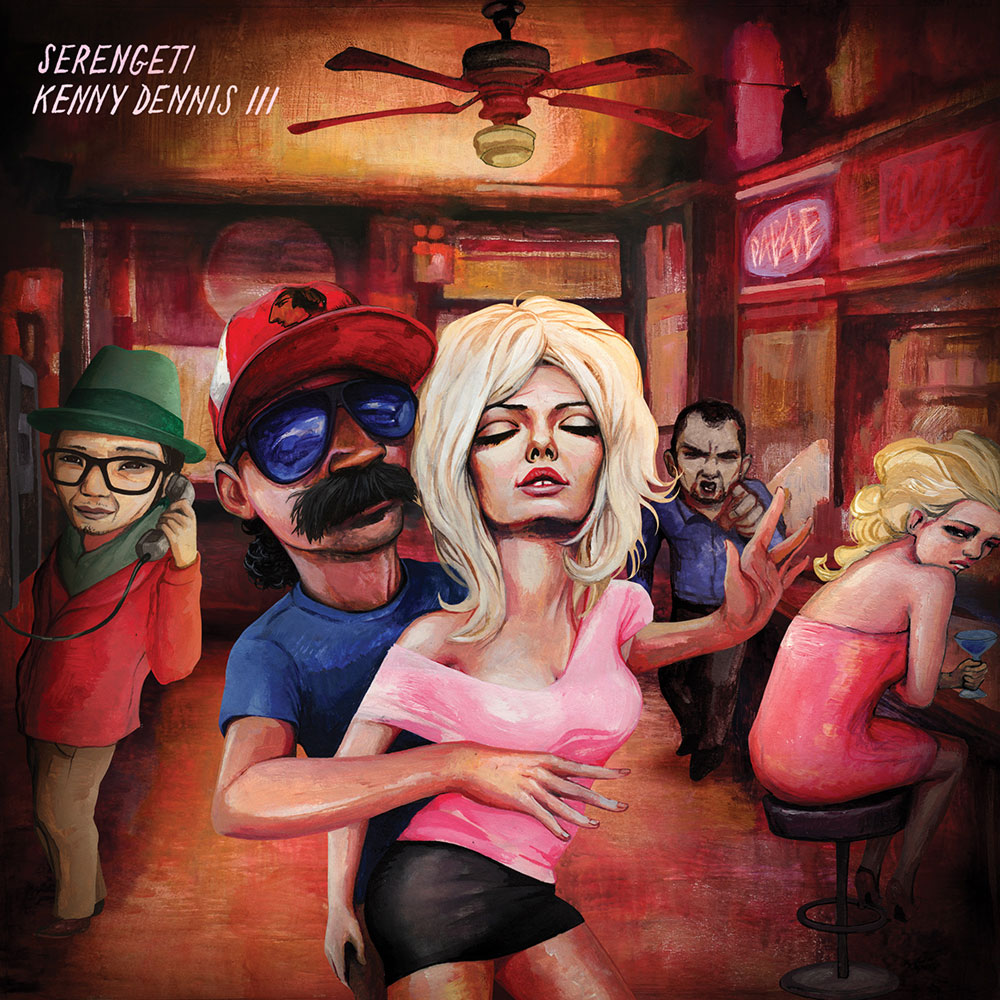
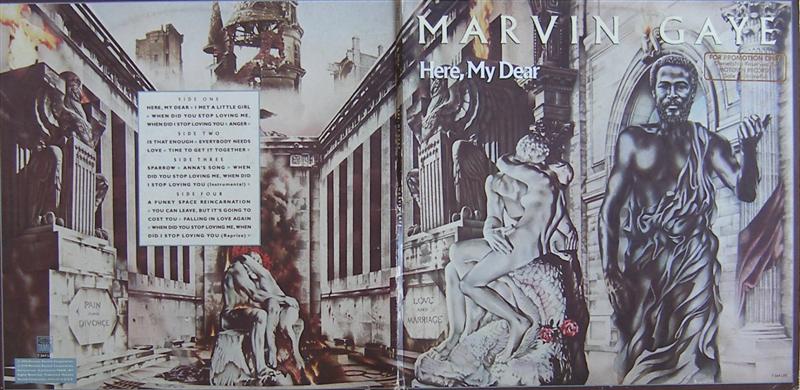


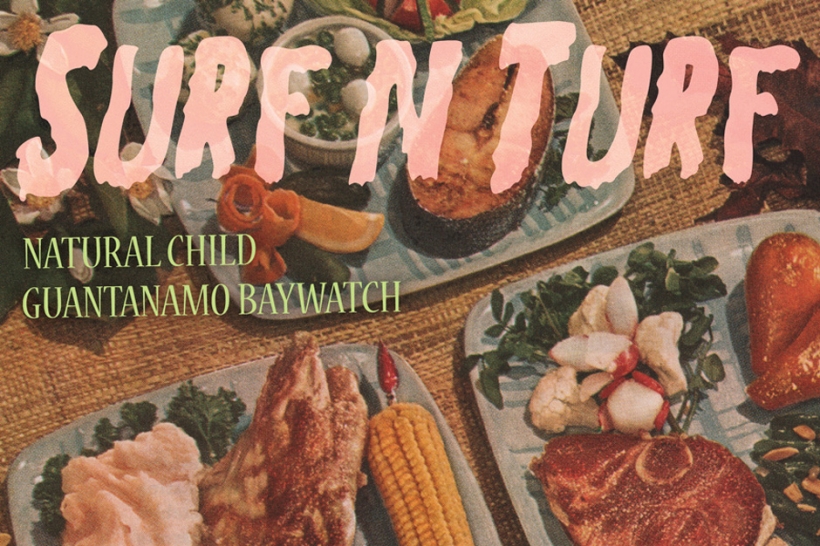

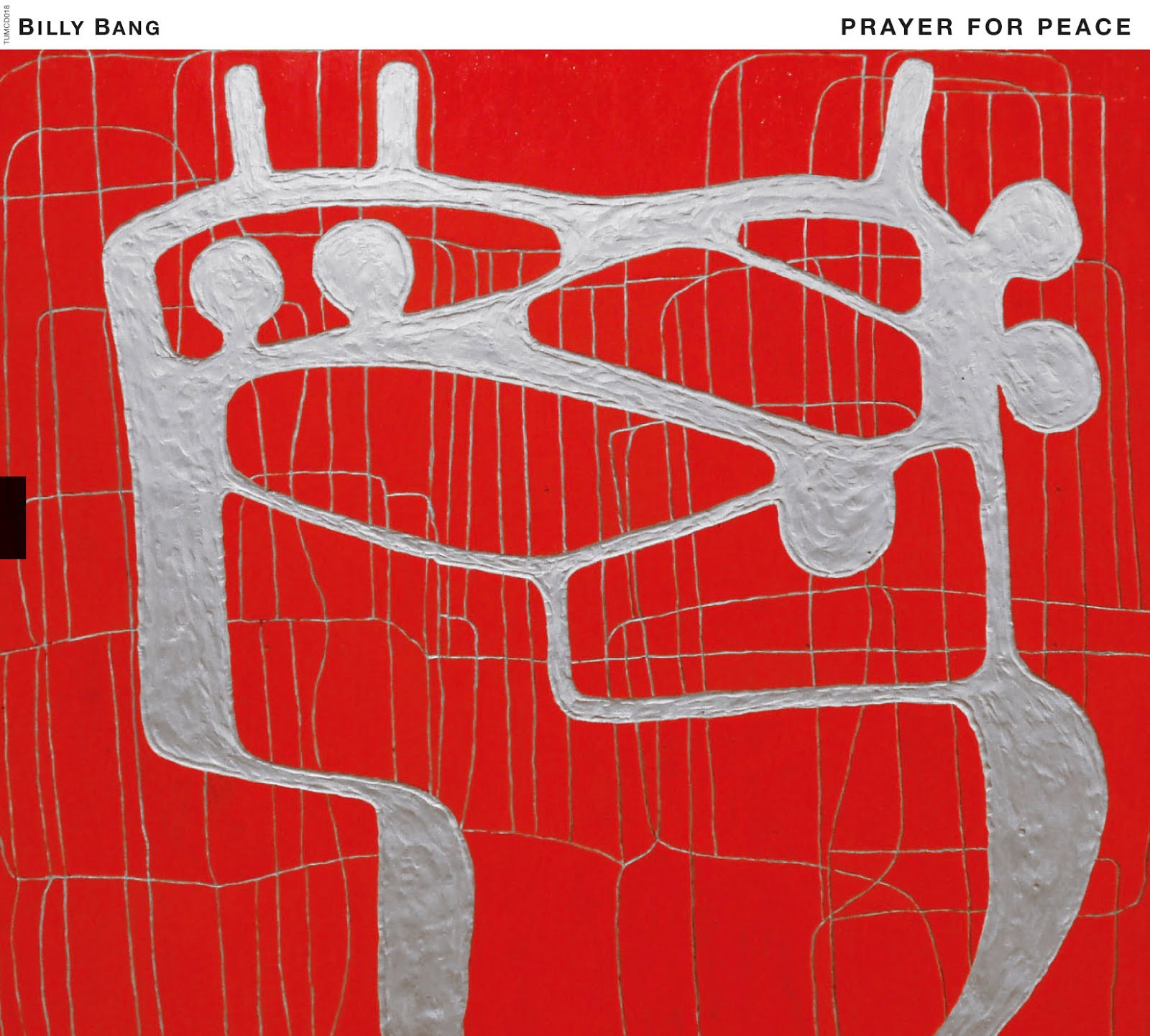


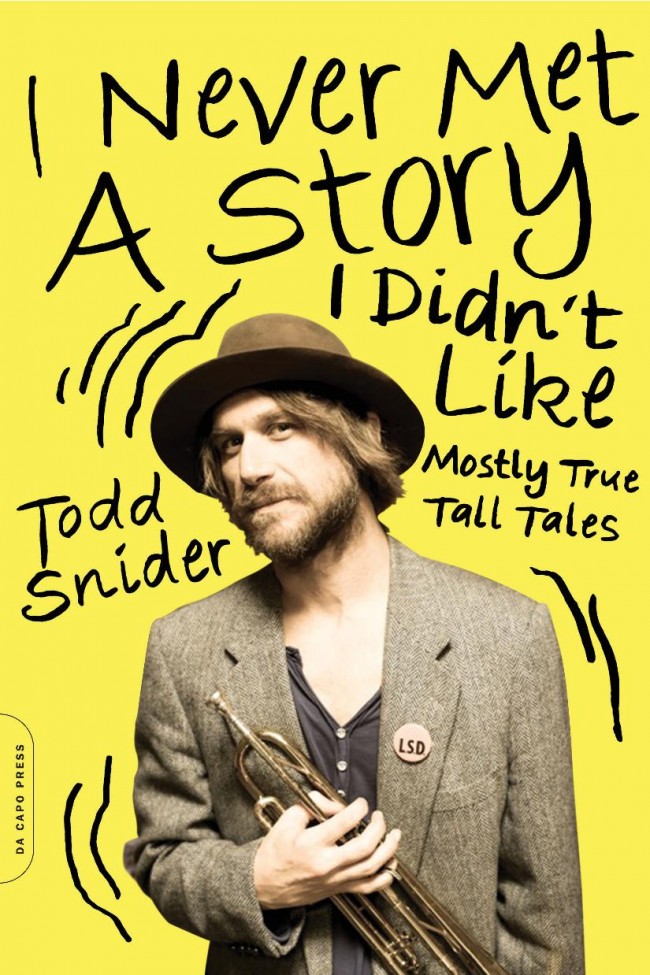


 Living To Listen